
New 2025 Trailers For Sale in Pennsylvania
Shop new 2025 trailers in Pennsylvania, including lowboy, drop deck, and tag trailers for heavy equipment, machinery, and general freight.
Have new 2025 trailer to sell? List it here to reach thousands of buyers.
New 2025 Trailers in Pennsylvania
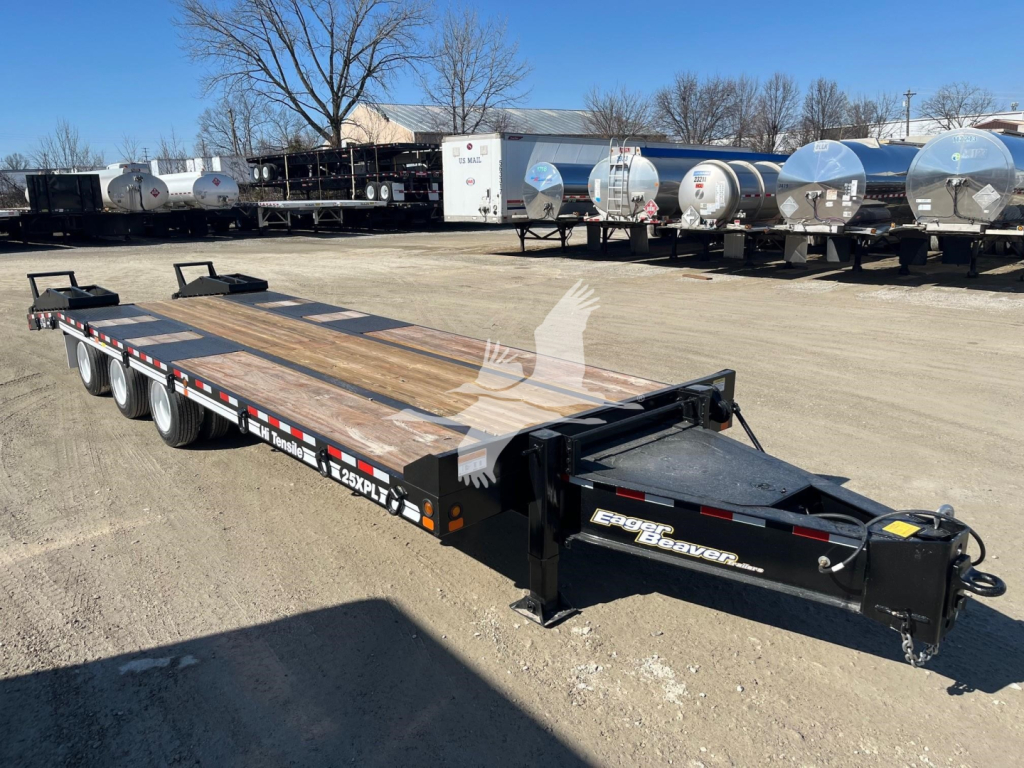
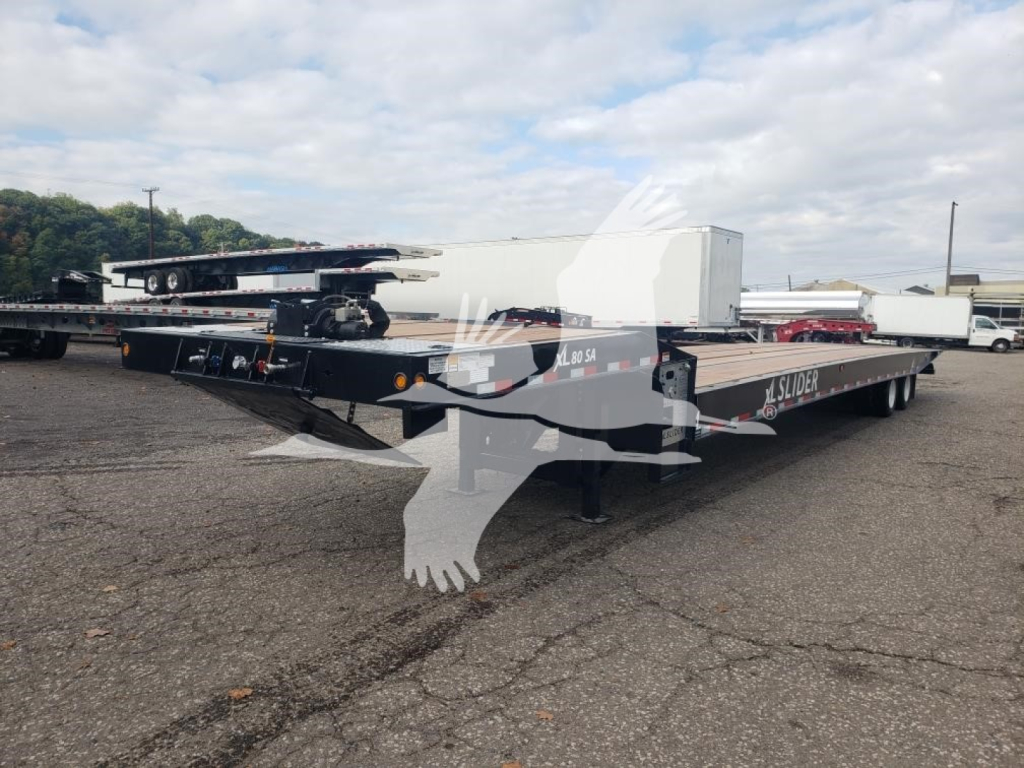
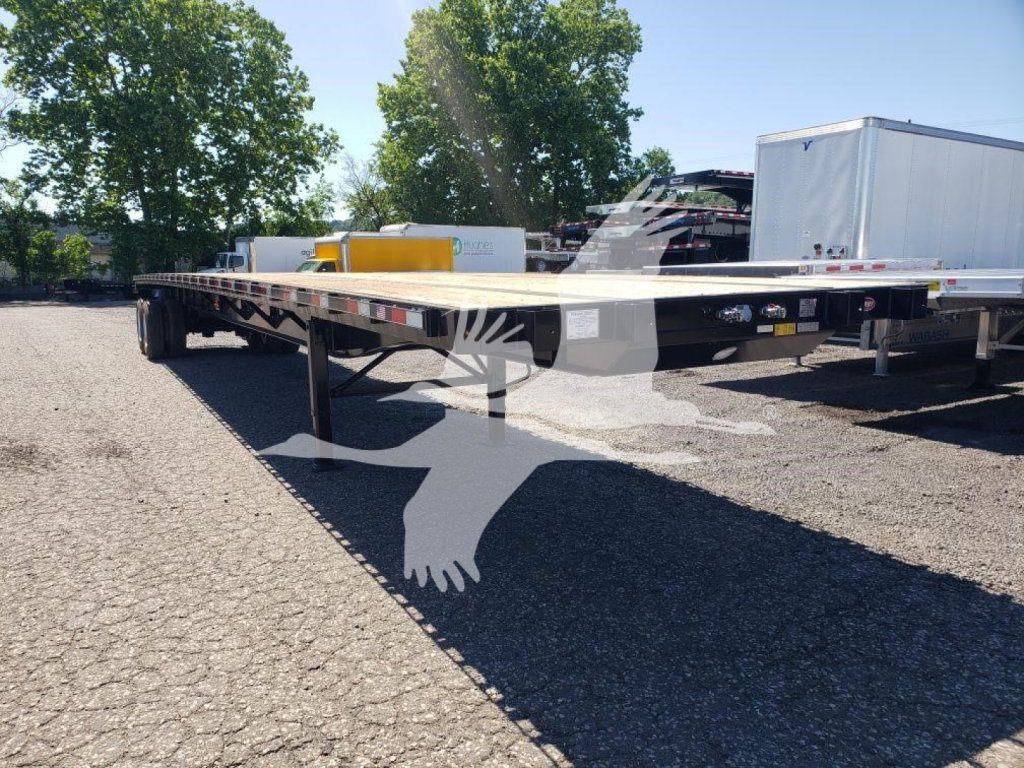
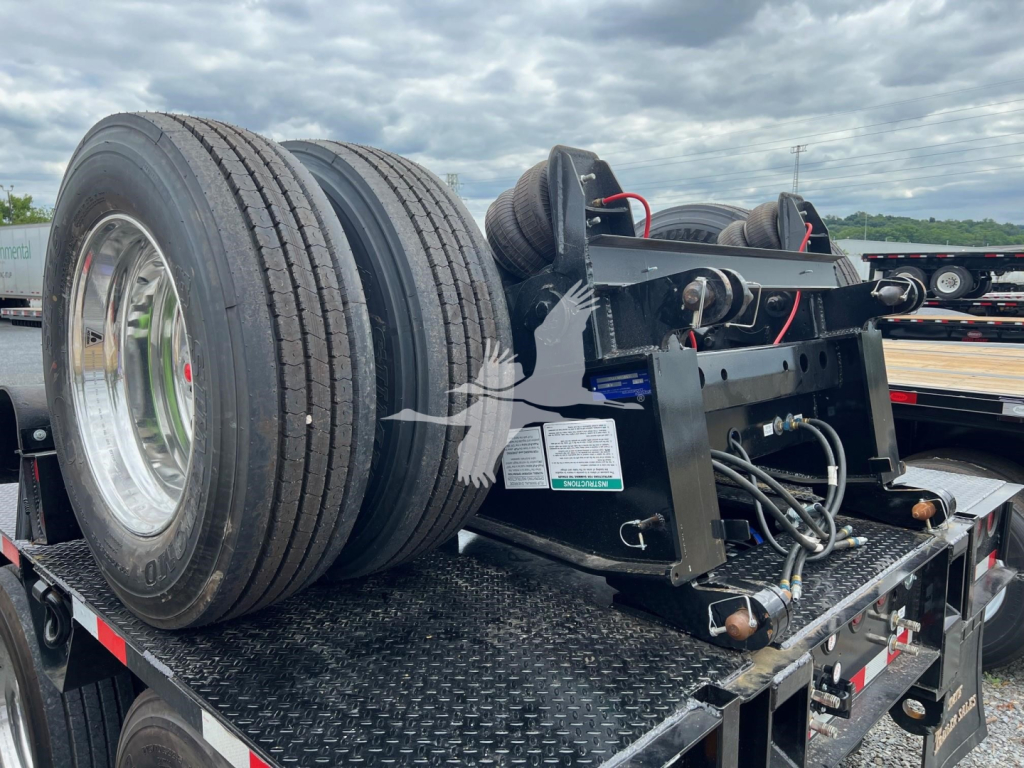
Specs matter more than model year alone, especially in Pennsylvania where road conditions, bridge law, seasonal work, and mixed jobsite use all shape the right purchase. Buyers should compare deck length, loaded deck height, suspension type, axle spacing, and connection style before focusing on finish options. New heavy haul trailers commonly feature hydraulic detachable goosenecks, air ride suspension, removable swing outriggers, D-rings, boom wells, flip axle compatibility, and multiple ride height positions at the fifth wheel. On drop decks, look closely at main deck length, winch track layout, crossmember spacing, floor material, and spread axle setup. On tag trailers, ramp angle, beavertail length, pintle height adjustment, and spring versus air ride can make a real difference in how efficiently you load compact equipment, rollers, pavers, or small excavators.
Material and component choices affect long-term cost. Apitong flooring remains common because it handles concentrated equipment loads well and is serviceable over time. Galvanized crossmembers or galvanized trailer finishes can add corrosion resistance, which matters in northeastern states where winter road treatment is tough on steel. Tire size, wheel construction, lift axle setup, dump valves, LED lighting, and lockable tool storage are not small details on a working trailer. They influence maintenance intervals, legal weight flexibility, driver convenience, and how quickly a trailer can be turned between loads. Buyers hauling tracked equipment should also pay attention to deck reinforcement, load bearing wheel covers, chain drops, and the number and placement of securement points.
The best new 2025 trailer is the one that matches your freight profile, not just the highest capacity on paper. A 55 ton lowboy with flip axle provisions may be ideal for paving and construction fleets, while a 48 foot steel drop deck can be a better fit for mixed freight and equipment that does not require a detach. A 20 ton tag trailer can be the efficient answer for short-haul machinery moves where simplicity and lower operating cost matter. If your work includes oversize loads, check kingpin settings, swing clearance, axle group options, and deck dimensions closely so the trailer fits both your tractor and your permitting routine in Pennsylvania and surrounding states.
Frequently Asked Questions about New 2025 Trailers in Pennsylvania
What type of new 2025 trailer is best for hauling heavy equipment?
For heavy equipment, a lowboy trailer is usually the best fit because it provides a lower deck height, stronger concentrated load capacity, and better clearance for tall machines. Many heavy haul buyers look for hydraulic detachable goosenecks, air ride suspension, flip axle compatibility, and reinforced deck areas for excavators, dozers, and pavers. The right choice depends on machine weight, track width, axle requirements, and how often the load will require permits.
What is the difference between a drop deck trailer and a lowboy trailer?
A drop deck trailer has an upper deck and a lower main deck, giving more height clearance than a standard flatbed while remaining useful for general freight and lighter equipment. A lowboy trailer sits much lower and is designed for heavier, taller machinery that needs specialized loading and higher load concentration ratings. If the load is oversize, dense, or construction-focused, a lowboy is typically the better tool. If the work is mixed freight with occasional equipment hauling, a drop deck often offers more flexibility.
What specs should buyers compare on new trailers in Pennsylvania?
The most important specs are trailer type, deck length, loaded deck height, axle count, axle spacing, suspension, floor material, and securement layout. Pennsylvania buyers should also review kingpin setting, swing clearance, lift axle configuration, and any features that affect permitting or bridge compliance. For equipment trailers, ramp angle, beavertail design, outriggers, D-ring placement, and flip axle provisions are especially important because they directly affect loading safety and legal payload options.
Is air ride or spring ride better on a new trailer?
Air ride is generally preferred on drop decks and heavy haul trailers because it improves ride quality, helps protect equipment and freight, and can offer more control through dump valves and ride height management. Spring ride is still common on many tag trailers because it is simpler, durable, and cost-effective for local equipment moves. The better choice depends on trailer class, load sensitivity, service environment, and maintenance preference.
Why do buyers look for galvanized or corrosion-resistant trailer components?
Corrosion-resistant components help extend trailer life, especially in regions where moisture, salt, and winter road chemicals accelerate rust. Galvanized crossmembers, galvanized finishes, protected wiring, and quality lighting can reduce long-term maintenance and preserve structural condition. For fleets operating year-round in Pennsylvania, these features can improve durability and lower the cost of ownership over the life of the trailer.