
New 2025 Trailers For Sale in Ohio
Shop new 2025 trailers in Ohio including flatbed, drop deck, and lowboy models with current specs, axle setups, and hauling features.
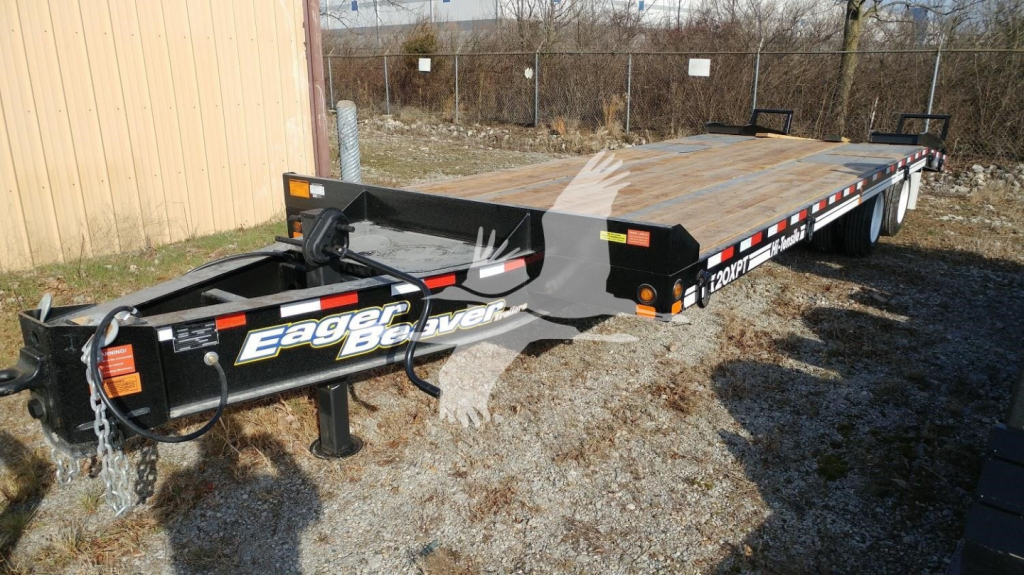
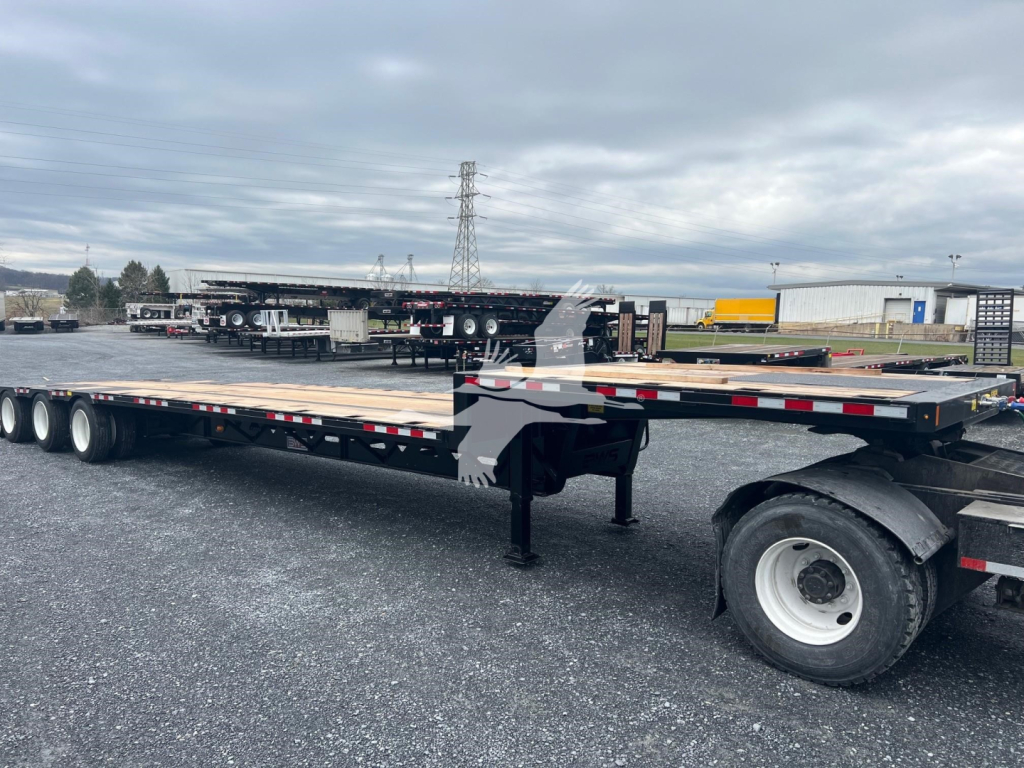
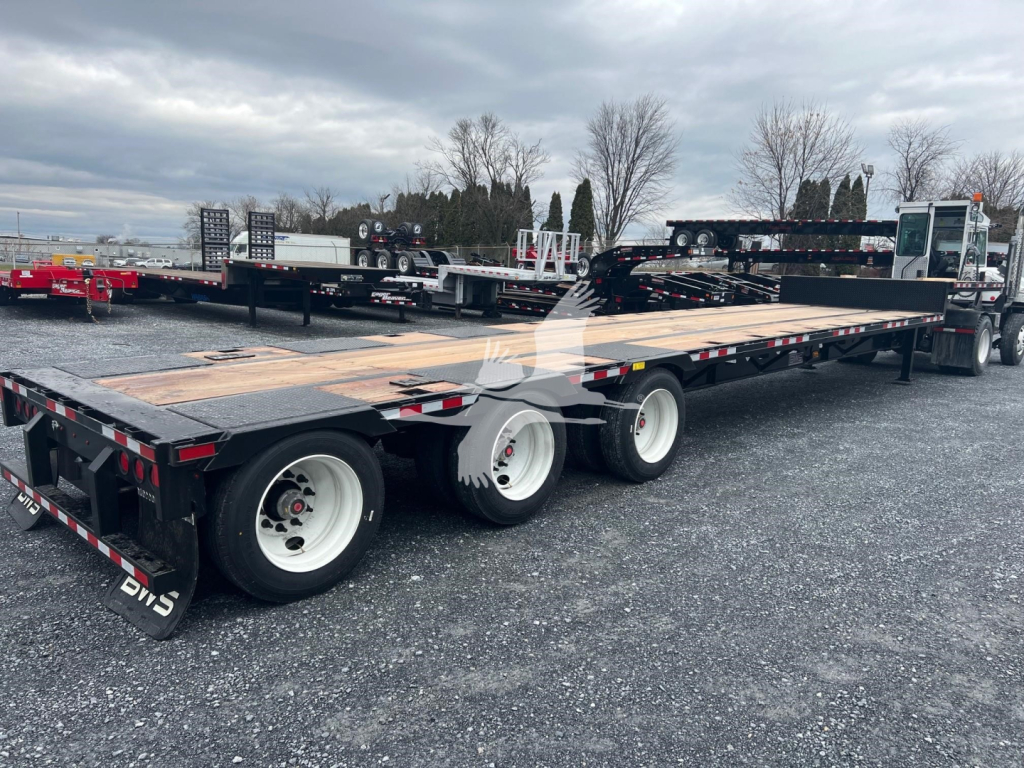
Selling a new 2025 trailer? List your new 2025 trailer for sale and reach thousands of commercial buyers.
New 2025 Trailers in Ohio
For flatbed and drop deck buyers, the biggest spec differences are often aluminum versus steel construction, deck length, crossmember spacing, and suspension setup. Aluminum flatbeds reduce tare weight and help maximize payload, while steel trailers trade weight for durability and lower repair sensitivity in severe-duty use. Common deck widths are 102 inches, with lengths often running 48 to 53 feet. Crossmember centers, coil packages, winch tracks, sliding winches, pipe spools, and nailing strips matter more than many first-time buyers expect because these details directly affect how easily the trailer handles steel, lumber, machinery, and mixed freight. Air ride suspensions, 10-foot 2-inch spreads, slider setups, and kingpin settings should also be checked closely for bridge law compliance, maneuverability, and tractor compatibility.
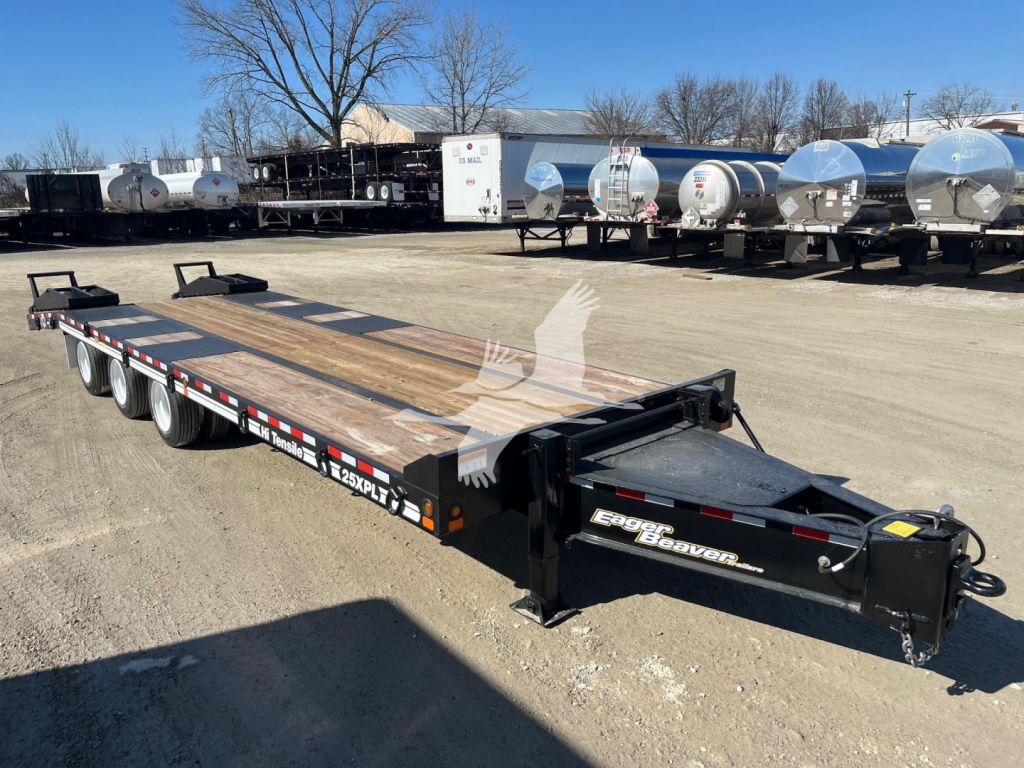
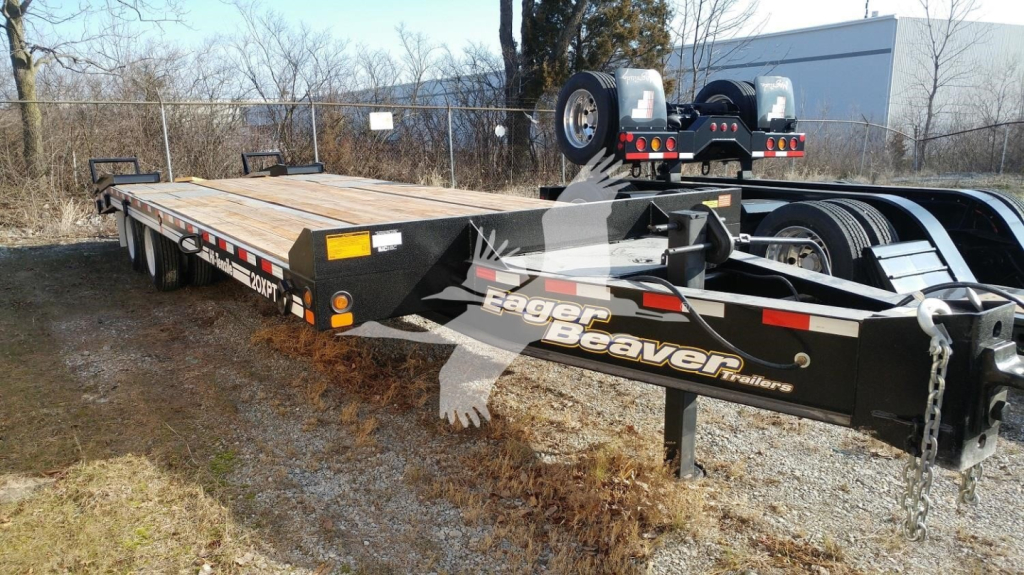
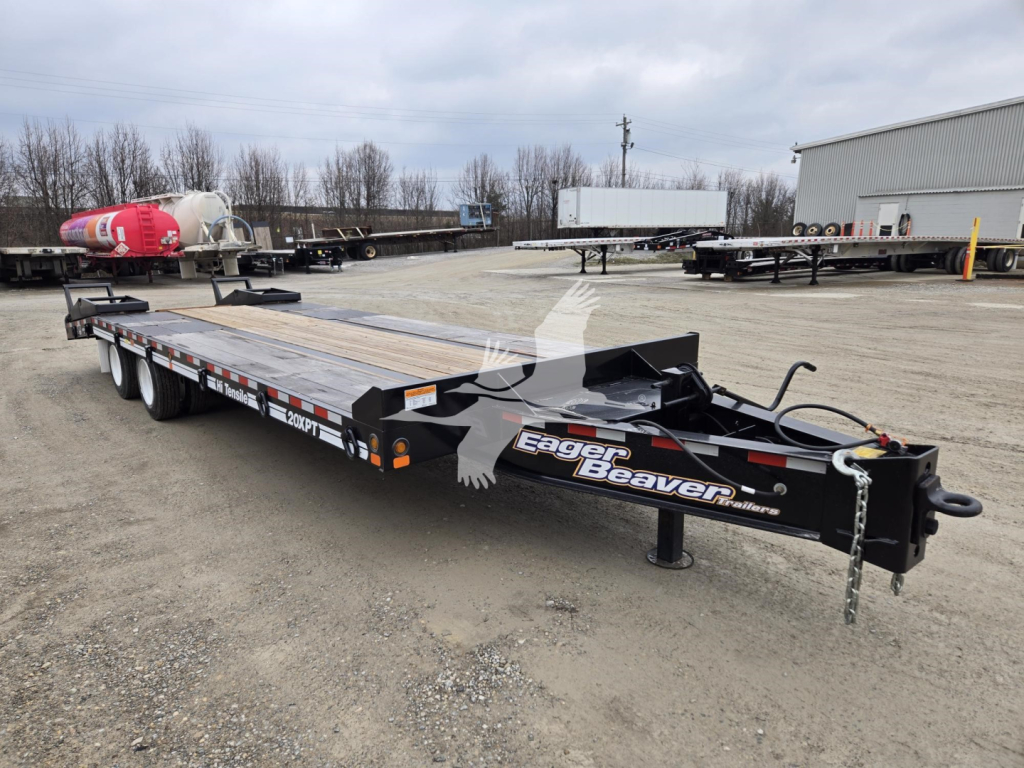
If the work involves taller machinery, forklifts, compact equipment, or freight that regularly challenges legal height, a drop deck trailer can be the better fit. Typical specs include a shorter upper deck, a longer main deck, and a lower loaded deck height that improves flexibility for construction, industrial, and agricultural freight. Buyers should pay attention to main deck height, top deck length, axle spread, flooring material such as Apitong, and whether the trailer includes curbside tie bars, dump valves, galvanized crossmembers, or specific bearing and wheel package choices. These details affect long-term maintenance, cargo securement options, and how well the trailer holds up in Ohio weather, road salt, and year-round commercial use.
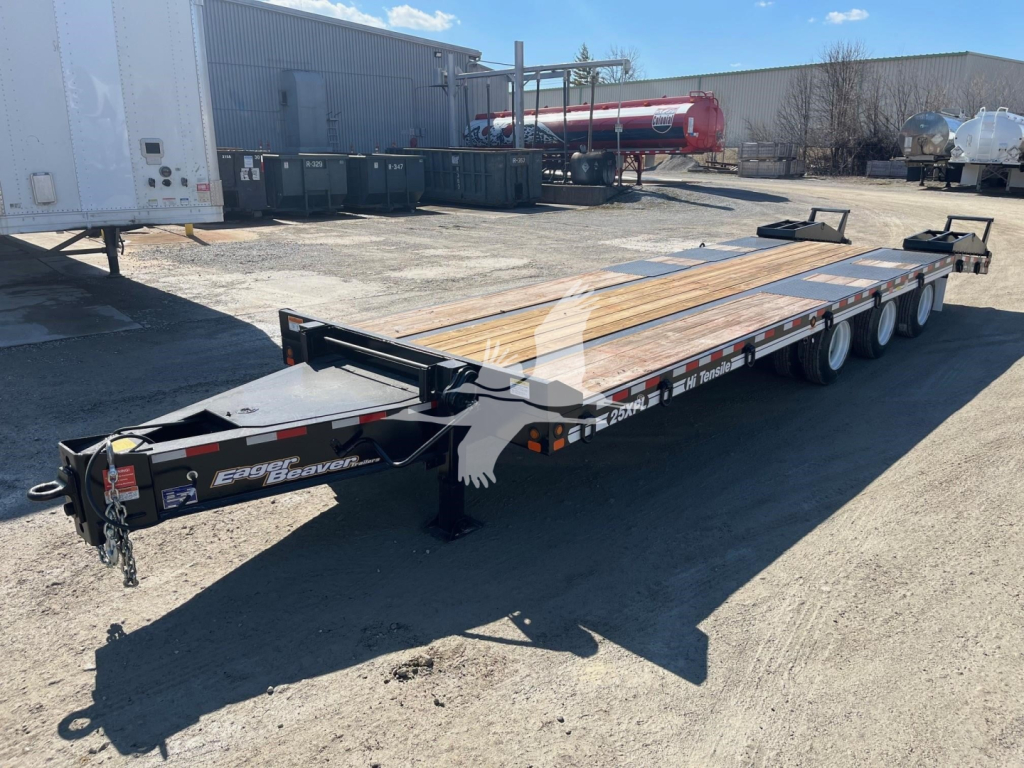
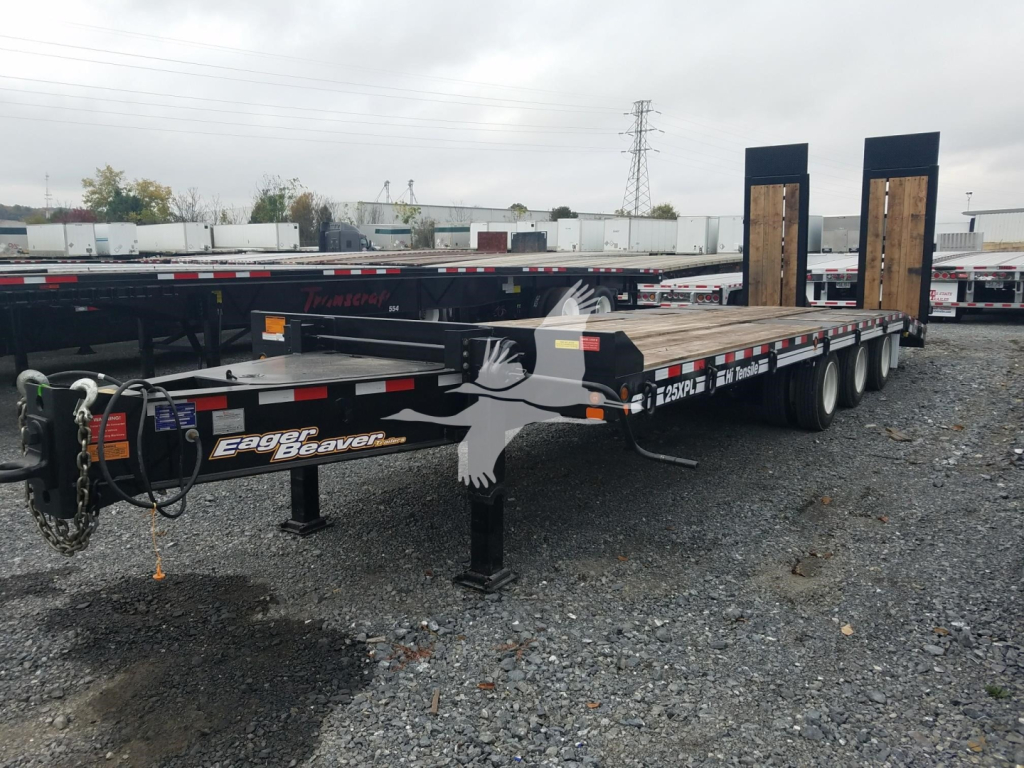
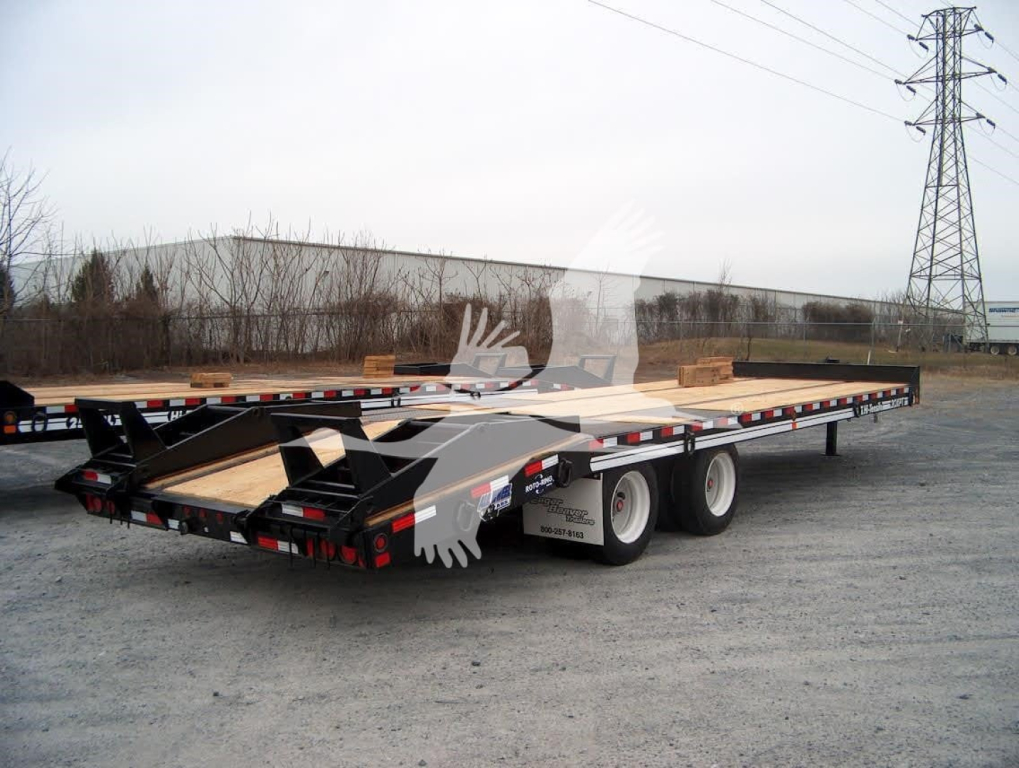
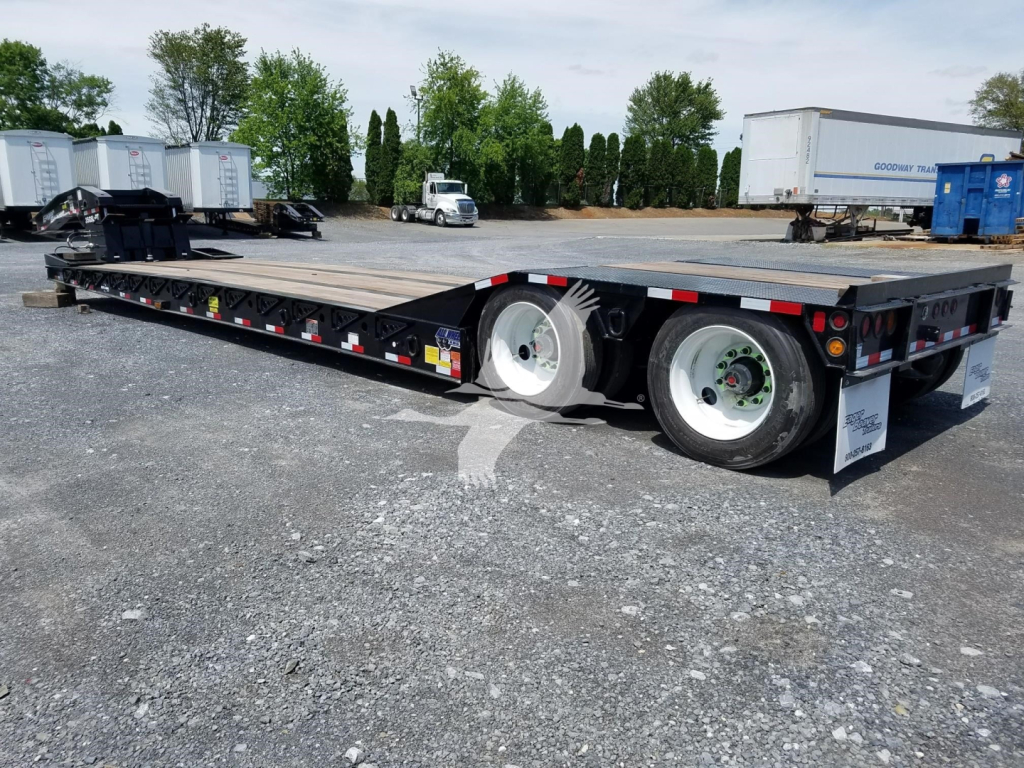
For heavy haul operations, lowboy trailers demand a more technical review. Capacity rating, detachable neck style, number of axles, loaded fifth wheel height, deck length, outriggers, D-rings, and compatibility with flip axles or neck extensions all matter before purchase. A lowboy built for a 55-ton class load is a different tool than a general-purpose equipment hauler, and buyers need to confirm the intended machine weights, axle weights, permit strategy, and route requirements in advance. Across all trailer categories, new-model buyers should compare suspension brands, tire sizes, wheel material, landing gear, lighting, and frame finish, because these are the specs that influence uptime, resale value, and how quickly a trailer goes to work.
Frequently Asked Questions about New 2025 Trailers in Ohio
What type of new trailer is best for general freight hauling in Ohio?
For general freight, a flatbed trailer is usually the most versatile choice. It works well for steel, lumber, building products, palletized freight, and machinery that loads from the side or by crane. Buyers should compare aluminum and steel construction, deck length, winch track layout, crossmember spacing, and axle spread because those specs affect payload, securement flexibility, and long-term operating cost.
When should I choose a drop deck trailer instead of a flatbed?
A drop deck trailer makes sense when freight height is a recurring issue. The lower main deck allows taller equipment or materials to stay within legal height limits more easily than a standard flatbed. Buyers should look closely at top deck length, main deck length, loaded deck height, suspension type, and flooring because those factors determine what kinds of loads the trailer can handle efficiently.
What should I check on a new lowboy trailer before buying?
Lowboy buyers need to verify rated capacity, deck height, deck length, detachable gooseneck configuration, axle count, and compatibility with flip axles or neck extensions. Securement equipment such as outriggers and D-rings is also critical. A lowboy should be matched to the actual machines being hauled, not just a published ton rating, because axle weight distribution, permit needs, and loading method all affect real-world usability.
Are aluminum trailers better than steel trailers?
Neither material is universally better. Aluminum trailers typically weigh less, which can increase payload and improve fuel efficiency in freight operations where every pound matters. Steel trailers generally offer a lower upfront cost and can be a better fit for severe-duty applications where impact resistance and repair familiarity are priorities. The right choice depends on the freight, the operating region, maintenance practices, and expected resale cycle.
Which trailer specs have the biggest impact on resale and day-to-day use?
The most important specs usually include deck length, trailer material, axle configuration, suspension brand, crossmember spacing, kingpin setting, flooring type, and cargo securement equipment such as winch tracks, sliding winches, chain ties, and pipe spools. Tire and wheel packages, lighting, dump valves, landing gear, and frame finish also matter. Buyers who focus on these core specs usually end up with a trailer that is easier to load, easier to maintain, and easier to resell.