
New 2025 Eager Beaver Trailers For Sale in Ohio
Shop new 2025 Eager Beaver trailers for sale, including tag and flatbed equipment trailers built for hauling machinery, construction gear, and heavy loads.
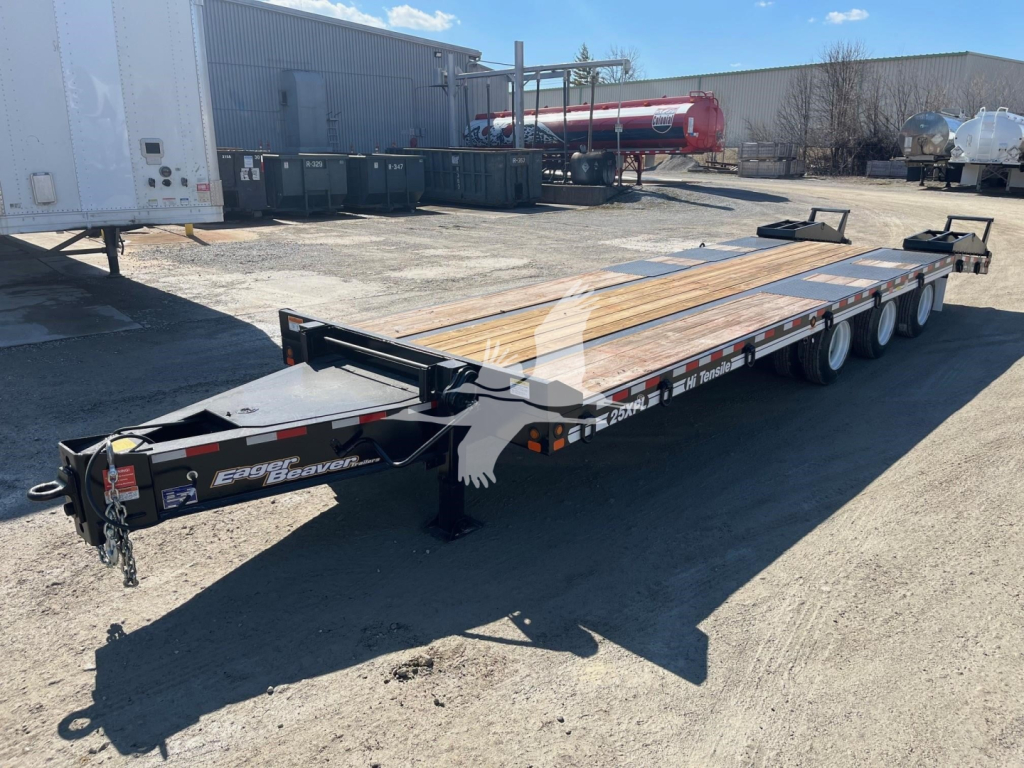
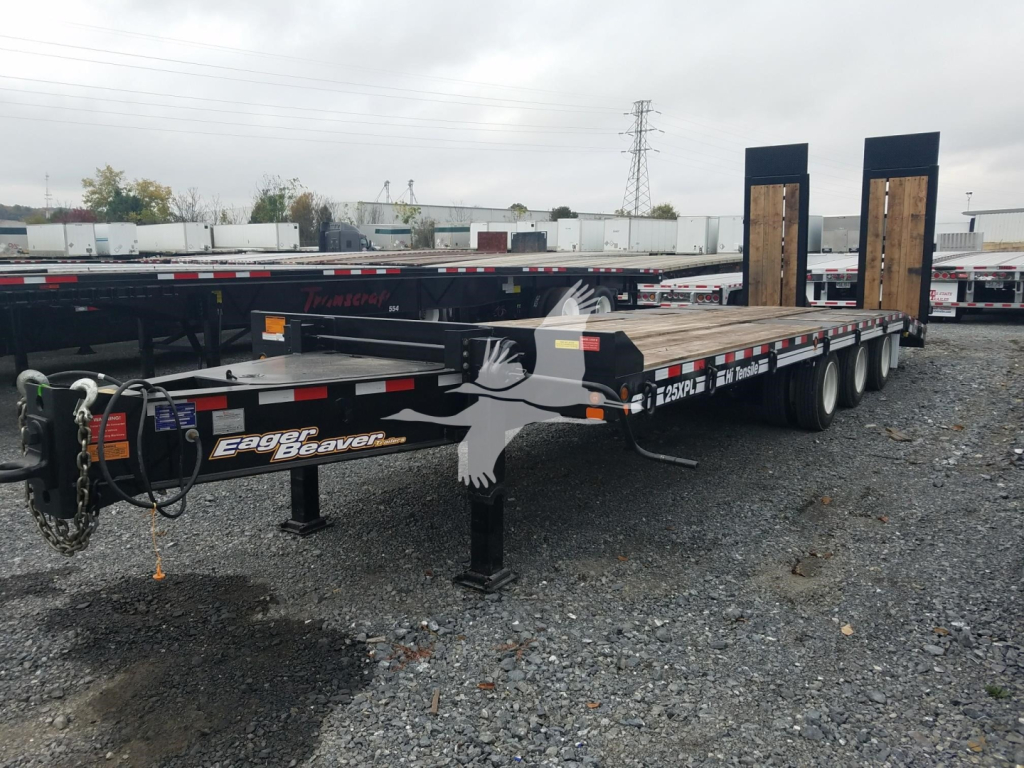
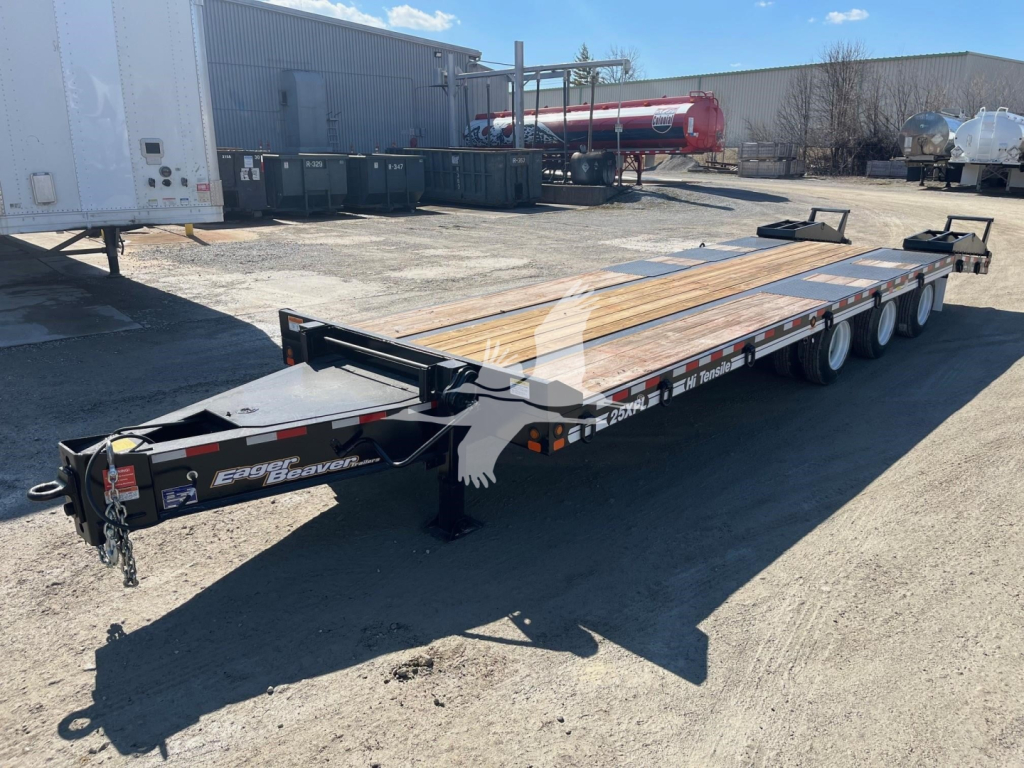
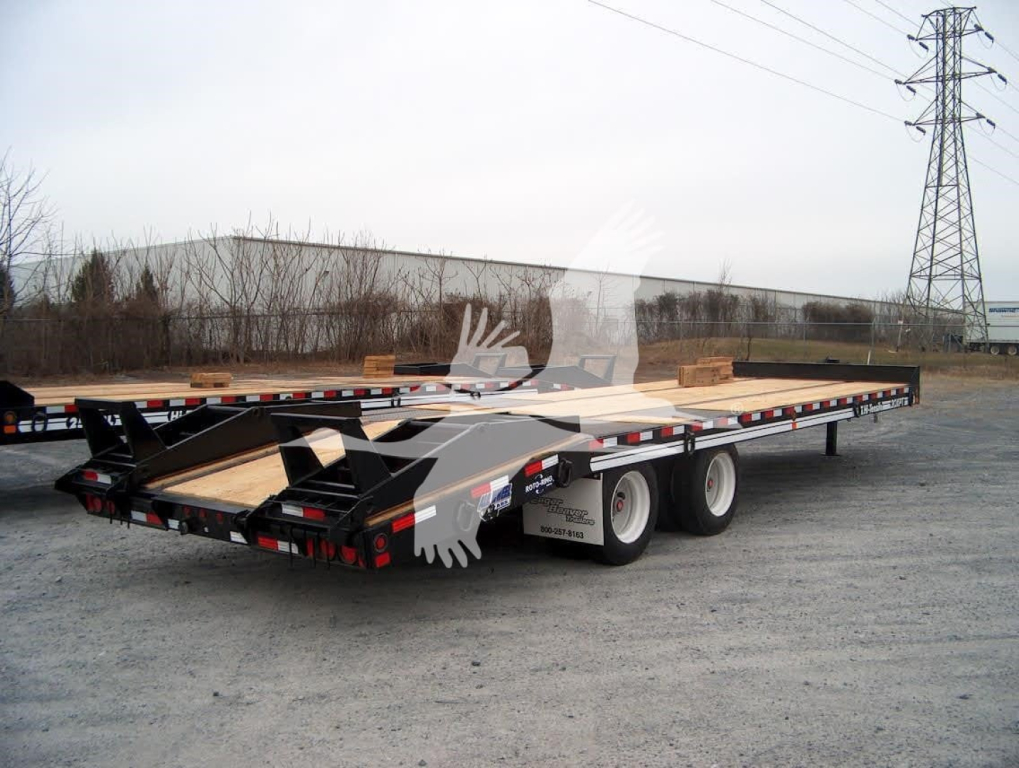
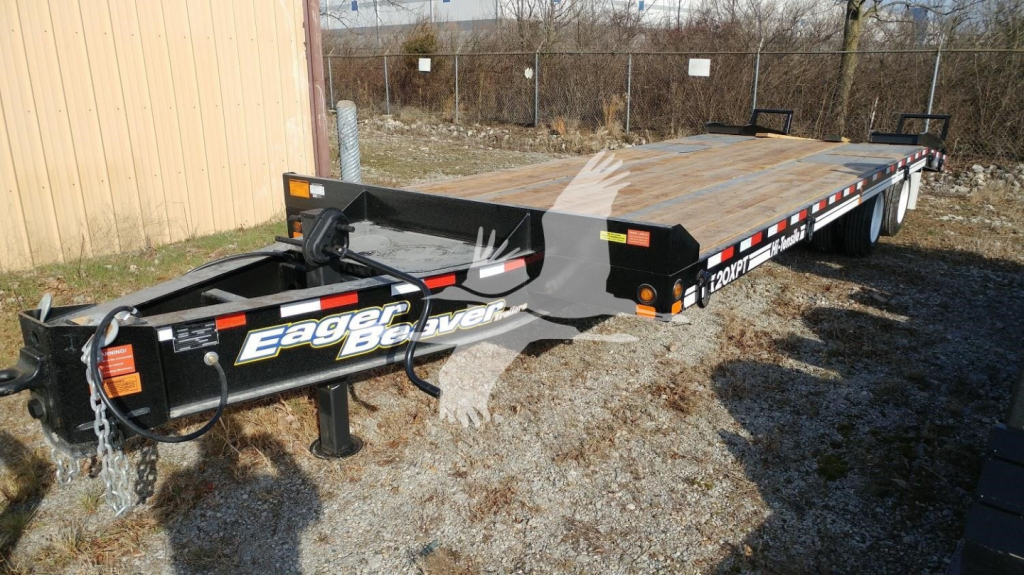
Selling a new 2025 eager beaver trailer? List your new 2025 eager beaver trailer for sale and reach thousands of commercial buyers.
New 2025 Eager Beaver Trailers in Ohio
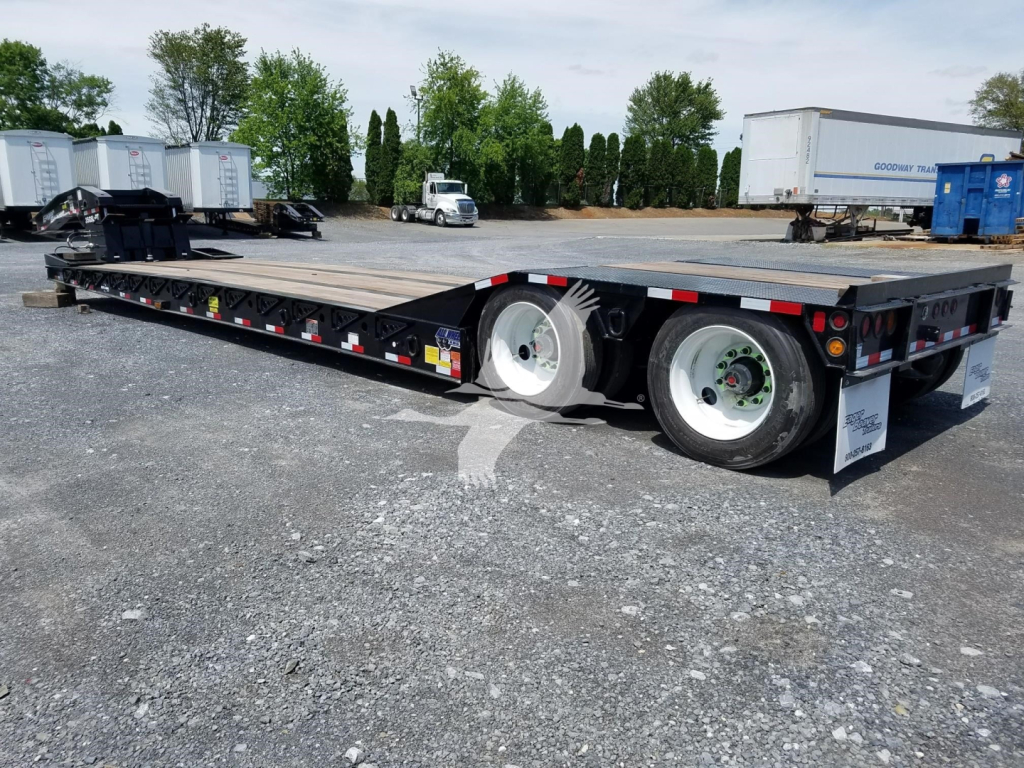
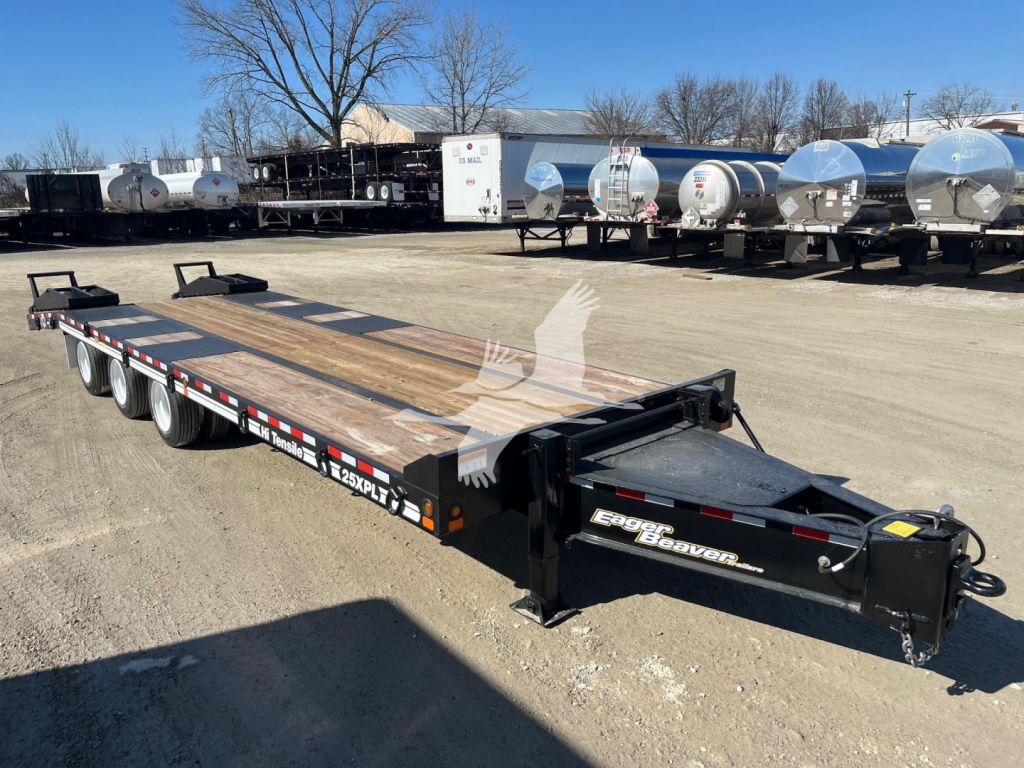
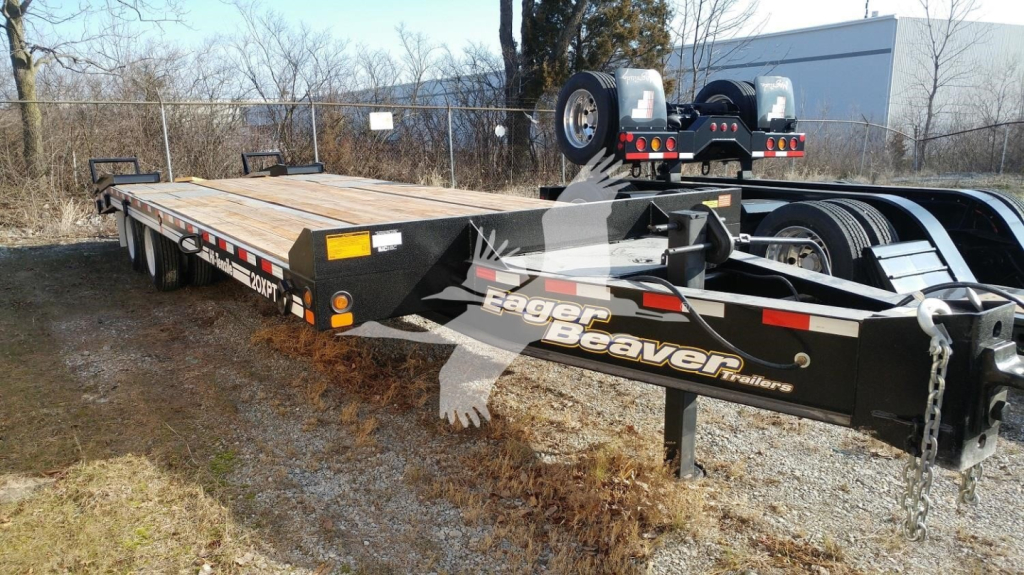
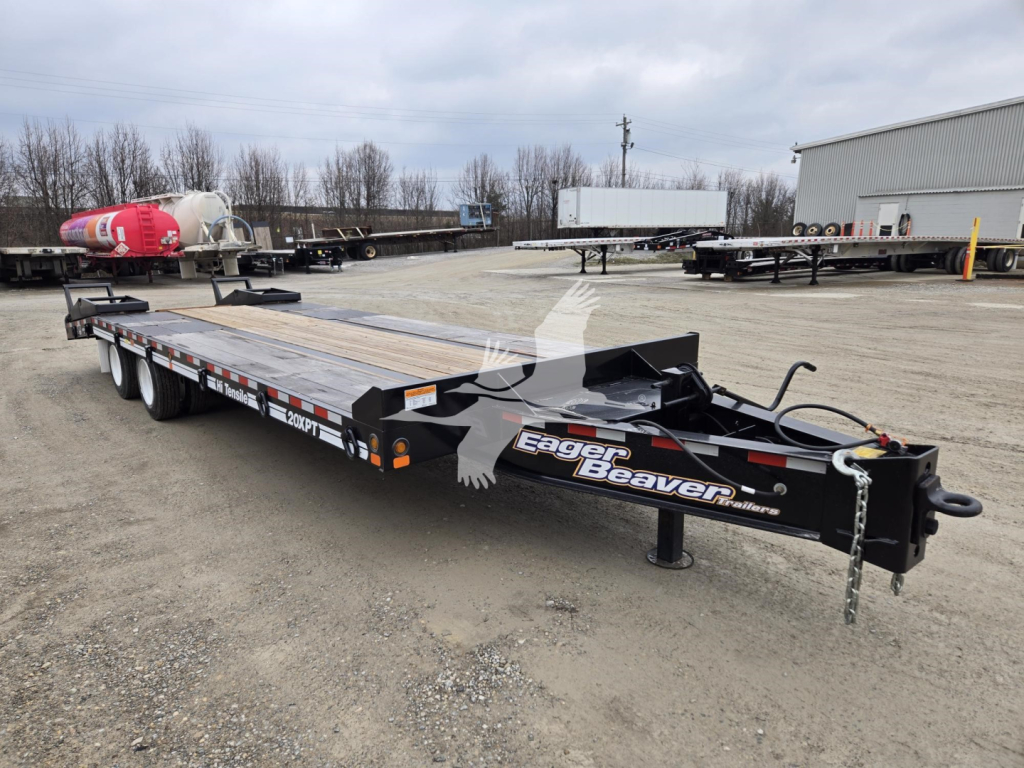
A buyer comparing 2025 Eager Beaver trailers should start with capacity, deck length, and loading system. Common ratings in this class include 20 ton and 25 ton setups, typically with 102-inch overall width, steel side rails, full-width steel bulkheads, and wood floors such as Apitong or mixed hardwood-softwood deck construction. Main deck lengths in this category commonly run in the low-to-mid 20-foot range, with overall trailer lengths around the mid-30-foot range. Many use a 6-foot beavertail with an 8-degree load angle, which matters if you regularly load lower-clearance equipment. Ramp choice is another key separator. Fixed or flip-over angle iron ramps keep things simple and lighter, while wood-filled ramps and hydraulic ramps improve traction, loading control, and day-to-day productivity.
Running gear and hitch setup matter just as much as deck specs. These Eager Beaver trailers commonly use tandem or tri-axle layouts with spring ride suspension, 17.5-inch tires, steel wheels, and ABS with spring brakes on all axles. Tag-style configurations with an adjustable pintle hitch are especially common for contractors running medium-duty or heavy-duty trucks instead of road tractors. Buyers in Ohio and similar states often focus on rugged suspension, brake reliability, and deck material durability because these trailers see mixed highway and jobsite use through wet conditions, gravel lots, and seasonal freeze-thaw cycles. A lockable drawbar toolbox, safety chains, and practical landing gear are small details, but they make a difference in daily use.
The best 2025 Eager Beaver trailer for your operation comes down to load profile and loading frequency. A 20 ton model is often a strong fit for compact and mid-size iron, while a 25 ton tag trailer with a lift axle can offer more flexibility for heavier equipment and changing axle loads. If your machines have tight track spacing or frequent steel-track use, pay close attention to ramp width, floor composition, and deck height. If turnaround time matters, hydraulic ramps can justify the added cost. Buyers comparing listings should look closely at axle count, suspension type, beavertail design, ramp construction, and stated empty weight, since those details directly affect payload, ease of loading, and long-term maintenance.
Frequently Asked Questions about New 2025 Eager Beaver Trailers in Ohio
What are new 2025 Eager Beaver trailers commonly used for?
New 2025 Eager Beaver trailers are commonly used for hauling construction and utility equipment such as skid steers, mini excavators, compact track loaders, rollers, small dozers, and attachments. In many fleets, they serve as dedicated equipment trailers behind pintle-equipped trucks, especially where frequent loading and unloading is part of the daily routine. Their deck design, beavertail, and ramp options make them well suited for machinery transport rather than general freight.
What is the difference between an Eager Beaver XPT and XPL trailer?
The difference usually comes down to capacity, axle arrangement, and overall trailer layout. XPT models are often seen in 20 ton class configurations with tandem axles, while XPL models can step up in capacity and may include tri-axle arrangements or lift axle setups depending on the build. Buyers should confirm the exact GVWR, axle count, deck length, and ramp package on each listing, because model family names can include multiple spec variations.
Are spring ride Eager Beaver trailers a good choice for equipment hauling?
Spring ride is a common and proven setup for equipment trailers in this class. It is generally valued for durability, simplicity, and easier serviceability compared with more complex suspension systems. For buyers hauling equipment over mixed pavement and jobsite surfaces, spring ride can be a practical choice. The tradeoff is that ride quality is not as forgiving as air ride, so load securement and machine placement remain important.
What specs matter most when comparing new Eager Beaver tag trailers?
The most important specs are weight rating, deck length, deck height, beavertail angle, ramp type, and axle configuration. Buyers should also check floor material, D-ring count and placement, suspension brand, tire size, brake system, and hitch adjustability. These details affect how easily equipment loads, how much payload the trailer can legally and safely carry, and how well it will hold up under repeated commercial use.
Is a 20 ton or 25 ton Eager Beaver trailer the better choice?
A 20 ton trailer is often sufficient for compact and mid-size equipment fleets and may offer a lighter empty weight and simpler operating costs. A 25 ton trailer is the better fit when machine weights vary, future equipment may get larger, or added axle support is needed for heavier loads. The right choice depends on actual machine operating weights, attachment combinations, local bridge and axle considerations, and how often the trailer will be pushed near its rated capacity.