
New 2025 Eager Beaver Trailers For Sale
Shop new 2025 Eager Beaver trailers including lowboy and tag trailer models with heavy-haul specs, durable decks, and contractor-ready designs.
Selling a new 2025 eager beaver trailer? List your new 2025 eager beaver trailer for sale and reach thousands of commercial buyers.
New 2025 Eager Beaver Trailers
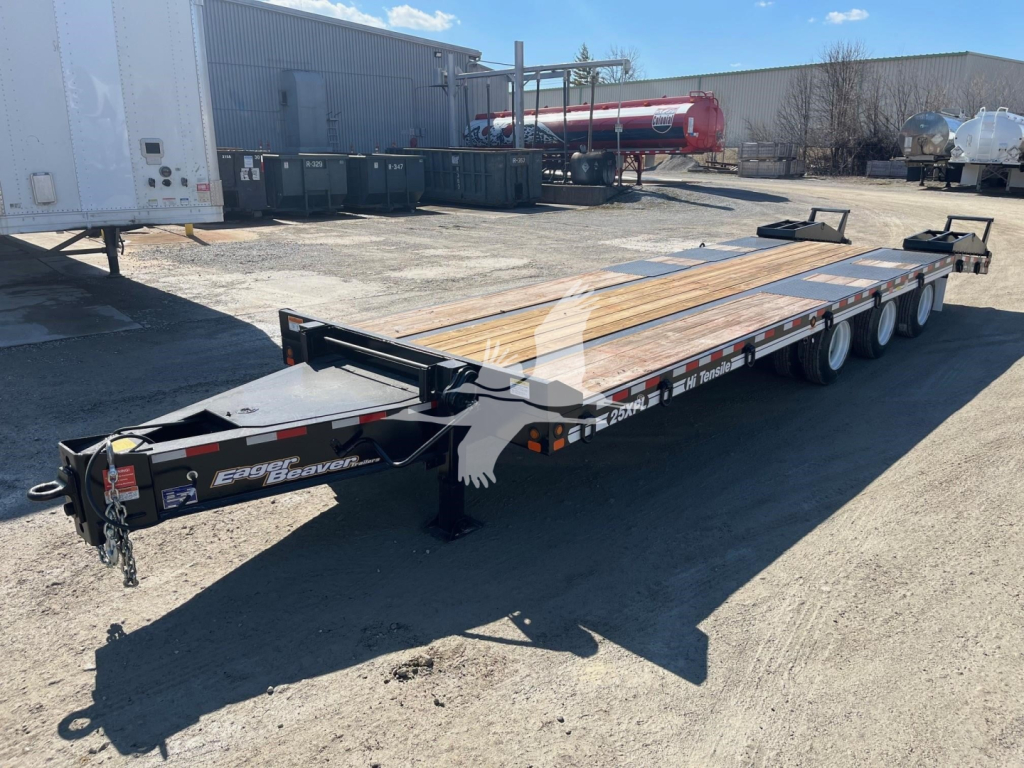
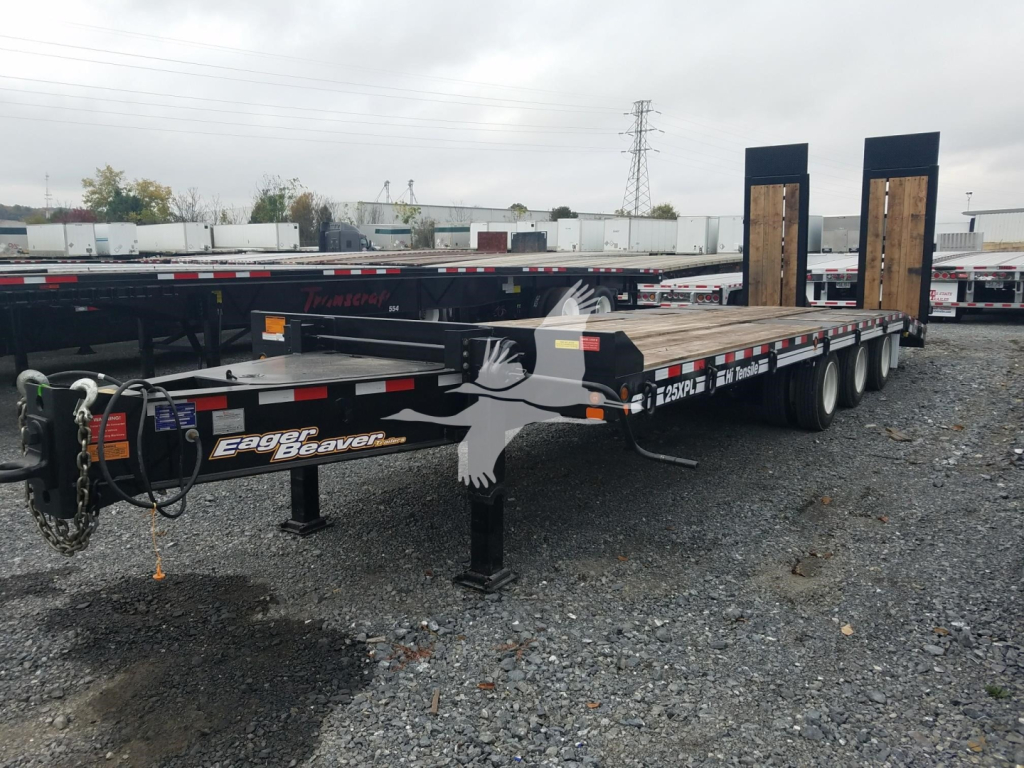
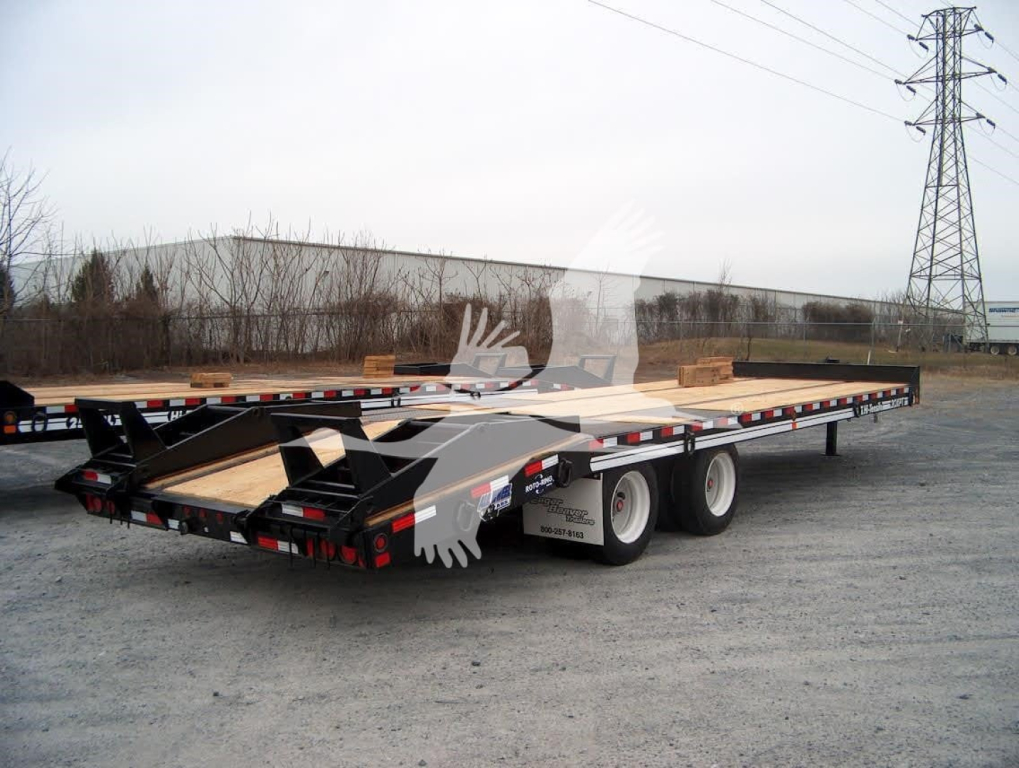
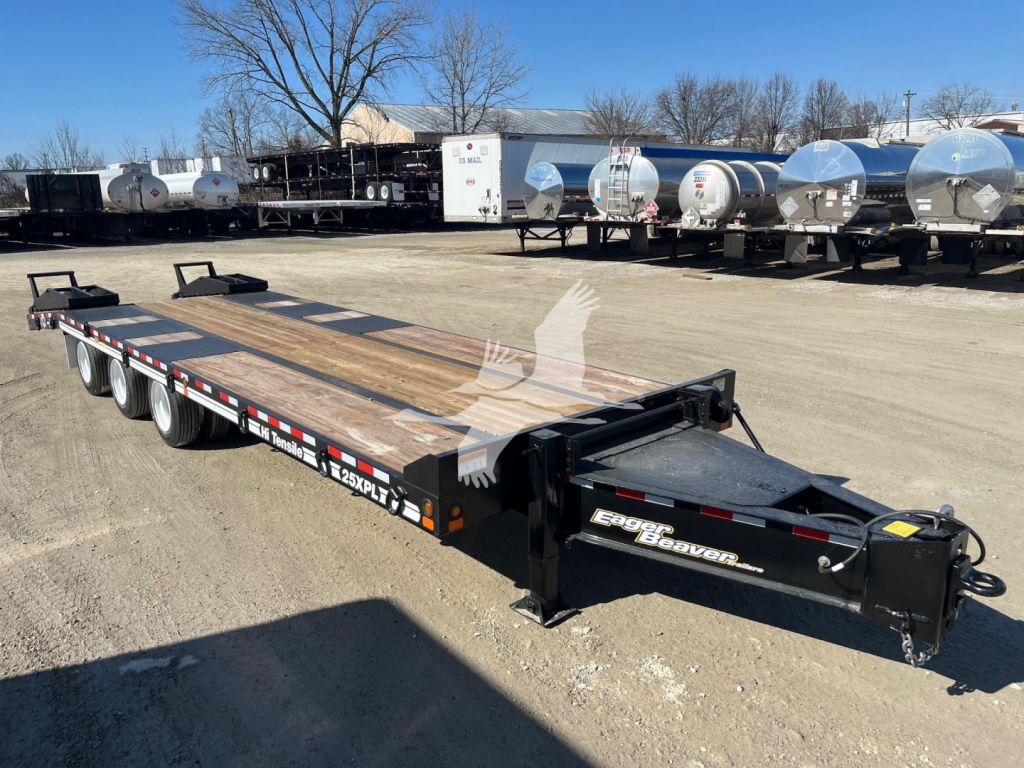
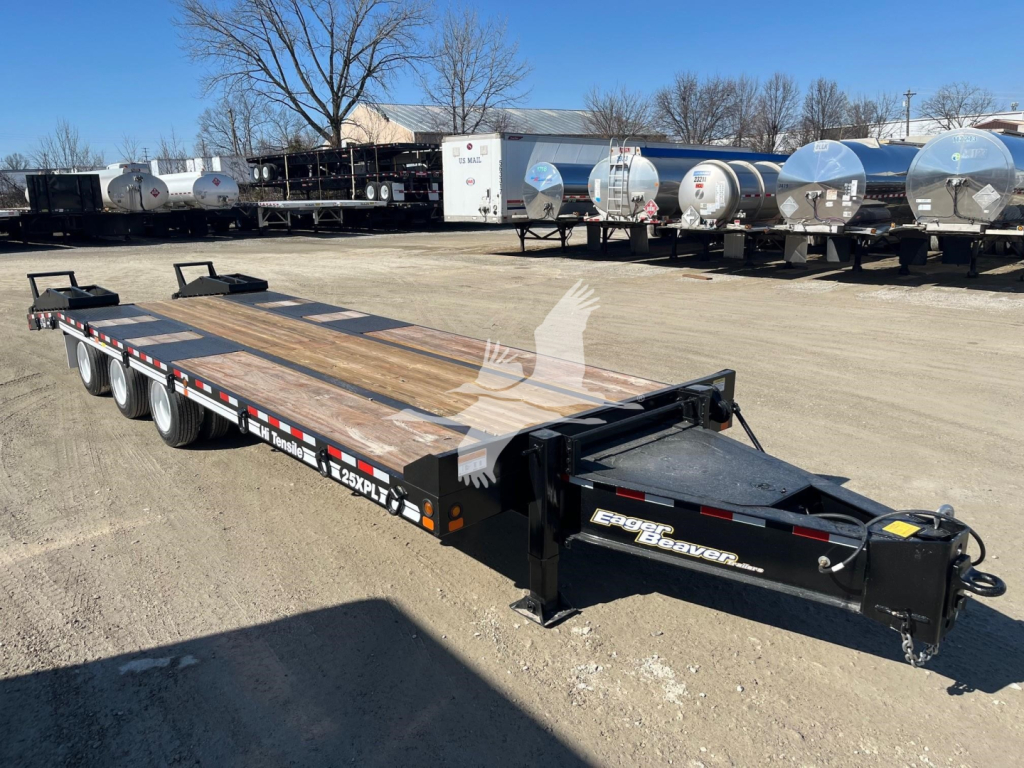
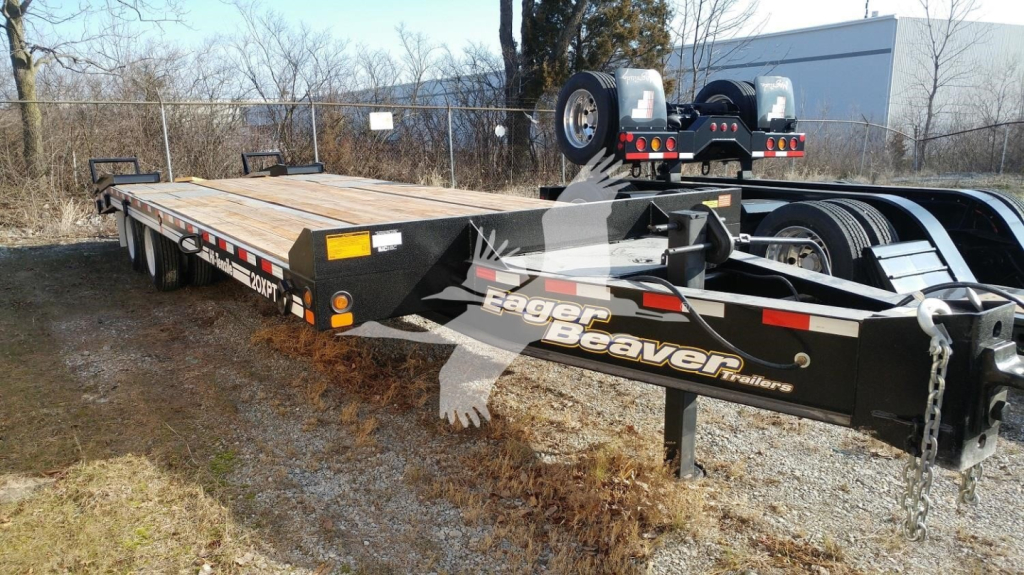
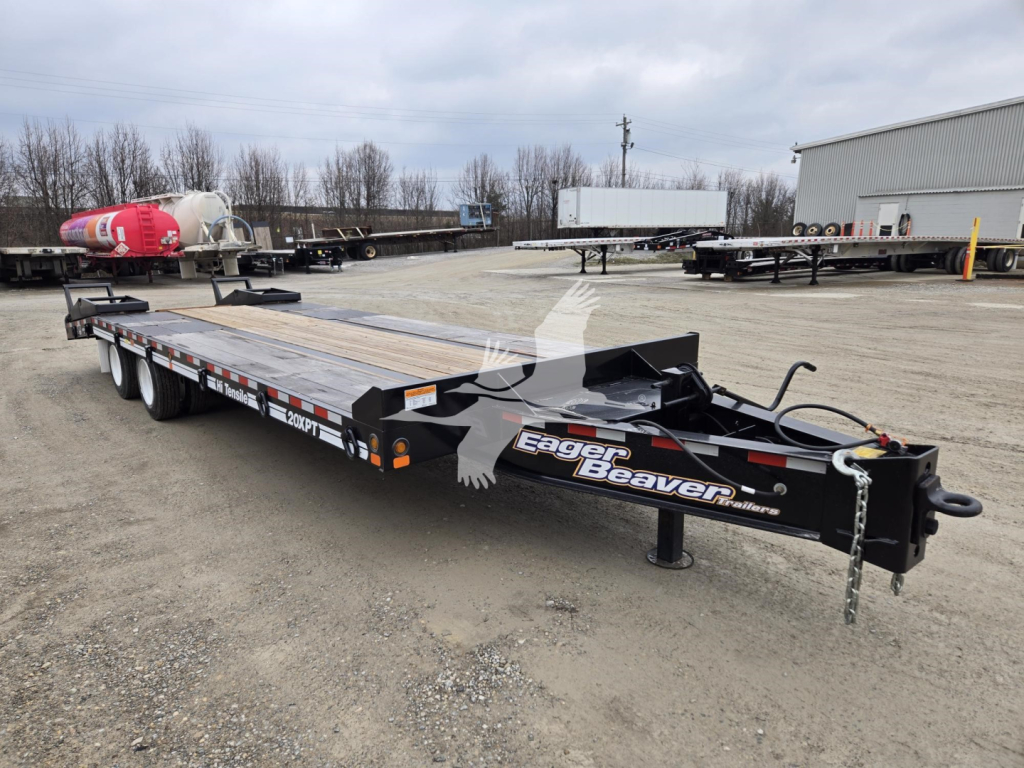
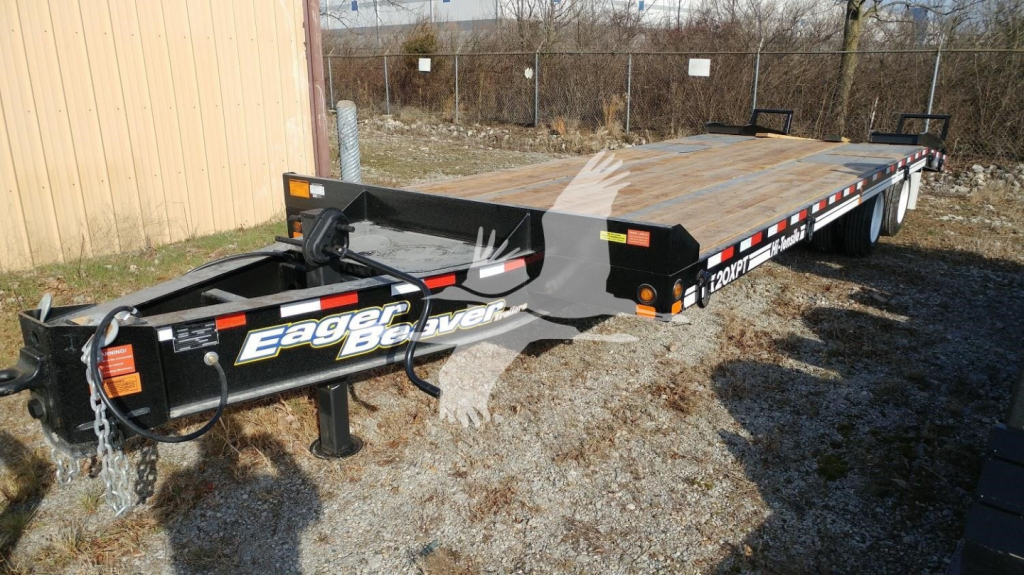
The first buying decision is usually trailer style. An Eager Beaver tag trailer, sometimes called a tagalong or equipment trailer, is a strong fit for contractors running behind a dump truck, tandem axle truck, or road tractor with pintle capability. Common specs include 102-inch width, fixed front deck, steel side rails, bulkheads, beavertails, and spring-assist or hydraulic ramps. Capacities in this class often land around 20 ton to 25 ton, with tandem or tridem axle layouts, spring ride suspensions, adjustable pintle heights, and ABS with spring brakes on all axles. Buyers hauling skid steers, mini excavators, rubber-tire loaders, trenchers, or paving support equipment should pay close attention to beavertail angle, ramp width, ramp rating, loaded deck height, and deck length in front of the beavertail.
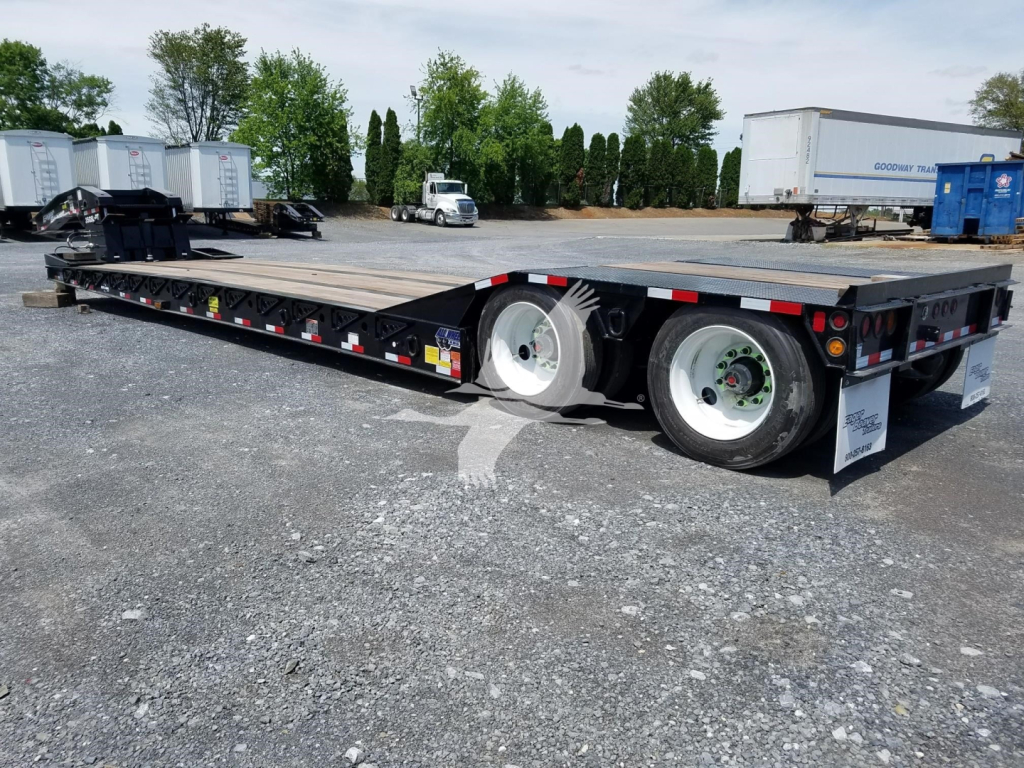
Eager Beaver lowboy trailers are the better choice when load height and concentrated weight matter more than loading speed. Hydraulic detachable gooseneck models in the 35 ton to 50 ton range are common, with loaded deck heights around 24 inches, air ride suspensions, 54-inch axle spacing, and 255/70R22.5 rubber. Features such as non-ground-bearing goosenecks, front loading ramps, ride height control, dump valves, outriggers on 24-inch centers, Apitong flooring, and ROTO-style D-rings are especially relevant for contractors hauling excavators, dozers, crushers, pavers, or other tall and heavy machines. Buyers should verify top deck length, main deck length, rear deck or bridge length, swing clearance, kingpin setting, and whether the trailer includes risers or slope transitions that match the undercarriage profile of the machines being hauled.
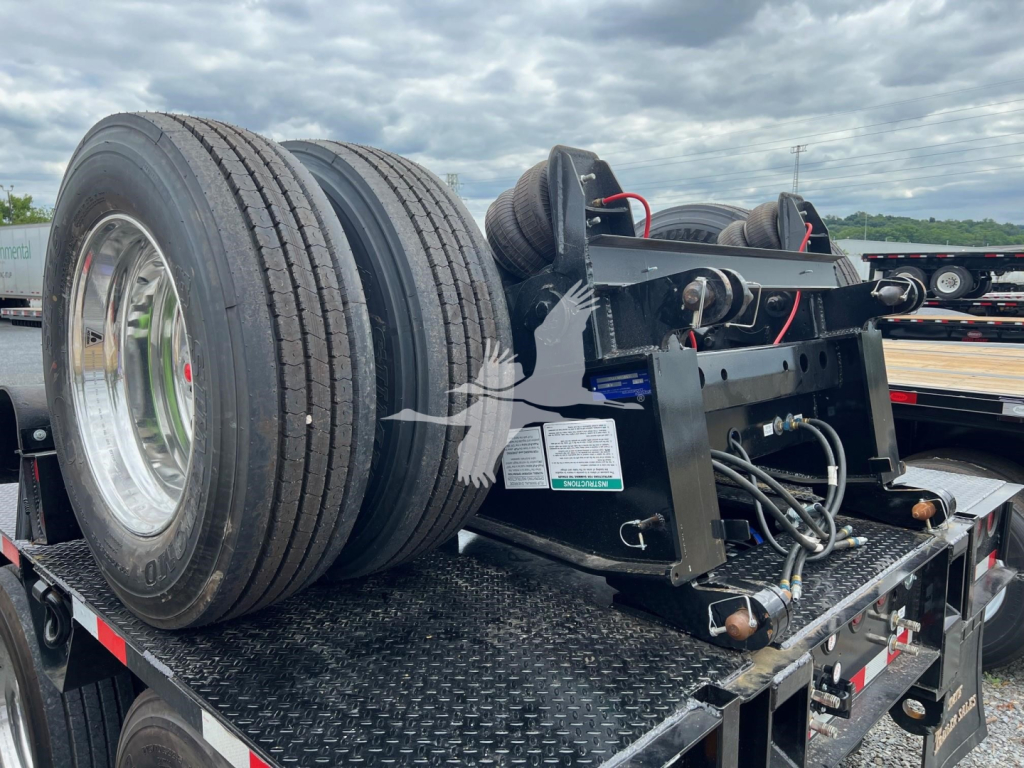
Across the category, material choice and frame construction matter as much as rated capacity. Apitong decking remains popular because it wears well under steel tracks, while steel perimeter beams, close crossmember spacing, and lockable storage areas help the trailer hold up in daily jobsite use. It also pays to compare axle count, lift axle setup, tire size, loaded fifth wheel height, and brake package against the truck that will pull it. A 2025 Eager Beaver trailer should be evaluated as part of the whole combination unit, not just by ton rating on paper. The right match is the one that balances legal payload, deck geometry, loading method, and serviceability for the kind of equipment you move every week.
Frequently Asked Questions about New 2025 Eager Beaver Trailers
What is the difference between an Eager Beaver tag trailer and an Eager Beaver lowboy?
An Eager Beaver tag trailer uses a pintle-style connection and typically has a flat deck with a beavertail and rear ramps. It is commonly used for medium-duty equipment hauling and works well behind vocational trucks. An Eager Beaver lowboy uses a detachable gooseneck or similar heavy-haul setup to create a much lower deck height, which helps with taller and heavier machines. Lowboys are generally the better choice for excavators, dozers, and other equipment where overall loaded height and concentrated axle weight are critical.
What capacity range is common for new Eager Beaver trailers?
In this category, Eager Beaver trailers commonly fall into the 20 ton to 25 ton range for tag trailers and about 35 ton to 50 ton for lowboy trailers. Actual usable capacity depends on trailer configuration, axle group, hitch style, deck design, and how the load is positioned. Buyers should compare the trailer's rating with the intended machine weights, attachment weights, and applicable federal and state bridge rules before making a final decision.
Why does deck height matter so much on an Eager Beaver lowboy?
Deck height directly affects legal transport height and machine stability. A lower loaded deck makes it easier to move tall equipment without exceeding height limits, and it can improve load security by keeping the center of gravity down. On lowboy trailers, buyers should also look at top deck height, rear deck slope, and any riser sections because those dimensions influence ground clearance, loading angle, and machine fit from front idler to rear attachment.
What trailer features should matter most for construction equipment hauling?
The most important features usually include deck length, loaded deck height, ramp style, beavertail angle, axle spacing, suspension type, tie-down layout, and flooring material. For tracked equipment, Apitong wood decking, strong D-ring placement, and robust crossmember construction are major advantages. For frequent loading, hydraulic ramps or a hydraulic detachable gooseneck can save time and reduce operator effort. Buyers should also check for practical details such as outriggers, tool storage, dump valves, and lift axles if the trailer will see varied load sizes.
Is air ride or spring ride better on a new Eager Beaver trailer?
It depends on the trailer type and the work. Spring ride is common on tag trailers because it is simple, durable, and cost-effective for many contractor applications. Air ride is more common on lowboys and heavier configurations because it can improve ride quality, help protect the trailer and load, and support features such as raise-and-lower control. The better setup is the one that matches the trailer's weight class, the road conditions, and the type of equipment being transported.