
New 2025 Trailers For Sale in New Mexico
Shop new 2025 trailers in New Mexico, including flatbed, dump, vacuum, and specialty models built for heavy-duty commercial hauling.
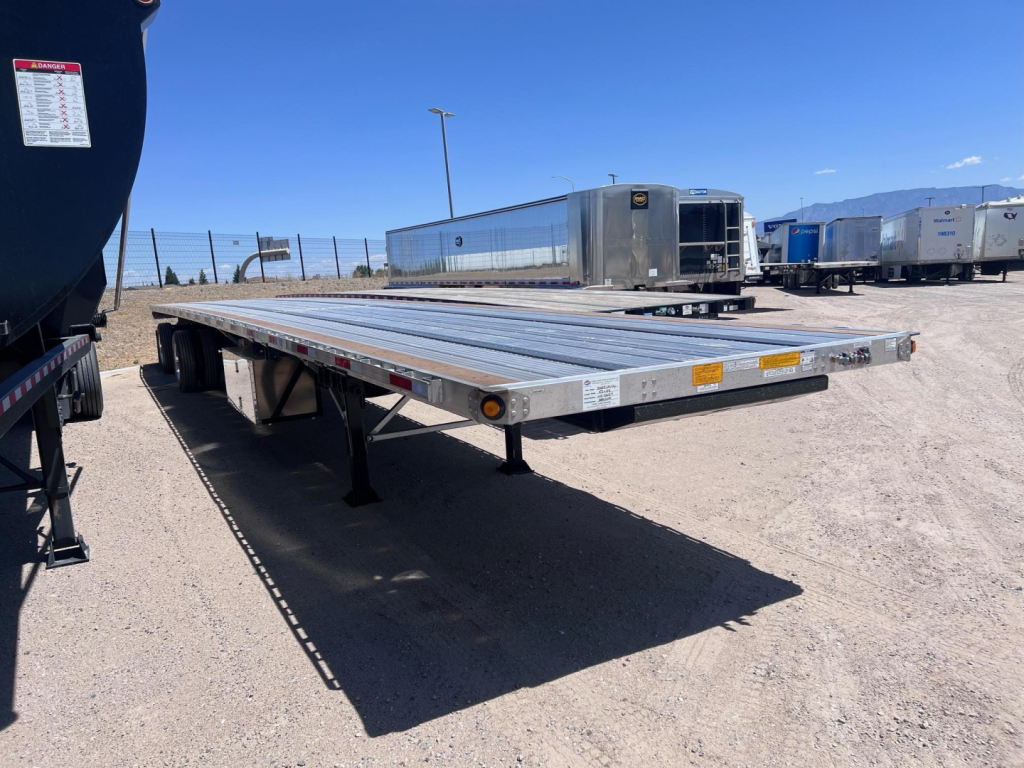
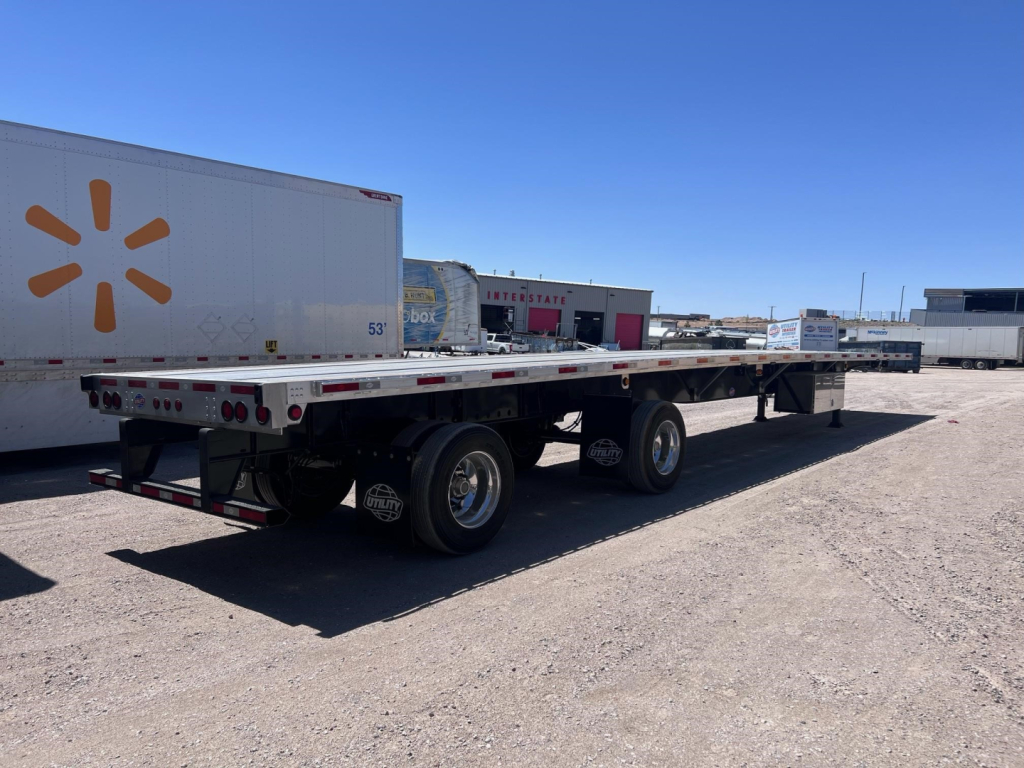
2025 Utility Combo Flatbed
Selling a new 2025 trailer? List your new 2025 trailer for sale and reach thousands of commercial buyers.
New 2025 Trailers in New Mexico
For aggregate, paving, and agricultural work, dump trailers and bottom dumps are common in this market because they unload quickly and keep trucks moving. Key spec decisions include hopper design, gate controls, tarp system, suspension type, closed or spread tandem configuration, and tire size. Bottom dump trailers are especially useful when precise material placement matters, including road base, gravel, and shoulder work. Features like electric flip tarps, windrow deflectors, bang boards, and gate limiters can make a meaningful difference in productivity and cleanup.
Vacuum trailers are another important segment, especially for oilfield, industrial fluid recovery, and waste hauling across New Mexico. Many buyers focus first on barrel capacity, code or non-code construction, compartment layout, suspension, and access features such as top manways, walkways, handrails, and sight glasses. On a vacuum tanker, practical details matter: landing gear strength, rear work lights, tire spec, and whether the trailer is configured for the fluid type and operating environment. In oilfield service, a heavy-duty non-code vacuum trailer is often selected for high-volume fluid movement where rugged construction and straightforward serviceability are priorities.
Across trailer categories, new-model buyers should pay close attention to axle ratings, brake spec, suspension, wheel material, kingpin setting, overall tare weight, and how the trailer will fit state bridge laws and route restrictions. New Mexico operations often involve long highway miles, heat, dust, and mixed pavement-to-jobsite use, so durability and parts support matter as much as purchase price. A well-spec'd new 2025 trailer should be evaluated on payload efficiency, unload speed, maintenance access, and compatibility with the tractor and freight lane it is expected to serve.
Frequently Asked Questions about New 2025 Trailers in New Mexico
What types of new 2025 trailers are common in New Mexico?
The most common new 2025 trailers in New Mexico include flatbed trailers, dump trailers, bottom dump trailers, vacuum trailers, and other specialty hauling units. Flatbeds are used for open-deck freight such as steel, equipment, and construction materials. Dump and bottom dump trailers are common in aggregate, paving, and farm applications. Vacuum trailers are widely used in oilfield and industrial fluid service, where capacity, tank construction, and safety access features are important.
What should I look for when buying a new flatbed trailer?
The most important flatbed considerations are overall weight, deck construction, securement options, and axle setup. Buyers often compare all-aluminum versus combo construction, crossmember spacing, nail strips, stake pockets, pipe spools, sliding winches, and coil packages. Suspension type, tire size, rear slider arrangement, and kingpin setting also affect how the trailer performs with different tractors and freight. A good flatbed spec balances payload capacity with durability and securement flexibility.
How is a bottom dump trailer different from a dump trailer?
A bottom dump trailer releases material through gates underneath the hopper, while a conventional dump trailer unloads by raising the body. Bottom dumps are better for controlled material placement over a long stretch, which makes them a strong fit for road work, base material, and agricultural spreading applications. Conventional dump trailers are often preferred when material needs to be piled in one location. The best choice depends on unload method, material type, and jobsite conditions.
What matters most when choosing a vacuum trailer?
Capacity, tank construction, suspension, and access equipment are usually the first factors. Buyers should confirm whether the trailer is code or non-code, what fluids it is intended to haul, and how it is loaded and unloaded in the field. Manway size, sight glasses, walkway design, handrails, landing gear, and lighting all affect day-to-day usability and safety. In oilfield and industrial applications, durability and ease of service are just as important as gallon capacity.
Why do trailer specs like axle configuration and suspension matter so much?
Axle layout and suspension directly affect payload distribution, ride quality, tire wear, and compliance with state weight laws. Air ride suspension is often preferred for ride quality and cargo protection, while other setups may be chosen for simplicity or specific duty cycles. Tandem, spread axle, and sliding axle arrangements each have tradeoffs related to maneuverability, bridge compliance, and load placement. Matching the trailer configuration to the tractor, route, and freight type is critical for long-term operating cost and productivity.