
Lowboy Trailers For Sale
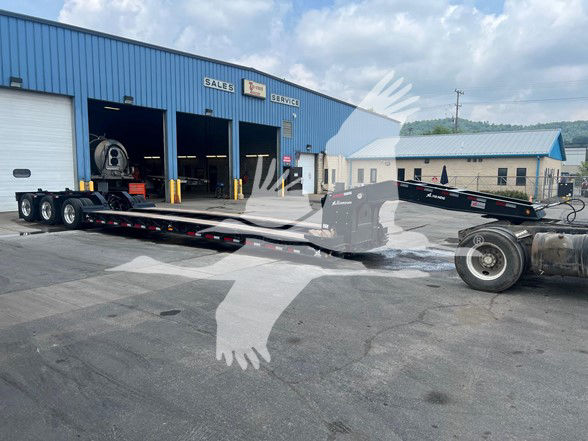
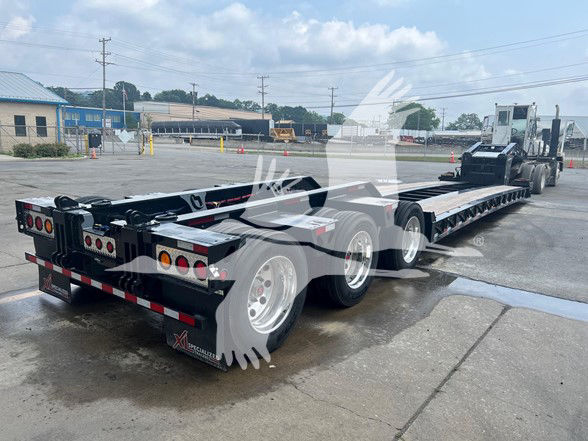
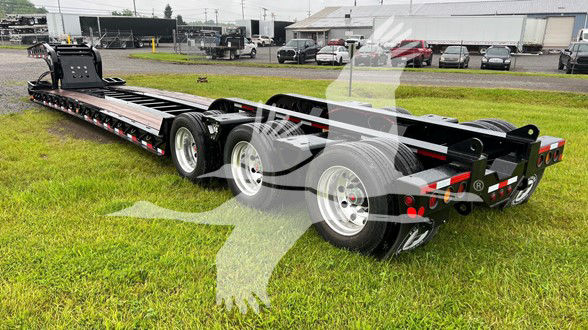
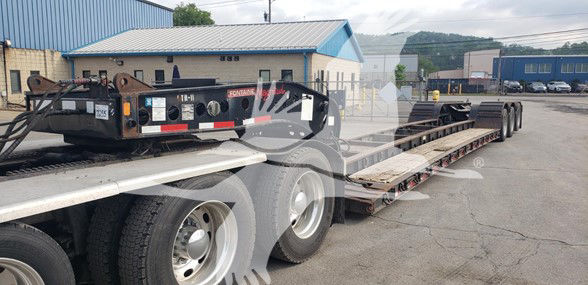
Showing 121 to 144 of 162 results
Have lowboy trailer to sell? List it here to reach thousands of buyers.
Lowboy Trailers
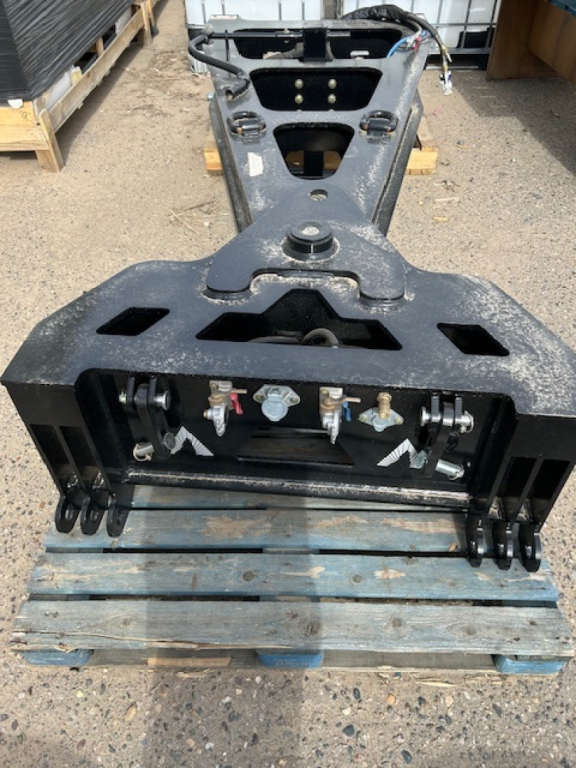
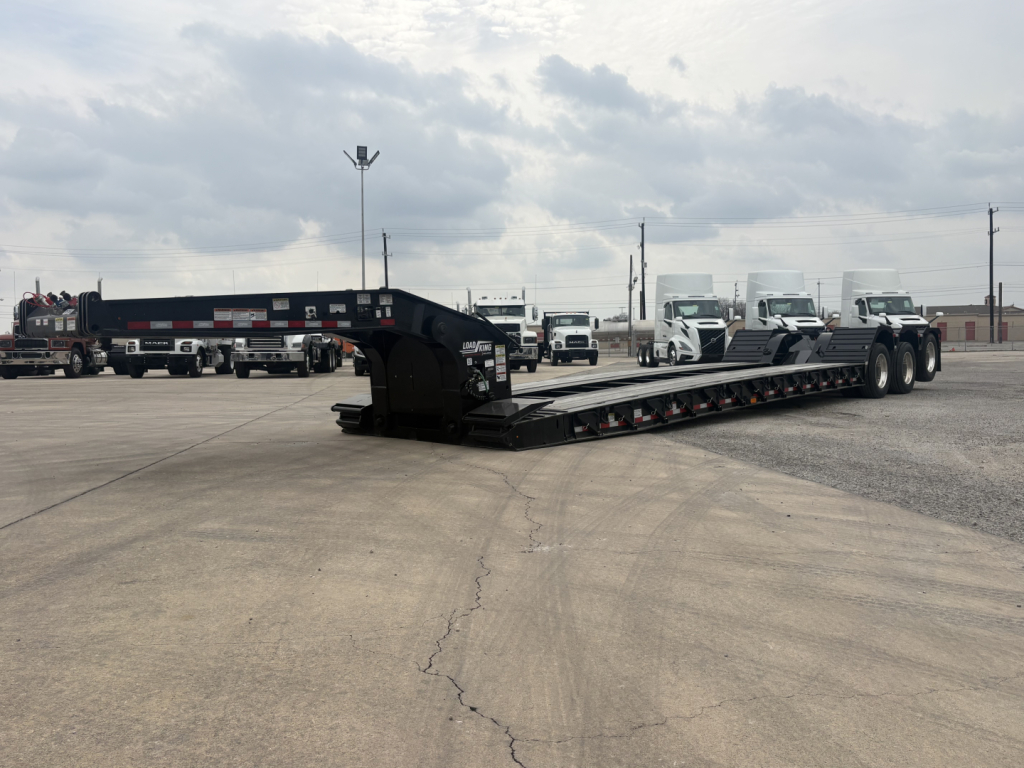
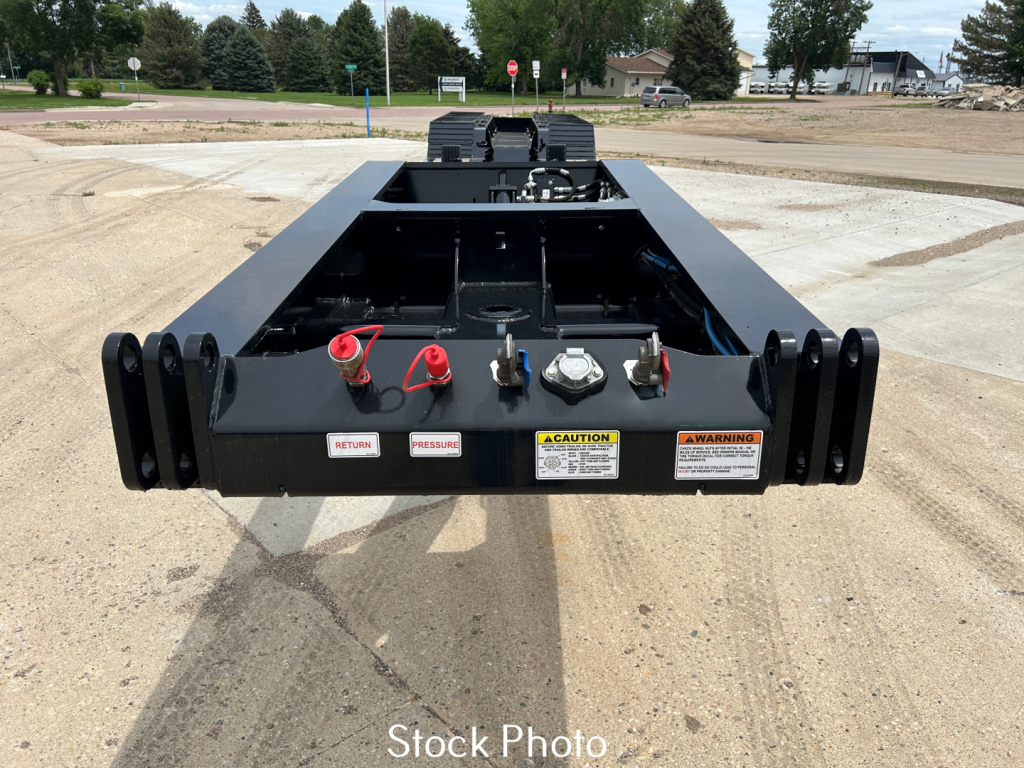
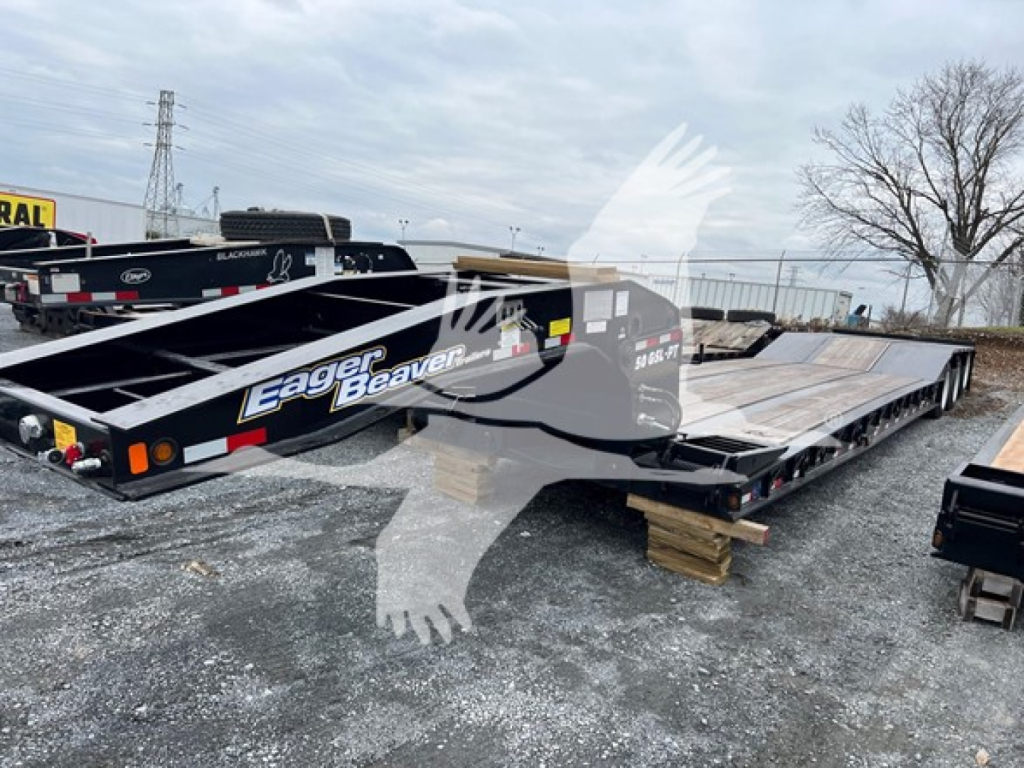
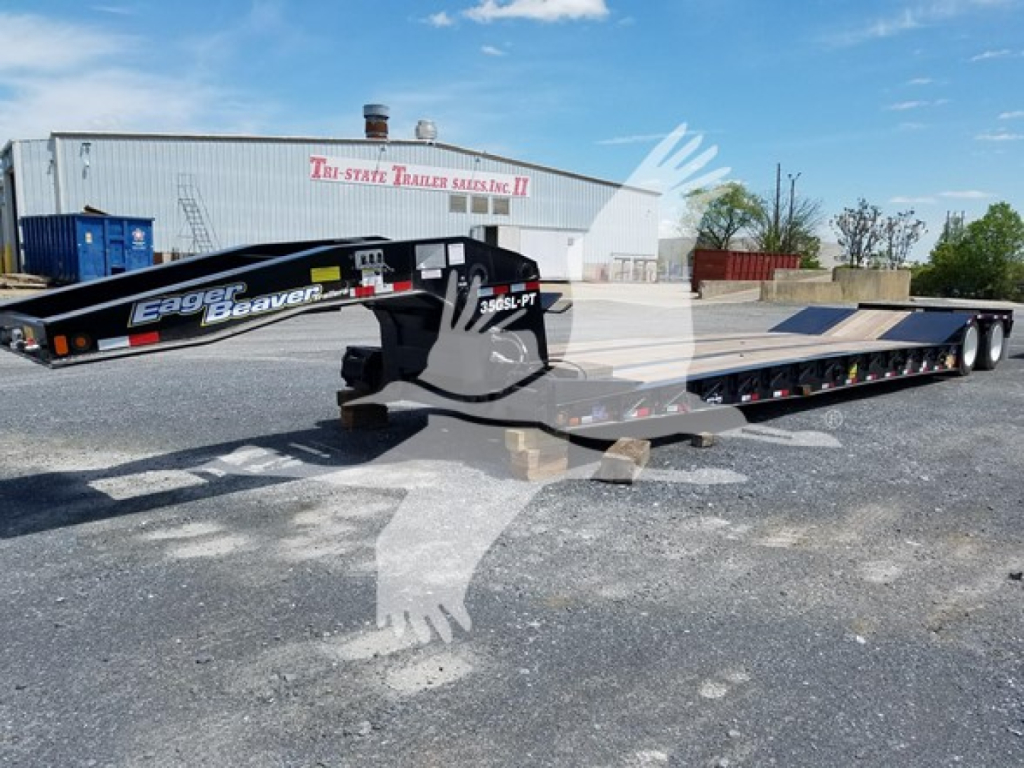
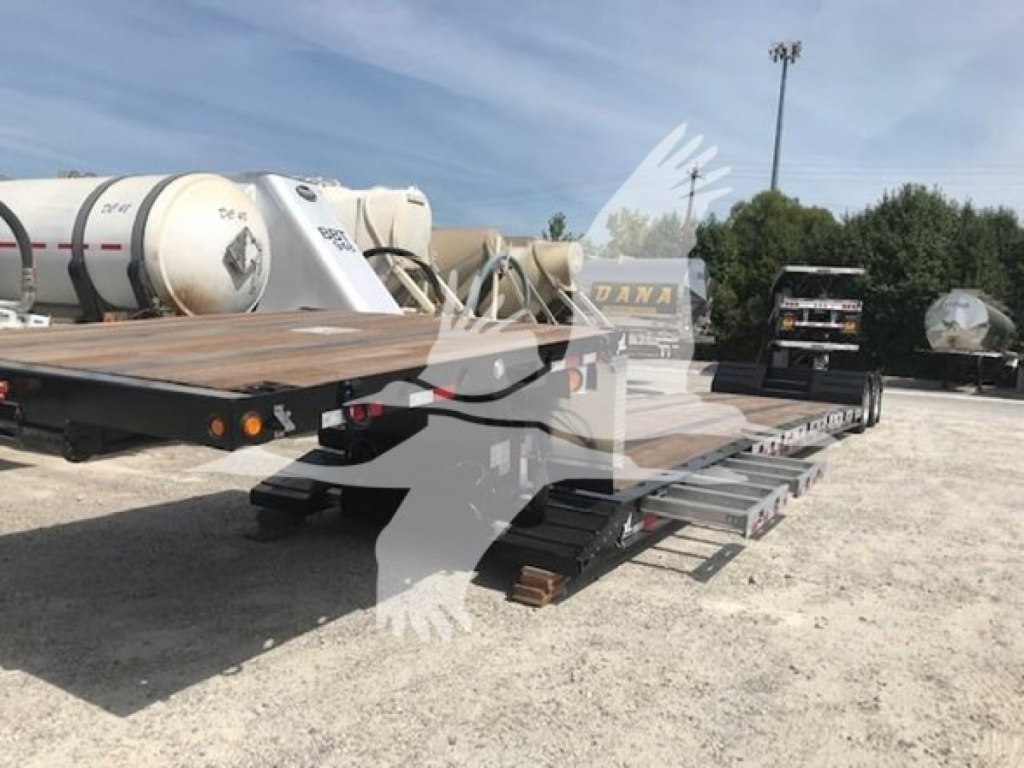
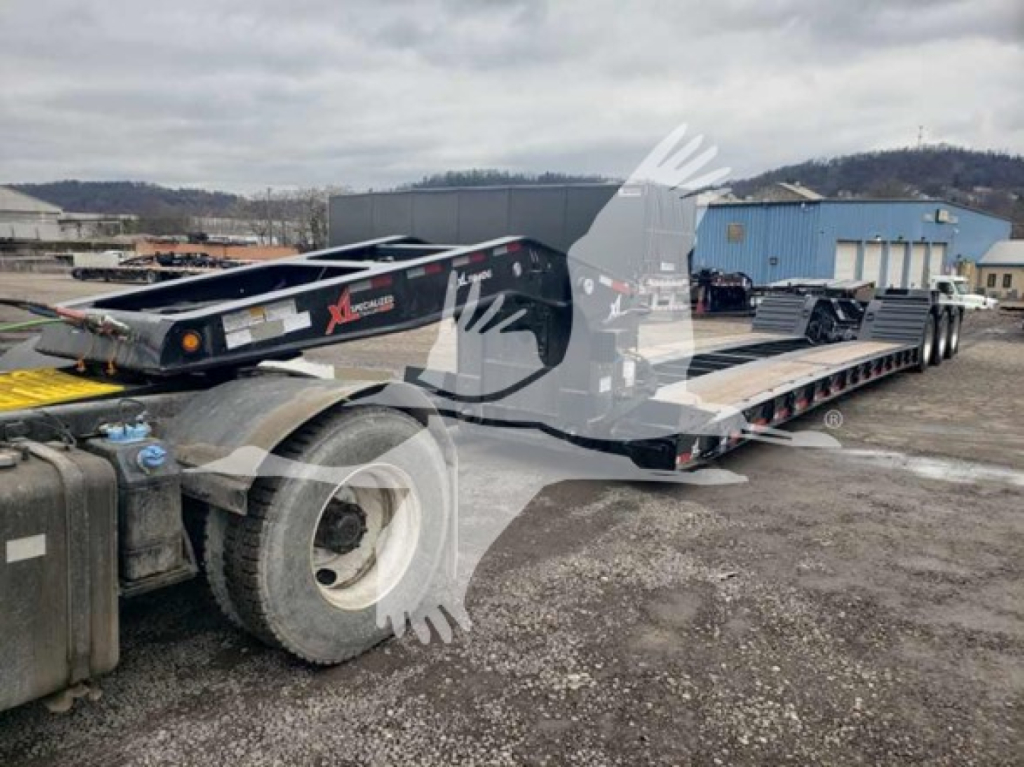
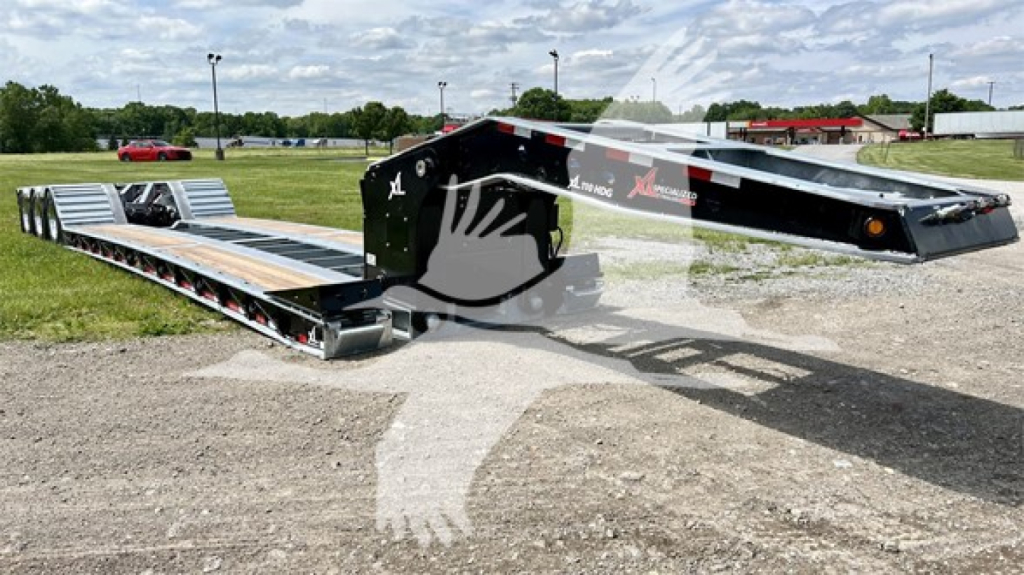
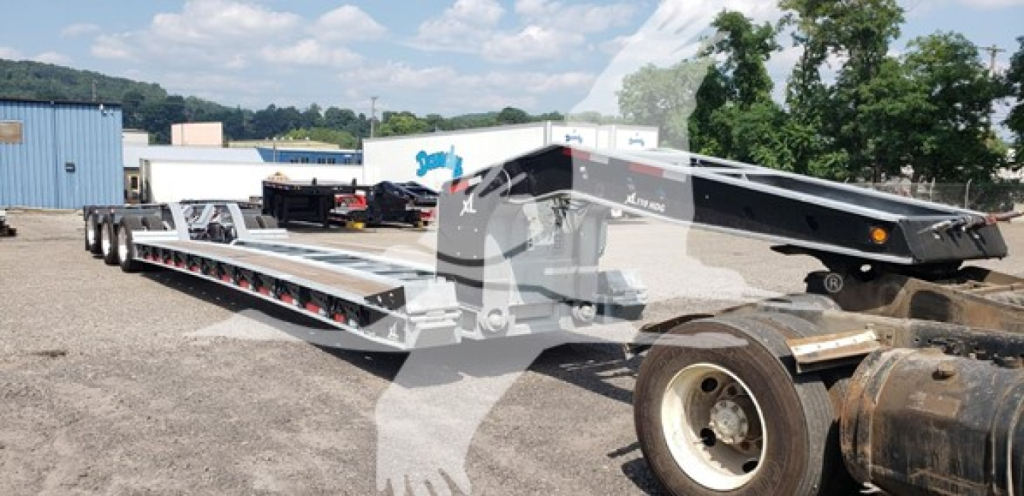
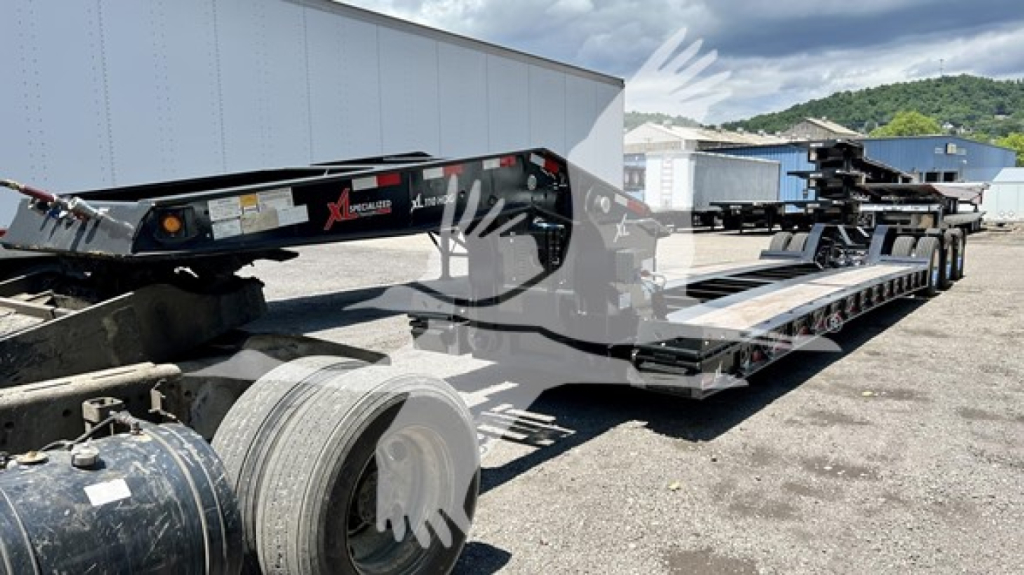
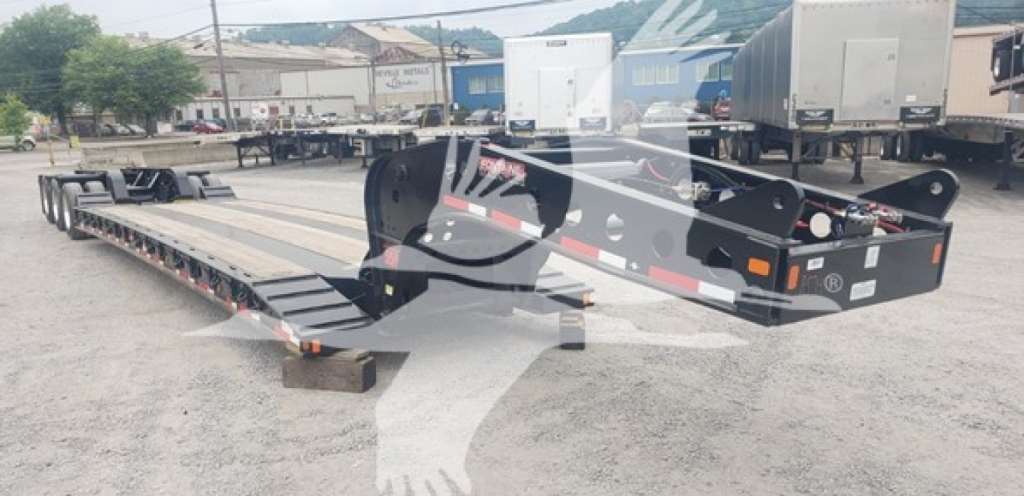
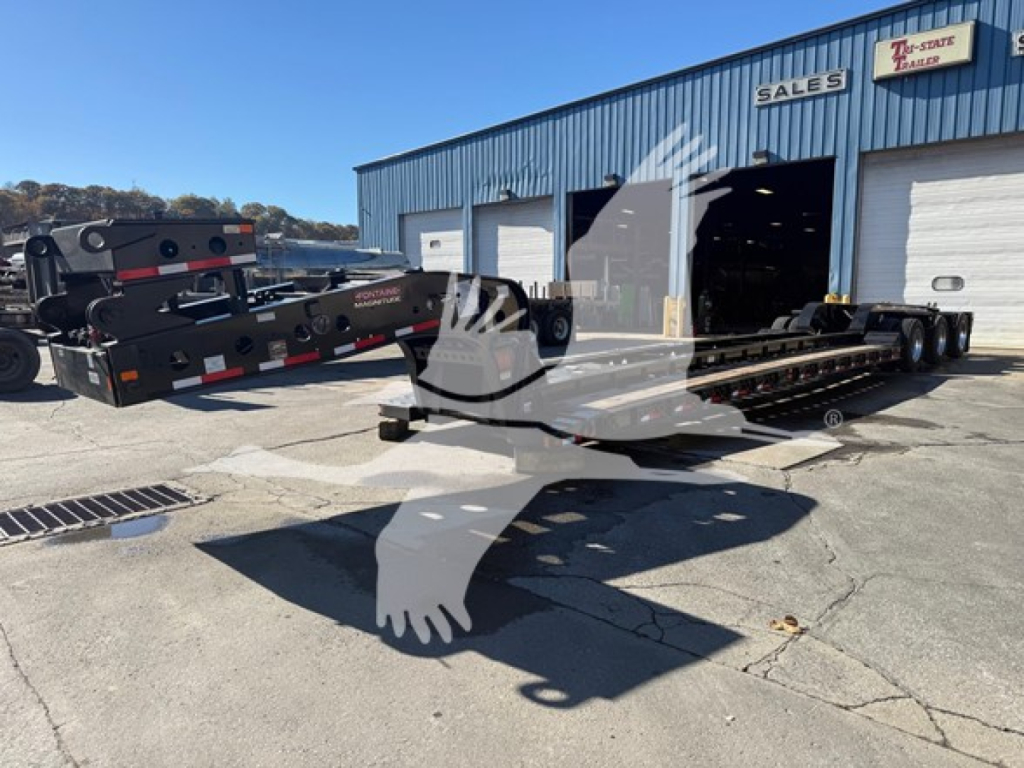
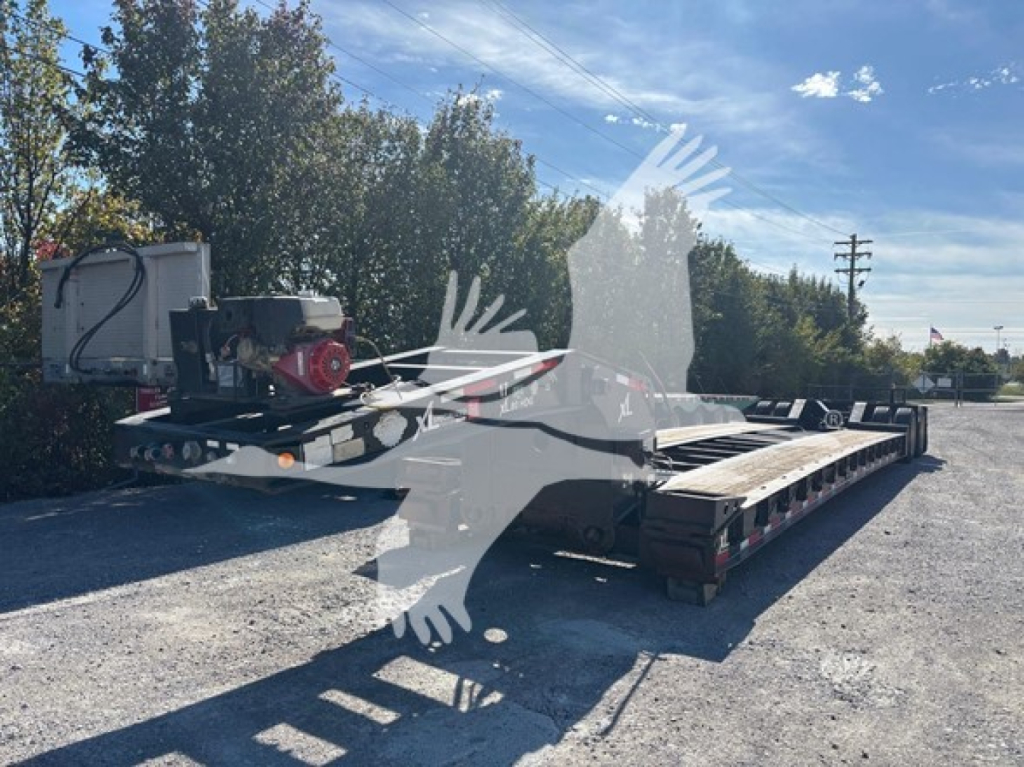
The first decision is usually detach style and capacity. Hydraulic detachable gooseneck models are popular for frequent loading because they speed up loading cycles and reduce driver effort. Mechanical detachable neck trailers can cost less and still handle demanding work, but they are slower to hook and unhook. Capacity is typically discussed by ton rating over a stated deck length, such as 35 ton, 40 ton, 55 ton, or higher, and that number matters more than overall trailer length alone. A 55 ton lowboy may be rated in a 12-foot or 13-foot concentrated area, so buyers should match the rating to the actual machine footprint, axle spacing, and point loads. Gooseneck ride height positions, kingpin settings, swing clearance, and loaded fifth wheel height also matter because they affect tractor compatibility and turning clearance.
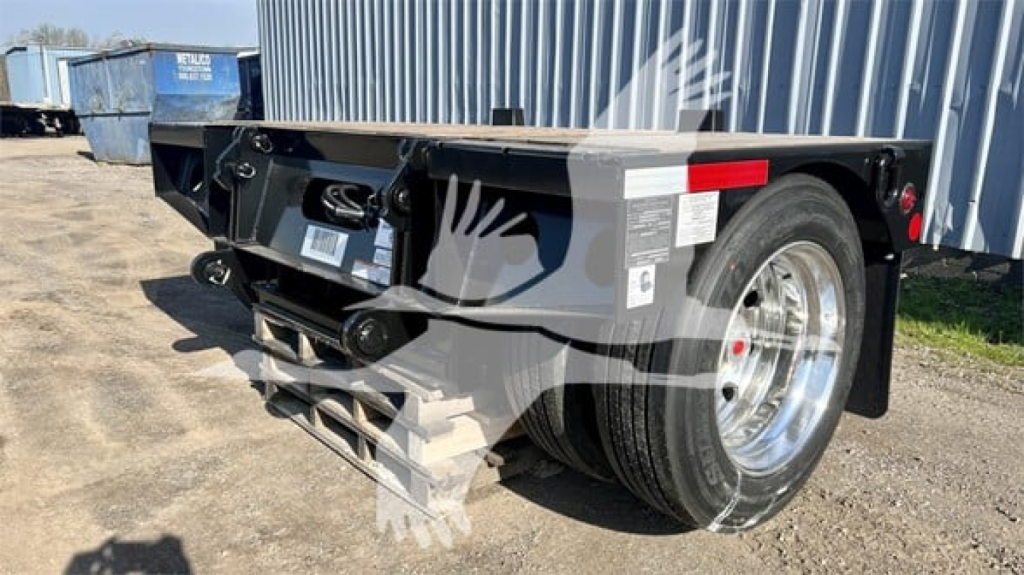
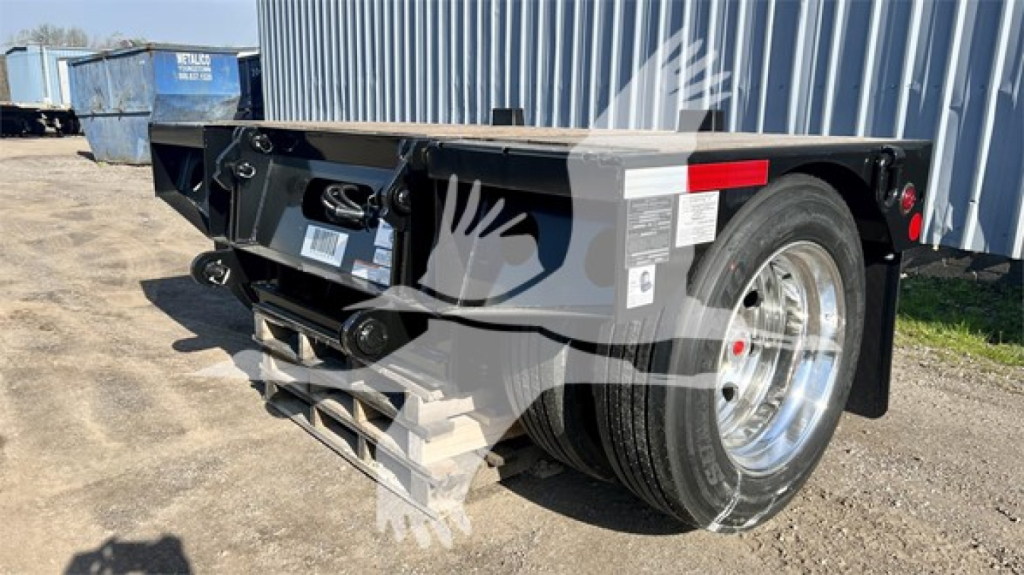
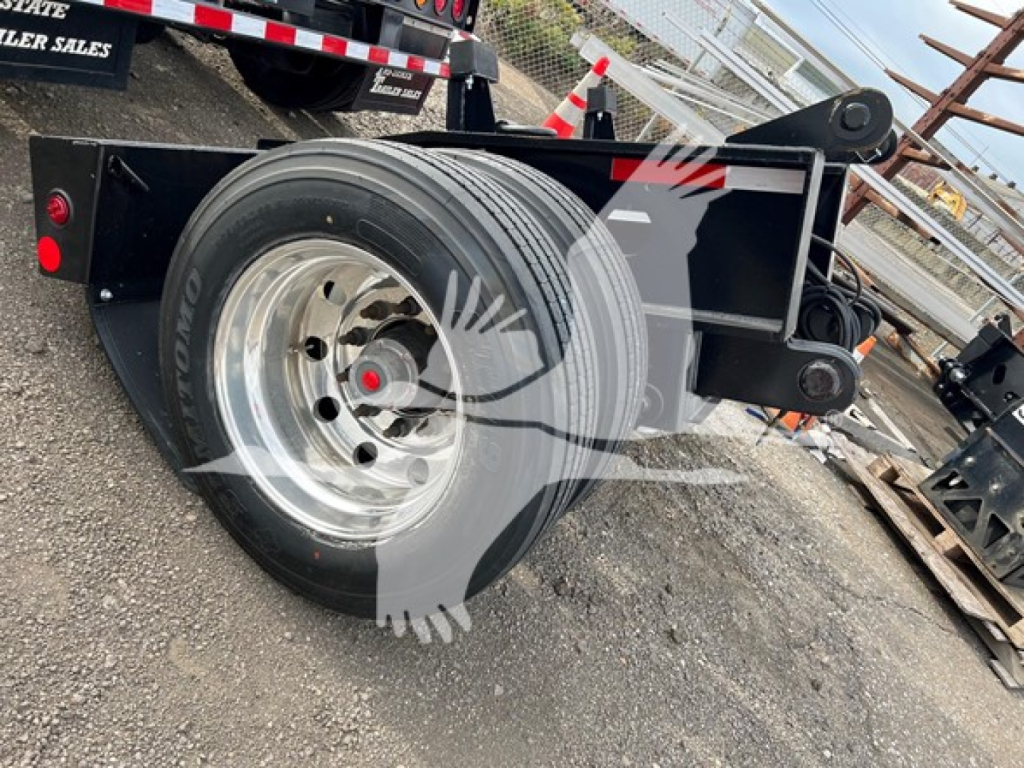
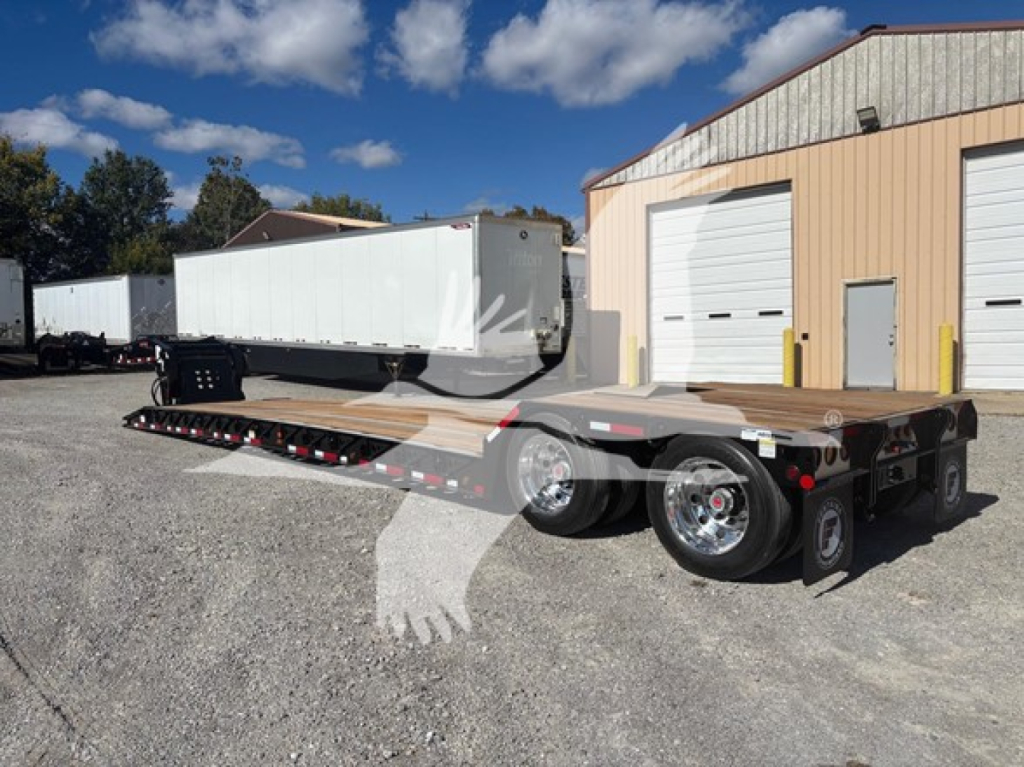
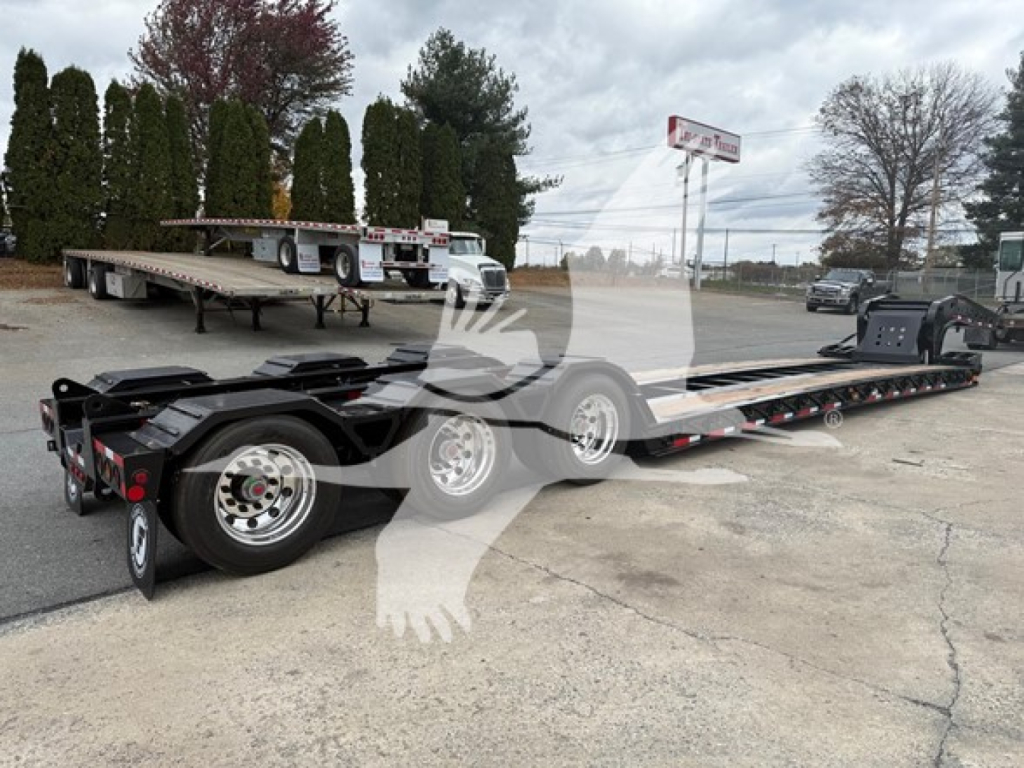
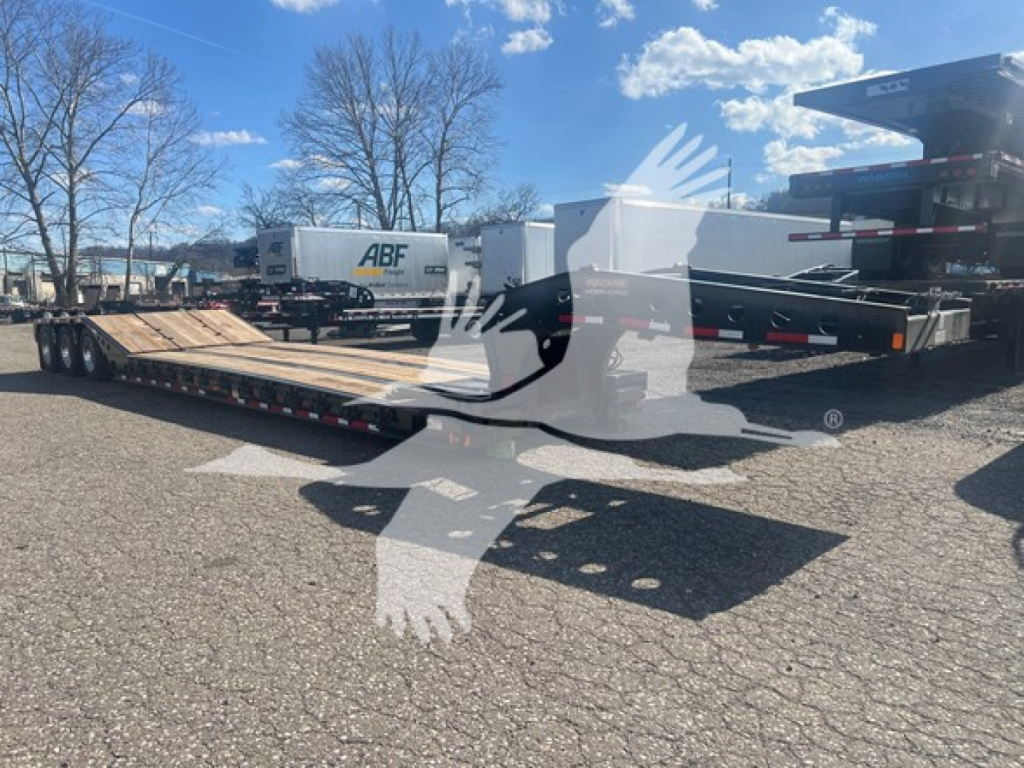
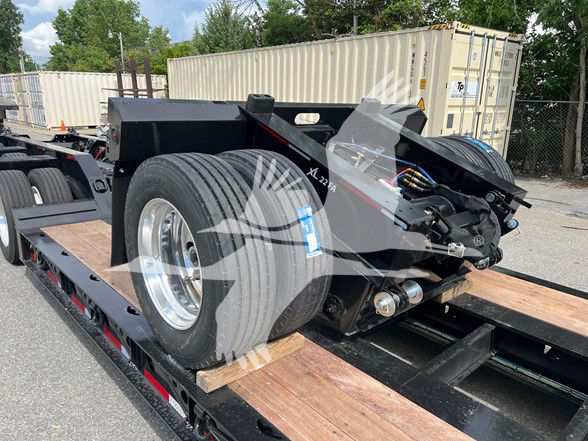
Axle configuration and expandability have a direct impact on payload, permits, and future flexibility. Tandem and tri-axle lowboys are common, with air ride suspension frequently preferred for heavy equipment and rougher jobsite approaches. Many buyers look for lift axles, flip axle connections, or spreader bar compatibility so the trailer can be configured for heavier loads when needed. Tires are commonly 255/70R22.5 or 275/70R22.5 low-profile sizes, and wheel mix can be aluminum outer with steel inner to balance weight and durability. On the deck, practical features make a real difference: Apitong or nominal wood flooring, swing-out outriggers, bucket wells or boom wells, chain drops, D-rings, stake pockets, front approach ramps, and covered toolboxes. Crossmember spacing, side rail construction, and reinforced rear framing are worth close attention if the trailer will carry concentrated track machine loads or accept additional axle equipment later.
Condition and specification details are especially important in this class because heavy haul work exposes trailers to high stress. On used lowboy trailers, buyers should inspect deck wear, neck fit, suspension condition, brake percentage, tire remaining, frame repairs, and signs of beam fatigue around the loaded area and rear bridge. Check for legal capacity tags, detachable neck operation, ride height control function, and evidence of proper maintenance on air systems and lift axle components. On newer units, focus on how the trailer is equipped for the freight you actually move most often, not just the highest posted ton rating. A lowboy that matches your machine weights, deck length needs, securement practices, and permit strategy will usually outperform a heavier or more complex trailer that is poorly matched to the job.
Frequently Asked Questions about Lowboy Trailers
What is a lowboy trailer used for?
A lowboy trailer is used to haul heavy equipment and over-height machinery that would be too tall or unstable on a standard flatbed. Common loads include excavators, bulldozers, wheel loaders, pavers, compactors, and other construction or industrial machines. The low deck height helps keep overall loaded height down, which improves route flexibility and can reduce permitting challenges.
What is the difference between a hydraulic detachable gooseneck and a mechanical detachable lowboy?
A hydraulic detachable gooseneck lowboy uses hydraulic power to detach and reconnect the neck, which makes loading faster and more convenient for operations with frequent load cycles. A mechanical detachable lowboy uses a simpler connection system that can lower acquisition cost and reduce complexity, but it generally takes more time and effort to detach. The better choice depends on load frequency, driver preference, maintenance resources, and budget.
How do lowboy trailer ton ratings work?
Lowboy ton ratings are usually based on a concentrated load over a specified portion of the main deck, not just the total trailer length. For example, a 55 ton rating may apply in a 12-foot or 13-foot section of the deck. Buyers should compare the machine's operating weight, contact points, axle spacing, and track or tire footprint to the trailer's rated area. A trailer can be long enough for a machine and still be the wrong capacity if the load concentration is too high.
What specs matter most when buying a lowboy trailer?
The most important specs are ton rating, deck height, deck length, axle configuration, neck type, suspension, and load securement layout. Buyers should also review kingpin settings, loaded fifth wheel height, swing clearance, tire size, crossmember spacing, outriggers, and whether the trailer is built for flip axles or additional axle options. These details affect tractor compatibility, legal loading, permit strategy, and how well the trailer fits the equipment being hauled.
What should I inspect on a used lowboy trailer?
A used lowboy trailer should be inspected for frame repairs, neck wear, deck condition, tire and brake life, suspension function, and air system leaks. Pay close attention to the main beams, neck connection points, rear bridge area, crossmembers, and any reinforced sections where concentrated loads are carried. It is also important to confirm that lift axles, ride height controls, detachable neck components, lights, and securement points are in proper working order before putting the trailer into service.