
Talbert Lowboy Trailers For Sale
Shop Talbert lowboy trailers built for heavy equipment hauling, with hydraulic goosenecks, low deck heights, multiple axle options, and high payload ratings.
No exact matches found for your search
Showing Lowboy Trailers instead.
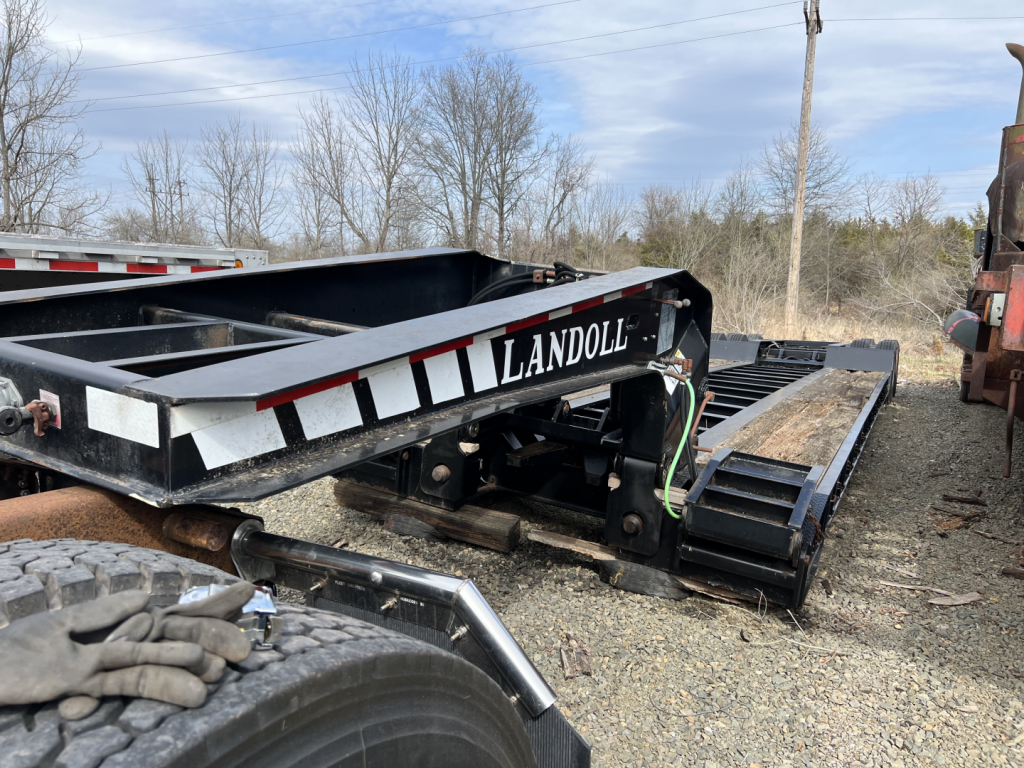
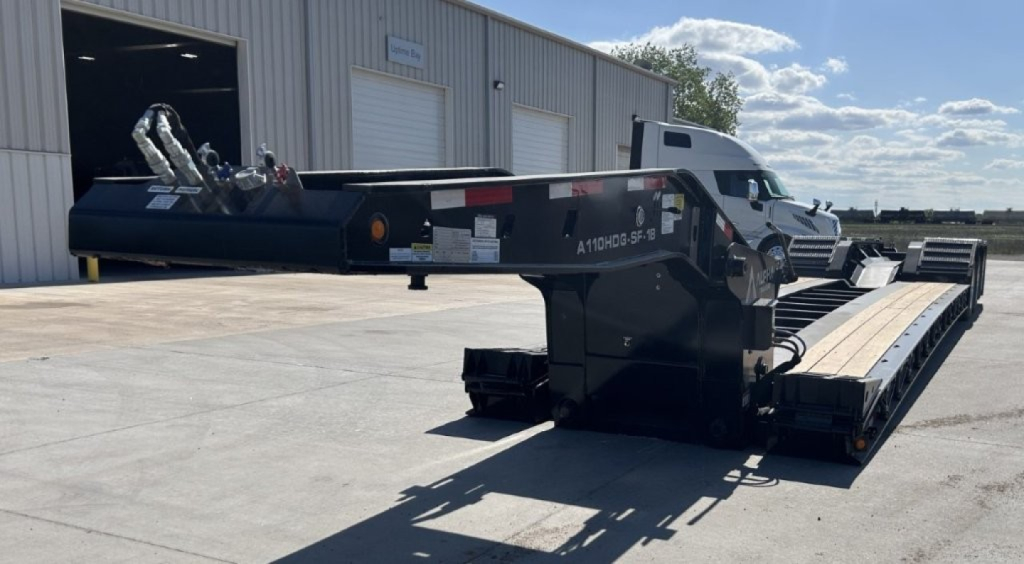
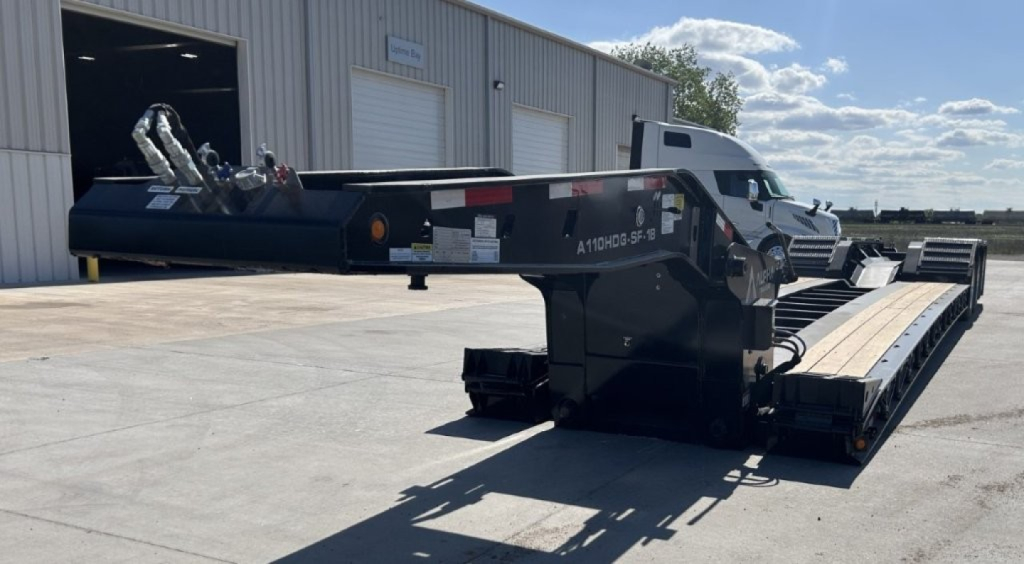
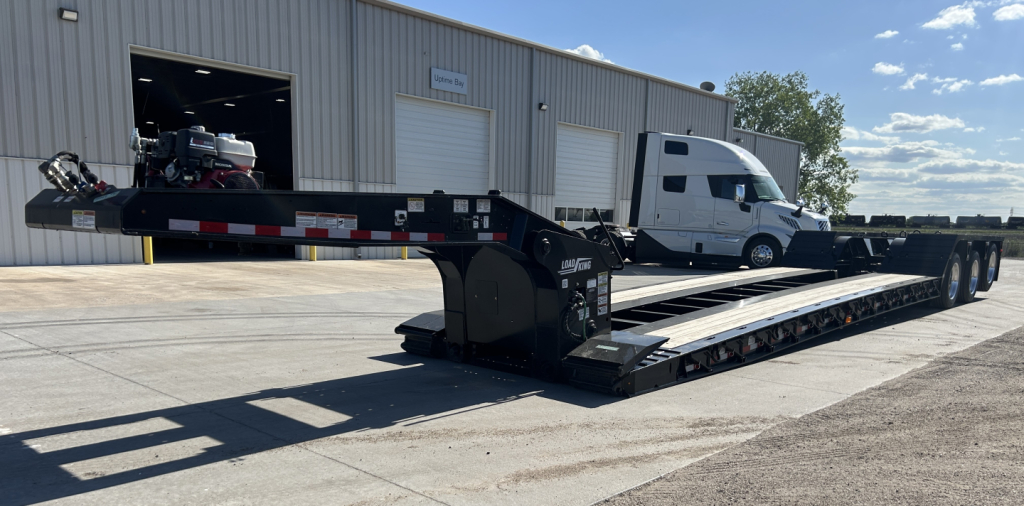
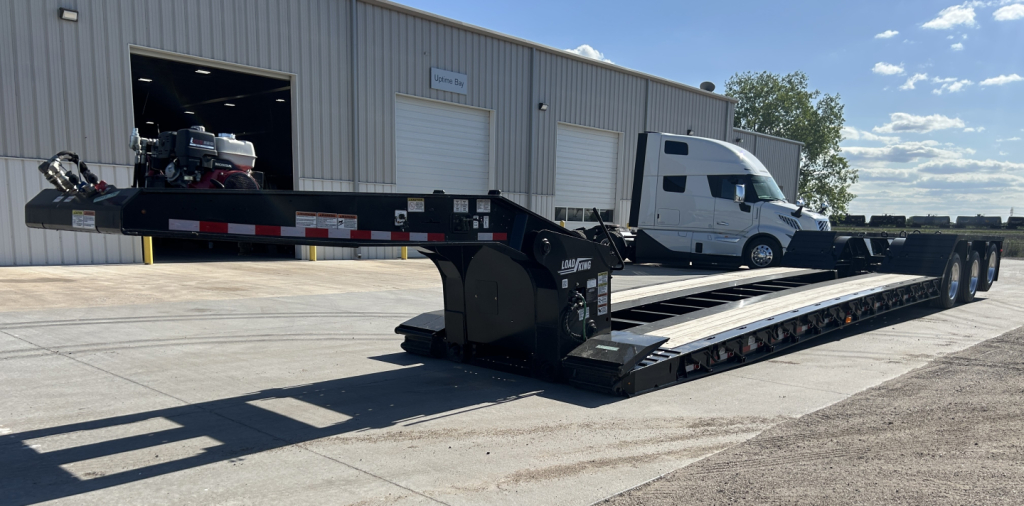
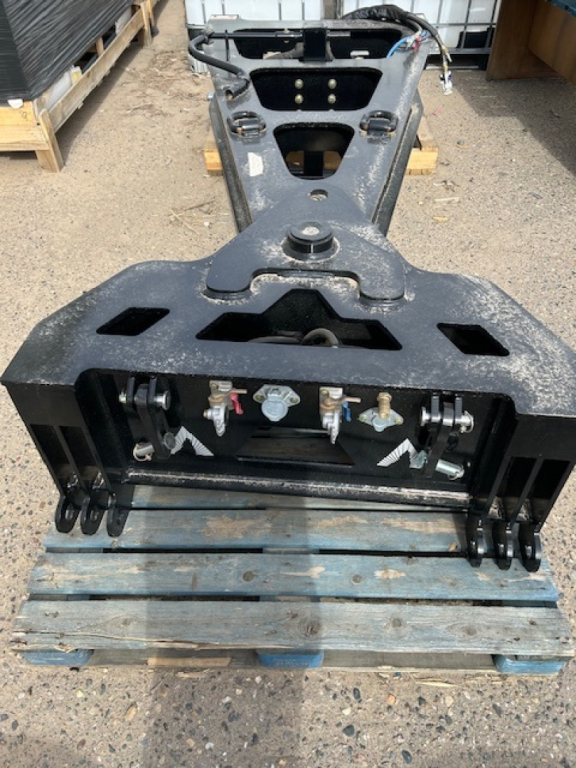
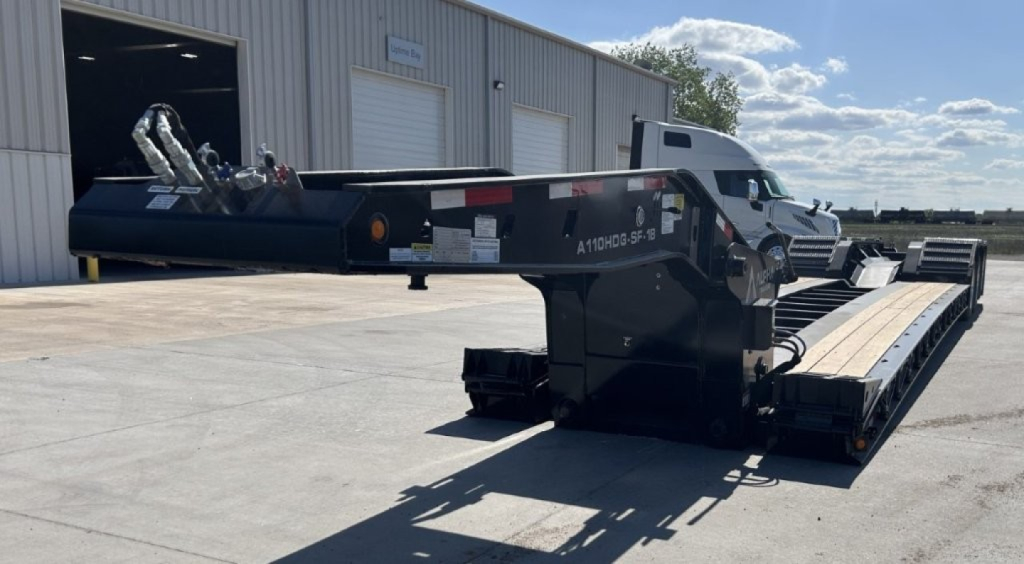
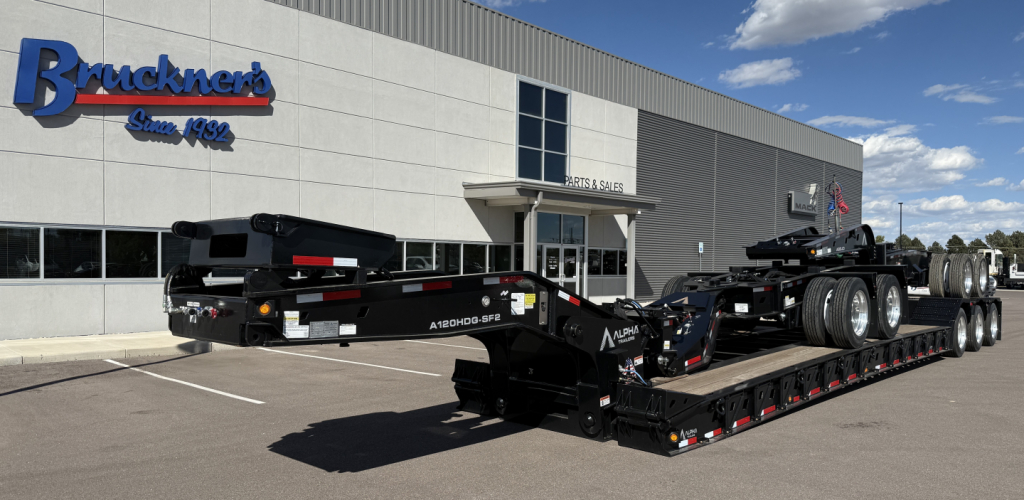
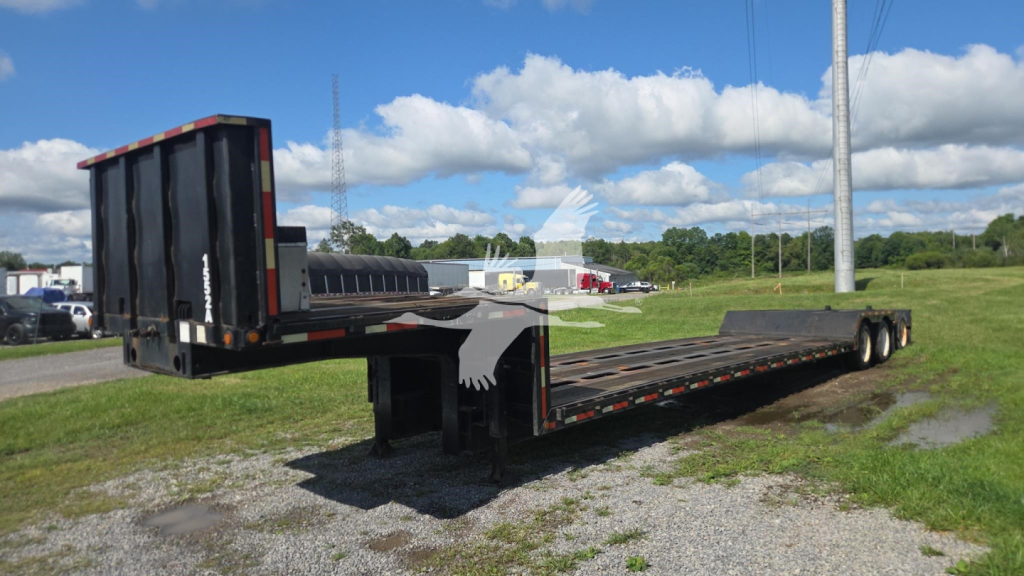
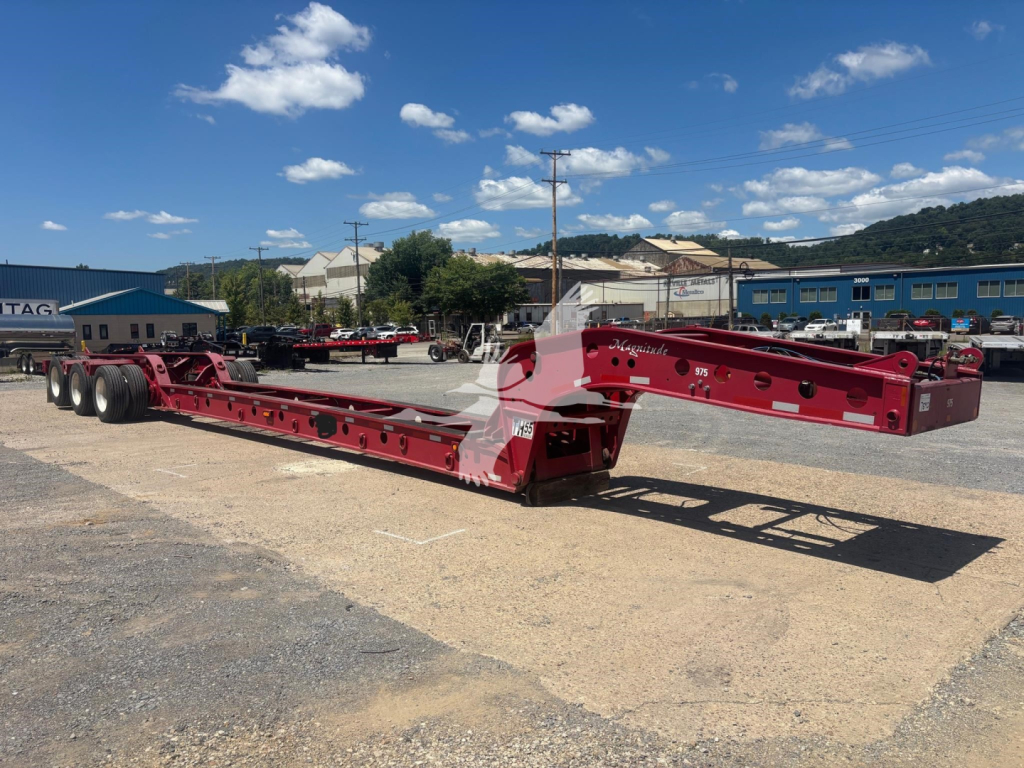
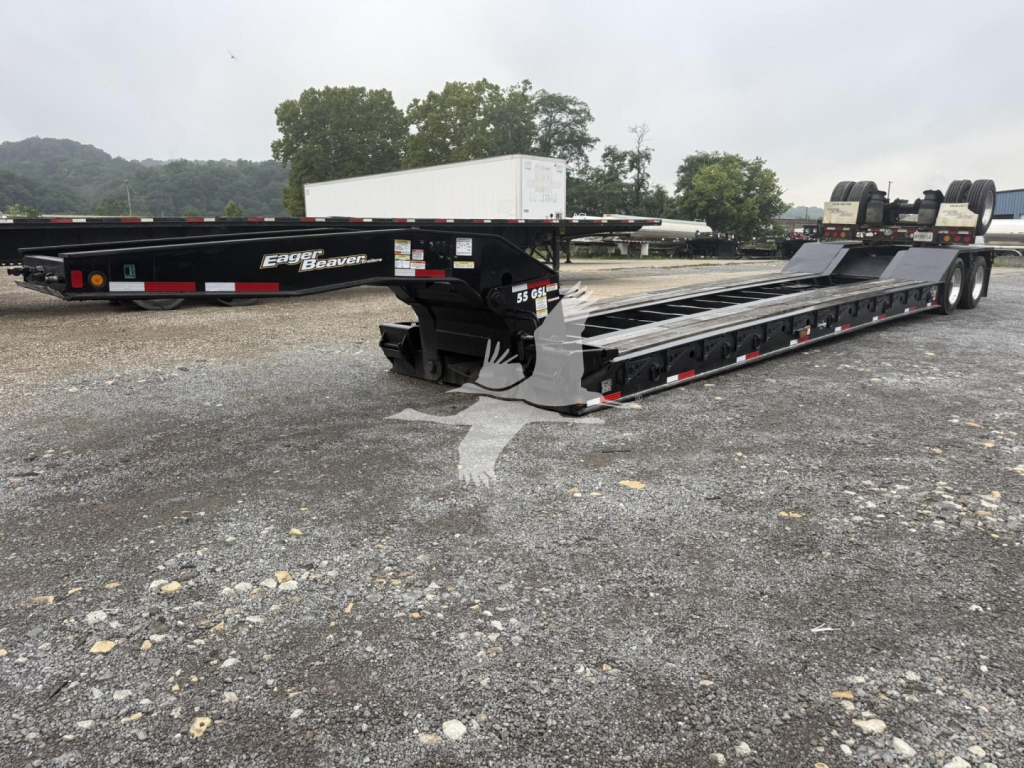
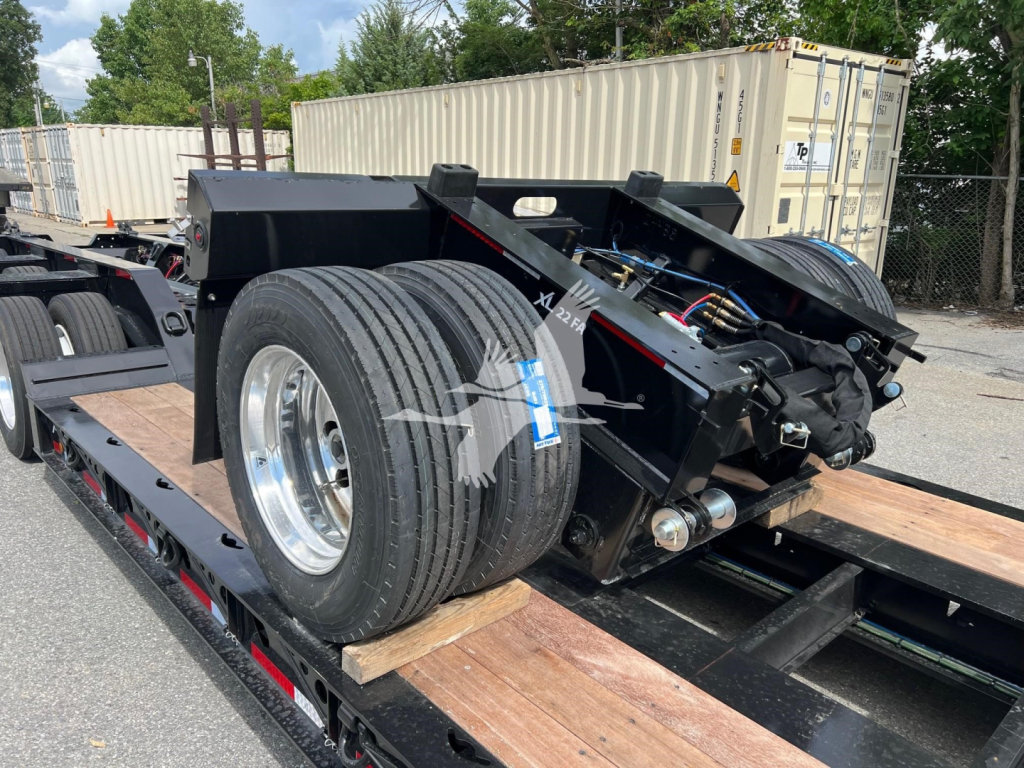
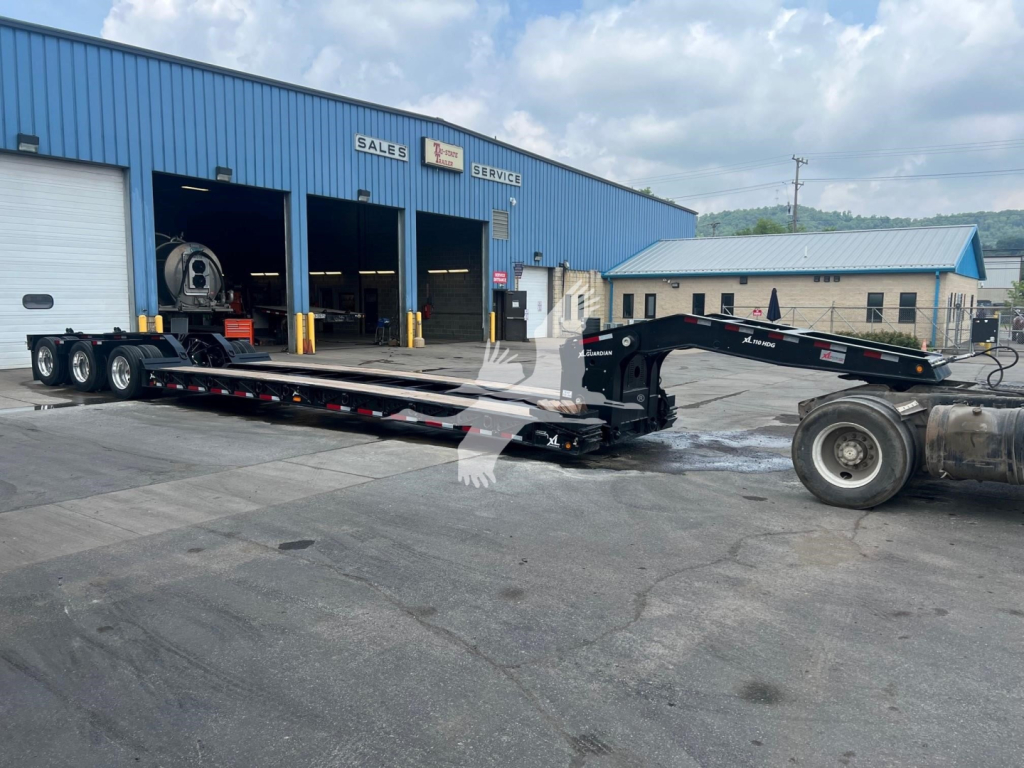
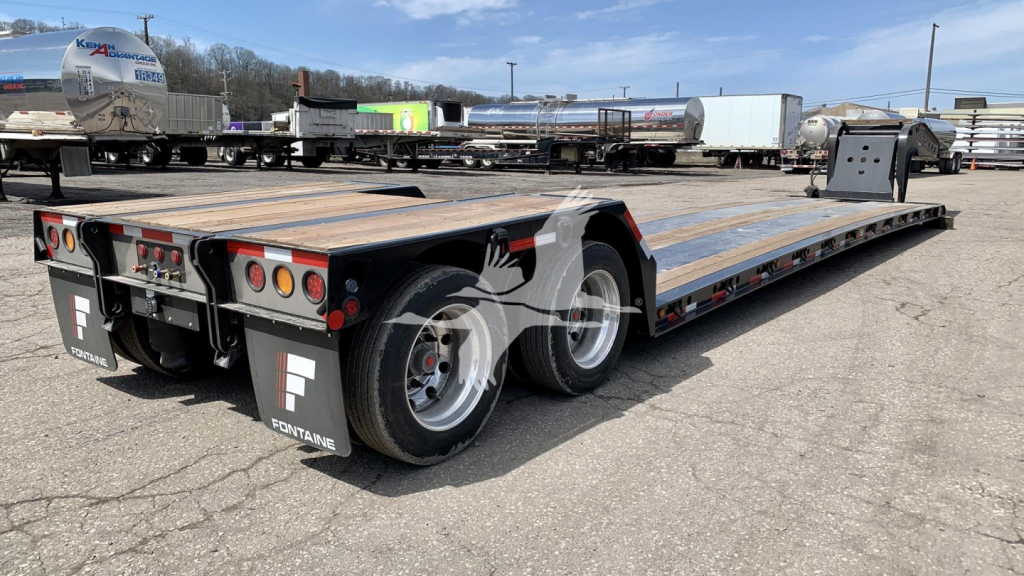
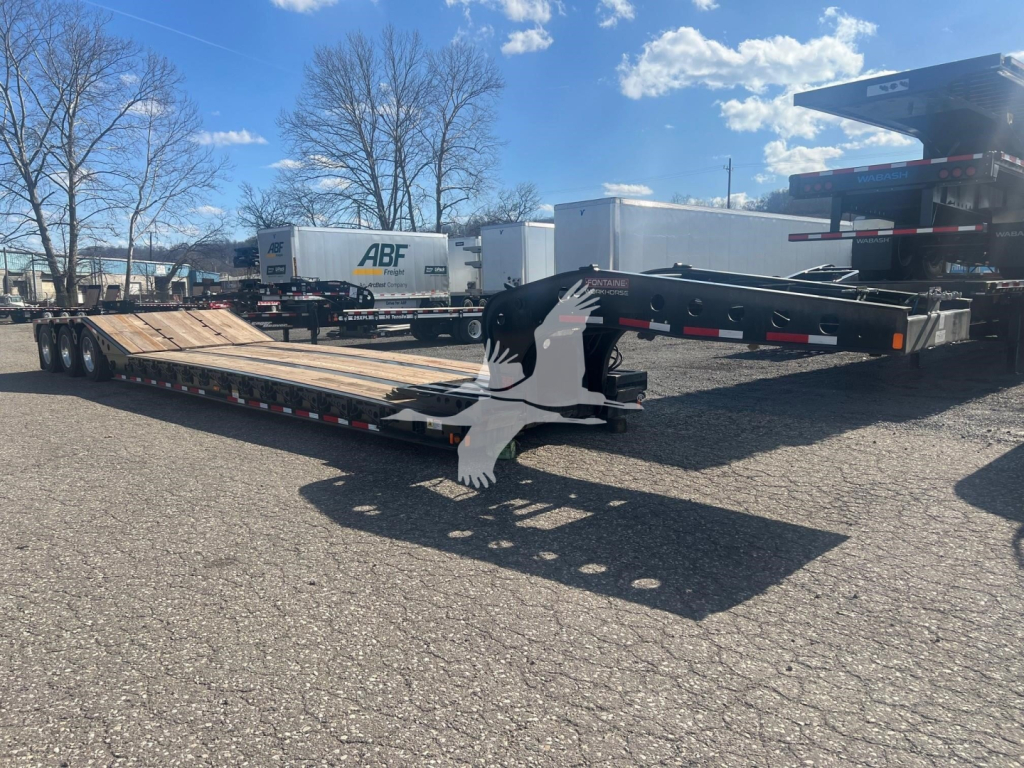
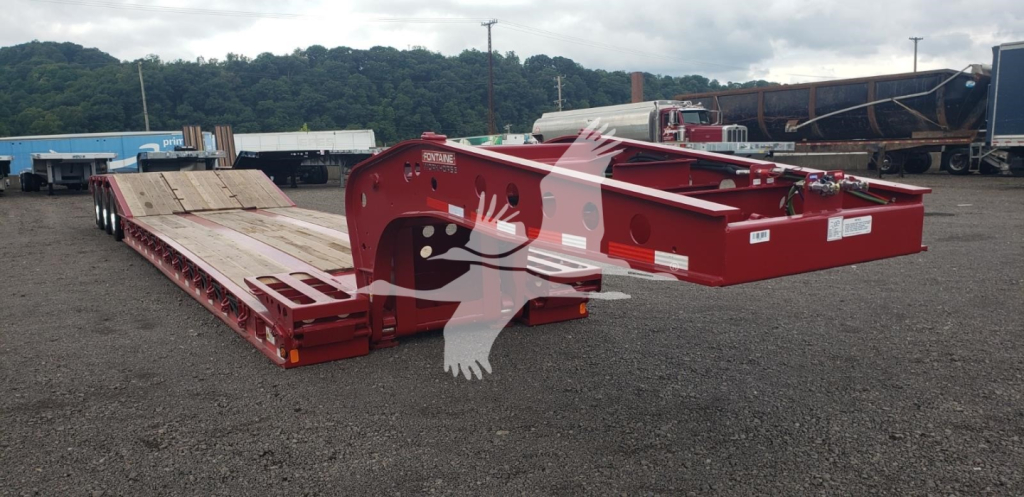
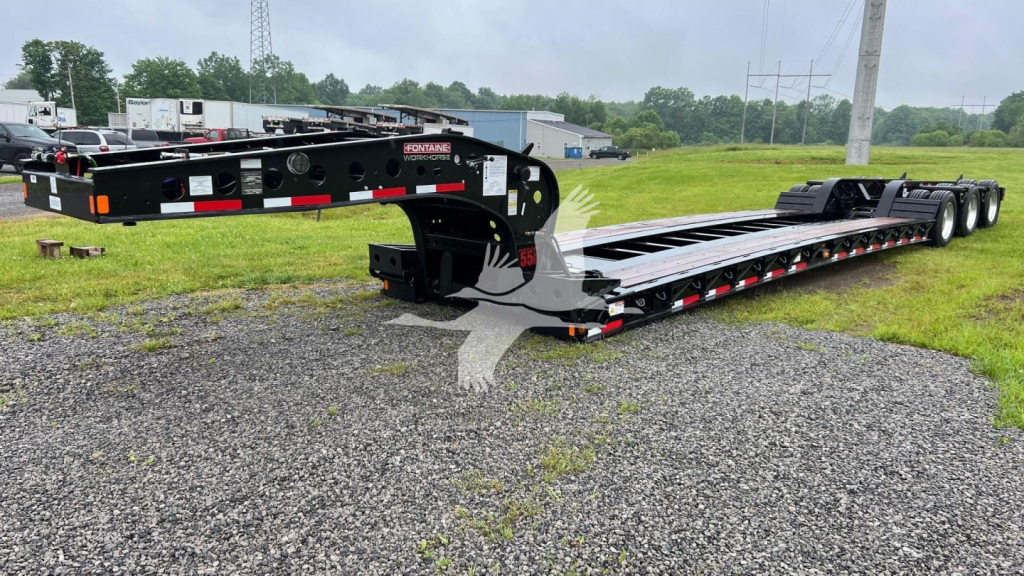
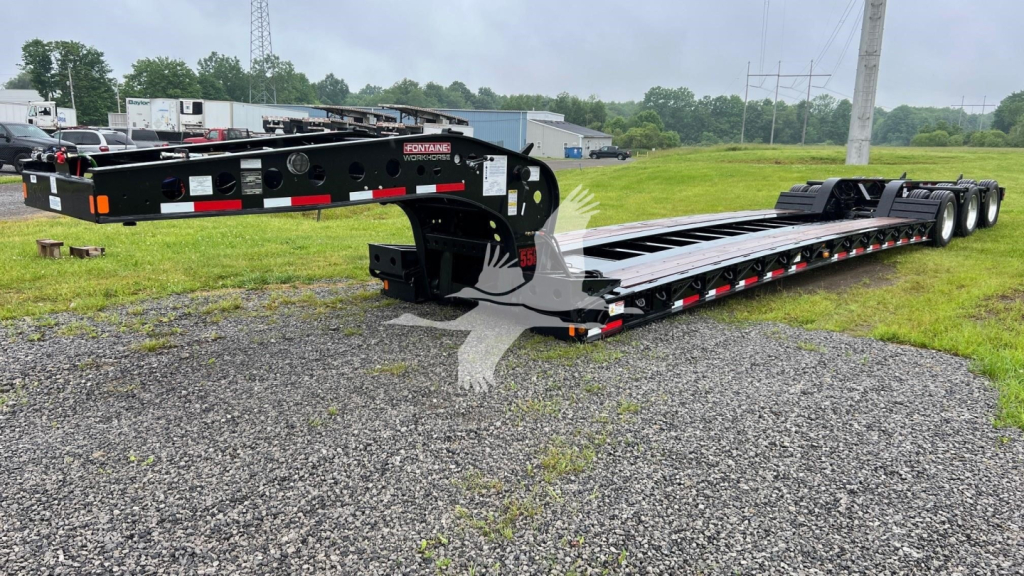
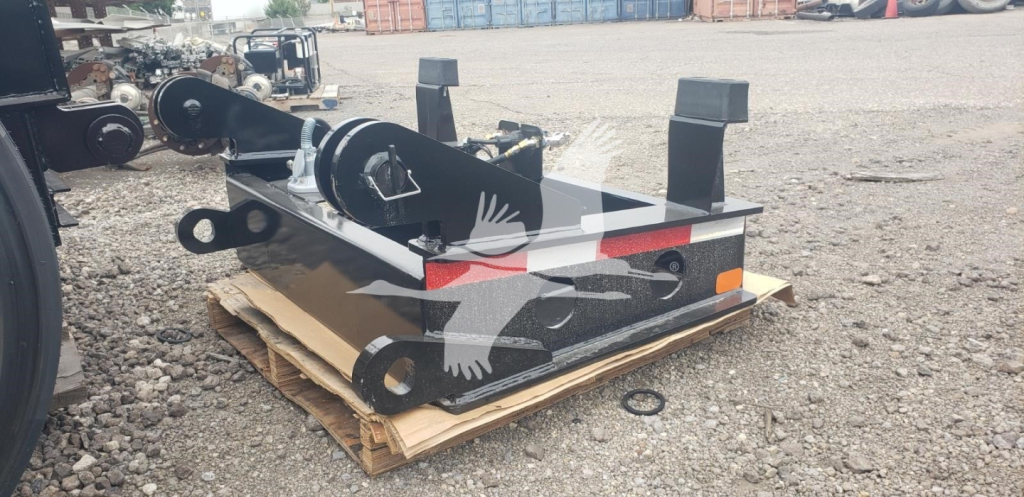
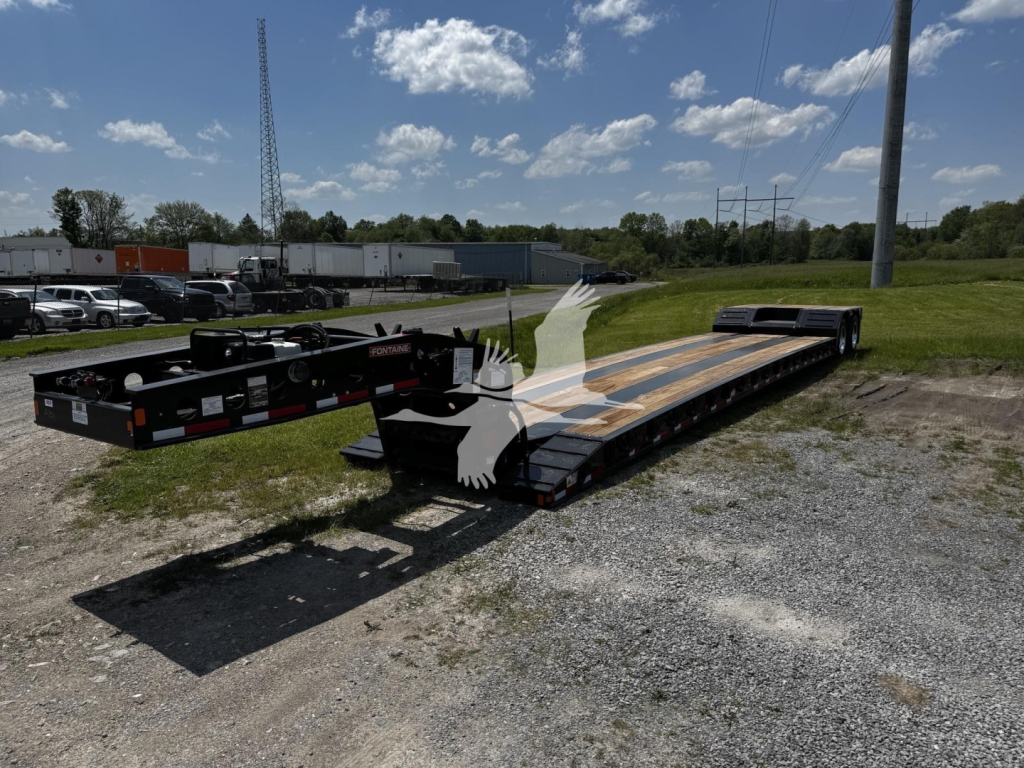
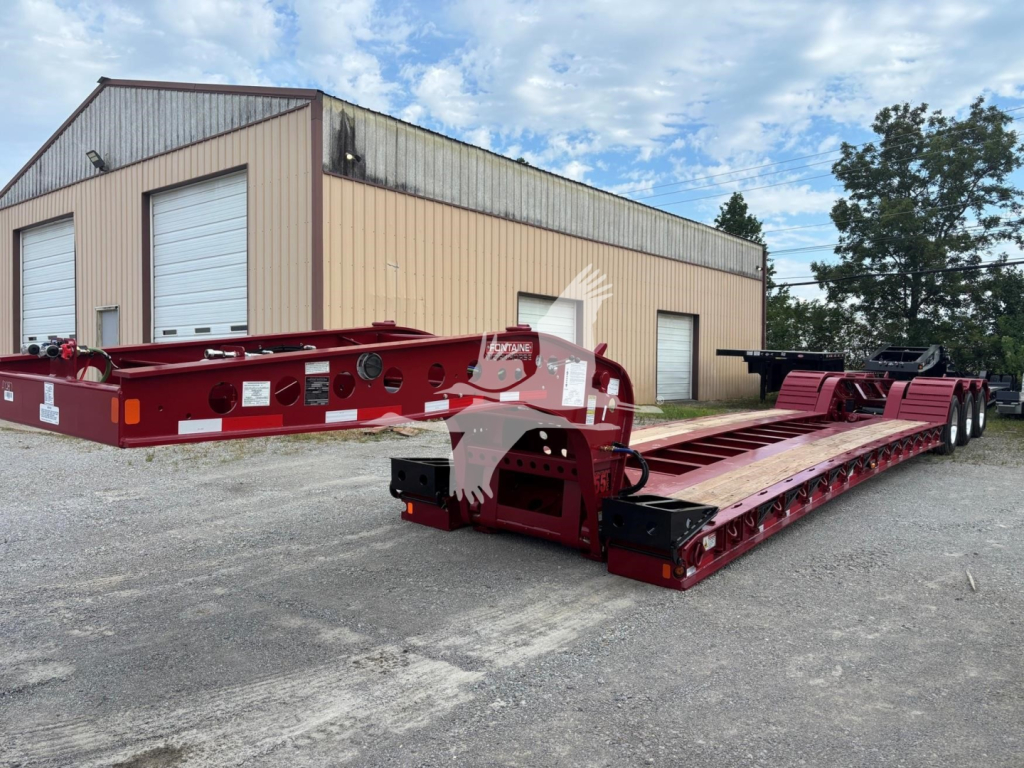
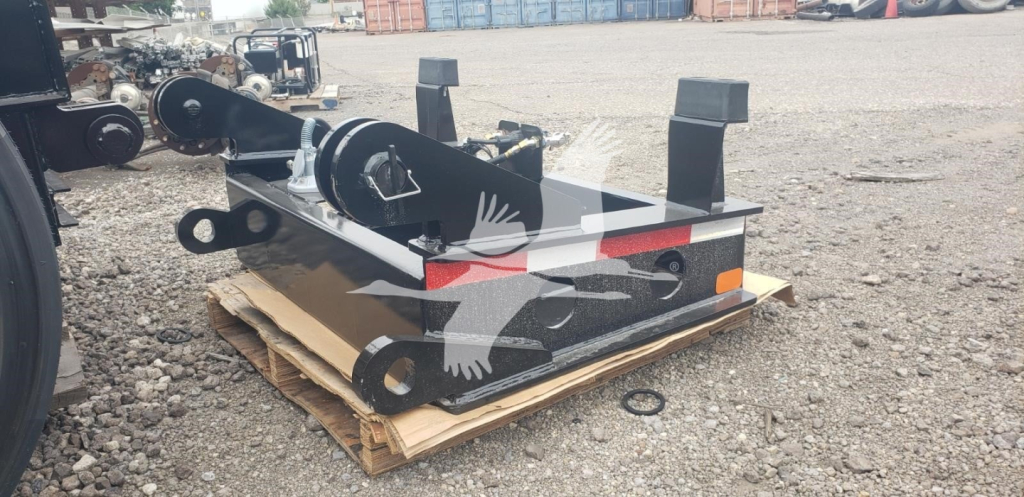
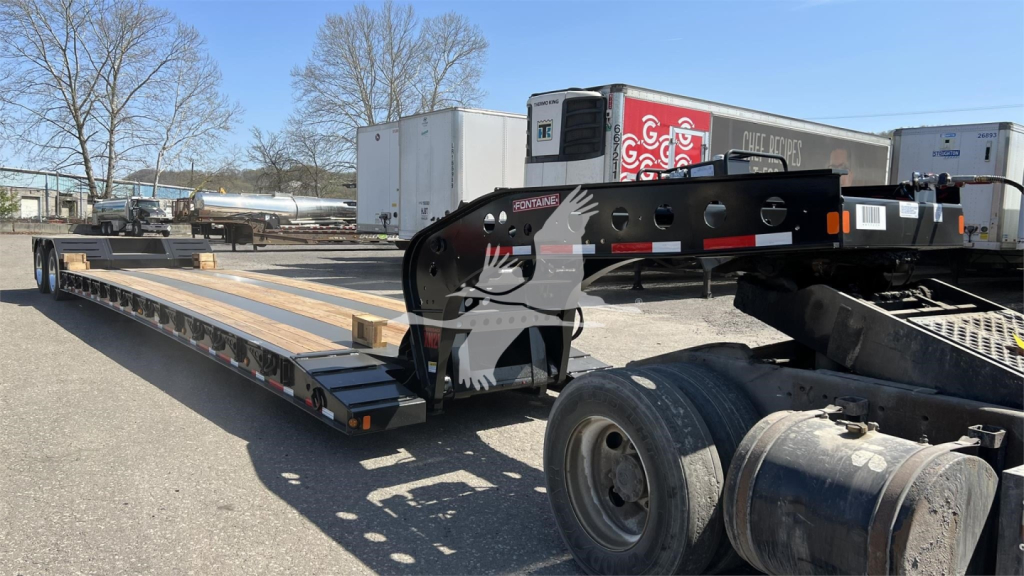
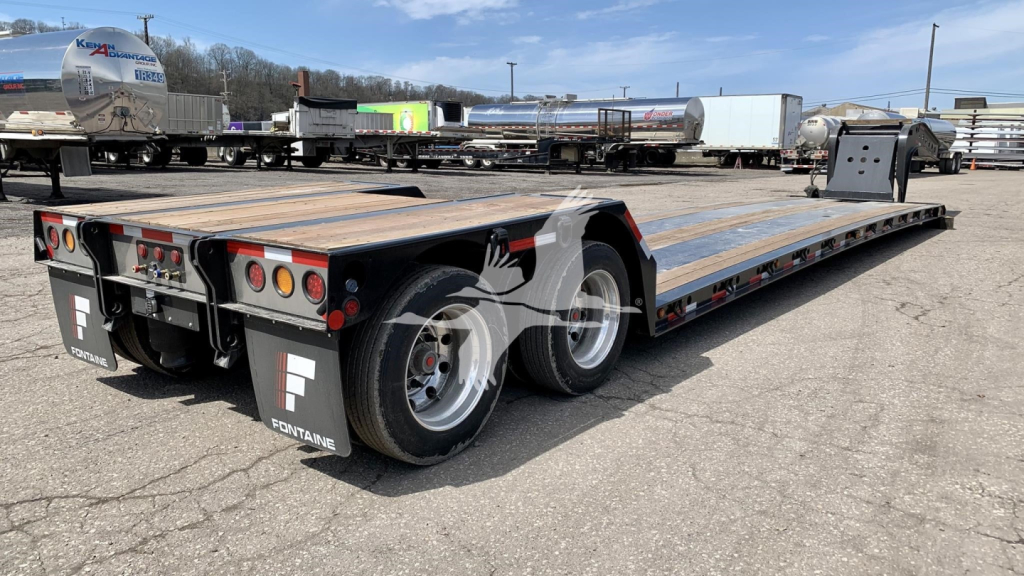
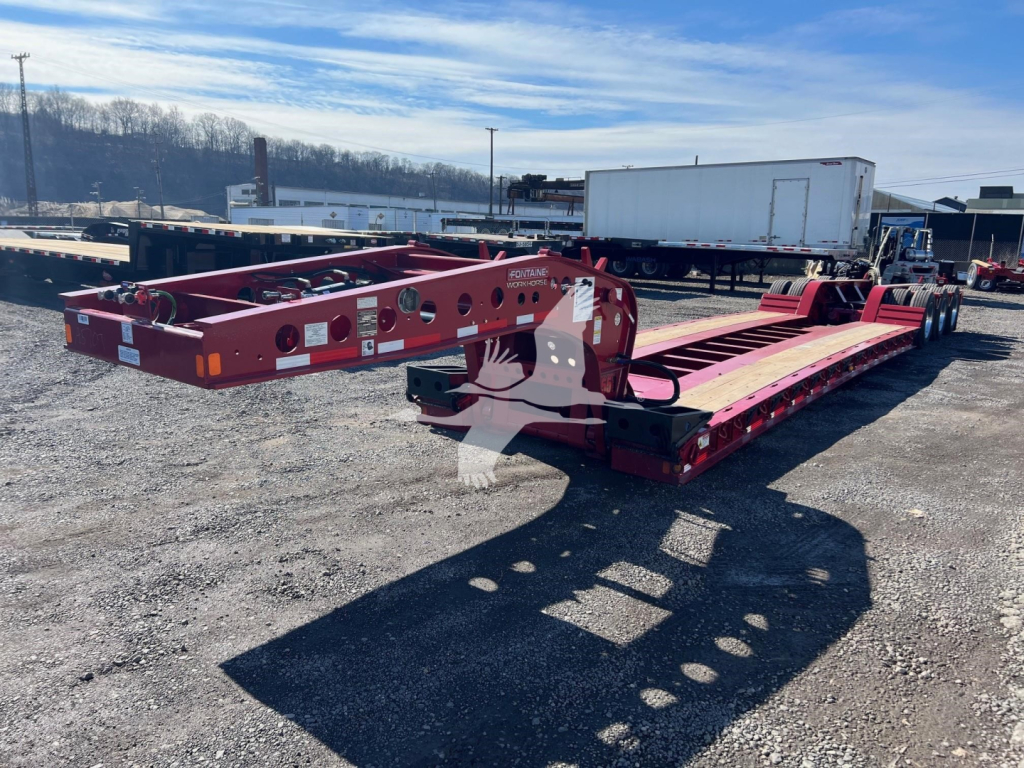
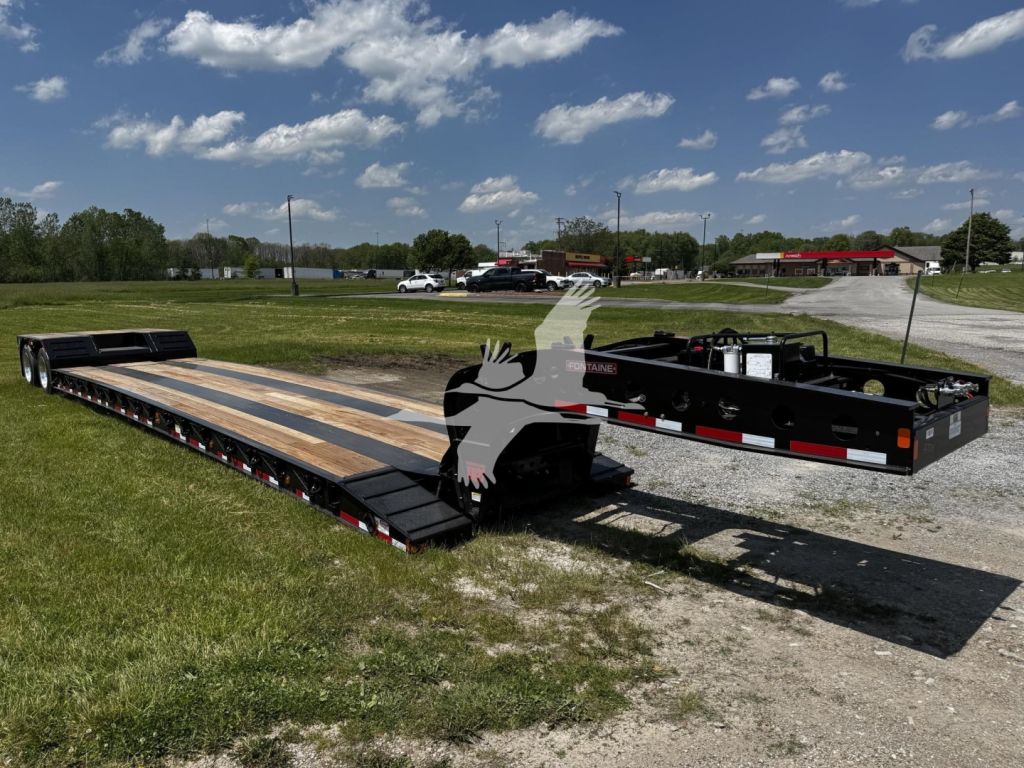
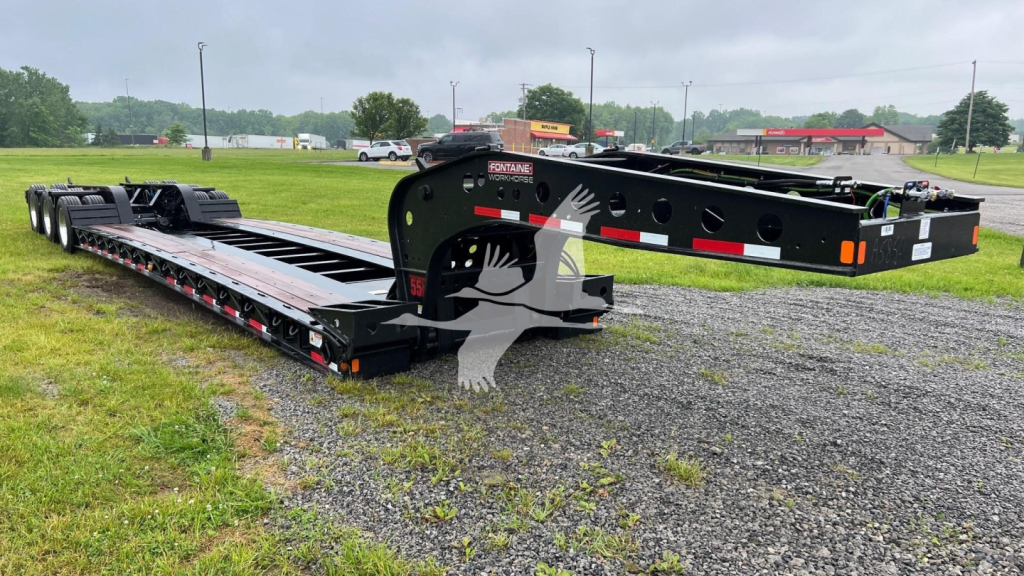
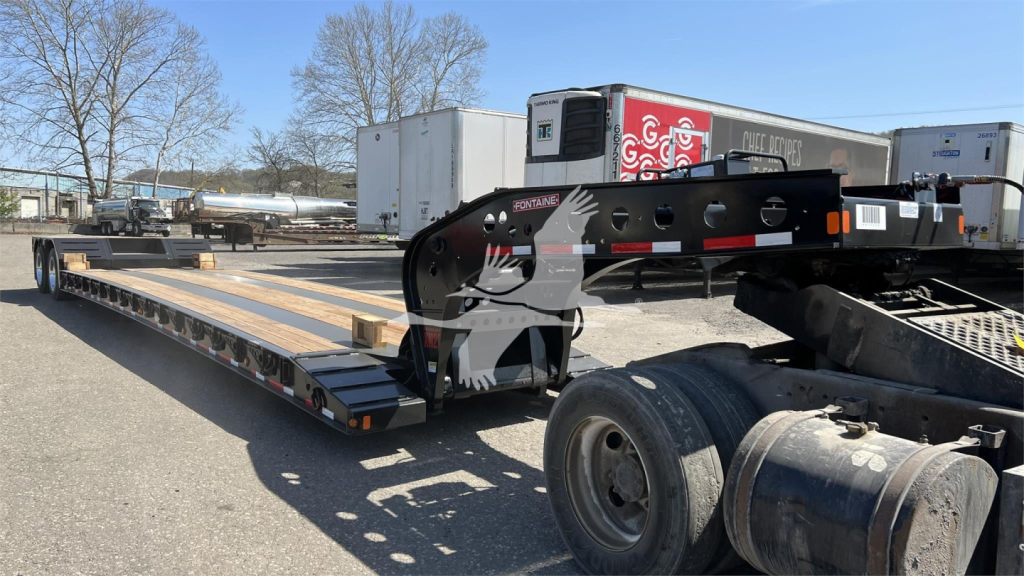
Showing 1 to 28 of 161 results
Have talbert lowboy trailer to sell? List it here to reach thousands of buyers.
Talbert Lowboy Trailers
The first buying decision is usually deck style and neck design. Talbert hydraulic removable gooseneck trailers are popular because they speed up loading for tracked equipment and eliminate the need for long, steep ramps in many applications. Ground-bearing versus non-ground-bearing goosenecks can affect how and where you load, especially on uneven jobsites. Flat level deck designs are common for mixed fleets, while boom wells, bucket recesses, and open deck sections make more sense for specific machines with long attachments or concentrated weight points. Loaded deck height is a major number to watch, with many heavy-haul buyers targeting the lowest practical ride height to stay legal on overall height and improve stability.
Axle setup is just as important as rated capacity. Talbert lowboys are often spec'd with air ride suspension, 25,000-lb axles, close-coupled tridem groups, and optional 4th axle or flip axle capability to meet bridge law and state permit requirements. Kingpin settings, including multi-position kingpin locations, can help balance the load across the tractor and trailer more effectively. Tire size, axle spacing, and wheel material all affect serviceability and legal weight distribution. Many trailers in this class also use Apitong wood flooring over steel construction, plus D-rings, outriggers, front flip ramps, LED lighting, battery backup strobes, and manual or hydraulic axle controls. If the work includes regional heavy haul, look closely at loaded deck height, usable deck length, and how the trailer scales in your operating states.
Condition and intended application should drive the final choice. Older Talbert beams and construction-style lowboys can still be strong performers if the neck, main beams, crossmembers, suspension, and axle alignment are sound. On used units, buyers should inspect the gooseneck cylinders, pony motor or hydraulic system, deck wear, bucket well repairs, brake condition, tire date codes, and signs of stress around ramp hinges, axle attachments, and frame transitions. For new-spec buyers, it makes sense to match the trailer to the machines you move most often instead of shopping by ton rating alone. A properly spec'd Talbert lowboy trailer can improve loading speed, keep permits manageable, and reduce the day-to-day compromises that come with hauling oversized iron on the wrong platform.
Frequently Asked Questions about Talbert Lowboy Trailers
What are Talbert lowboy trailers typically used for?
Talbert lowboy trailers are primarily used to haul heavy construction and industrial equipment such as excavators, bulldozers, wheel loaders, motor graders, cranes, and paving equipment. Their low deck height helps reduce overall loaded height, which is critical when moving tall machines under bridge and overpass limits. They are also favored in heavy-haul applications where concentrated machine weight, attachment clearance, and axle group flexibility are important.
What is the difference between a hydraulic removable gooseneck and a fixed-neck lowboy?
A hydraulic removable gooseneck, often called an RGN or HRG, allows the front of the trailer to detach so equipment can be driven directly onto the deck from ground level. This is ideal for tracked machines and frequent loading cycles. A fixed-neck lowboy is generally simpler and may work well for fleets that load by ramps and do not need front-loading capability, but it is less convenient for many types of construction equipment.
How do I choose the right axle configuration on a Talbert lowboy?
The right axle setup depends on the machine weight, load concentration, route, and state permit requirements. Tri-axle trailers are common for regional heavy equipment hauling, while additional axles, flip axles, or spreader configurations help distribute weight and improve bridge law compliance on heavier loads. Buyers should match axle count, axle spacing, and suspension type to the loads they actually move, not just the trailer's advertised ton rating.
What should I inspect on a used Talbert lowboy trailer?
Key inspection points include the gooseneck structure, hydraulic cylinders, frame rails, crossmembers, deck condition, suspension components, axle alignment, brakes, and tire condition. Pay close attention to repaired areas around bucket wells, beam transitions, ramp mounts, and axle attachment points because those locations see repeated stress. It is also important to verify that VIN tags, capacity markings, and any flip axle or booster compatibility match the trailer's actual configuration.
Why is deck height so important on a lowboy trailer?
Deck height directly affects legal loaded height, stability, and what types of equipment the trailer can move without special routing problems. A lower loaded deck can make the difference between an easier permitted move and a more restricted one. It also helps keep tall equipment lower to the road, which improves handling and can reduce clearance issues on overpasses, utility lines, and jobsite entrances.