
Talbert Lowboy Trailers For Sale in Pennsylvania
Have talbert lowboy trailer to sell? List it here to reach thousands of buyers.
Talbert Lowboy Trailers in Pennsylvania
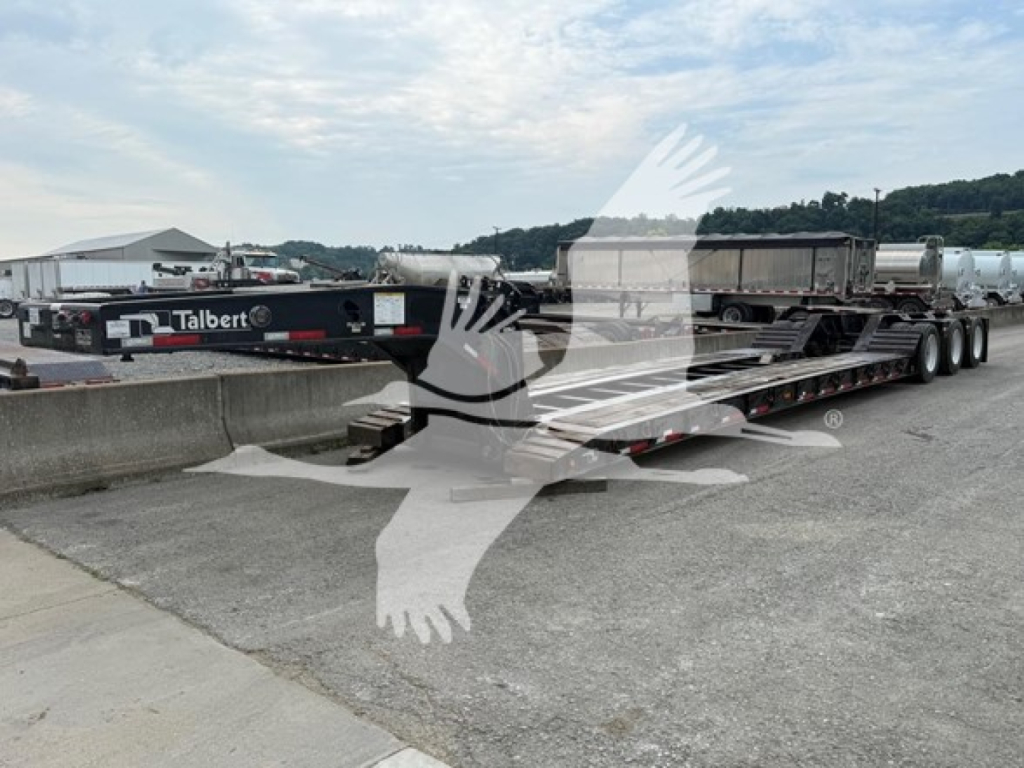
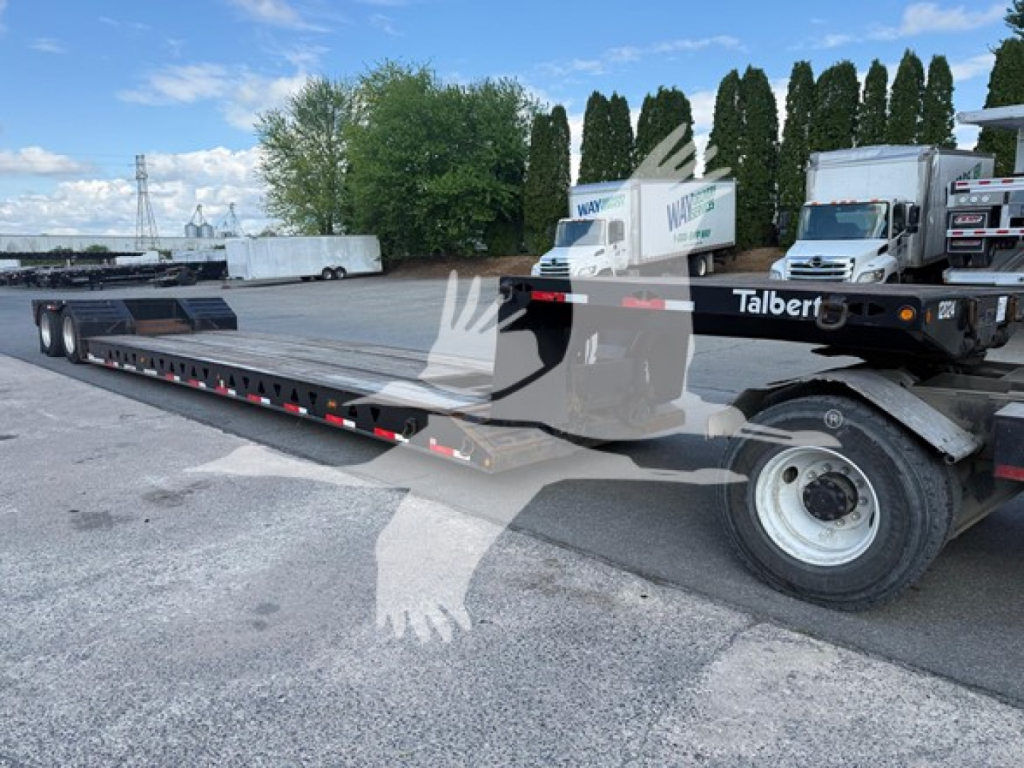
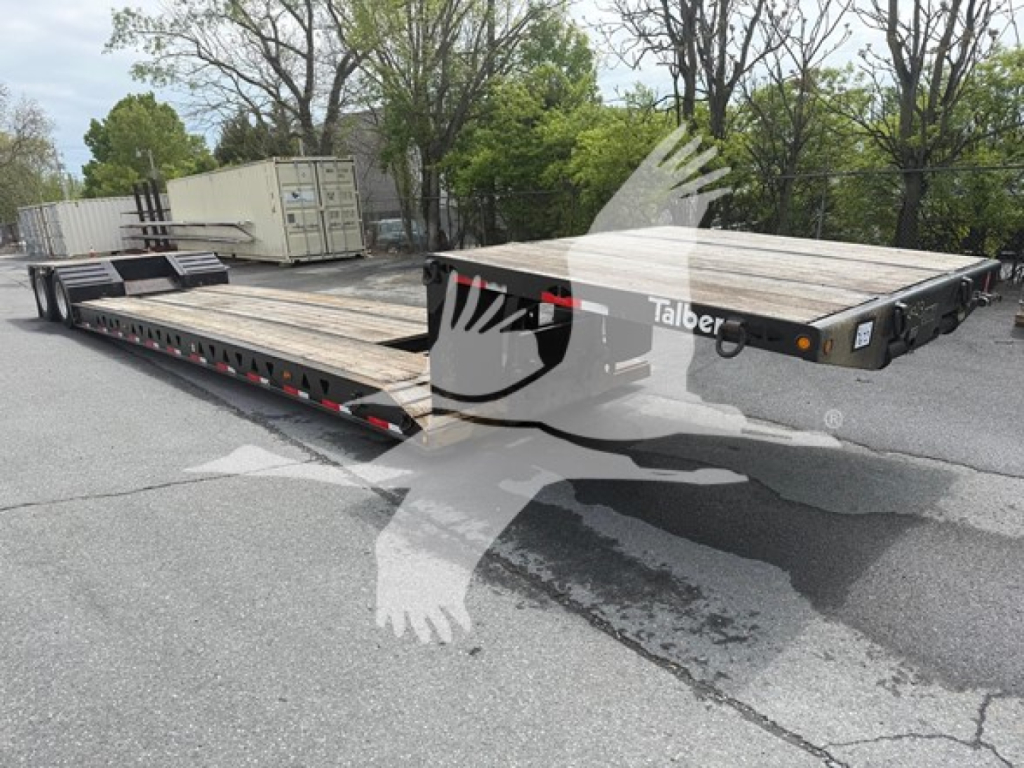
One of the first details to compare is the detach style and rated capacity. Mechanical detach models remain popular because they are straightforward, proven, and typically easier to maintain than more complex hydraulic systems. Capacity ratings often start around the 25 to 35 ton range for everyday contractor work, with heavier configurations available for specialized hauling. Deck length, loaded deck height, and free-and-clear deck space are critical because they determine what machines can be hauled legally and how axle weight can be distributed. Common specs include 102-inch overall width, deck heights around 18 to 24 inches, Apitong flooring, multiple D-ring tie-down points, and kingpin settings designed to balance weight across the tractor and trailer.
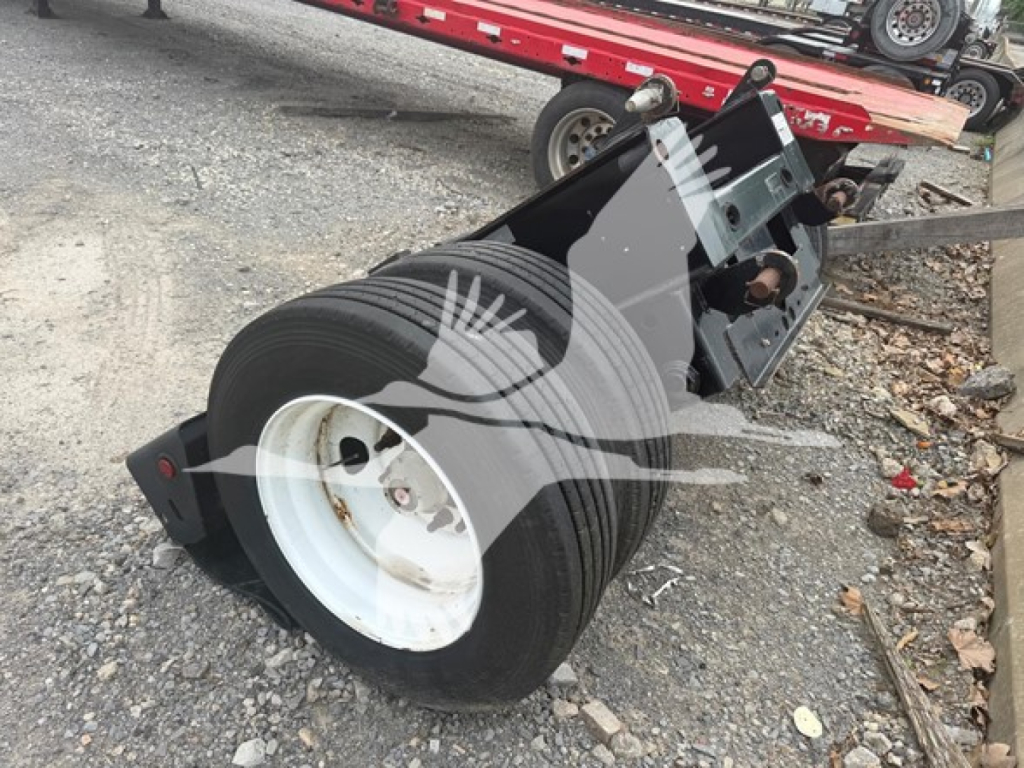
Suspension and running gear deserve close attention on any used Talbert lowboy. Air ride suspension is common and helps with ride quality and load protection, while ride height controls and raise-lower valves help during loading and unloading. Tire size, brake condition, axle spacing, and wheel material all affect operating cost and serviceability. Features such as tire inflation systems, perimeter frames, crossmember spacing, and rear gauge packages can add real value for fleets that run hard or cover long distances. A buyer should also look at neck fit, deck wear, floor condition, lighting, and signs of stress around concentrated load areas, especially if the trailer has spent its life hauling steel-tracked equipment.
For buyers comparing Talbert to other lowboy brands, the real question is how the trailer matches the freight. A 30-ton tandem axle mechanical detach can be an efficient choice for regional construction fleets, rental houses, and site contractors that need dependable loading without stepping into multi-axle complexity. The best trailer is not just the one with the highest rating. It is the one with the right deck length, axle group, suspension setup, and detach style for the equipment being moved most often. When those specs line up, a Talbert lowboy can be a long-service trailer with strong resale appeal in the heavy-haul market.
Frequently Asked Questions about Talbert Lowboy Trailers in Pennsylvania
What is the main advantage of a Talbert lowboy trailer for heavy equipment hauling?
A Talbert lowboy trailer gives you low deck height and heavy concentrated-load capability in a package designed for construction and equipment transport. The low loaded height helps with legal clearance for taller machines, while the frame and deck design are suited for tracked and wheeled equipment that would sit too high on a flatbed or many step decks. Talbert also has a strong reputation in the heavy-haul segment, which matters for long-term durability and resale.
What should I check first on a used Talbert mechanical detach lowboy?
Start with the frame, neck, deck, and suspension because those areas tell you how the trailer was used and maintained. Look for cracks, repairs, elongation around pin areas, deck wear from tracked machines, and uneven tire or brake condition. Confirm the capacity rating, kingpin setting, axle spacing, deck length, and loaded deck height so the trailer actually fits the equipment you plan to haul. Maintenance items such as air ride components, raise-lower valves, lighting, and tire inflation systems should also be inspected closely.
How much capacity do Talbert lowboy trailers usually have?
Talbert lowboy trailers come in a wide range of capacities, but many common contractor and regional heavy-haul units fall in the 25 to 35 ton class. That range works well for excavators, dozers, loaders, and paving equipment used in everyday construction hauling. Higher-capacity multi-axle and specialized configurations are also available for larger machinery and permit-heavy freight. The usable capacity depends on more than the rating plate because axle layout, deck length, and load position all affect legal weight distribution.
Is a mechanical detach better than a hydraulic detach on a lowboy trailer?
A mechanical detach is often preferred by buyers who want a simpler, proven setup with fewer hydraulic components to maintain. It can be a strong choice for fleets that value durability, straightforward operation, and lower system complexity. A hydraulic detach can be faster or more convenient in some applications, but it adds components that require upkeep. The better choice depends on loading frequency, shop support, and how much value you place on operating simplicity versus convenience.
Why do deck height and free-and-clear deck length matter on a lowboy?
Deck height and free-and-clear deck length directly affect what equipment you can haul legally and safely. A lower deck helps keep overall loaded height down, which is critical for tall machines and bridge clearance planning. Free-and-clear deck length determines how much machine footprint can sit on the main deck without interfering with the neck or rear transition. Those two specs, together with axle placement and kingpin setting, have a major impact on load balance, permit routing, and day-to-day versatility.