
2024 Lowboy Trailers For Sale
Shop 2024 lowboy trailers by capacity, deck height, detach style, axle setup, and deck length for heavy equipment hauling.
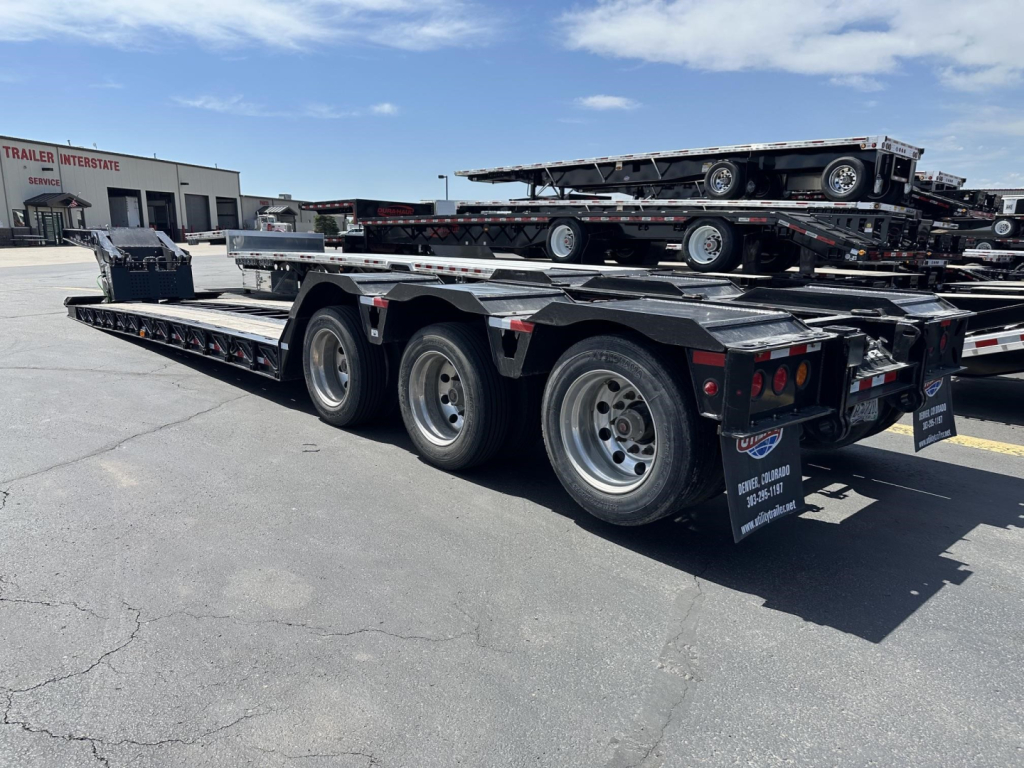
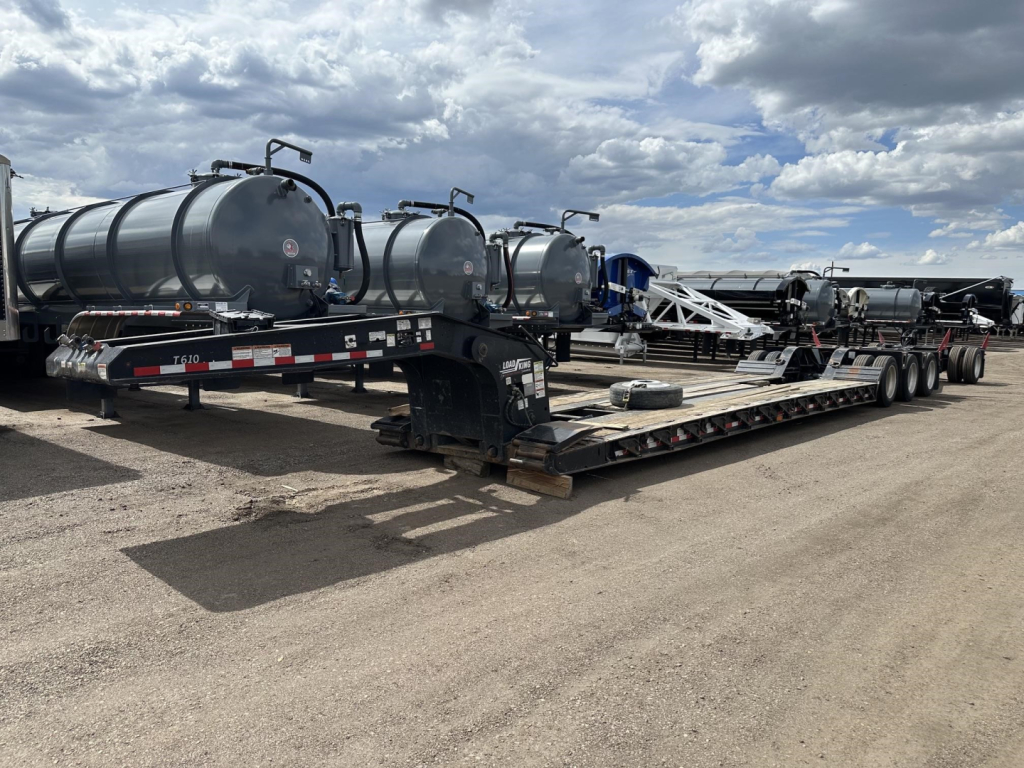
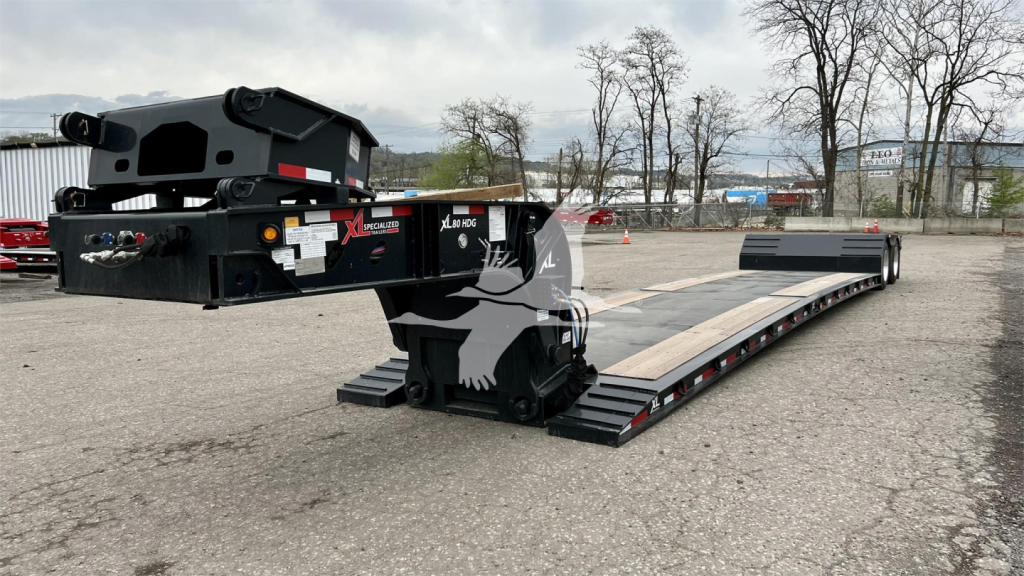
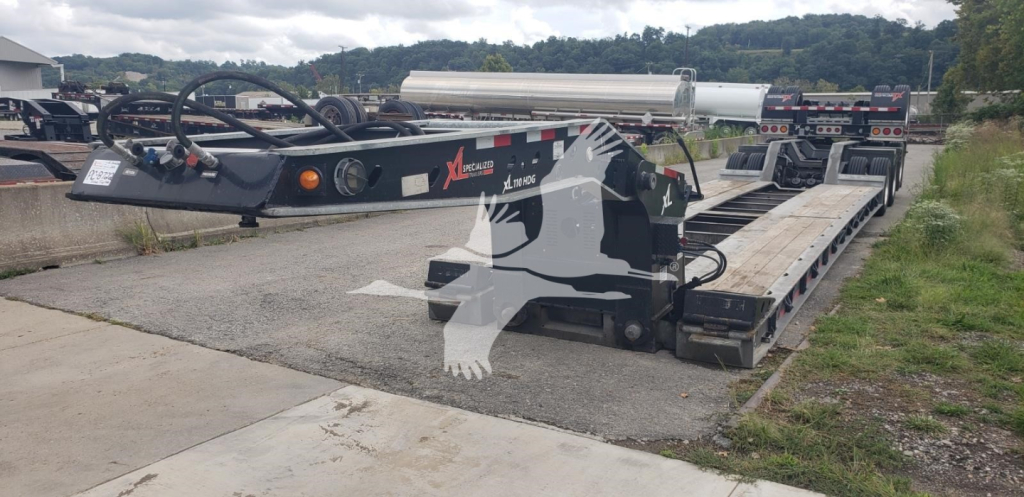
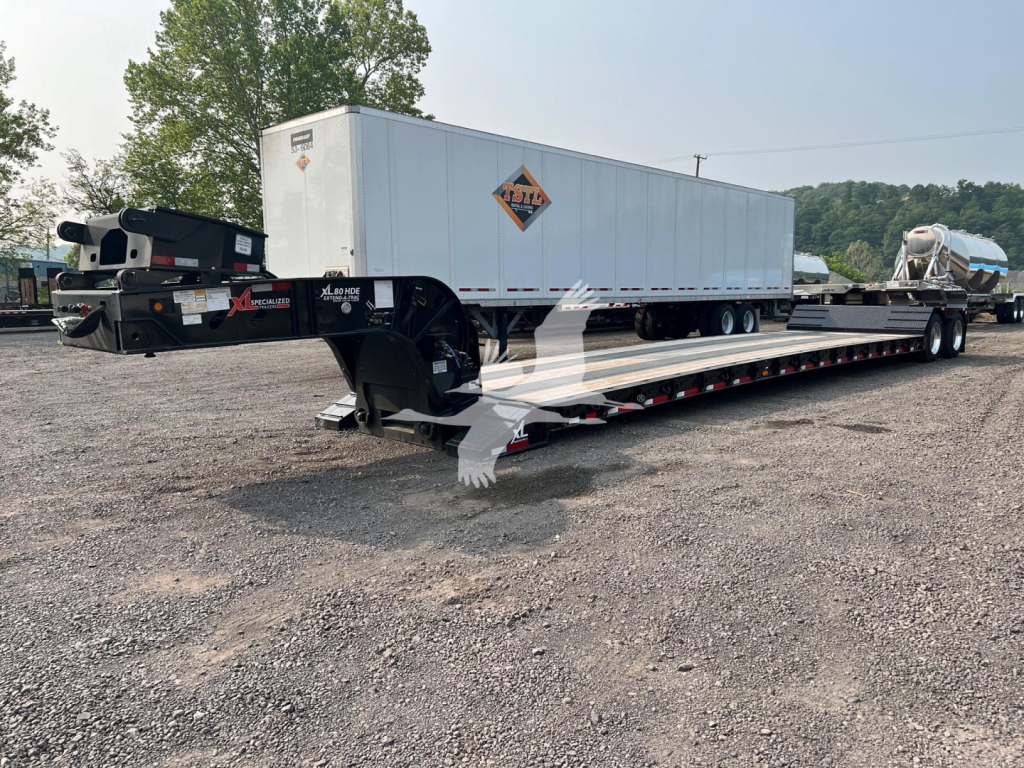
Selling a 2024 lowboy trailer? List your 2024 lowboy trailer for sale and reach thousands of commercial buyers.
2024 Lowboy Trailers
Capacity and deck layout need to match the machines you actually move. In this class, common ratings range from about 35 ton to 55 ton and higher, with concentrated load ratings measured over a specific deck length such as 10, 12, 13, or 16 feet. A lower deck height, often around 18 to 20 inches on traditional lowboys, helps with taller equipment, while deck lengths can vary from compact 26-foot wells to longer and even extendable main decks for mixed fleets. Buyers should also compare kingpin setting, neck style, axle spacing, and rear bogie design because those details affect turning radius, tractor compatibility, bridge compliance, and how the load sits on the trailer.
Tie-down practicality matters as much as raw capacity. Many late-model lowboys are equipped with Apitong flooring, chain drops on close centers, pan-style or bent D-rings, outriggers, pull-out outriggers, covered tool trays, flip-down front ramps, and provisions for flip axles or jeep combinations. Suspension is commonly air ride, often with raise-lower control, dump valves, and lift axles to help with loading and maneuvering. Tire size, wheel material, ABS, lighting layout, and options like tire inflation systems, centralized grease systems, or air-weigh scales can make a real difference in maintenance cost and day-to-day uptime, especially for fleets hauling on mixed jobsite and highway routes.
For many buyers, the right 2024 lowboy trailer comes down to how often it will run legal versus permitted, how frequently attachments stay on the machine, and whether future flexibility is worth the added tare weight. A trailer set up for a detachable neck and flip axle can open up more hauling combinations, but it also adds complexity that may not be necessary for every operation. Look closely at ground clearance under the neck, loaded load angle, deck transition design, and ramp arrangement if you regularly load low-clearance equipment. A well-matched lowboy improves loading speed, reduces permit headaches, and handles heavy iron with less compromise than trying to make a general-purpose trailer do a specialized job.
Frequently Asked Questions about 2024 Lowboy Trailers
What is the main advantage of a lowboy trailer compared with a standard flatbed or step deck?
A lowboy trailer gives you a much lower loaded deck height, which is critical when hauling tall equipment such as excavators, dozers, loaders, and paving machines. That lower deck allows more machines to move within legal overall height limits and usually improves stability by keeping the center of gravity lower. It also makes lowboys better suited to concentrated heavy loads that would exceed the practical limits of a standard flatbed or step deck.
How do I choose between a mechanical detachable gooseneck and a hydraulic detachable gooseneck lowboy?
A mechanical detachable gooseneck is simpler and often lighter, and it can be a solid fit for operations with consistent loading conditions and experienced drivers. A hydraulic detachable gooseneck usually speeds up loading and unloading, reduces manual steps, and is preferred when machines are loaded frequently or vary in size. The right choice depends on loading frequency, labor preference, tractor hydraulic setup, and how important fast turnaround is in your operation.
What capacity should I look for in a 2024 lowboy trailer?
Capacity should be matched to the heaviest machine you plan to haul, including attachments, fuel, buckets, blades, and any concentrated point loading. Many lowboys in this market range from 35 ton to 55 ton, but the published rating is only part of the story. Buyers should read how that rating is measured, such as 55 tons in 12 feet or 70,000 pounds in 16 feet, because the load distribution on the deck can matter as much as the headline number.
Why are deck height and ground clearance so important on a lowboy?
Deck height determines how much total freight height you can carry before running into legal or permit issues. Ground clearance matters because an extremely low trailer still has to survive transitions, railroad crossings, rough yards, and jobsite entrances without dragging the neck or deck. The best setup balances a low carrying height with enough clearance to operate in real-world conditions, especially if your routes include uneven terrain or low-clearance equipment with poor approach angles.
What features improve day-to-day usability on a lowboy trailer?
Useful lowboy features include Apitong decking, chain drops, multiple D-ring styles, outriggers, covered tool storage, air ride suspension, lift axles, ride height control, and flip axle readiness. Buyers who run heavy equipment daily also value practical details such as swing clearance, neck support design, pull-out lights, strong ramp transitions, and tire inflation systems. These features do not change the basic category, but they can significantly improve loading efficiency, securement options, maintenance intervals, and overall uptime.