
2023 Lowboy Trailers For Sale
Shop 2023 lowboy trailers built for heavy equipment hauling, with common specs, deck styles, axle setups, and capacity features buyers compare.
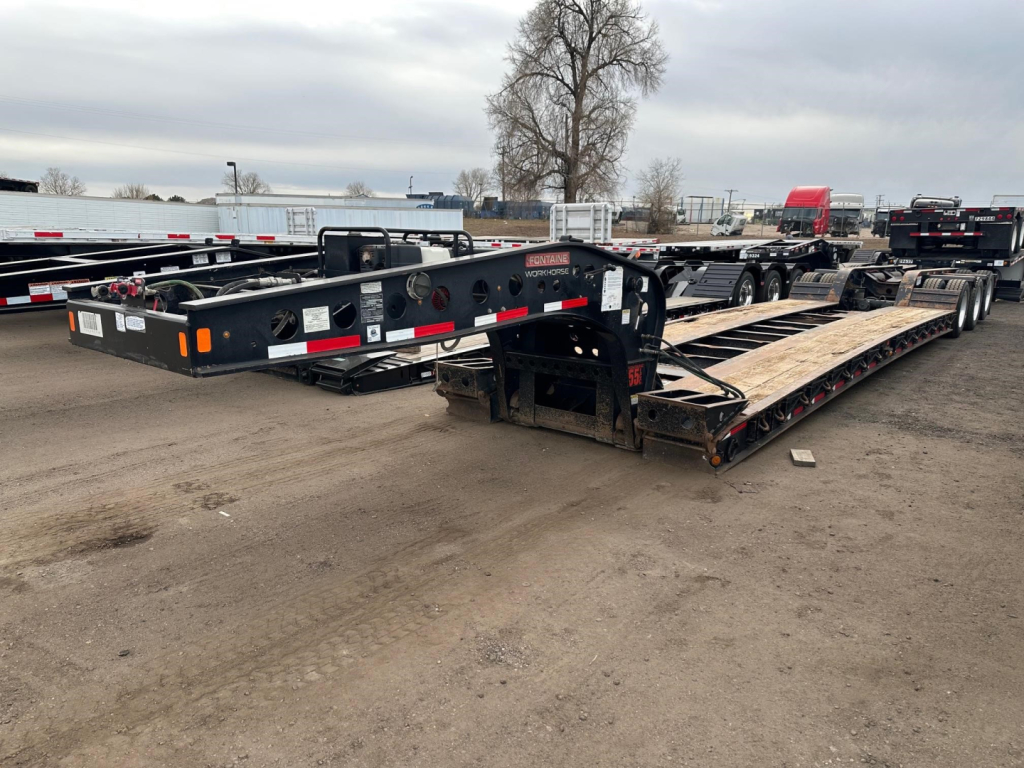
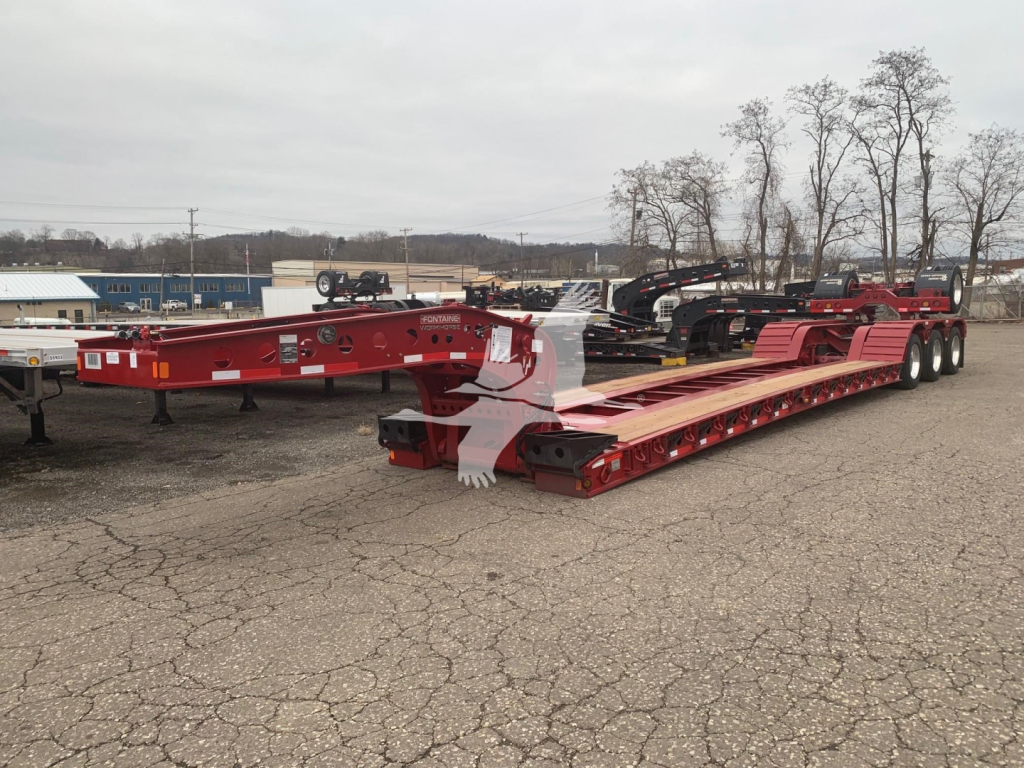
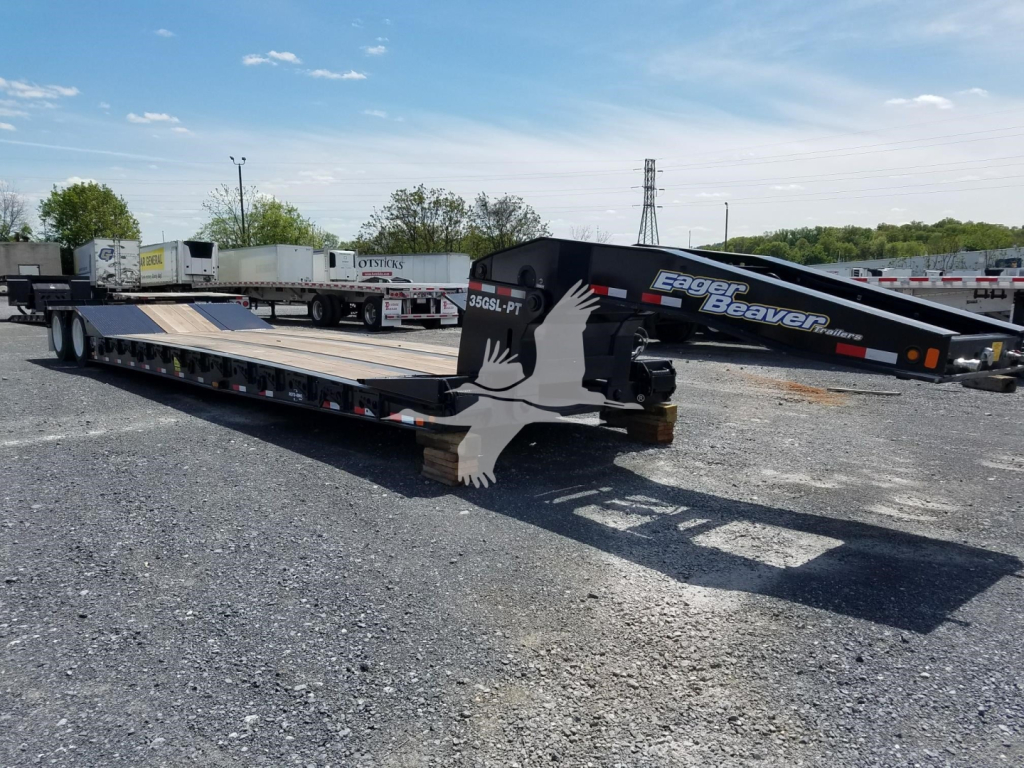

Selling a 2023 lowboy trailer? List your 2023 lowboy trailer for sale and reach thousands of commercial buyers.
2023 Lowboy Trailers
The most important spec decisions are usually gooseneck style, well length, and axle arrangement. Hydraulic removable gooseneck designs are popular because they allow ground-level loading for excavators, dozers, and other tracked equipment without relying only on rear ramps. Mechanical detachable necks still appeal to some operations for simplicity and lower maintenance. Many buyers also compare kingpin settings, swing clearance, loaded deck height, and ride height adjustment, especially when matching the trailer to a specific tractor and route profile. A 2023 model may also include features that improve day-to-day use, such as pony motor and PTO hookups, air weigh scales, lift axles, air dump valves, and wireless remote functions on certain premium configurations.
Deck layout matters as much as raw tonnage. Common details include wood or Apitong decking, outriggers, D-rings, chain slots, boom troughs, bucket wells, load-bearing fenders, and front flip ramps. These features make a difference if the trailer will regularly carry excavators with buckets installed, cranes with wider track stance, or equipment with attachments that need extra clearance. Tire size, suspension type, and axle spacing also affect how a lowboy behaves under load and how easy it is to permit. Tri-axle air ride setups remain common, while spreader bars, rear flip axles, and additional axle connections help fleets scale up for heavier permitted loads when needed.
For many buyers, a 2023 lowboy trailer hits the sweet spot between newer design features and lower acquisition cost than a current model year. The key is to match the trailer to the freight, not just the headline capacity. Check deck length versus machine wheelbase or track length, verify the concentrated load rating in the well, and pay close attention to ground clearance, load angle, and legal dimensions on the routes you actually run. A lowboy that is properly spec'd for your equipment mix will load faster, permit easier, and put less stress on both the trailer and the tractor over the long haul.
Frequently Asked Questions about 2023 Lowboy Trailers
What is the difference between a lowboy trailer and a detachable gooseneck trailer?
A lowboy is the trailer type, defined by its very low deck height for hauling tall equipment. A detachable gooseneck, often called a detachable or RGN, is one of the common loading configurations within the lowboy category. Many lowboys use a hydraulic removable gooseneck so equipment can be driven on from the front, but some lowboys use fixed necks, traveling axle designs, or other configurations depending on the application.
What capacity should I look for in a 2023 lowboy trailer?
The right capacity depends on the heaviest machine you haul, where that weight sits on the deck, and whether your loads are legal or permitted. A 50-ton or 55-ton rating is common in equipment hauling, but buyers should go beyond the headline number and verify concentrated load rating, deck rating in a specified section of the well, axle configuration, and compatibility with jeep, booster, spreader bar, or flip axle equipment if heavier loads are part of the plan.
Why does loaded deck height matter on a lowboy?
Loaded deck height directly affects legal overall height, route flexibility, and the kinds of machines you can move without special routing problems. A lower deck helps keep tall excavators, dozers, and other equipment under bridge limits, but buyers also need to consider ground clearance, breakover angle, and the conditions where the trailer will load and unload. Very low deck setups can be excellent for height control but may require more attention on rough jobsite entrances or uneven terrain.
Are air ride suspensions common on lowboy trailers?
Yes. Air ride suspension is common on modern lowboy trailers because it helps manage ride quality, load stability, and ride height adjustment. Features such as air dump valves, lift axles, and adjustable ride height can make loading easier and can help with axle weight management. Buyers should still compare suspension design with the type of hauling they do, since severe-duty applications may place a premium on durability, serviceability, and compatibility with permit requirements.
What features are most useful for hauling excavators and other construction equipment?
For construction fleets, the most useful lowboy features often include a hydraulic removable gooseneck, adequate well length, outriggers, strong tie-down options, boom troughs, bucket wells, load-bearing fenders, and front or rear loading ramps matched to the machine type. Operators hauling multiple equipment styles also benefit from adjustable kingpin settings, lift axles, scale systems, and accessory connections for flip axles or spreader bars. These details improve load placement, reduce loading time, and make the trailer more versatile across different jobs.