
2023 Lowboy Trailers For Sale in Pennsylvania
Have 2023 lowboy trailer to sell? List it here to reach thousands of buyers.
2023 Lowboy Trailers in Pennsylvania
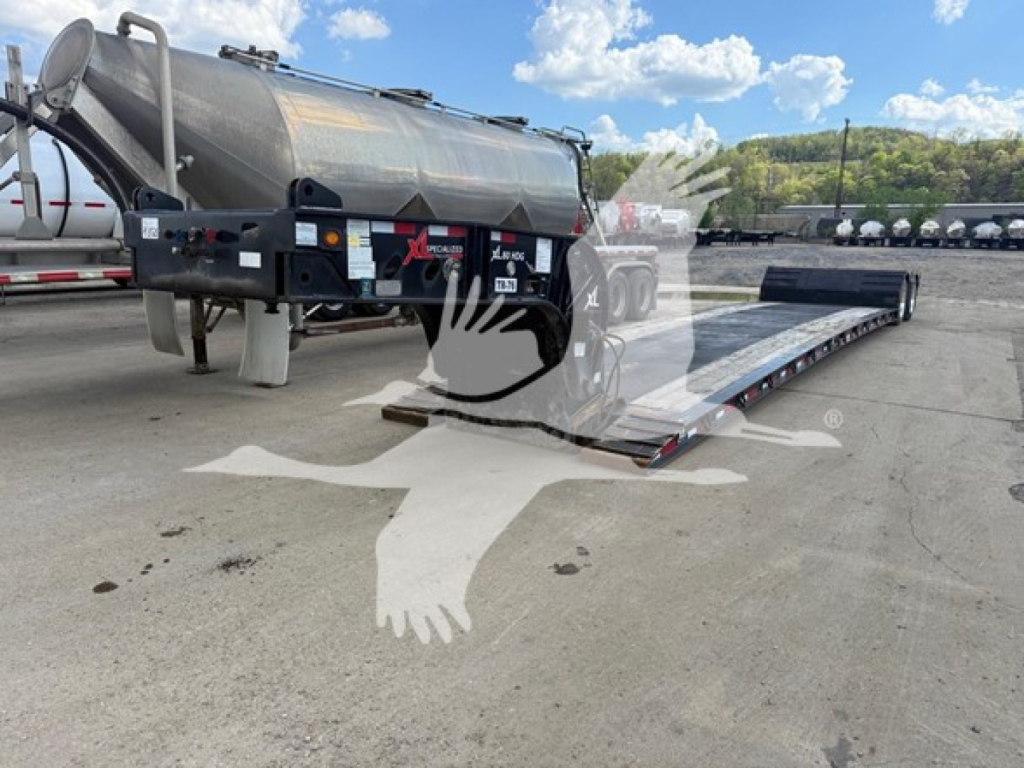
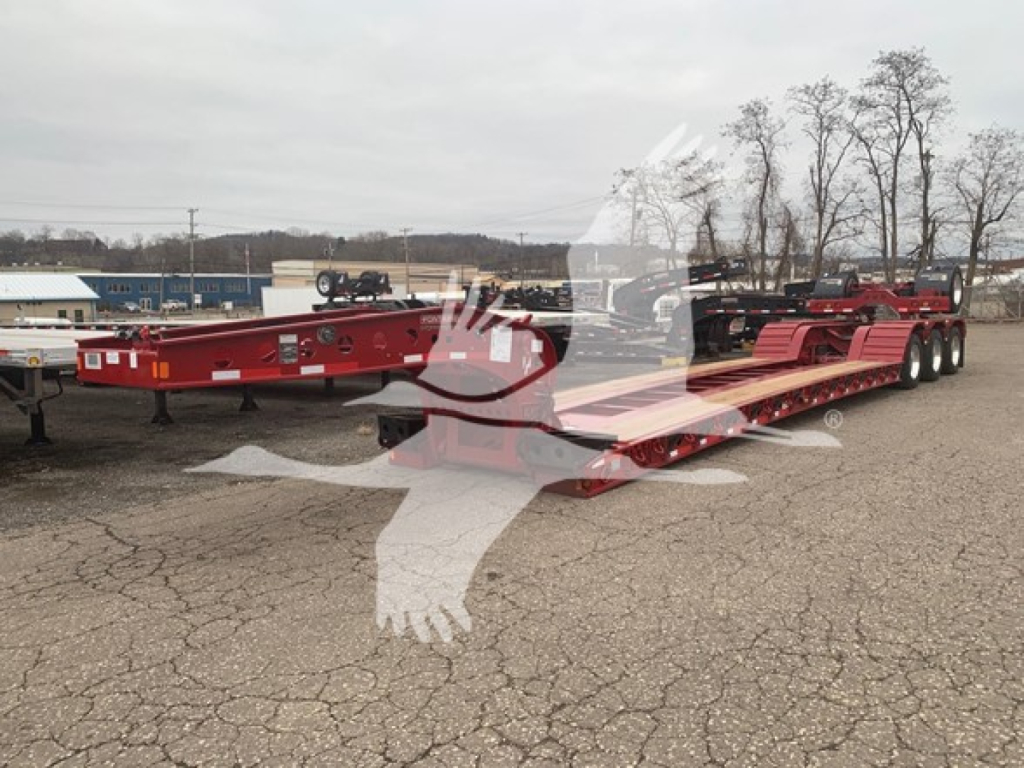
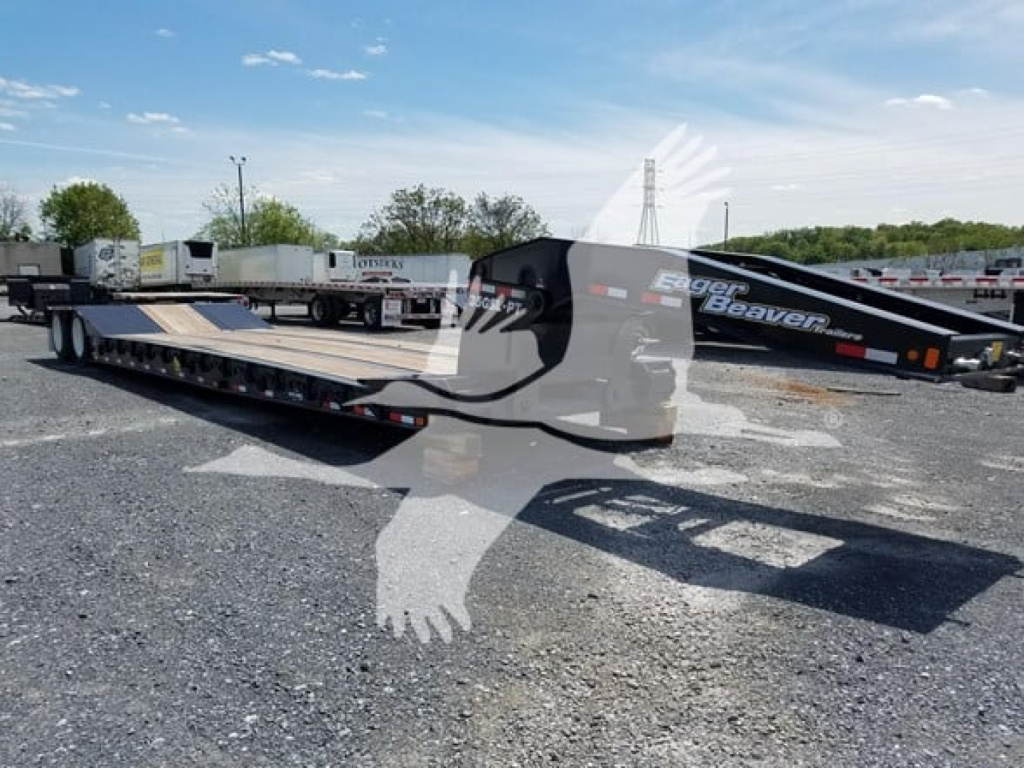
The first buying decision is usually deck and neck style. Many 2023 lowboy trailers use a hydraulic detachable gooseneck, often non-ground-bearing, because it speeds loading and unloading and handles frequent equipment moves better than fixed-neck designs. Buyers should compare loaded fifth wheel height, kingpin setting, neck type, and ride height positions to make sure the trailer matches the tractor fleet already in service. Main deck height is a major factor because a lower deck helps with legal loaded height, especially for taller machines. Deck lengths, top deck length, rear deck design, and flip axle connections also matter if the trailer will carry machines with unusual track lengths, long wheelbases, or variable counterweight positions.
Capacity and axle layout deserve close attention because a 2023 lowboy can look similar on paper yet perform very differently under permit loads. Common ratings in this class include 35-ton, 40-ton, and 55-ton designs, with two-axle and three-axle configurations both common. Air ride suspension remains popular for protecting equipment and improving road manners, and many trailers are set up to accept a flip axle or additional rear attachment when heavier legal or permitted loads are expected. Buyers in Pennsylvania should pay attention to axle spacing, suspension brand, tire size, ground clearance, and the trailer's rated capacity over a stated deck length, since the usable rating changes with load position. A lowboy meant for concentrated equipment weight is different from one intended for more evenly distributed loads.
Day-to-day usability often comes down to deck details. Apitong or nominal wood floors, steel side rails, removable outriggers, multiple D-ring pairs, scuff-resistant perimeter beams, and covered rear bogies all affect how well the trailer works on real jobsites. Front approach ramps, beavertail sections, traction cleats, hammer plates, toolboxes, liquid-filled gauges, and raise-and-lower suspension controls can make loading safer and reduce setup time. On used 2023 lowboy trailers, inspection status, brake condition, tire wear, and any evidence of deck repairs or neck fatigue should be reviewed closely. A well-spec'd lowboy should fit the machine list, the permit environment, and the tractor it will run behind, not just the posted ton rating.
Frequently Asked Questions about 2023 Lowboy Trailers in Pennsylvania
What is the difference between a lowboy trailer and a standard flatbed trailer?
A lowboy trailer has a much lower main deck height than a standard flatbed, which allows taller equipment to be transported while staying within legal height limits. It is designed for heavy machinery such as excavators, loaders, dozers, and paving equipment. Many lowboys also use a detachable gooseneck so equipment can be driven directly onto the deck, which is a major advantage over a conventional flatbed when loading tracked machines.
What capacity should I look for in a 2023 lowboy trailer?
The right capacity depends on the operating weight, track width, axle spacing, and overall footprint of the equipment being hauled. Common lowboy ratings include 35-ton, 40-ton, and 55-ton models, but the rating is often tied to a specific deck length and load distribution. Buyers should match the trailer to their heaviest routine machine, not just occasional loads, and confirm whether flip axles or booster-compatible setups are needed for permitted heavy haul work.
Why does deck height matter so much on a lowboy?
Deck height directly affects loaded height, center of gravity, and route flexibility. A lower deck helps keep tall equipment legal and more stable during transport, especially with machines that have cabs, booms, or elevated structures. Even a few inches can make the difference between a straightforward haul and a load that requires extra routing, permits, or disassembly.
Are hydraulic detachable goosenecks better than fixed-neck lowboy trailers?
For fleets that load and unload equipment frequently, a hydraulic detachable gooseneck is often the more practical choice. It allows machines to be driven onto the main deck from the front, improves loading efficiency, and is better suited to jobsites where ramps are less convenient. A fixed-neck lowboy can still be a solid option in certain applications, but detachable goosenecks usually offer more flexibility for mixed construction and heavy equipment hauling.
What should I inspect on a used 2023 lowboy trailer before buying?
Focus on structural condition first. Check the gooseneck, main beams, crossmembers, outriggers, rear bridge area, and suspension mounts for cracks, repairs, or signs of overstress. Then inspect deck condition, D-rings, lighting, brakes, tires, suspension operation, raise-and-lower valves, and any flip axle connection points. It is also important to verify the VIN plate, rated capacity, inspection status, and compatibility with the tractor and permit requirements in the states where the trailer will run.