
2026 Lowboy Trailers For Sale
Shop 2026 lowboy trailers with detachable necks, low deck heights, air ride suspensions, and heavy-haul capacity for equipment transport.
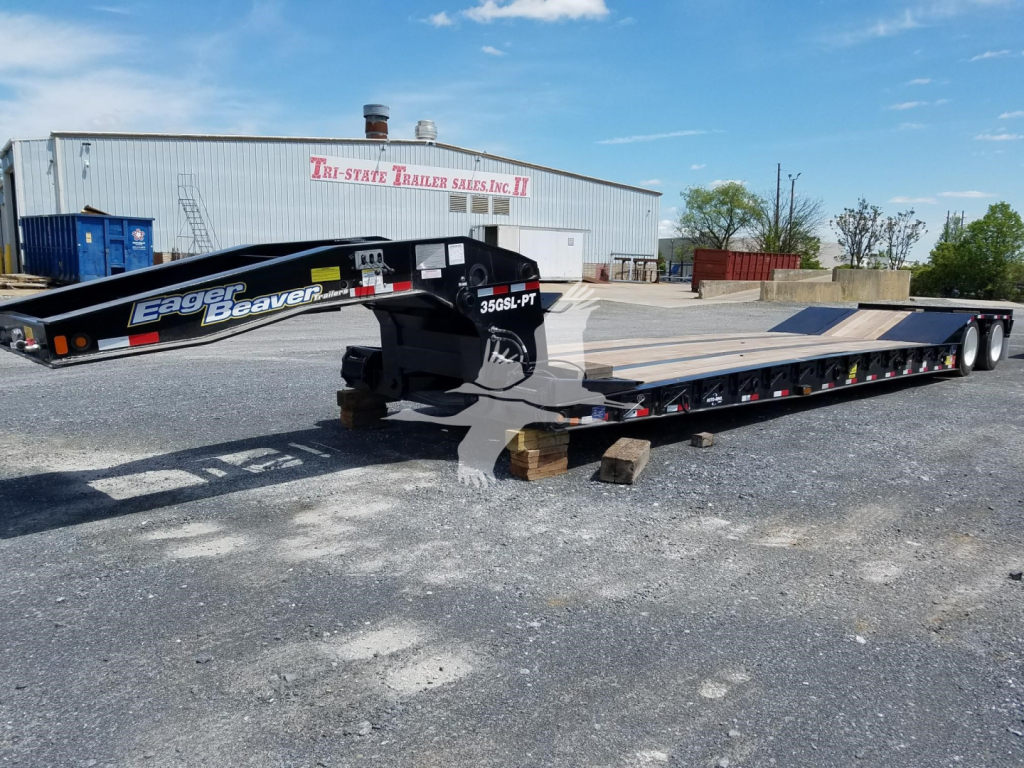
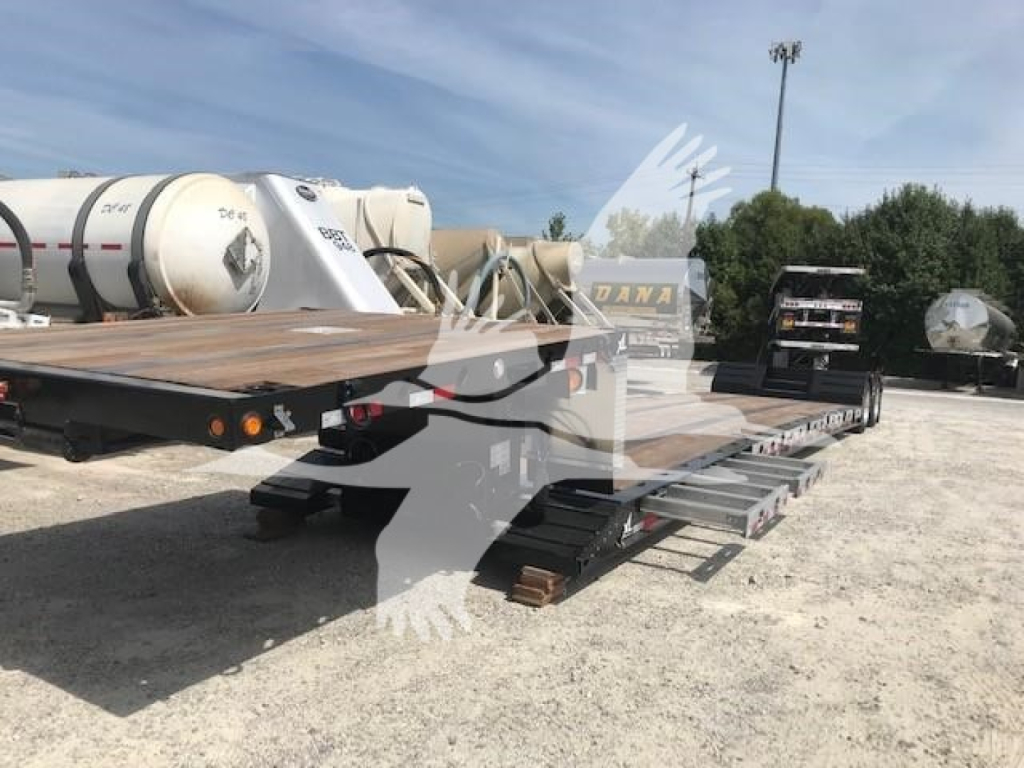
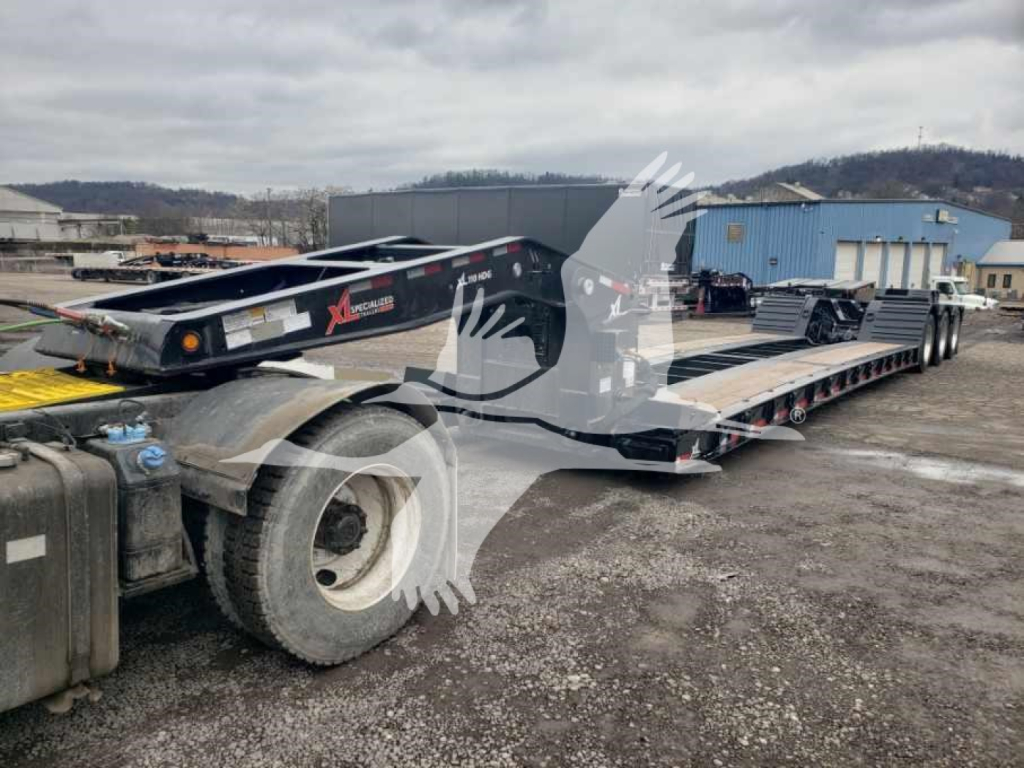
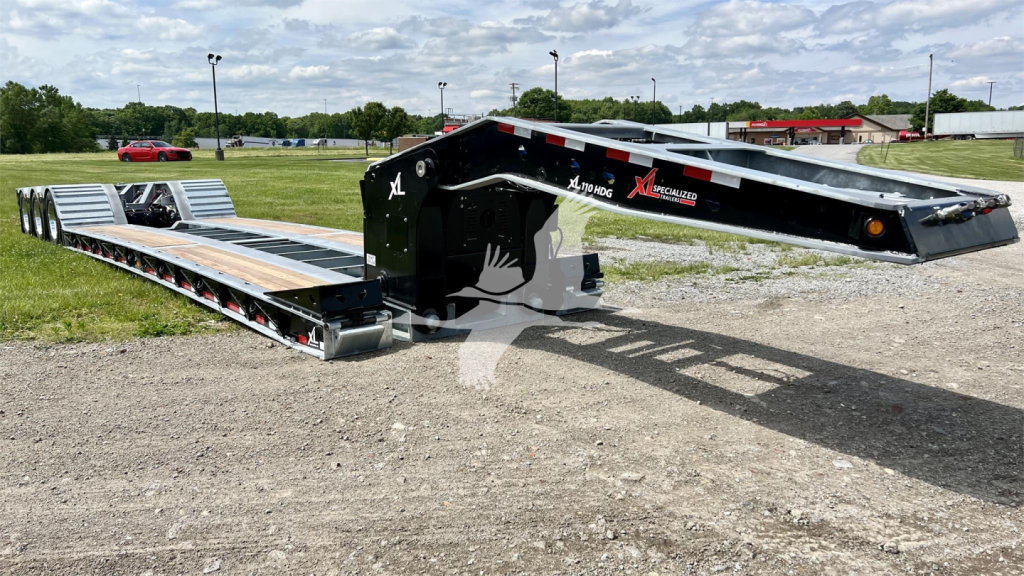
Selling a 2026 lowboy trailer? List your 2026 lowboy trailer for sale and reach thousands of commercial buyers.
2026 Lowboy Trailers
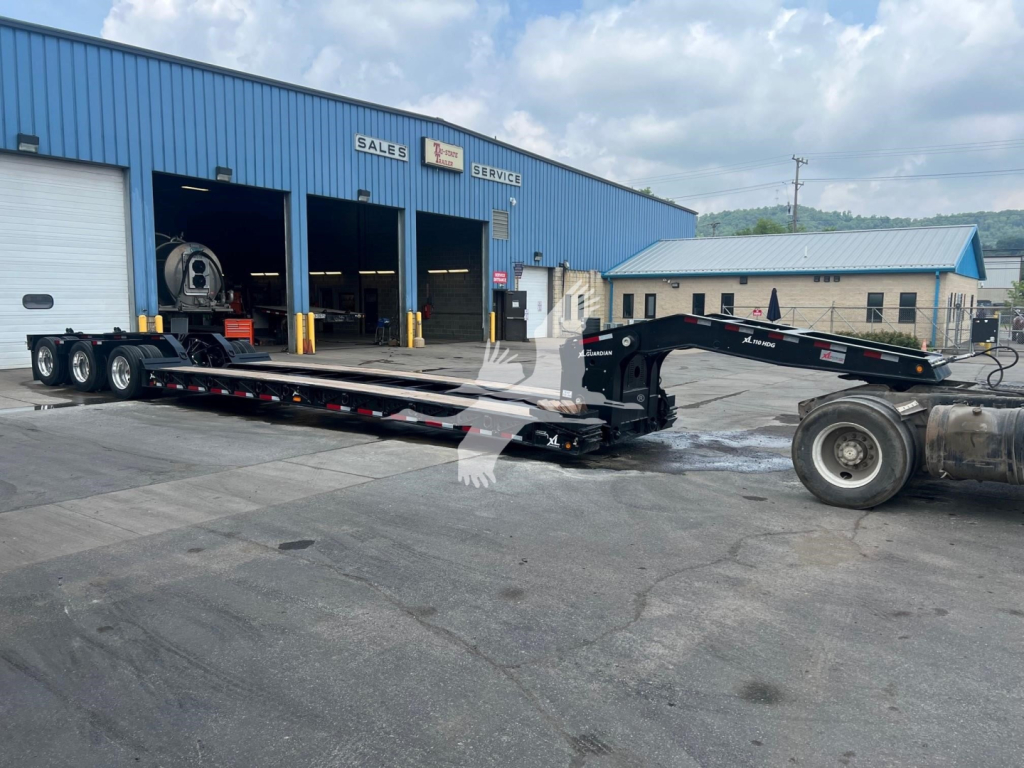
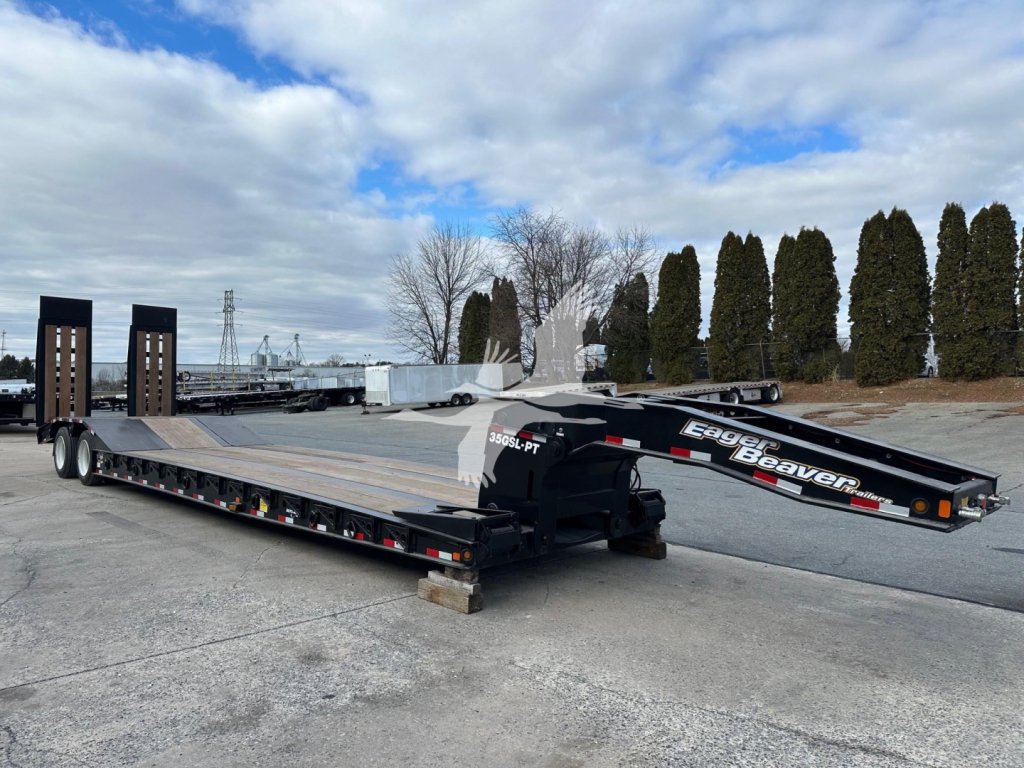
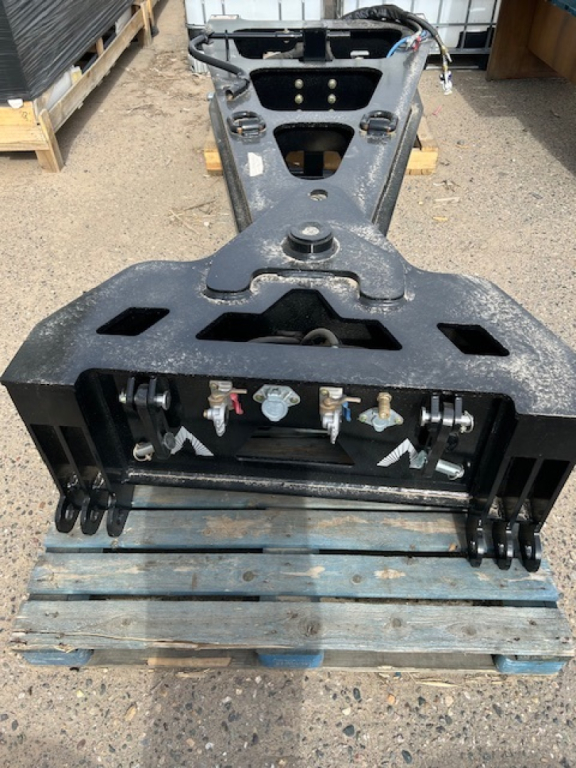
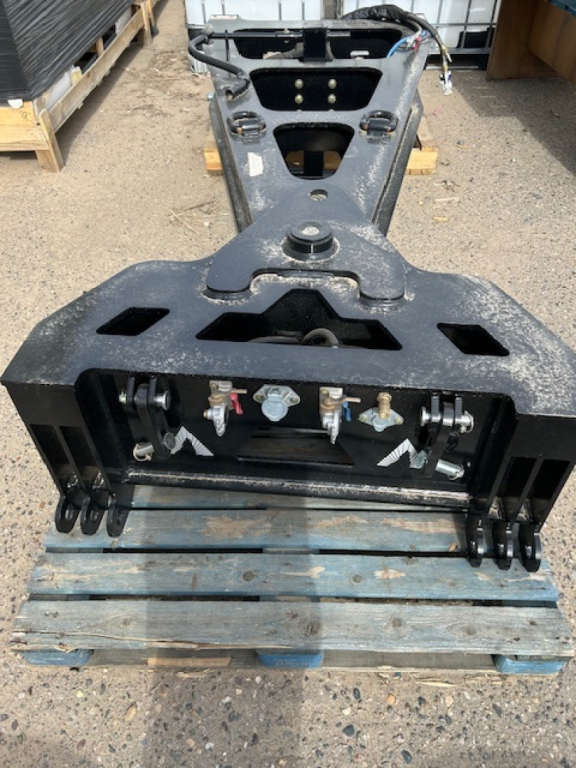
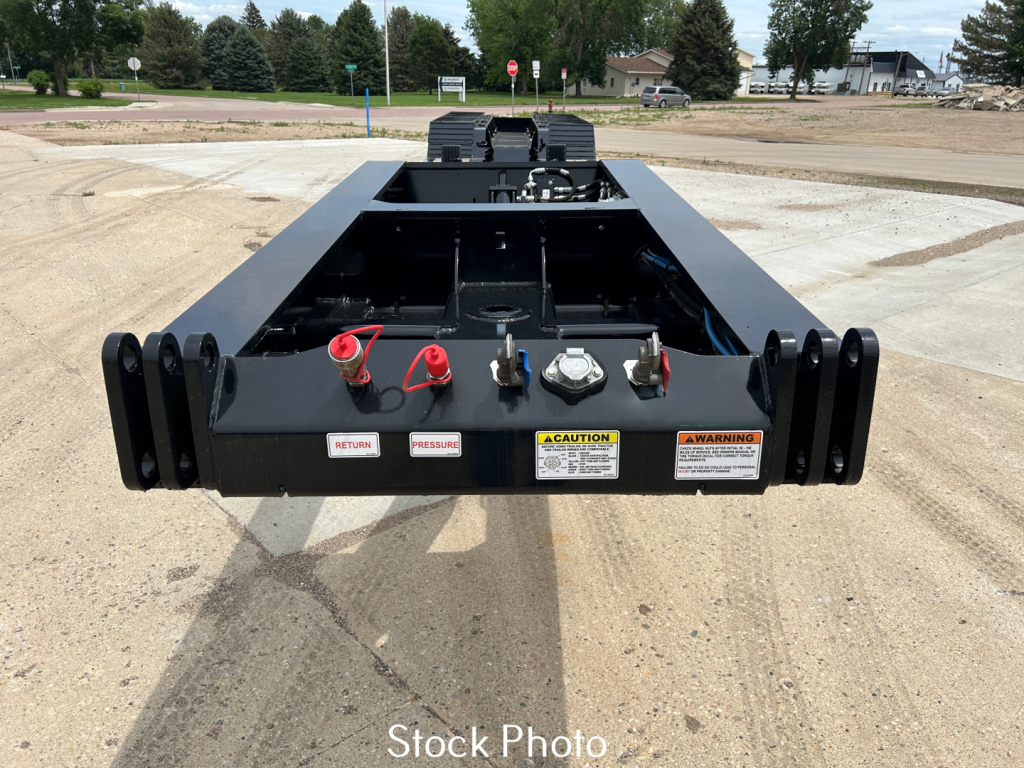
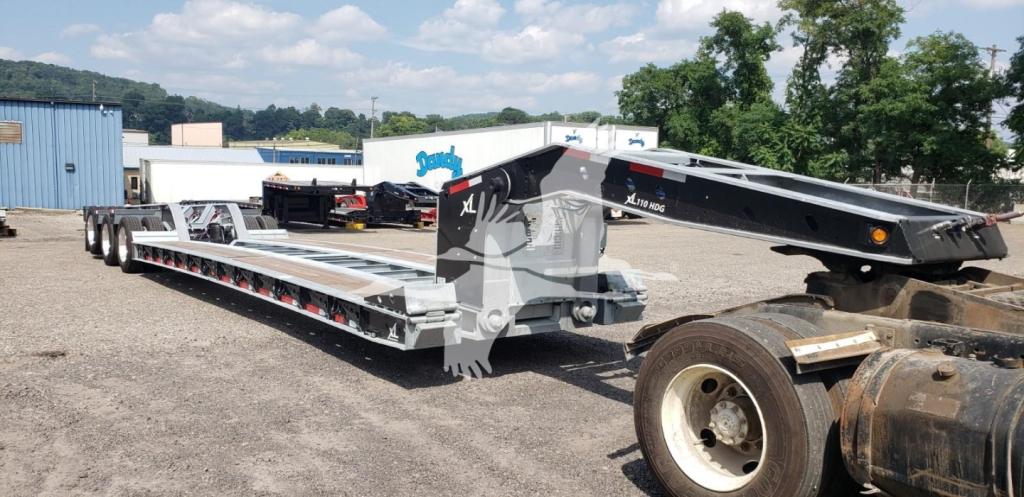
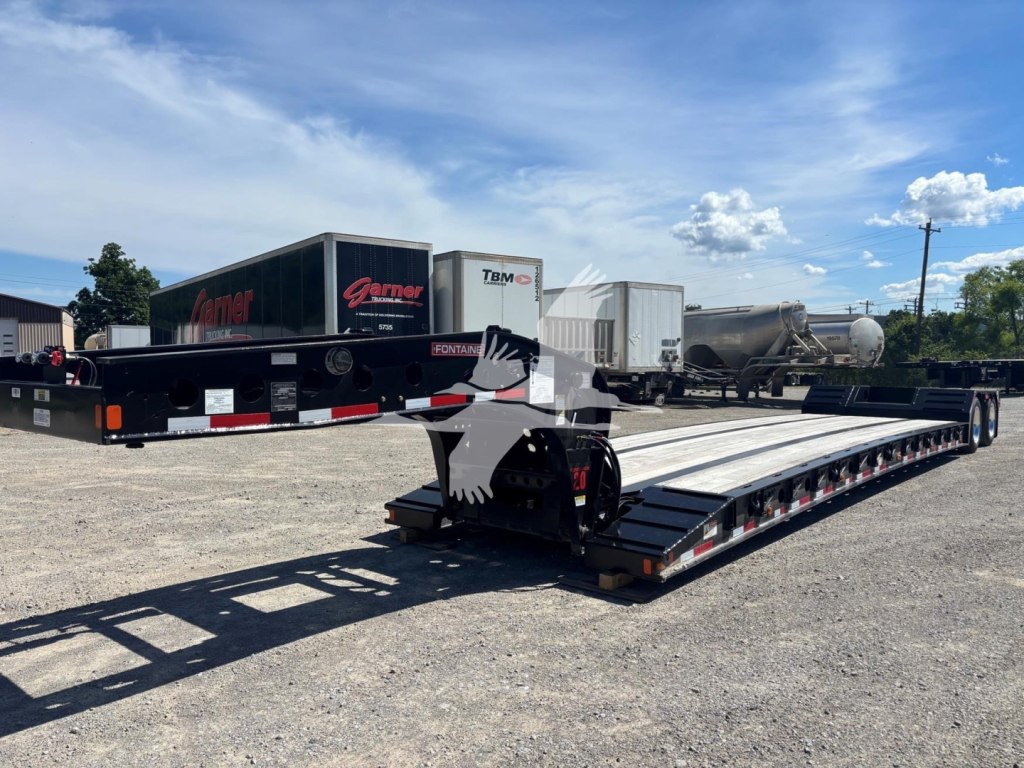
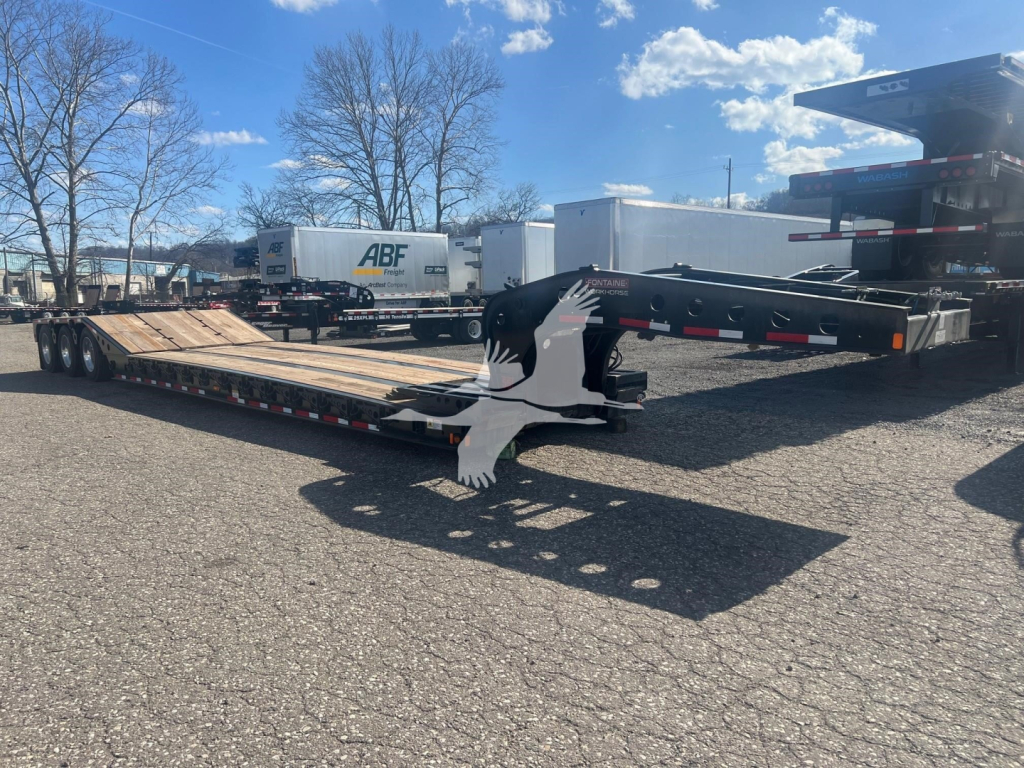
The neck design matters as much as the rated capacity. Hydraulic detachable goosenecks are common for faster loading and unloading, especially when moving tracked equipment every day. Mechanical detachable necks can be a simpler option for fleets that want fewer hydraulic components and lower maintenance complexity. Pay close attention to kingpin setting, loaded fifth wheel height, neck swing clearance, and whether the neck is ground-bearing or non-ground-bearing. Those details affect tractor compatibility, approach angle, and how easily operators can load in uneven jobsite conditions. Pony motors, ride height positions, and hydraulic controls are also worth comparing if the trailer will be dropped and reconnected often.
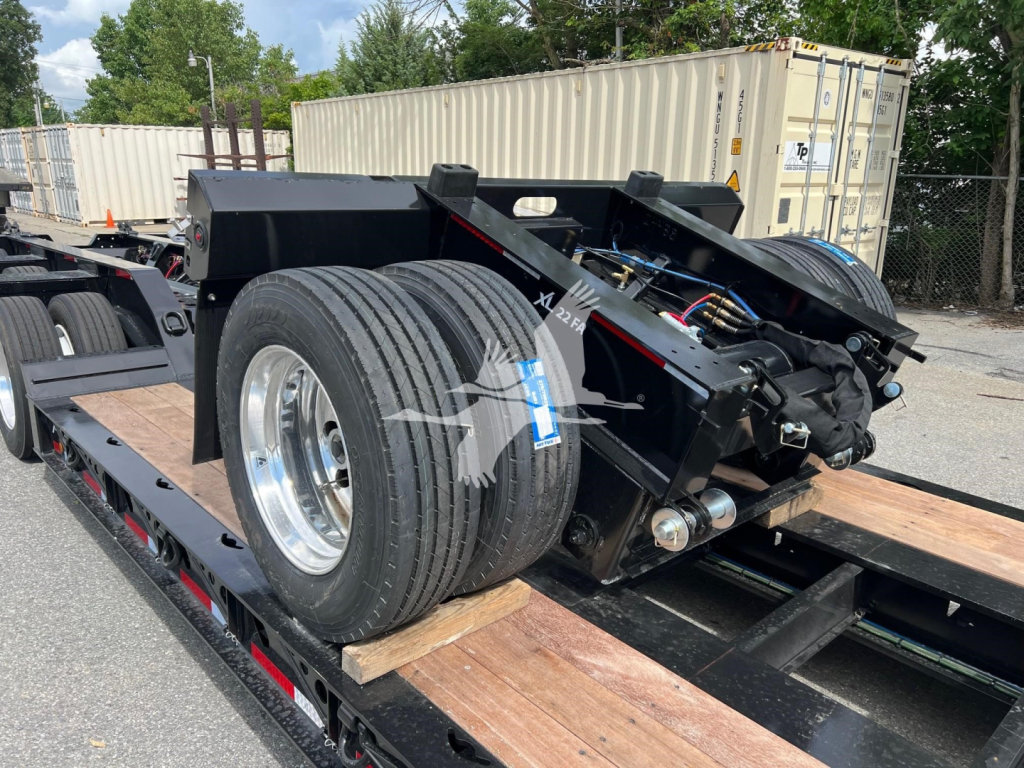
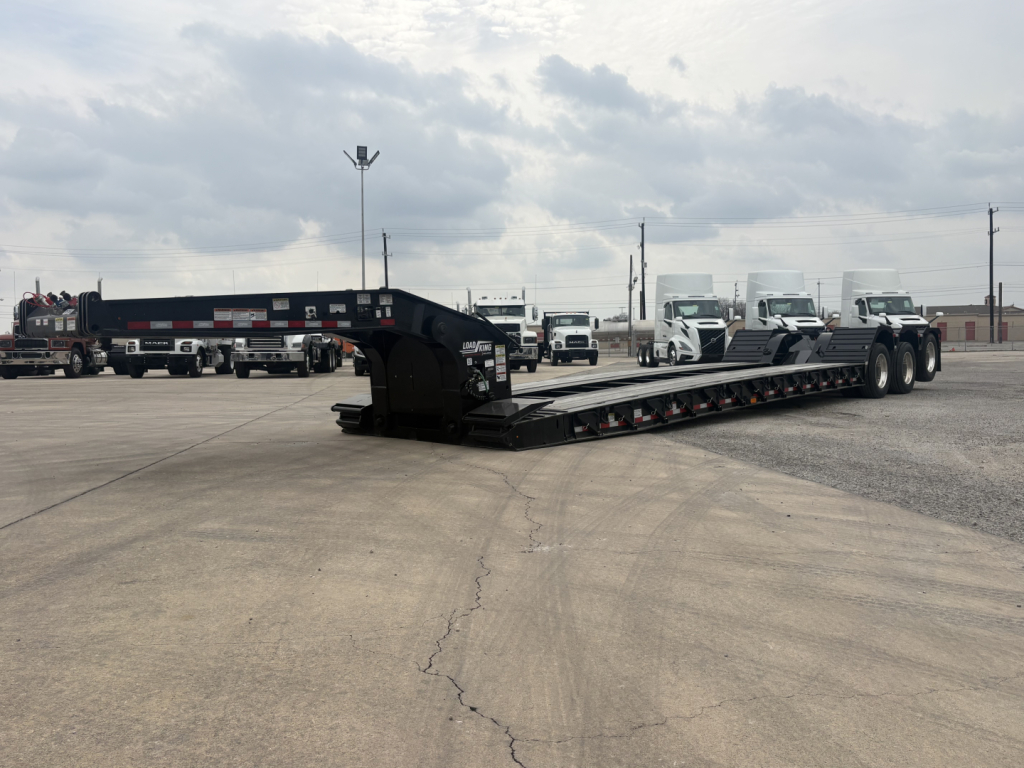
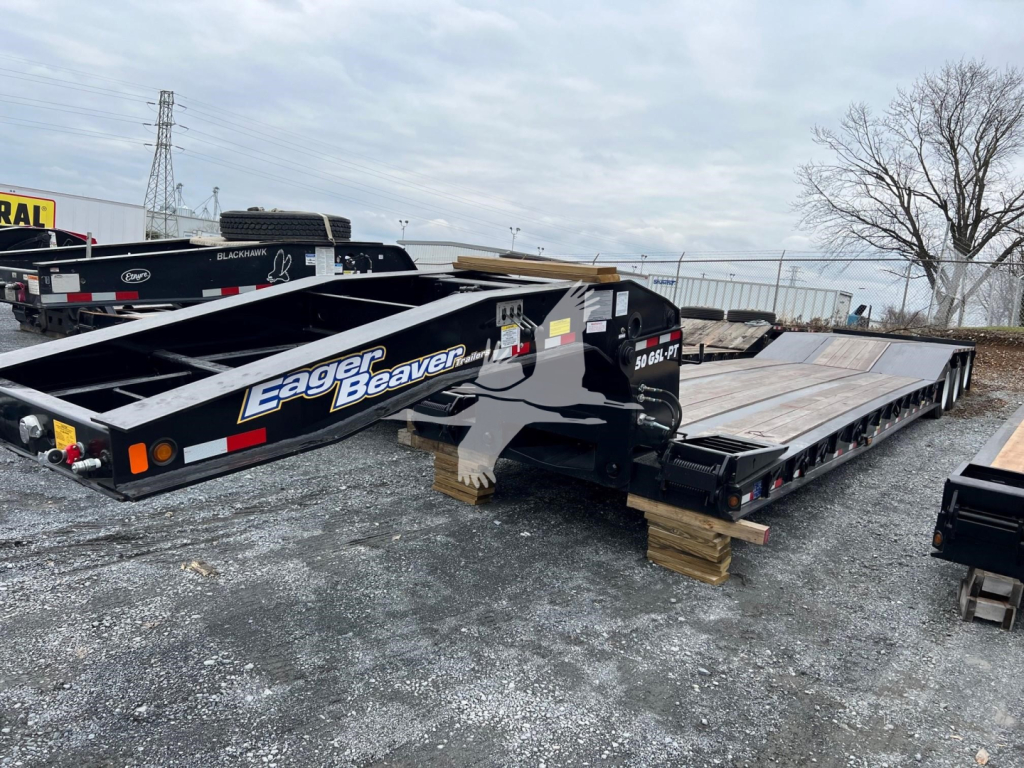
Deck setup drives day-to-day usefulness. Main deck length, rear deck length, deck width, and ground clearance determine what equipment fits and how practical the trailer is on mixed routes. Apitong flooring remains common because it handles concentrated machine traffic well. Swing-out outriggers, chain slots, D-rings, stake pockets, traction cleats, and excavator deck features can make a major difference when securing varied loads. Many buyers also look for flip axle prep, jeep compatibility, or modular connections when future permit loads are part of the plan. Air ride suspension, raise-and-lower valves, lift axles, ABS, and tire size all play into ride quality, tire wear, and load distribution.
For buyers comparing 2026 lowboy trailers for sale, the smart move is to match the trailer to the heaviest and tallest equipment in the fleet, then check bridge law, permit needs, and the roads the trailer will actually run. A 40-ton tandem may be right for regional construction hauling, while a 55-ton or quad axle setup fits more demanding heavy-haul work and tighter axle-weight management. Trailer tare weight also matters because added capacity on paper does not always translate to better payload in practice. Focus on usable deck length, concentrated load rating, detach style, axle configuration, and securement layout before looking at cosmetic options.
Frequently Asked Questions about 2026 Lowboy Trailers
What is a lowboy trailer used for?
A lowboy trailer is used to haul heavy equipment and over-height machinery that would exceed legal height on a standard flatbed or step deck. Common loads include excavators, bulldozers, wheel loaders, rollers, cranes, and other construction or industrial machines with high operating weight and tall overall dimensions. Its double drop design and low main deck help keep the load lower to the ground for better clearance.
What is the difference between a hydraulic detachable lowboy and a mechanical detachable lowboy?
A hydraulic detachable lowboy uses hydraulic power, often with a pony motor, to remove and reconnect the gooseneck, which speeds up loading and unloading and reduces physical effort for the operator. A mechanical detachable lowboy uses a simpler mechanical connection and can be easier to maintain, but it may take more time and care during neck removal. The better choice depends on loading frequency, service environment, and how much simplicity versus convenience matters in the operation.
How do I choose the right lowboy capacity?
Start with the heaviest machine you plan to haul, then look at concentrated load rating, deck length over which that rating applies, and axle configuration. A trailer rated for 40 tons in 16 feet is different from one rated for 55 tons in 12 feet, even if both are called lowboys. Buyers should also account for attachment weight, securement gear, permit requirements, and trailer tare weight so the setup works in real operating conditions, not just on a brochure.
What deck height is typical on a lowboy trailer?
Many lowboy trailers in this class have a loaded deck height around 18 to 24 inches, with ground clearance often in the 6-inch range depending on suspension and frame design. Lower deck height helps with legal transport of taller machines, but it must be balanced against the type of roads, jobsite entrances, and breakover points the trailer will see. Very low deck heights are useful, but they can be less forgiving in rough terrain or on sharp transitions.
What features matter most on a lowboy trailer for equipment hauling?
The most important features usually include detach style, usable deck length, concentrated load rating, axle count, suspension type, and securement layout. Buyers should also look closely at outriggers, D-rings, chain slots, flooring material such as Apitong, lift axles, raise-and-lower valves, and whether the trailer is prepped for flip axles or other heavy-haul accessories. These details affect loading efficiency, tractor compatibility, permit flexibility, and long-term operating cost.