
2026 Lowboy Trailers For Sale in Pennsylvania
Shop 2026 lowboy trailers for sale in Pennsylvania. Compare detach styles, ton ratings, deck lengths, axle setups, and heavy haul features.
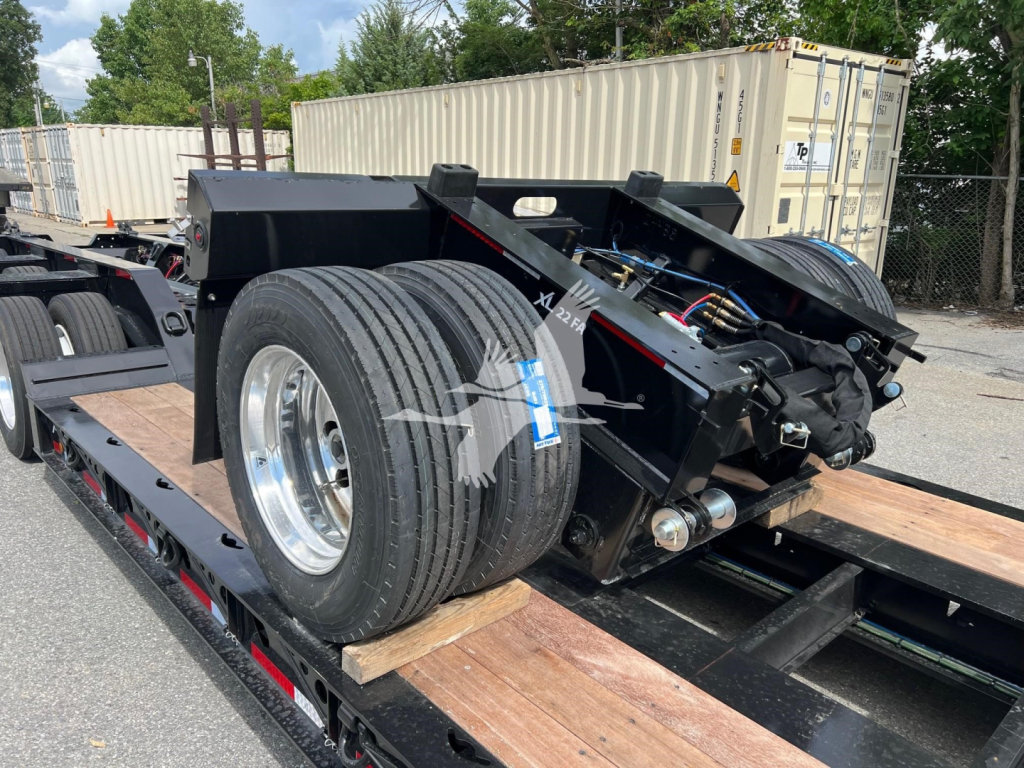
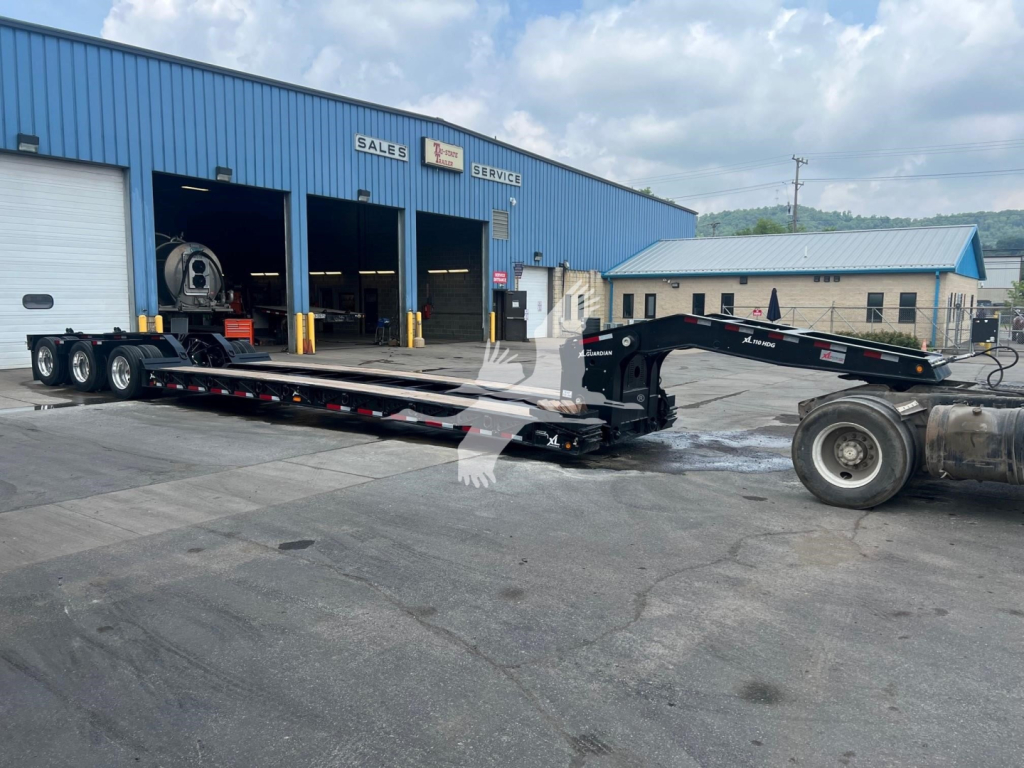
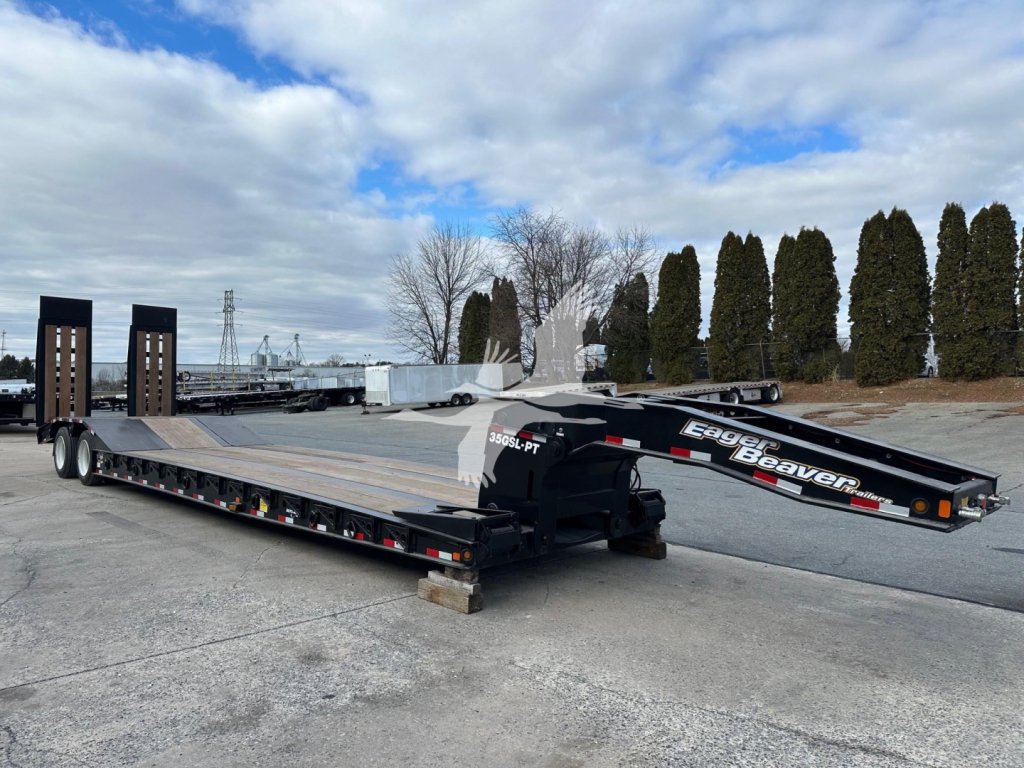
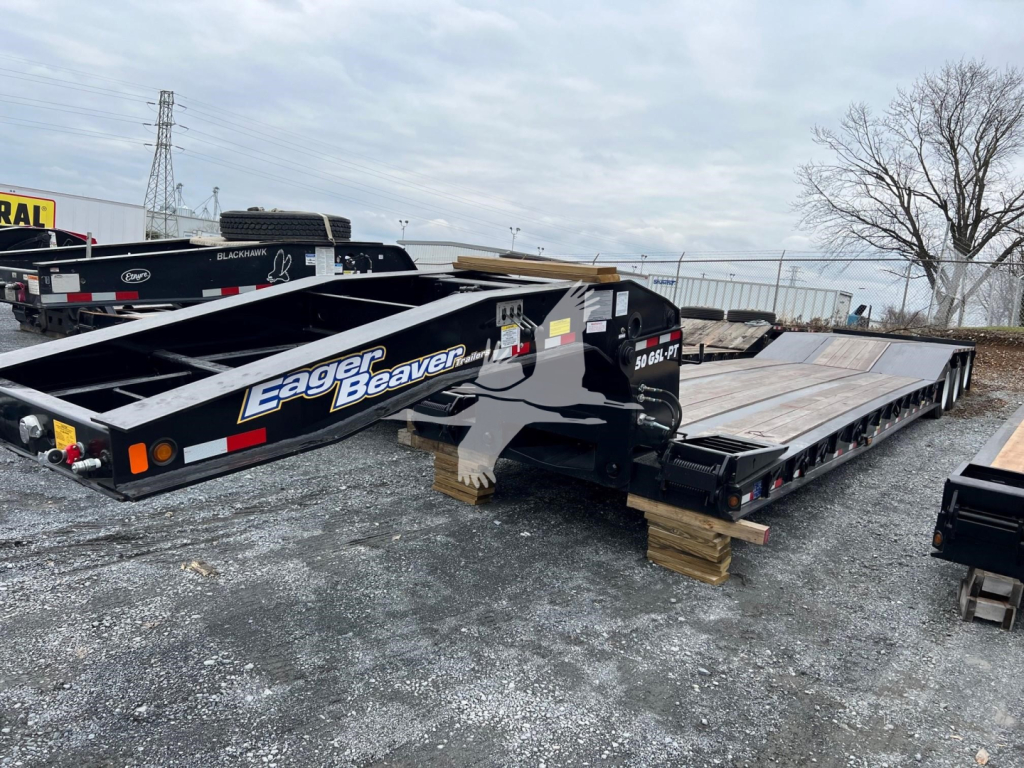
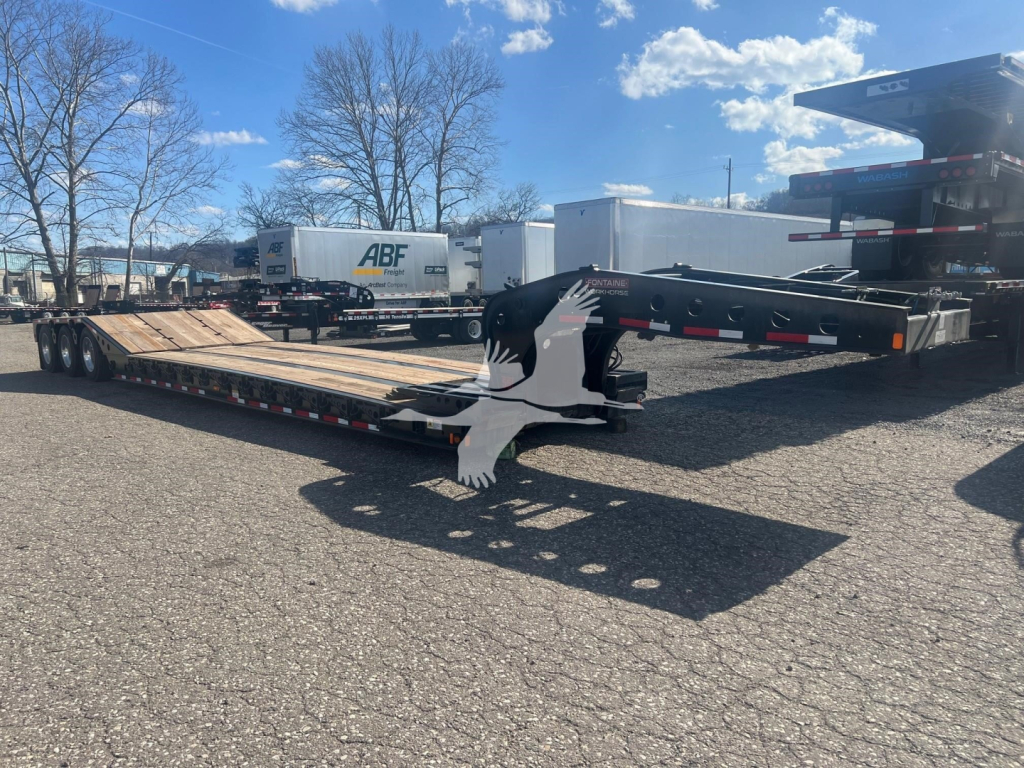
Selling a 2026 lowboy trailer? List your 2026 lowboy trailer for sale and reach thousands of commercial buyers.
2026 Lowboy Trailers in Pennsylvania
The main spec decisions are ton rating, deck height, deck length, and axle configuration. Common capacities run from around 35 ton up to 55 ton and beyond, with 2-axle and 3-axle layouts being common in this size range. Many buyers focus on loaded deck height first, since a lower deck helps with legal overall height on tall machines. Apitong flooring, steel perimeter frames, 12-inch or tighter crossmember spacing, and multiple D-ring pairs are common on heavy haul trailers because they improve durability and cargo securement options. Air ride suspension, raise-lower valves, liquid-filled gauges, and tire inflation systems can also matter in day-to-day use, especially when the trailer sees uneven jobsite access, frequent loading cycles, or long regional hauls.
Detachable gooseneck lowboy trailers are often preferred when loading self-propelled equipment, since the machine can be driven onto the deck from the front. Mechanical detach models usually cost less and have fewer hydraulic components to maintain, while hydraulic detachable lowboys offer faster operation, more flexibility, and easier handling for many fleets. Buyers should also pay attention to kingpin setting, swing clearance, fifth wheel height compatibility, axle spacing, and whether the trailer is set up to accept a flip axle, jeep, or neck extension. Those details affect bridge compliance, turning performance, and how easily the trailer can be adapted for heavier or longer permitted loads.
For Pennsylvania buyers, it also makes sense to think about where the trailer will spend its time. Tight access around quarries, roadwork zones, and equipment yards can favor a shorter overall setup or a mini-deck style lowboy. Longer deck models and extendable configurations make more sense when hauling mixed equipment or longer machines that do not fit a standard well. Features like outriggers, covered tool trays, sloped deck transitions, rear ramps, battery-backed strobes, and manual ride height controls are not just convenience items. They affect loading safety, operator time, and how versatile the trailer is across different machines and job conditions.
Frequently Asked Questions about 2026 Lowboy Trailers in Pennsylvania
What is the difference between a mechanical detach and a hydraulic detachable lowboy trailer?
A mechanical detach lowboy uses a simpler neck connection and generally has fewer hydraulic components, which can reduce purchase price and maintenance complexity. A hydraulic detachable gooseneck uses powered cylinders and controls to disconnect and reconnect the neck faster, which is a major advantage when the trailer is loaded and unloaded often. Fleets hauling self-propelled equipment every day often prefer hydraulic detach models for speed and convenience, while buyers with lighter utilization may find a mechanical detach more cost-effective.
What ton rating should I look for in a lowboy trailer?
The correct ton rating depends on the actual machine weight, axle concentration, attachment weight, and how that weight is distributed in the well. A 35 ton lowboy may be suitable for many common construction machines, while 40 ton, 50 ton, and 55 ton classes are often used for heavier iron or more demanding permit work. Buyers should not size a trailer based only on the machine's published operating weight. Bucket, blade, counterweight, fuel, and attachment combinations can push the real hauled weight much higher, and bridge or axle group limits may still control the legal setup.
Why does deck height matter so much on a lowboy?
Deck height directly affects loaded overall height, center of gravity, and route flexibility. A lower main deck helps keep taller equipment under legal height limits and can reduce permit complications on bridges, utility lines, and secondary roads. It also improves stability by keeping the load lower between the beams. When comparing listings, look closely at loaded deck height, ground clearance, and neck ride height positions, because those measurements have a direct impact on the kinds of equipment the trailer can move without height problems.
Are flip axles and neck extensions important on a lowboy trailer?
They can be very important if the trailer will be used for heavier permitted loads or if future job requirements may change. A flip axle can add axle capacity and improve weight distribution, while a neck extension or modular configuration can help carry longer freight or adapt the trailer to specialized hauling situations. Even if those components are not included, many buyers place value on a lowboy that is prepped to accept them later. That gives the trailer more long-term flexibility and can make it easier to match permit requirements as hauling demands grow.
What lowboy trailer features matter most for equipment hauling in Pennsylvania?
For Pennsylvania work, buyers often prioritize durable flooring, strong securement points, air ride suspension, ride height control, and axle spacing that supports legal bridge compliance on regional routes. Tight jobsite access and mixed road conditions also make swing clearance, neck design, and overall trailer maneuverability important. If the trailer will see regular paving, quarry, demolition, or utility work, practical details like outriggers, strobes, tool storage, and easy front-loading access can have a real effect on efficiency and uptime.