
2026 XL Specialized Lowboy Trailers For Sale
Shop 2026 XL Specialized lowboy trailers. Compare detachable gooseneck, deck height, axle setup, flip axle options, and heavy haul specs.
Selling a 2026 xl specialized lowboy trailer? List your 2026 xl specialized lowboy trailer for sale and reach thousands of commercial buyers.
2026 XL Specialized Lowboy Trailers
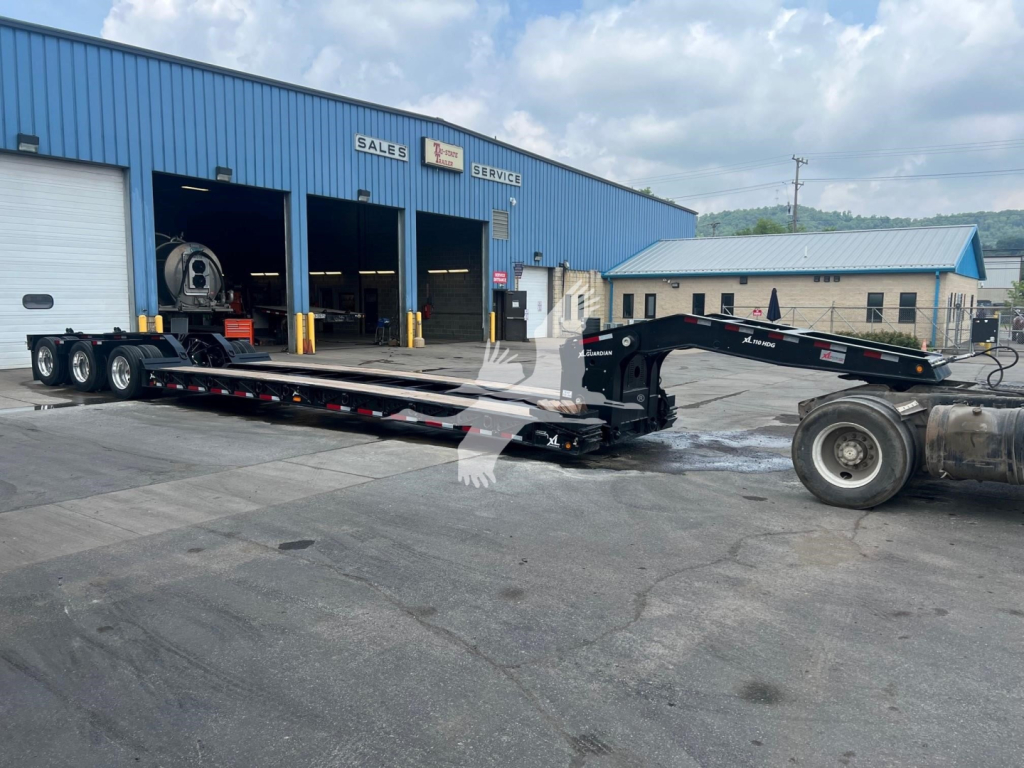
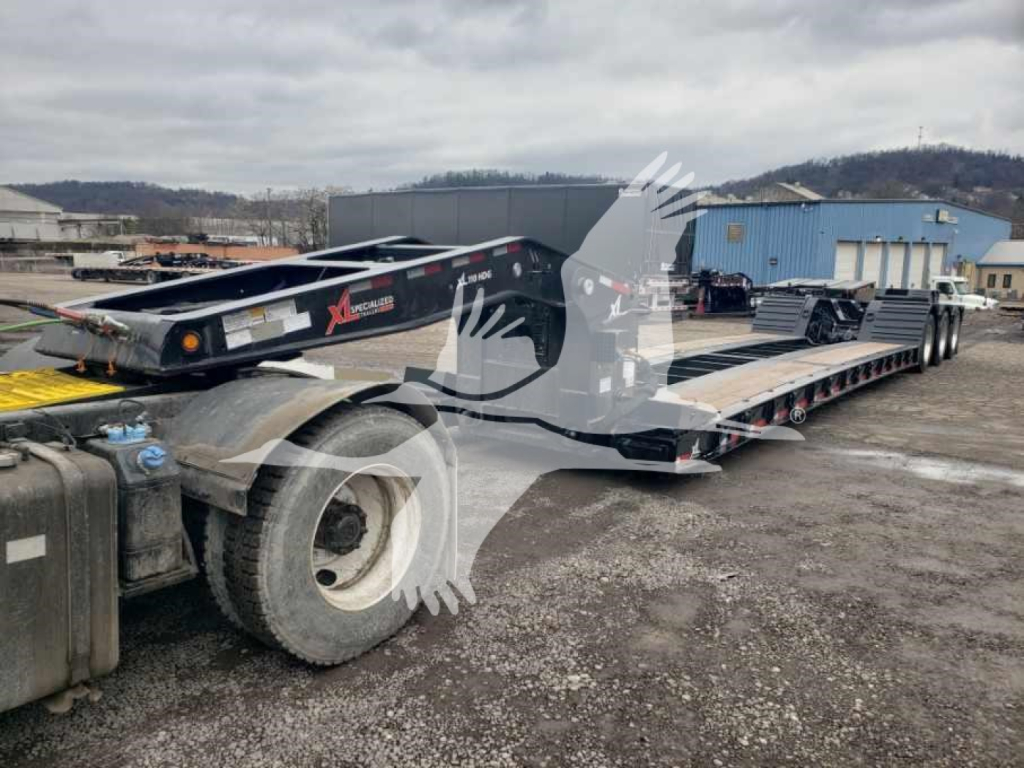
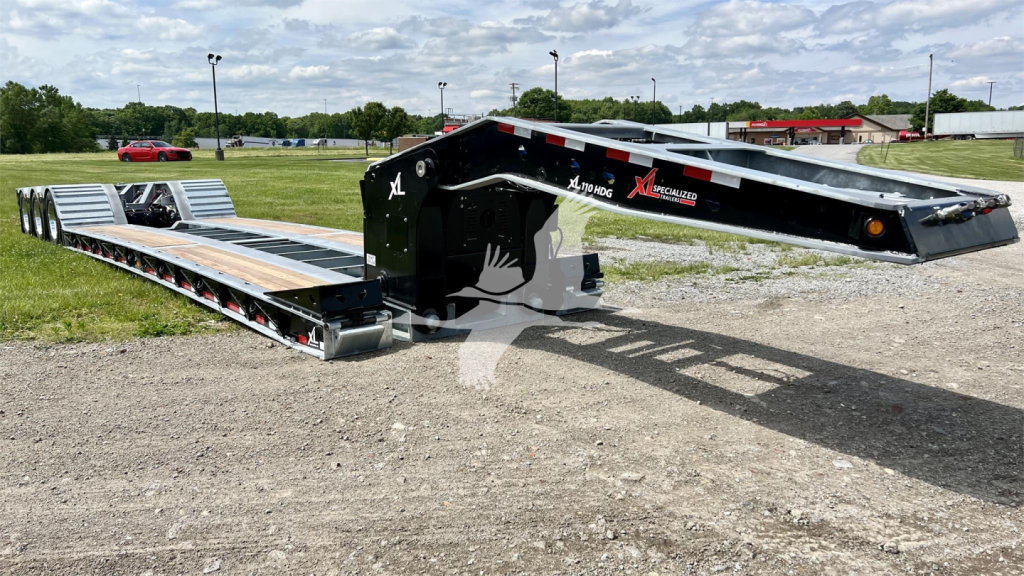
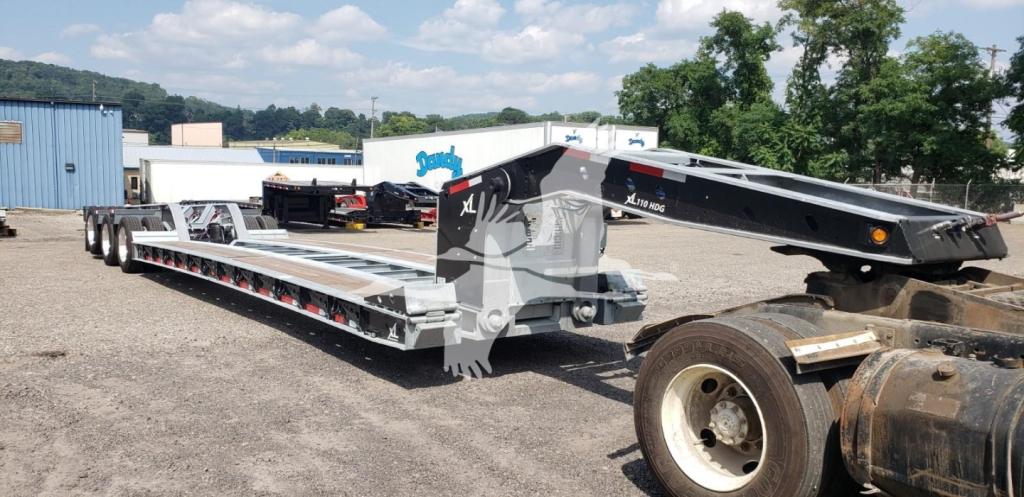
A lot of XL Specialized lowboys in this class are set up with 102-inch width, Apitong decking, air ride suspension, and 255/70R22.5 tires. Main deck heights often land around 12 to 18 inches depending on model, neck style, and intended application. Hydraulic detachable goosenecks are popular because they speed loading and unloading of self-propelled machinery, while non-ground bearing and classic-style neck designs can change how the trailer hooks, rides, and handles uneven jobsite conditions. Key dimensions to compare are well length, loaded fifth wheel height, swing clearance, kingpin setting, and ground clearance. Those details matter if you are matching to a specific tractor, hauling longer track machines, or operating in areas with rough access roads and steep transitions.
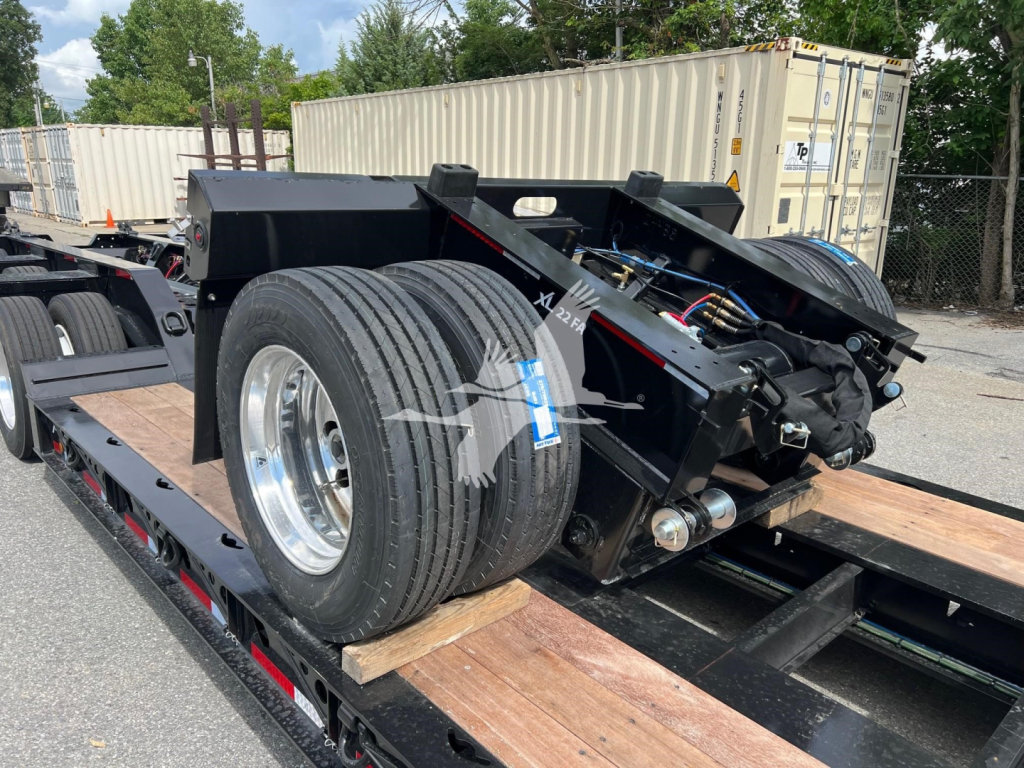
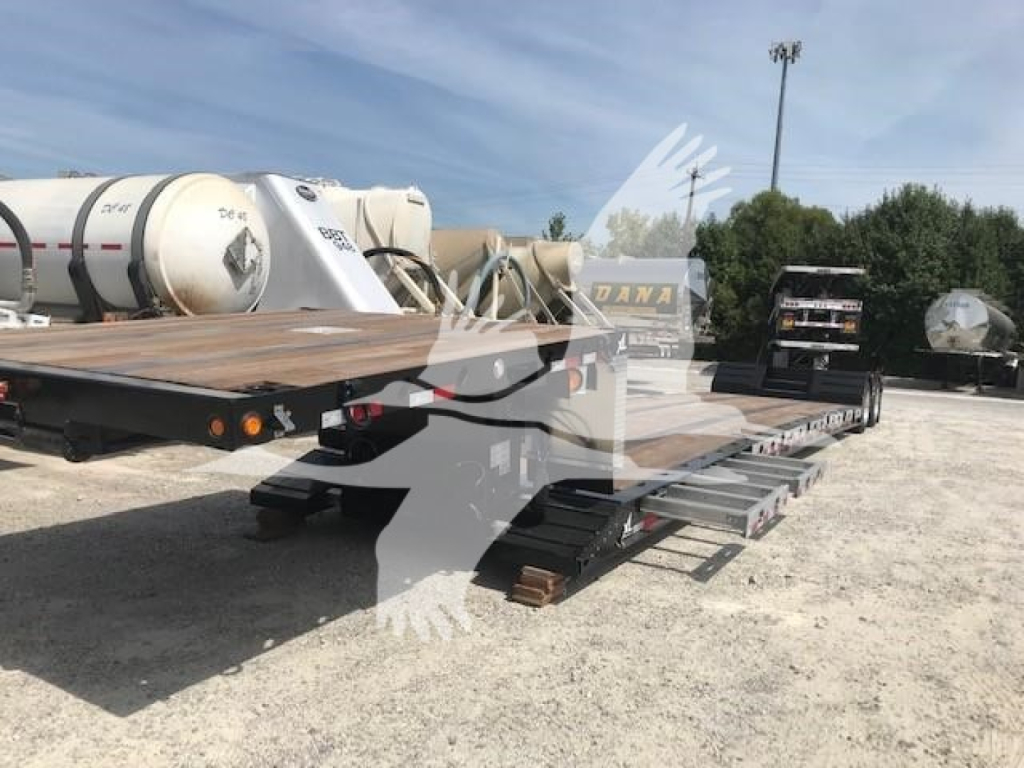
XL trailers are commonly ordered with features that directly affect daily usability, including flip axle connections, ride height control, manual dump valves, chain drops on close centers, bent and pan style D-rings, pullout outriggers, front transition ramps, and battery-backed strobes. On heavier applications, buyers often look for disc brakes, polished outer wheels, Hendrickson air ride, and rear deck configurations that support multiple loading approaches. A 40-ton hydraulic detach serves many construction fleets well, while an 80HD-style trailer is a better fit when machine weights, axle group requirements, or permit routing push you into a true heavy haul spec. If bridge formula and state-by-state permitting are part of the job, the ability to add a flip axle or run alternate pin settings can be as important as gross rating.
The best way to evaluate an XL Specialized lowboy is to start with the freight you haul most often, then work backward into deck length, concentrated load rating, neck design, and axle spacing. Buyers hauling compact but tall machines may prioritize ultra-low deck height. Buyers hauling mixed fleets may need more deck length, more tie-down points, and better versatility at the rear transition. Condition still matters even on newer trailers, especially around decking wear, neck hydraulics, suspension components, brakes, wheel ends, and structural areas near the gooseneck connection and axle group. A properly matched lowboy trailer can improve legal load height, reduce loading time, and give a heavy equipment operation far more flexibility than a general-purpose trailer.
Frequently Asked Questions about 2026 XL Specialized Lowboy Trailers
What is the difference between a hydraulic detachable gooseneck lowboy and a mechanical detachable lowboy?
A hydraulic detachable gooseneck lowboy uses hydraulic power to raise, lower, and disconnect the neck, which makes loading self-propelled equipment faster and more controlled. A mechanical detachable design is simpler and can be effective in the right application, but hydraulic detach trailers are often preferred for frequent loading cycles, uneven jobsite conditions, and operators who want easier hook-up and detach procedures. On XL Specialized trailers, neck design also affects ride height positions, loaded fifth wheel height, and overall versatility with different tractors and load types.
What capacity range is common for XL Specialized lowboy trailers?
Common XL Specialized lowboy configurations in this market range from about 40-ton class trailers up to 80,000 lb distributed load class models, with higher capacity possible depending on axle count, flip axle use, and permitting. The published rating does not tell the whole story, because concentrated load limits, deck length, and bridge spacing can matter just as much as the headline tonnage. Buyers should match the trailer to the actual machine weight, attachment weight, and the states where the trailer will operate.
Why do flip axle provisions matter on a lowboy trailer?
Flip axle provisions allow the trailer to accept an additional rear axle when the job calls for more capacity or better bridge distribution. That gives a fleet flexibility to run lighter and shorter when possible, then add axle support for heavier or permit-sensitive loads. On an XL Specialized lowboy, rear flip connections can be a major value point because they expand the trailer's usefulness across different machines, routes, and state regulations without forcing the operator into one fixed configuration all the time.
What specs matter most when comparing lowboy trailers for heavy equipment hauling?
The most important specs are deck height, well length, width, axle configuration, suspension type, gooseneck style, kingpin setting, swing clearance, and ground clearance. Tie-down layout is also critical, including chain drops, D-rings, and outriggers if wider machinery is part of the fleet. Buyers should also pay attention to brake type, tire size, ride height controls, and whether the trailer has a rear transition or ramp arrangement that fits the equipment being loaded. These details affect legal height, ease of loading, tractor compatibility, and long-term operating cost.
Is an XL Specialized lowboy a good choice for hauling excavators, dozers, and paving equipment?
Yes. XL Specialized lowboy trailers are commonly spec'd for excavators, bulldozers, pavers, rollers, and other heavy construction machinery that need low deck height and secure tie-down points. The brand is widely recognized in heavy haul applications because the trailers are designed around real equipment dimensions, detach convenience, and practical axle options. The right model depends on machine length, track width, operating weight, and whether the load requires a lower mini-deck style trailer or a more traditional heavy haul well deck.