
2026 XL Specialized Lowboy Trailers For Sale in Ohio
Shop 2026 XL Specialized lowboy trailers with detachable necks, low deck heights, heavy-haul ratings, and securement options for equipment transport.
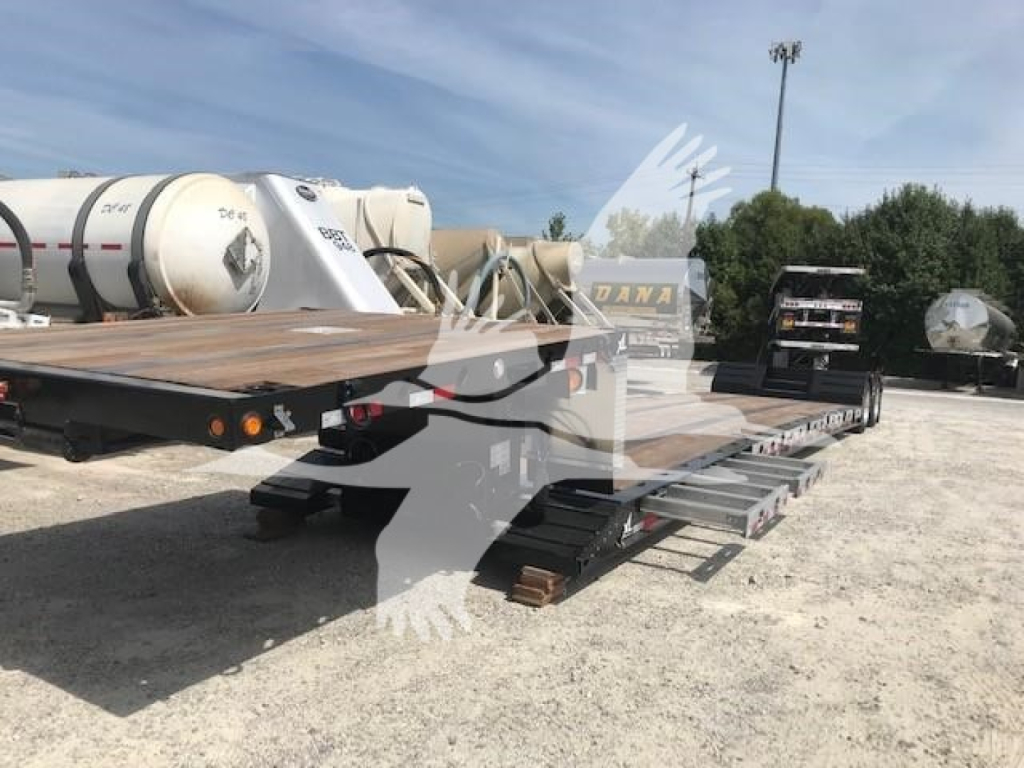
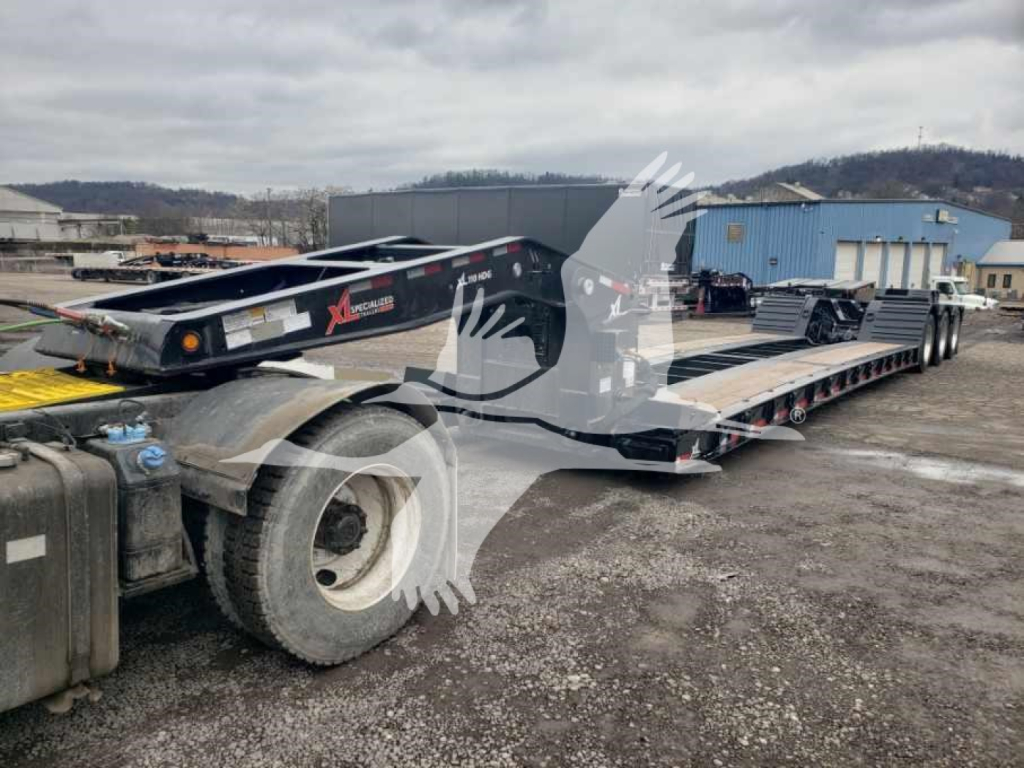
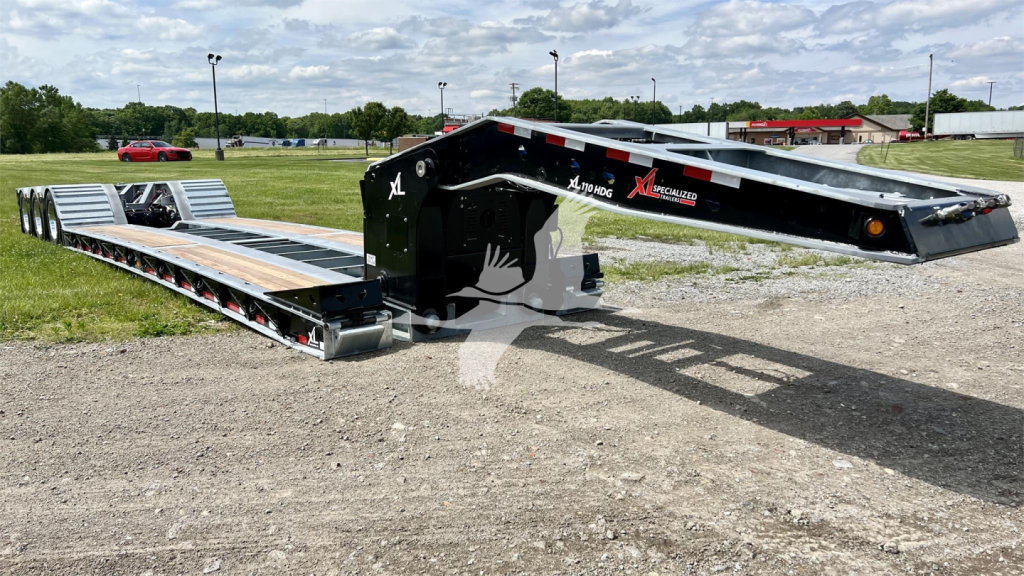
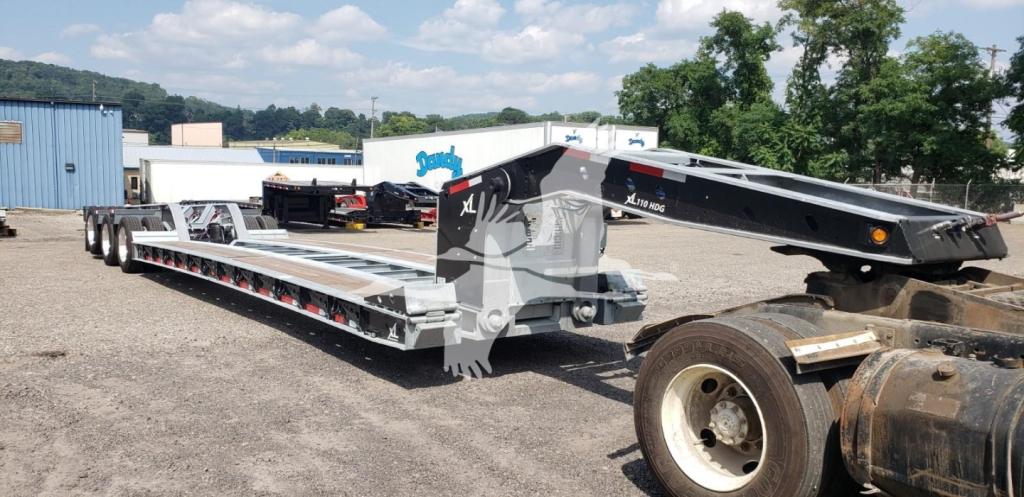
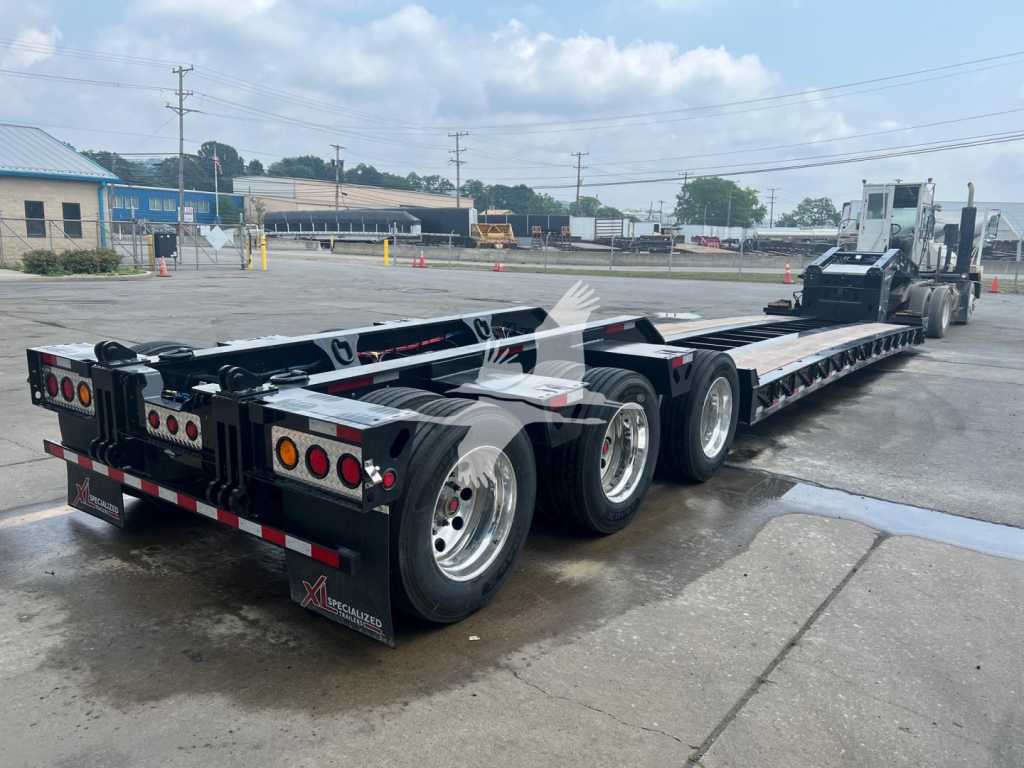
Selling a 2026 xl specialized lowboy trailer? List your 2026 xl specialized lowboy trailer for sale and reach thousands of commercial buyers.
2026 XL Specialized Lowboy Trailers in Ohio
A lowboy buyer should start with capacity and deck geometry. Common examples in this class include 40-ton, 55-ton, and heavier platform ratings, often measured over a specific concentrated load area such as 10 feet, 12 feet, or 16 feet. Main deck height is a major decision point because a 15-inch loaded deck can make a meaningful difference on legal height when hauling taller iron, while 18-inch to 22-inch deck heights may still be appropriate depending on the freight and route. Main deck length, rear deck length, swing clearance, and ground clearance all affect how easily a machine loads and how well the trailer handles jobsite entrances, rail crossings, and uneven pavement. In Ohio and surrounding Midwest lanes, that balance between low loaded height and usable ground clearance is especially important on mixed highway and rural routes.
Buyers comparing XL Specialized lowboys should also look closely at axle group, suspension, and future expandability. Many trailers in this category use 2-axle or 3-axle air ride setups with Hendrickson suspension, air lift capability on the rear axle, dump valves, ride height controls, and flip axle connections for added capacity when permit work requires it. Hydraulic detachable, non-ground-bearing goosenecks are common and help speed up loading while reducing the need for ramps in many applications. Pay attention to kingpin settings, loaded fifth wheel height, axle spacing, and whether the trailer includes features like removable wheel covers, open wheel wells, or a galvanized finish. Galvanizing is a meaningful option in northern states because it improves corrosion resistance in road salt conditions and can help preserve long-term resale value.
Securement and deck details separate a general-purpose lowboy from one set up for productive daily hauling. Features often found on late-model XL Specialized trailers include multiple pairs of outriggers, keyhole chain drops, flat or bent D-rings, bucket wells, boom troughs, pull-out lights, flag holders, wide load sign supports, and toolboxes mounted behind or at the base of the neck. Buyers hauling mixed fleets should compare full-width necks, pullout outriggers, front transition ramps, and the spacing of crossmembers or chain drops. The best trailer for the job is not just the one with the highest ton rating. It is the one whose deck length, securement pattern, neck style, and axle configuration match the machines you move most often.
Frequently Asked Questions about 2026 XL Specialized Lowboy Trailers in Ohio
What is the advantage of an XL Specialized lowboy trailer with a hydraulic detachable gooseneck?
A hydraulic detachable gooseneck lets the trailer disconnect at the front so self-propelled equipment can be driven directly onto the deck. That improves loading speed, reduces reliance on steep rear ramps, and is especially helpful for tracked machines, paving equipment, and machines with low ground clearance. On heavy-haul routes, a detachable neck also gives operators more flexibility when dealing with uneven jobsites and tall freight that benefits from the lowest possible deck position.
How do I choose between a 40-ton and 55-ton lowboy trailer?
The right rating depends on the actual operating weight of your equipment, how that weight is distributed across the deck, and the type of permits you plan to run. A 40-ton lowboy may work well for many compact and mid-size construction machines, while a 55-ton trailer is better suited for heavier excavators, dozers, and multi-machine combinations. Buyers should review the rated capacity over the stated load area, not just the headline tonnage, because concentrated weight and deck placement determine whether the trailer is truly sized for the freight.
Why does loaded deck height matter on a lowboy trailer?
Loaded deck height directly affects overall transport height, which can determine whether a load stays legal or requires alternate routing and permits. A lower deck is valuable when hauling taller machines such as excavators with cabs, forestry equipment, or agricultural units with fixed structures. At the same time, deck height must be balanced with enough ground clearance to handle driveways, transitions, and rough approach angles without dragging.
Is a galvanized lowboy trailer worth considering in Ohio?
For many buyers in Ohio, galvanized construction is a strong long-term value because trailers are regularly exposed to moisture, road salt, and winter grime. A galvanized frame helps resist corrosion better than painted steel alone, particularly on hard-to-clean structural areas and side webs. That can improve appearance, reduce maintenance time, and support resale value over the life of the trailer.
What securement features should I look for on a heavy-haul lowboy?
A good heavy-haul securement package should match the shape and tie-down points of the equipment you move most often. Useful features include chain drops along the outer beams, multiple D-ring styles, outriggers or pullouts, bucket wells, boom troughs, and rear stake pockets for wide load signage. Buyers hauling different machine types should pay close attention to the number and spacing of these features because securement flexibility can save time and reduce load positioning compromises.