
2026 Lowboy Trailers For Sale in Ohio
Shop 2026 lowboy trailers for heavy equipment hauling, with detachable goosenecks, low deck heights, air ride suspensions, and flip axle options.
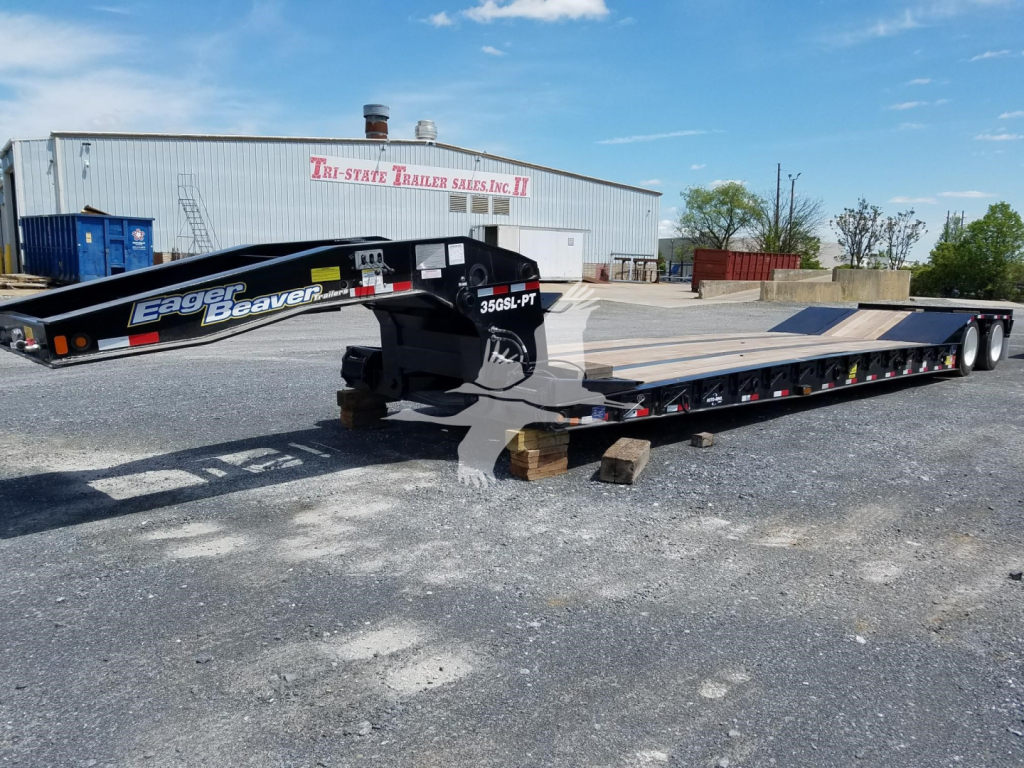
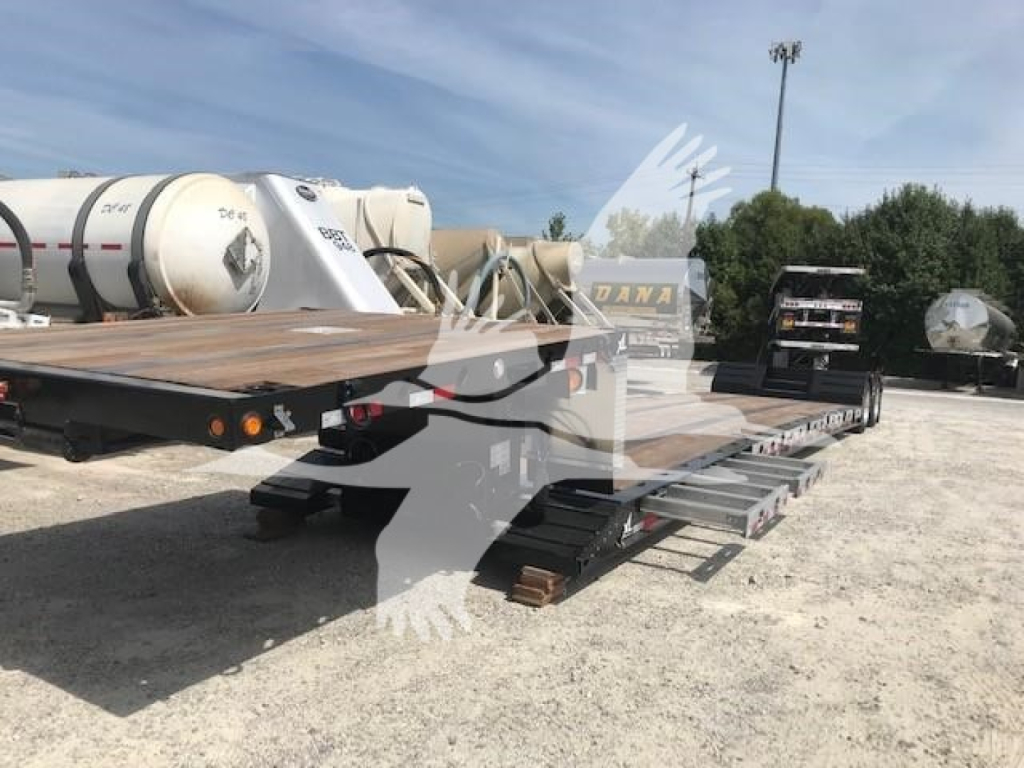
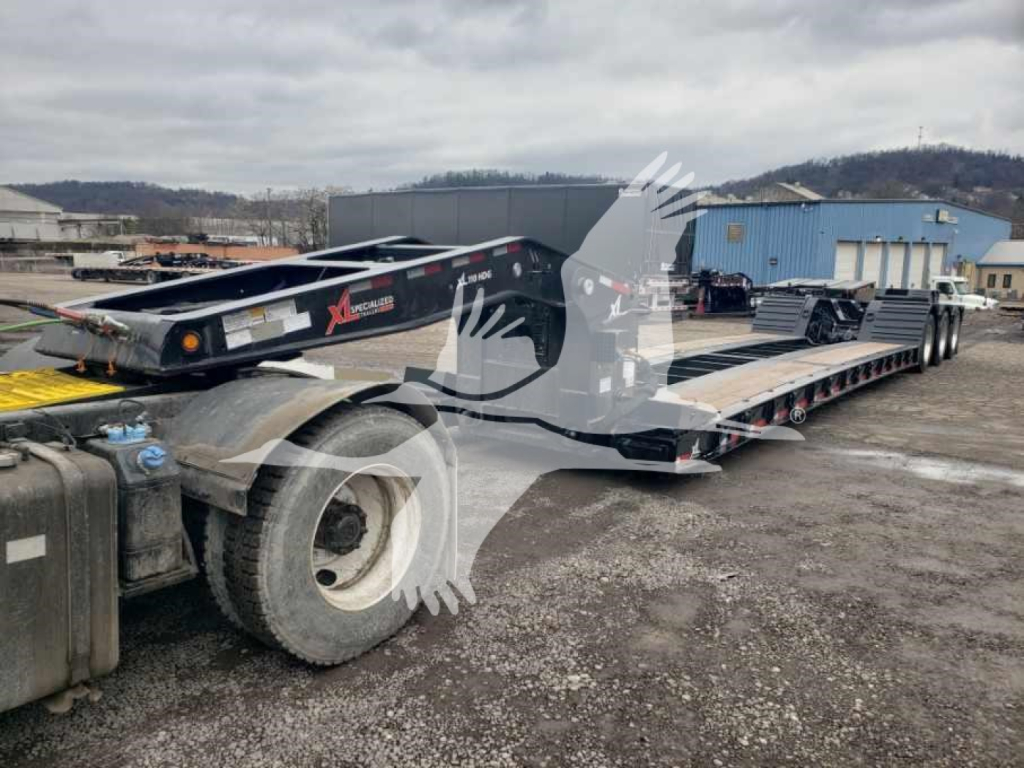
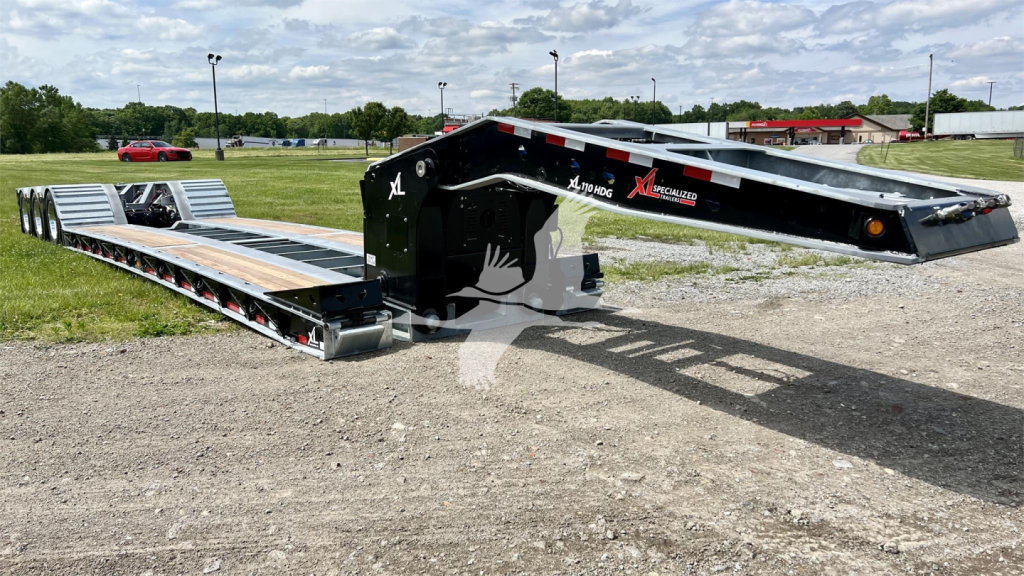
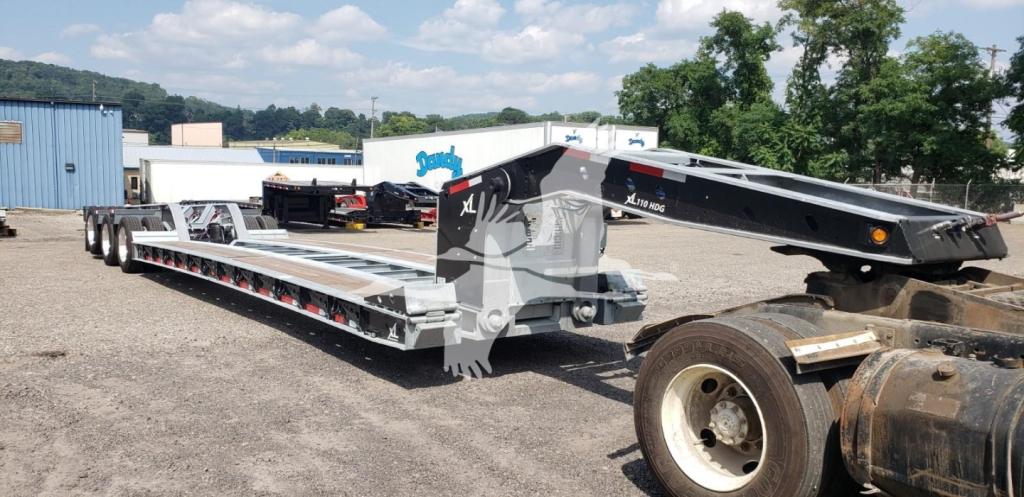
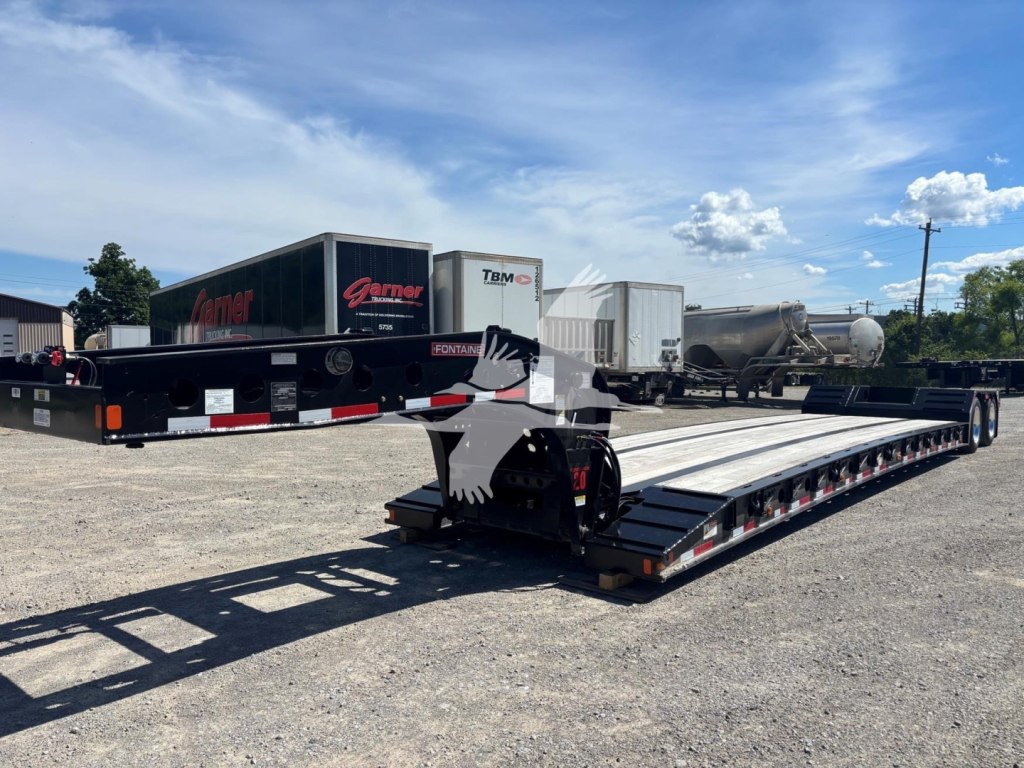
Selling a 2026 lowboy trailer? List your 2026 lowboy trailer for sale and reach thousands of commercial buyers.
2026 Lowboy Trailers in Ohio
The first buying decision is usually capacity and deck configuration. Common lowboy ratings range from around 30 tons into the 50-ton class and beyond, with many trailers rated over a specific concentrated length such as 12 or 16 feet. Main deck lengths, top deck length, rear deck layout, and loaded deck height all affect what the trailer will actually handle in daily use. Many current-spec lowboys use hydraulic detachable goosenecks, often non-ground-bearing, so loading tracked machines is faster and cleaner. Buyers also pay close attention to main deck height, axle count, axle spacing, kingpin setting, swing clearance, and whether the trailer is set up to accept a flip axle or third axle for heavier permitted loads.
Construction details matter because lowboys live hard lives. Apitong flooring is still common for durability and traction, while steel perimeter beams, drop-side rail designs, chain drops, D-rings, and outriggers determine how versatile the trailer will be with mixed freight or odd-shaped iron. Air ride suspension is popular in this category because it helps protect the load and improves ride quality, and features like raise-and-lower valves, manual dump valves, lift axles, and liquid-filled gauges make setup easier in the field. Buyers hauling excavators, dozers, pavers, rollers, or drill rigs should also look at deck width, open or covered boom troughs, bucket wells, traction cleats, and rear deck design to make sure the trailer fits the equipment instead of forcing compromises.
A strong 2026 lowboy spec is usually one that matches the permit environment, the machine fleet, and the tractor assigned to it. Gooseneck ride-height positions need to work with the fifth-wheel height on the truck. Tire size, suspension brand, crossmember spacing, galvanized versus painted finish, and lighting package all affect long-term operating cost and uptime. If the work includes regional heavy haul, it is smart to think ahead about future expandability such as flip axle compatibility, modular connections, and concentrated load ratings. The right lowboy is not just about maximum tonnage on paper. It is about legal deck height, securement flexibility, ease of loading, and how efficiently it can move the equipment you haul every week.
Frequently Asked Questions about 2026 Lowboy Trailers in Ohio
What is a lowboy trailer used for?
A lowboy trailer is used to haul heavy and tall equipment that needs a lower deck height than a flatbed can provide. Common loads include excavators, bulldozers, pavers, loaders, rollers, and other off-road machinery. The dropped deck design helps reduce overall loaded height, which improves legal compliance, stability, and route options for heavy haul and construction transport.
What capacity lowboy trailer should I buy?
The right capacity depends on the operating weight, axle configuration, and footprint of the equipment being hauled, not just the machine’s published weight. Many buyers in this category look at 30-ton, 40-ton, and 55-ton classes, but the rating is usually tied to a concentrated load over a specific deck length such as 12 feet or 16 feet. It is important to match the trailer’s load rating, axle setup, and deck structure to the heaviest machines in the fleet and to any future permit loads you expect to handle.
Why does deck height matter so much on a lowboy?
Deck height is one of the most important lowboy specifications because it directly affects loaded height and legal clearance. A lower main deck can make the difference between a straightforward move and a load that requires rerouting or special permits due to bridge restrictions. Lower deck height also improves load stability, especially with taller machines such as excavators with cabs, drill equipment, or machines that cannot be easily repositioned for transport.
What is the benefit of a hydraulic detachable gooseneck on a lowboy trailer?
A hydraulic detachable gooseneck allows the front of the trailer to disconnect so equipment can be driven directly onto the deck from the ground. This simplifies loading and unloading, especially for tracked machines and heavy wheeled equipment. It also reduces reliance on ramps in many applications and can improve safety and speed at jobsites where repeated loading cycles are part of daily operations.
Should I look for flip axle compatibility on a lowboy trailer?
Flip axle compatibility is valuable if the trailer may be used for heavier permitted loads or if future workload could expand beyond the current fleet. A flip axle can help distribute weight more effectively and support higher gross load requirements under permit. Even if the trailer will spend most of its time in standard heavy equipment service, buyers often prefer a lowboy that is already designed to accept a flip axle because it adds flexibility and can protect resale value.