
2014 Lowboy Trailers For Sale
Shop 2014 lowboy trailers for heavy equipment hauling. Compare deck height, capacity, detach style, axle setup, and load angle.
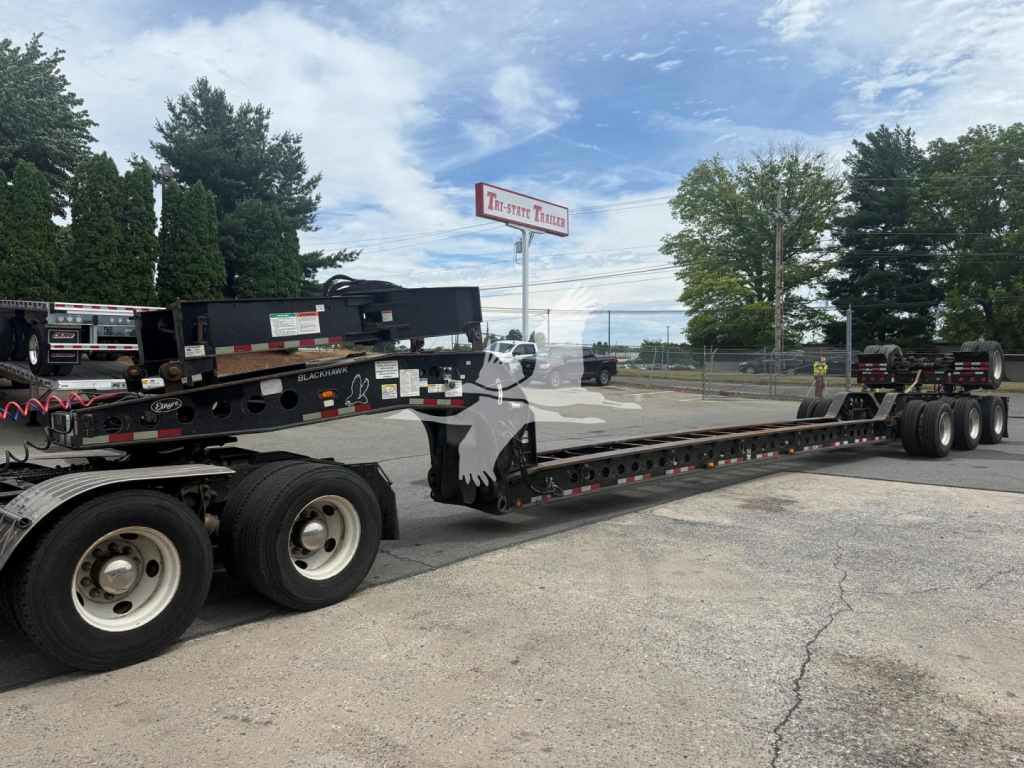
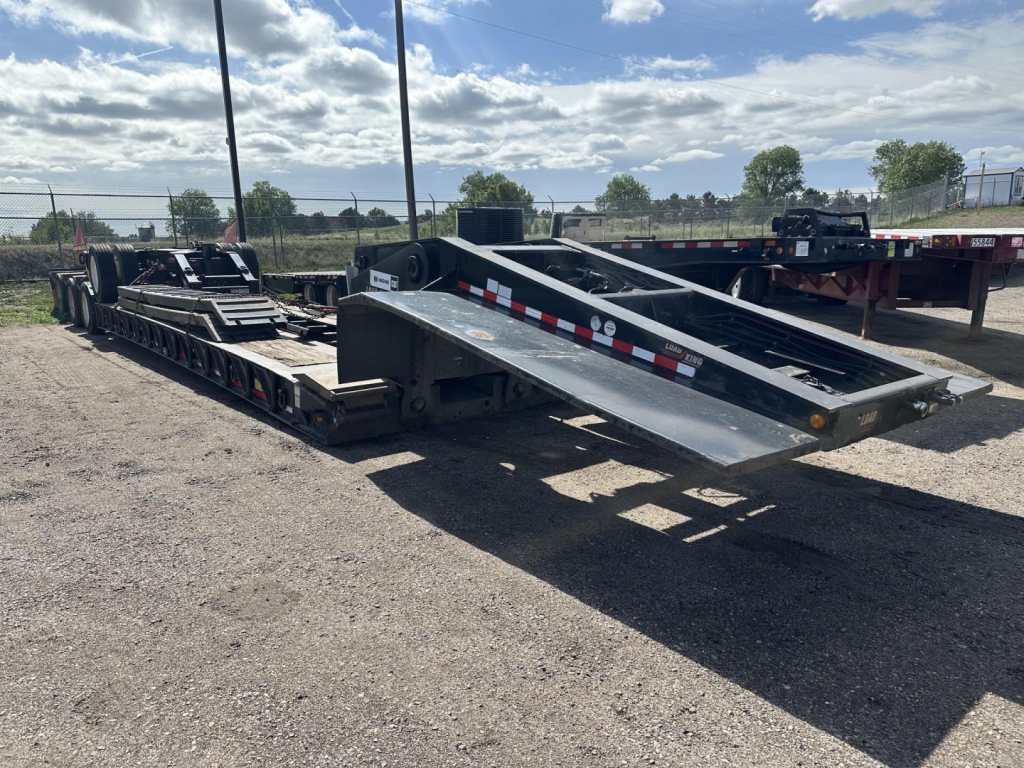
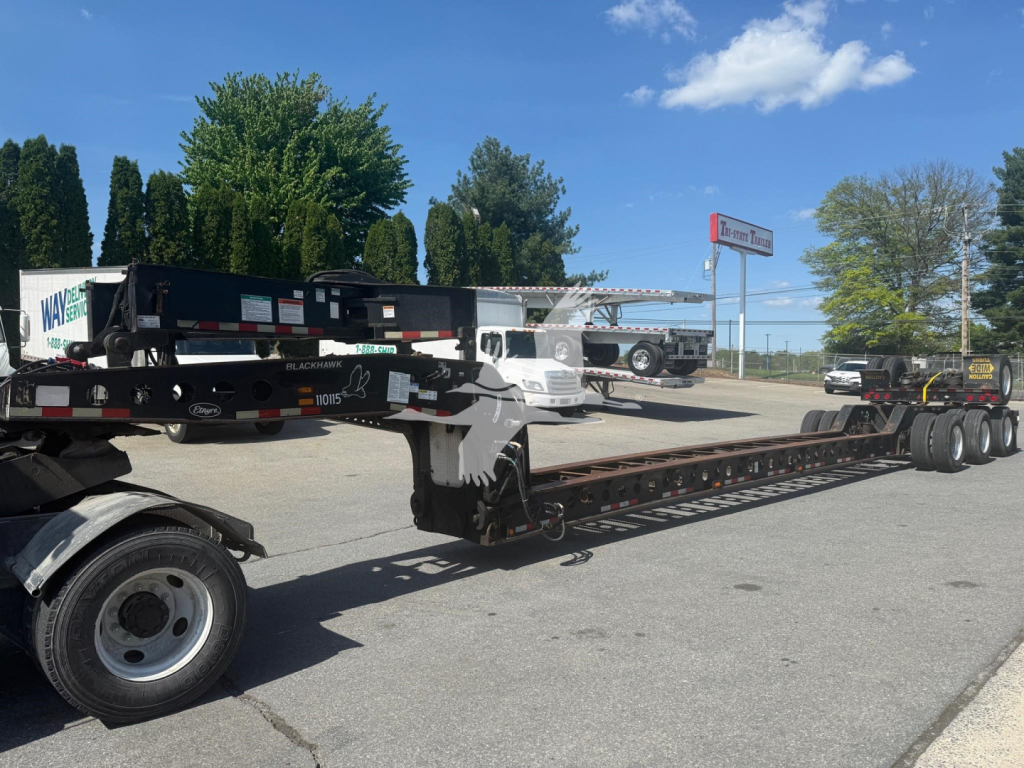
Selling a 2014 lowboy trailer? List your 2014 lowboy trailer for sale and reach thousands of commercial buyers.
2014 Lowboy Trailers
On a 2014 lowboy, pay close attention to ton rating versus the actual deck rating in a specific length of the well. A trailer may be advertised as 35 ton, 50 ton, or 55 ton, but what matters in real use is how much weight it carries in 10 feet, 12 feet, or 16 feet, along with axle spacing and legal configuration. Common specs in this class include 102-inch width, tandem or tridem axle groups, air ride or spring suspension, 22.5-inch or 17.5-inch tire packages, and loaded deck heights that can range from very low mini-deck configurations to more conventional setups. Kingpin setting, swing clearance, gooseneck length, and boom well design also matter if you regularly move excavators with long stick and bucket combinations or machines with uneven weight distribution.
Condition and spec details are especially important on a used 2014 model. Buyers should inspect the main beams, crossmembers, neck connection points, outriggers, ramp hinges, deck surface, and brake and suspension components for signs of hard service. Lowboys often live in severe duty cycles, so look closely at tire wear patterns, bushing condition, hydraulic systems on detach models, lighting, ABS function, and any stress cracking around the neck, axle area, or concentrated load zones. If the trailer has features such as a flip axle prep, jeep compatibility, outriggers, D-rings, chain slots, scuff protection, or tire inflation systems, those options can make a significant difference in versatility and operating cost.
The right 2014 lowboy depends on the freight mix and the states you run. A contractor moving compact and mid-size iron locally may prioritize easy loading and maneuverability, while a specialized hauler may need higher capacity, a lower deck, and the ability to add axle combinations for permit work. It is worth matching the trailer to the actual machines you move most often, including track width, ground clearance, operating weight, and overall length. A well-matched lowboy improves loading speed, reduces clearance issues, and gives you a better chance of staying productive and legal on every move.
Frequently Asked Questions about 2014 Lowboy Trailers
What is the main advantage of a 2014 lowboy trailer compared with a flatbed or step deck?
A lowboy trailer provides a much lower deck height, which allows taller equipment to be hauled without exceeding overall height limits as quickly as it would on a flatbed or step deck. That makes it a preferred choice for excavators, dozers, pavers, rollers, and other heavy machinery with high profiles or concentrated axle loads. The lower well also improves loading angles for certain machines, especially when paired with a detachable gooseneck design.
What should I check first on a used 2014 lowboy trailer?
Start with the structural areas that carry the load. Inspect the main beams, crossmembers, gooseneck connection, axle mounts, suspension hangers, and deck for cracking, repairs, corrosion, or distortion. Then verify brake condition, tire wear, wheel ends, ABS operation, lights, hydraulic detach functions if equipped, and any signs of misalignment. Service records and evidence of prior overloading can be just as important as appearance.
How do I choose the right capacity on a lowboy trailer?
Do not rely only on the advertised ton rating. Confirm the deck rating over the portion of the well where the machine's weight will actually sit, such as 10 feet, 12 feet, or 16 feet. You also need to account for axle group configuration, kingpin setting, legal bridge requirements, and whether you plan to use flip axles or jeeps. A trailer that matches both the machine weight and the legal setup in your operating area is the better choice.
Are hydraulic detachable gooseneck lowboys better than mechanical detach models?
Hydraulic detachable gooseneck trailers are generally faster and easier to load, especially for fleets that load frequently or handle a mix of machines. They reduce manual effort and can improve efficiency on uneven jobsites. Mechanical detach models are simpler and can be less expensive to maintain, but they may take more time and effort during loading. The better option depends on your loading frequency, maintenance capability, and budget.
What trailer specs matter most for hauling construction equipment on a lowboy?
The most important specs are loaded deck height, load angle, well length, concentrated load rating, axle configuration, and ground clearance. Swing clearance and kingpin setting matter when pairing the trailer with a specific tractor and when hauling machines with long fronts or rear overhang. Tie-down layout also matters, including D-rings, chain slots, and stake pockets, because securement points affect how easily you can handle different machine sizes and shapes.