
Lowboy Trailers For Sale in Oklahoma
Shop lowboy trailers for sale in Oklahoma. Compare RGN and detachable lowboy specs, axle setups, deck heights, well lengths, and hauling uses.
Selling a lowboy trailer? List your lowboy trailer for sale and reach thousands of commercial buyers.
Lowboy Trailers in Oklahoma
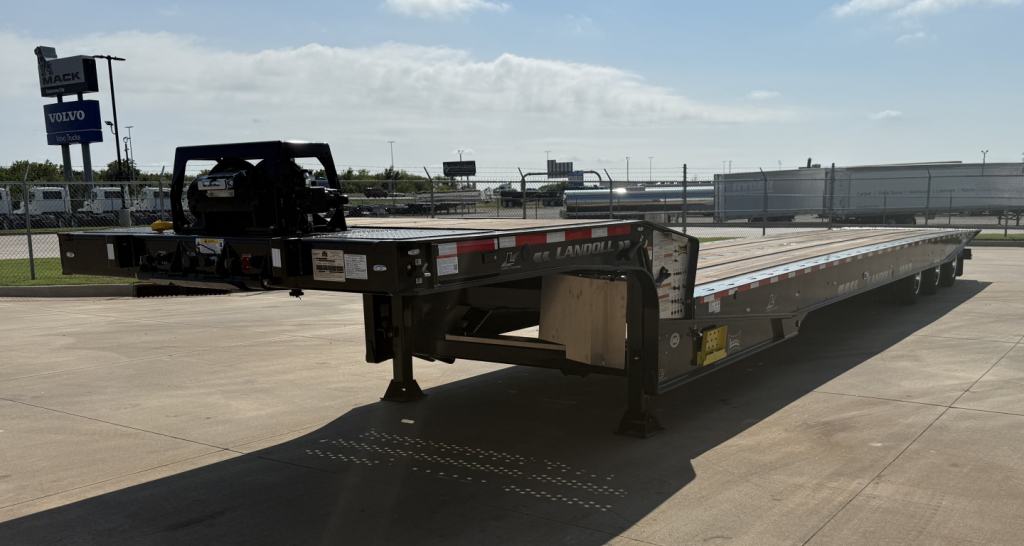
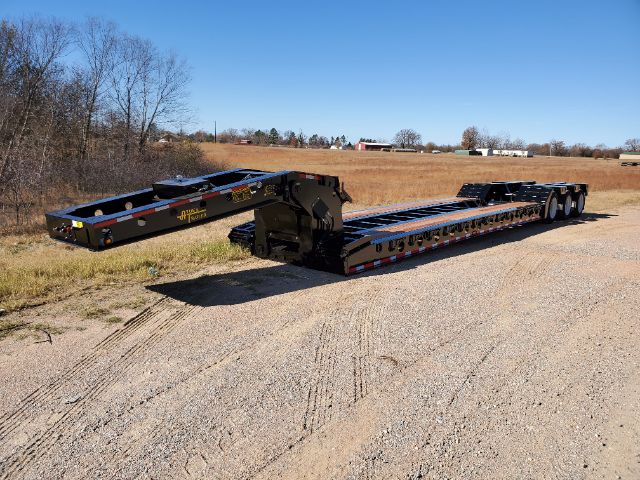
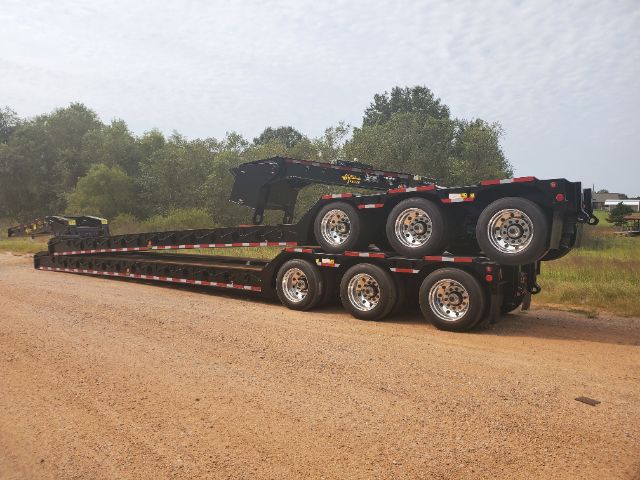
A common decision point is RGN versus fixed-neck lowboy. An RGN allows drive-on loading from the front after the gooseneck is removed, which is a major advantage for tracked equipment and wheeled machines that need fast, repeatable loading. Buyers should look closely at the well length, overall length, loaded deck height, and rear deck height because those measurements directly affect what machines will fit and how easily weight can be distributed. In this category, 53-foot overall length, 26-foot wells, 102-inch width, and tandem or tri-axle setups are typical. Air ride suspension, low-profile 22.5 tires, outriggers, D-rings, apitong flooring, and LED lighting are common features that improve durability and day-to-day usability.
Capacity planning matters more than brand preference on a lowboy. Axle spacing, axle rating, frame construction, and any provisions for a fourth axle or booster determine how much flexibility the trailer has as hauling needs grow. A steel frame with high-tensile material is common in heavy haul applications because it balances strength with serviceability. Suspension spec is also important in Oklahoma, where mixed highway and jobsite conditions can punish a trailer. Hendrickson air ride, dump valves, auto slack adjusters, and quality brake components are all worth attention because they affect ride quality, tire wear, and maintenance cost over the life of the trailer.
A buyer comparing lowboy trailers should think beyond published capacity and focus on the equipment actually being hauled. Track width, machine ground clearance, approach angle, concentrated axle weight, and securement points all matter. Outriggers can expand versatility for wider loads, and a self-contained hydraulic or pony motor neck can simplify operation when a wet kit tractor is not dedicated to the trailer. If the work includes interstate moves, permit compliance, bridge law considerations, and loaded height should be evaluated before purchase. The best lowboy is the one that matches the dimensions and weight profile of the equipment, loads quickly, and holds up under repeated heavy-haul cycles.
Frequently Asked Questions about Lowboy Trailers in Oklahoma
What is the difference between a lowboy trailer and an RGN trailer?
A lowboy is the broader trailer category for hauling tall and heavy equipment on a dropped deck. An RGN, or removable gooseneck trailer, is a specific type of lowboy with a detachable front neck that allows drive-on loading. RGN lowboys are especially useful for excavators, dozers, and other machines that are difficult or unsafe to load from ramps.
What well length should I look for on a lowboy trailer?
Well length should match the wheelbase or track footprint of the equipment you move most often. A 26-foot well is common because it fits many construction and paving machines, but longer or shorter wells may be better depending on your load mix. The key is making sure the machine sits correctly in the well so axle weights can be distributed legally and the load can be secured without crowding the transition areas.
How many axles does a lowboy trailer need?
Axle count depends on the weight of the equipment, the states you run in, and whether you may add a jeep, booster, or flip axle later. Tandem and tri-axle lowboys cover a wide range of general heavy equipment hauling, while heavier loads may require additional axle provisions. Buyers should look at axle ratings, spacing, and suspension design, not just the number of axles, because legal payload is determined by the full configuration.
Why does deck height matter so much on a lowboy?
Deck height directly affects loaded overall height, center of gravity, and route flexibility. A lower main deck helps keep taller machines under legal height and improves stability in transport. Even a small difference in loaded height can determine whether a machine moves without a permit or requires route planning, escort considerations, and added cost.
What features are most useful on a lowboy trailer for everyday work?
The most useful features are usually the ones that reduce loading time and improve trailer life. Common examples include air ride suspension, low-profile tires, LED lighting, durable hardwood flooring such as apitong, outriggers, D-rings, dump valves, and auto slack adjusters. If multiple tractors may pull the trailer, a self-contained hydraulic neck or pony motor can also add flexibility by reducing dependence on a dedicated wet kit.