
Lowboy Trailers For Sale in Ohio
Shop lowboy trailers for heavy equipment hauling in Ohio. Compare detachable gooseneck, axle setups, deck heights, capacities, and features.
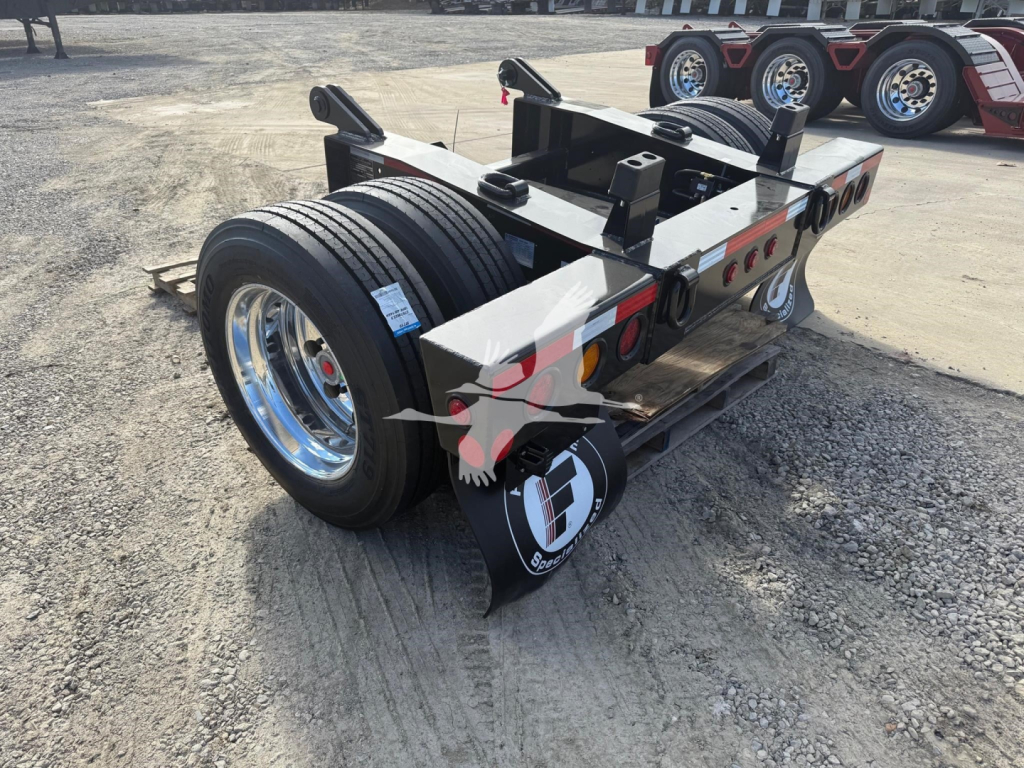
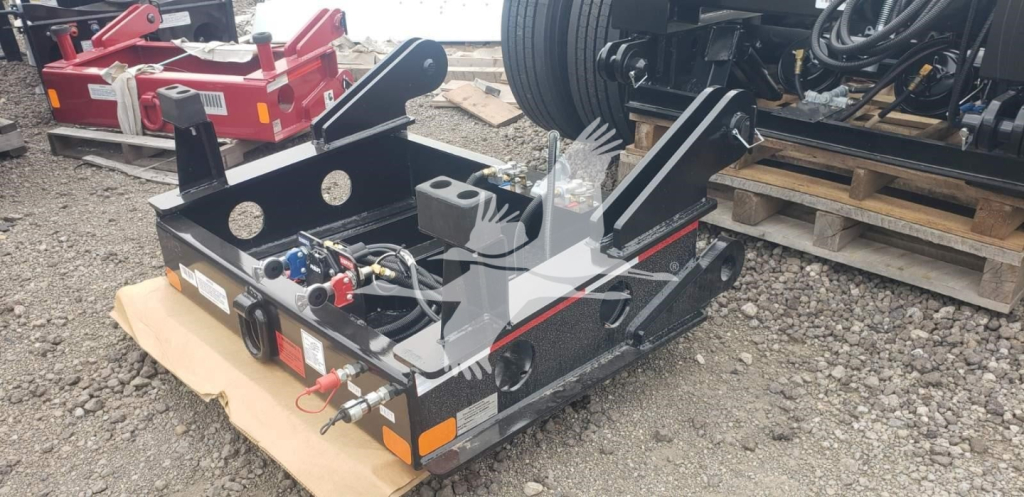
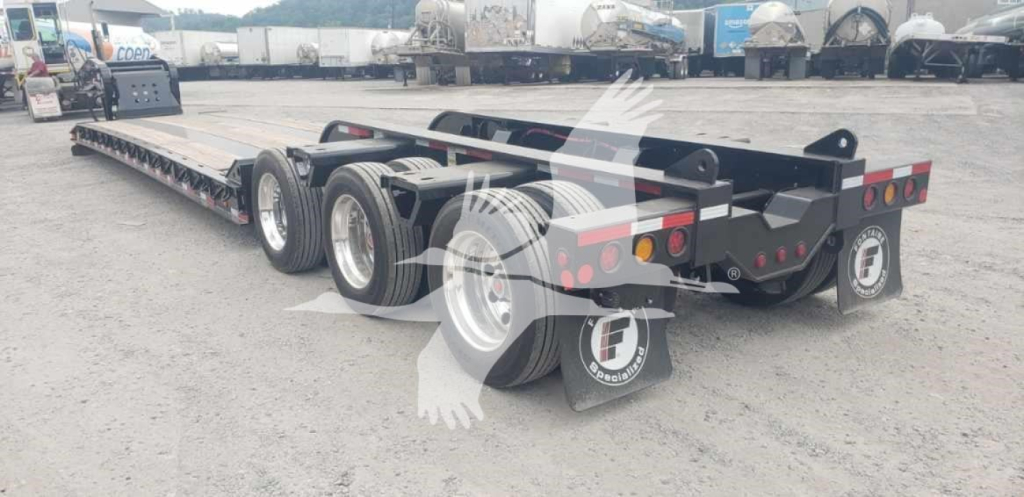
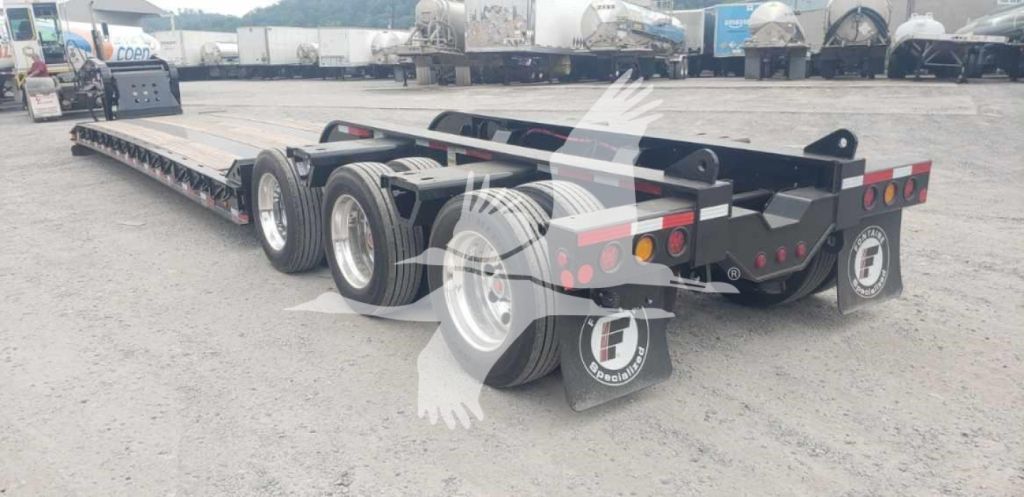
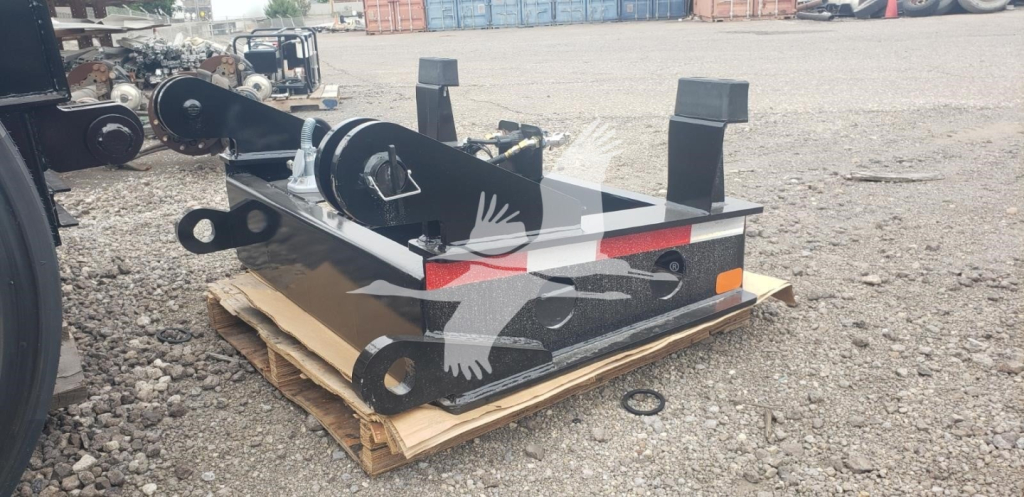
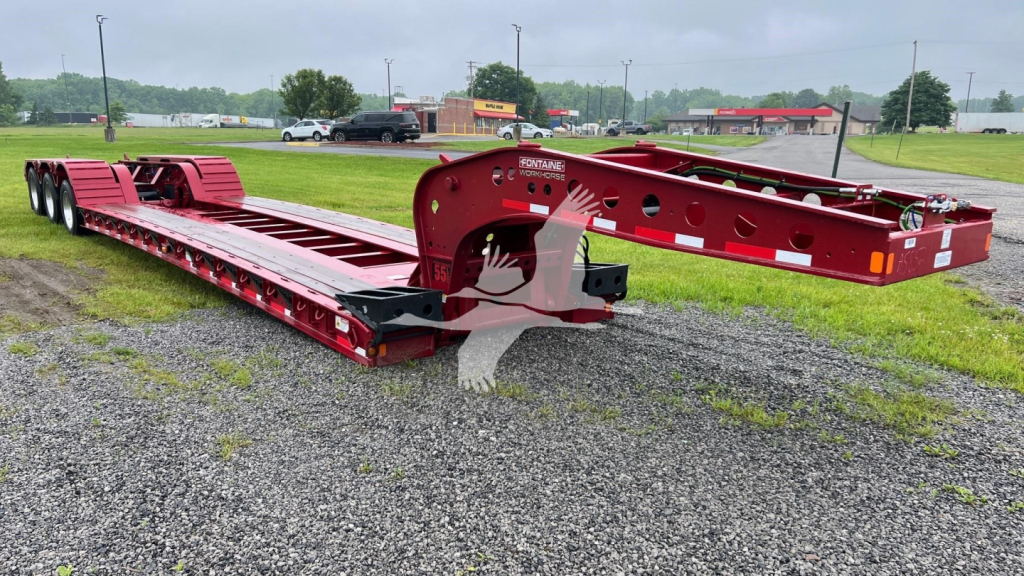
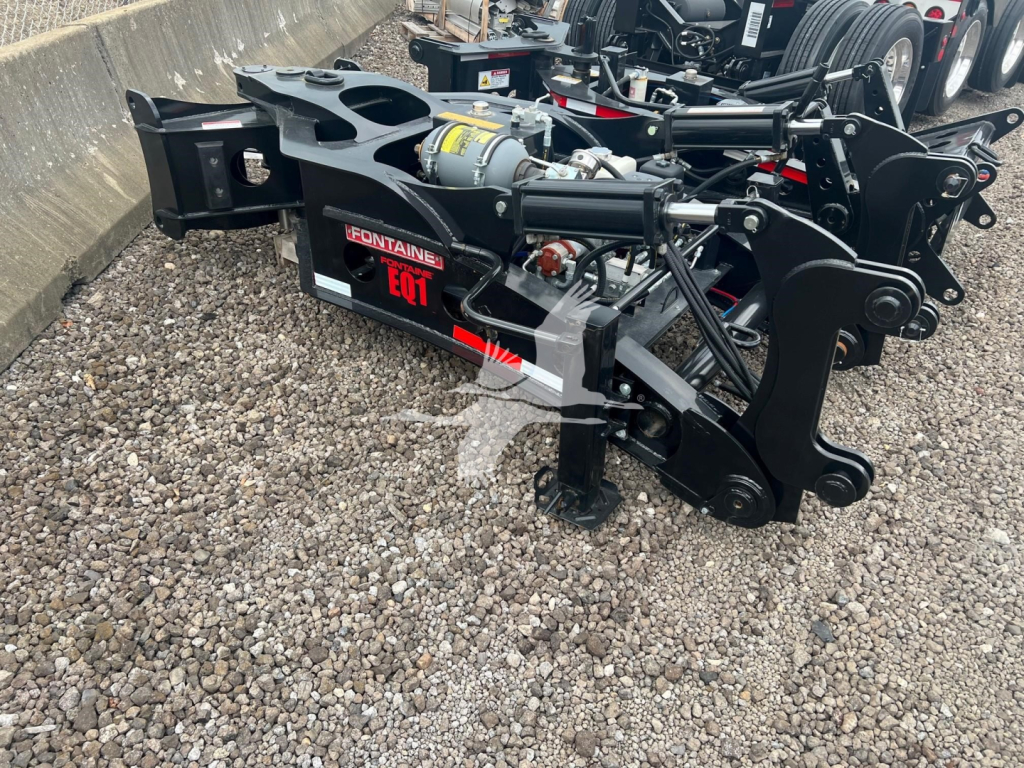
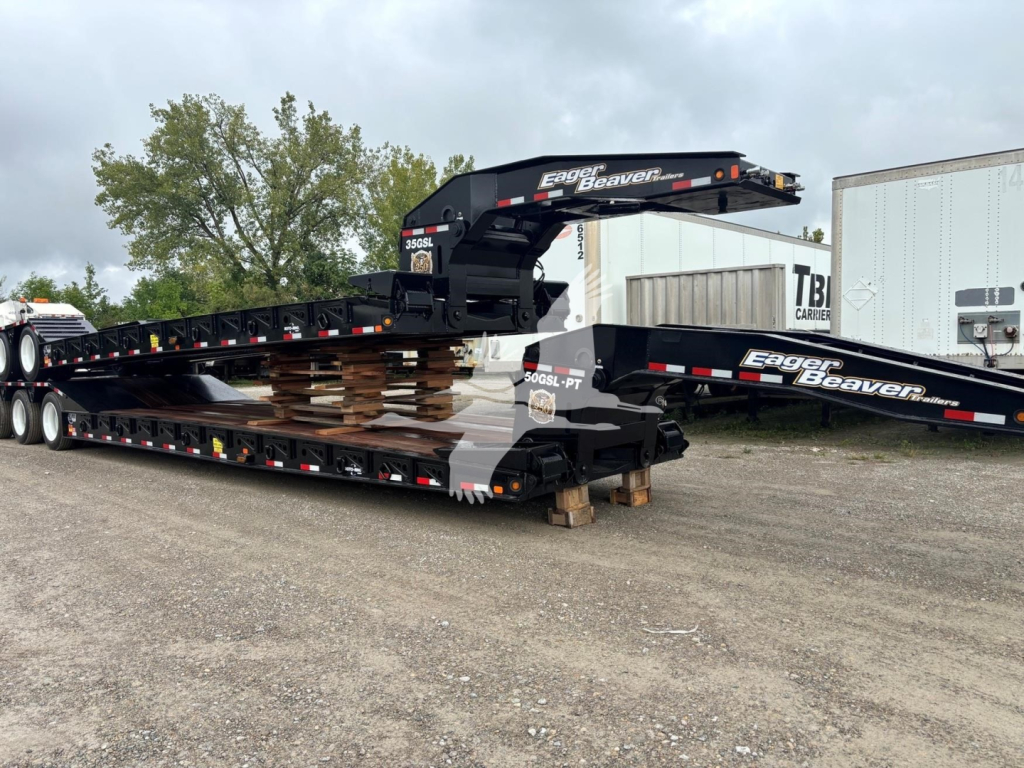
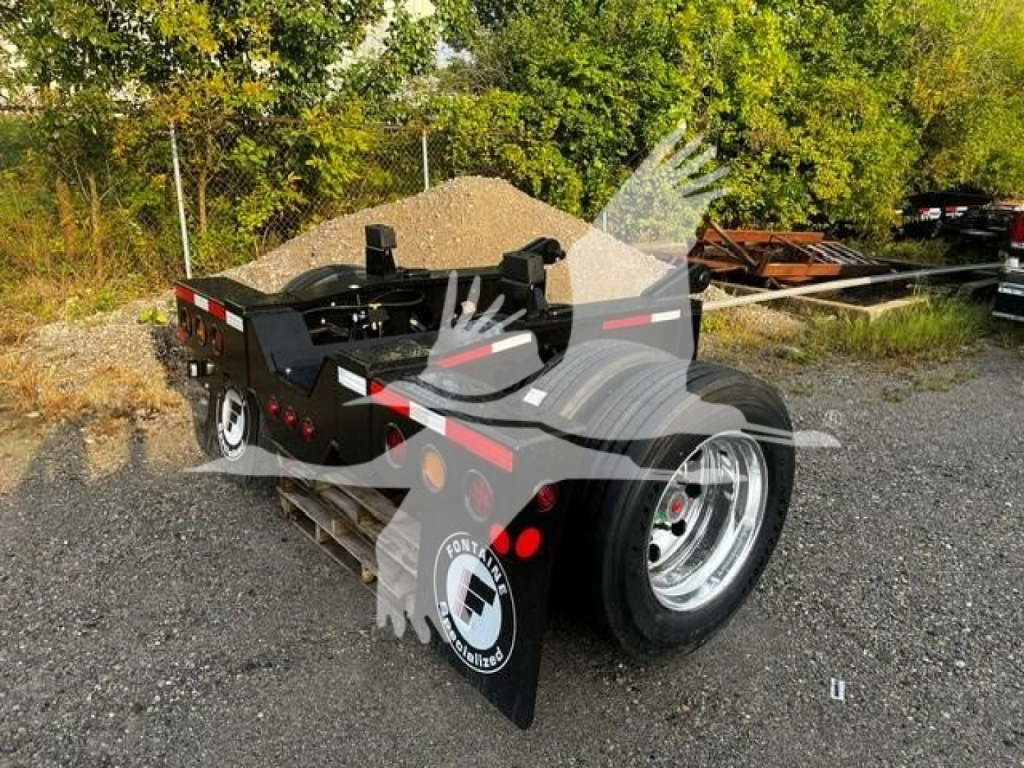
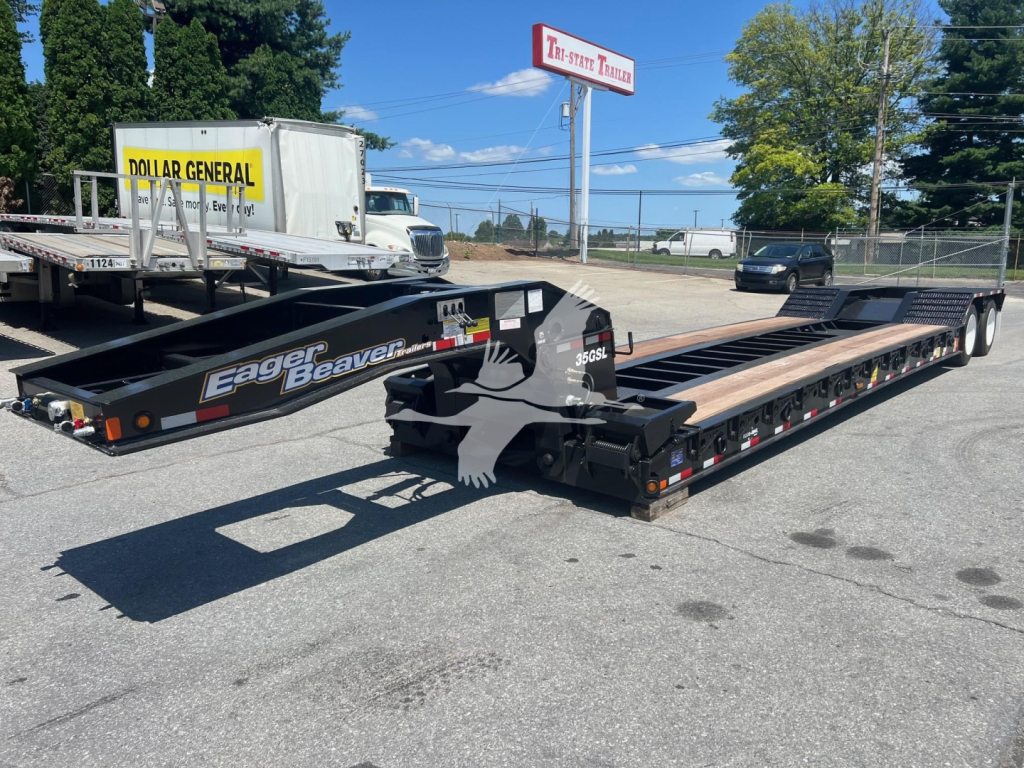
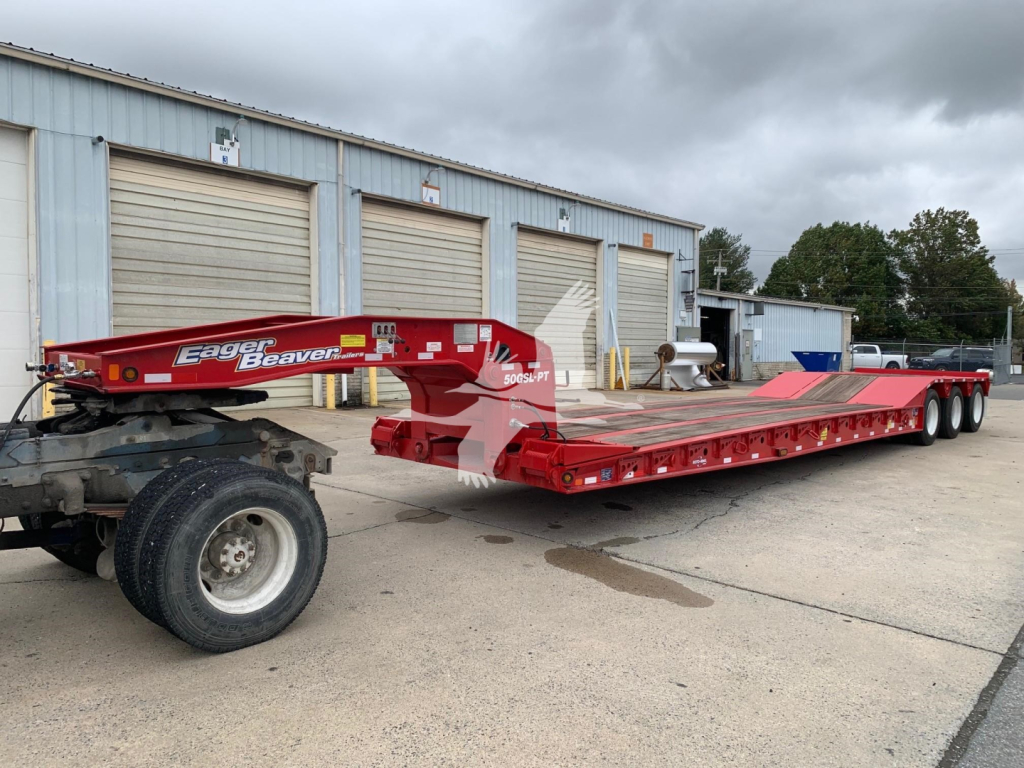
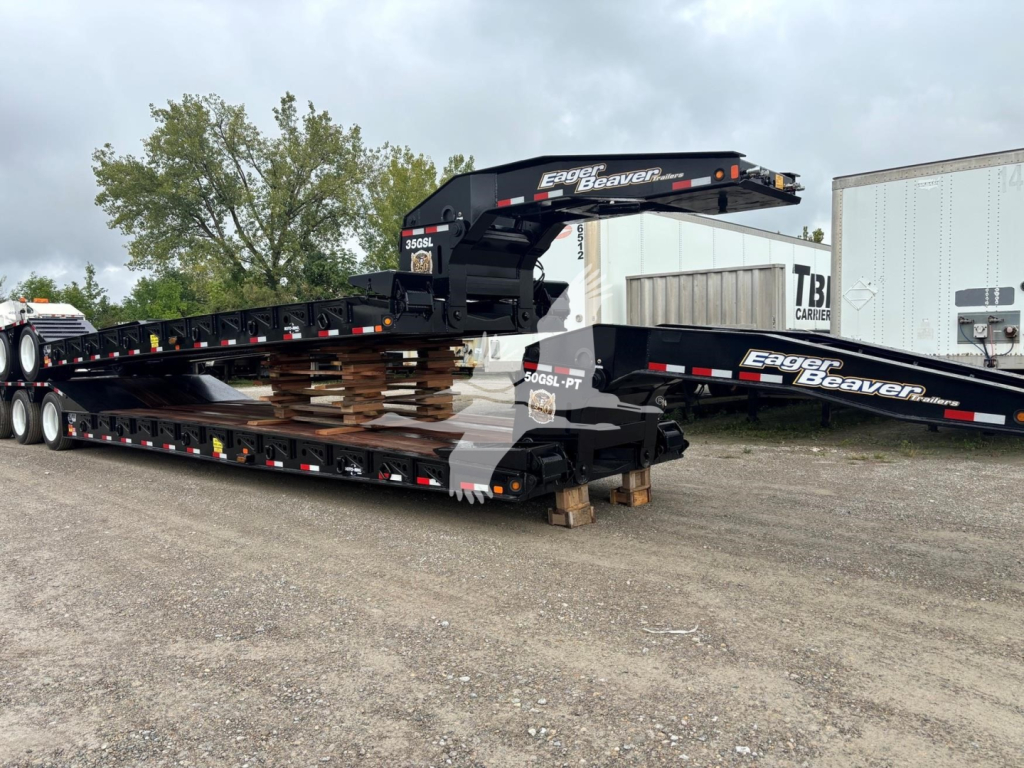
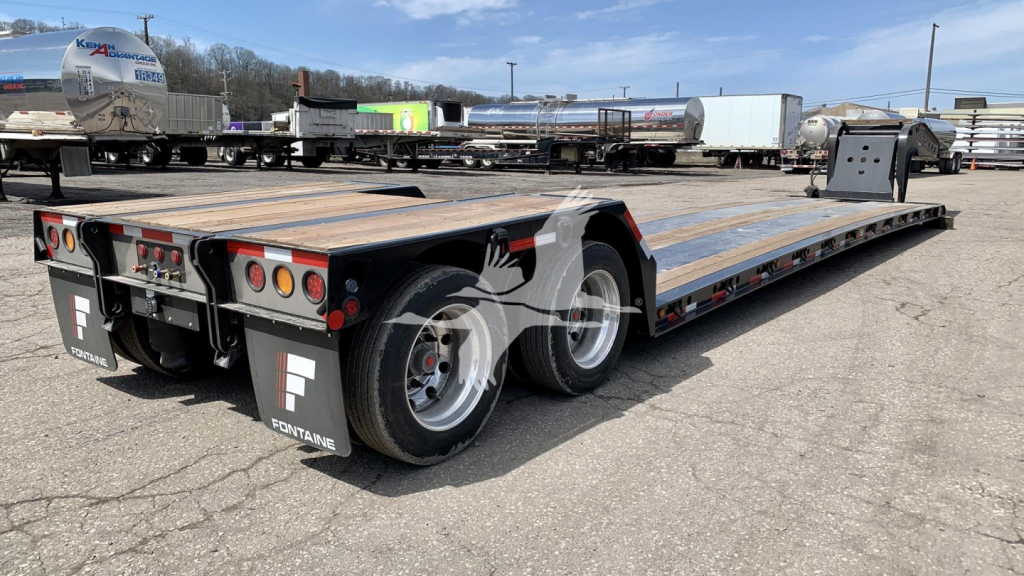
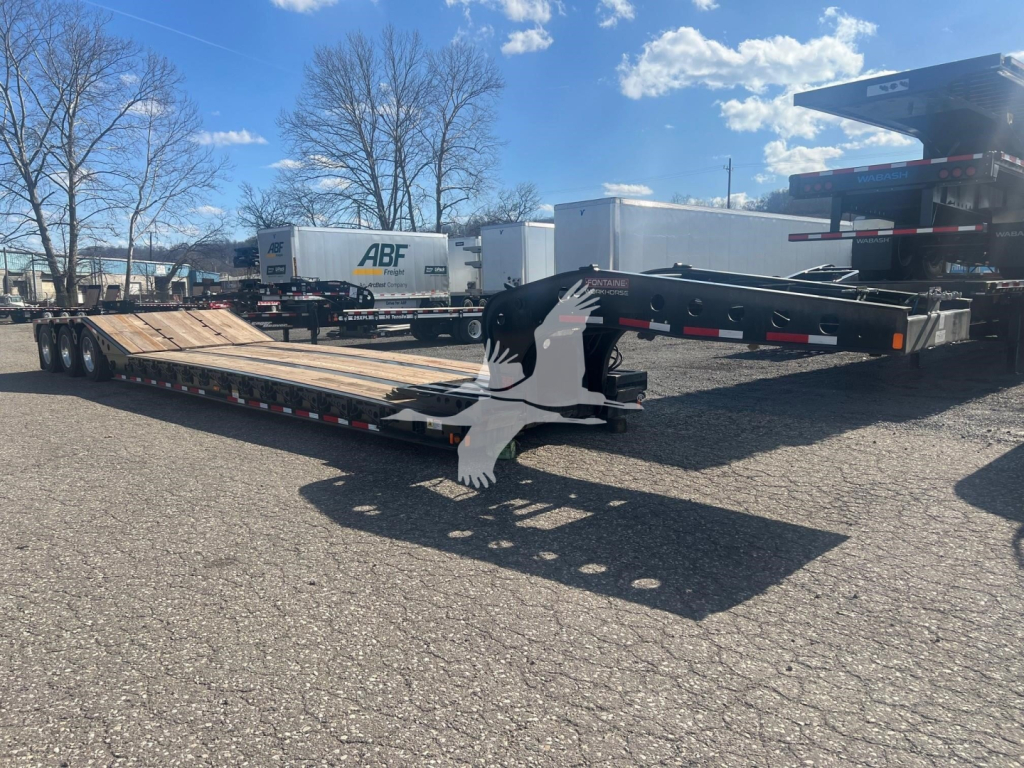
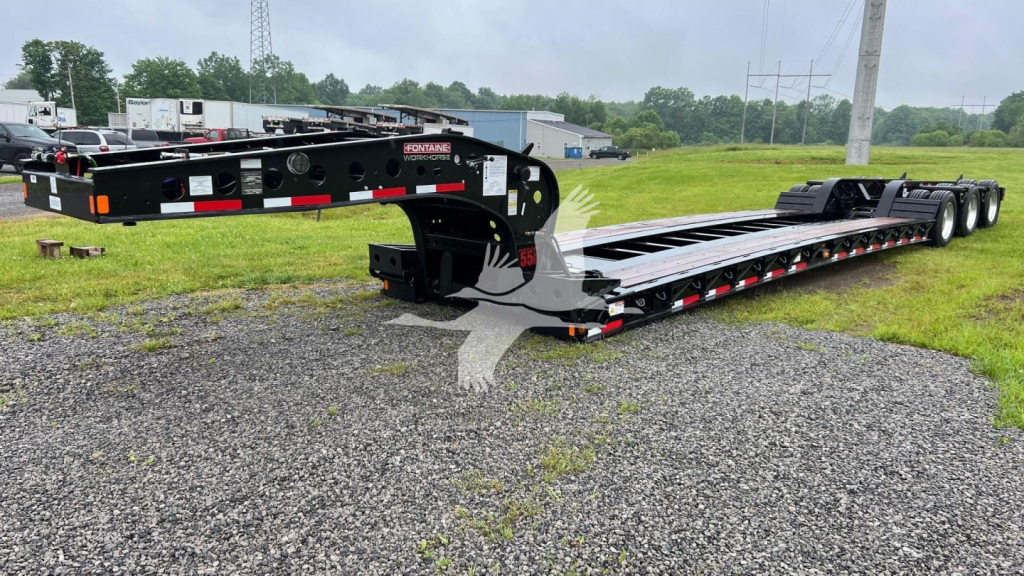
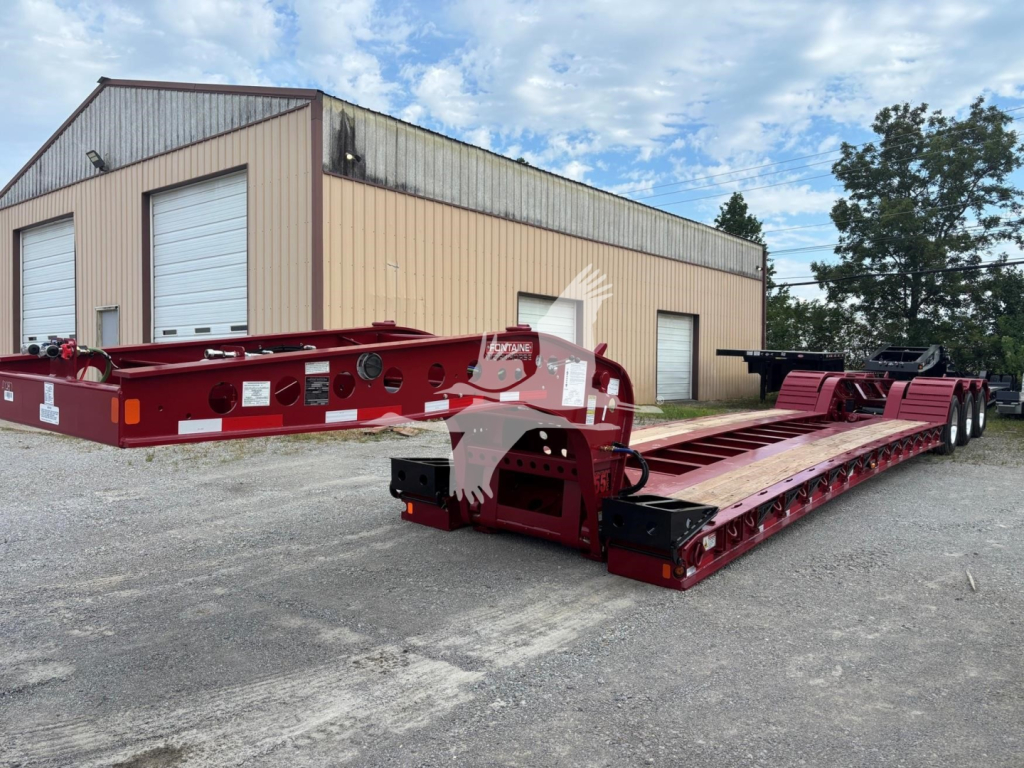
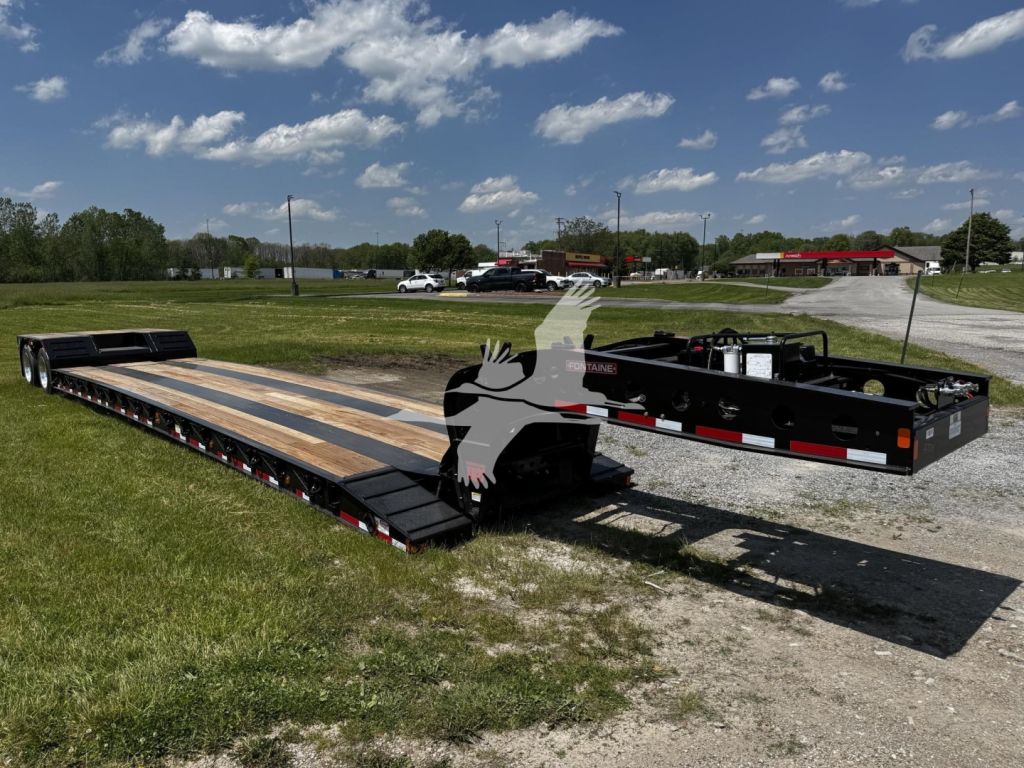
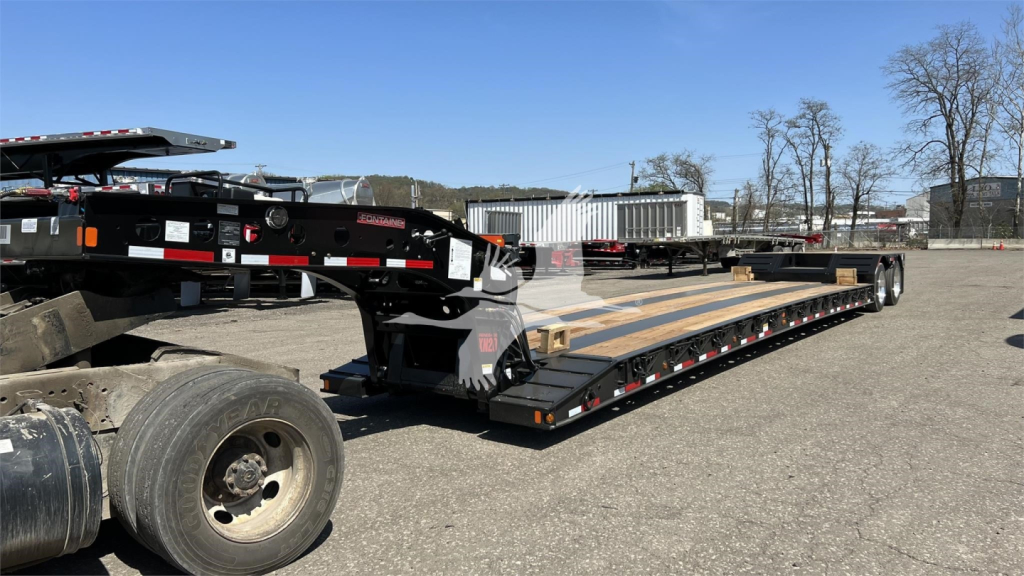
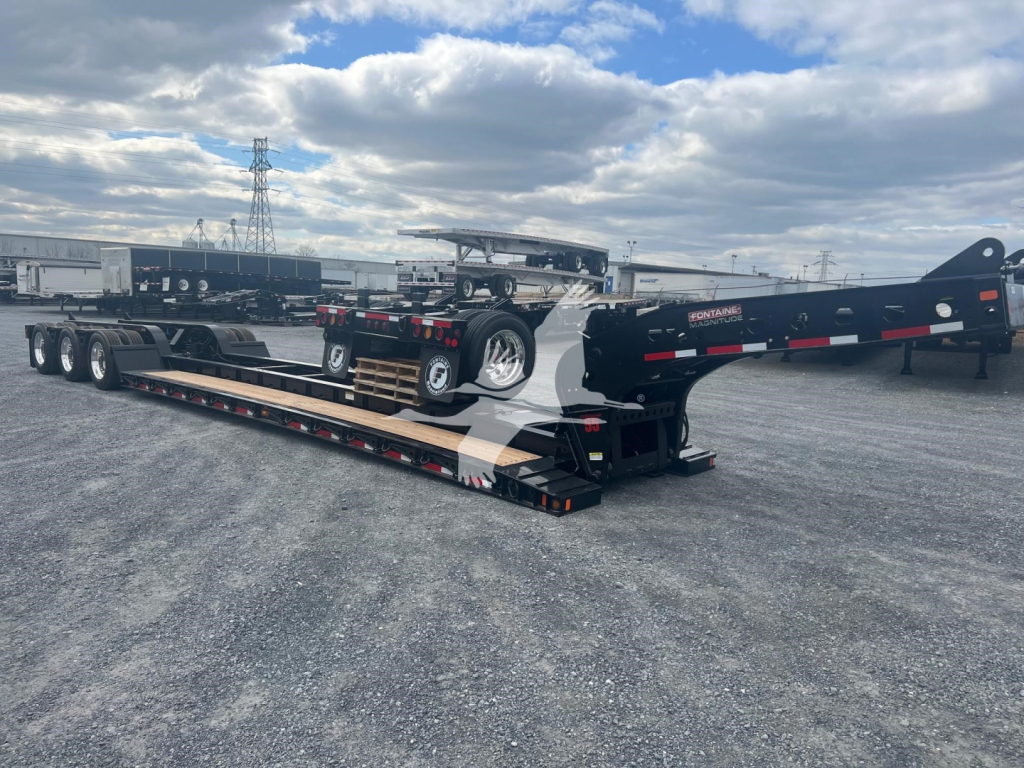
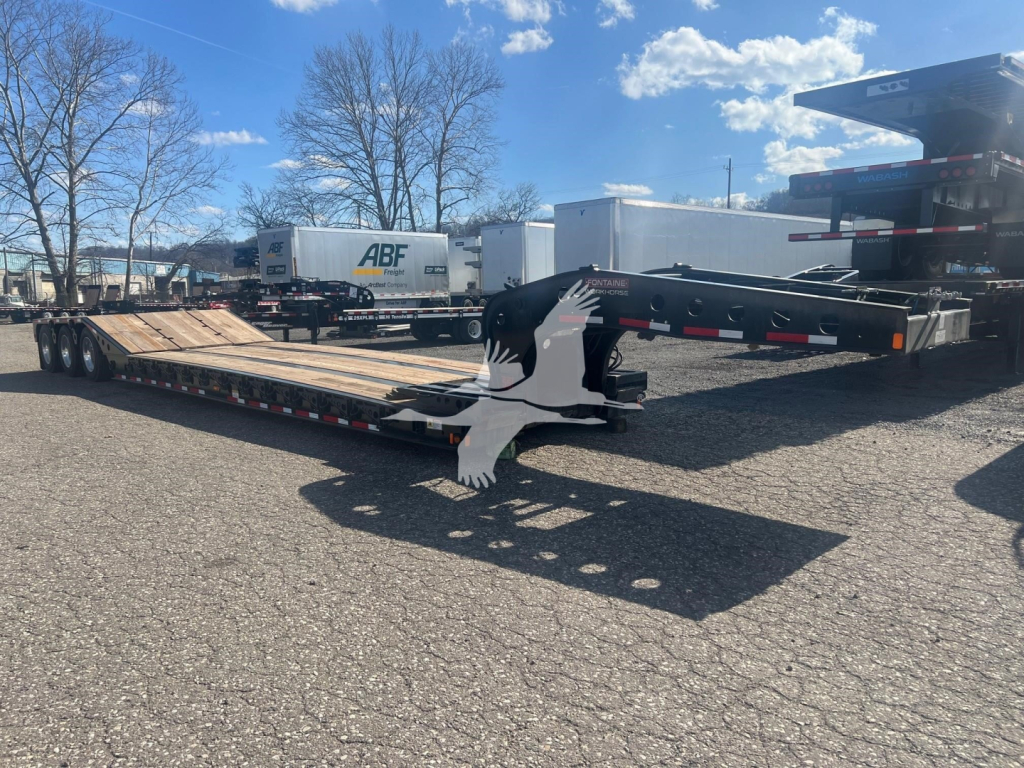
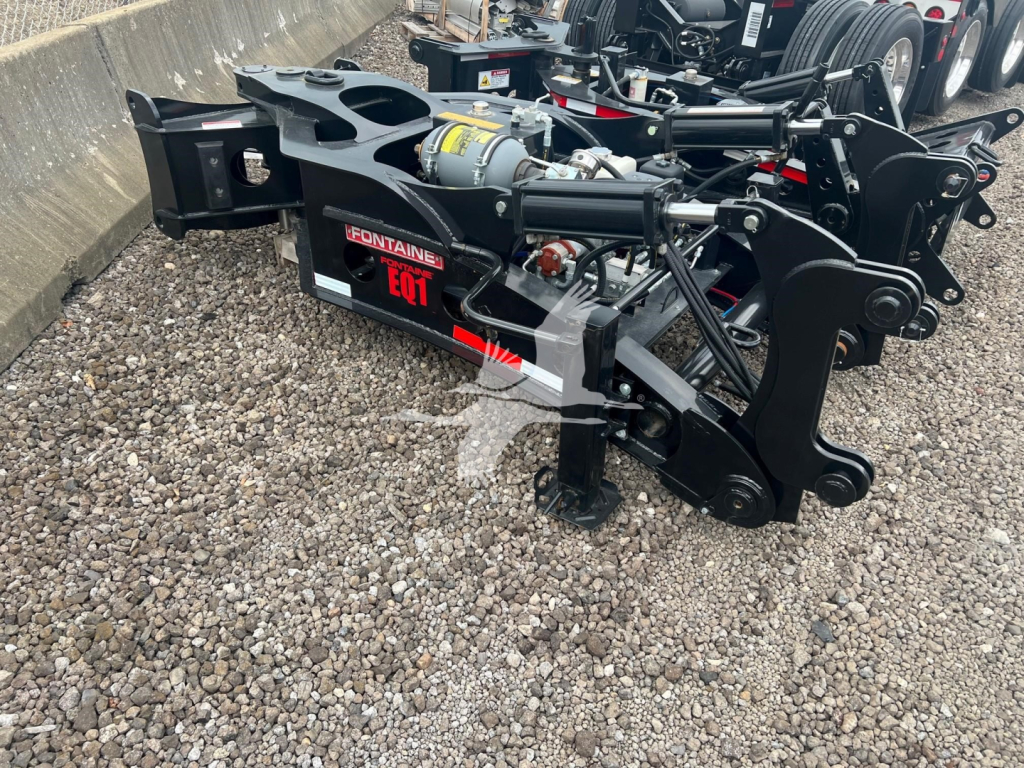
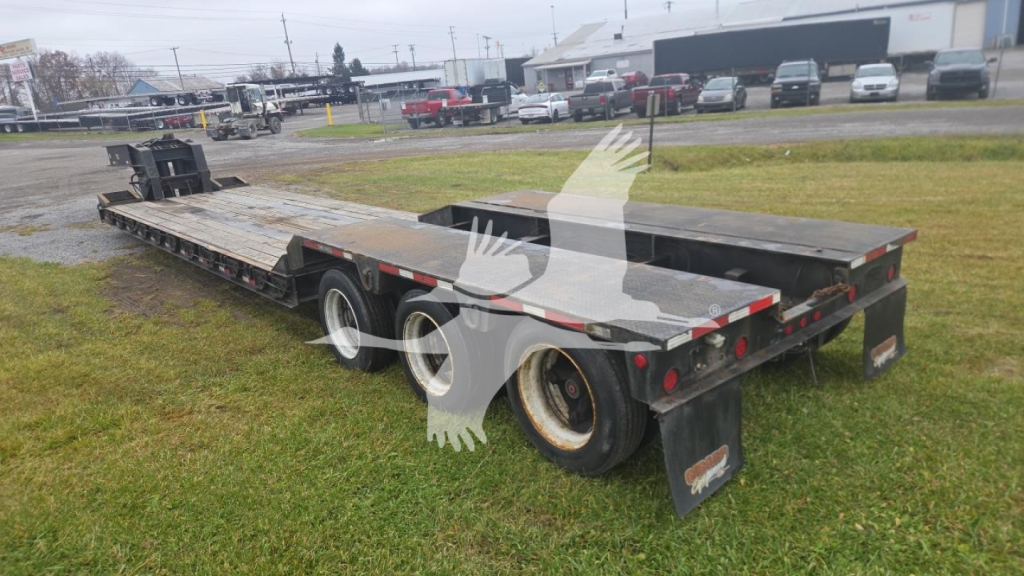
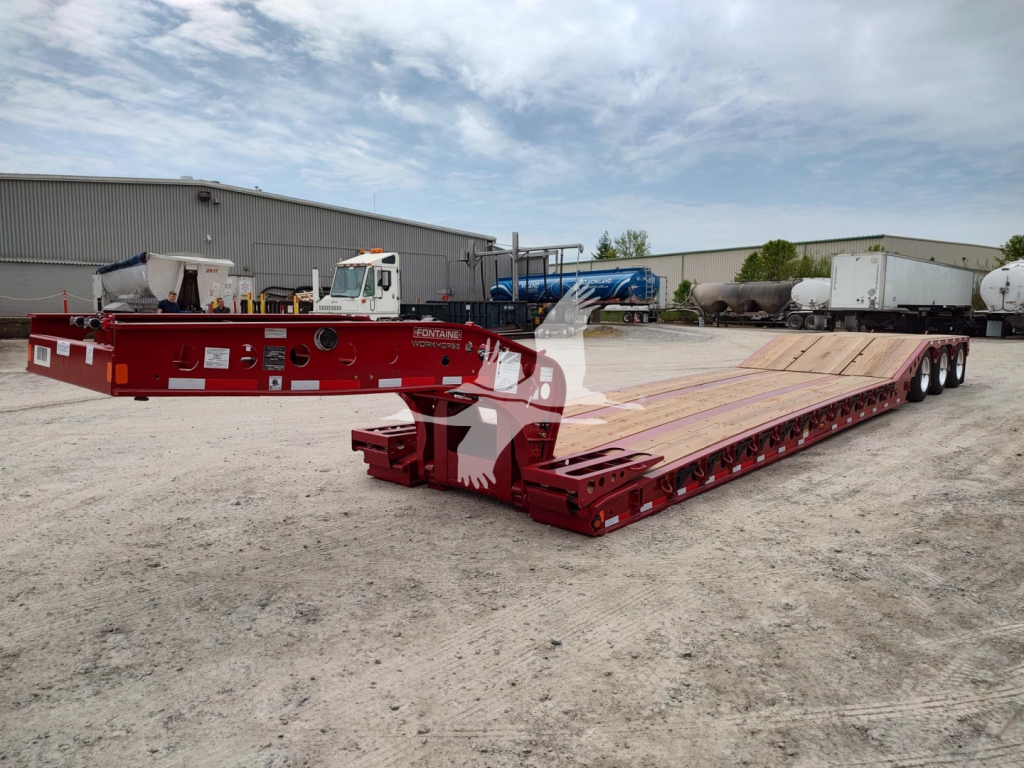
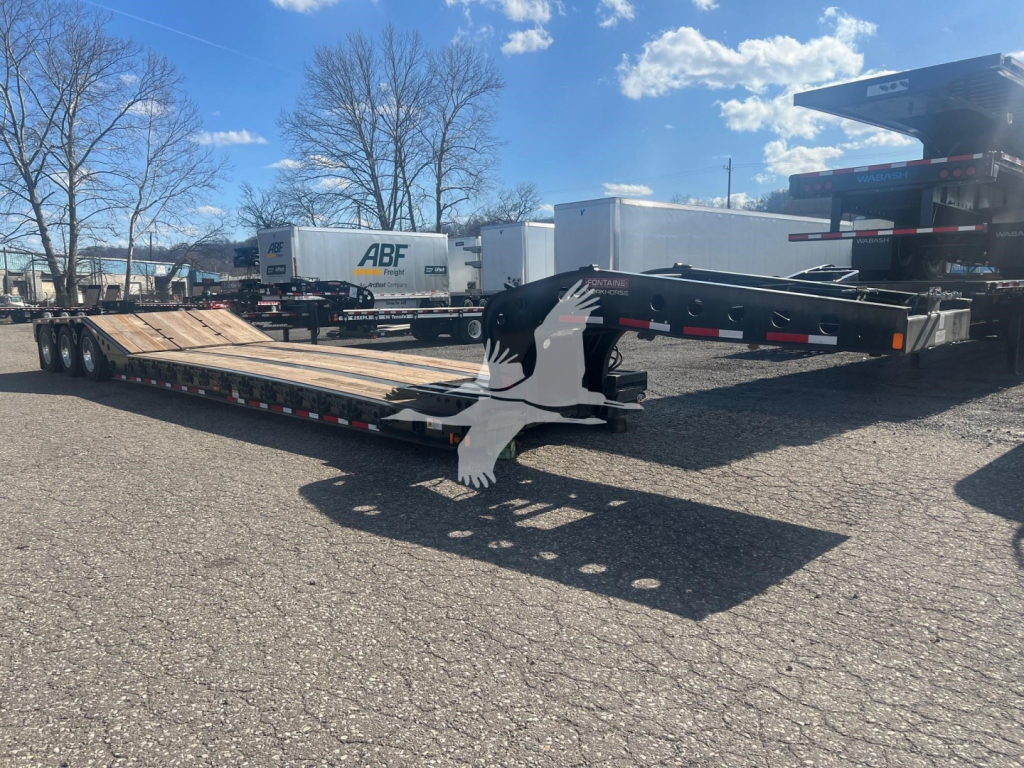
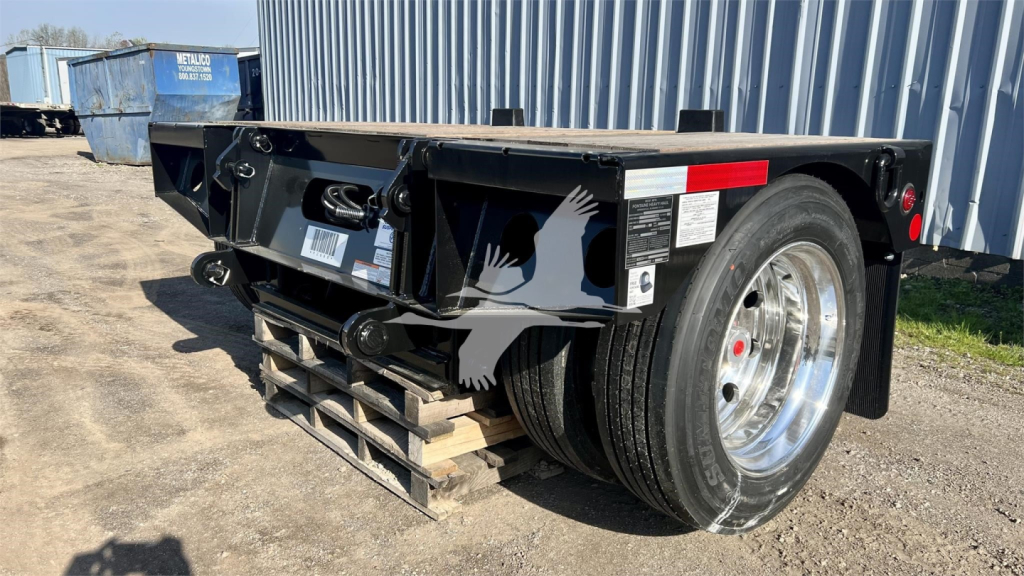
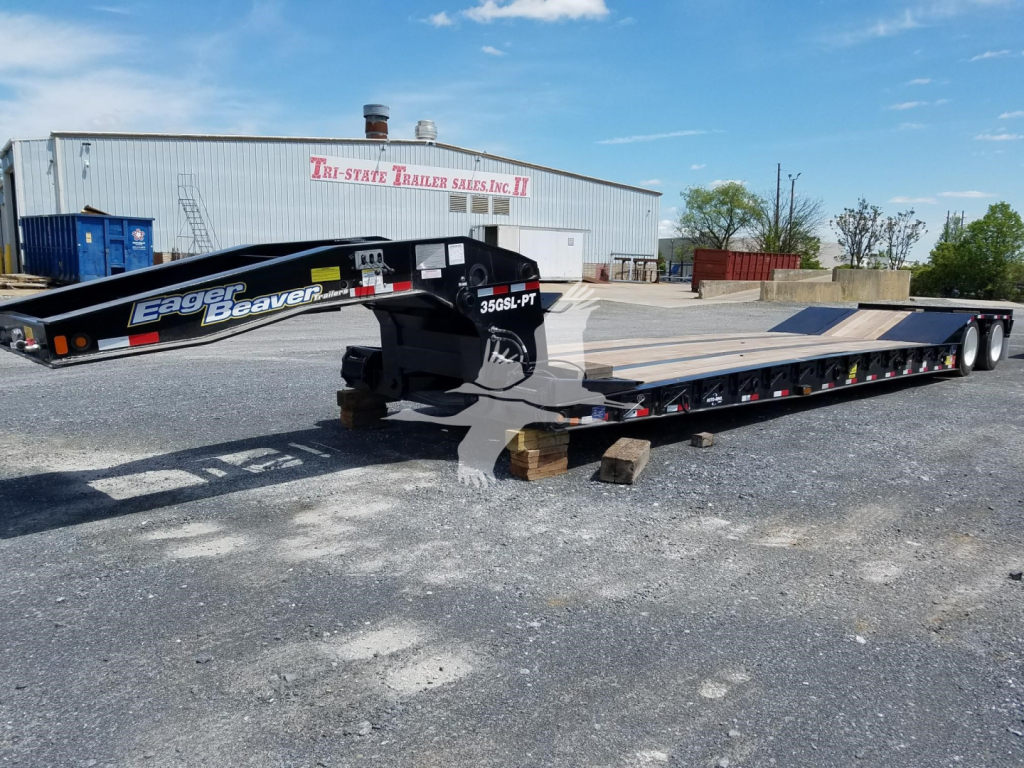
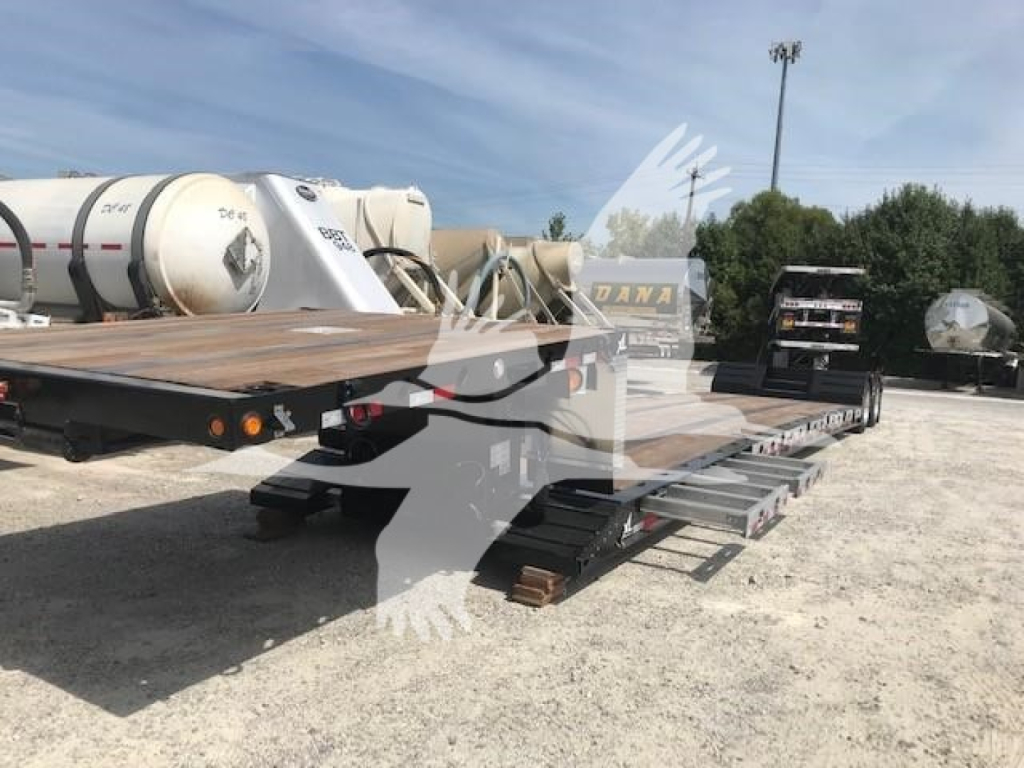
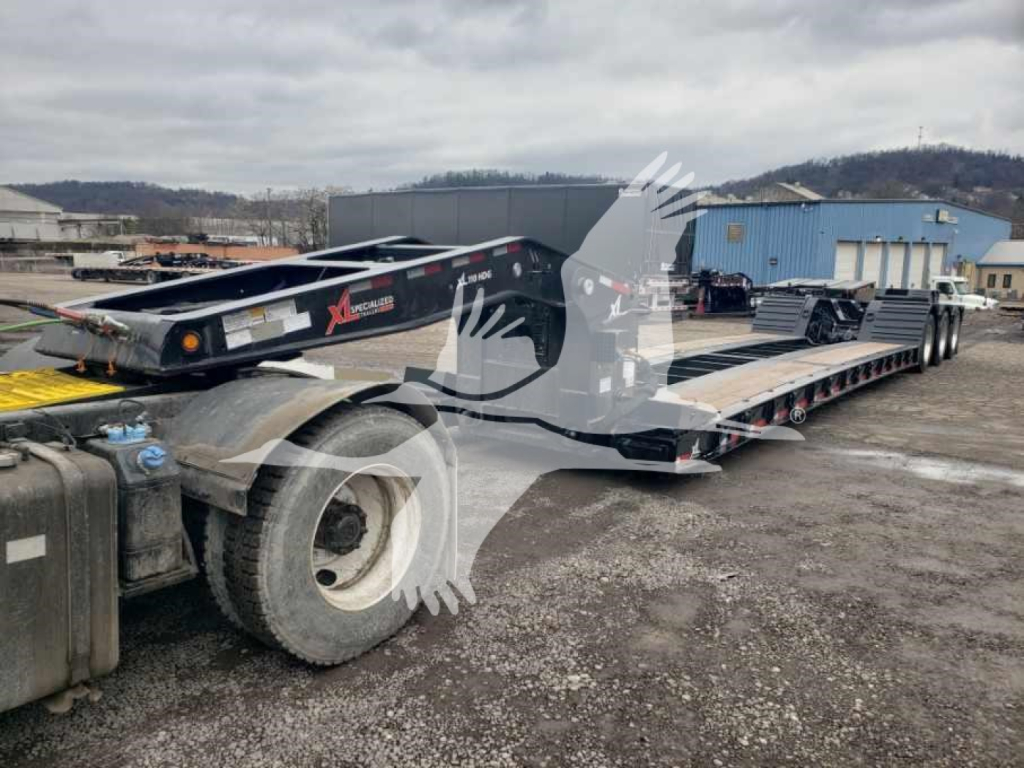
Showing 1 to 28 of 32 results
Selling a lowboy trailer? List your lowboy trailer for sale and reach thousands of commercial buyers.
Lowboy Trailers in Ohio
Capacity and deck design should be the first filters. Common lowboy ratings in this class run from around 35 ton to 55 ton, with tandem or tri-axle configurations and optional flip axles for added capacity and bridge compliance. Buyers should look closely at concentrated load rating, not just the headline tonnage, because a 55 ton trailer rated in 13 feet or 16 feet performs very differently depending on the machine’s track length and weight distribution. Main deck length, loaded deck height, axle spacing, and swing clearance all affect whether a trailer will handle a paver, crusher component, or compact excavator fleet efficiently. Hydraulic detachable goosenecks are common because they speed loading and unloading, especially for self-propelled equipment that can drive on from the front.
Construction details separate a general-purpose lowboy from one suited for daily heavy haul work. Apitong flooring is common for durability and traction. Air ride suspension, raise-and-lower valves, and dump valves help with loading angle and ride control. Outriggers, chain slots, D-rings, and perimeter beam construction matter if you secure mixed equipment or attachments. Many buyers in this segment also look for boom wells, bucket wells, hammer plates, adjustable loaded fifth wheel height, and non-ground-bearing hydraulic necks. Tire size, crossmember spacing, kingpin setting, and lift axle design all play into maneuverability, serviceability, and compatibility with the tractor assigned to the trailer.
For Ohio operators, it pays to match the trailer to both freight and permitting practice. A paver lowboy with a lower deck and front ramps may be ideal for asphalt crews, while a 55 ton detachable lowboy with flip axle connections fits broader heavy equipment transport. The right setup depends on the machine mix, average haul distance, road conditions, and how often the trailer needs to run at maximum legal or permitted weight. Buyers comparing listings should focus on real working specs such as loaded deck height, neck type, axle count, outriggers, and attachment points, because those details have more impact on uptime than the model name alone.
Frequently Asked Questions about Lowboy Trailers in Ohio
What is the main advantage of a lowboy trailer over a flatbed or step deck?
A lowboy trailer carries equipment much lower to the ground, which allows taller machines to stay within legal or permitable overall height. That lower deck position also improves stability when hauling heavy tracked equipment such as excavators, dozers, and pavers. For machines with significant operating height or high center of gravity, a lowboy is often the practical trailer choice.
How do I choose between a 35 ton and 55 ton lowboy trailer?
Start with the actual operating weight of the equipment, then look at how that weight is distributed across the trailer deck. A 35 ton lowboy may be suitable for smaller paving or compact earthmoving equipment, while a 55 ton model is more appropriate for larger excavators, loaders, or machines with heavy attachments. Buyers should also account for future equipment changes, permit strategy, axle configuration, and whether a flip axle will be needed to meet bridge laws and spread weight properly.
Why does detachable gooseneck design matter on a lowboy?
A hydraulic detachable gooseneck allows front loading, which is faster and safer for many self-propelled machines than climbing rear ramps. Non-ground-bearing necks are common in heavy haul applications because they simplify hookup and reduce issues on uneven job sites. Neck design also affects loaded fifth wheel height, ride height adjustment, and tractor compatibility, so it has a direct impact on daily usability.
What features are most important for hauling paving and construction equipment?
Deck height, main deck length, concentrated load rating, and axle configuration are the core specs. After that, many buyers prioritize Apitong flooring, swing-out outriggers, multiple D-rings or chain slots, boom wells, bucket wells, and air ride suspension with raise-and-lower control. These features improve loading flexibility, securement options, and protection for both the trailer and the machine being hauled.
Do flip axles make a big difference on lowboy trailers?
Yes. A flip axle can increase legal payload potential and help distribute weight to meet bridge and axle regulations, especially on higher-capacity 51 to 60 ton class lowboys. For operators who regularly haul near the top end of the trailer’s rating, flip axle compatibility adds flexibility and can make the difference between a workable permit setup and an overweight axle group.