
XL Specialized Lowboy Trailers For Sale in Ohio
Browse XL Specialized lowboy trailers with hydraulic detachable goosenecks, low deck heights, heavy-haul ratings, and flip axle options.
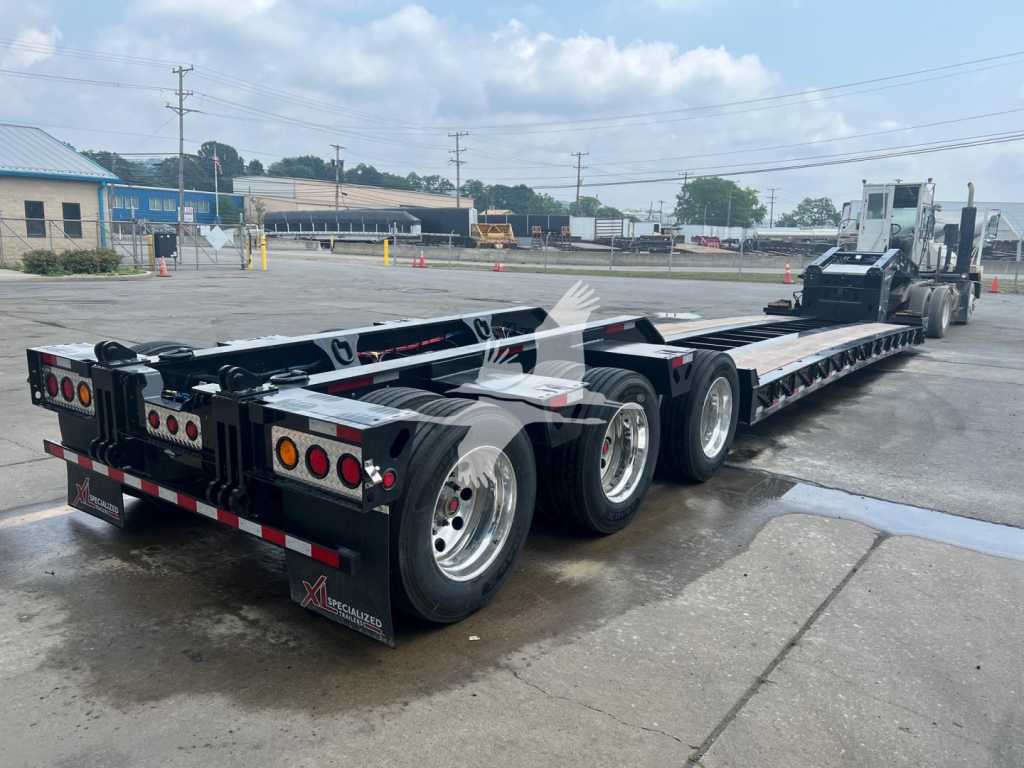
Selling a xl specialized lowboy trailer? List your xl specialized lowboy trailer for sale and reach thousands of commercial buyers.
XL Specialized Lowboy Trailers in Ohio
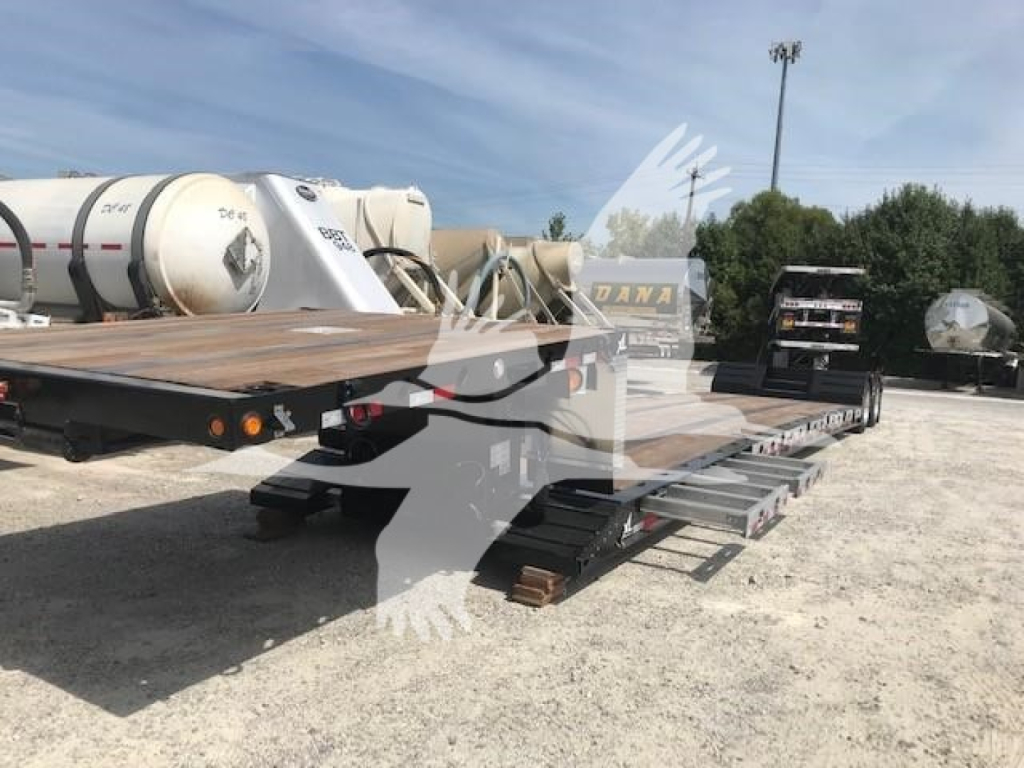
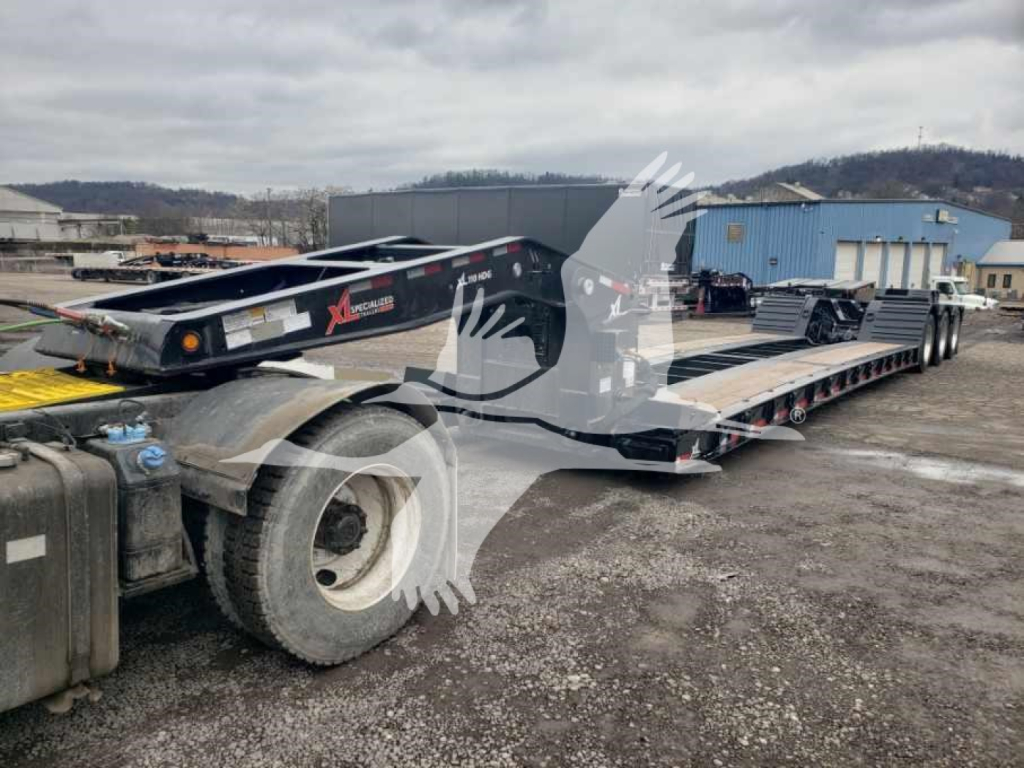
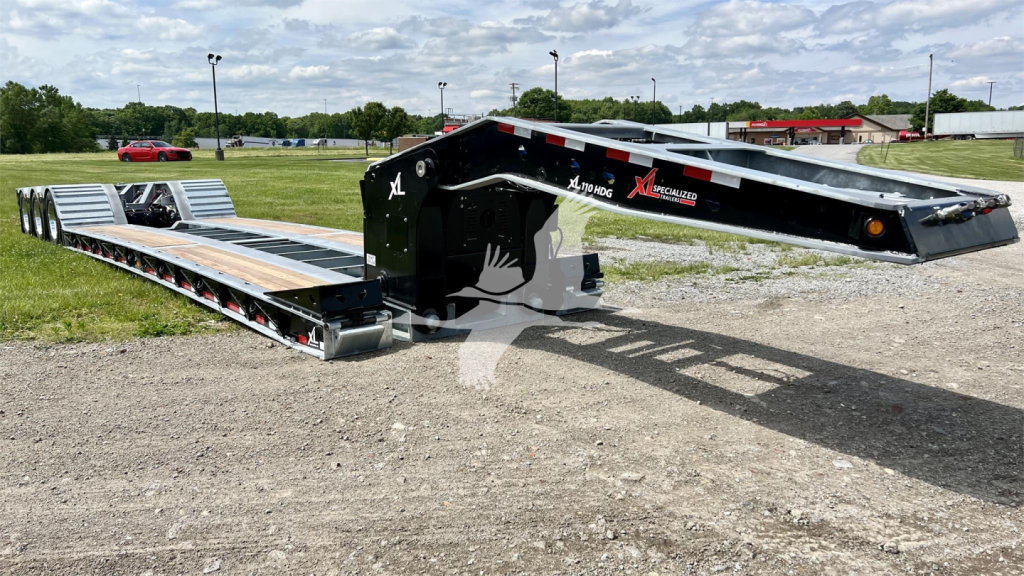
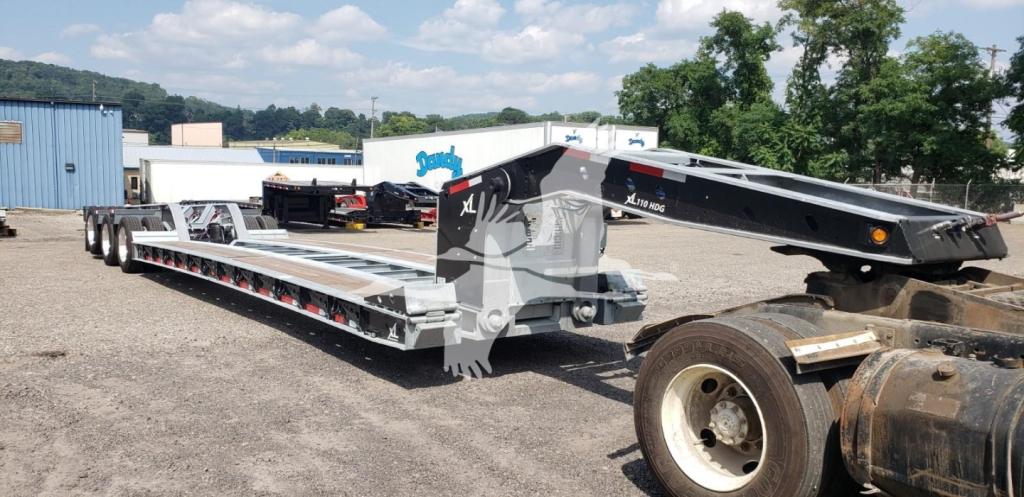
A typical XL Specialized lowboy in this class runs 102 inches wide with a hydraulic non-ground-bearing detachable gooseneck, air ride suspension, and 3-axle rear bogie. Common spec points include 26-foot main deck lengths, 13-foot top decks, 14-foot rear decks, 54 to 54.5-inch axle spacing, and 275/70R22.5 rubber. Many are equipped with apitong flooring, fabricated or perimeter-beam side rails, swing-out outriggers, chain drops on 24-inch centers, multiple bent D-rings, and bucket wells for excavator buckets or boom clearance. Buyers hauling iron every day will also pay close attention to kingpin settings, loaded fifth wheel height, swing clearance, removable wheel covers, and whether the trailer accepts a 4th-axle flip or spreader bar. Those details matter when matching the trailer to a particular tractor, permit envelope, and freight mix.
XL Specialized has a strong reputation in heavy-haul circles because the trailers are designed around real load securement and serviceability needs. Hendrickson air ride suspensions, air lift rear axles, manual dump valves, mechanical raise-and-lower controls, and liquid-filled gauges are all common features that help with loading and leveling on uneven ground. Galvanized versions can be especially attractive in Ohio and other rust-belt markets where road salt shortens paint life and increases corrosion on crossmembers, suspension components, and exposed structure. For buyers running year-round in the Midwest, finish choice is not cosmetic alone. It affects long-term maintenance, resale, and downtime.
The right XL Specialized lowboy depends on the freight more than the badge on the neck. A contractor moving dozers, excavators, and crushers may want the lowest possible deck and rear bridge flexibility with a flip axle connection. A mixed-fleet carrier may prioritize a versatile 55-ton platform with strong tie-down density, front flip ramps, and open boom trough design for varied machinery. If your loads routinely push bridge, axle, or overall height limits, it is worth comparing detachable gooseneck style, rear bogie length, ground clearance under load, and compatibility with jeep or flip axle components before narrowing the field. Those specs determine how often the trailer can be used without special workarounds, and that is where the real value of a heavy-haul lowboy shows up.
Frequently Asked Questions about XL Specialized Lowboy Trailers in Ohio
What is the main advantage of an XL Specialized lowboy trailer?
The main advantage is heavy-haul capability combined with practical loading geometry. XL Specialized lowboy trailers are designed for tall, concentrated equipment loads that need a low deck height, strong tie-down layout, and detachable gooseneck access for driving machinery onto the deck. That combination helps reduce loaded height, improves stability, and makes the trailer more useful for construction, paving, utility, and aggregate equipment.
What should I look at first when comparing XL Specialized lowboys?
Start with ton rating, loaded deck height, main deck length, and axle setup. Those four items tell you whether the trailer fits your freight and permit profile. After that, compare gooseneck style, kingpin settings, axle spacing, ground clearance, rear deck design, and whether the trailer is prepped for a flip axle or additional axle group. Securement layout matters too, especially the number and placement of chain drops, outriggers, and D-rings.
Why does loaded deck height matter so much on a lowboy trailer?
Loaded deck height directly affects legal transport height and center of gravity. A lower deck lets you move taller equipment with fewer route restrictions and often fewer permit complications. It also improves stability on machinery with a high center of mass. On heavy-haul trailers, even a small difference in deck height can determine whether a machine moves as-is or requires disassembly.
Are flip axles important on XL Specialized lowboy trailers?
Yes, if your operation regularly deals with heavier loads or bridge-sensitive states. A flip axle can increase capacity and help distribute weight more effectively across the rear of the trailer. It also gives the trailer more flexibility when load weights vary by job. The key is making sure the base trailer is built with the proper rear connections and that the axle configuration matches your permitting and load distribution needs.
Is a galvanized XL Specialized lowboy worth considering in Ohio?
For many Midwest operators, yes. Galvanized heavy-haul trailers generally resist corrosion better than painted-only units, especially when they are exposed to winter salt, wet job sites, and year-round use. That can help preserve structural condition, reduce cosmetic deterioration, and support resale value over time. It is still important to inspect wear points and maintenance history, but corrosion protection is a real advantage in northern climates.