
Lowboy Trailers For Sale in Kansas
Browse lowboy trailers for heavy equipment hauling, with low deck heights, detachable goosenecks, multi-axle options, and heavy-duty specs.
Selling a lowboy trailer? List your lowboy trailer for sale and reach thousands of commercial buyers.
Lowboy Trailers in Kansas
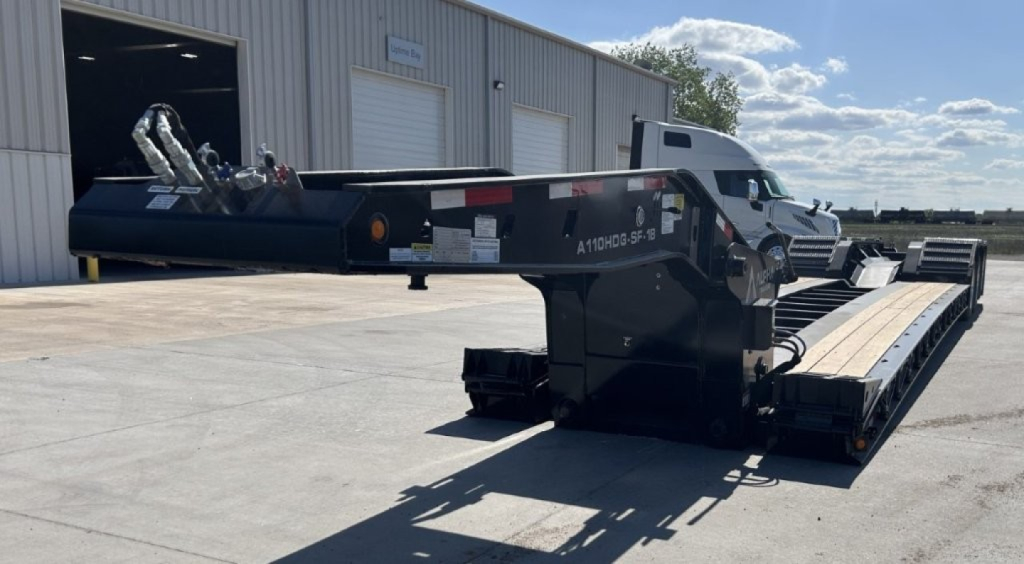
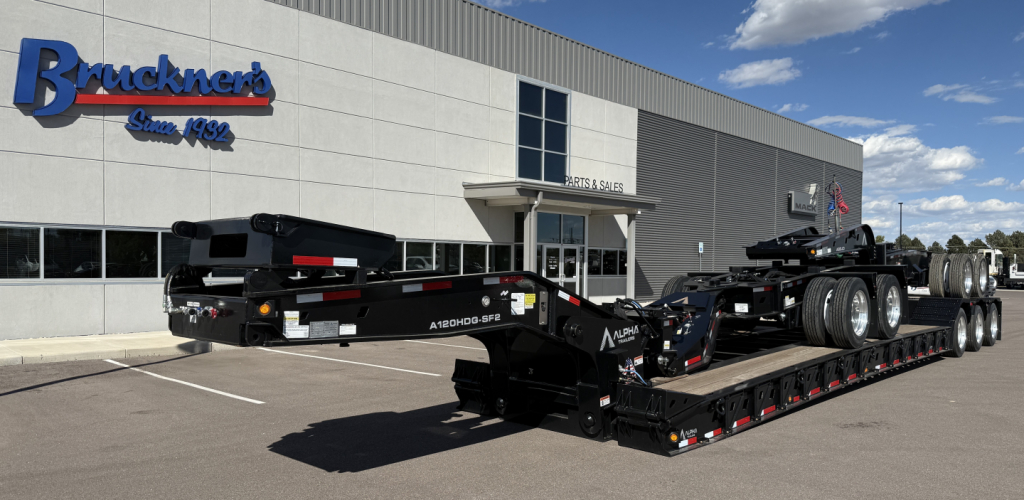
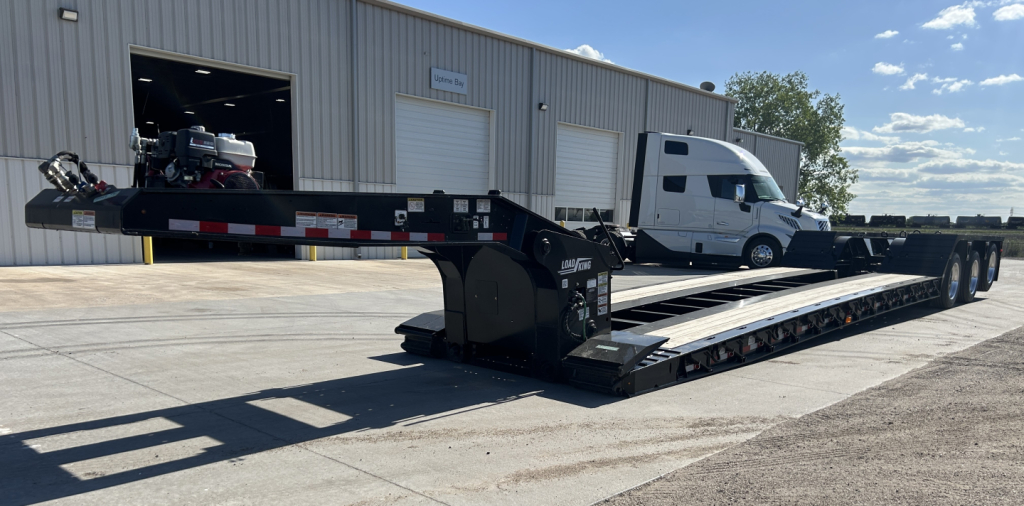
The first buying decision is usually deck configuration and capacity. Common lowboy specs include tandem, tri-axle, and expandable axle setups, with capacities ranging from lighter construction equipment ratings up to 35-ton, 50-ton, and heavier concentrated loads. Mechanical and hydraulic detachable goosenecks are both common, with hydraulic detachable goosenecks often preferred for faster loading and unloading. Pay attention to loaded deck height, deck length, kingpin settings, and swing clearance. A trailer with multiple ride height positions, flip neck extensions, or a lower loaded deck can give you more flexibility when hauling taller machines or handling uneven approach angles.
Axle group, suspension, and deck construction deserve close attention because they directly affect legal payload, tire wear, and long-term durability. Air ride suspension is common on higher-spec lowboys because it helps with load stability and ride quality, while drum brakes remain widely used across the category. Buyers should also look at outer bay reinforcement, upper flange reinforcement, crossmember design, and whether the trailer is set up for future jeep or booster axle additions. Features like outriggers, D-rings, winches, front flip ramps, boom troughs, toolboxes, wheel covers, and onboard scale systems can make a real difference for operators who load varied equipment every day. Tire size, wheel spec, and deck material such as Apitong flooring also affect service life and maintenance cost.
A good lowboy is not just about maximum tonnage on paper. It is about matching the trailer to the machines you actually move, the permits you regularly pull, and the states you operate in. In Kansas, many fleets want a trailer that can handle farm and construction equipment, oilfield support machinery, or regional heavy haul work without being overbuilt for every load. Check deck length against your wheelbase requirements, verify ramp or neck style against the equipment’s ground clearance, and consider how often you need removable accessories, lift axles, or concentrated-load capability. The right lowboy trailer should load safely, track well under weight, and fit your hauling profile without adding unnecessary complexity.
Frequently Asked Questions about Lowboy Trailers in Kansas
What is a lowboy trailer used for?
A lowboy trailer is used to haul tall, heavy equipment that needs a lower deck height than a flatbed or step deck can provide. Common loads include excavators, bulldozers, wheel loaders, motor graders, pavers, rollers, and other off-road machinery. The lower deck helps keep overall loaded height within legal limits while improving stability for heavy equipment hauling.
What is the difference between a lowboy and a detachable gooseneck trailer?
A lowboy describes the trailer style with a dropped deck built for heavy equipment. A detachable gooseneck refers to the loading method, where the neck disconnects so equipment can be driven onto the deck from the front. Many lowboys are detachable gooseneck trailers, including mechanical and hydraulic detachable gooseneck designs, but the key buying point is how the neck type affects loading speed, maintenance, and operator convenience.
How do I choose the right lowboy trailer capacity?
Start with the actual operating weight of the machines you haul most often, then compare that to the trailer’s distributed and concentrated load ratings. Capacity should be matched with axle count, deck length, neck design, and the states where the trailer will run. Buyers should also consider future needs, especially if the trailer may later require a jeep, booster, or additional axle configuration for heavier permitted loads.
What deck height matters most on a lowboy trailer?
Loaded deck height is one of the most important lowboy specs because it affects legal clearance, center of gravity, and what machines can be hauled without permit complications. Lower deck heights are especially useful for tall construction and agricultural equipment. Buyers should compare loaded deck height along with load angle, neck swing, and rear loading setup to make sure the trailer fits their typical machines and routes.
Are tri-axle lowboy trailers a common choice?
Yes. Tri-axle lowboy trailers are common because they offer a strong balance of capacity, weight distribution, and maneuverability for regional heavy equipment hauling. They are often used for construction fleets and owner-operators moving mid-size to heavy machines. Depending on the load and jurisdiction, some buyers step up to trailers designed for additional axles or spread configurations to improve legal payload and permit flexibility.