
Used Commercial Trucks For Sale in Georgia
Used trucks for sale in Georgia, from day cabs and sleepers to box, and dump trucks, with specs that balance payload, tare weight, durability, uptime.
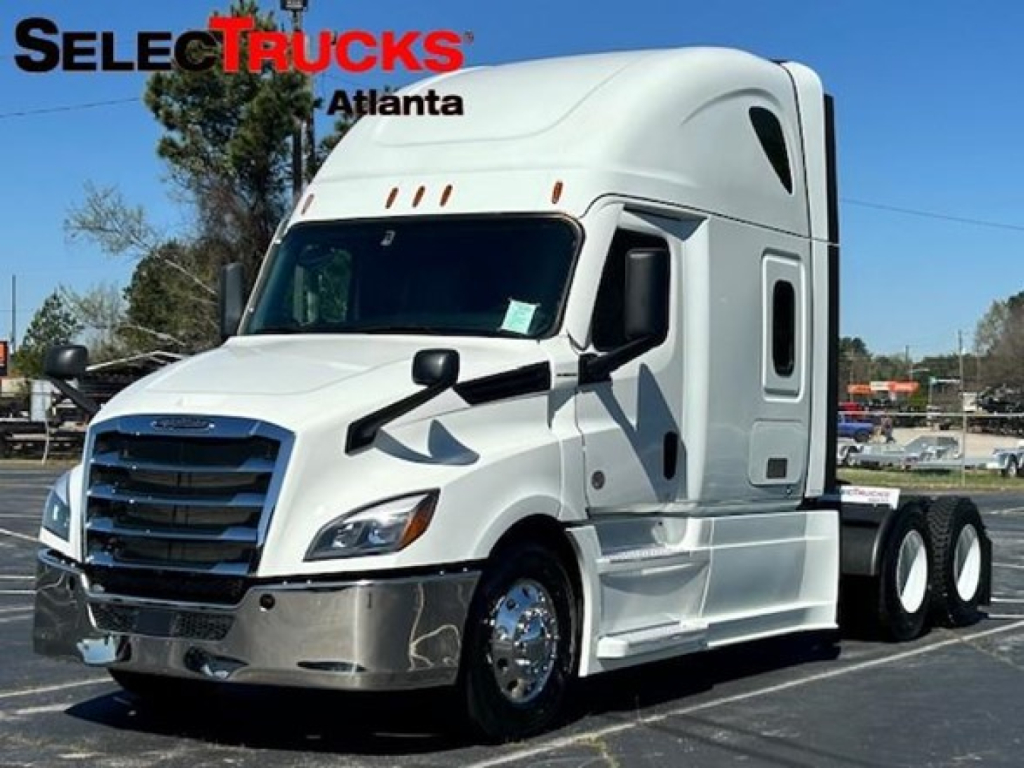
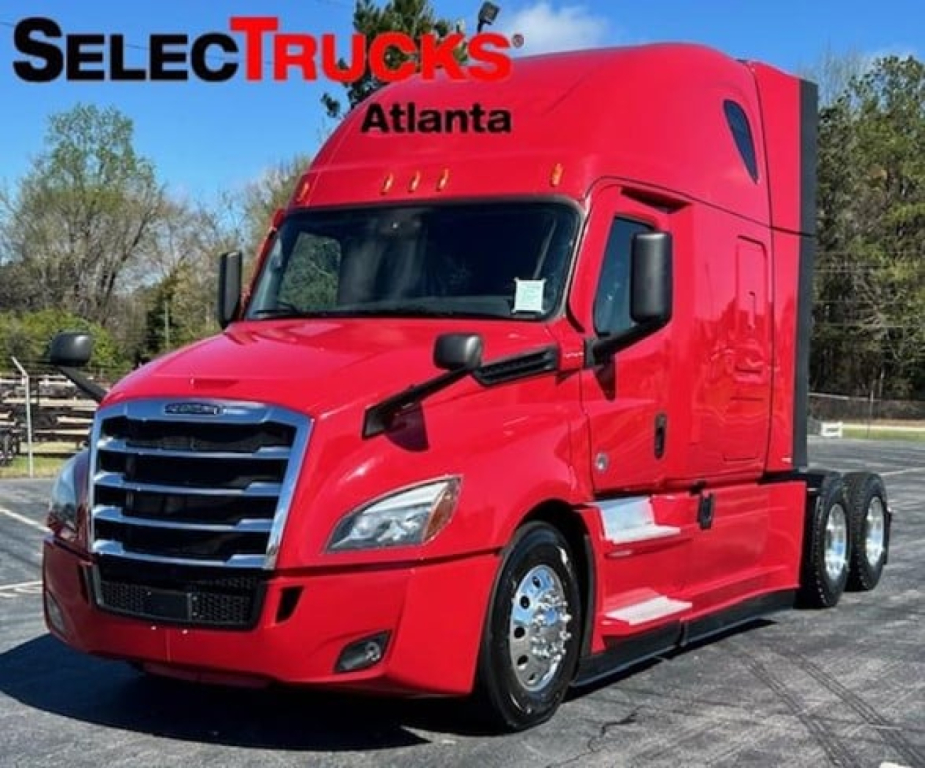
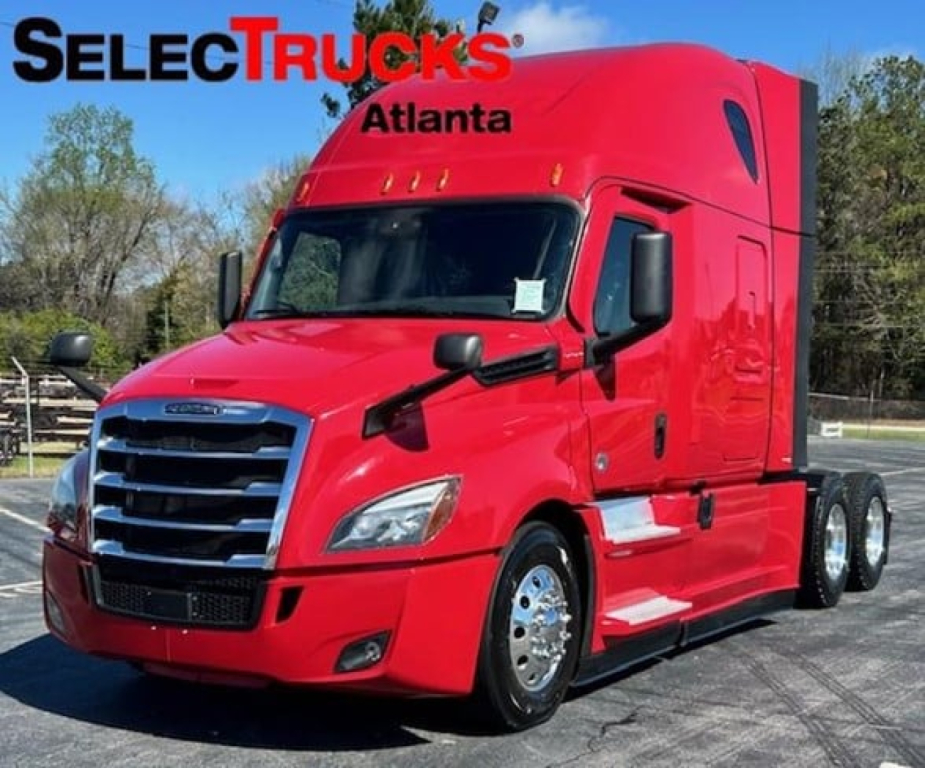
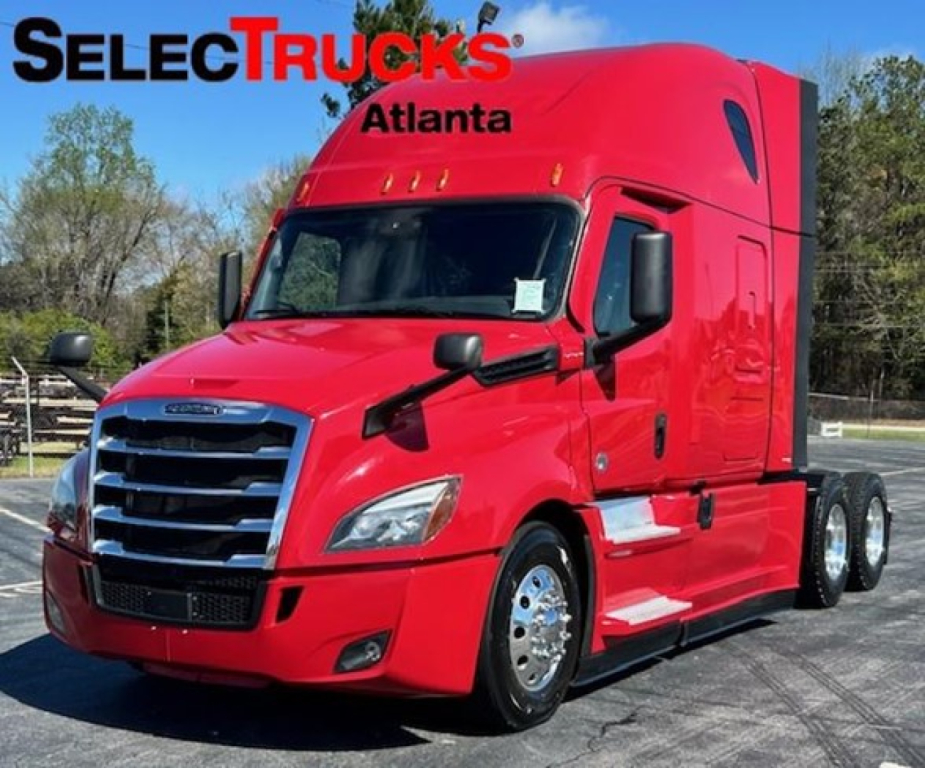
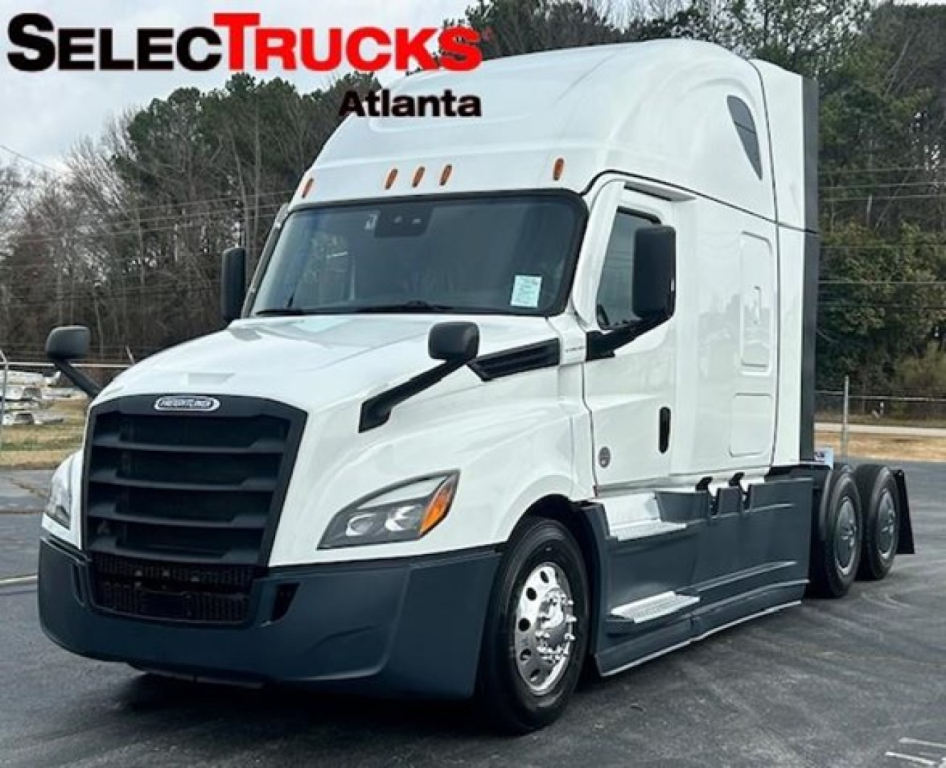
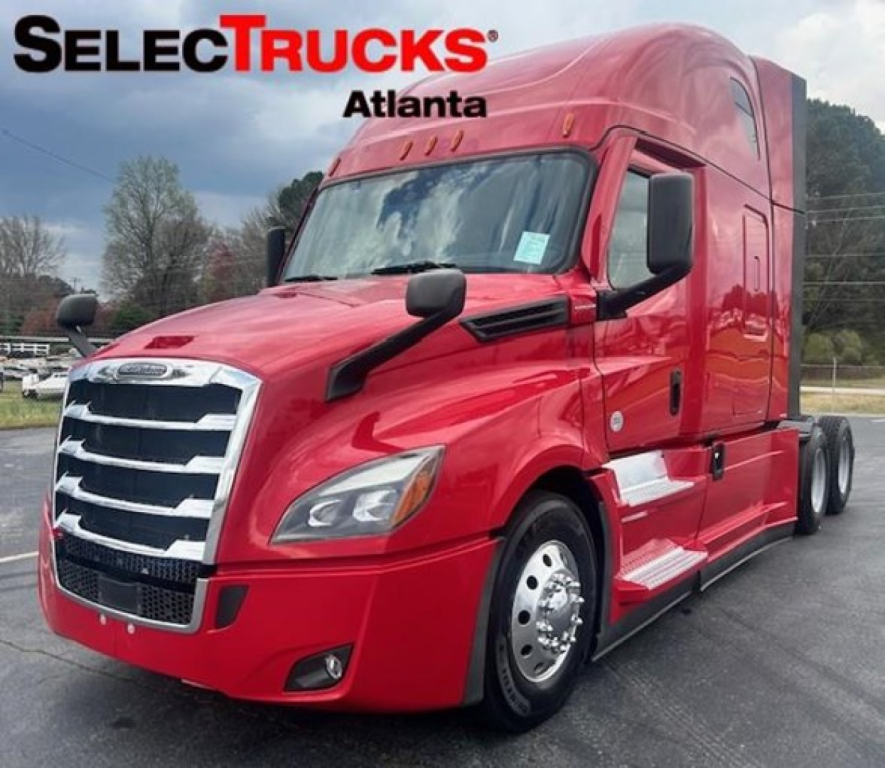
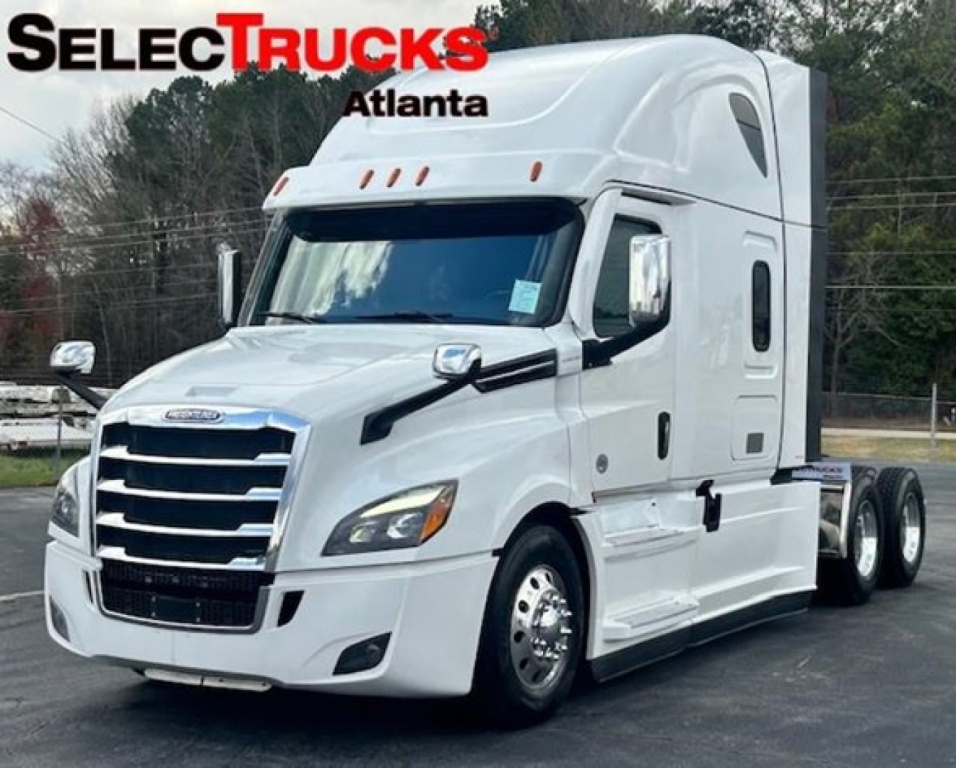
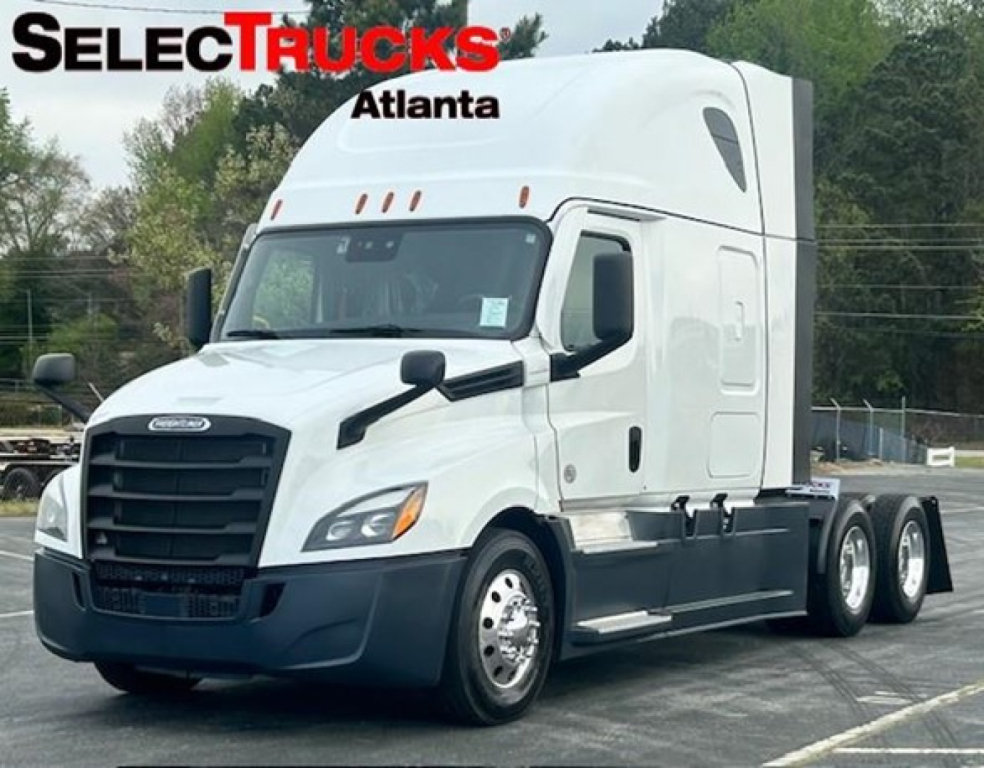
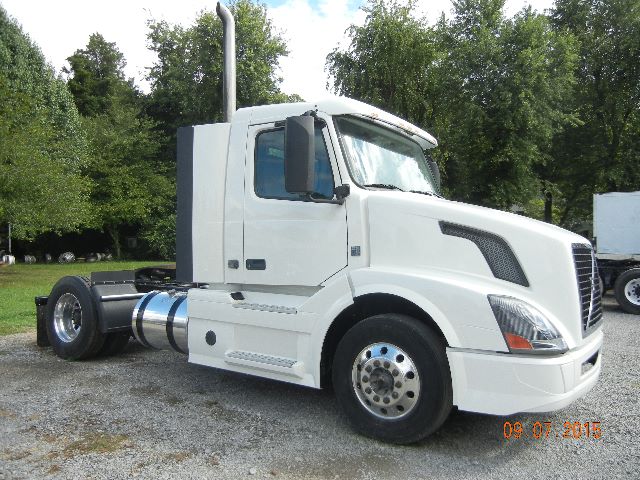
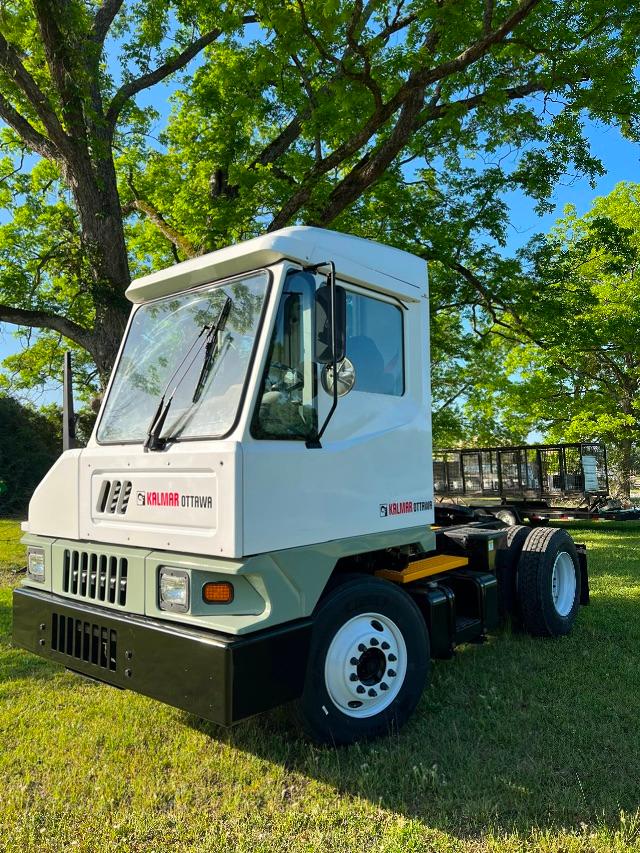
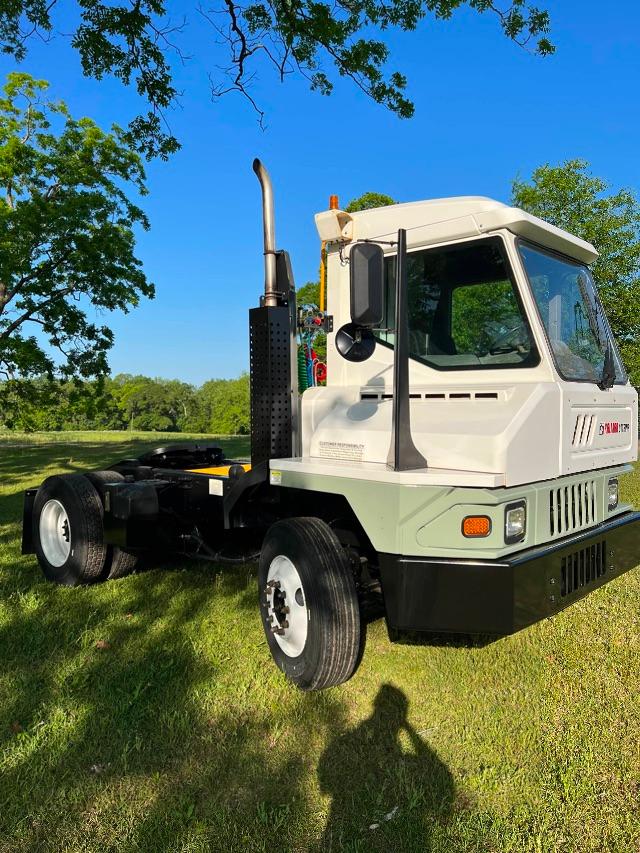
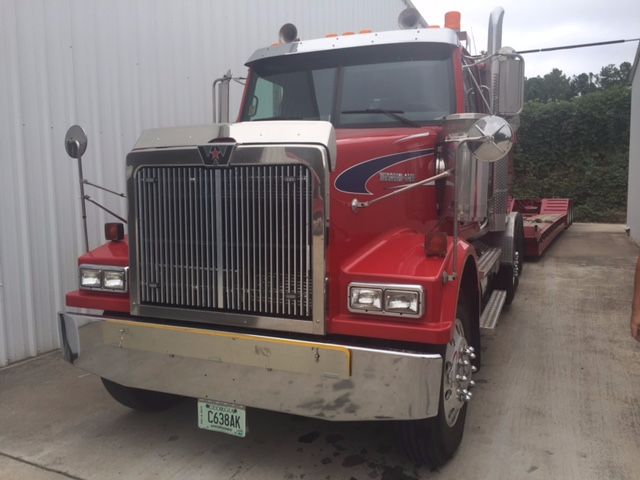

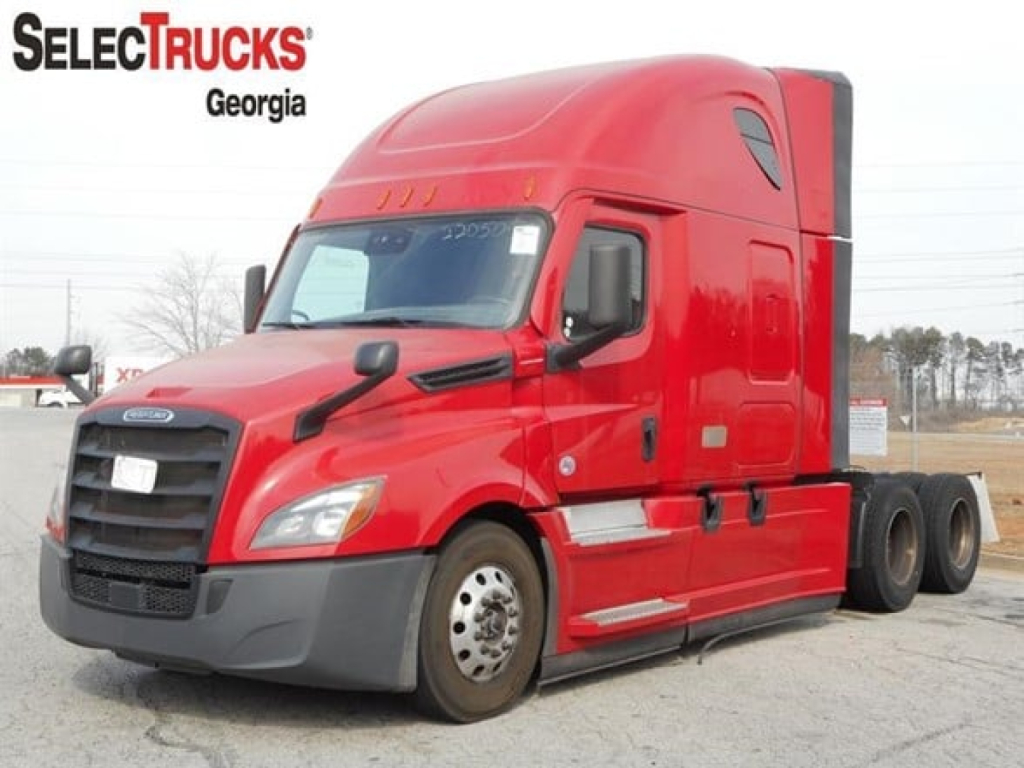
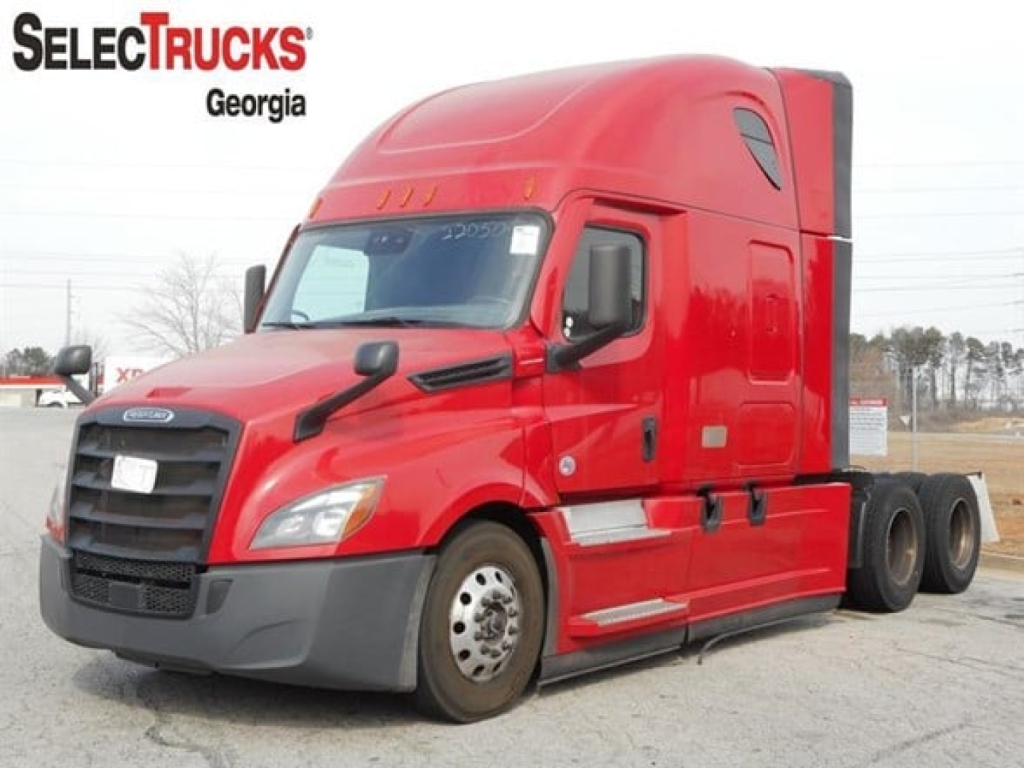
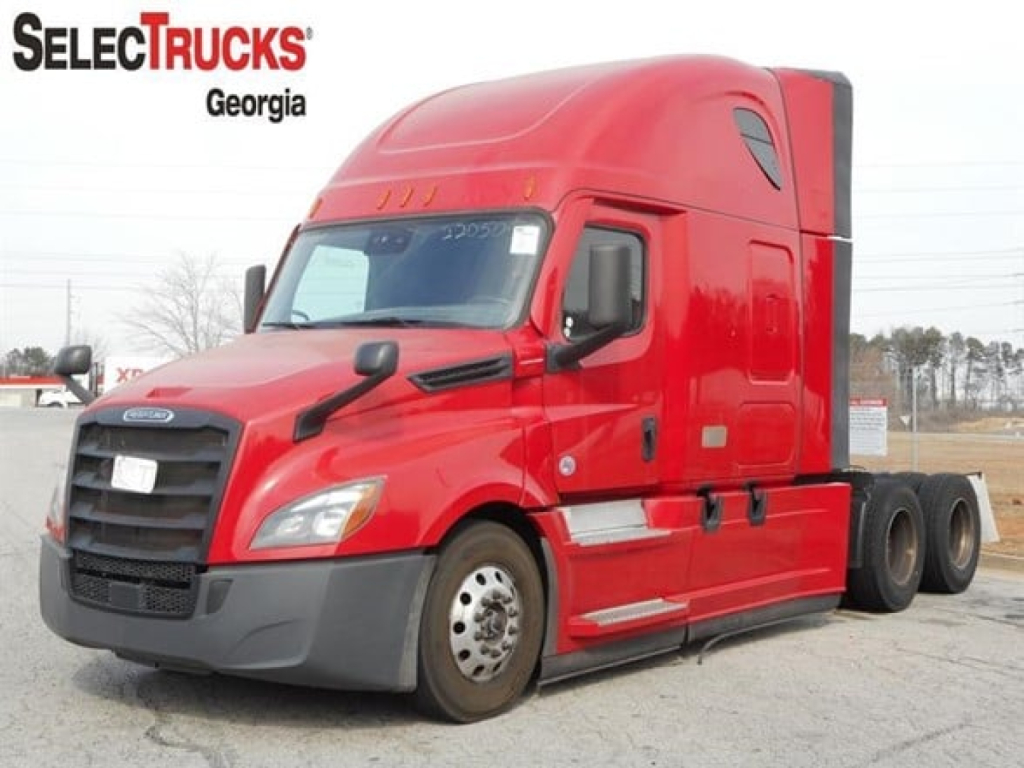
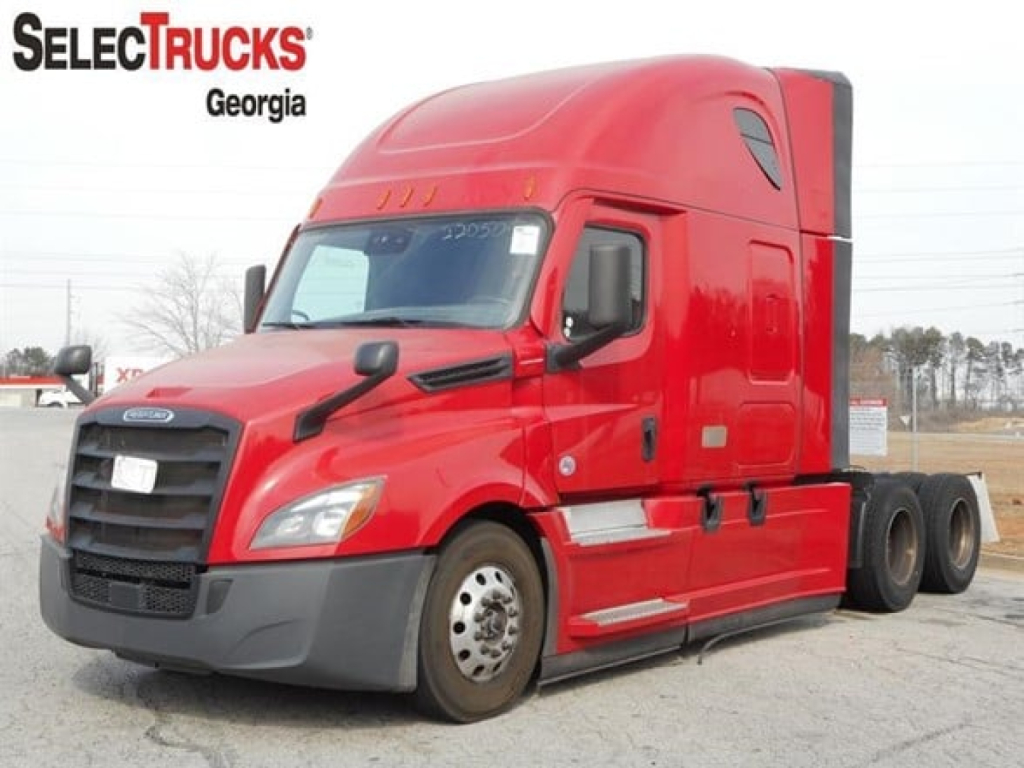
Showing 73 to 96 of 157 results
Have used commercial truck to sell? List it here to reach thousands of buyers.
Used Commercial Trucks in Georgia
For sleepers and day cabs, look for drivetrain combinations that hold top gear efficiently at your target speed. Direct drive with low numeric ratios suits sustained highway work, while overdrive with mid range ratios offers flexibility in mixed terrain. Automated manuals reduce driver fatigue and can protect clutches, while 13 and 18 speed manuals still shine in heavy or hilly duty. Tare weight drives payload and tire life, so note aluminum wheels, disc brakes, single compressor APUs, and fairing packages that cut drag without adding excess mass. Inspect the 5th wheel slider for even wear and locking integrity, and check brake drums or rotors for heat checking that signals past abuse.
Box and reefer straight trucks demand attention to floor strength and thermal integrity. A laminated hardwood or extruded aluminum floor with tight crossmember spacing resists point loading from pallet jacks and forklifts, and many bodies carry a floor rating in pounds per fork truck, not just static payload. Scuff liners, e track, corner caps, and threshold plates protect sidewalls and rear openings, which preserves structure and resale. For refrigerated bodies, inspect insulation thickness and continuity, door seals, vapor barriers, and drain systems, then confirm the unit can pull down and hold setpoint with a documented service history and reasonable engine hours.
Vocational units such as dump, grapple, or service trucks should be evaluated for body material and corrosion protection. AR steel resists abrasion in aggregate work, aluminum bodies trim tare weight and improve payload on lighter materials, and stainless or galvanized subframes add corrosion resistance around salt contaminated job sites. Check PTO operation, hydraulic lines, and body pivot points for leaks and play. Across all categories, review aftertreatment health, including DPF service records, SCR components, and sensor histories, since forced regens, fault codes, and cracked DEF lines raise operating costs. A clean dyno sheet, oil and coolant analyses, and verifiable maintenance intervals provide the best picture of uptime and total cost of ownership on Georgia based trucks.
Frequently Asked Questions about Used Commercial Trucks in Georgia
What drivetrain specs work best for Georgia highway routes?
For steady interstate speeds around 65 to 70 mph, many fleets pair direct drive transmissions with low numeric axle ratios to keep engine rpm in the sweet spot. Overdrive gearboxes with mid range ratios fit mixed urban and rural lanes. Match tire size and wheelbase to the ratio choice, and verify the engine’s torque curve supports top gear on your typical grades without frequent downshifts.
How do I evaluate corrosion on a used truck in Georgia?
Georgia trucks usually see less road salt, which reduces frame scaling, but you should still inspect frame flanges, crossmembers, suspension hangers, cab mounts, battery boxes, and aluminum components for pitting or paint blistering. Look closely at dump and vocational subframes that handle abrasive or corrosive loads. Check wiring harness seals and grounds for oxidation, and confirm the cab and frame coatings are intact with no delamination.
What should I look for in van and reefer truck floors and bodies?
Confirm the floor’s fork truck rating, crossmember spacing, and material type, since hardwood and extruded aluminum perform differently under point loads. Inspect scuff liners, e track, and rear threshold plates for impact damage. On reefers, assess insulation continuity, door gaskets, vapor barriers, and drain lines, then perform a pull down test to the lowest setpoint your freight requires and review unit hours and service logs.
How does tare weight affect payload and operating cost?
Lower tare weight increases legal payload and can reduce tire and brake wear. Look for weight savers like aluminum wheels, disc brakes, smaller or fewer fuel tanks matched to route length, and lightweight body materials where appropriate. Balance savings with durability, since some applications justify heavier components for longer service life.
Which aftertreatment items should be checked before purchase?
Review DPF cleaning or replacement records, SCR catalyst health, NOx and differential pressure sensor histories, DEF pump and line condition, and any forced regen frequency. Verify there are no active fault codes, ensure the system completes an automatic regen, and inspect for leaks or crystallization around DEF components. A healthy aftertreatment system is critical to uptime and fuel economy.