
Used Dump Trucks For Sale in Georgia
Browse used dump trucks in Georgia, including tandem axle and single axle models for hauling gravel, asphalt, dirt, debris, and site materials.
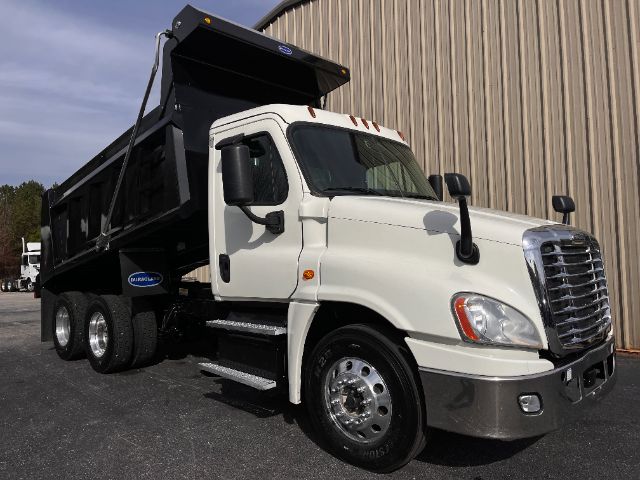
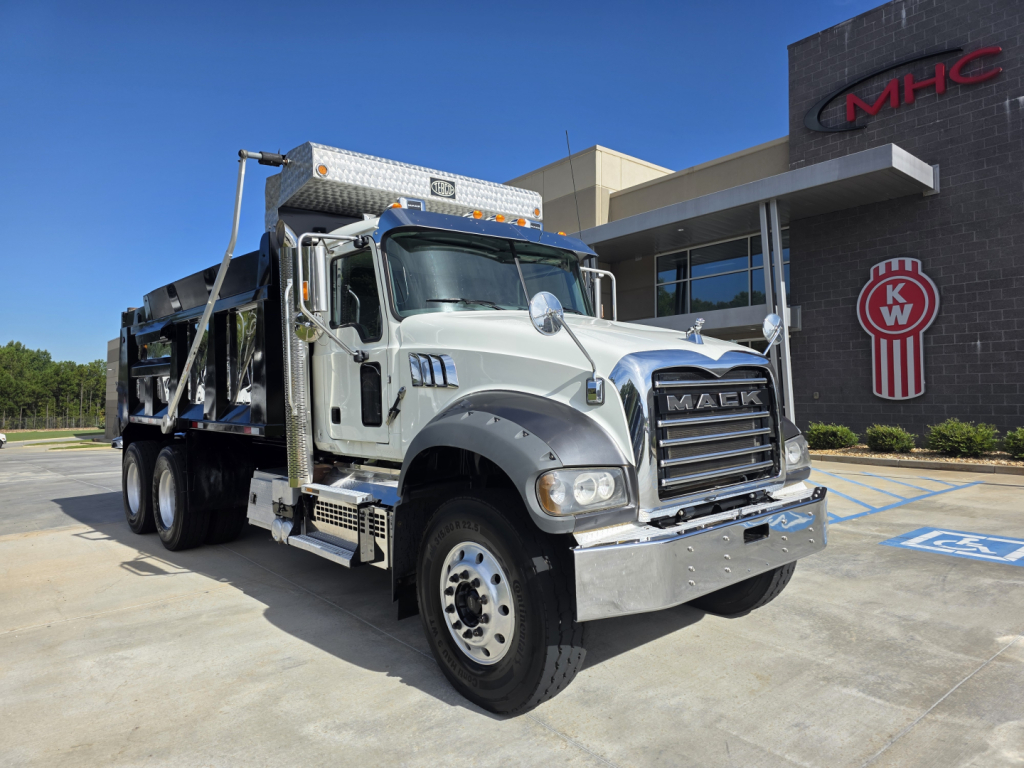
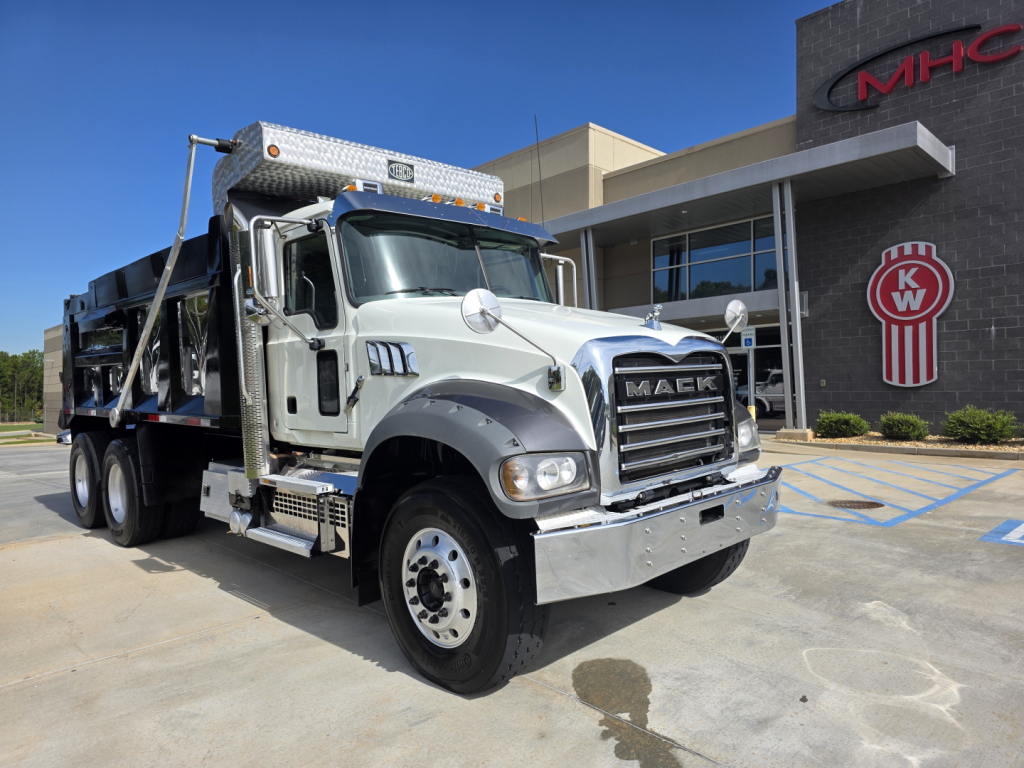
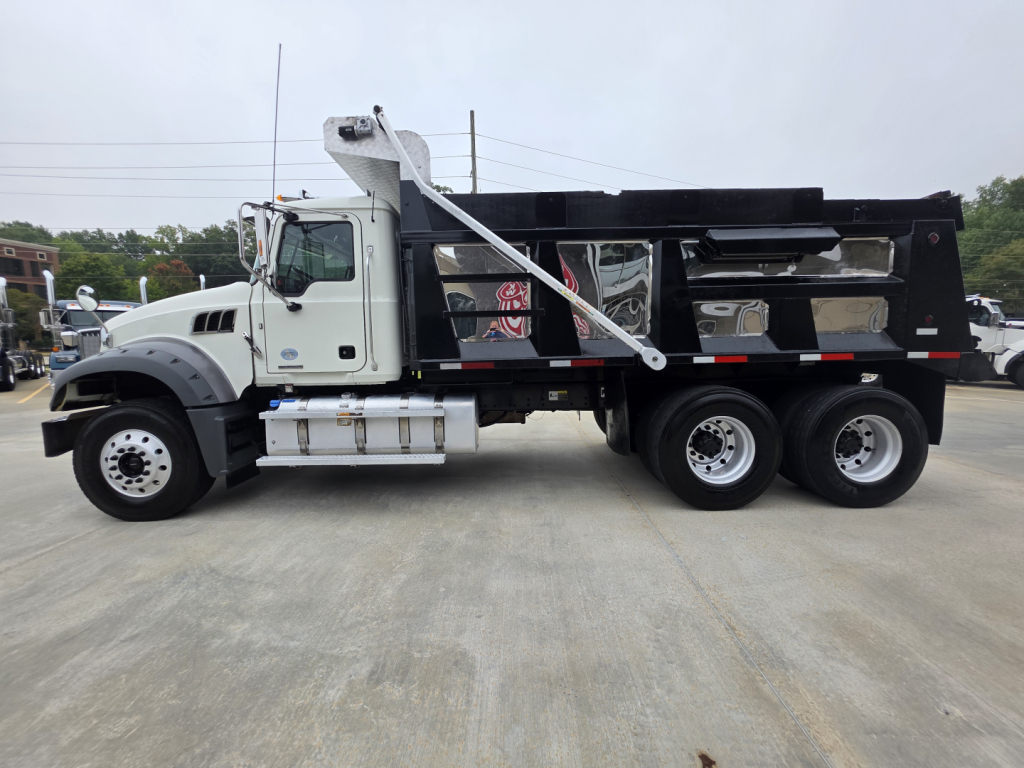
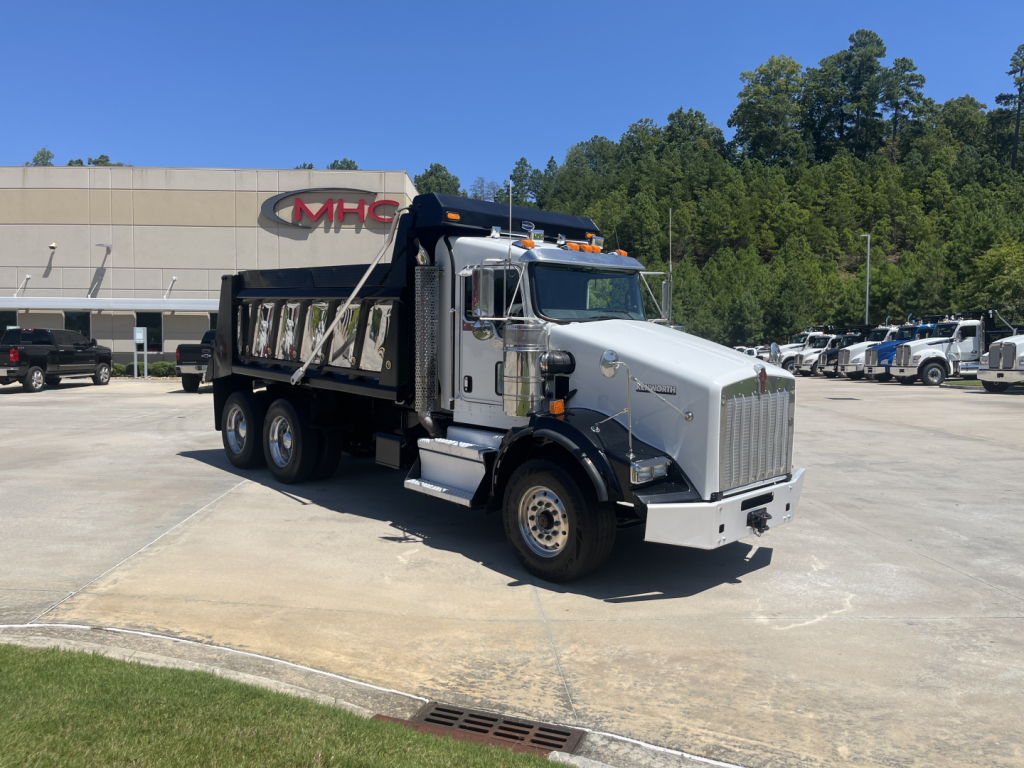
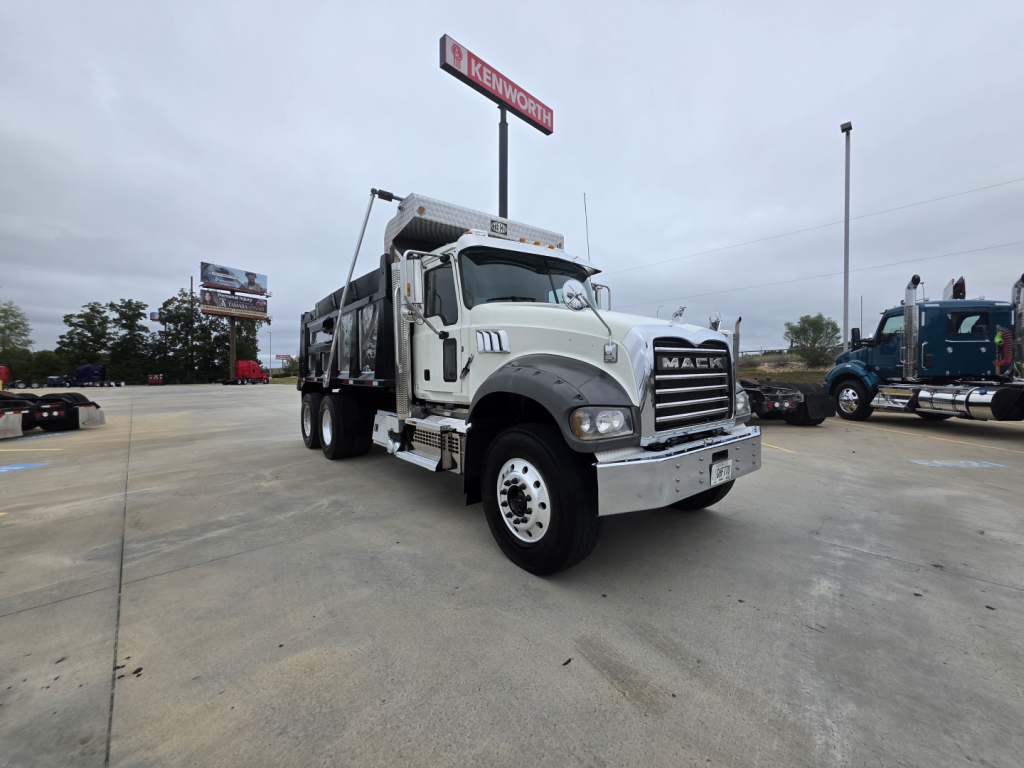
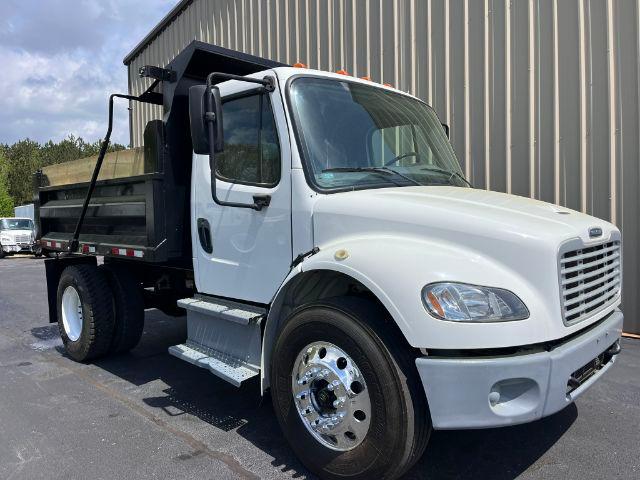
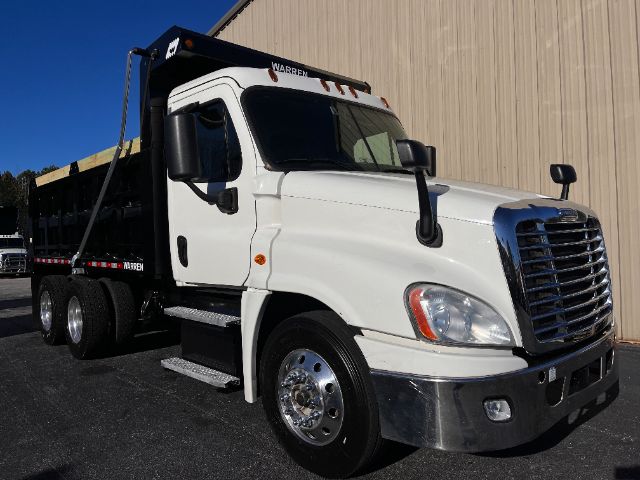

Selling a used dump truck? List your used dump truck for sale and reach thousands of commercial buyers.
Used Dump Trucks in Georgia
A good dump truck spec starts with the work it needs to do every day. For tighter jobsites, paving support, or municipal service, a single axle dump truck can be easier to maneuver and cheaper to run. For hauling stone, wet sand, millings, or heavier dirt in Georgia construction and quarry work, tandem axle dump trucks are more common because they offer higher GVWR and better payload potential. Pay close attention to front axle and rear axle ratings, suspension type, wheelbase, frame condition, hoist design, and body construction. Steel bodies are common for abrasive materials, while details such as air tailgates, electric tarps, pintle hitches, tow packages, and engine brakes can make a real difference in day-to-day productivity.
On used units, condition matters as much as base spec. Inspect the dump body floor, crossmembers, hinge points, hoist cylinder, trunnions, and tailgate hardware for cracks, distortion, or fresh weld repairs. Check for corrosion around the cab mounts, frame rails, and underbody, especially on trucks that have seen municipal or fleet service. Powertrain choices often include diesel engines from Cummins, Detroit, Caterpillar, Mack, or International, with horsepower commonly falling in the 250 to 500 range depending on truck class and intended payload. Automatic transmissions are popular in stop-and-go hauling and mixed-driver fleets, while manual transmissions still appeal to operators who want simple driveline control and lower replacement cost.
Georgia buyers should also consider legal operating weight, route type, and body style before narrowing down listings. A 15 to 17 yard body may suit many general construction jobs, but heavier material can limit practical payload well before body volume is full. Look at tire size, remaining tread, brake type, locking differential spec, PTO engagement, and any evidence of hydraulic leaks or delayed bed lift. If the truck will spend time on soft ground or steep grades, traction spec, suspension setup, and engine brake performance become more important than paint or interior condition. A well-matched used dump truck should haul efficiently, cycle cleanly, and hold up under repeated loading without turning routine maintenance into downtime.
Frequently Asked Questions about Used Dump Trucks in Georgia
What is the difference between a single axle and tandem axle dump truck?
A single axle dump truck typically offers better maneuverability, lower operating cost, and easier navigation on tighter jobsites or urban routes. A tandem axle dump truck has two rear drive axles, higher GVWR, and greater payload potential, which makes it the more common choice for heavier hauling such as gravel, asphalt, sand, and excavation material. The right choice depends on legal weight limits, haul distance, site access, and the density of the material being moved.
What should I inspect first on a used dump truck?
Start with the frame, dump body, and hydraulic system because those components define the truck's working value. Look for cracks, heavy rust, twisted frame rails, patched floors, worn hinge pins, leaking hoists, and tailgate issues. After that, evaluate the engine, transmission, PTO operation, suspension, brakes, and axle ratings. A used dump truck can look acceptable cosmetically while still having expensive structural or hydraulic problems underneath.
How many yards can a dump truck haul?
Dump truck capacity is usually described in cubic yards, but usable payload depends on the material. Many vocational dump trucks carry bodies in the 10 to 20 yard range, with common examples around 15 to 17 yards. Light material such as mulch may fill the body before gross weight becomes a concern, while dense material such as wet sand, rock, or asphalt can put the truck at weight limit before the body is full. Buyers should match body size to both material density and axle ratings.
Are automatic or manual transmissions better in a dump truck?
Automatic transmissions are widely used in dump trucks because they reduce driver fatigue, improve consistency in stop-and-go work, and can be easier on driveline components in mixed-driver fleets. Manual transmissions remain popular with experienced operators who want direct gear control, especially on rough terrain or specialized hauling routes. The better option depends on driver experience, maintenance preferences, and how much time the truck spends in traffic, jobsites, or off-road conditions.
What body features are most useful on a dump truck?
Useful dump body features depend on the work, but many buyers prioritize a durable steel body, a reliable hoist, and a tailgate that matches the material being hauled. Air-operated tailgates, electric tarps, cab controls, pintle hitches, tow packages, and liner options can improve safety and cycle time. For abrasive or sticky loads, body floor condition, gate seal, and smooth hoist operation are often more important than appearance because they directly affect unloading performance and cleanup time.