
Used Freightliner Dump Trucks For Sale in Georgia
Shop used Freightliner dump trucks for sale in Georgia. Compare M2 and Cascadia specs, GVWR, body sizes, drivetrains, and jobsite features.
Selling a used freightliner dump truck? List your used freightliner dump truck for sale and reach thousands of commercial buyers.
Used Freightliner Dump Trucks in Georgia
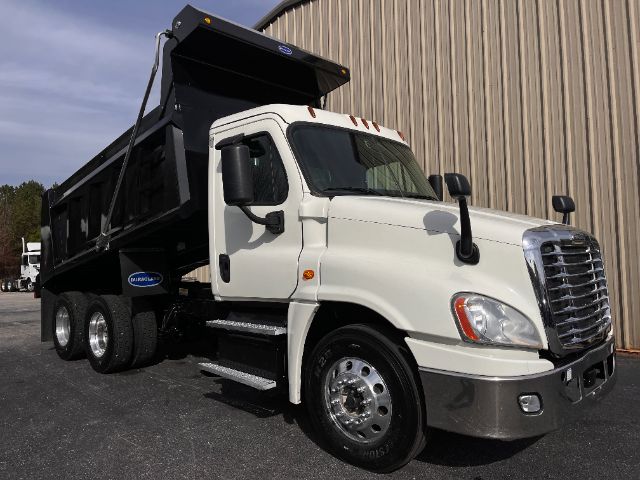
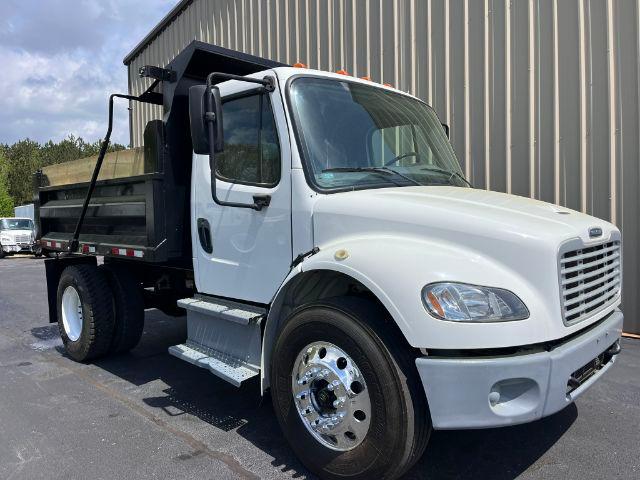
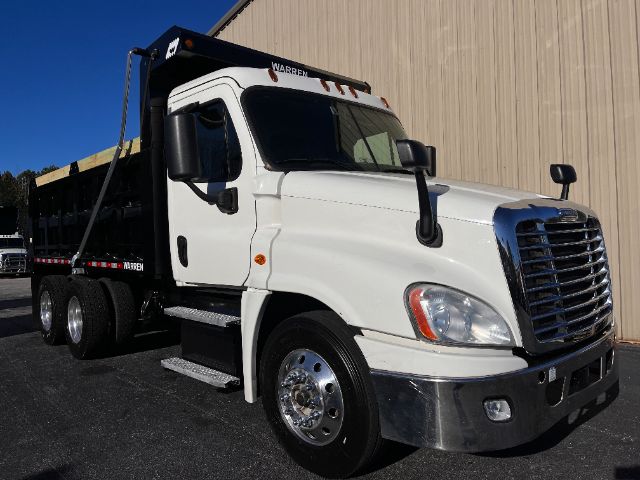
The first decision is usually axle configuration, GVWR, and body size. A single-axle M2 dump truck is often a practical fit for local hauling, utility crews, paving support, and tight residential access where maneuverability matters more than payload. These trucks are commonly spec'd around 26,000 GVWR with shorter wheelbases, steel bodies around 10 feet, PTO-driven hoists, and spring suspension for stability under load. Tandem-axle Freightliner dump trucks push into much heavier ratings, often with front axles in the 14,000-pound range and rears at 40,000 to 46,000 pounds, paired with 15-foot to 15.5-foot bodies. In Georgia, that kind of setup is common for moving dirt, rock, millings, and demolition material between pits, plants, and jobsites.
Powertrain choice matters because dump trucks spend their lives in stop-and-go cycles, PTO operation, and mixed highway and off-road use. Freightliner dump trucks in this category are commonly equipped with Detroit DD13 or Cummins diesel engines, backed by Allison automatic or Eaton-Fuller automated and manual transmissions depending on the intended work. Buyers comparing used trucks should pay attention to horsepower and torque ratings, engine brake spec, rear axle ratio, and suspension type. Air ride can improve road comfort and bridge legal setups on certain tandem applications, while spring suspension remains popular for rugged vocational service. It also makes sense to inspect PTO operation, hoist performance, body floor thickness, tailgate design, tarp system, and signs of frame or body cracking near the hinge area, crossmembers, and hoist mounts.
Body and upfit details often determine how well a used Freightliner dump truck fits the work. Common features include air-operated tailgates, electric tarp systems, tow packages, pintle hitches, asphalt gates, and durable steel dump bodies from brands such as Duraclass or Ledwell. A buyer in Georgia should also look closely at corrosion, not just in the body but in wiring, hydraulic plumbing, and under-cab components exposed to mud and road chemicals. Tire size, wheel material, wheelbase, and empty weight all affect legal payload and operating cost. The best used Freightliner dump truck is not just the one with the newest year or lowest miles. It is the one with the right axle ratings, body capacity, driveline spec, and vocational history for the type of hauling it will do every day.
Frequently Asked Questions about Used Freightliner Dump Trucks in Georgia
What is the difference between a Freightliner M2 106 dump truck and a Freightliner Cascadia dump truck?
The Freightliner M2 106 is typically a true vocational chassis used for lighter to medium-duty dump applications, often in single-axle form with shorter wheelbases and lower GVWR ratings. It is a strong fit for municipalities, landscapers, utility contractors, and local material delivery. A Freightliner Cascadia dump truck is usually a heavier Class 8 platform, often built as a tandem axle with higher front and rear axle ratings, longer bodies, and more highway-oriented comfort. Buyers hauling aggregate, dirt, asphalt, or demolition debris over longer routes often prefer the higher-capacity Cascadia-based setup.
What GVWR should I look for in a used Freightliner dump truck?
The right GVWR depends on your payload target, route type, and axle configuration. A 26,000 GVWR single-axle truck works well for jobs where CDL thresholds, maneuverability, and lighter material loads are key factors. Heavier tandem-axle Freightliner dump trucks can exceed 50,000 pounds GVWR and are better suited for aggregate, excavation, paving, and construction hauling. Buyers should match GVWR to legal bridge requirements, empty weight, body size, and the density of the material being hauled so the truck can carry a profitable load without being over-spec'd.
Are automatic transmissions a good choice in a used dump truck?
Yes, automatic and automated transmissions are common in used dump trucks because they reduce driver fatigue, improve consistency in stop-and-go work, and can make it easier to hire drivers. Allison automatics are especially popular in vocational applications because they perform well in low-speed maneuvering and PTO-related work. Eaton-Fuller automated transmissions are also common on heavier tandem trucks and can offer a good balance of driver comfort and fuel efficiency. The key is to confirm the transmission matches the truck's engine torque rating, rear axle ratio, and intended hauling conditions.
What should I inspect on a used Freightliner dump body and hoist system?
Inspect the dump body for floor wear, sidewall damage, tailgate alignment, hinge wear, and repairs around stress points. Look closely at the hoist, hydraulic lines, PTO engagement, cylinder seals, and body mounts for leaks or cracking. Check that the tarp system operates properly and that any air tailgate opens and seals as intended. It is also important to inspect the frame rails, crossmembers, and rear suspension area for signs of overload, corrosion, or previous structural repair, because dump service puts repeated stress on these components.
Why does empty weight matter when buying a used Freightliner dump truck?
Empty weight directly affects legal payload. Two dump trucks with the same GVWR can carry very different net loads if one has a heavier body, longer wheelbase, or additional equipment such as lift axles, tow packages, or heavy-duty suspensions. In practical terms, a lighter truck may haul more material per trip, while a heavier truck may offer better durability or application flexibility. Buyers should compare empty weight against axle ratings, body dimensions, and the type of material they haul most often to understand the truck's true earning potential.