
Used Yard Trucks For Sale in Georgia
Shop used yard trucks for sale in Georgia, including Ottawa, Kalmar, Capacity, and TICO spotters for terminal, warehouse, and port work.
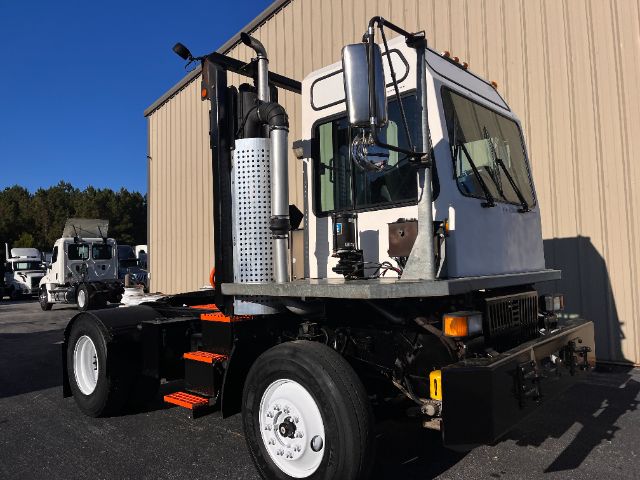
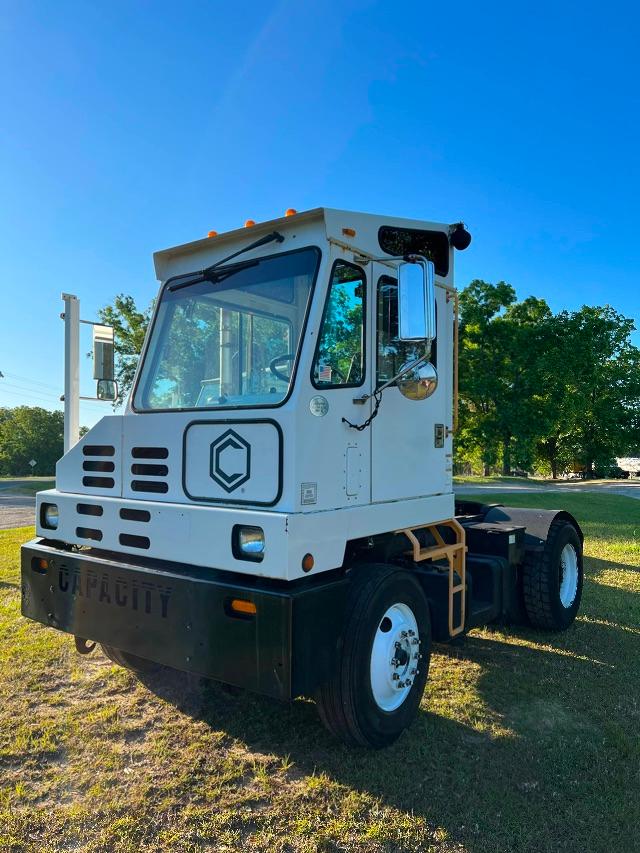
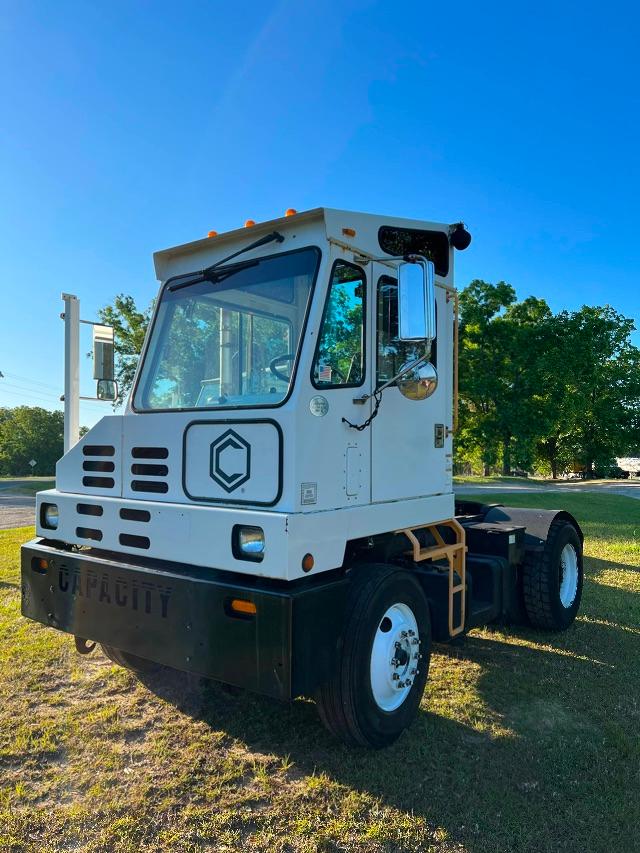
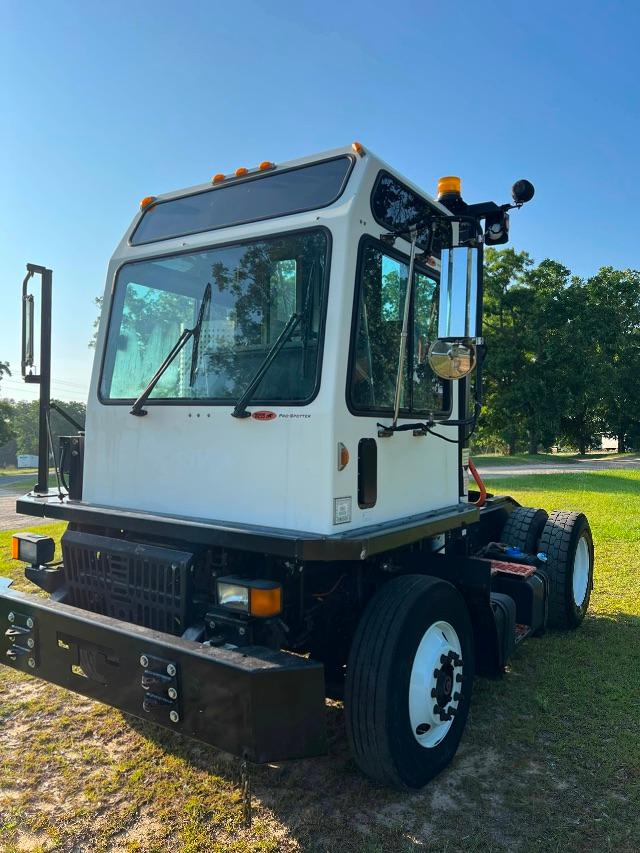
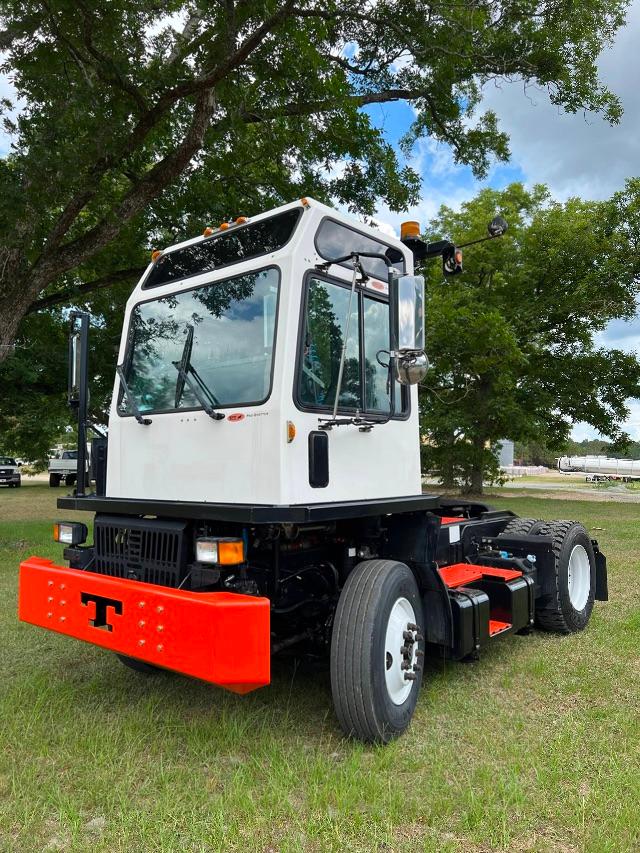
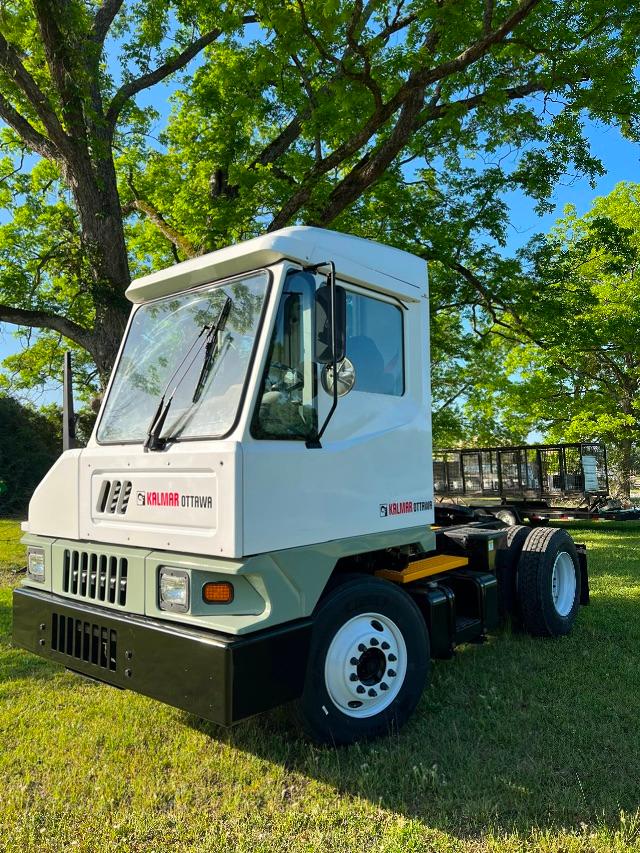
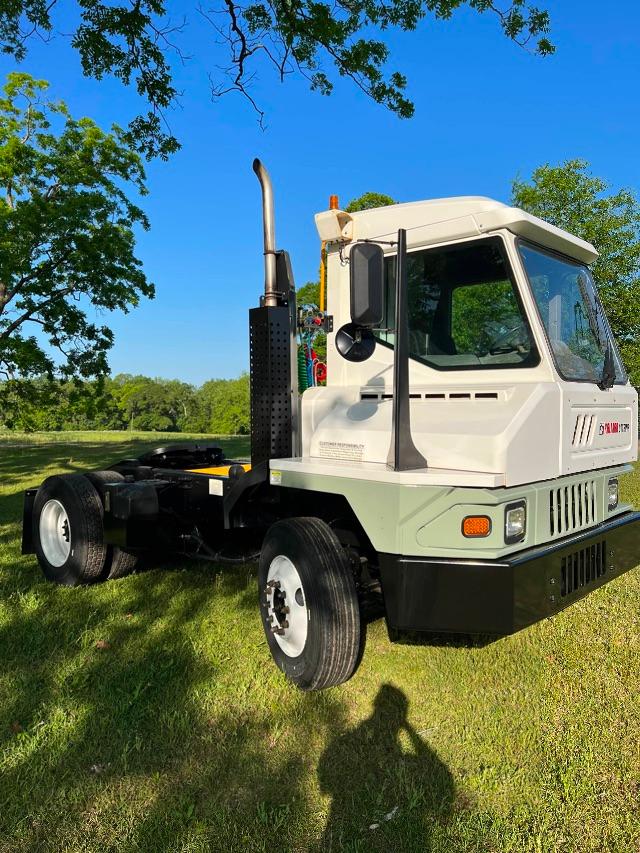
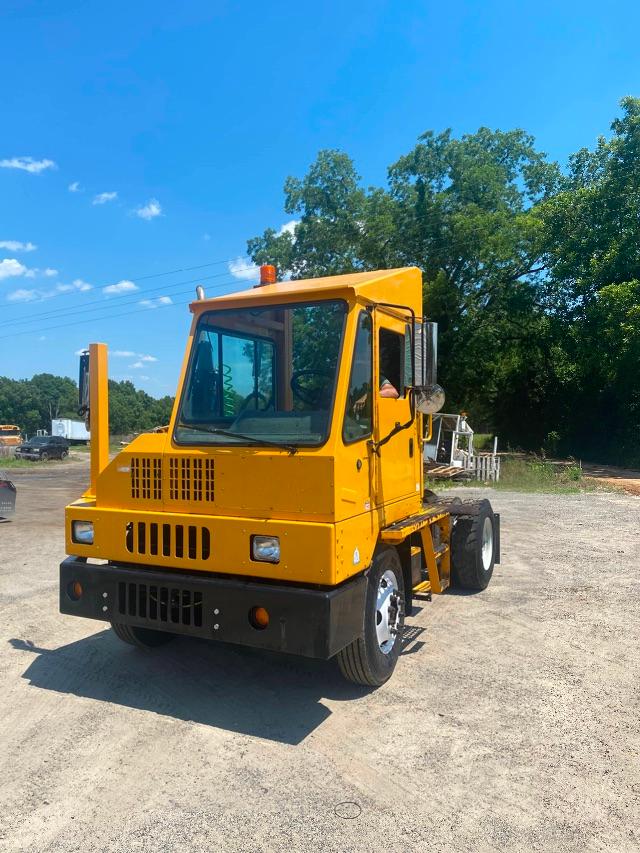
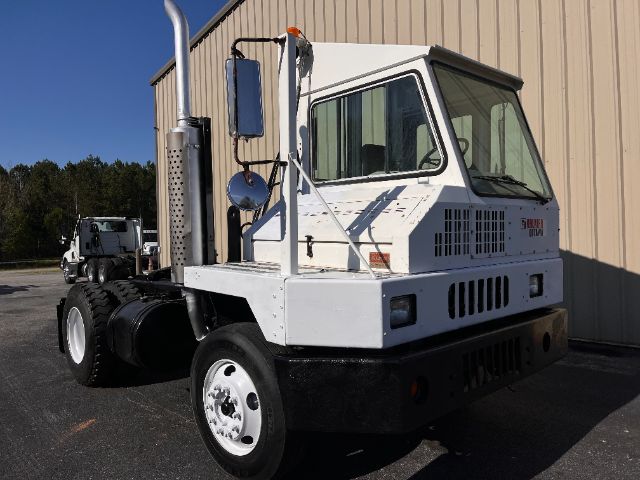
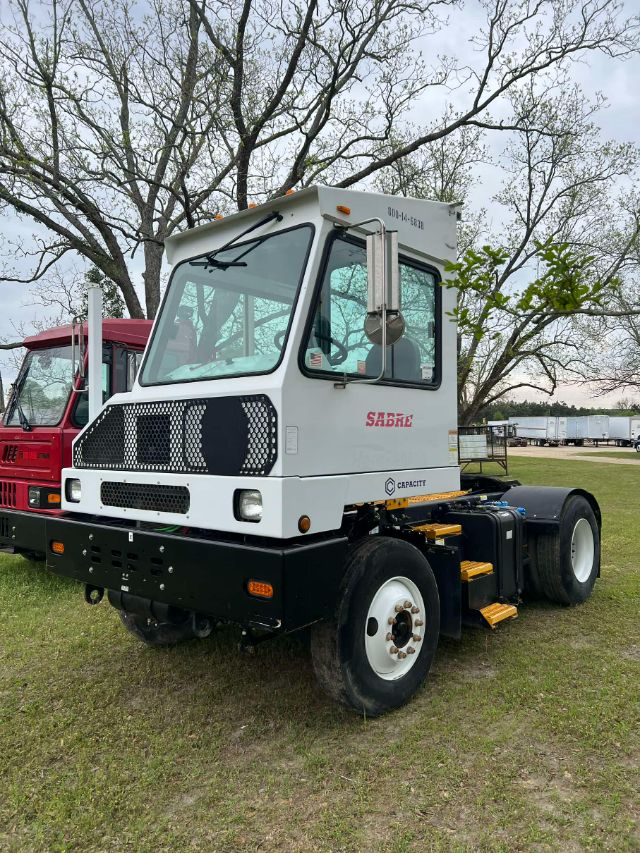
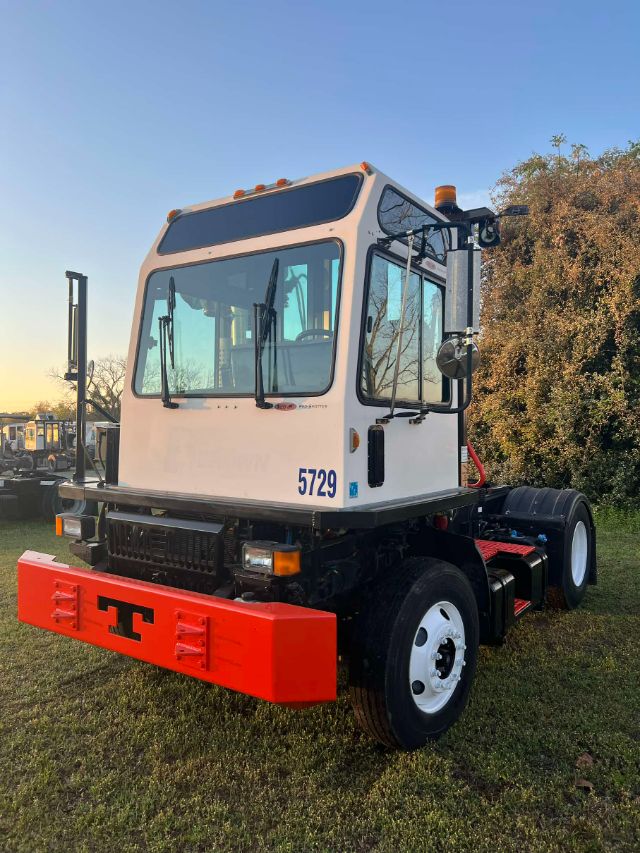
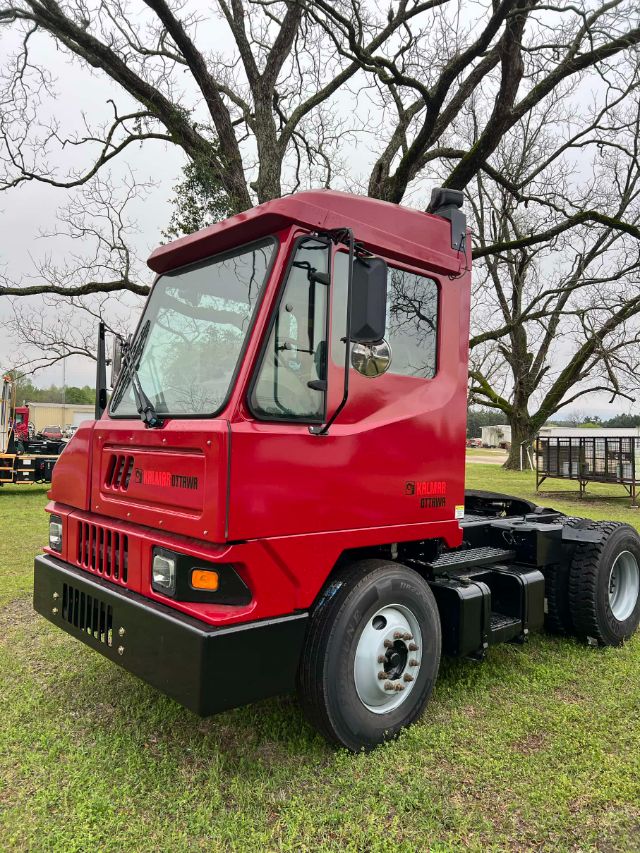
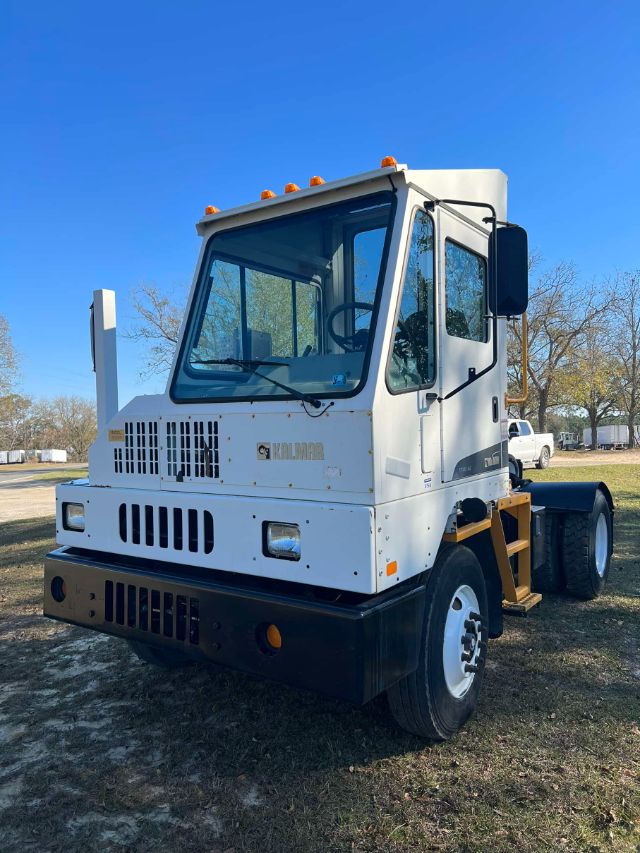
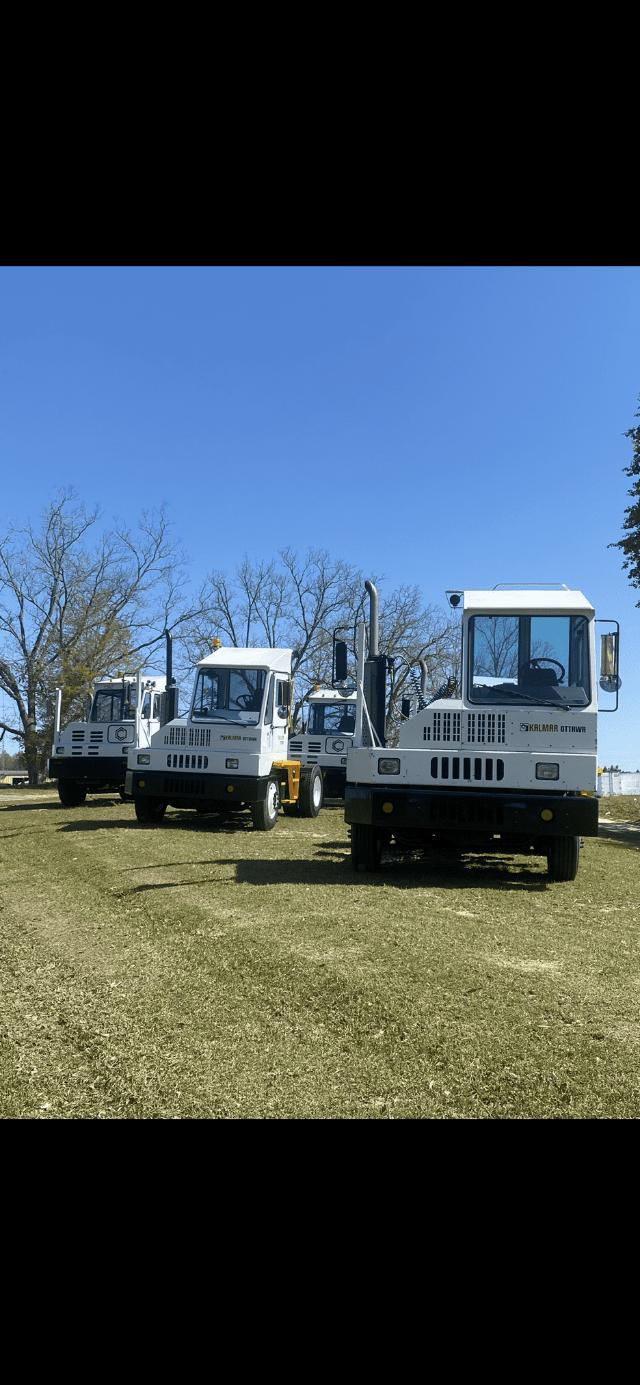
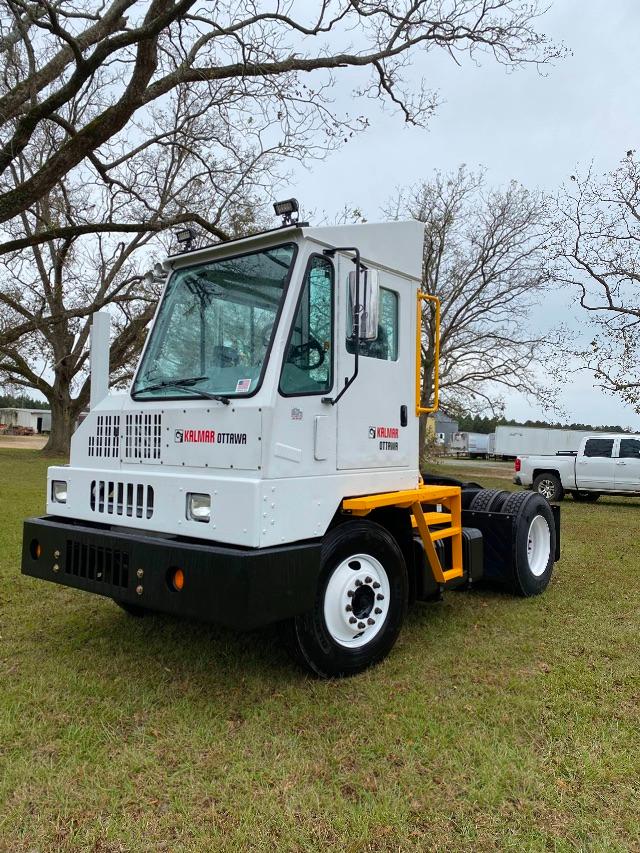
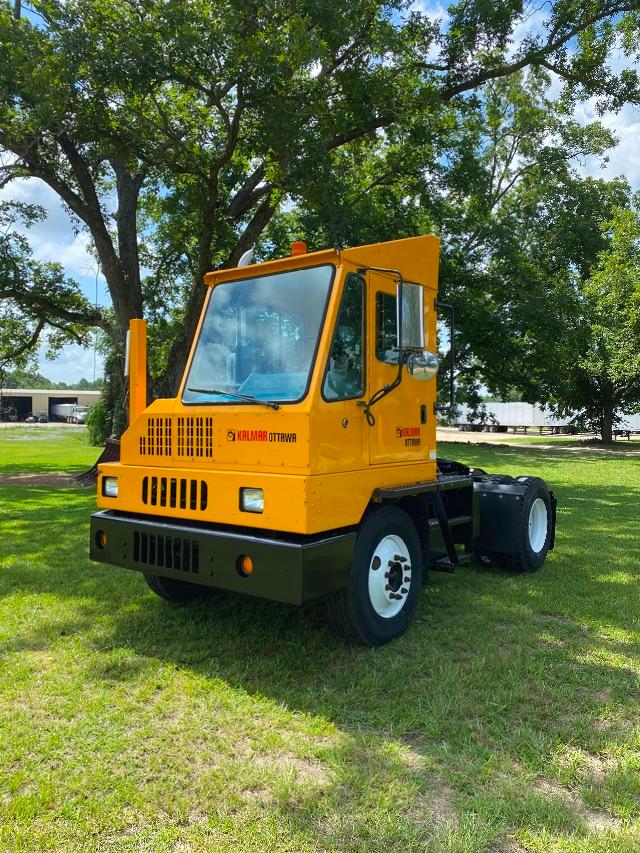
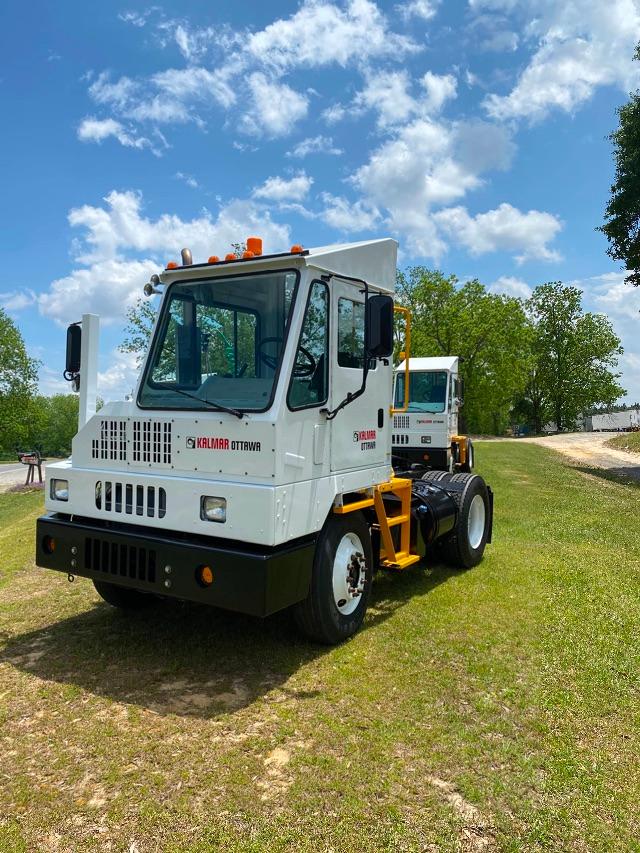
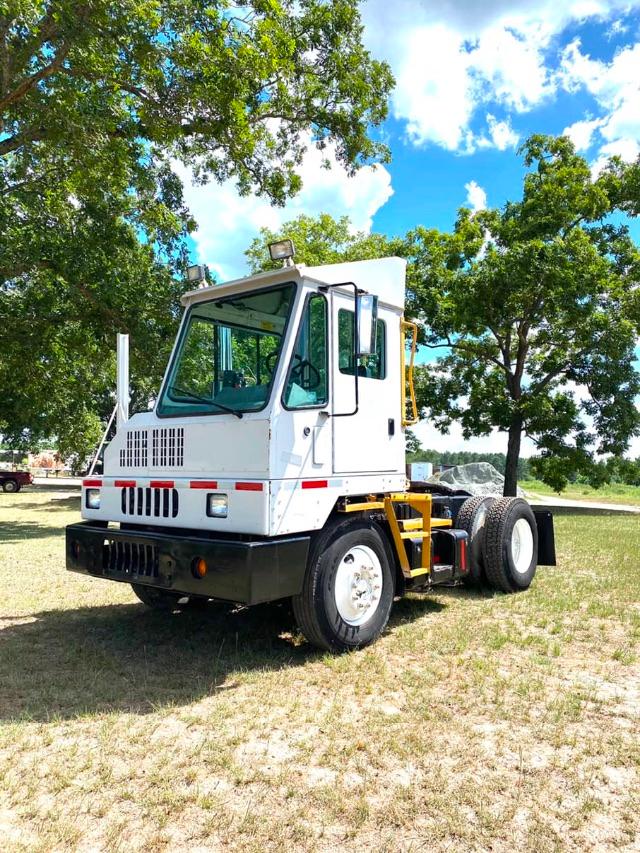
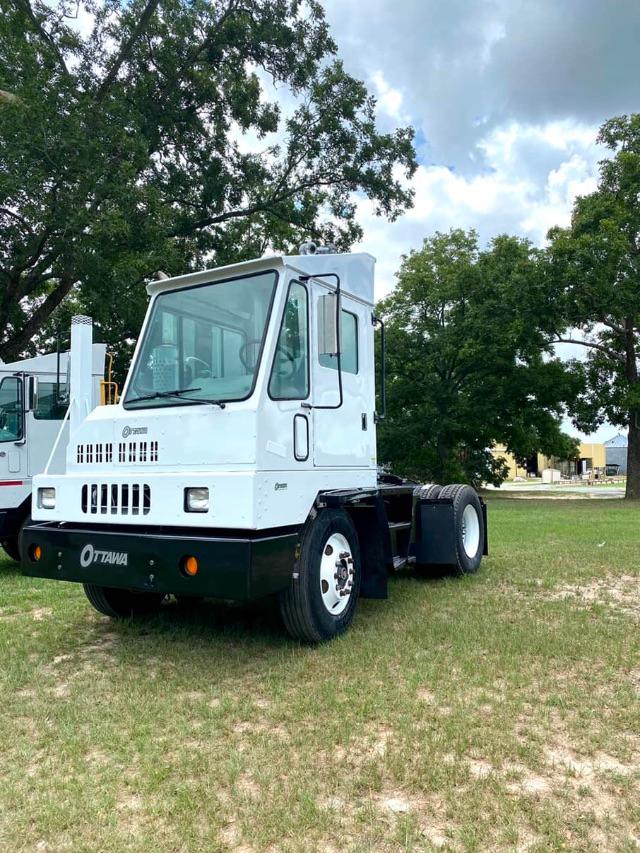
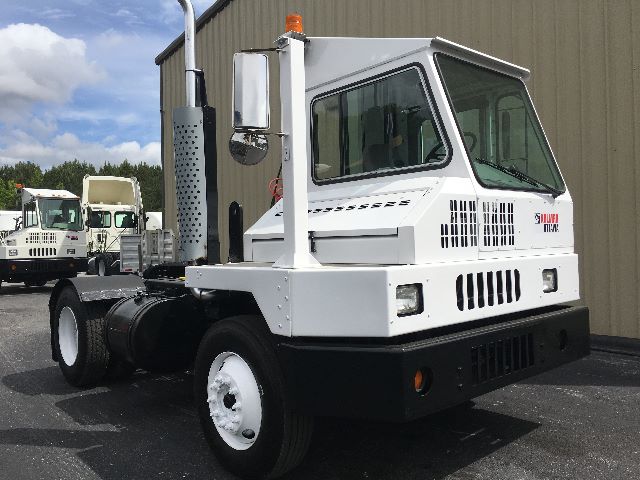
Selling a used yard truck? List your used yard truck for sale and reach thousands of commercial buyers.
Used Yard Trucks in Georgia
A buyer should start with duty cycle and legal use. Many used yard trucks are strictly off-road or yard-only units, while others are DOT-legal terminal tractors equipped for short highway moves between nearby facilities. If the truck will cross public roads, confirm lighting, brake configuration, registration suitability, and road-speed capability. Common powertrains in this category include Cummins diesel engines paired with Allison automatic transmissions, with some CNG units on the market for fleets focused on fuel type or emissions strategy. Most are 4x2 configurations, though operating surface, grade changes, trailer weights, and weather exposure can influence traction needs.
Hours, not just model year, matter heavily on a used yard truck. Many terminal tractors live hard stop-and-go lives with frequent shifts, constant trailer hookups, and extended idling. Pay close attention to frame condition, fifth wheel lift operation, hydraulic system response, cab entry steps, suspension wear, cooling system health, and brake performance. A clean service history is important, but so is evidence that the truck still engages trailers smoothly and holds up under repeated yard cycles. Inside the cab, visibility, heater and A/C performance, air-ride seat condition, and control layout all affect operator efficiency during long shifts.
Spec details can separate an average yard truck from one that fits the operation correctly. Look at wheelbase, overall turning radius, fifth wheel travel, rear frame design, and how the cab sits relative to trailers and dock approaches. Some fleets prefer DOT-ready models with higher travel speed for short relocation runs, while others prioritize low-hour yard units optimized for nonstop spotting inside fenced facilities. In Georgia’s hot climate, cooling system condition and working cab climate control deserve extra attention. A well-matched used yard truck can reduce trailer move times, improve dock flow, and keep a busy yard operating with fewer delays.
Frequently Asked Questions about Used Yard Trucks in Georgia
What is the difference between a yard truck and a road tractor?
A yard truck is purpose-built for moving semi-trailers in confined areas with frequent stops, tight turns, and constant hook-and-drop work. Its hydraulic fifth wheel allows the operator to pick up and set down trailers quickly without manually cranking landing gear. A road tractor is designed for sustained highway travel, higher road speeds, and long-distance hauling, so it does not deliver the same efficiency in a yard environment.
Are used yard trucks DOT-legal?
Some used yard trucks are DOT-legal, but many are not. DOT-legal terminal tractors are typically equipped for short on-road travel and may include the necessary lighting, brake, and speed-related equipment to operate legally on public roads, depending on local and state requirements. Buyers should verify the exact compliance status of the specific truck and confirm that it meets the intended use in Georgia before purchase.
What should I check first on a used yard spotter?
Start with operating hours, engine and transmission condition, and the performance of the hydraulic fifth wheel. Then inspect the frame, brakes, suspension, cooling system, tires, and cab structure, especially steps and doors that see constant use. A used yard spotter should also be tested for smooth trailer engagement, stable lift function, and consistent operation under repeated low-speed moves.
Are CNG yard trucks a good option?
CNG yard trucks can be a good fit for fleets with existing natural gas fueling access or emissions-related operating goals. They are often used in private fleet environments where fueling infrastructure is controlled and routes are predictable. The main consideration is supportability, including fuel system service, parts access, and technician familiarity compared with more common diesel-powered terminal tractors.
Why do hours matter more than mileage on a yard truck?
Yard trucks spend much of their life in low-speed, high-cycle work with heavy idling, repeated shifting, and constant trailer handling. That means mileage may look low even when the truck has seen substantial mechanical wear. Engine hours often provide a better picture of actual use, especially when evaluating drivetrain wear, hydraulic system condition, and the overall life left in a used terminal tractor.