
Used 2014 Commercial Trucks For Sale in Georgia
Shop used 2014 trucks for sale in Georgia. Compare Class 6-8 specs, cab styles, engines, drivetrains, and vocational truck options.
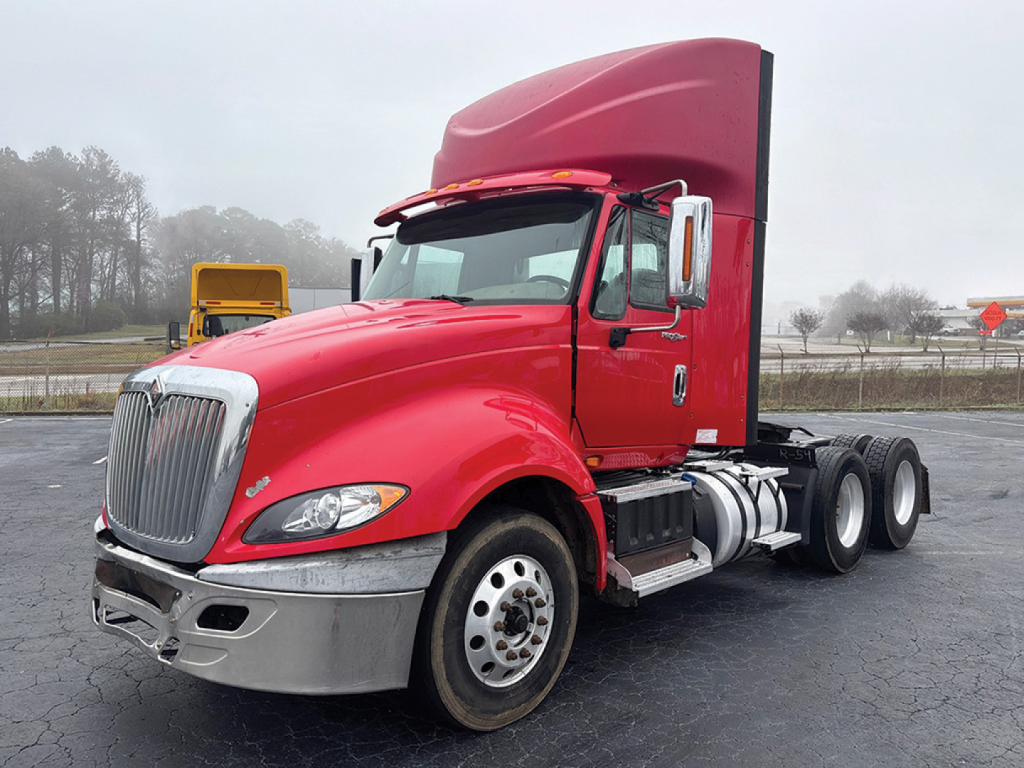
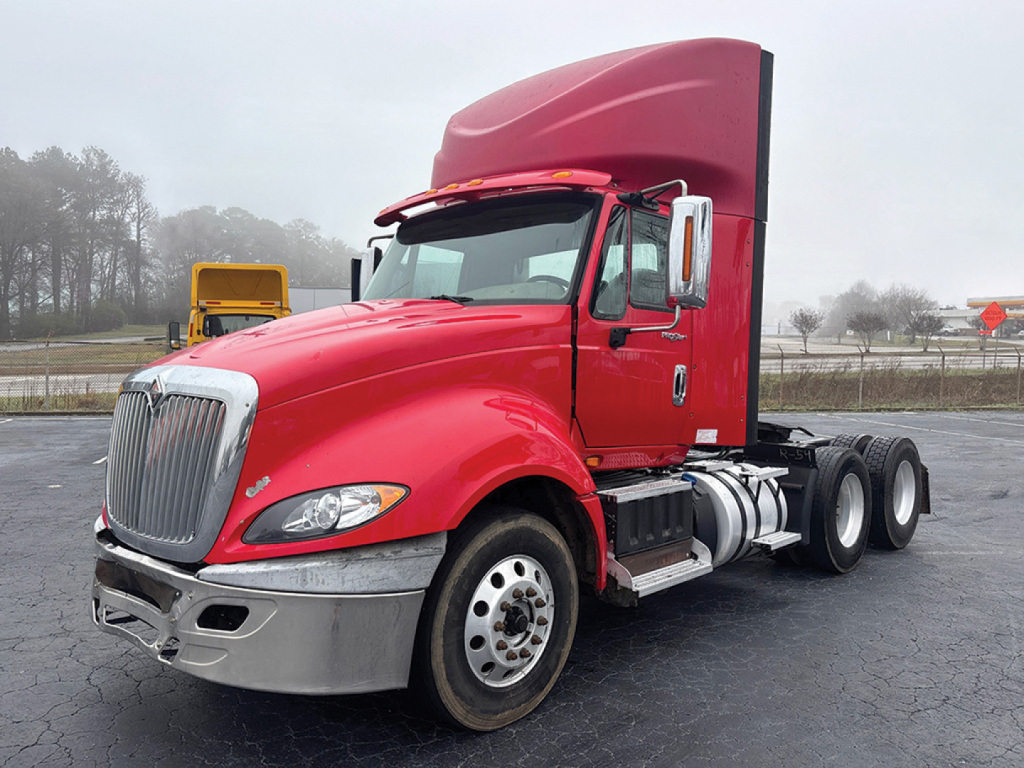
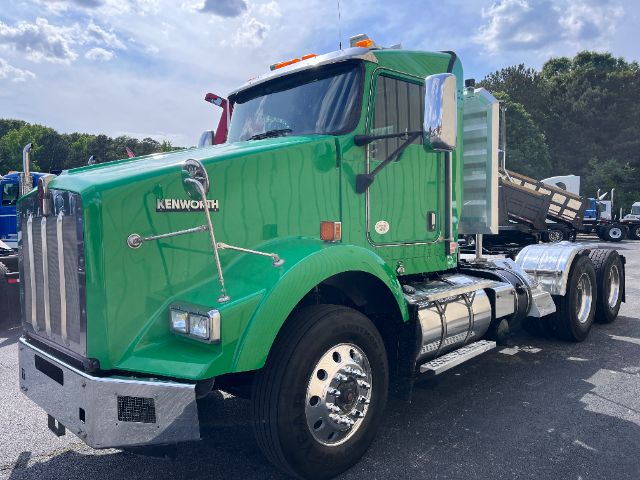
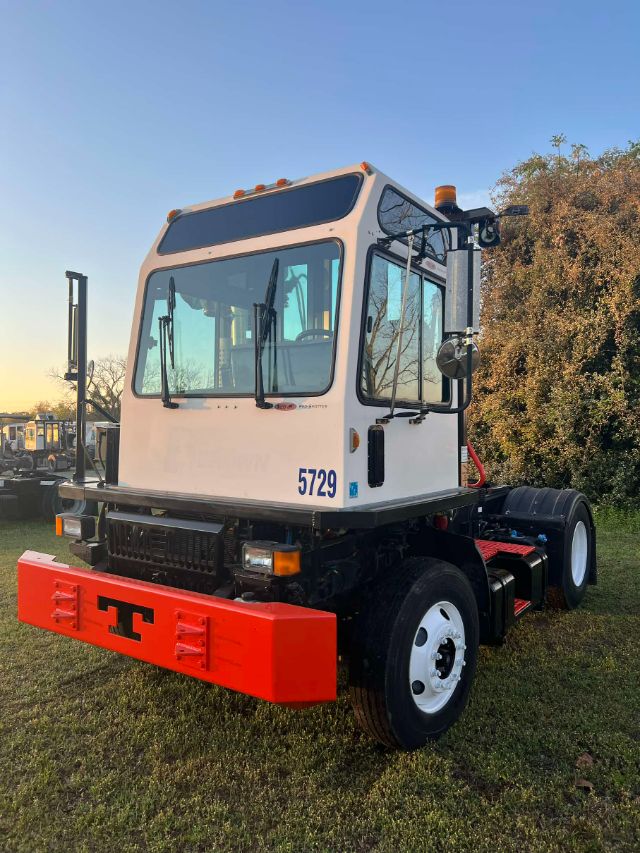

Have used 2014 commercial truck to sell? List it here to reach thousands of buyers.
Used 2014 Commercial Trucks in Georgia
For Georgia buyers, engine emissions and operating environment matter. Most 2014 diesel trucks fall into the SCR and DEF era, so it is important to review aftertreatment service history, fault codes, and regen performance. In highway tractors from this model year, common engine families often include Detroit, Cummins, Paccar, Volvo, and Mack offerings paired with manual, automated manual, or automatic transmissions depending on application. Rear axle ratio, suspension type, and tire size all affect how the truck performs in Atlanta traffic, on I-75 and I-85 corridors, or in rural aggregate, forestry, and agricultural work. For vocational trucks, pay close attention to frame condition, body mounting, hydraulic operation, and signs of severe off-road use.
Condition matters more than model year alone on a used 2014 truck. Service records, engine hours, idle time, brake type, tire condition, kingpins, bushings, steering play, and driveline wear can tell you more than the odometer by itself. On sleeper and day cab tractors, buyers usually compare horsepower, 6x4 versus 6x2 drivetrains, fuel capacity, wheelbase, and sleeper size. On straight trucks and vocational setups, body specifications are just as important as the chassis, including dump body length, hoist type, lift axle configuration, box dimensions, crane capacity, or equipment mounting history. Rust is typically less severe in Georgia than in northern states, but frame corrosion, wiring repairs, and cab damage still deserve a close inspection.
A good used 2014 truck can still be a practical purchase when the spec fits the route, payload, and maintenance plan. Look for a truck with clear application alignment, not just a low asking price. A regional day cab with the right axle ratio and wheelbase can outperform an overbuilt sleeper on short lanes, and a properly spec'd vocational truck will usually return better uptime than a mismatched general-purpose chassis. Buyers comparing used 2014 trucks in Georgia should focus on emissions health, drivetrain spec, suspension setup, PTO compatibility, and evidence of consistent preventive maintenance.
Frequently Asked Questions about Used 2014 Commercial Trucks in Georgia
What should I check first on a used 2014 truck in Georgia?
Start with the truck’s intended application, then verify the core chassis and drivetrain specs match that job. After that, review engine emissions history, diagnostic codes, service records, frame condition, suspension wear, brake condition, tire life, and any signs of accident or body repair. On a 2014 diesel truck, the aftertreatment system deserves extra attention because SCR, DEF, and regen-related issues can become expensive if maintenance was skipped.
Are 2014 diesel trucks reliable enough for commercial use?
Many 2014 trucks are still productive commercial units if they were maintained correctly and spec'd for the work they are doing now. Reliability depends less on the calendar year and more on engine hours, idle time, prior duty cycle, maintenance quality, and the condition of major systems such as the engine, transmission, axles, brakes, suspension, and emissions equipment. A well-documented 2014 truck with consistent preventive maintenance can be a better value than a newer truck with an unclear history.
What truck classes are common in the 2014 used truck market?
The 2014 used truck market typically includes medium-duty and heavy-duty models, often ranging from Class 6 through Class 8. Medium-duty trucks are common in delivery, utility, and municipal roles, while Class 8 trucks are more common in highway tractor, dump, roll-off, heavy haul, and other severe-service applications. The right class depends on GVWR, payload needs, trailer weight, and how the truck will be operated day after day.
Why does axle configuration matter on a used 2014 truck?
Axle configuration affects payload capacity, traction, maintenance cost, and maneuverability. A single-axle truck may suit lighter regional work or urban delivery, while tandem axle and 6x4 setups are more common for heavier freight, dump, and highway tractor applications. If the truck will run in soft ground, construction sites, or with heavier trailers, axle rating, suspension design, and differential setup become especially important.
Is Georgia a good state to buy a used 2014 truck?
Georgia can be a strong market for used trucks because many units see year-round operation without the same salt exposure common in northern states. That can help with cab and frame preservation, although it does not eliminate wear from heat, humidity, stop-and-go traffic, or vocational use. Buyers should still inspect for corrosion, wiring issues, sun-related interior wear, and signs of heavy-duty service such as frame stress, body damage, or hydraulic system neglect.