
Used 2016 Commercial Trucks For Sale in Georgia
Shop used 2016 trucks for sale in Georgia, including day cabs, sleepers, dump trucks, rollbacks, and medium-duty commercial trucks.
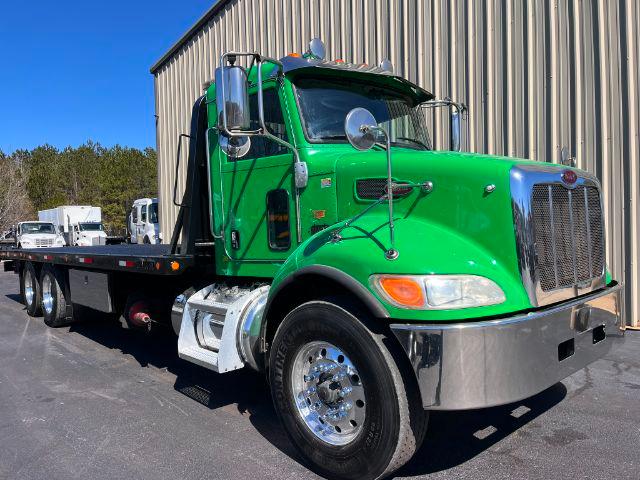
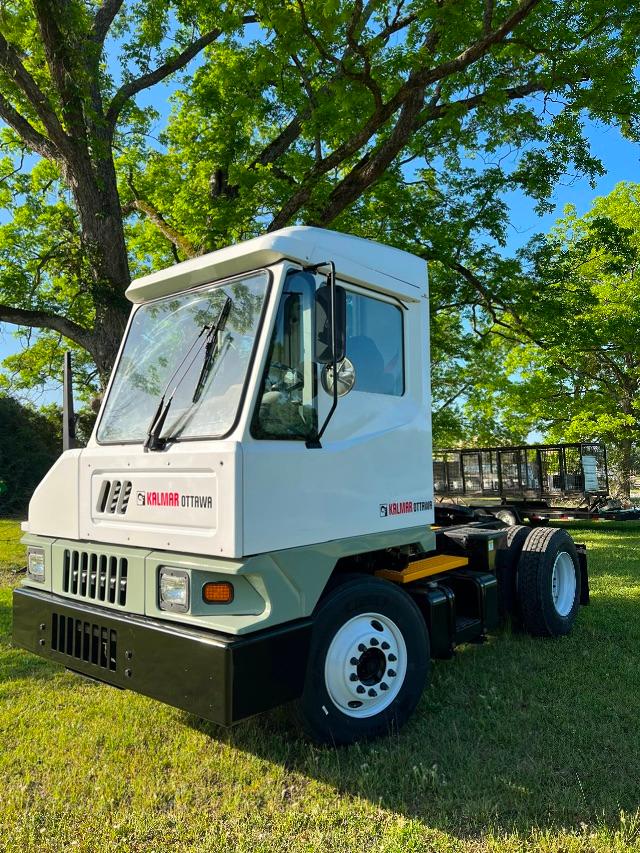
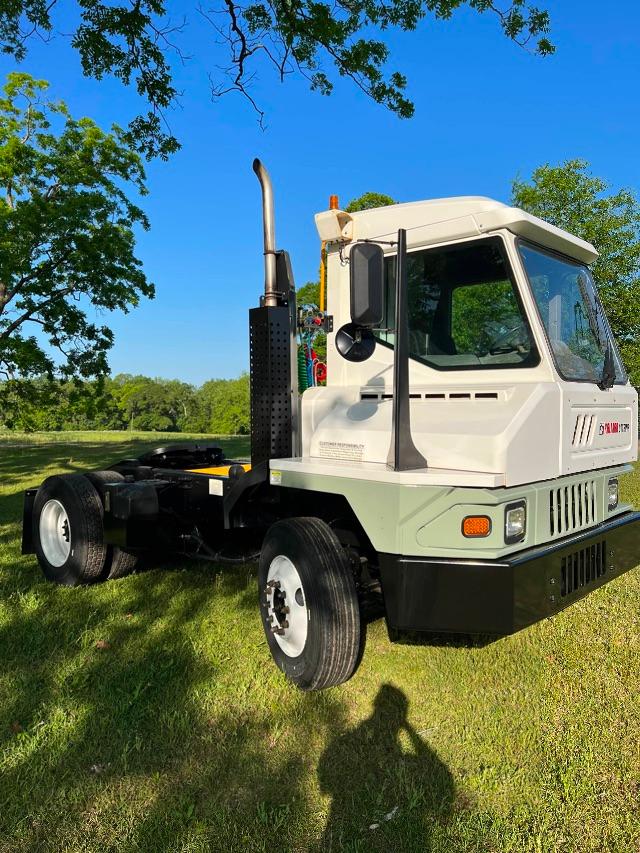
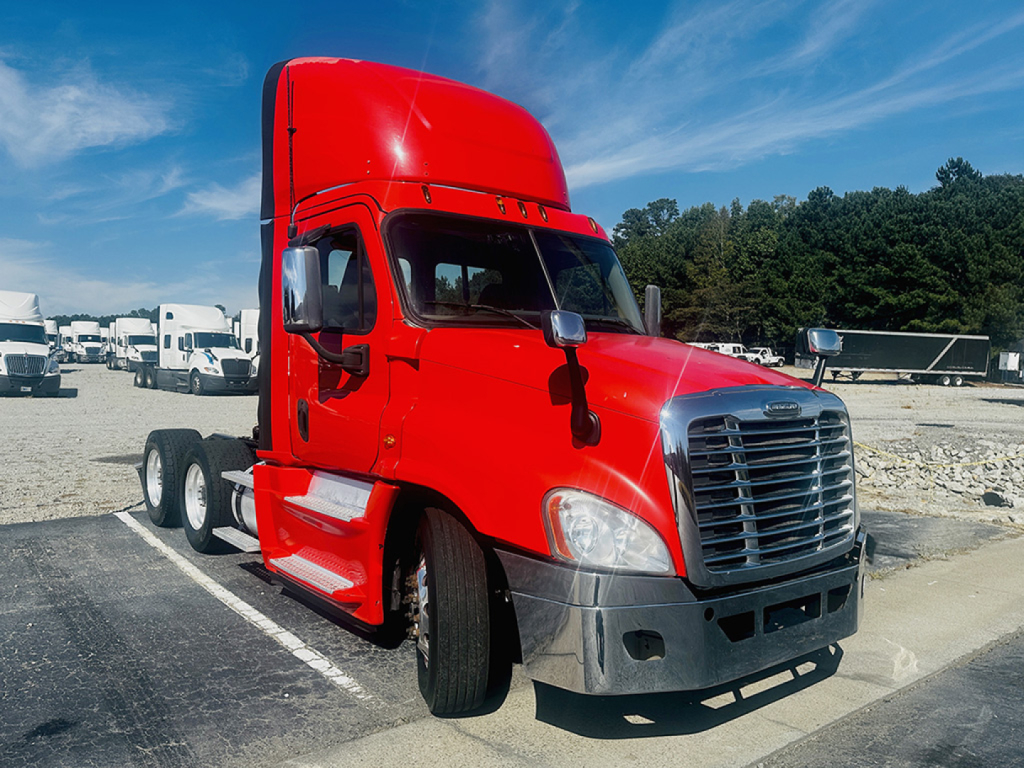
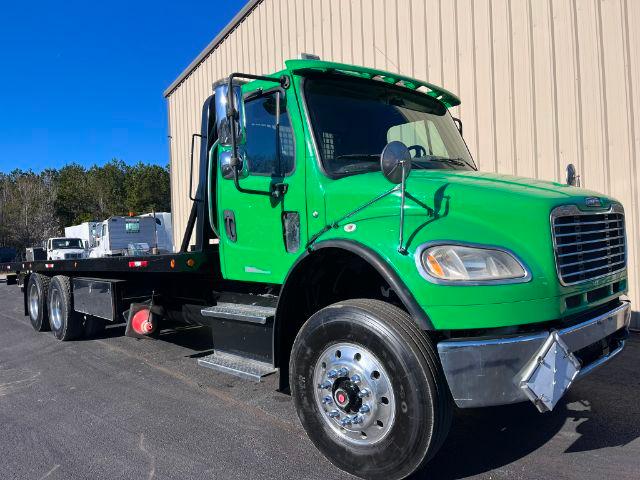
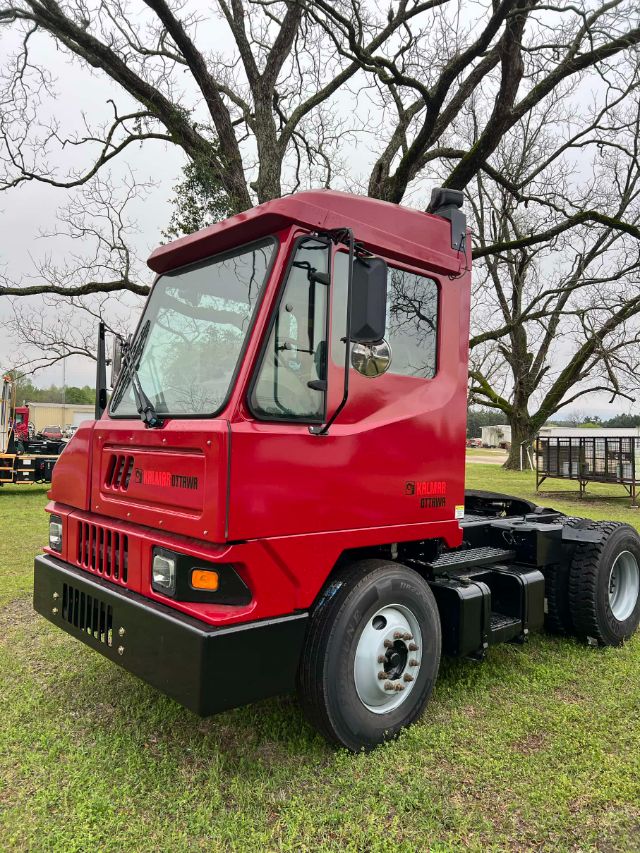
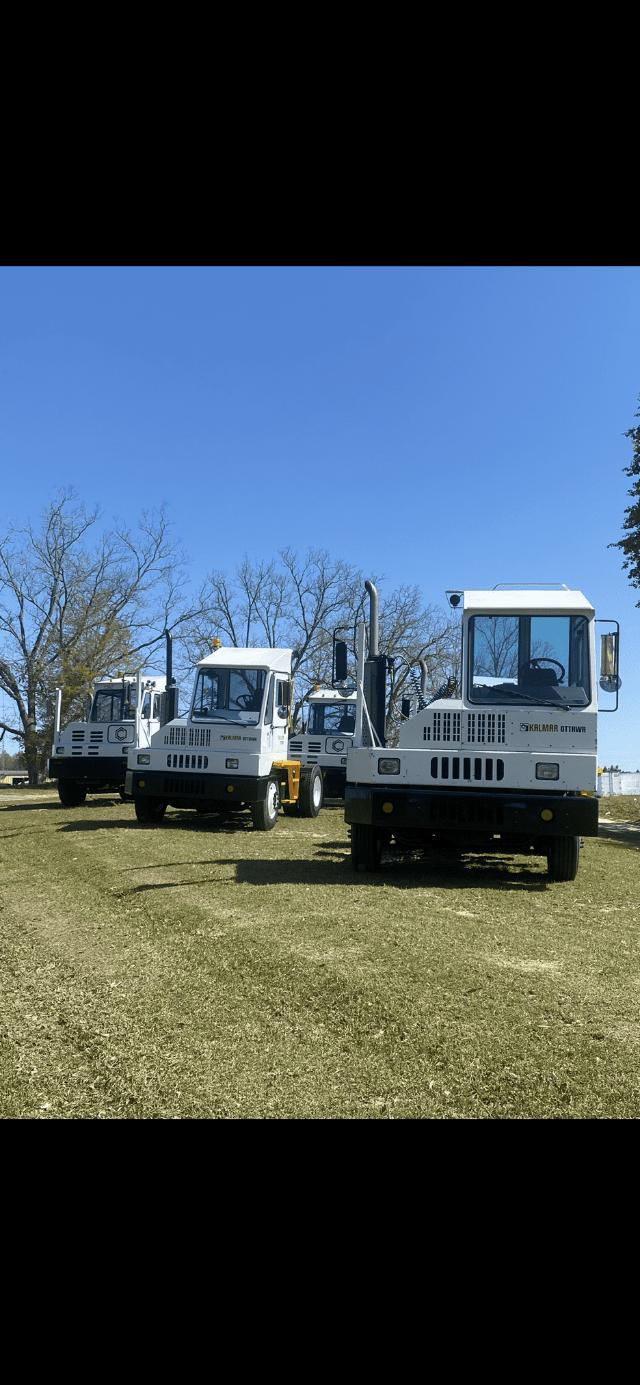

Selling a used 2016 commercial truck? List your used 2016 commercial truck for sale and reach thousands of commercial buyers.
Used 2016 Commercial Trucks in Georgia
Powertrain choices are a major part of the decision on a used 2016 truck. In this model year, common diesel engines include Detroit, Cummins, and Paccar platforms, paired with manual transmissions, Allison automatics, or automated manuals depending on the application. Highway trucks often fall into 6x4 tandem axle setups with air ride suspension, higher fuel capacity, and axle ratios selected for fuel economy. Vocational 2016 trucks in Georgia are more likely to show single axle or tri-axle layouts, spring suspension, PTO provisions, heavier rear axle ratings, and shorter wheelbases for maneuverability. It is important to compare horsepower, torque, rear ratio, wheelbase, GVWR, and suspension type against the trailer, body, or payload the truck will actually handle.
A used 2016 truck also needs closer attention to emissions and maintenance history than the newest late-model units. This era commonly includes diesel particulate filter and DEF-equipped systems, so service records for DPF cleaning, injector work, EGR components, aftertreatment repairs, and software updates matter. On tractors, buyers should inspect fifth wheel condition, frame integrity, tire wear pattern, brake type, and signs of suspension or alignment issues. On vocational trucks, body condition, hoist operation, PTO engagement, hydraulic leaks, liner wear, and axle loading are just as important as the cab and engine. In Georgia, heat, stop-and-go operation, and mixed on-road and jobsite use can accelerate wear on cooling systems, interiors, and suspensions, so overall spec and maintenance discipline usually matter more than odometer alone.
For many buyers, the strongest 2016 truck is the one with the right configuration rather than the lowest price. A regional sleeper with a fuel-efficient axle ratio and AMT may fit a carrier focused on operating cost, while a dump truck with a simple spring suspension and automatic transmission may be a better choice for urban or site-based work. Look closely at axle ratings, body or trailer compatibility, tire size, brake setup, and cab layout before narrowing by make. A well-matched used 2016 truck can still deliver solid service life in Georgia if the spec fits the route, the load, and the maintenance program.
Frequently Asked Questions about Used 2016 Commercial Trucks in Georgia
What should I look for first when buying a used 2016 truck in Georgia?
Start with the truck’s intended application and confirm that the spec matches the work. Buyers should compare GVWR, axle configuration, wheelbase, suspension, engine rating, transmission type, and any PTO or body equipment against the load and route requirements. After that, review maintenance records closely, especially for emissions system service, cooling system repairs, brake work, suspension wear, and tire history. On a 2016 model, maintenance quality usually tells you more than age alone.
Are 2016 trucks a good value for commercial use?
A used 2016 truck can be a strong value because it often costs less than newer equipment while still offering modern cab features, diesel powertrains, and common fleet specs. The best value comes from buying a truck with the right configuration and documented service history rather than simply buying the cheapest unit. If the truck has been maintained properly and the drivetrain matches the operation, a 2016 model can still provide dependable service in linehaul, regional, or vocational work.
What engine and transmission types are common in used 2016 trucks?
Used 2016 trucks commonly feature diesel engines from Detroit, Cummins, Paccar, and other major manufacturers depending on the truck class and make. Transmissions in this model year often include manual gearboxes, automated manual transmissions in highway tractors, and Allison automatics in medium-duty and vocational applications. The right choice depends on route, driver preference, start-stop frequency, terrain, and PTO needs. A highway tractor and a dump truck may both be 2016 models, but they are usually spec’d very differently for their intended work.
Do 2016 trucks have emissions systems that require extra attention?
Yes. Most used 2016 diesel trucks use modern emissions components such as DEF systems, diesel particulate filters, and EGR-related hardware. Buyers should verify recent aftertreatment maintenance, ask about fault codes or derate history, and check for evidence of proper cleaning and repair intervals. A truck with complete emissions service documentation is generally a better risk than one with limited records, especially in high-mileage or heavy idle applications.
Which 2016 truck configuration is best for Georgia operations?
That depends on the route and duty cycle. For interstate freight, Georgia buyers often favor tandem axle day cabs or sleepers with fuel-efficient rear ratios, air ride suspension, and aerodynamic specs. For metro Atlanta construction, municipal, or site work, single axle or heavier vocational trucks with shorter wheelbases, spring suspension, automatic transmissions, and PTO capability are often more practical. The best setup is the one that matches traffic conditions, payload, trailer or body requirements, and maintenance support.