
Used 2024 Commercial Trucks For Sale in Georgia
Browse used 2024 trucks for sale in Georgia, including day cabs and sleepers with modern specs, emissions systems, safety tech, and fleet-ready setups.
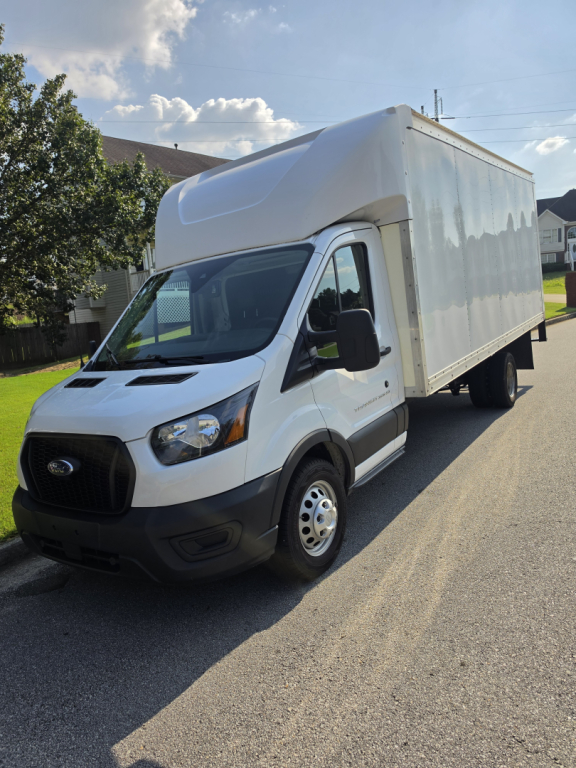
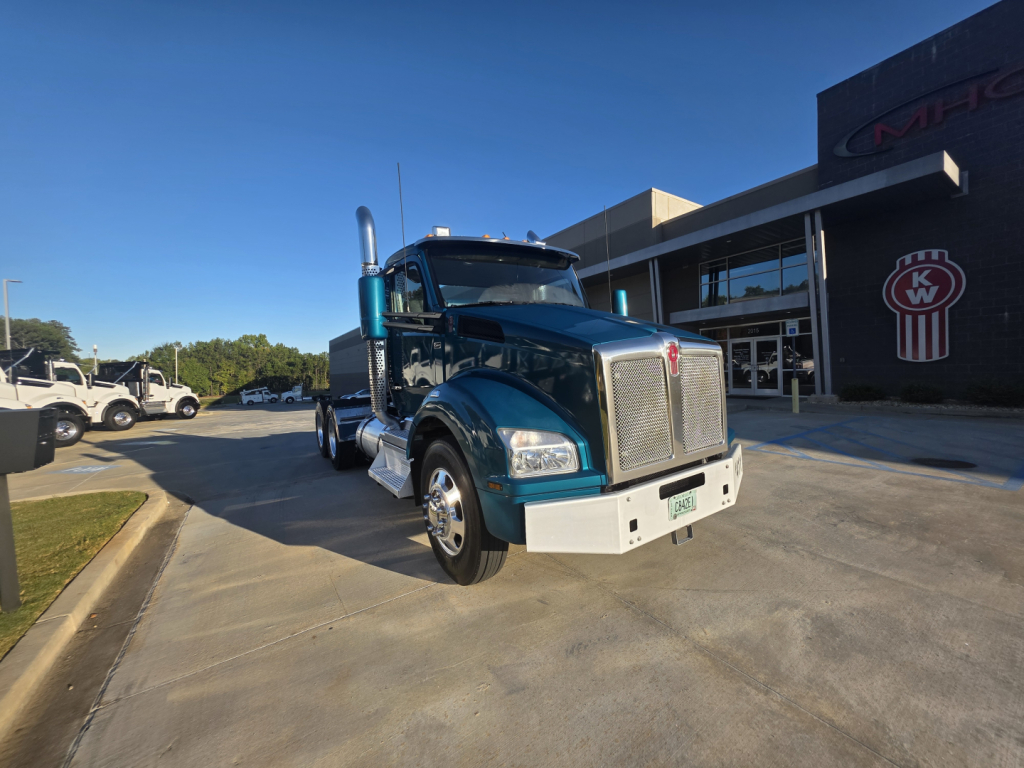
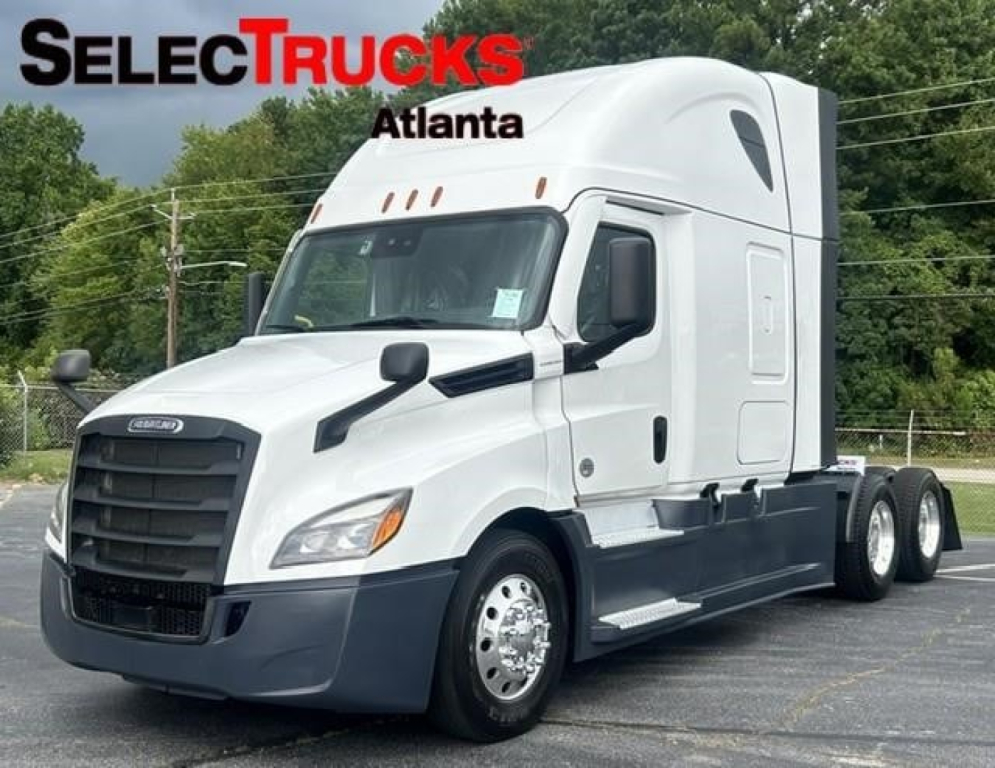
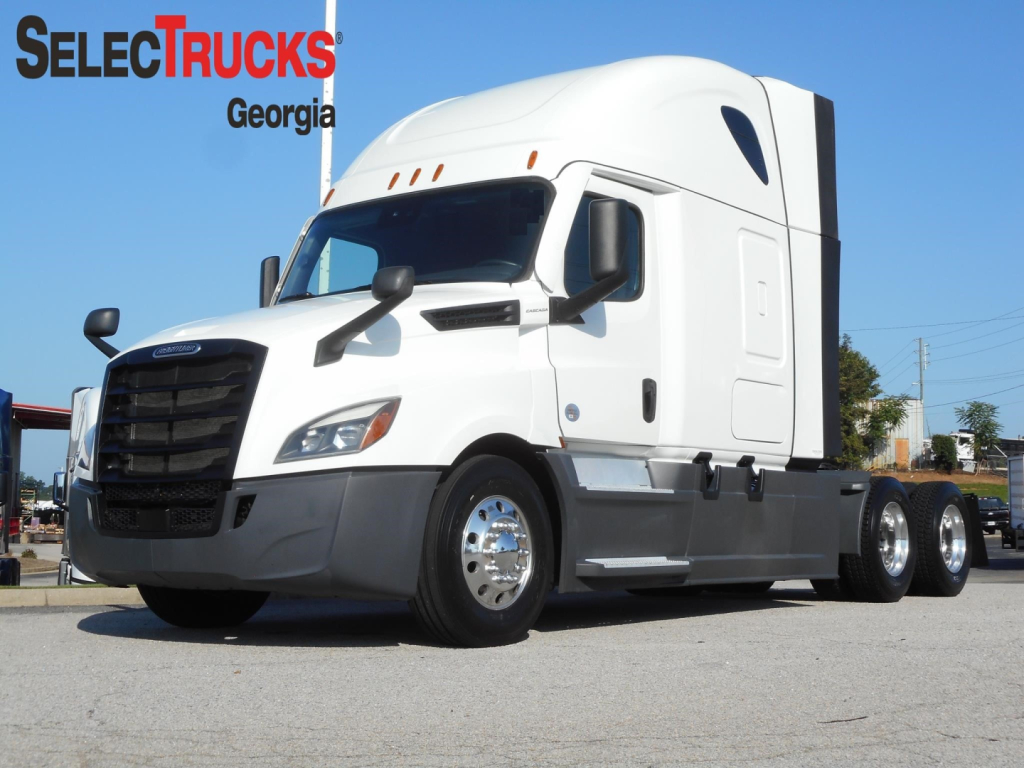
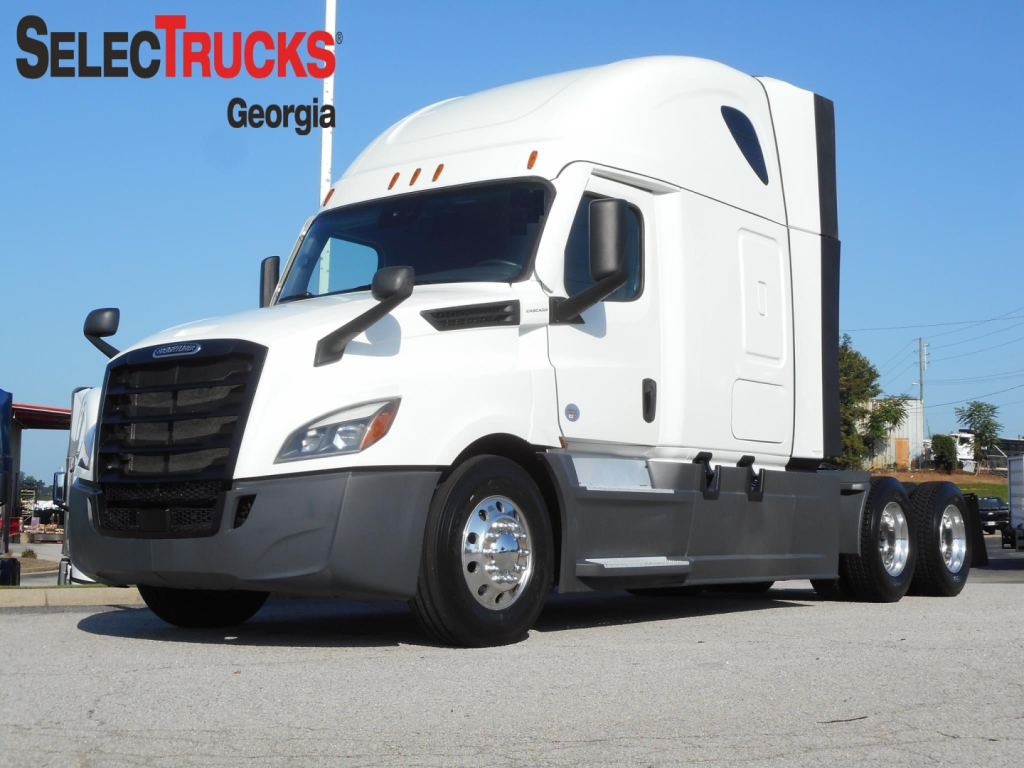
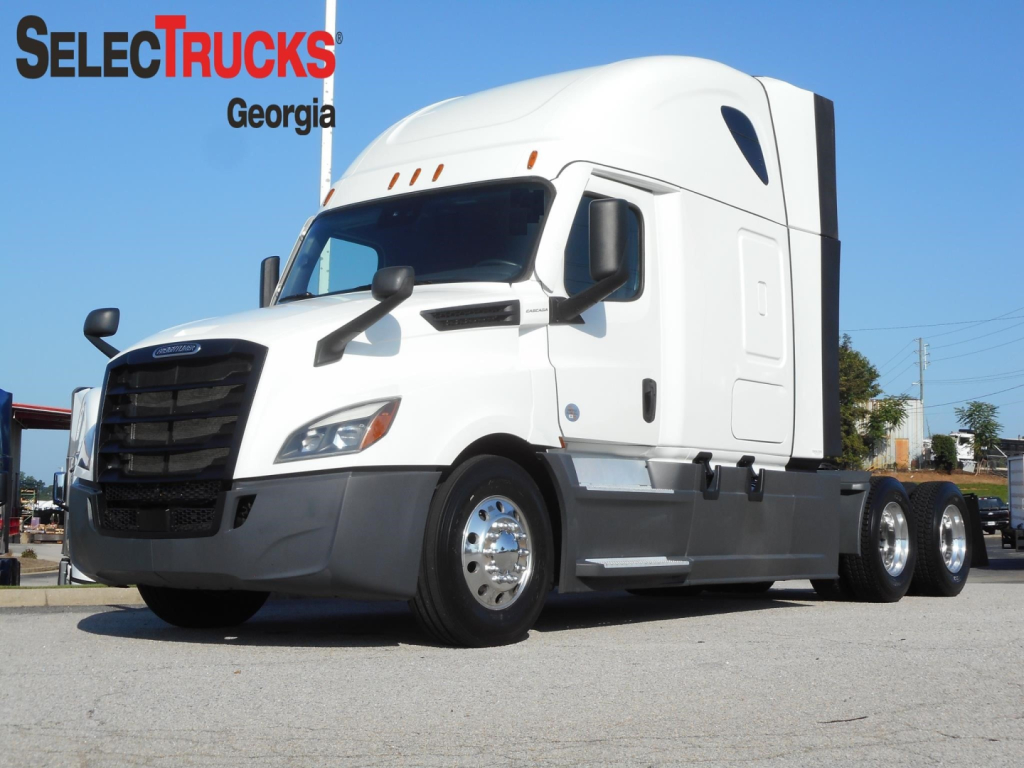
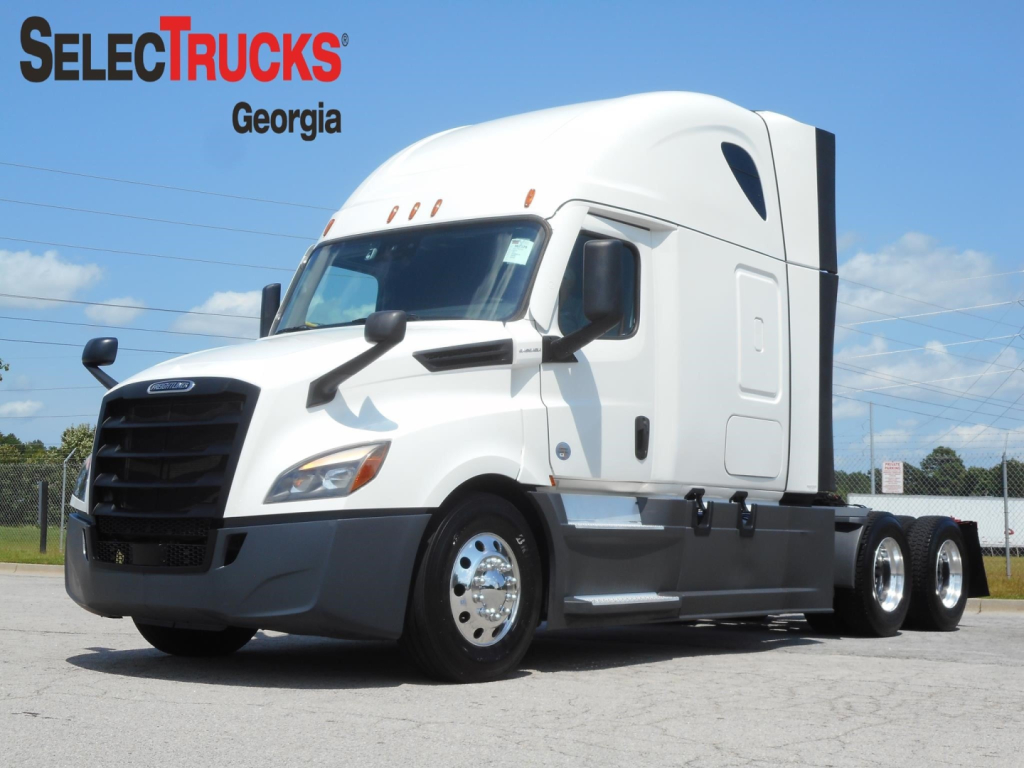
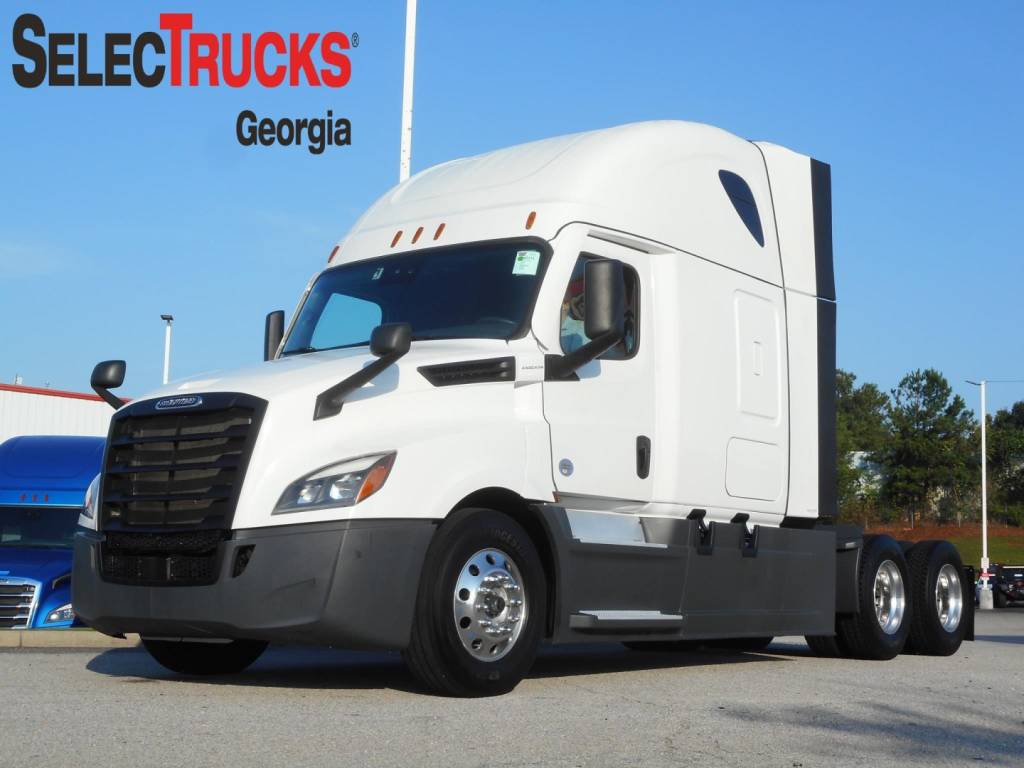
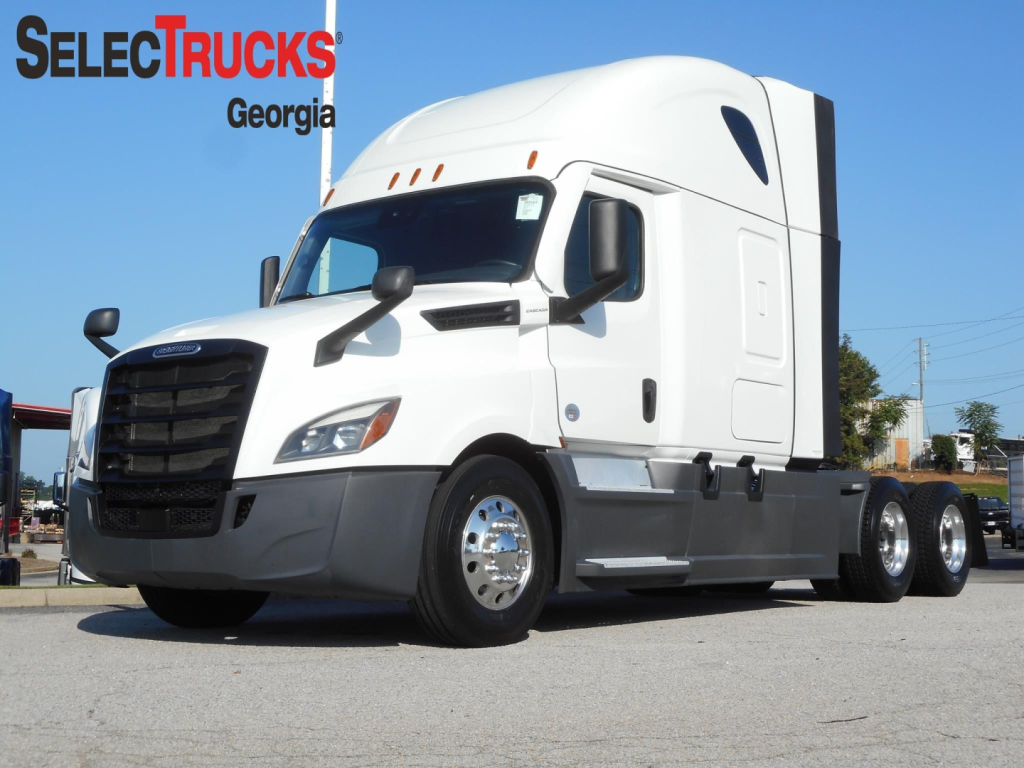
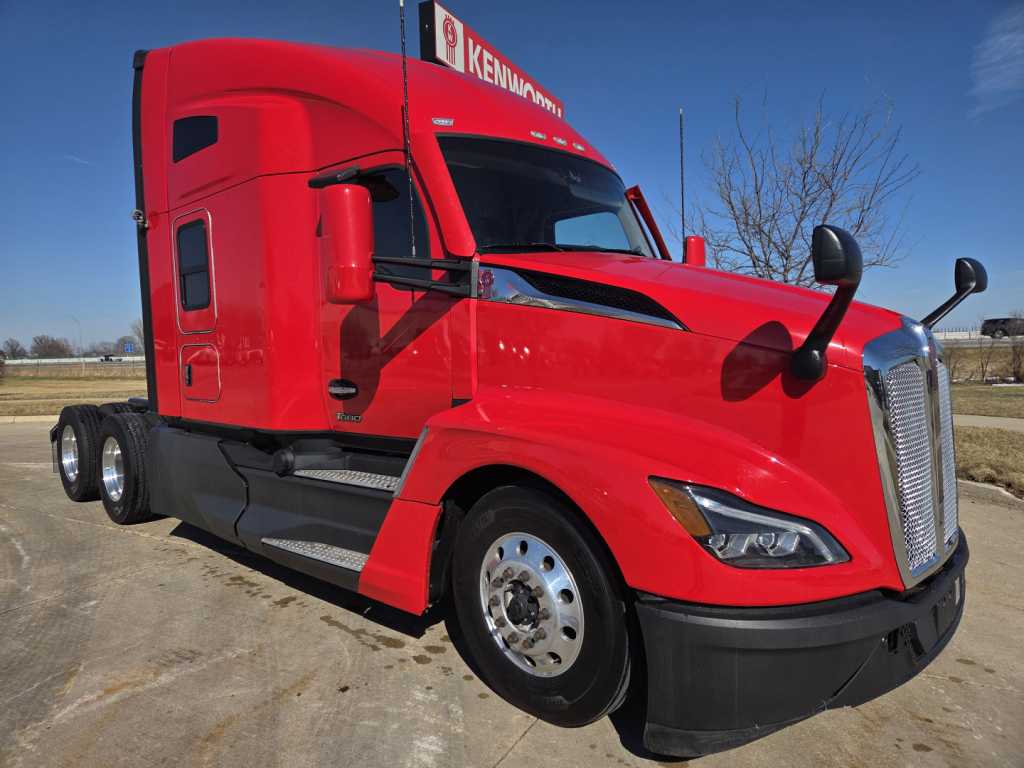
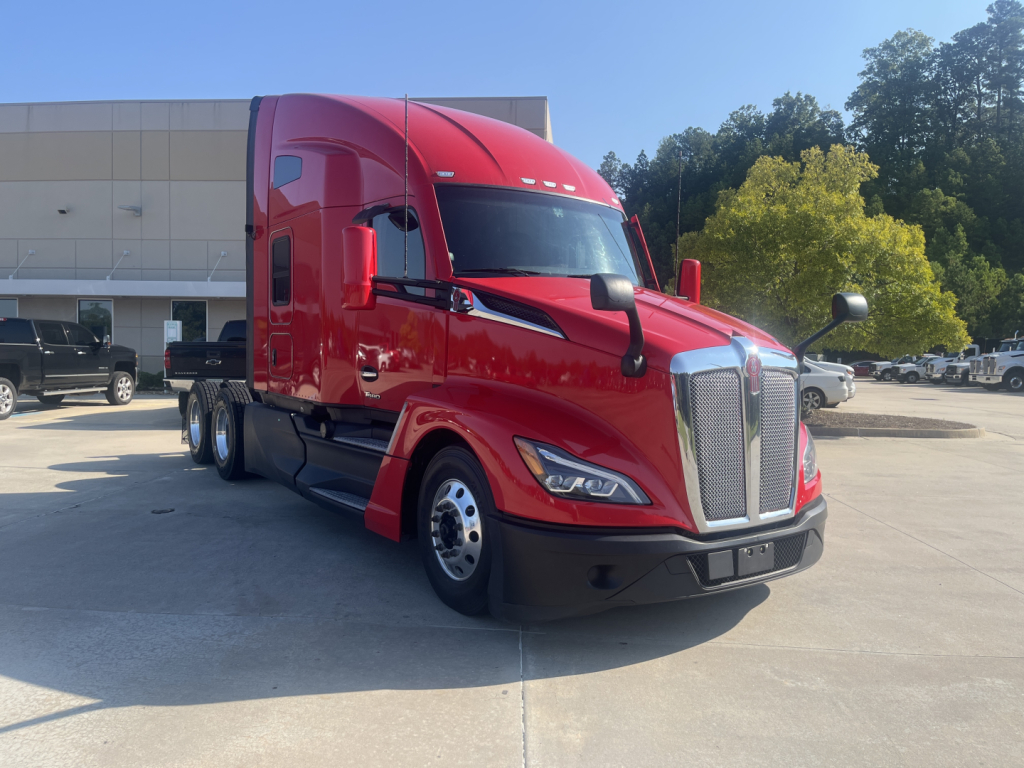

Selling a used 2024 commercial truck? List your used 2024 commercial truck for sale and reach thousands of commercial buyers.
Used 2024 Commercial Trucks in Georgia
In Georgia, application matters. Regional haul and port work around Savannah and Atlanta often favor day cabs with shorter wheelbases, sliding fifth wheels, and gearing suited for frequent starts, tight yards, and heavy traffic. Long-haul buyers usually lean toward raised-roof sleepers with 60-inch to 72-inch bunks, larger fuel capacity, APUs, bunk heaters, inverters, and factory refrigerator packages. If the truck will spend time on I-75, I-85, or in Southeast freight lanes, it is worth checking horsepower, rear axle ratio, wheelbase, and fuel tank layout against the trailer type and average payload. A 450 to 455 horsepower range is common for versatile over-the-road use, while lighter regional operations may prioritize maneuverability and lower operating cost over sleeper amenities.
Late-model 2024 used trucks also deserve a close look at emissions and electronic systems. Buyers should review aftertreatment service history, idle hours, telematics availability, collision mitigation, adaptive cruise features, lane departure systems, and any remaining factory warranty coverage. Brake type, tire size, wheel material, and suspension setup still affect total cost of ownership, especially for fleets standardizing parts and maintenance intervals. On sleeper trucks, details like bunk count, cabinet layout, insulation, and hotel-load support can materially change driver acceptance and utilization. On day cabs, frame length, wet kit compatibility, and fifth wheel position can matter just as much as engine make.
The strongest value in a used 2024 truck usually comes from matching the spec to the route, trailer, and maintenance strategy. A buyer comparing Georgia trucks should pay attention to axle ratings, engine brake, transmission calibration, fuel capacity, DOT inspection status, and signs of prior fleet maintenance discipline. Because these trucks are still relatively young, differences in mileage, idle time, and option packages can create a wider spread in value than buyers expect. A well-spec'd 2024 truck can offer current safety technology, strong resale outlook, and lower downtime risk while avoiding the lead time and depreciation hit that come with ordering new.
Frequently Asked Questions about Used 2024 Commercial Trucks in Georgia
What should I look for first when buying a used 2024 truck in Georgia?
Start with the truck’s intended application, then verify that the wheelbase, axle configuration, horsepower, rear axle ratio, and cab type match the work. For Georgia operations, that often means deciding between a maneuverable day cab for regional and port freight or a sleeper for longer Southeast lanes. After that, review maintenance records, aftertreatment history, mileage versus engine hours, tire condition, brake life, and any active fault codes. On a late-model truck, electronics and safety systems are just as important as the base drivetrain.
Are used 2024 trucks mostly automated manual transmission models?
Yes. Most used 2024 highway trucks on the market are equipped with automated manual transmissions rather than traditional manual gearboxes. AMTs improve driver consistency, support fuel-efficiency programming, and integrate better with collision mitigation and adaptive cruise systems. For many fleets, they also reduce training time and broaden the hiring pool. Buyers should still confirm the transmission model, software calibration, and service history because drivability can vary by engine and application.
Is a day cab or sleeper better for a used 2024 truck purchase?
A day cab is usually the better fit for local delivery, regional haul, dedicated routes, and port or terminal work where overnight accommodations are unnecessary. It typically offers a shorter wheelbase, lower empty weight, and easier maneuverability. A sleeper is the better choice for over-the-road work, multi-day dispatches, and operations that need driver comfort features such as bunks, storage, inverters, APUs, and larger fuel capacity. The right choice depends on route length, driver scheduling, and trailer assignment rather than model year alone.
How important are safety and driver-assist features on a used 2024 truck?
They are very important because 2024 trucks commonly include collision mitigation, lane departure warning, adaptive cruise control, and integrated braking support. These systems can help reduce accident exposure, improve insurability, and support fleet safety goals. Buyers should confirm not only that the features are present, but also that sensors, cameras, and radar units are functioning correctly and have not been bypassed after body or windshield repairs. Repair cost and calibration requirements should be part of the purchase decision.
Do used 2024 trucks still offer good resale and service life?
In many cases, yes. A used 2024 truck is still a very young asset by heavy-duty standards, so it can offer substantial remaining service life if it has been maintained properly. Resale tends to hold up better when the truck has a mainstream engine and transmission package, a common 6x4 tandem configuration, documented maintenance, and a clean operating history. Buyers who choose a broadly accepted spec usually have an easier time with parts support, technician familiarity, and future remarketing.