
Used 2024 Freightliner Trucks For Sale in Georgia
Browse used 2024 Freightliner trucks in Georgia, including highway and vocational models with modern specs, safety systems, and fleet-ready options.
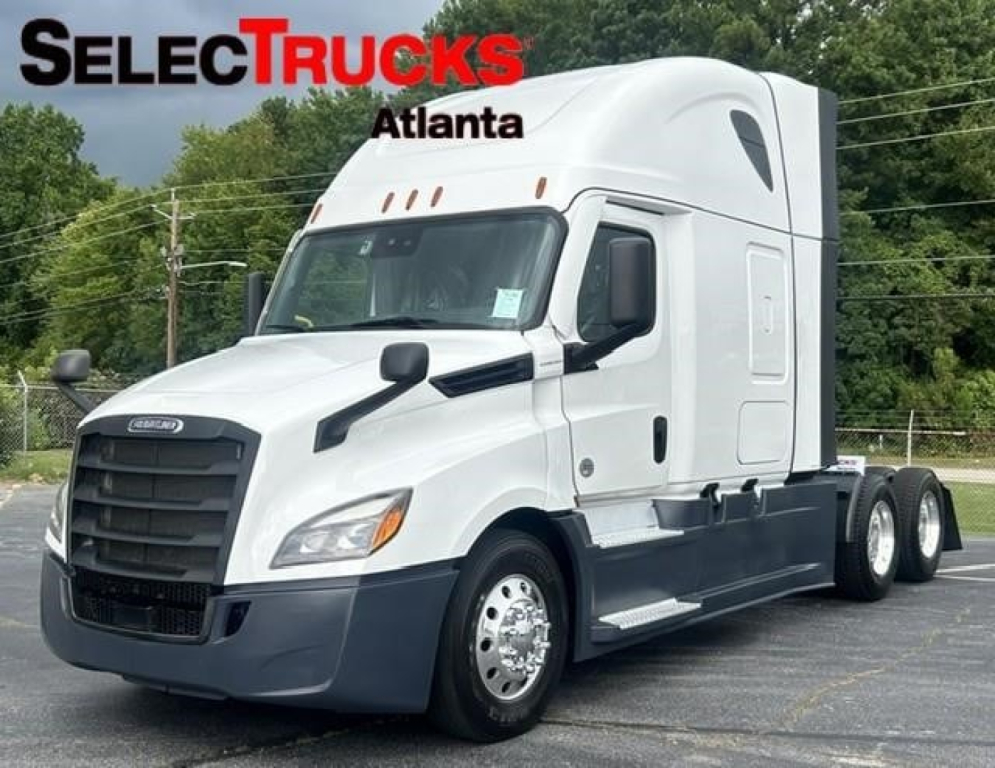
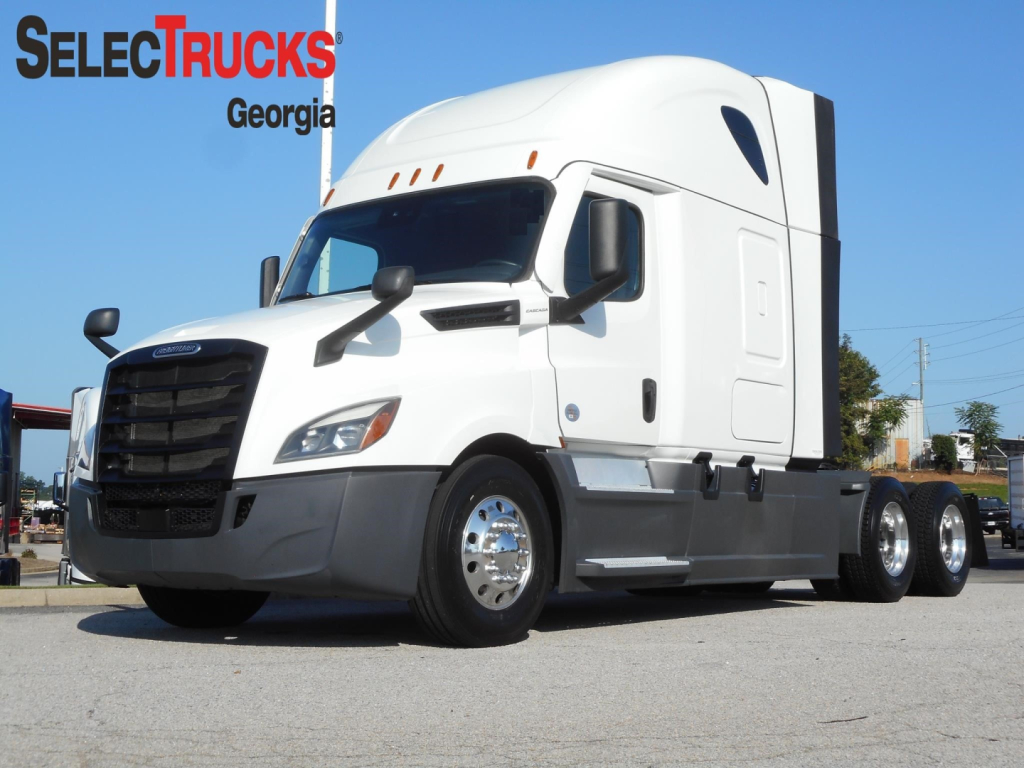
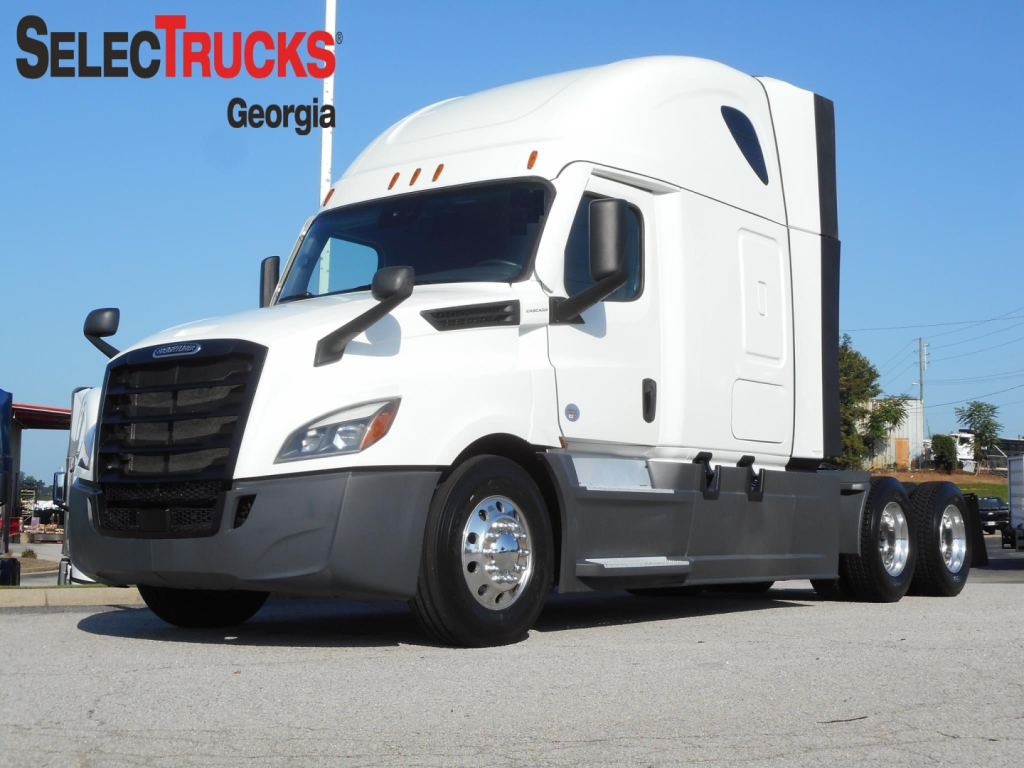
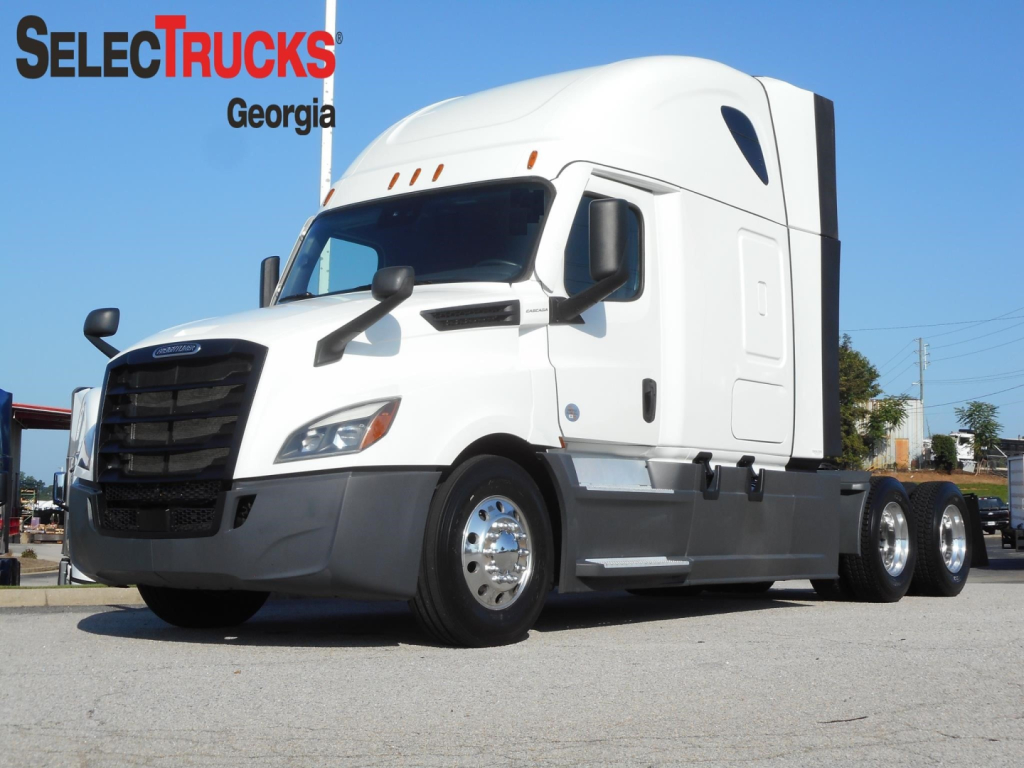
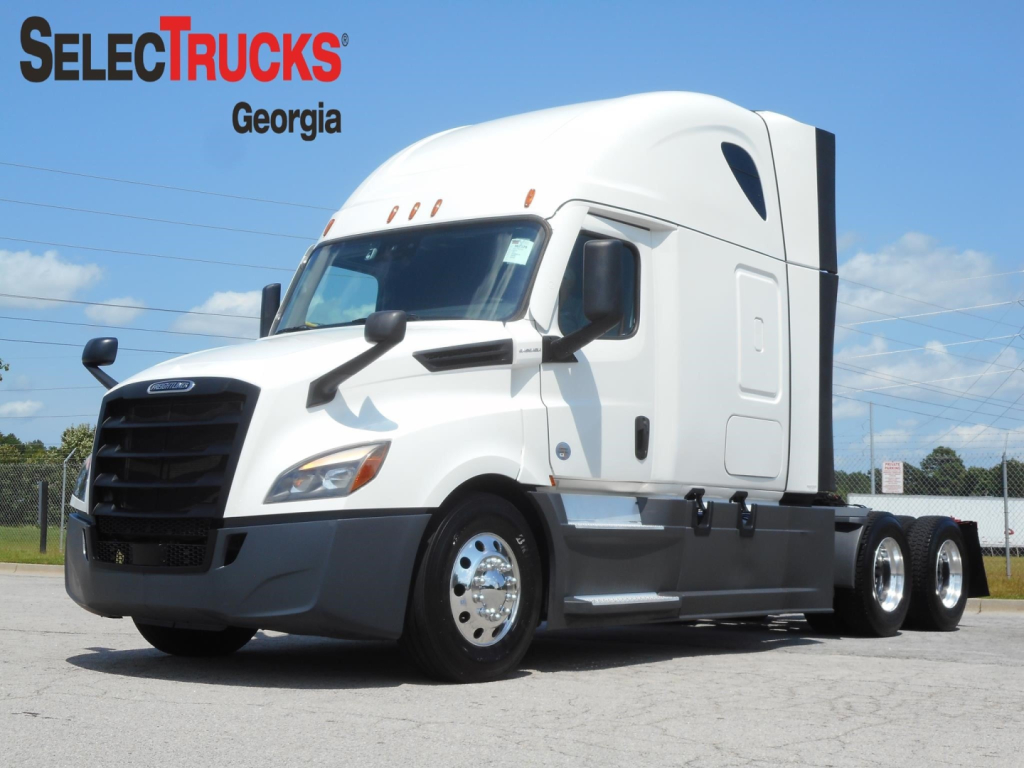
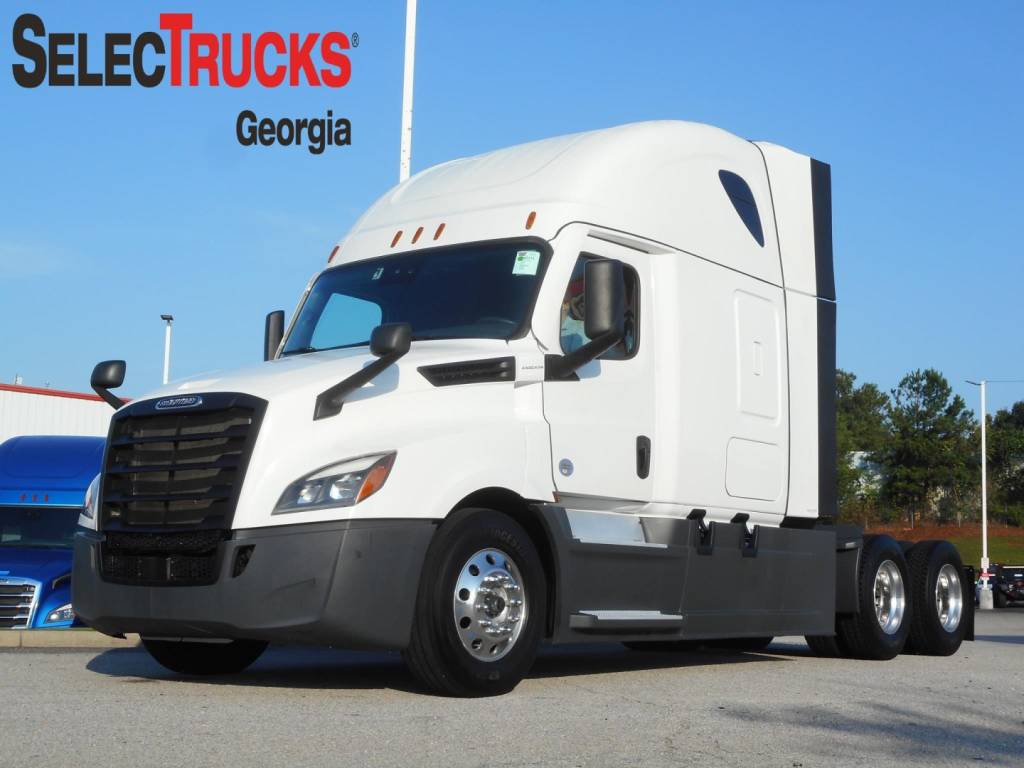
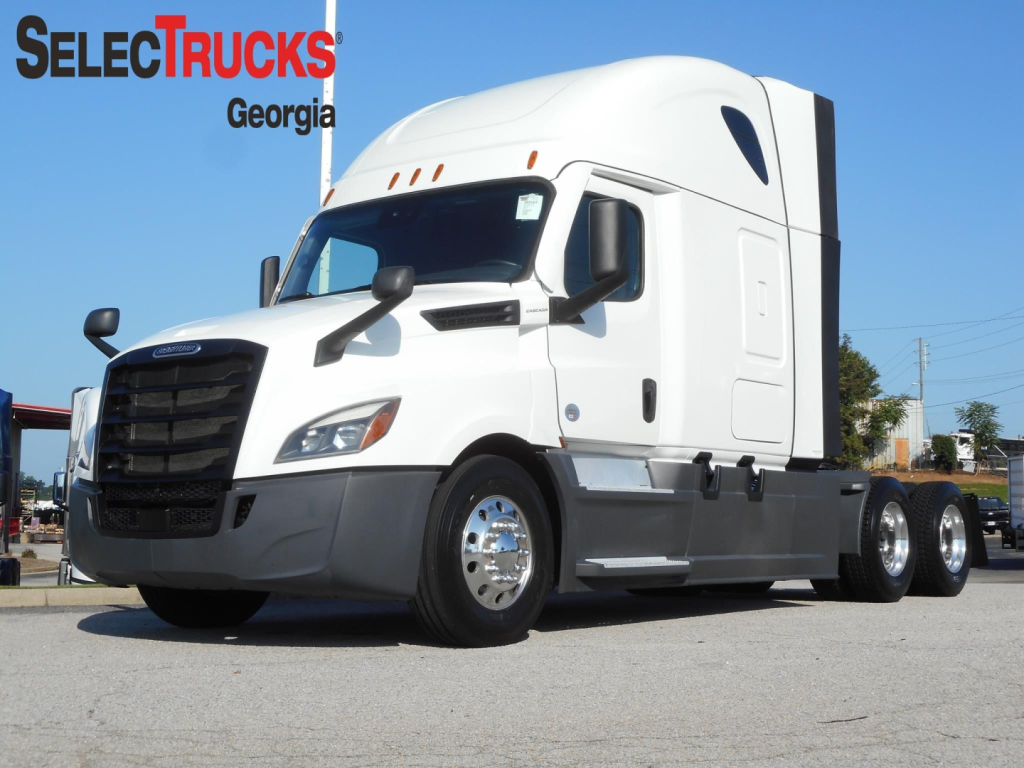
Selling a used 2024 freightliner truck? List your used 2024 freightliner truck for sale and reach thousands of commercial buyers.
Used 2024 Freightliner Trucks in Georgia
The first buying decision is usually application. On-highway buyers often focus on Cascadia day cabs and sleeper tractors, where common specs include Detroit DD13 or DD15 engines, DT12 automated manual transmissions, aerodynamic packages, collision mitigation systems, and 6x4 tandem drive setups. Vocational buyers may be looking at M2-series trucks for rollback, box, dump, or utility work, where axle ratings, frame configuration, PTO provisions, body compatibility, and wheelbase matter more than sleeper size or fairings. For either type, it helps to verify horsepower and torque ratings, rear axle ratio, suspension type, fifth-wheel or body setup, fuel capacity, and actual payload or GCWR fit for the intended route.
A used 2024 Freightliner truck should also be evaluated around uptime factors rather than model year alone. Buyers should review remaining factory warranty if applicable, maintenance records, fault code history, aftertreatment service, tire condition, brake life, and any signs of idle-heavy or severe-duty use. On Cascadia models, features like Detroit Assurance, adaptive cruise, lane departure warning, and integrated powertrain controls can improve driver acceptance and fuel economy, but they also make a clean diagnostic report more important during inspection. On vocational units, look closely at PTO operation, hydraulic systems, upfitter wiring, bed or body mounting, and front axle capacity, since these items often determine long-term value more than cab cosmetics.
Georgia buyers also tend to weigh route profile and climate when comparing specs. Regional operations may prefer lighter configurations, lower sleeper weights, and fuel-efficient drivetrains, while heavier freight and more demanding terrain may call for higher horsepower, locking rears, or more aggressive axle ratios. Freightliner trucks generally appeal to buyers who want standardized controls, broad service support, and a wide range of body and tractor configurations. A strong used 2024 Freightliner is less about the badge alone and more about matching the truck's engine, transmission, axle ratings, cab layout, and maintenance history to the job it will actually perform.
Frequently Asked Questions about Used 2024 Freightliner Trucks in Georgia
What are the most common used 2024 Freightliner truck models buyers look for?
The most commonly searched used 2024 Freightliner trucks are typically Cascadia tractors for highway service and M2 models for medium-duty or vocational work. Cascadia units are common in day cab and sleeper configurations and are often spec'd with Detroit engines and DT12 automated transmissions. M2 trucks are frequently used for rollback, box truck, dump, stake bed, and service body applications. The right model depends on whether the truck will spend most of its time on interstate lanes, city routes, or specialized jobsite work.
Is a used 2024 Freightliner a good choice for fleet standardization?
A used 2024 Freightliner can be a strong fleet standardization choice because Freightliner trucks are widely supported across the country and commonly used in both private and for-hire fleets. That usually means easier parts sourcing, more technicians familiar with the platform, and simpler driver training when multiple trucks share the same controls and powertrain family. Standardization matters most when a fleet wants predictable maintenance, consistent fuel economy tracking, and fewer surprises in uptime planning.
What should I inspect first on a used 2024 Freightliner Cascadia?
Start with the engine and aftertreatment history, then move to transmission operation, diagnostic scans, tire wear patterns, brake condition, and any active or stored fault codes. On a Cascadia, buyers should also confirm the exact Detroit DD13 or DD15 rating, rear axle ratio, wheelbase, and whether the truck has safety systems such as collision mitigation or lane departure warning. Uneven tire wear, excessive idle hours, or deferred aftertreatment service can tell you more about future operating cost than low mileage alone.
Are used 2024 Freightliner trucks in Georgia suitable for port and regional freight?
Yes, many used 2024 Freightliner trucks in Georgia are well suited for port drayage, regional haul, and Southeast freight operations. Day cabs are often a practical fit for port and short-haul work, while sleepers remain common for regional and irregular-route service. Georgia buyers should pay close attention to axle ratings, maneuverability, fuel capacity, and idle strategy based on whether the truck will run around Atlanta, serve Savannah port traffic, or cover multi-state lanes across the Southeast.
What matters most when comparing one used 2024 Freightliner truck to another?
The most important comparison points are application fit, maintenance history, and complete chassis specification. Buyers should compare engine model and rating, transmission type, axle ratio, suspension, wheelbase, front and rear axle capacities, cab configuration, and any installed safety technology. A lower-priced truck is not always the better value if it has the wrong gearing, a marginal axle setup, or incomplete service history for the work you need it to do.