
Used Peterbilt Trucks For Sale in Georgia
Browse used Peterbilt trucks for sale in Georgia, including day cabs, sleepers, vocational and specialty trucks with proven spec options.

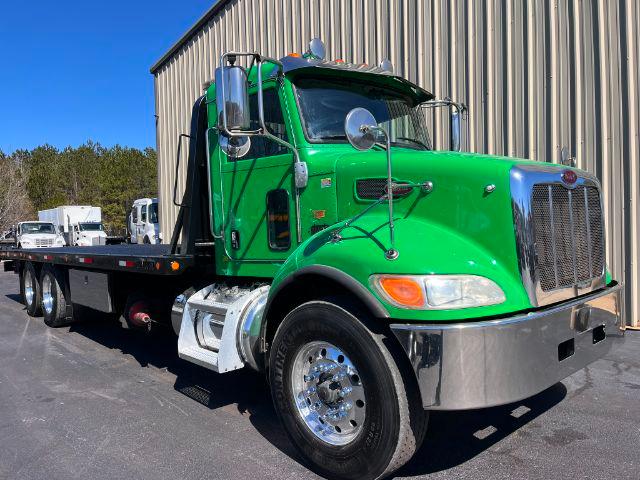

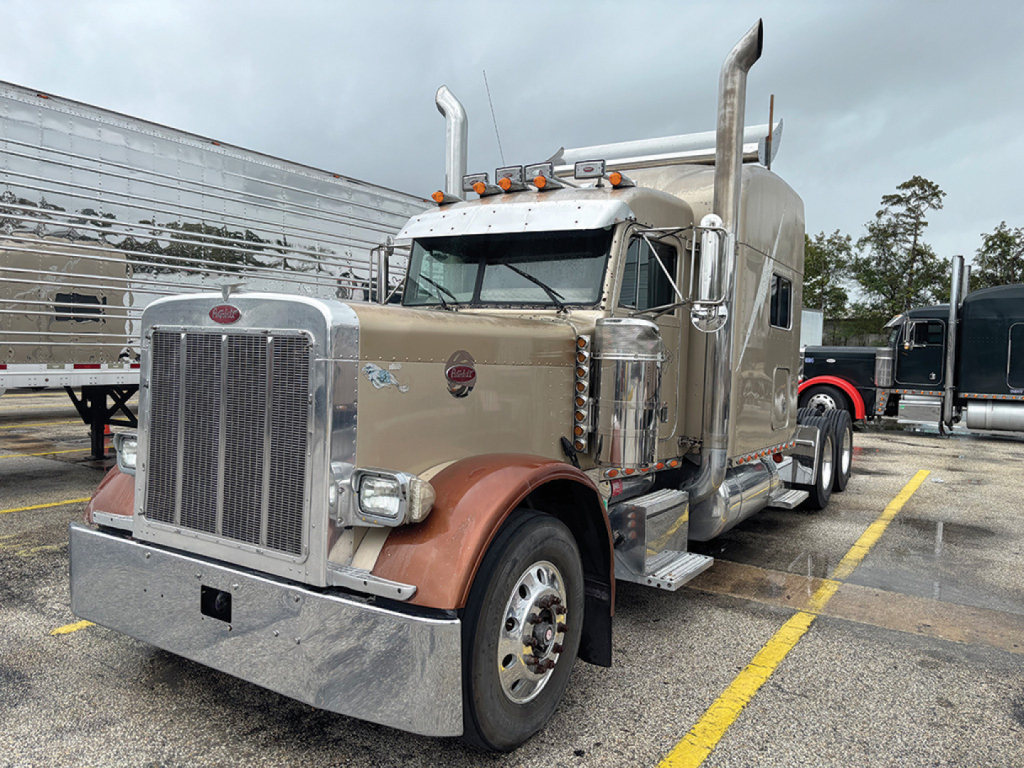
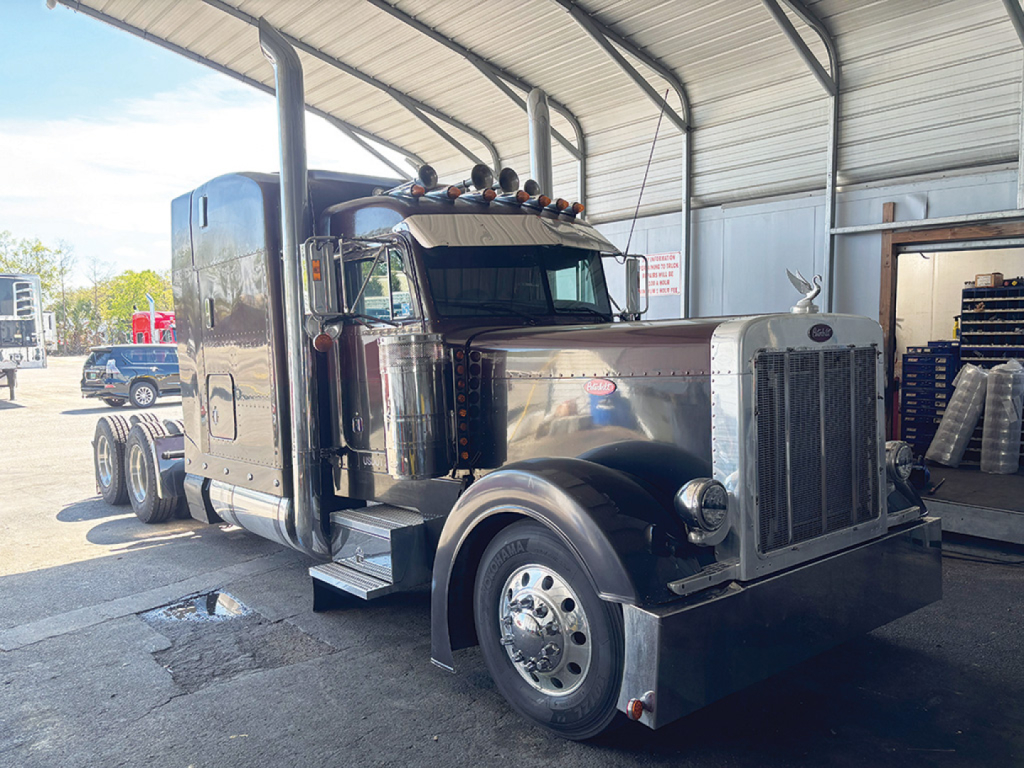
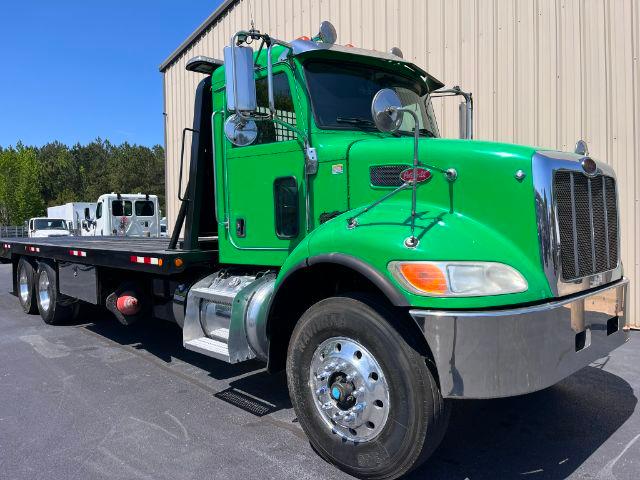
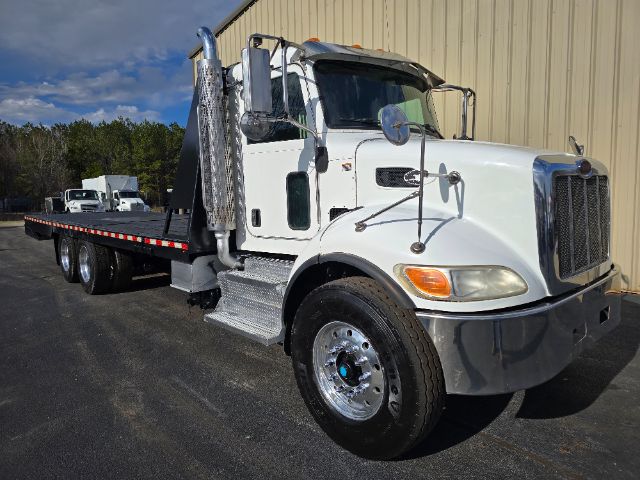
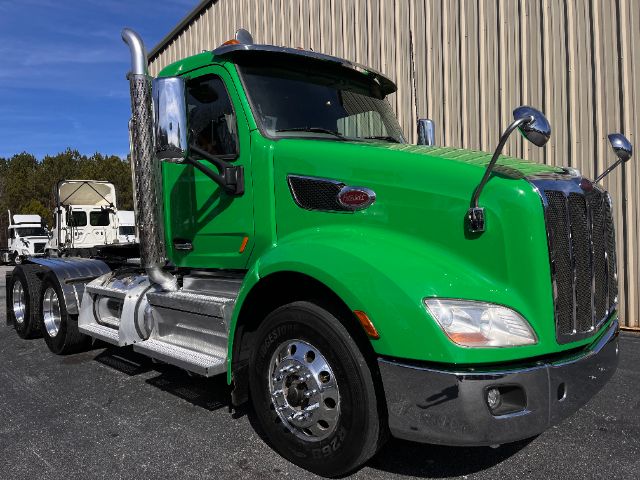
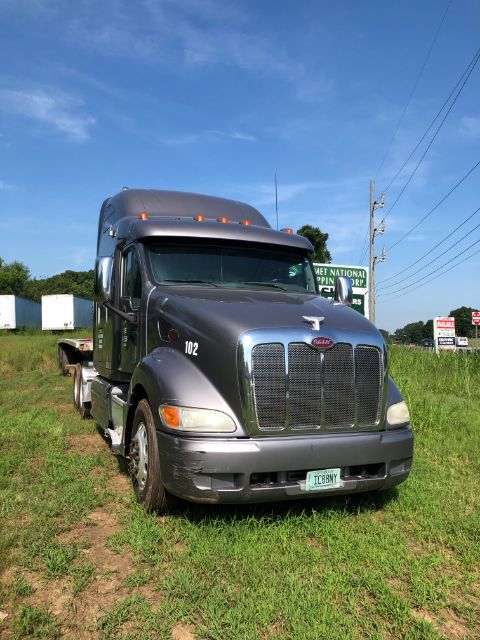
Selling a used peterbilt truck? List your used peterbilt truck for sale and reach thousands of commercial buyers.
Used Peterbilt Trucks in Georgia
For Georgia buyers, drivetrain and cooling specs matter. Long interstate runs, hot summers, and stop-and-go metro traffic around Atlanta can push a truck differently than flat Midwest duty cycles. A used Peterbilt day cab may be set up with a Cummins ISX15 or X15, or a PACCAR MX-series engine, often in the 450 to 500 horsepower range for highway use. Vocational units may carry a PACCAR PX-9 or similar medium-heavy platform engine around the 300 to 350 horsepower range. Transmissions vary by job, with Eaton Fuller automated manuals common in highway tractors and Allison automatics often preferred in rollback, towing, and urban vocational work. Rear axle ratios, usually somewhere from fuel-minded 2.78 highway gearing up to more work-focused ratios, should match the truck's actual route profile and payload needs.
Cab configuration is another major buying point. Conventional sleepers with 70-inch to 80-inch class sleepers are built for long-haul comfort and often include features like APUs, bunk heaters, refrigerators, and aerodynamic fairings. Day cabs are better suited to regional freight, port work, tanker, and local dedicated lanes where wheelbase, turning radius, and lower tare weight matter more than sleeper amenities. On specialty trucks, pay close attention to front axle capacity, frame rail specs, PTO provisions, suspension type, and wheelbase, especially if the truck is carrying a rollback body, car hauler equipment, or other mounted gear. A truck with air ride suspension and an air slide fifth wheel may be ideal for general freight, while a stationary fifth wheel or dedicated body setup points to a more specialized role.
When comparing used Peterbilt trucks, focus on how the spec sheet supports the work rather than shopping by model name alone. Check axle ratings, GVWR, wheelbase, suspension, fifth wheel style, tire size, brake type, and any installed vocational equipment. Engine history, emissions system condition, and service records are especially important on late-model used trucks. Peterbilt's appeal is not just styling or brand recognition. It is the ability to find a truck configured for a very specific job, with parts and service support that most commercial buyers already know well.
Frequently Asked Questions about Used Peterbilt Trucks in Georgia
What are the most common types of used Peterbilt trucks for sale in Georgia?
The most common used Peterbilt trucks in Georgia include conventional sleeper tractors, day cabs, vocational chassis, rollback wreckers, flatbeds, and auto haulers. Highway buyers often look at models such as the Peterbilt 579 for regional and long-haul freight, while vocational buyers tend to focus on models like the 348 or 365 for towing, hauling, and body-mounted applications. The right choice depends more on the truck's actual spec than the badge alone.
Which engines are commonly found in used Peterbilt trucks?
Used Peterbilt trucks are commonly powered by Cummins and PACCAR engines. Highway tractors often carry Cummins ISX15 or X15 engines and PACCAR MX-13 engines, usually in the 450 to 500 horsepower range. Medium-duty and vocational Peterbilts may use engines like the PACCAR PX-9 in lower horsepower ratings suited for towing, rollback service, or local work. Buyers should review horsepower, torque, emissions history, and maintenance records together rather than judging the engine by brand name only.
Is a Peterbilt day cab or sleeper better for Georgia operations?
A Peterbilt day cab is typically the better fit for regional freight, dedicated routes, port work, and local hauling in Georgia, especially where maneuverability and lower empty weight matter. A Peterbilt sleeper is the better option for long-haul or multi-day runs where driver comfort, onboard storage, and idle-reduction equipment are important. The decision should be based on route length, time away from home, wheelbase needs, and fuel capacity requirements.
What should I check on a used vocational Peterbilt truck?
On a used vocational Peterbilt, buyers should closely inspect front axle rating, rear axle capacity, frame condition, PTO setup, suspension, wheelbase, and any installed body equipment such as a rollback bed or car hauler system. Transmission type is also important because Allison automatics are often preferred in towing and urban stop-and-go work. If the truck has a specialized body, verify that the chassis spec, hydraulic components, and body rating all match the intended use.
Do used Peterbilt trucks hold their value well?
Used Peterbilt trucks generally hold value well because the brand has a strong reputation in both fleet and owner-operator markets. Demand stays consistent for clean, properly maintained trucks with desirable specs such as high-horsepower engines, automated transmissions, air ride suspension, and proven vocational setups. Resale strength still depends heavily on mileage, maintenance history, emissions condition, and whether the original spec matches common freight or vocational applications.