
Used Capacity Trucks For Sale in Georgia
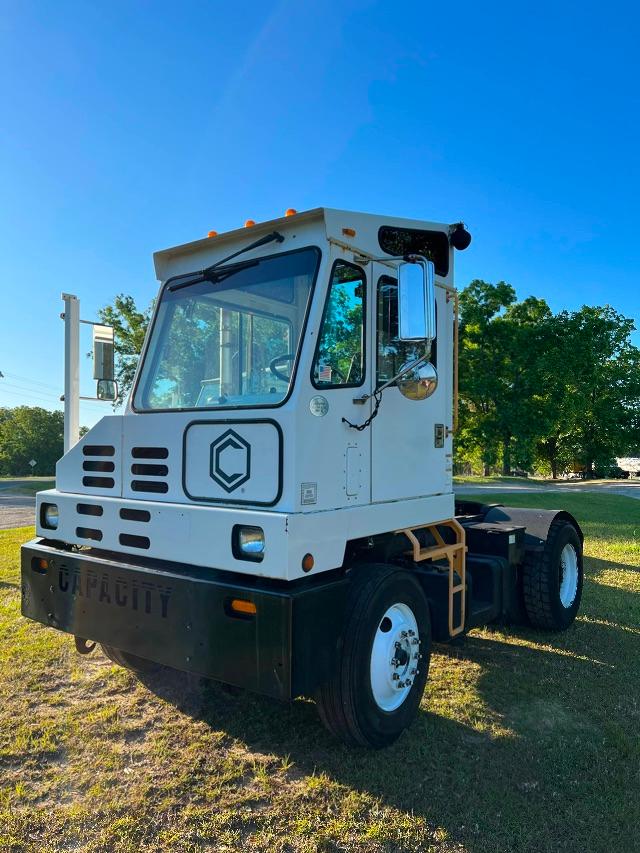
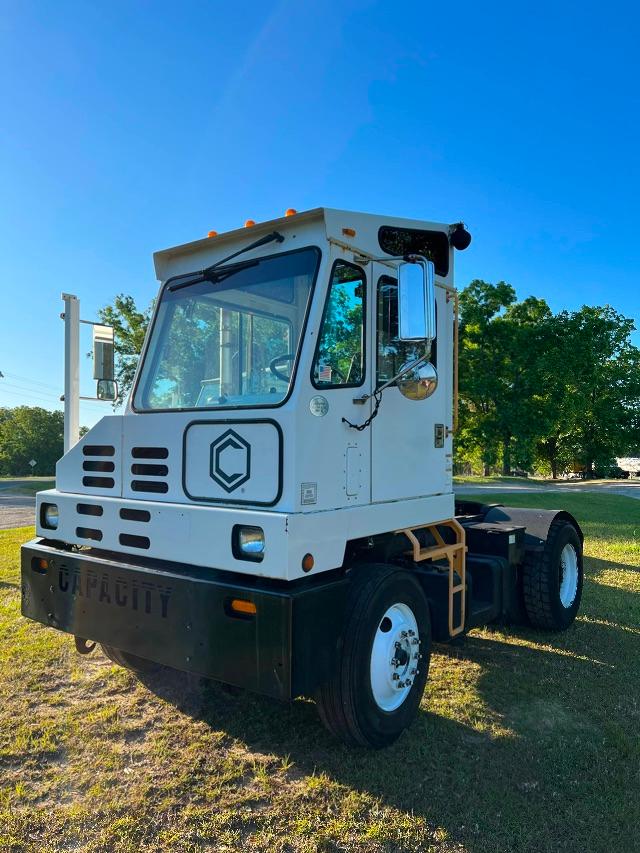
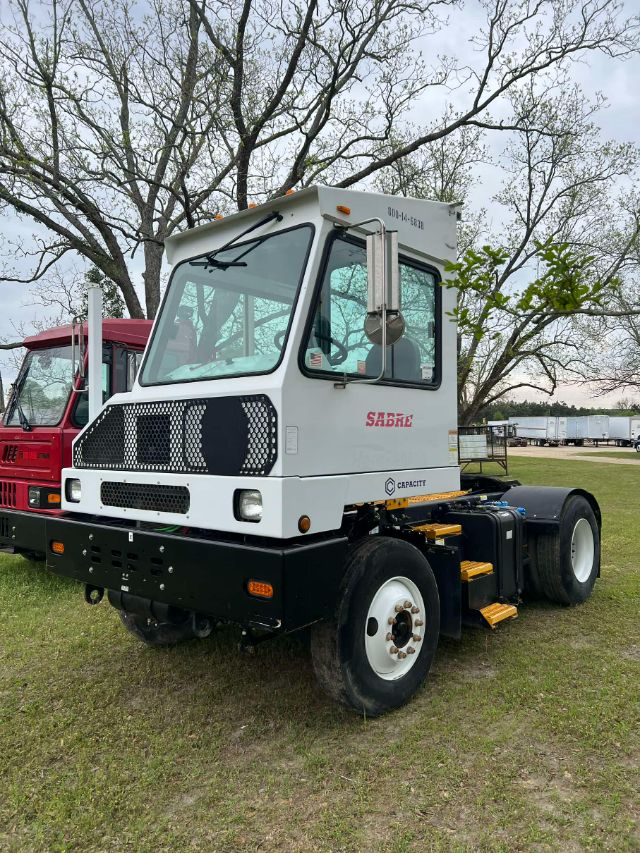
Used Capacity trucks in Georgia, including yard spotters and terminal tractors built for trailer spotting, port work, and local DOT-legal runs.
Selling a used capacity truck? List your used capacity truck for sale and reach thousands of commercial buyers.
Used Capacity Trucks in Georgia
A used Capacity yard truck often comes with a Cummins diesel and an Allison automatic transmission, which is a common and practical combination for constant stop-and-go work. Look closely at operating hours, idle time, clutch-free driveline operation, cooling system condition, and hydraulic fifth wheel performance. A terminal tractor lives a different life than an over-the-road day cab. It may have relatively low miles but still see heavy use from repeated trailer moves, frequent directional changes, and long idle periods. Frame condition, rear suspension wear, brakes, steering response, and cab entry components matter because drivers are getting in and out all shift. If the truck is advertised as DOT legal, confirm lighting, mirrors, brake system compliance, road-speed capability, and registration requirements for the type of service you plan to run in Georgia.
Georgia buyers often use these trucks around Atlanta-area distribution hubs, manufacturing plants, cold storage operations, and port-related freight lanes tied to Savannah and inland terminals. In these settings, a used Capacity truck can be a cost-effective fit when the job calls for moving trailers efficiently rather than pulling long highway miles. Features like a sliding or hydraulic fifth wheel, air ride driver's seat, good cab sightlines, and dependable HVAC can make a noticeable difference in productivity and driver retention. If the truck will work multiple shifts, cooling performance, transmission behavior under heat, and parts support should be part of the buying decision.
The best used Capacity truck is the one matched to the yard layout, trailer volume, and whether any public-road travel is required. A non-DOT yard tractor may be perfectly adequate inside a private facility, while a DOT-spec unit gives more flexibility for crossing roads, serving nearby lots, or handling short transfer runs. Buyers should compare service history, hour meter accuracy, tire condition, and signs of hard impact use around the fifth wheel and rear frame. Capacity terminal tractors have a long track record in fleet service, and a well-kept used unit can deliver strong value when uptime and quick trailer handling are the priority.
Frequently Asked Questions about Used Capacity Trucks in Georgia
What is a Capacity truck typically used for?
A Capacity truck is most commonly used as a terminal tractor for moving semi-trailers around warehouses, distribution centers, ports, rail yards, and manufacturing facilities. These trucks are designed for frequent trailer spotting rather than long over-the-road hauling. Their short wheelbase, high-visibility cab, and quick coupling setup make them efficient for constant hook-and-drop work.
What is the difference between a DOT-legal Capacity truck and a yard-only unit?
A DOT-legal Capacity truck is equipped and configured for limited operation on public roads, usually for short transfers between nearby facilities or across local routes. A yard-only unit is intended for private property use and may not meet road-use requirements for lighting, speed capability, mirrors, registration, or other compliance items. Buyers should confirm the exact legal status of the truck based on the route and service they need in Georgia.
Are hours more important than miles on a used Capacity yard truck?
Hours are often more important than miles on a used terminal tractor because these trucks spend much of their life in low-speed, stop-and-go operation with frequent idling. A unit can show low mileage and still have significant wear from repeated trailer moves, hydraulic fifth wheel use, and constant directional changes. Review total hours along with maintenance records, engine condition, transmission performance, and overall chassis wear.
What should I inspect first on a used Capacity TJ 5000?
Start with the engine, transmission, hydraulic fifth wheel, cooling system, brakes, steering, and rear frame area. On a TJ 5000, it is also smart to inspect cab entry steps, seat condition, HVAC operation, lighting, and signs of impact or fatigue around the trailer contact points. These trucks work hard in confined spaces, so evidence of curb strikes, dock contact, or neglected maintenance can be more important than appearance alone.
Why are Capacity terminal tractors popular in high-volume yard operations?
Capacity terminal tractors are popular because they are built specifically for repetitive trailer handling and can improve cycle times in busy yards. The cab layout supports visibility, the automatic transmission setup is well suited for stop-start work, and the chassis design allows tight maneuvering around docks and stacked trailers. For operations that measure productivity by trailer moves per shift, that purpose-built design is a major advantage.