
Used 2013 Commercial Trucks For Sale in Georgia
Expert guide to used 2013 trucks in Georgia. Compare engines, emissions systems, transmissions, and specs to match your routes and budget.
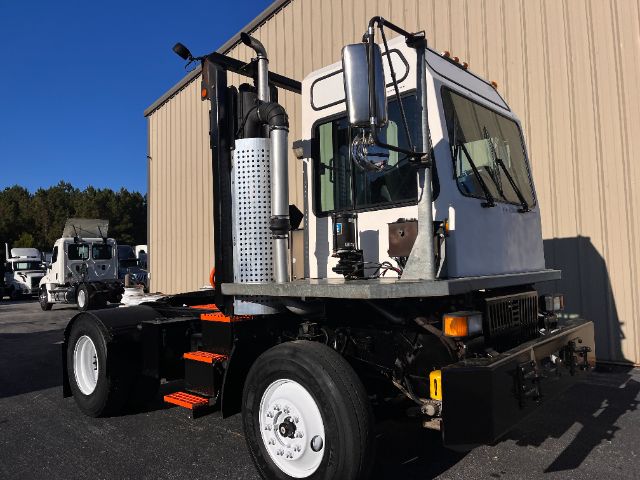
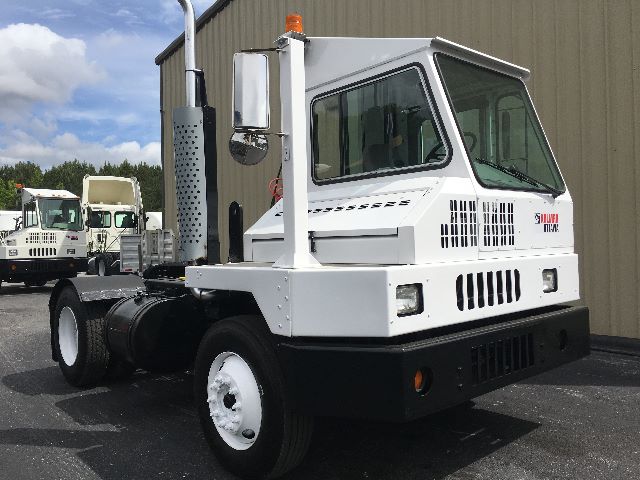
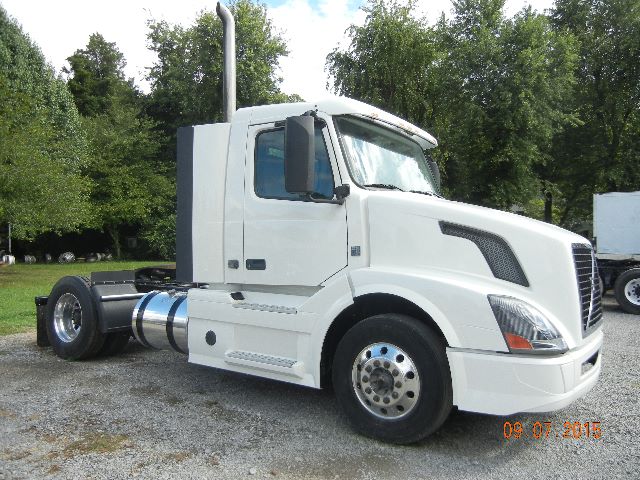
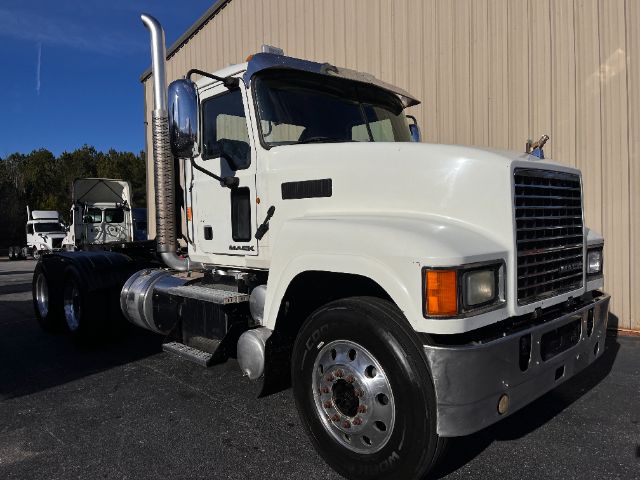
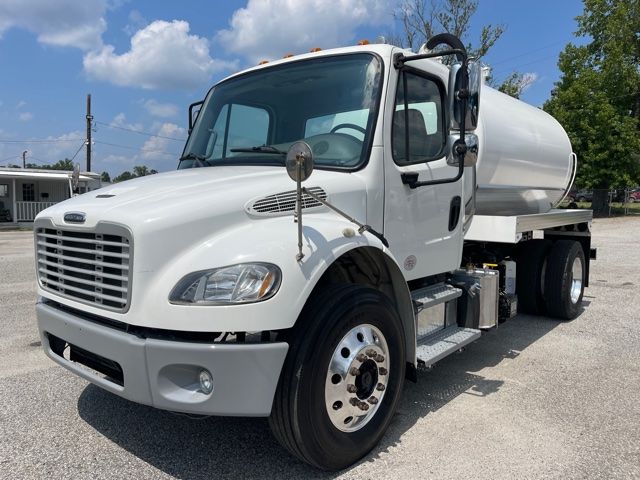
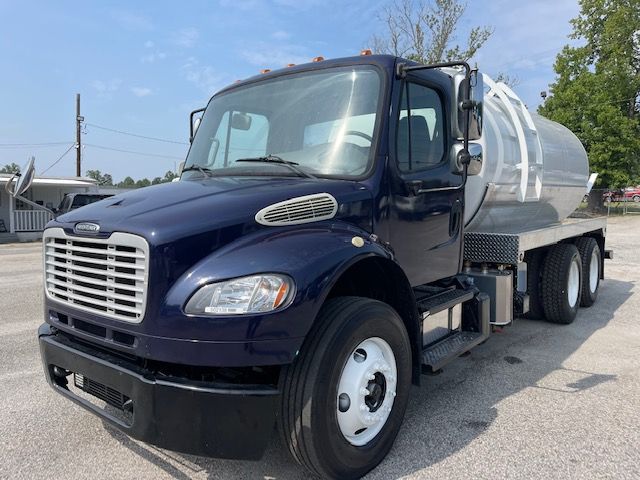
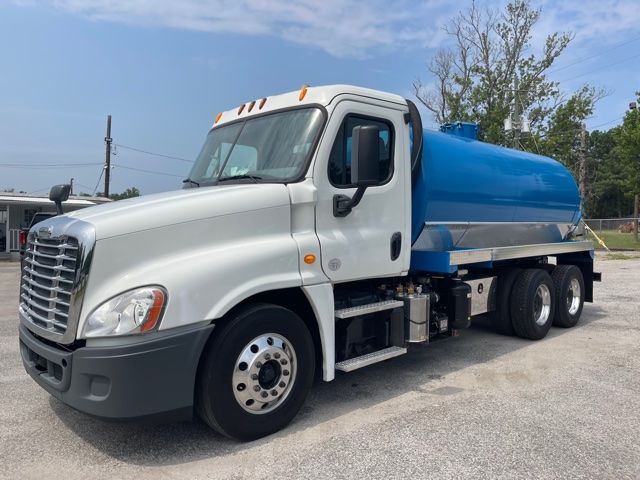
Selling a used 2013 commercial truck? List your used 2013 commercial truck for sale and reach thousands of commercial buyers.
Used 2013 Commercial Trucks in Georgia
Spec decisions drive operating cost as much as brand. Linehaul sleepers of this vintage were often built with Eaton Fuller 10- or 13-speed manuals, Eaton UltraShift Plus or Volvo I-Shift automated manuals. Rear axle ratios around 2.64 to 3.36 favor highway fuel economy, while 3.55 to 3.90 gears suit regional, stop-and-go or vocational work. Most tractors are 6x4; some fleets trialed 6x2 to cut weight and parasitic loss. Wide-base singles showed up alongside LP22.5 and 24.5 duals. Air drum brakes dominate 2013, with air disc brakes appearing on some premium specs. Sleeper comfort varies, but APUs, bunk heaters, cab insulation, roof fairings and side extenders can materially change fuel burn and driver satisfaction.
Georgia buyers often benefit from trucks that have seen less road salt than northern units, which can mean cleaner frames, crossmembers and cab mounts. Heat takes a toll, so check AC performance, radiator and charge air cooler integrity, and wiring harness condition. For Atlanta regional, final mile and construction, 2013 day cabs, box trucks and dumps with tighter wheelbases and higher axle ratios can be a better fit. Port of Savannah drayage favors short-wheelbase day cabs with low ride height, tight turning and durable clutches or AMTs. Medium-duty 2013 box trucks typically carry DPF systems without SCR in some models, and urban duty cycles can be hard on passive regen, so review forced regen history and ash loading.
At this age you are buying service history as much as iron. Expect 500,000 to 900,000 miles on many highway sleepers and plan for lifecycle items like EGR coolers, DPF cleaning or replacement, turbo actuator service, air compressor, clutch or AMT clutch pack and cooling system refresh. Perform a forced regen and check DPF differential pressure, review ECM fault history, pressure test the coolant system, check blow-by, inspect kingpins and bushings, verify brake lining and drum or rotor condition, and measure tire tread depth and age. 2013 powertrains support ELD connectivity via 6- or 9-pin J1939 ports, and basic telematics integration is straightforward. Match wheelbase, axle ratings, fifth wheel height, fuel capacity and fairings to your route, freight and Georgia weight compliance to lock in the lowest cost per mile.
Frequently Asked Questions about Used 2013 Commercial Trucks in Georgia
Which engines are common in used 2013 trucks and what are the trade-offs?
Typical 2013 engines include Cummins ISX15, Detroit DD13 or DD15, PACCAR MX-13, Volvo D13 and Mack MP8. These are SCR-equipped in most specs and can deliver solid fuel economy when the aftertreatment is healthy. Some International ProStar units carried MaxxForce EGR-only systems that have a history of aftertreatment and EGR reliability concerns, so verify service records, updated calibrations and any component replacements before purchase.
How do 2013 emissions systems affect maintenance and fuel economy?
DPF and SCR systems add sensors, dosing hardware and components that require periodic service. Well-maintained SCR engines generally outperform EGR-only platforms in fuel economy and reliability. Review DPF ash load, DOC/DPF condition, NOx sensor history, DEF pump and doser operation, and look for crystallization around DEF lines and the dosing module. A clean aftertreatment system supports lower regen frequency and better mpg.
Are 2013 trucks compatible with ELDs and modern telematics?
Yes. Most 2013 trucks use SAE J1939 over 6- or 9-pin diagnostic connectors, which common ELDs and telematics devices support. Confirm constant 12V power at the port, check for any aftermarket wiring changes, and verify that the ECM parameters broadcast speed, RPM and odometer data. If you plan to add cameras or sensors, confirm available power circuits and mounting space in the cab.
What axle ratios and transmissions fit Georgia routes best?
For I-75 and I-95 linehaul with steady cruising, look for 2.64 to 3.08 rear ratios paired with an overdrive manual, UltraShift Plus or I-Shift to keep RPM low at highway speed. For Atlanta regional with frequent stops or hilly north Georgia, mid 3.36 to 3.70 ratios help launch and gradeability. Vocational dumps and mixers often run 3.70 to 4.10 with multi-speed auxiliaries or heavy-duty manuals for durability.
What inspections matter most on a high-mile 2013 tractor or box truck?
Prioritize a full ECM scan and forced regen, DPF differential pressure and inlet temp checks, coolant pressure test, turbo endplay, overhead set history, engine oil and coolant analysis, and a thorough air system leak-down. Inspect frame rails and crossmembers for cracks, cab mounts, kingpins and bushings, driveline u-joints, brake measurements and ABS faults. Verify tire DOT dates, alignment and suspension bushing wear, and road test to evaluate AMT shift quality or clutch engagement.