
Used Kenworth Trucks For Sale in Georgia
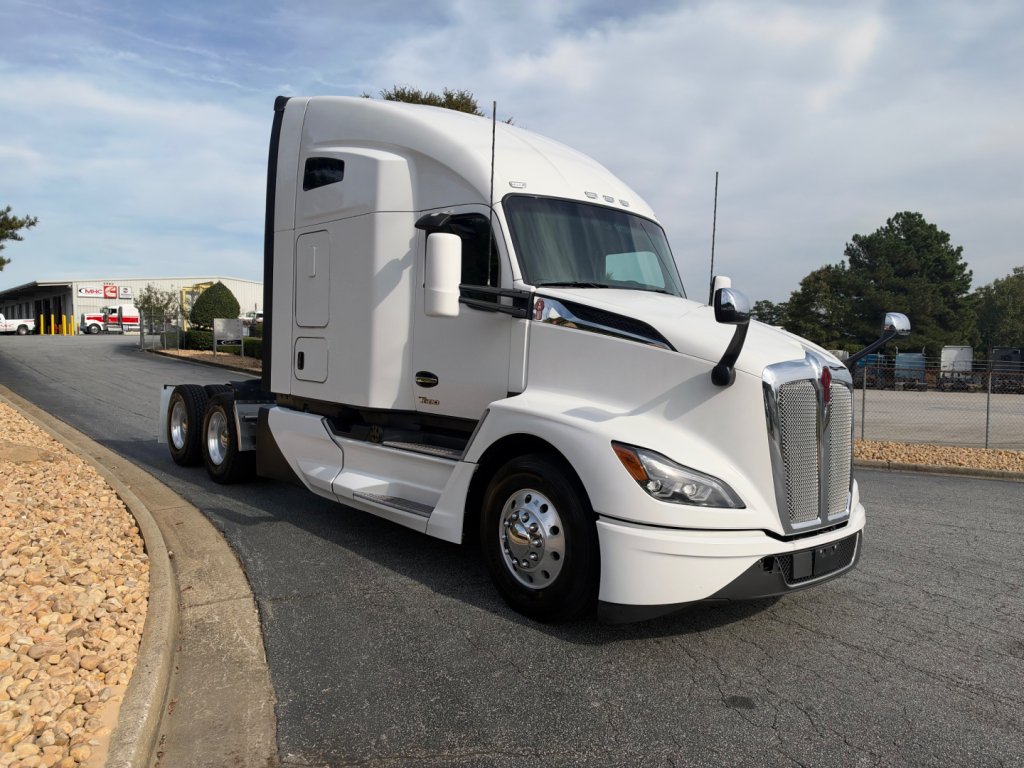
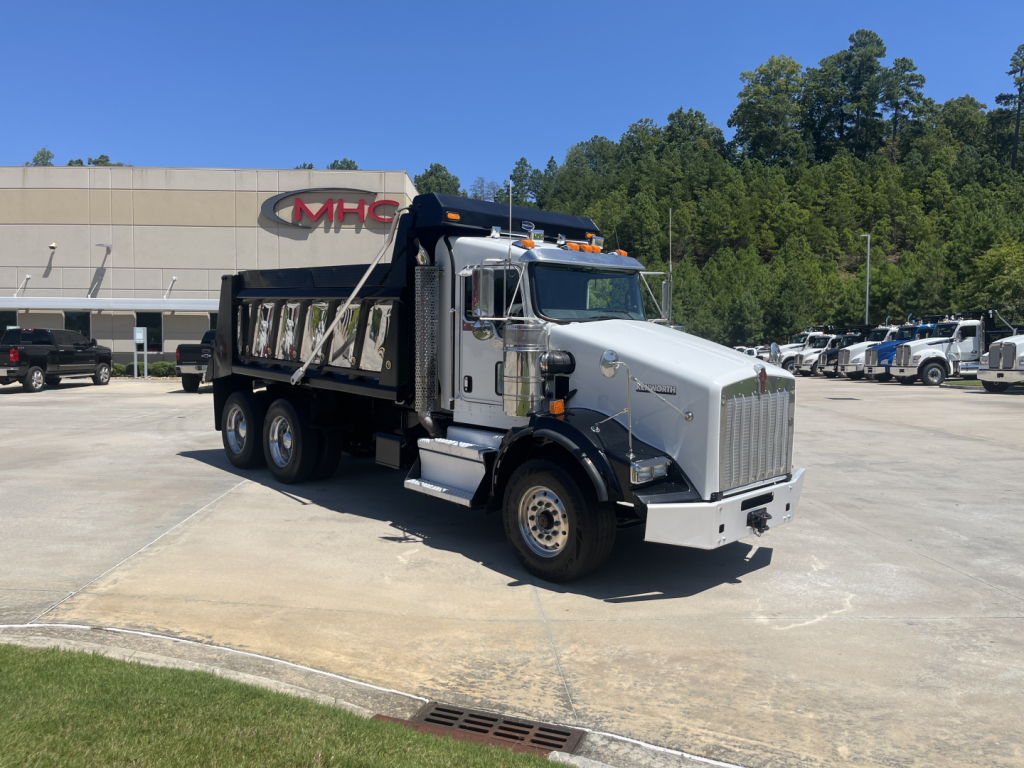
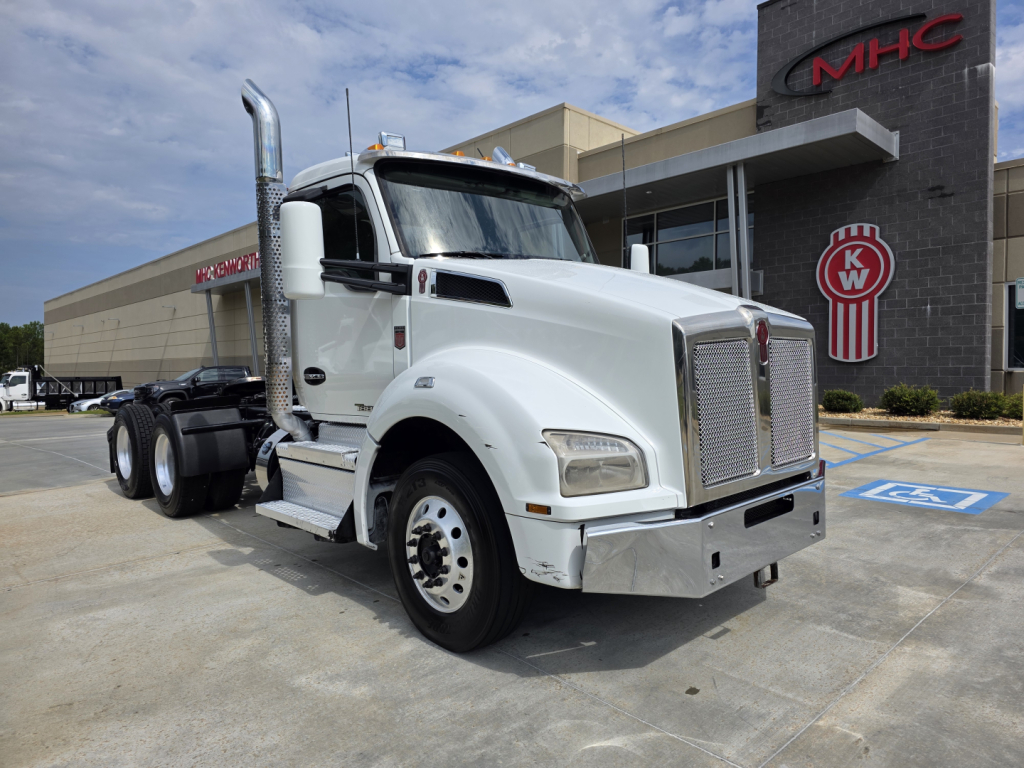
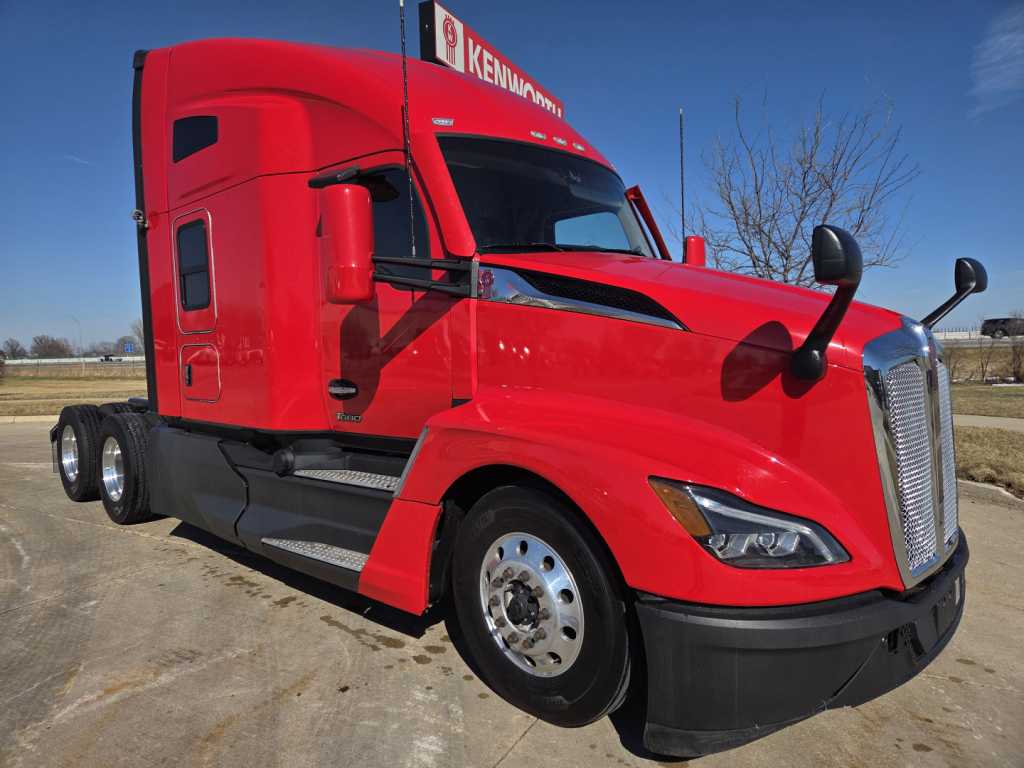
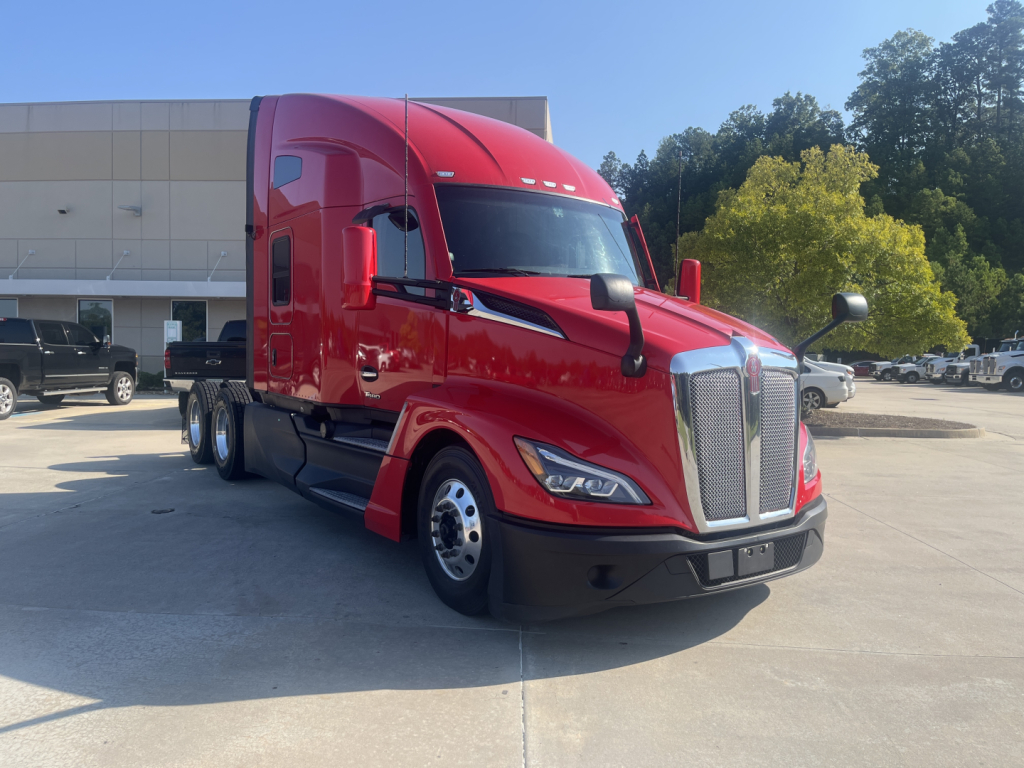
Browse used Kenworth trucks for sale in Georgia, including T680, T800, T660, and T600 models for highway, regional, and vocational work.
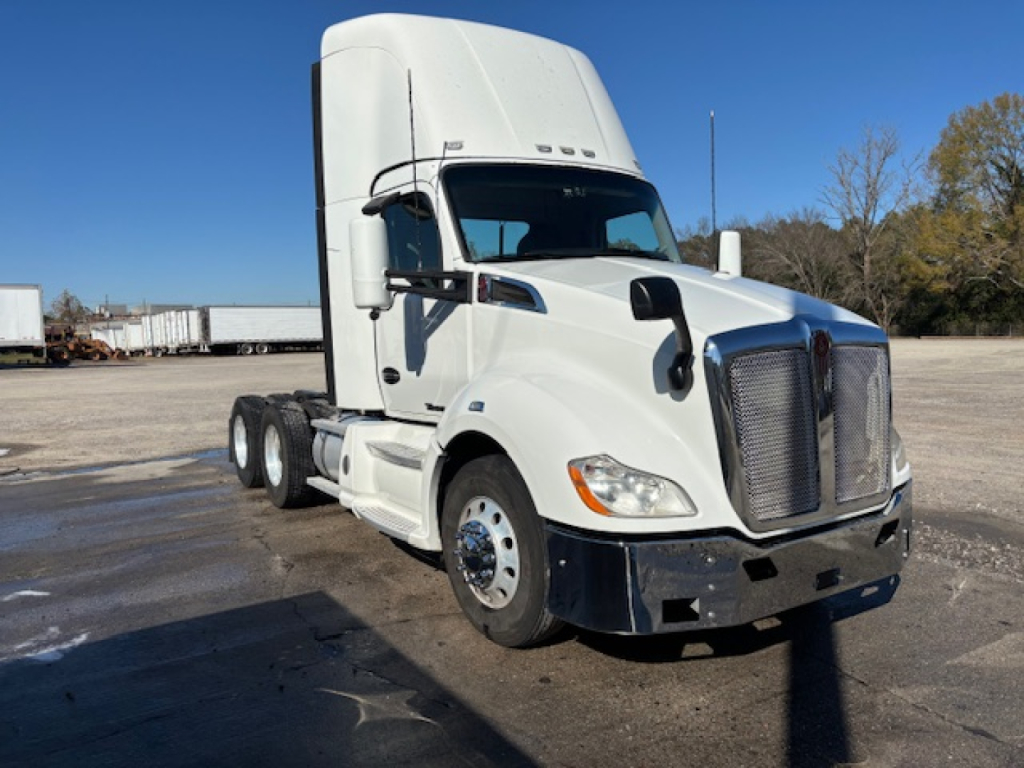
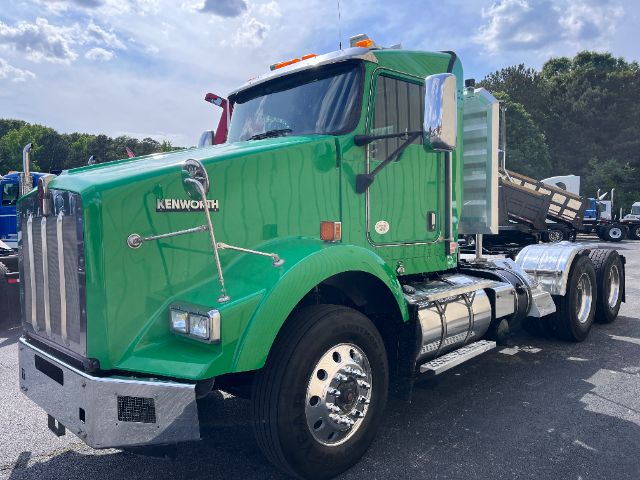
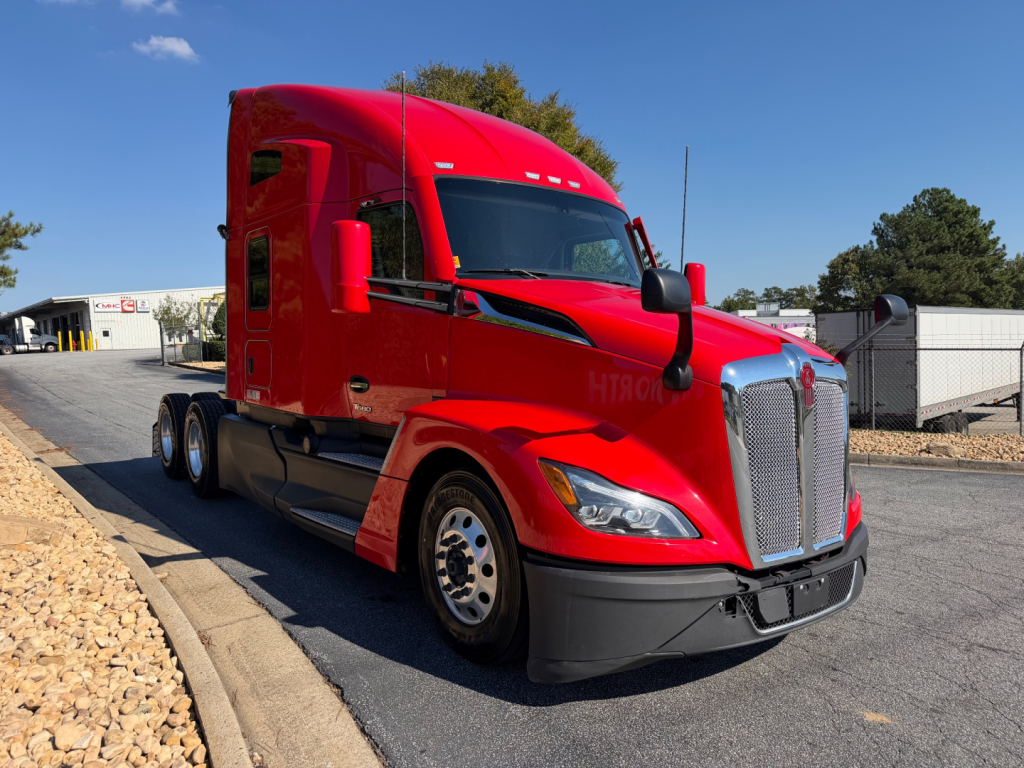
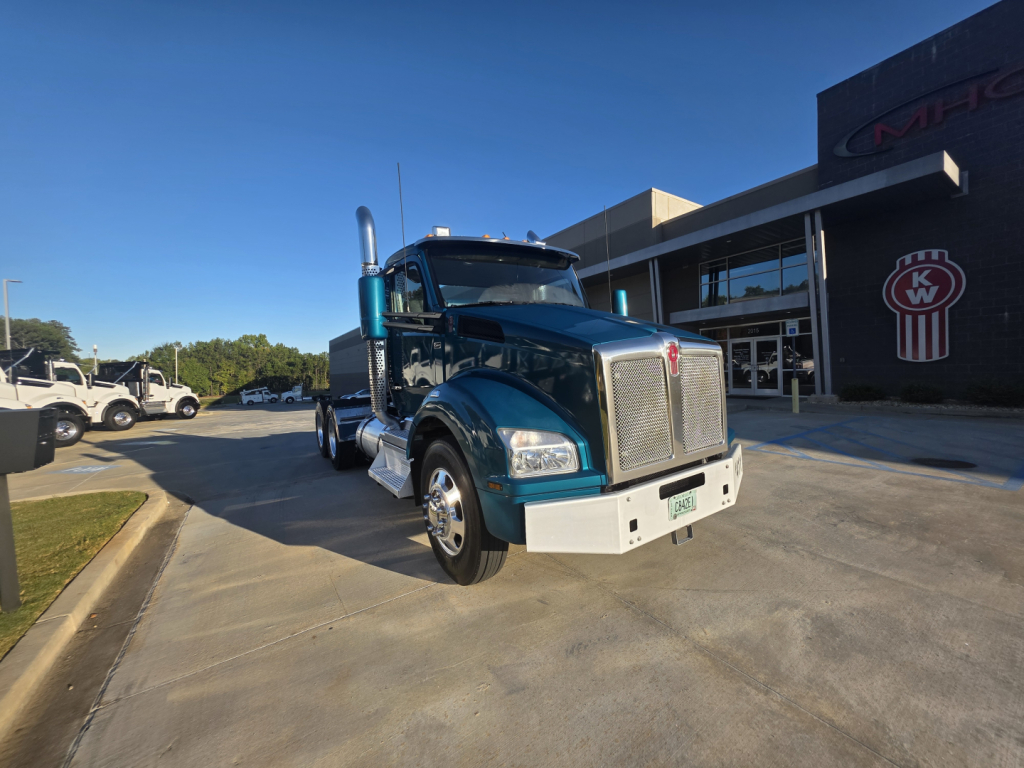

Selling a used kenworth truck? List your used kenworth truck for sale and reach thousands of commercial buyers.
Used Kenworth Trucks in Georgia
Spec selection matters more than badge alone. Many used Kenworth trucks in Georgia are configured as day cabs, conventional sleepers, or cab and chassis units, with common engines including the PACCAR MX-13, Cummins ISX, and ISX15. Horsepower often falls in the 450 to 455 HP range on fleet tractors, paired with manual transmissions, automated manuals such as Eaton Fuller Ultrashift, or other highway-focused driveline setups. Rear axle ratings around 40,000 pounds, ratios in the 3.36 to 3.55 range, air ride suspension, sliding fifth wheels, and 6x4 tandem axle configurations are common on road tractors. Buyers comparing listings should look closely at wheelbase, sleeper height, fuel tank capacity, front axle rating, and suspension type because those details determine maneuverability, bridge compliance, and route suitability.
For Georgia operations, the intended lane and terrain should drive the decision. A T680 day cab or mid-roof sleeper typically makes sense for regional freight, port work, and long-haul lanes where aerodynamics and cab comfort support fuel economy and driver productivity. A T800 day cab is a different tool, often chosen for heavier vocational service, wet line applications, and jobs that benefit from a more rugged front end and straightforward chassis layout. Older T600 and T660 models still appeal to buyers looking for lower acquisition cost, but condition becomes more important than model reputation at that age. Service records, software updates, emissions history, and signs of frame modification should all be reviewed carefully on any used unit.
A good used Kenworth truck should be evaluated as a complete operating package, not just by year and mileage. Pay attention to engine brake function, clutch or AMT behavior, suspension wear, tire type and remaining tread, fifth wheel condition, and cab equipment such as power windows, HVAC, cruise control, and camera systems. In Georgia’s mix of interstate freight, metro congestion, and hot-weather operation, cooling system condition and A/C performance deserve extra scrutiny. The best buy is usually the truck whose spec matches the work without forcing compromises on axle capacity, gearing, sleeper size, or maintenance outlook.
Frequently Asked Questions about Used Kenworth Trucks in Georgia
What are the most common used Kenworth truck models found in Georgia?
Common used Kenworth models in Georgia include the T680, T660, T800, and T600. The T680 is widely used for regional and long-haul freight because of its aerodynamic design and modern cab. The T800 is more common in vocational and heavy-duty applications where chassis strength and equipment options matter. Older T660 and T600 models are still found on the market and can offer a lower purchase price, but buyers should place more emphasis on maintenance history, driveline condition, and prior use.
Is a used Kenworth T680 or T800 better for my operation?
The answer depends on application. A used Kenworth T680 is generally better for highway freight, regional hauling, and over-the-road work where fuel economy, aerodynamics, and driver comfort are priorities. A used Kenworth T800 is typically better for heavier-duty jobs, vocational work, wet kit setups, and operations that need a tougher chassis with more flexibility for body or equipment installation. Buyers should compare axle ratings, wheelbase, transmission type, and PTO or hydraulic equipment before deciding.
What engine and transmission combinations are common in used Kenworth trucks?
Used Kenworth trucks commonly come with PACCAR MX-13 or Cummins ISX and ISX15 engines, often in the 450 to 455 horsepower range for highway tractors. Transmission choices frequently include Eaton Fuller manual gearboxes and automated manual transmissions such as the Ultrashift. The right combination depends on route profile, driver preference, maintenance capability, and fuel economy targets. A manual may appeal to some fleets for familiarity and control, while an AMT can help with driver consistency and training.
What should I inspect first on a used Kenworth truck?
Start with the truck’s configuration and maintenance records, then inspect the engine, transmission, suspension, frame, and fifth wheel. Verify axle ratings, rear ratio, wheelbase, and sleeper or cab layout match the intended work. On the mechanical side, pay close attention to engine brake operation, air system condition, clutch wear on manuals, shift quality on AMTs, tire condition, and signs of uneven suspension wear. Also inspect the cooling system and A/C performance closely, especially for trucks that will work in Georgia heat and stop-and-go traffic.
Are older used Kenworth trucks still a good buy?
Older used Kenworth trucks can still be a solid value if the truck was spec'd correctly and maintained well. Models like the T600 and T660 may offer a lower upfront cost, but age increases the importance of service history, emissions compliance, cab wear, and frame condition. Buyers should check for prior frame extensions, corrosion, drivetrain rebuilds, and parts availability for the exact engine and transmission. An older truck can make sense when acquisition cost is the priority, but only if its condition supports dependable service.