
New Commercial Trucks For Sale in Washington
Browse new trucks for sale in Washington, including highway, vocational, dump, day cab, and sleeper configurations built for regional and heavy-duty work.
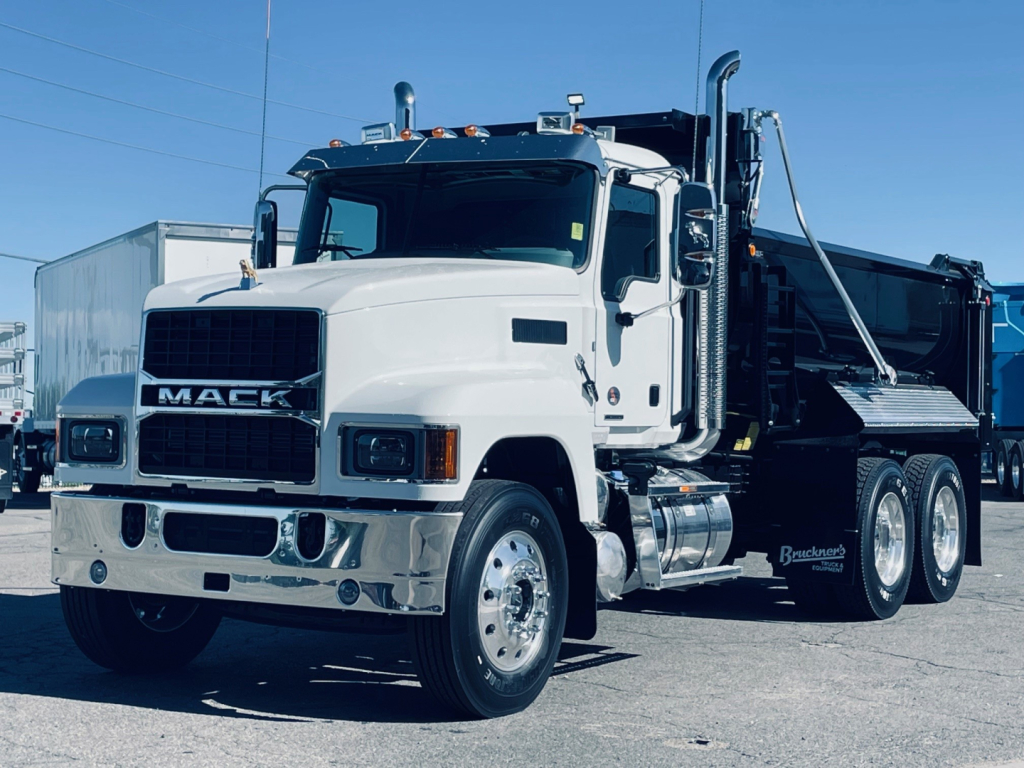
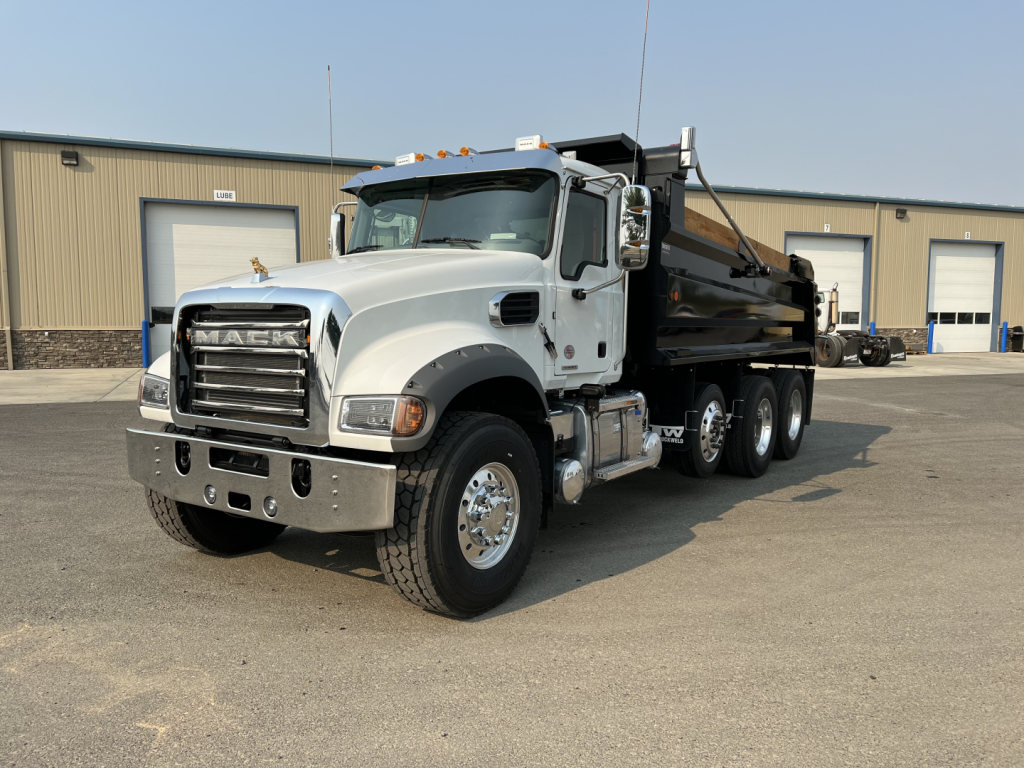
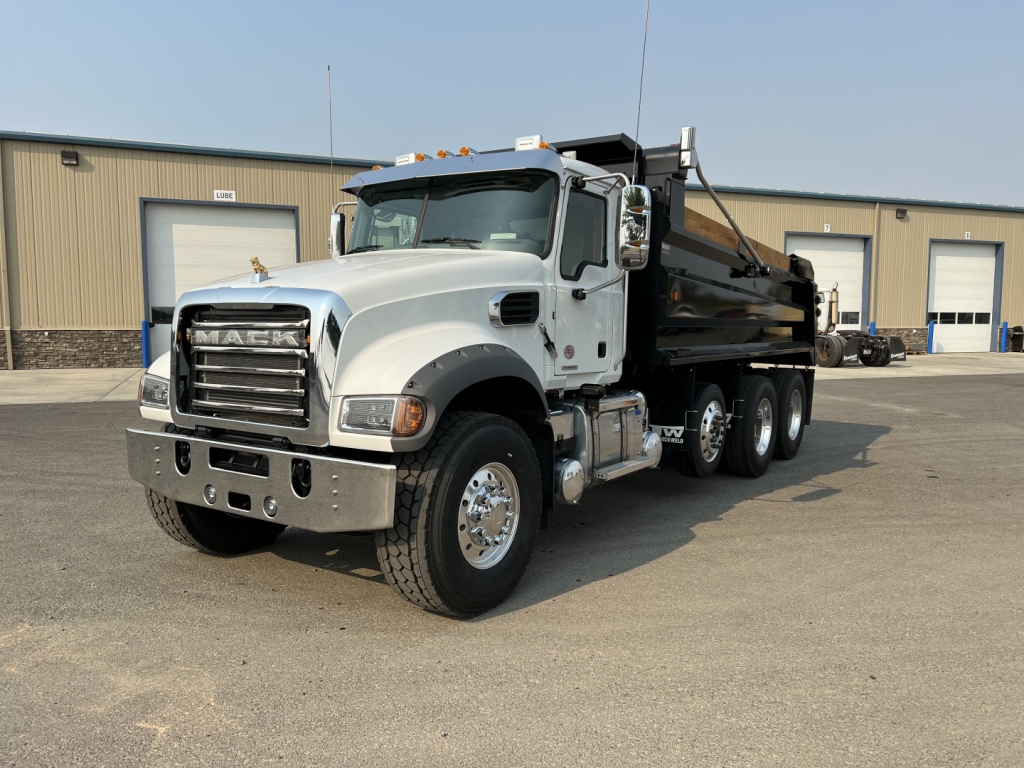
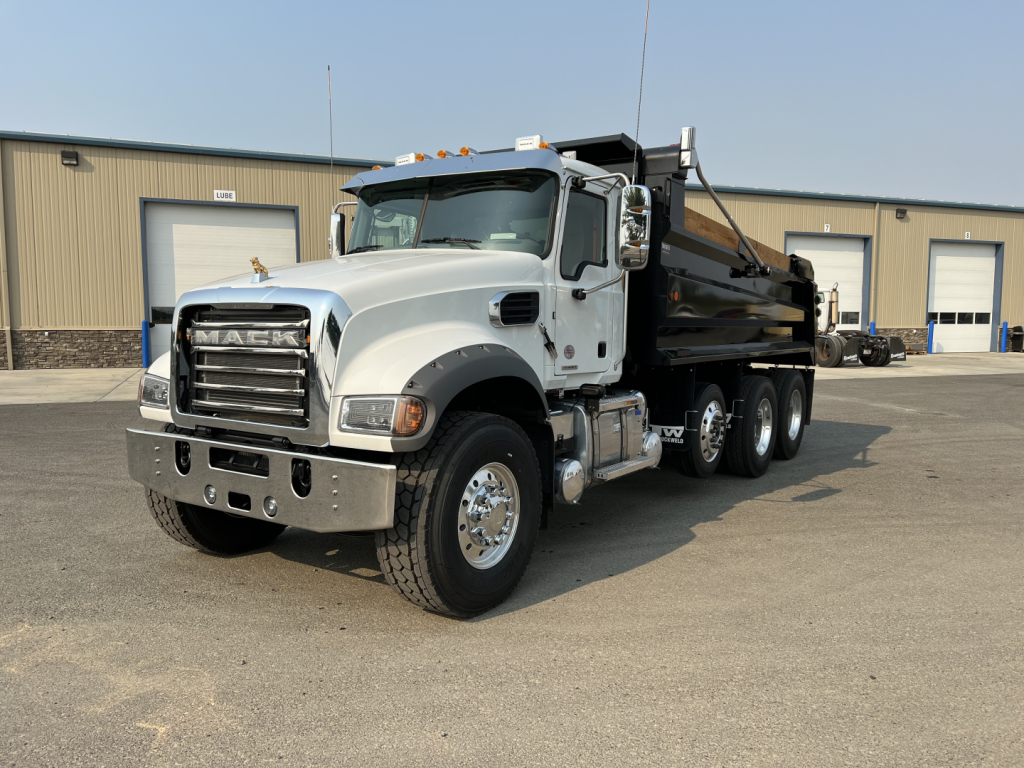
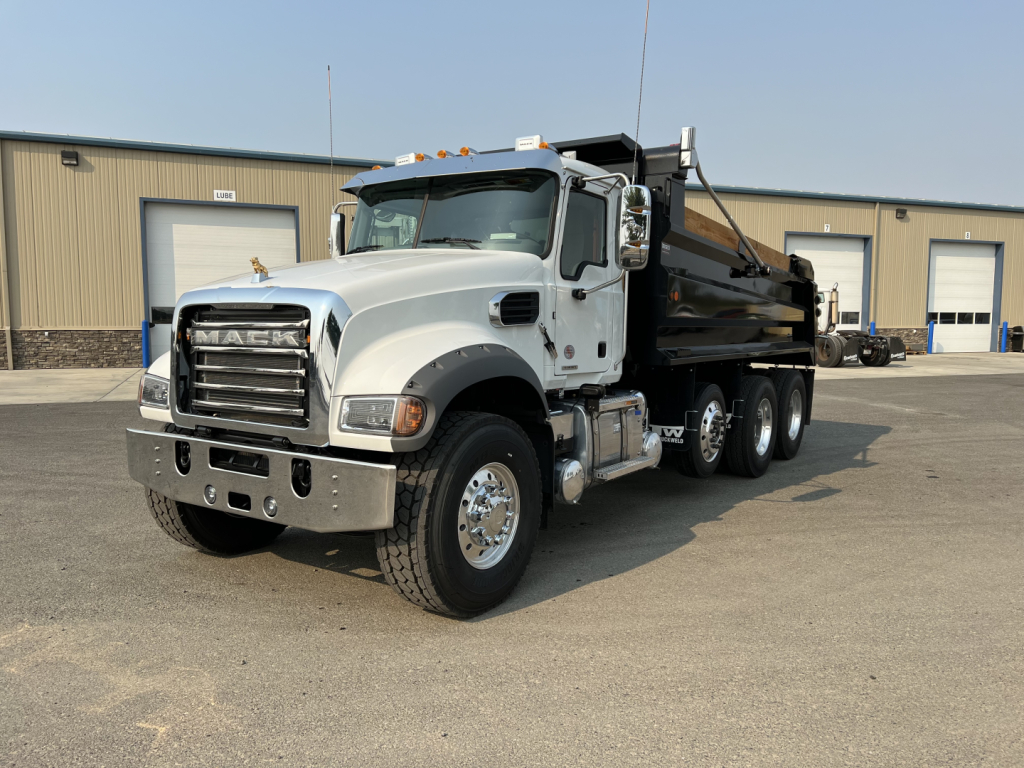
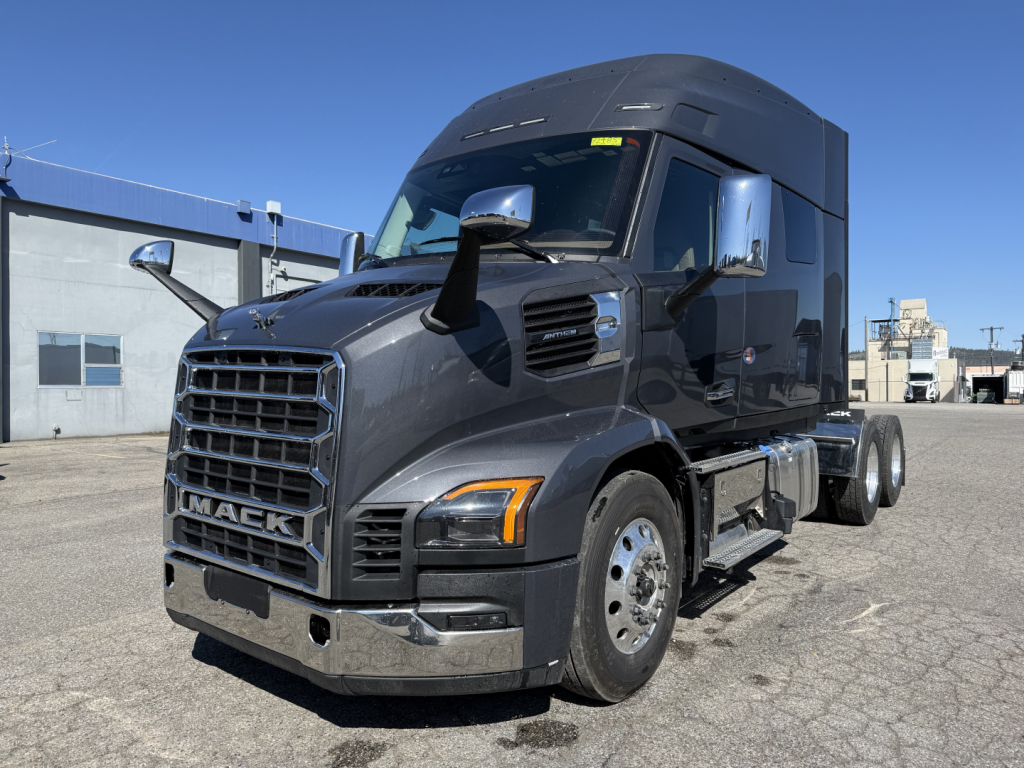
2026 Mack PR64T64
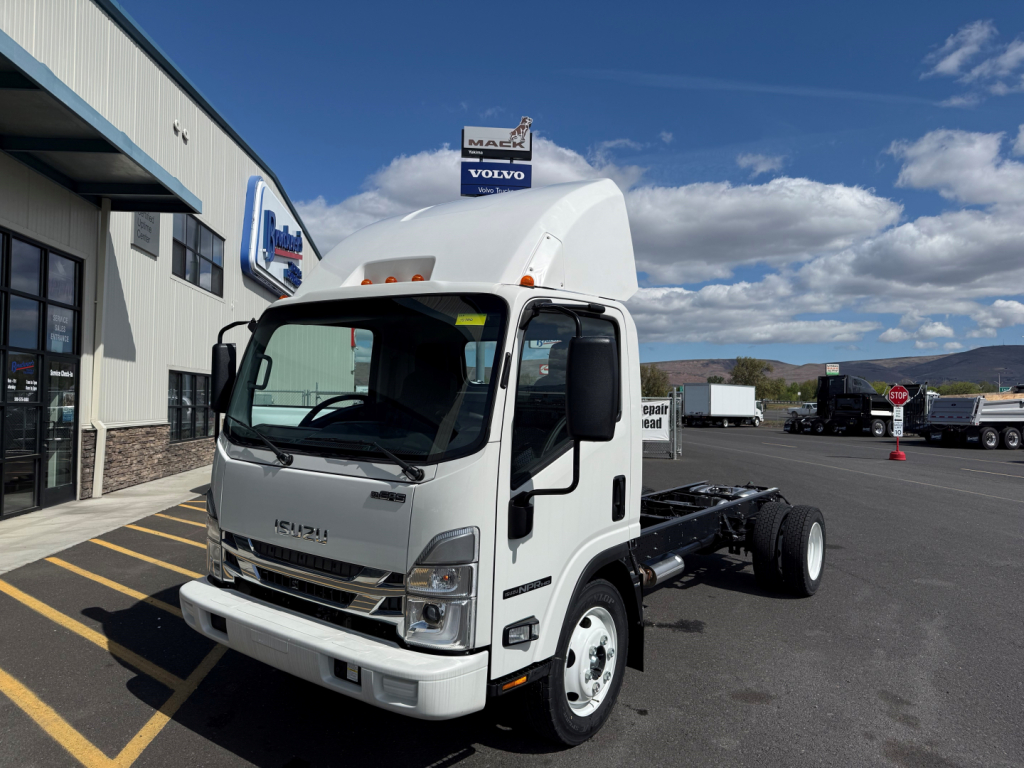
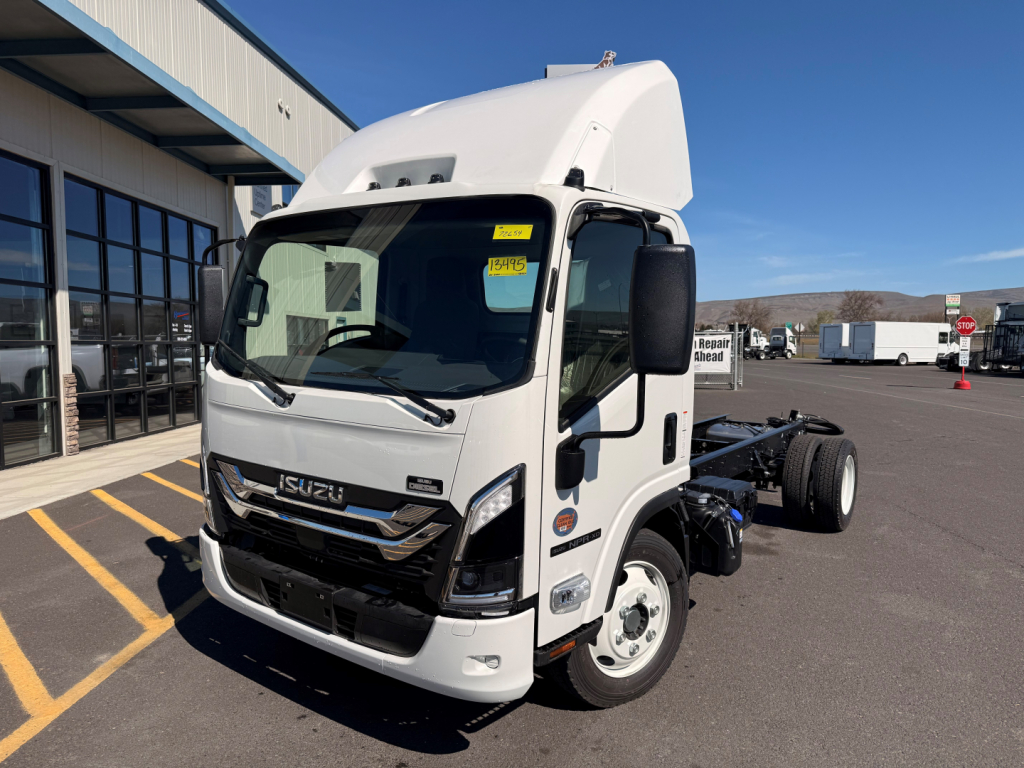
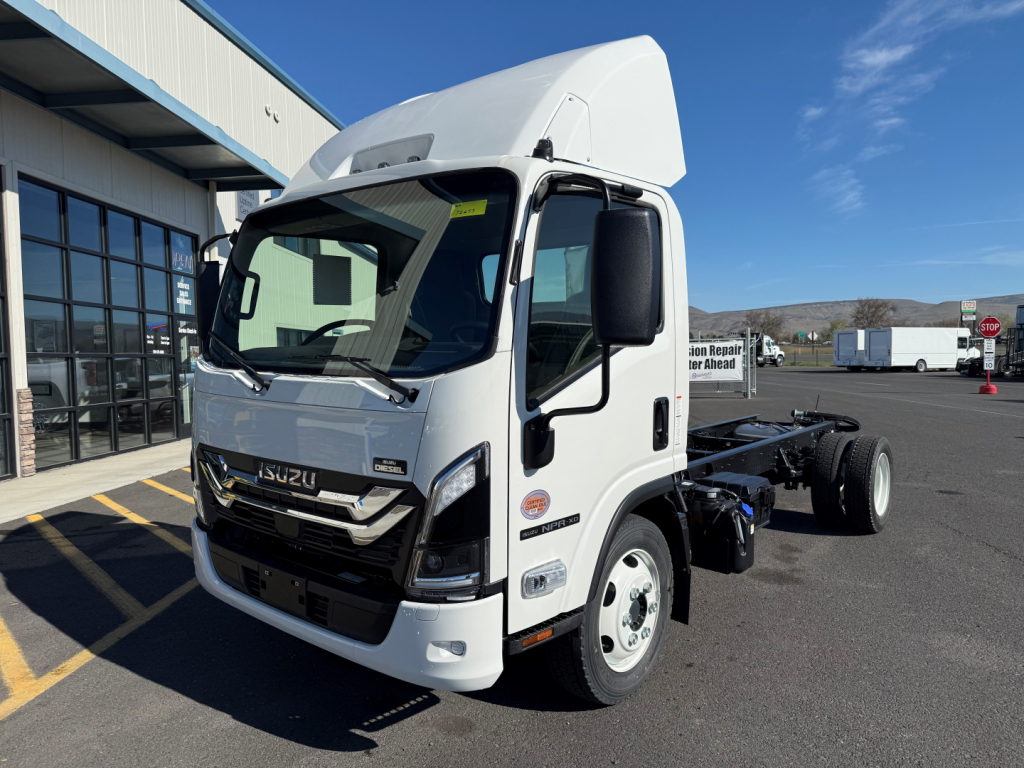
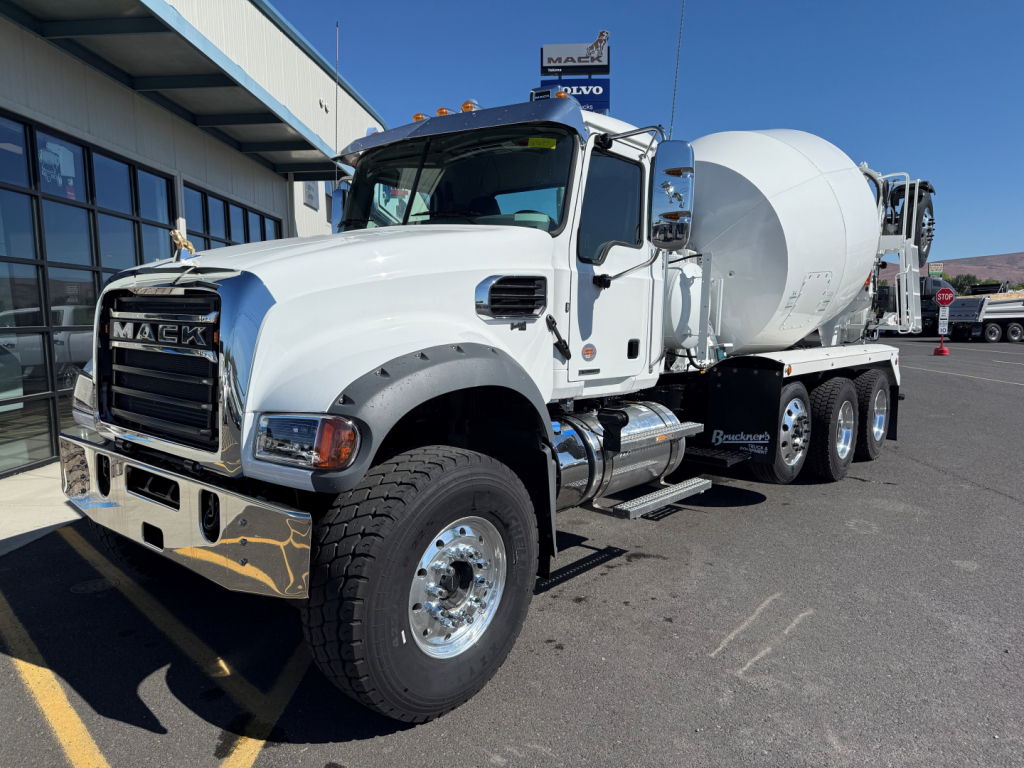
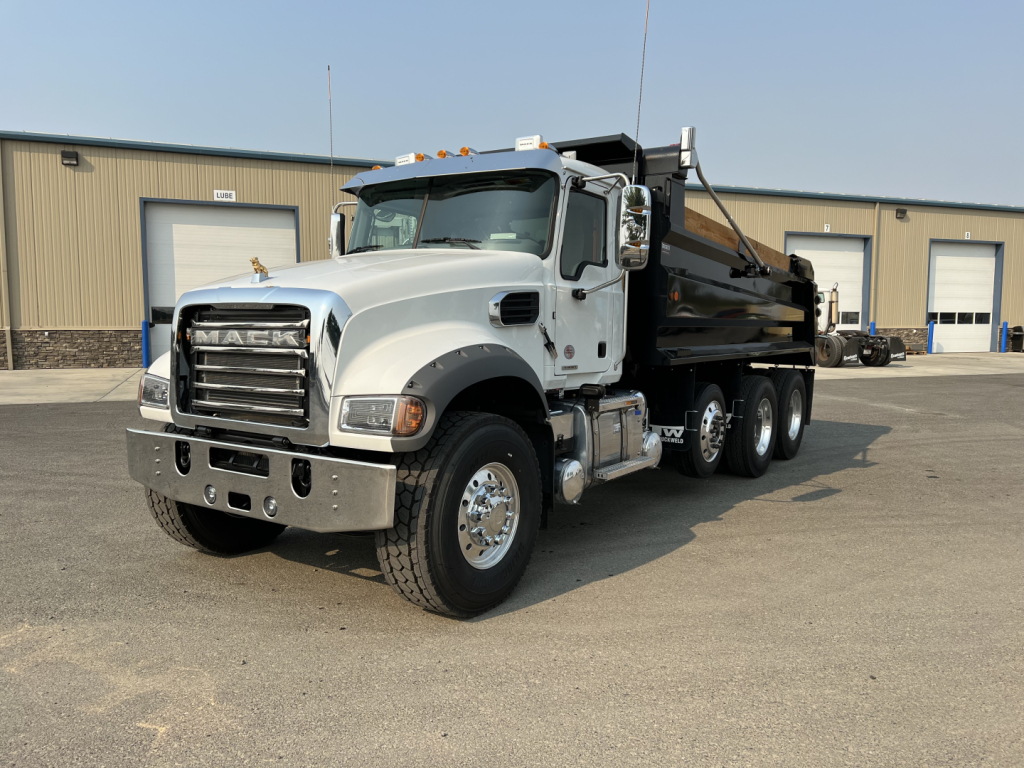
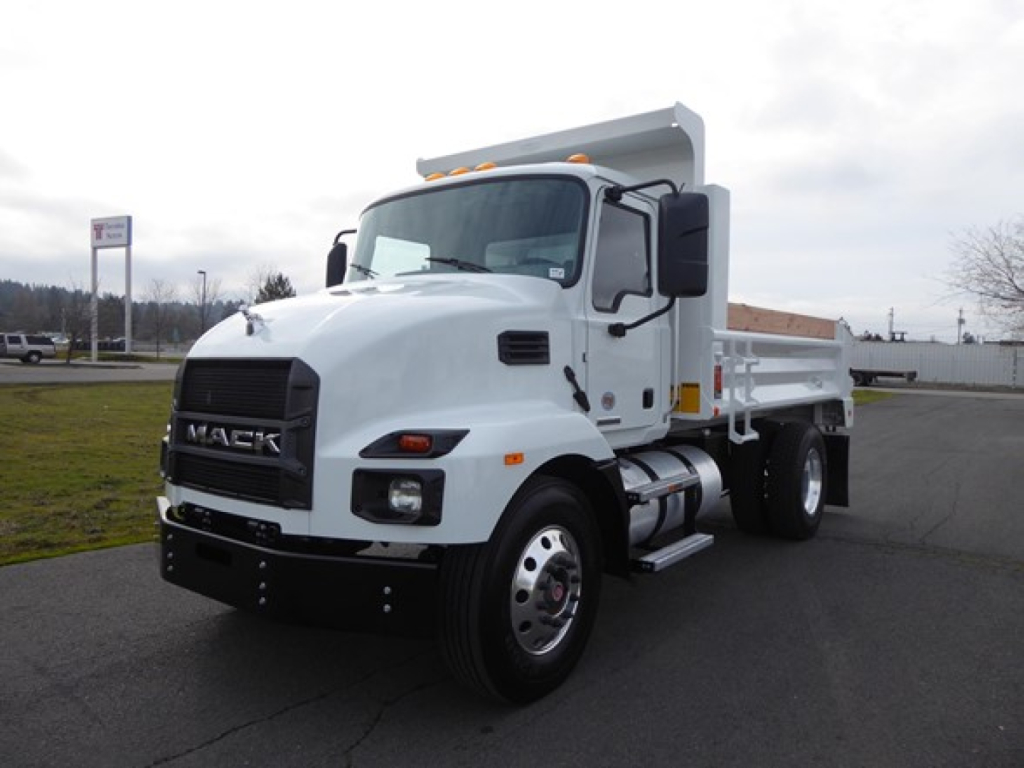
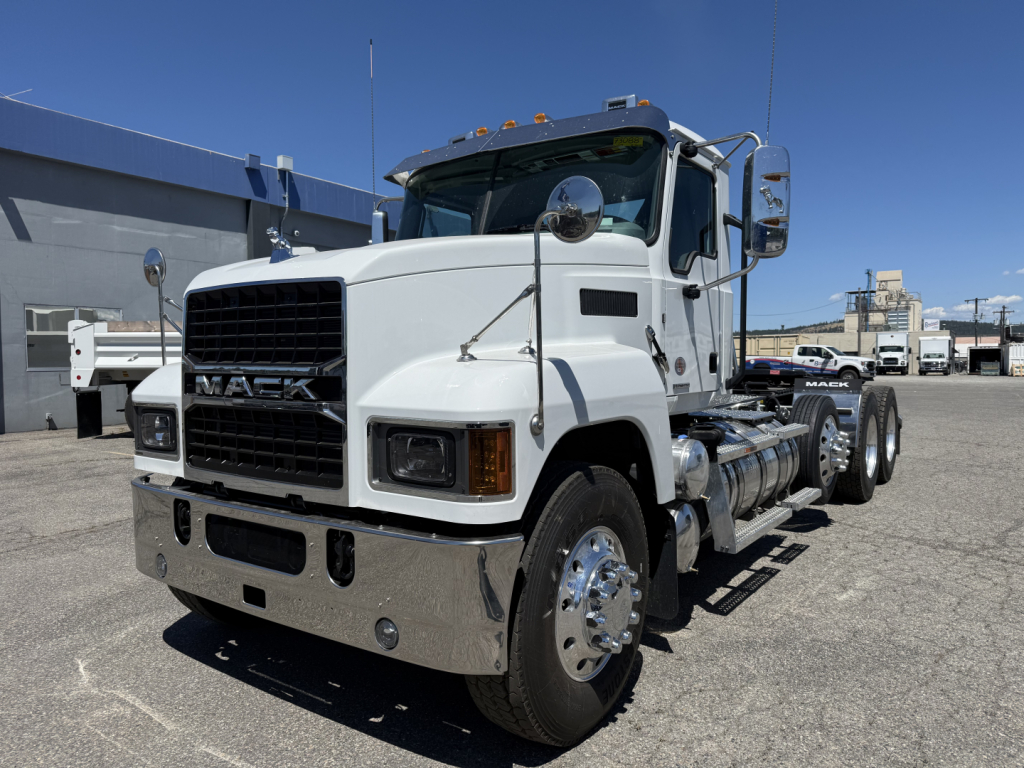
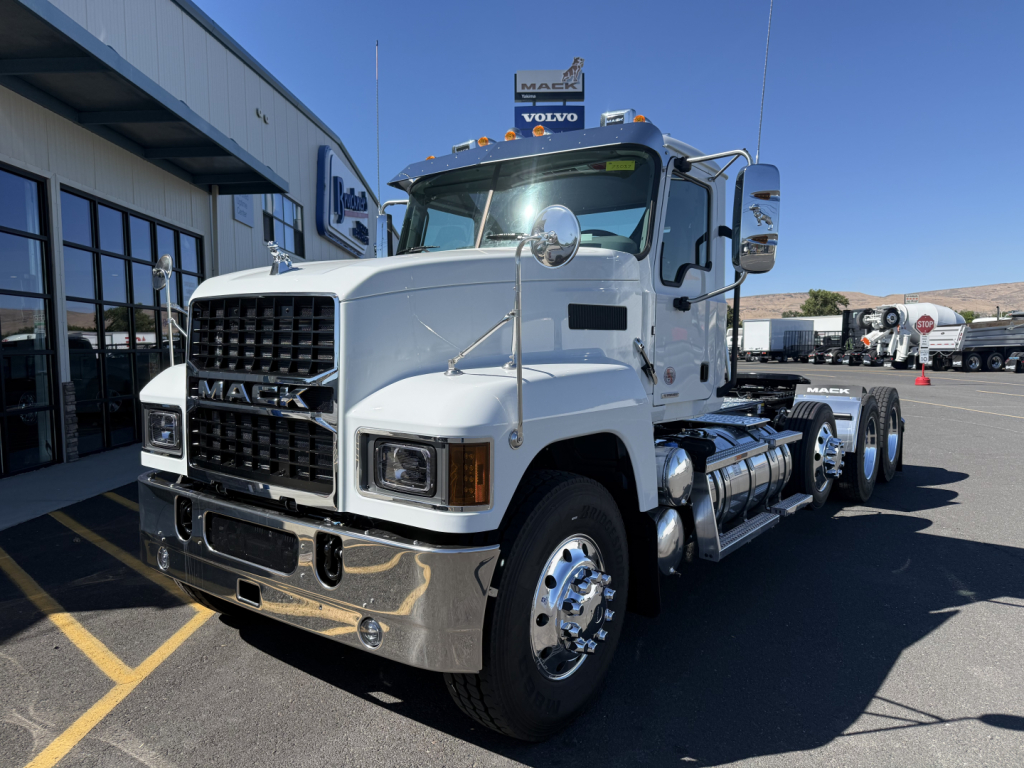
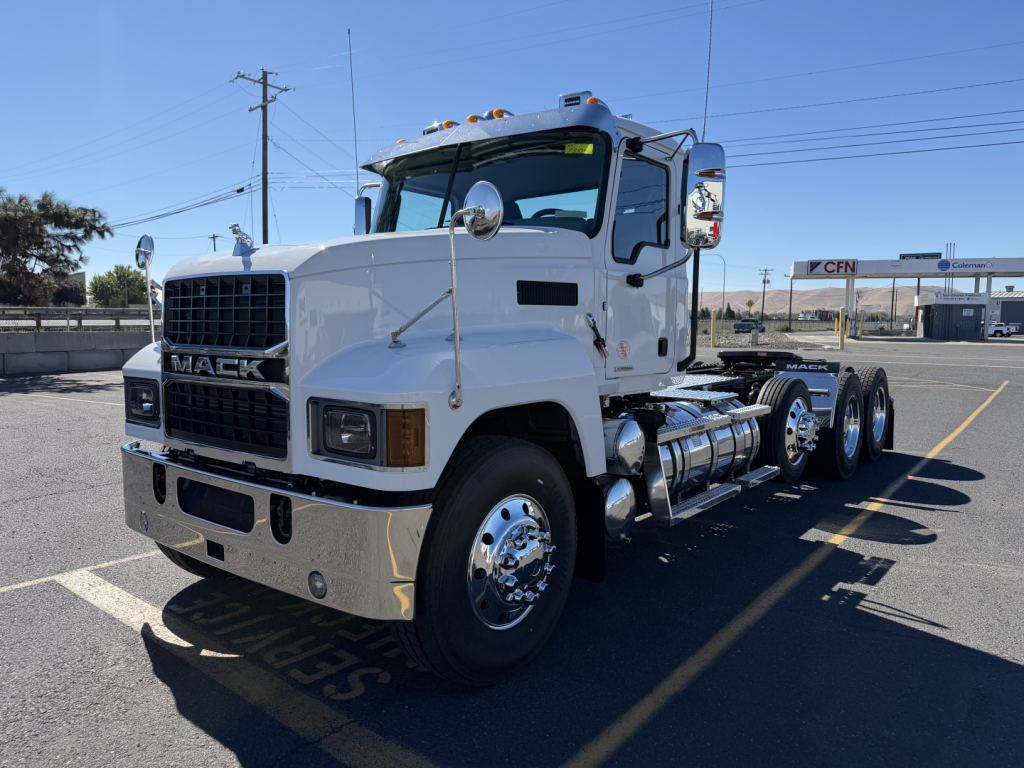
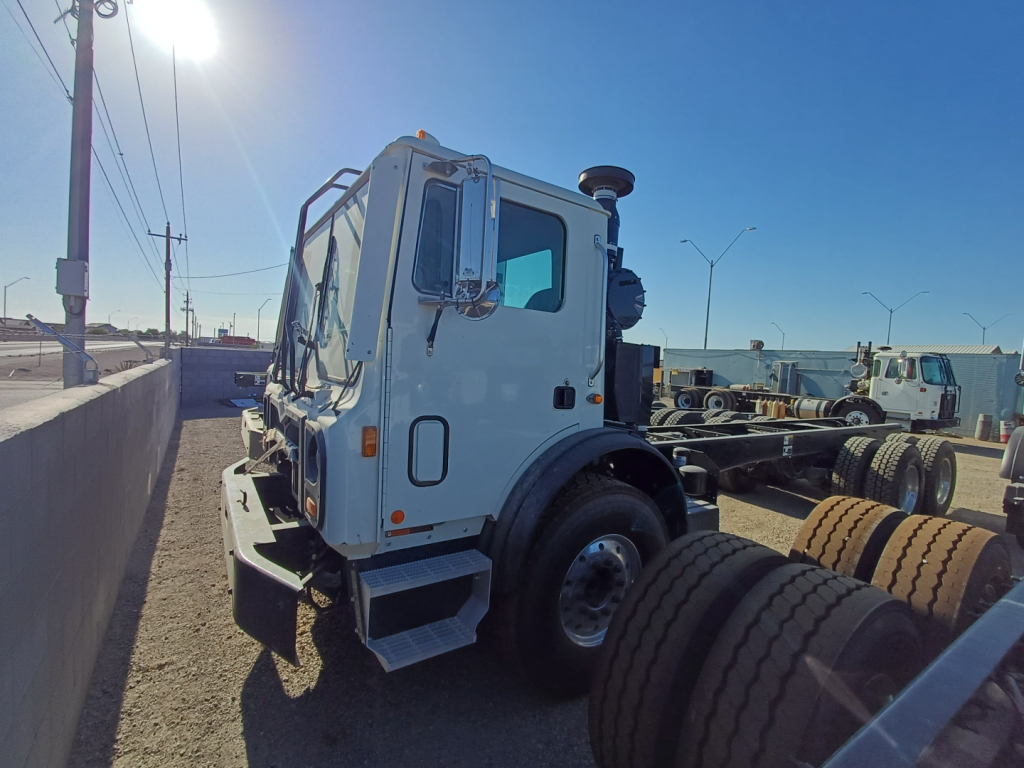
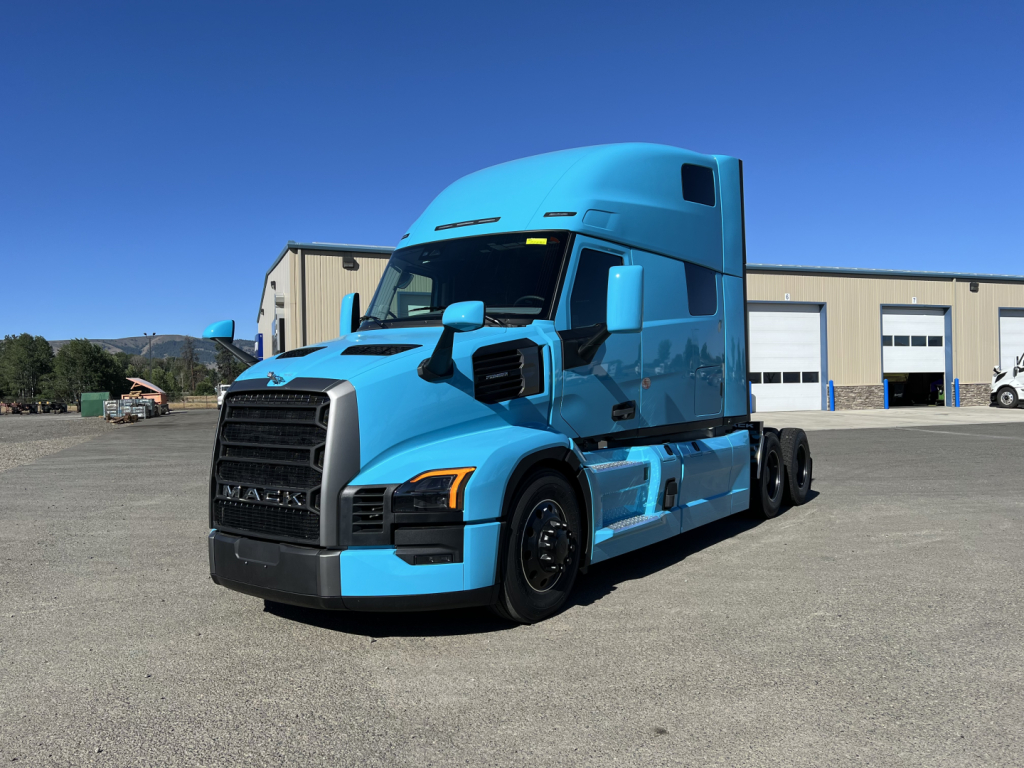
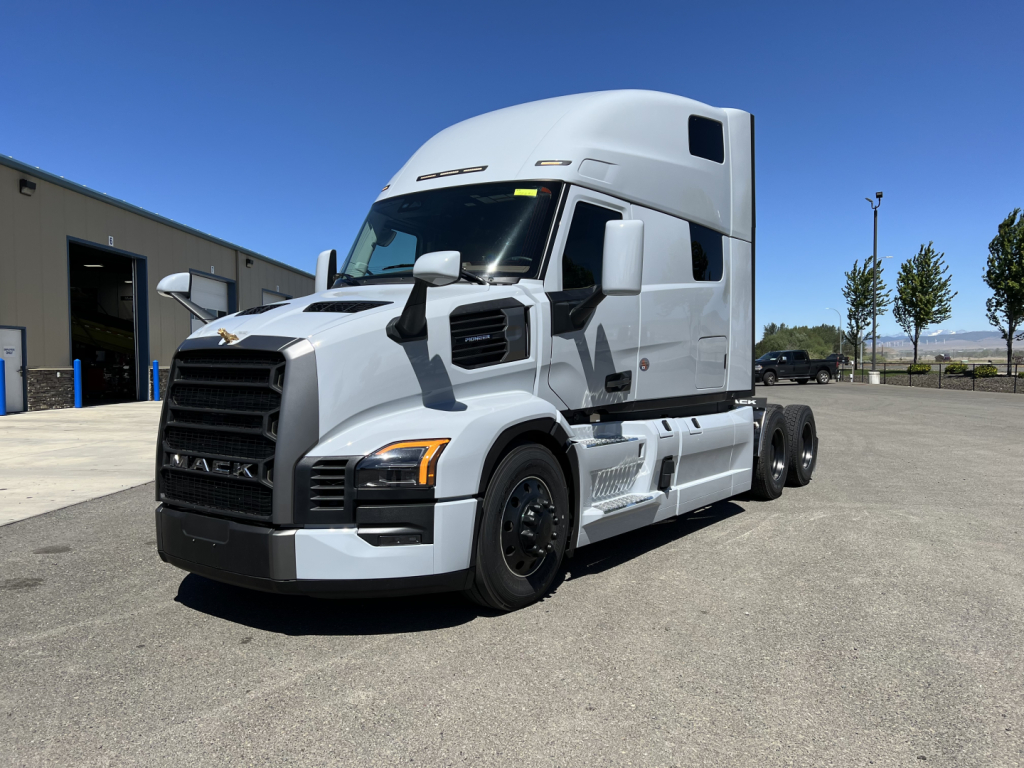
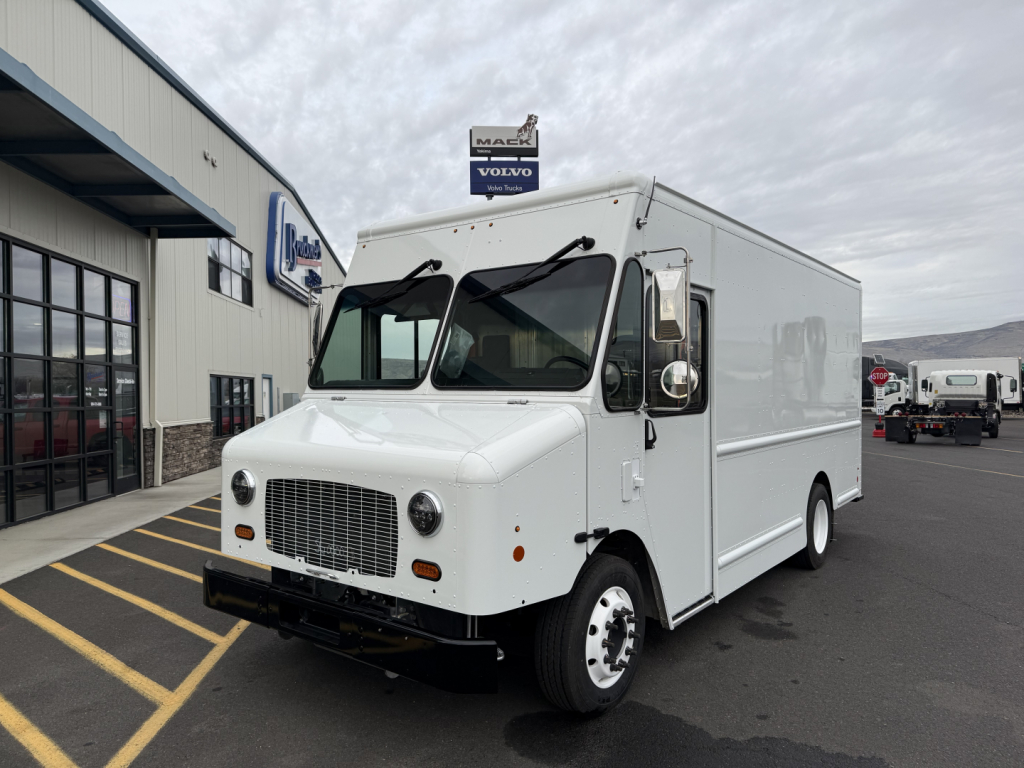
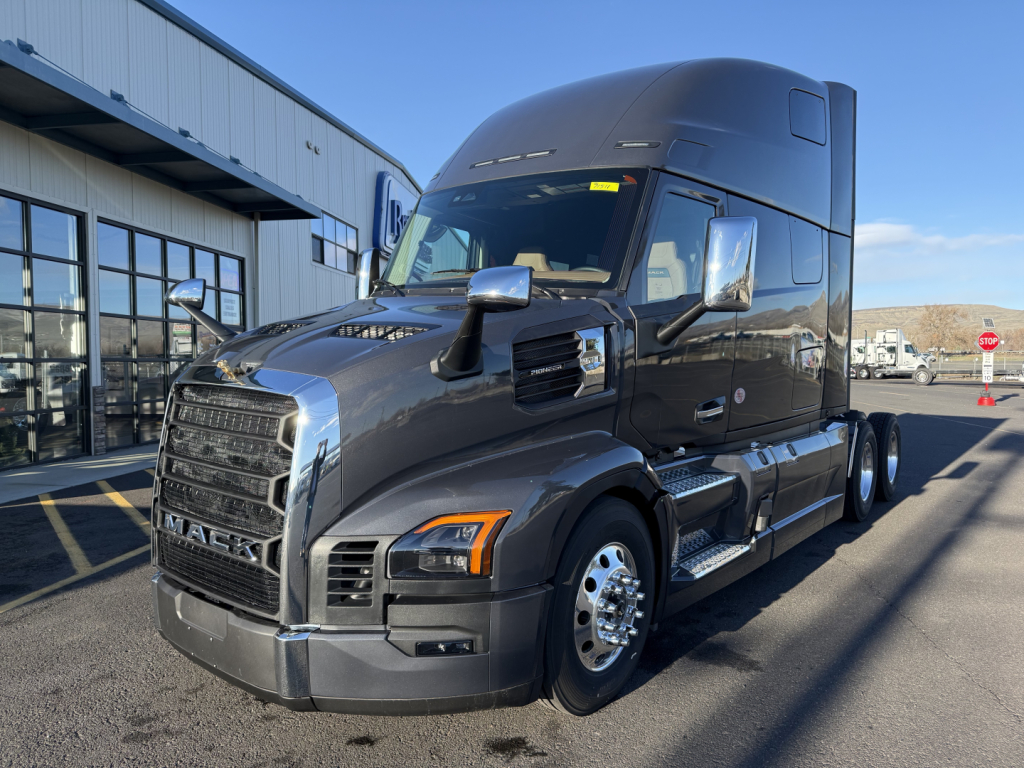
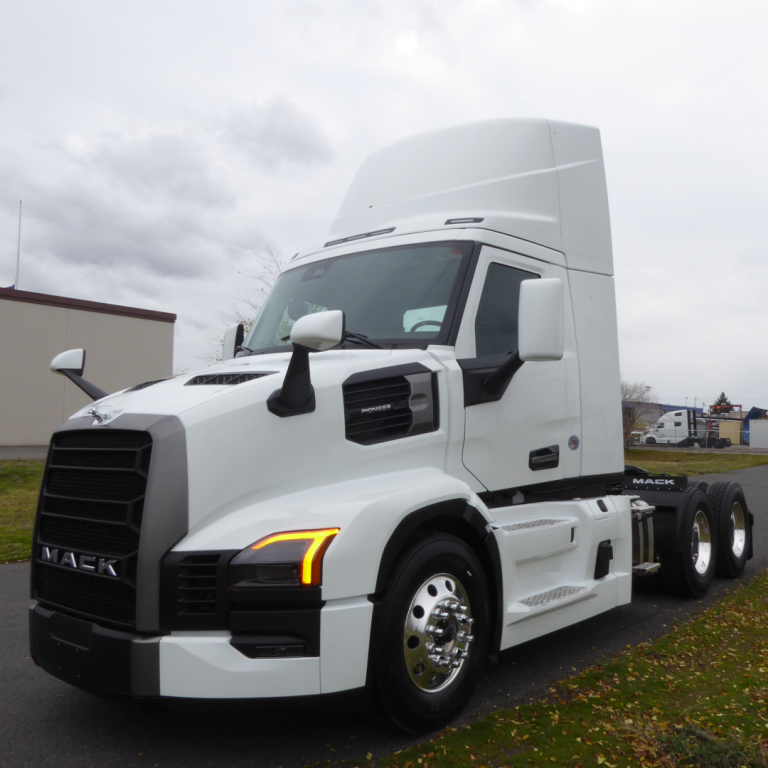
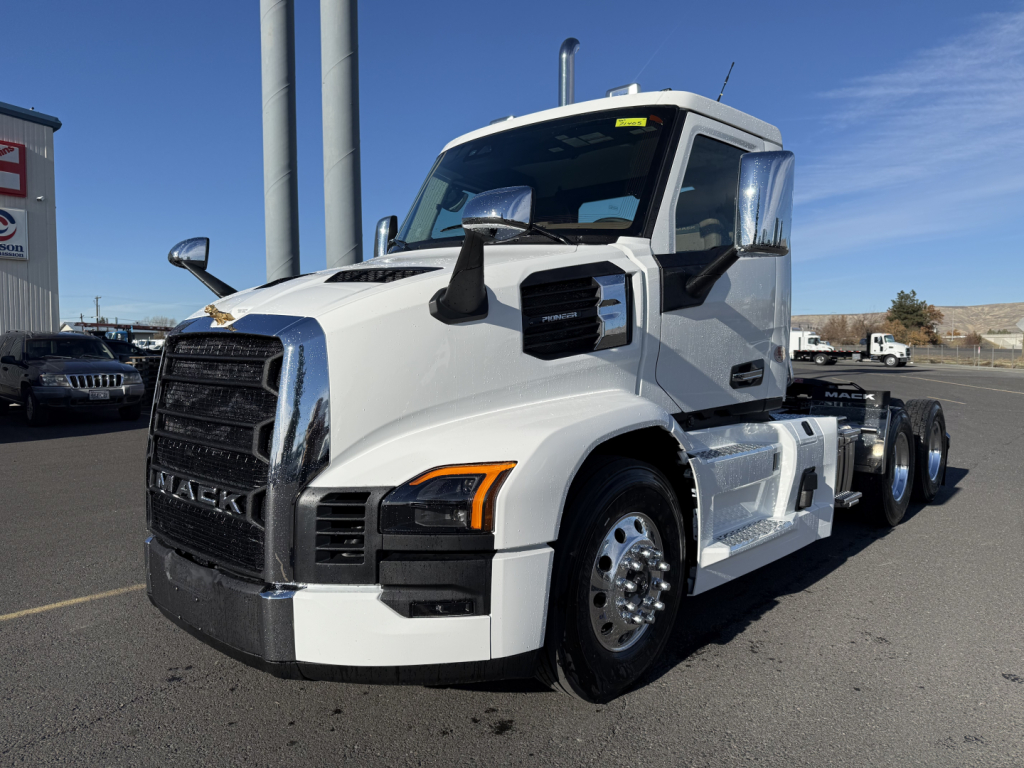
Showing 1 to 28 of 44 results
Selling a new commercial truck? List your new commercial truck for sale and reach thousands of commercial buyers.
New Commercial Trucks in Washington
A new truck gives buyers the advantage of current emissions systems, updated safety technology, and the ability to choose a spec that matches the job instead of adapting an older chassis. Common specs in this category include diesel engines in the 400 to 500 horsepower range, automated manual transmissions from 12 to 14 speeds, and GVWR ratings that vary widely by configuration. Highway tractors may prioritize fuel economy with direct-drive transmissions, aerodynamic fairings, and lower rear axle ratios. Dump and severe-duty trucks usually lean toward higher vocational ratings, heavier suspensions, locking differentials, pusher axles, larger steering gears, and body-ready chassis layouts. In the Pacific Northwest, buyers also pay close attention to corrosion resistance, tire selection, and cooling performance for year-round use.
For highway buyers, the main decision points are cab style, wheelbase, axle capacity, and powertrain gearing. A conventional day cab, also known as a semi truck or road tractor in many fleet applications, is a practical choice for local and regional work where payload, maneuverability, and lower tare weight matter. A conventional sleeper is better for longer lanes and driver retention, especially when the truck will see multi-day runs. For vocational buyers, body integration matters just as much as the base truck. Dump trucks often need the correct PTO and hydraulic pump setup, spring or heavy air suspension, frame strength, hitch equipment, tarp systems, and axle spacing that complies with Washington bridge and weight requirements.
When comparing new trucks, look beyond make and model and study the full build sheet. Front axle ratings, rear suspension capacity, wheelbase, kingpin setting on tractor applications, frame dimensions, and tire sizes all affect how the truck performs and what bodies or trailers it can handle. Service network access across Washington, warranty coverage, and uptime support programs can be just as important as the initial purchase price. The best new truck is the one with a spec that matches the freight, terrain, legal weight target, and duty cycle from day one.
Frequently Asked Questions about New Commercial Trucks in Washington
What types of new trucks are commonly available in Washington?
New trucks in Washington typically include highway day cabs, sleeper tractors, dump trucks, and other vocational chassis. The mix reflects the state’s freight corridors, port activity, timber and aggregate hauling, construction demand, and municipal work. Buyers can expect to see both aerodynamic on-road tractors and heavier severe-duty trucks with higher axle ratings, PTO capability, lift axles, and body-ready configurations.
What should I look for in a new dump truck spec?
Start with axle ratings, frame strength, suspension type, and body compatibility. A dump truck needs enough front axle capacity for legal load distribution, rear suspension durability for uneven terrain, and the correct transmission and PTO setup for hydraulic operation. Pusher axles, locking differentials, body material, tailgate design, tarp systems, and hitch options also matter. In Washington, traction, gradeability, and bridge-law compliant axle spacing can be critical depending on the haul route.
Is an automated manual transmission a good choice in a new truck?
For many buyers, yes. Automated manual transmissions are now common in both highway and vocational trucks because they improve driver consistency, reduce clutch wear, and can help with fuel economy and training. In vocational service, the right programming can also improve low-speed control and grade starts. The key is matching the transmission model, gear count, and software calibration to the application rather than treating all automated manuals as the same.
How important are axle ratio and horsepower on Washington routes?
Both matter, but they need to be evaluated together. Horsepower gets attention, yet axle ratio often has a major effect on startability, cruise rpm, fuel economy, and performance on grades. Washington fleets running mountains, mixed urban routes, or heavy vocational loads may favor a different ratio than a flatland over-the-road operation. A properly matched engine, transmission, and rear ratio will usually outperform a higher-horsepower truck with the wrong gearing for the job.
What is the advantage of buying a new truck instead of a used one?
A new truck allows the buyer to choose a chassis and powertrain spec that fits the intended work from the beginning. That can mean the right wheelbase, axle package, suspension, safety systems, and body or trailer compatibility without costly modification. New trucks also bring current warranty coverage, emissions components with full service history, and access to manufacturer uptime programs. For fleets trying to control downtime, fuel spend, and maintenance planning, that can be a significant operational advantage.