
New Conventional Sleeper Trucks For Sale in Washington
Shop new conventional sleeper trucks in Washington. Compare aero highway tractors with sleeper sizes, powertrain specs, and driver comfort features.
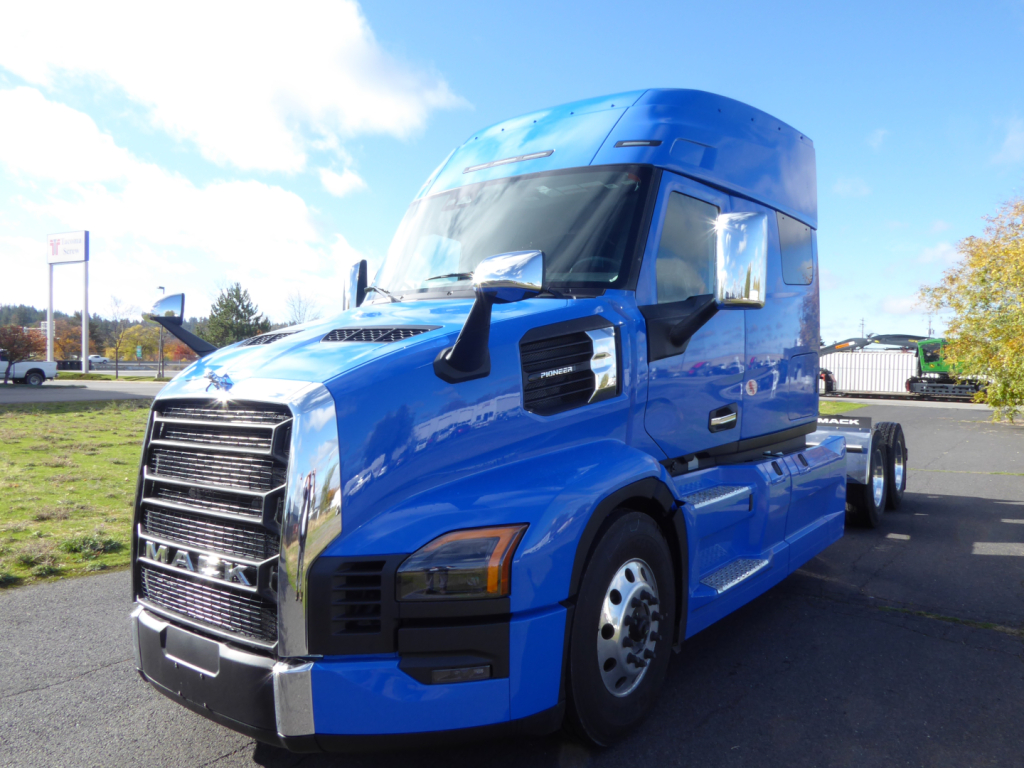
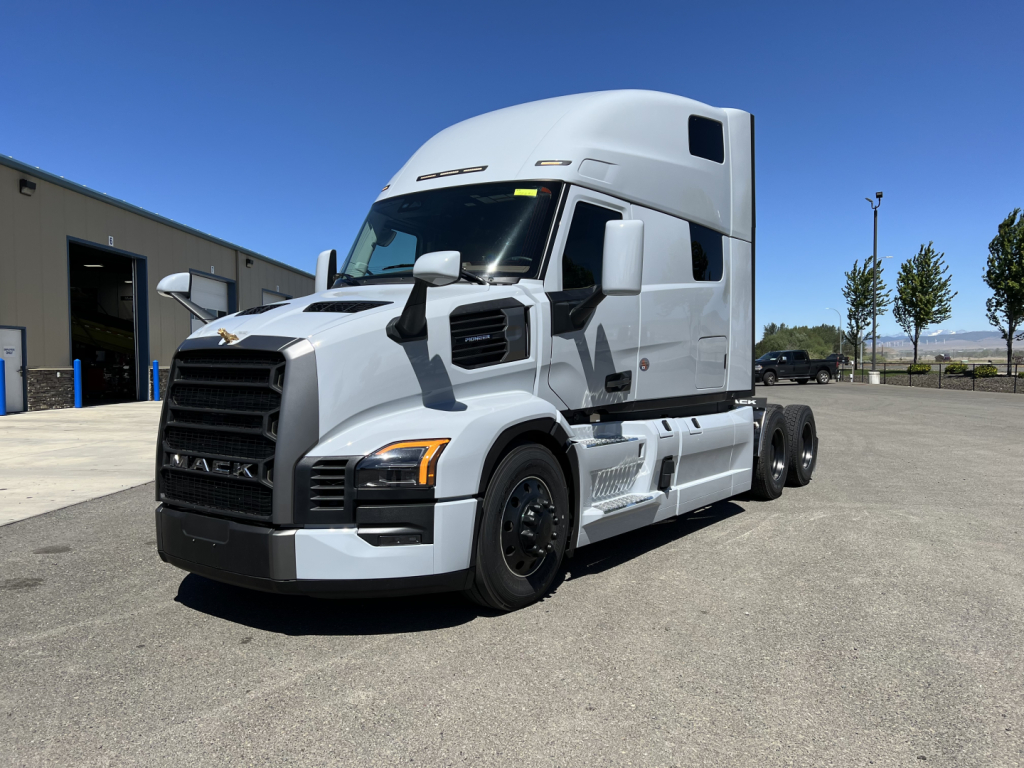
2026 Mack PR64T64
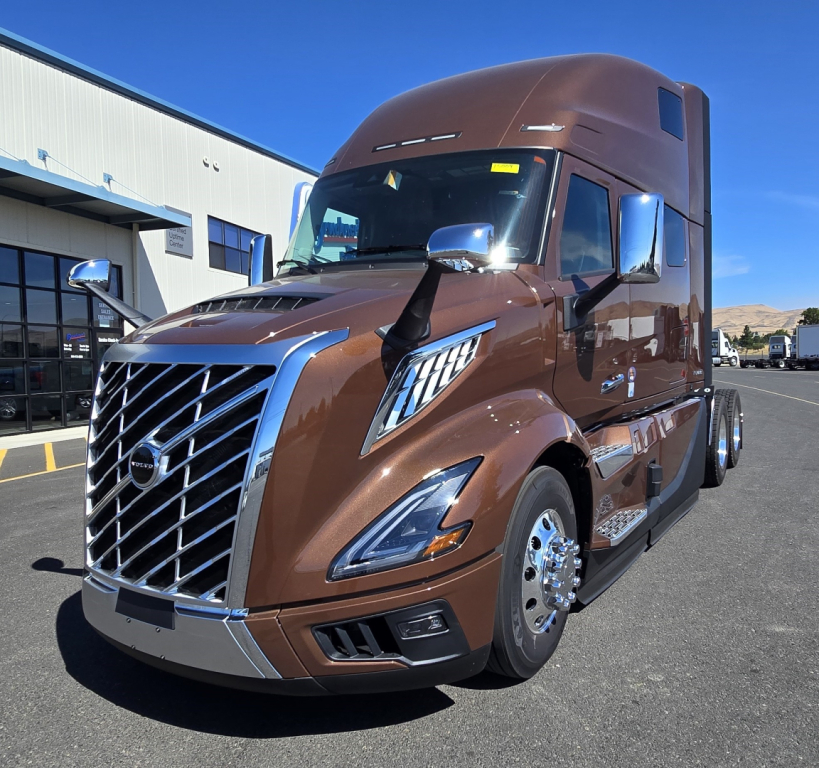
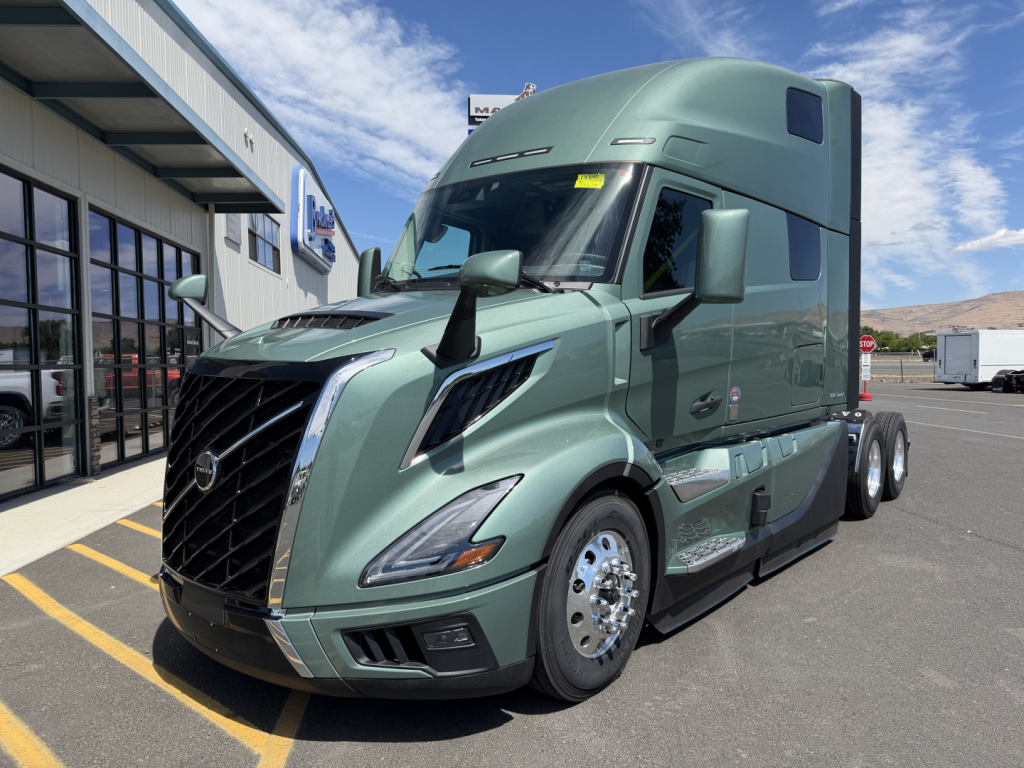
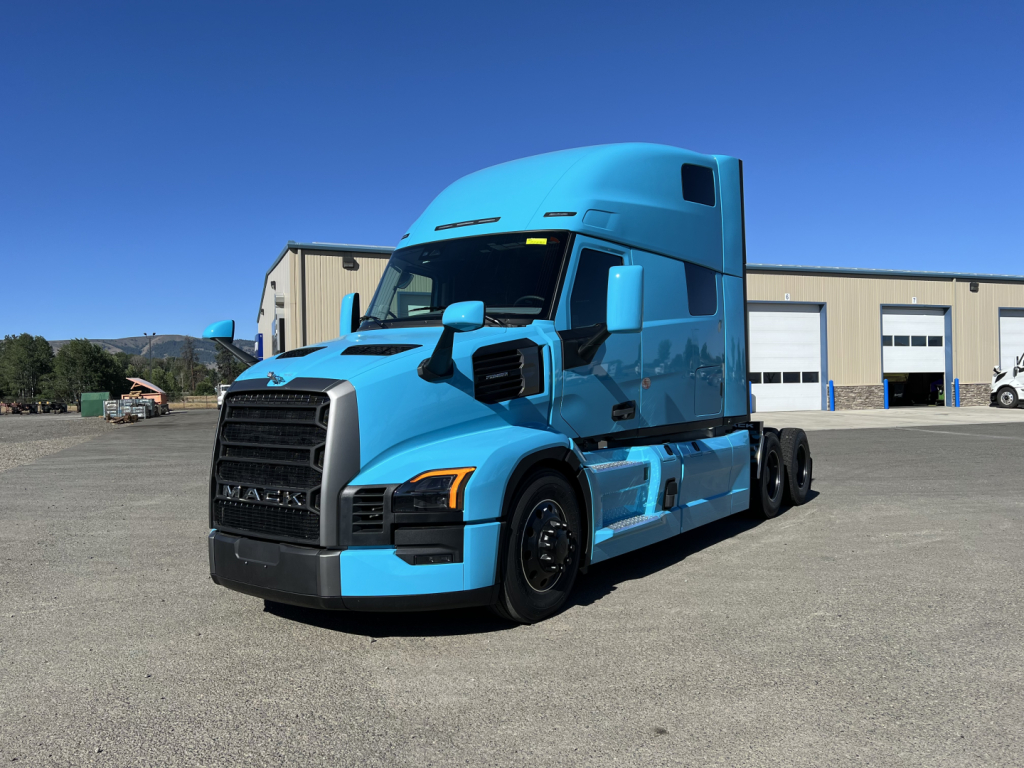
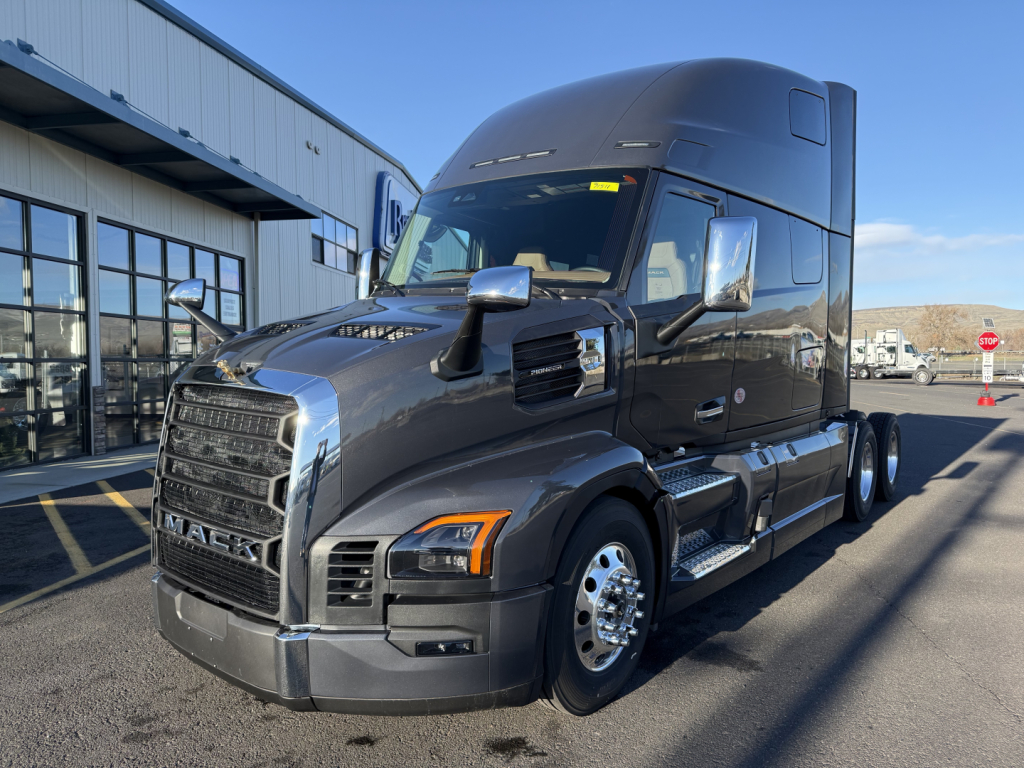
Selling a new conventional sleeper truck? List your new conventional sleeper truck for sale and reach thousands of commercial buyers.
New Conventional Sleeper Trucks in Washington
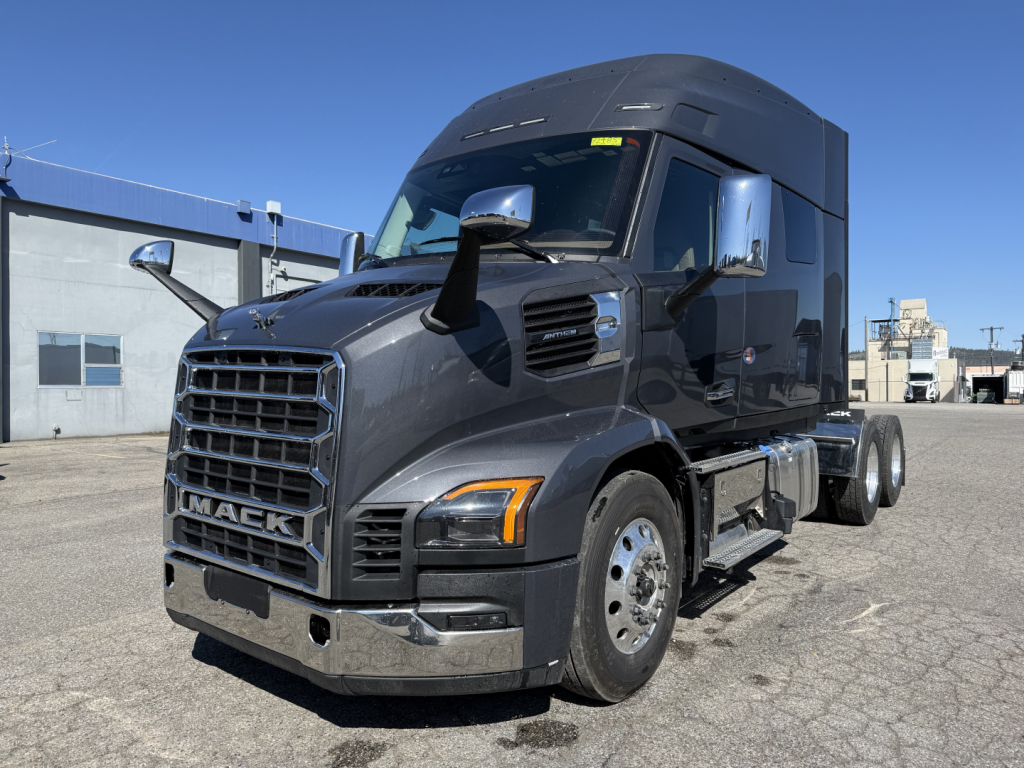
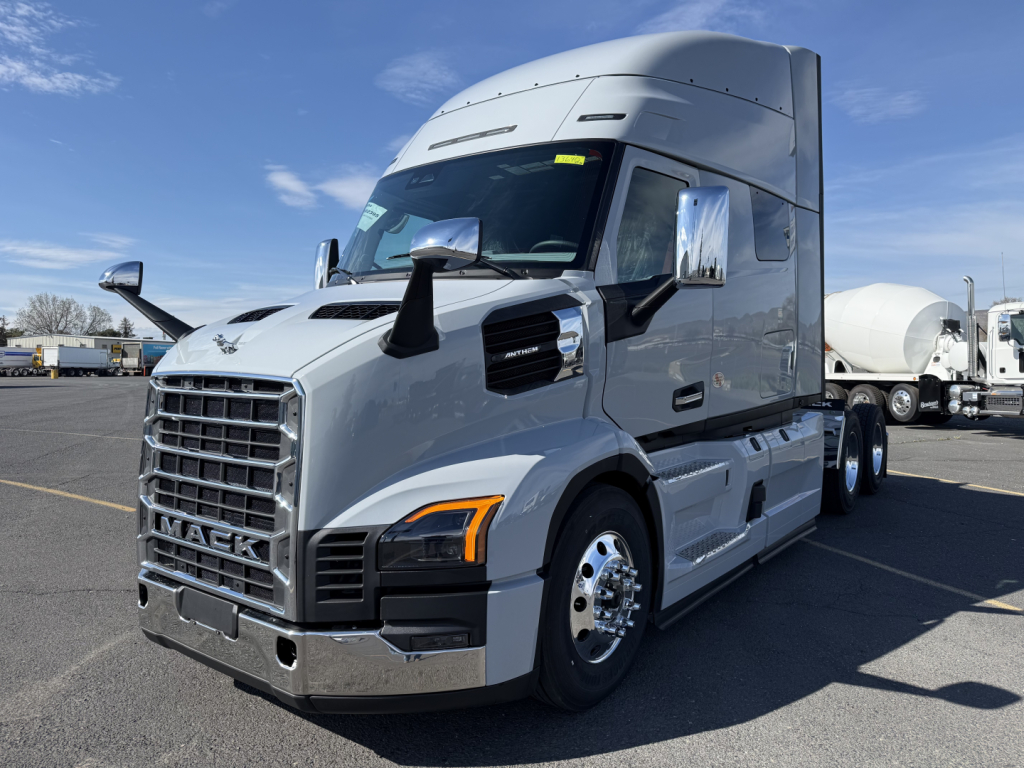
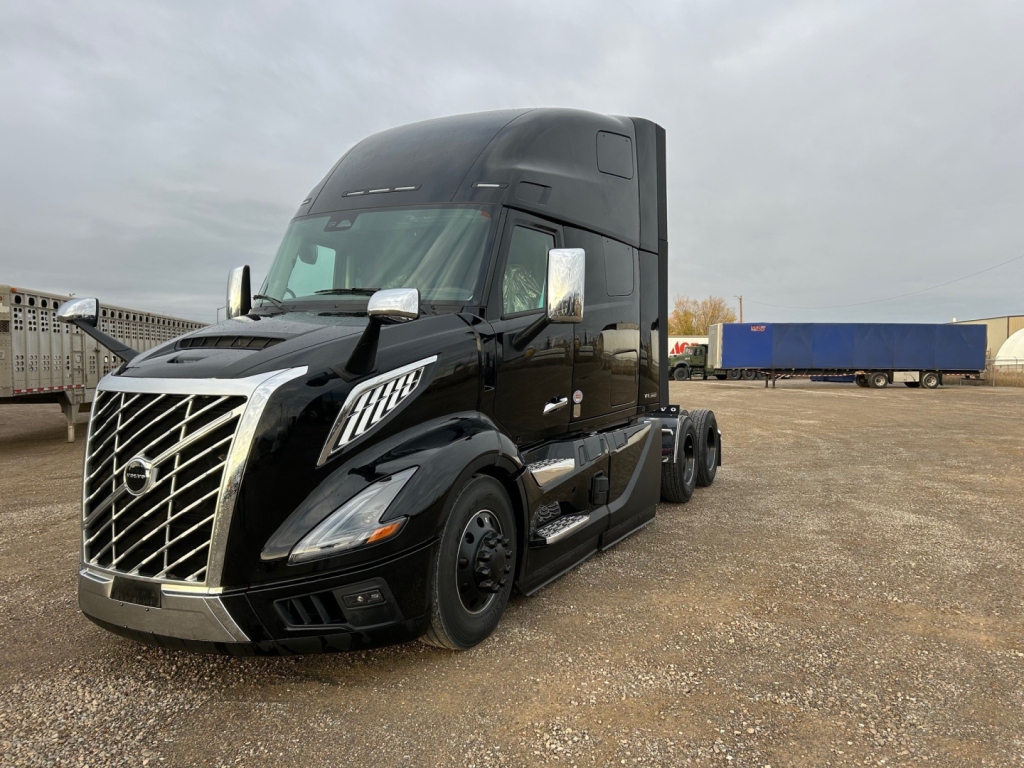
Most new conventional sleepers on the market are 6x4 tandem-axle tractors with 13,200 lb to 14,600 lb front axles, 40,000 lb rears, and wheelbases set to work with standard 53-foot van, reefer, and flatbed operations. Sleeper configurations commonly range from compact 60-inch class bunks up to larger mid-roof and high-roof sleepers with more cabinet space, stand-up room, and room for APUs or inverter-heavy electrical setups. Current specs often include 12-speed automated manual transmissions, downsped rear axle ratios, disc or drum brake options, and integrated collision mitigation systems. On late-model aero platforms like the Volvo VNL or Mack Anthem and Pinnacle variants, buyers should compare fairing design, hood profile, idle reduction options, and service access just as closely as horsepower numbers.
Engine selection depends on terrain and average gross weight. Fleets running heavier freight through Snoqualmie, Stevens, or long western grades often lean toward 425 to 505 horsepower with torque in the 1,650 to 1,850 lb-ft range. Lighter dry van or dedicated contractual freight can make excellent use of lower-rpm fuel-efficient specs paired with automated overdrive transmissions and ratios around 2.64 to 3.25, depending on tire size and cruise speed targets. Inside the cab, practical details matter: bunk width, refrigerator prep, inverter capacity, upper bunk delete options, storage layout, insulation, and HVAC performance all affect retention and uptime. Driver-assist technology, digital dash systems, adaptive cruise, lane departure warnings, and telematics integration are now common on new sleeper tractors and can simplify fleet management while helping control accident-related costs.
A buyer comparing new conventional sleeper trucks should look past badge loyalty and match the truck to the lane. A regional carrier may want a mid-roof sleeper with lower curb weight and easier access to urban docks, while a long-haul operation may prioritize a larger sleeper, bigger fuel capacity, and a quieter cab for team or multi-day runs. In Washington, corrosion resistance, dealer support coverage, and parts availability are especially important because weather, mountain routes, and cross-state utilization can expose weak points fast. The best conventional sleeper truck is the one whose axle ratings, sleeper package, wheelbase, and drivetrain are aligned with the freight, the terrain, and the driver's real workday.
Frequently Asked Questions about New Conventional Sleeper Trucks in Washington
What is a conventional sleeper truck?
A conventional sleeper truck is a highway tractor with a front engine hood and a built-in sleeping compartment behind the cab. It is designed for long-haul or regional operations that require overnight stays, more onboard storage, and better driver living space than a day cab. The conventional layout also provides easier engine access and strong compatibility with standard van, reefer, flatbed, and specialized trailer applications.
What sleeper size is best for regional versus long-haul freight?
Regional operations often do well with a 60-inch to 64-inch sleeper or a mid-roof configuration because it keeps weight and overall height under control while still giving the driver a proper bunk and storage. Long-haul applications usually benefit from a larger mid-roof or high-roof sleeper with more standing room, cabinet space, and room for appliances, inverters, and idle reduction equipment. The right choice depends on how many nights the truck stays out, whether the operation is solo or team, and how much onboard storage the driver needs.
What horsepower and axle ratio should I look for in Washington?
For Washington routes that include mountain passes, mixed terrain, and heavier gross weights, many buyers target engines in the 425 to 505 horsepower range with 1,650 to 1,850 lb-ft of torque. Rear axle ratios are commonly selected to balance gradeability and fuel economy, with many linehaul specs falling between 2.64 and 3.25 depending on transmission, tire size, and desired cruise speed. A lower numerical ratio can improve fuel economy on flatter lanes, but a higher ratio may be the better fit for heavier loads and frequent mountain work.
Are automated manual transmissions standard in new conventional sleepers?
Automated manual transmissions are now very common in new conventional sleeper trucks because they improve shift consistency, help protect the driveline, and can support better fuel economy through downspeeding strategies. They also reduce driver fatigue and simplify hiring in fleets with mixed experience levels. Manual transmissions still exist in some vocational or specialty applications, but most new highway sleeper tractors are ordered with 12-speed or similar automated overdrive transmissions.
What features matter most when comparing new sleeper tractors?
The most important features are the ones that affect total operating cost and driver uptime. Buyers should compare sleeper size, wheelbase, axle ratings, fuel tank capacity, engine torque, transmission type, rear axle ratio, suspension, braking system, and safety technology. It is also smart to evaluate practical cab details like storage, bunk layout, HVAC performance, insulation, inverter prep, and serviceability, because those items influence driver retention, maintenance time, and real-world productivity.