
New Mack Conventional Sleeper Trucks For Sale in Washington
Shop new Mack conventional sleeper trucks in Washington. Compare Anthem and Pioneer specs, sleeper sizes, powertrain options, and driver features.
Selling a new mack conventional sleeper truck? List your new mack conventional sleeper truck for sale and reach thousands of commercial buyers.
New Mack Conventional Sleeper Trucks in Washington
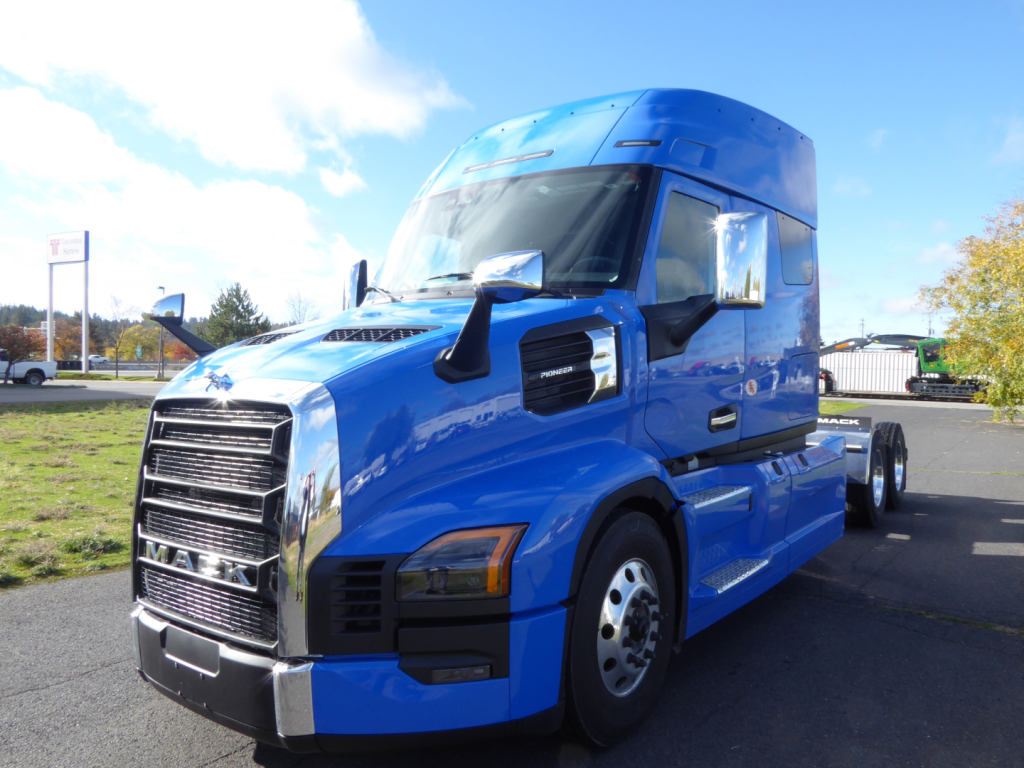
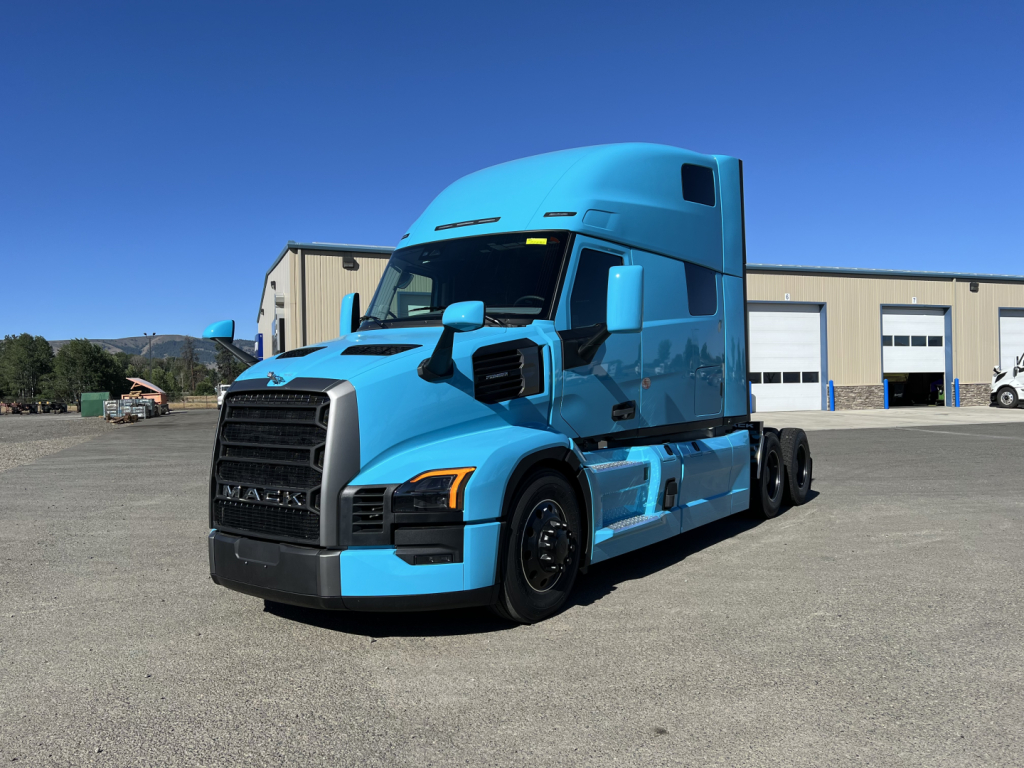
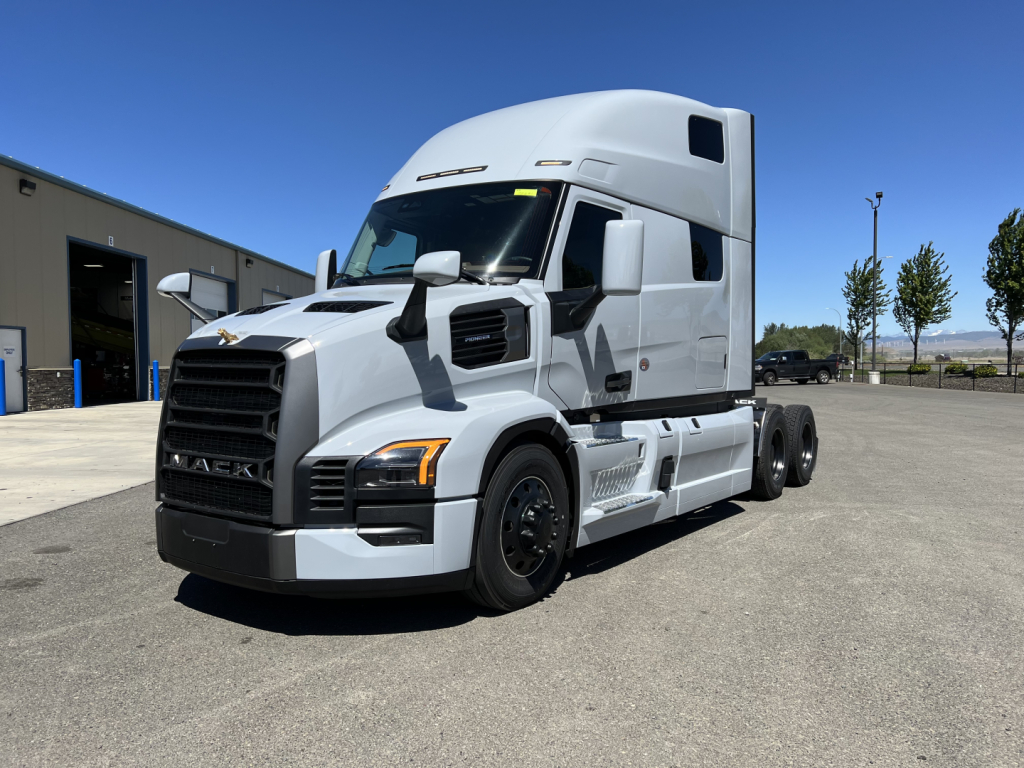
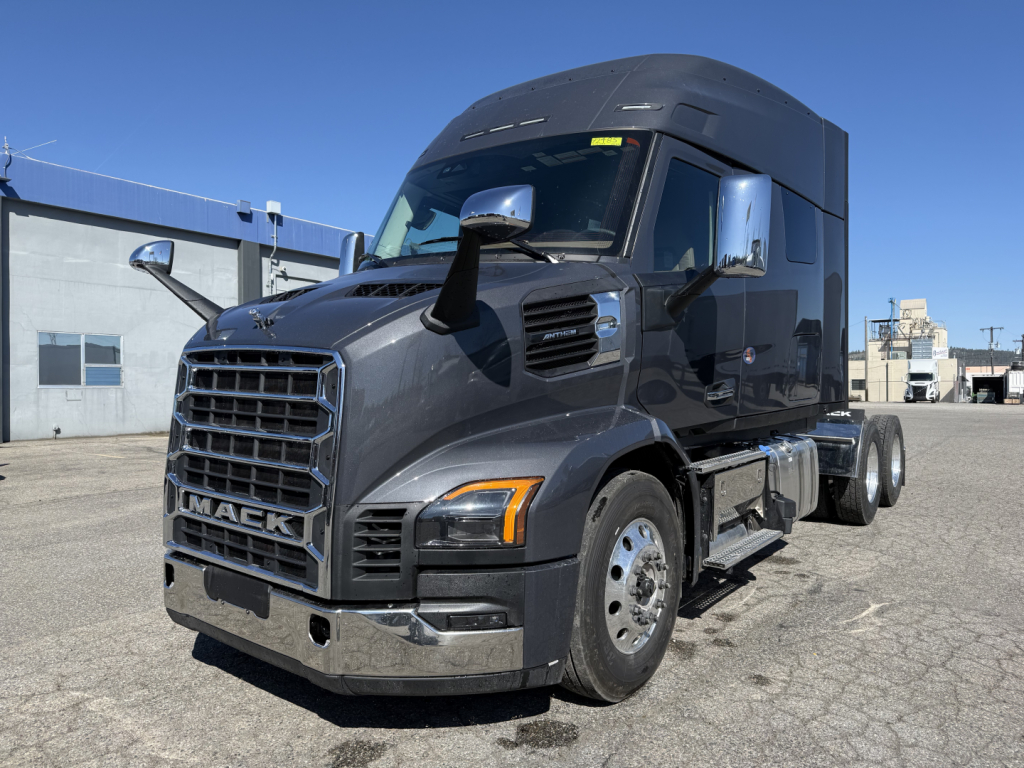
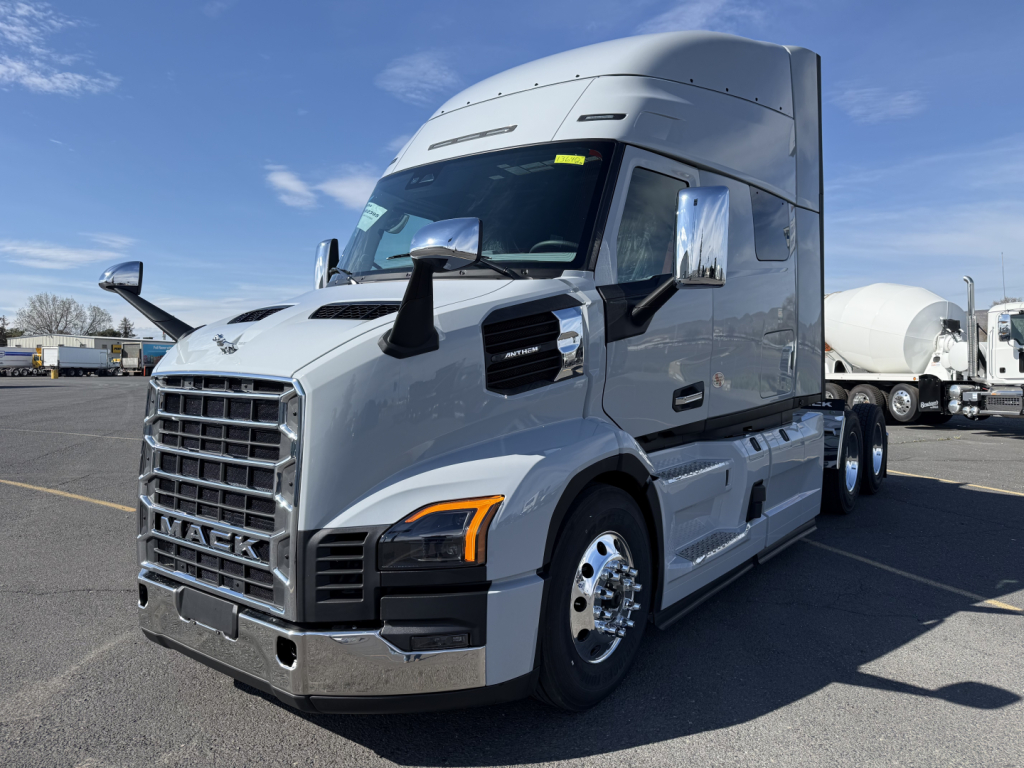
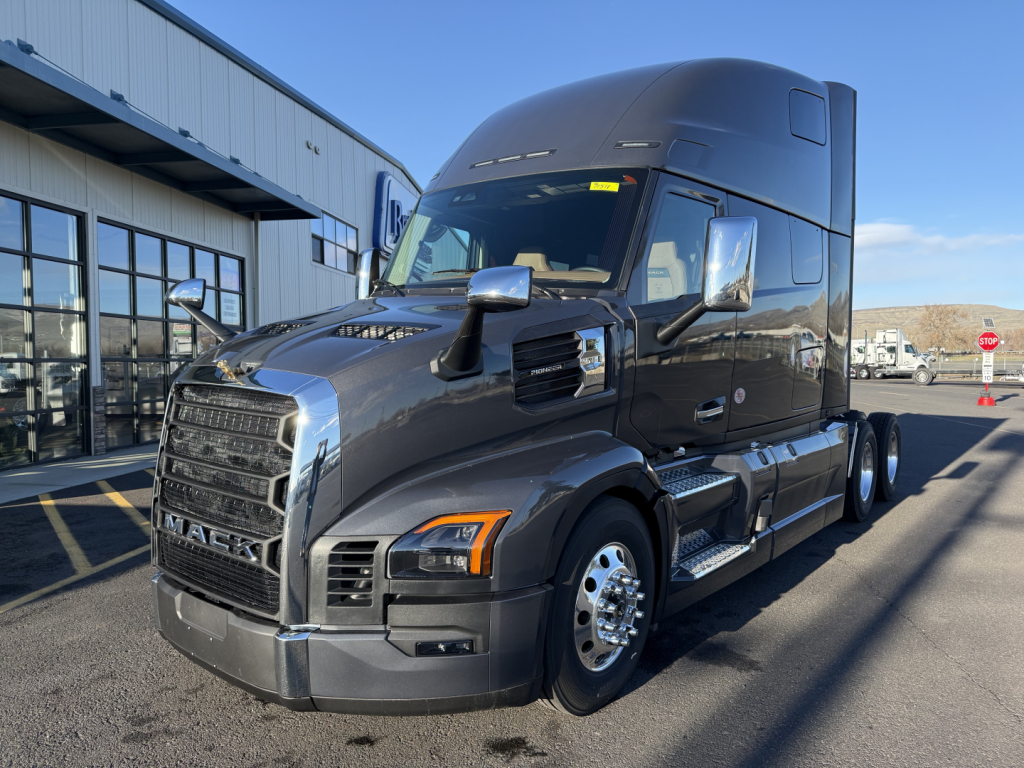
The main spec decisions start with sleeper size, wheelbase, and powertrain. A 64-inch mid-roof sleeper is a practical fit for many fleets that want good maneuverability, lower overall height, and enough living space for solo operation. A 76-inch sleeper adds room for team service, more storage, and better onboard amenities for long stretches away from home. Mack conventional sleepers are commonly spec’d with the MP13 engine in higher horsepower ratings, paired with the mDrive automated manual transmission, and axle ratings such as 12,000 to 13,200 lb front axles with 40,000 lb rears. Buyers should also look closely at rear axle ratio, fifth wheel placement, fuel capacity, and wheelbase, since those choices directly affect bridge compliance, turning radius, ride quality, and how the truck carries different trailer lengths and kingpin settings.
For daily operation, Mack sleeper trucks stand out for a driver-focused cab, integrated safety technology, and a highway chassis built to stay productive. Common features in this category include collision mitigation systems, backup cameras, adaptive steering systems such as Command Steer, dual air ride seats, bunk heaters and coolers, inverters, refrigerators, and double-bunk arrangements. Aerodynamic packages, side fairings, roof profiles, and chassis fairings play a real role in fuel burn, especially on high-mileage routes across Washington and the broader West. Interior layout matters just as much as headline horsepower, because storage access, noise control, bunk usability, and climate management all influence driver retention and time on the road.
A buyer comparing new Mack conventional sleeper trucks should focus on application before brand loyalty takes over the spec sheet. Long-haul van and reefer work may favor a lighter aero setup with larger fuel capacity and a taller sleeper, while regional heavy freight may justify a simpler sleeper, shorter wheelbase, and gearing tuned for grades and frequent speed changes. It also helps to review suspension spec, brake package, tire size, and whether the truck includes fleet-oriented options such as telematics readiness, idle reduction features, and warranty coverage planning. The best Mack sleeper spec is the one that matches payload, route profile, and driver needs without adding cost or complexity that will not earn its keep.
Frequently Asked Questions about New Mack Conventional Sleeper Trucks in Washington
What is a Mack conventional sleeper truck used for?
A Mack conventional sleeper truck is designed for long-haul and regional freight where the driver needs an integrated sleeping compartment behind the cab. These trucks are commonly used in dry van, refrigerated, dedicated contract, and general freight operations. Compared with a day cab, a sleeper truck supports multi-day trips, team driving, and better driver comfort on routes that keep the truck away from home base.
What is the difference between a 64-inch and 76-inch Mack sleeper?
A 64-inch sleeper usually gives a fleet a strong balance of comfort, aerodynamics, and maneuverability. It is often well suited for solo drivers and operations that want lower weight and a more compact overall package. A 76-inch sleeper provides more room for storage, larger bunks, and added amenities such as refrigerators, inverters, and double-bunk layouts, which can be important for team service or long over-the-road applications.
Which powertrain is common in new Mack conventional sleeper trucks?
Many new Mack conventional sleepers are spec’d with the Mack MP13 engine and the mDrive automated manual transmission. That combination is popular because it supports strong highway performance, fuel efficiency, and consistent shifting across mixed terrain. Final horsepower, torque, axle ratio, and suspension choices should be matched to trailer weight, operating speed, and the amount of mountain driving expected in the truck’s route profile.
What should Washington buyers pay attention to when spec’ing a new sleeper truck?
Washington buyers should pay close attention to gearing, cooling capacity, axle ratings, tire spec, and fuel capacity because the state combines mountain grades, wet weather, urban congestion, and long highway stretches. A truck that is ideal for flat interstate freight may need a different rear axle ratio or horsepower rating when it regularly crosses passes or pulls heavier loads. Driver comfort features also matter in this market because climate swings and long-distance western routes put more value on a quiet cab, effective HVAC performance, and a usable sleeper layout.
Are Mack sleeper trucks good for fleet use as well as owner-operators?
Yes. Mack conventional sleeper trucks can be configured for large fleet standardization or for owner-operators who want more comfort and premium cab features. Fleets often focus on uptime, safety systems, fuel economy, and service planning, while owner-operators may prioritize ride quality, interior amenities, and appearance. The platform works for both, but the right truck depends on how closely the sleeper size, wheelbase, and drivetrain are matched to the actual freight application.