
New Volvo Conventional Sleeper Trucks For Sale in Washington
Shop new Volvo conventional sleeper trucks in Washington. Compare VNL sleeper specs, cab options, fuel economy, safety tech, and driver comfort.
Learn more
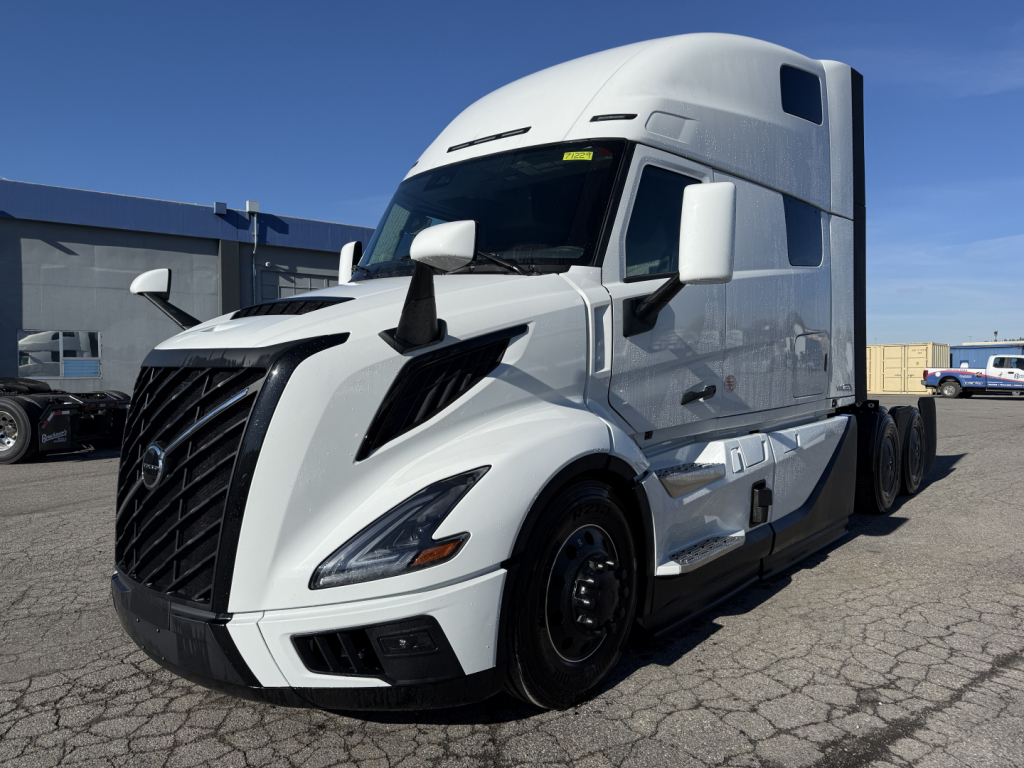
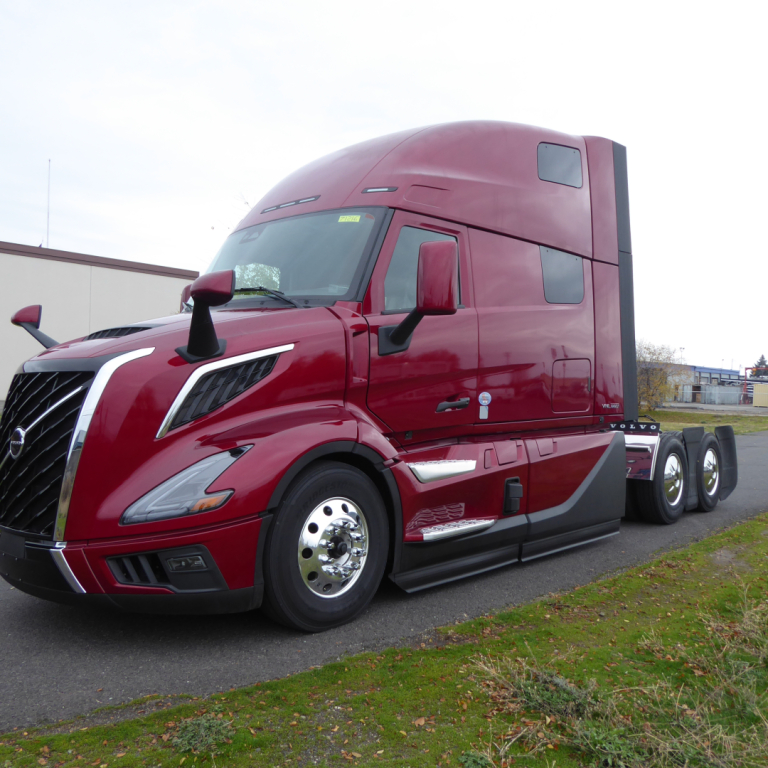
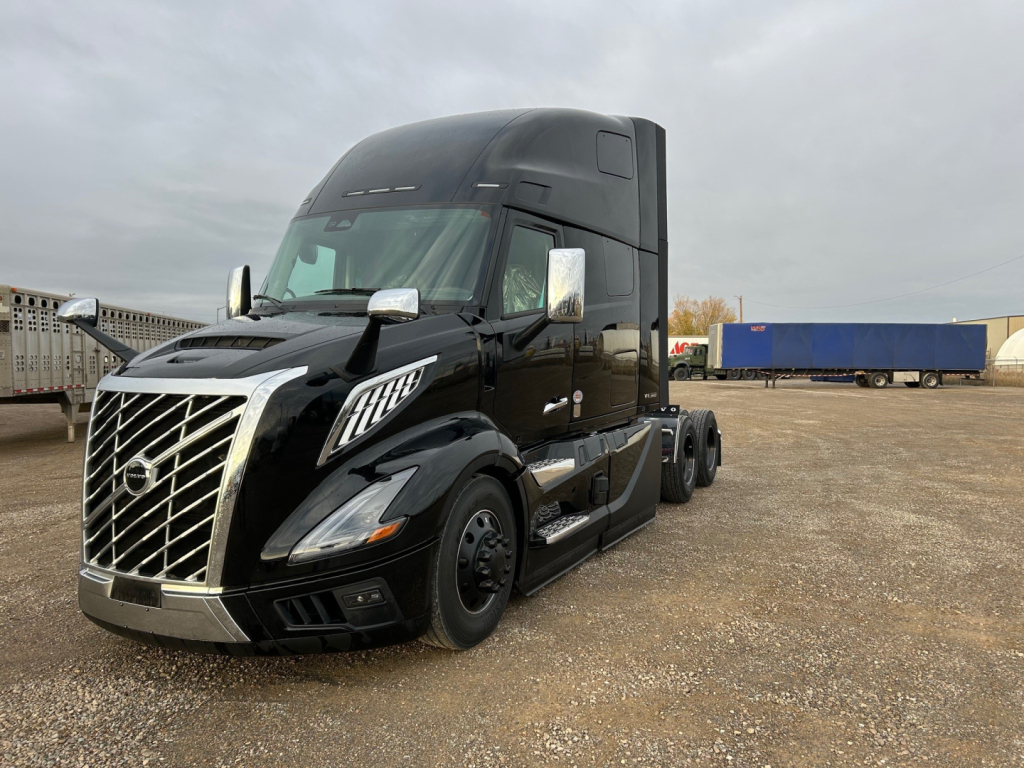

Have new volvo conventional sleeper truck to sell? List it here to reach thousands of buyers.
About New Volvo Conventional Sleeper Trucks in Washington
The big spec decision usually starts with the powertrain. New Volvo sleeper trucks commonly pair the Volvo D13 engine with the I-Shift automated manual transmission, often in an I-Torque package aimed at fuel efficiency and low driver fatigue. Buyers comparing units should look closely at horsepower and torque ratings, rear axle ratio, and the intended cruise speed window. Those details shape gradeability through the Cascades, startability under load, and fuel burn at highway speed. A typical sleeper spec may also include dual fuel tanks, wheelbase options matched to trailer swing clearance, and suspension choices that balance ride quality with payload and durability. If the truck will spend most of its life on van, reefer, or dedicated linehaul work, an aero-focused spec with predictive cruise and optimized gearing usually makes the most sense.
Sleeper configuration is just as important as drivetrain. Volvo conventional sleepers are known for driver-centric interiors, and newer trucks often include a 74-inch high-roof sleeper, upper bunk, premium mattress, refrigerators, parking heaters, parking coolers, shore power capability, inverters, and expanded cabinet storage. Those features are not cosmetic on a long-haul truck. They affect rest quality, idle reduction, retention, and team-driver practicality. Buyers should also pay attention to insulation packages, bunk layout, pass-through room, seat trim, and dash technology. A premium sleeper spec can make a meaningful difference for fleets trying to reduce turnover and for owner-operators who live in the truck for extended stretches.
Safety and uptime features are a major reason many buyers stay with Volvo in the sleeper market. New conventional Volvo sleepers may be equipped with camera monitoring systems in place of traditional mirrors, collision mitigation, lane support, headway support, traction control, air disc brake configurations, and integrated telematics through Volvo Connect. Those systems can improve visibility, reduce aerodynamic drag, and give fleet managers better service planning and operational data. When comparing listings, it is worth checking warranty coverage, emissions package details, ADAS content, and whether the truck is spec'd for your freight profile rather than simply the highest trim level. The right new Volvo conventional sleeper truck is the one that aligns cab size, drivetrain, axle spec, and onboard technology with the lanes it will actually run.
Frequently Asked Questions
What engine and transmission are most common in new Volvo conventional sleeper trucks?
Most new Volvo conventional sleeper trucks are spec'd with the Volvo D13 engine and the Volvo I-Shift automated manual transmission. That combination is popular because it delivers strong highway drivability, smooth shifting, and fuel economy that suits over-the-road freight. Many buyers also look for the I-Torque package, which integrates engine, transmission, and axle settings to keep the truck in an efficient operating range during cruise.
What sleeper size is common on a Volvo VNL long-haul tractor?
A common long-haul configuration is the high-roof 74-inch sleeper, especially on models such as the Volvo VNL 860. This size gives enough room for a premium bunk area, cabinets, refrigerator, and added storage without sacrificing the aerodynamic shape that matters on highway runs. It is a practical choice for solo operators spending multiple nights out and for fleets that prioritize driver comfort and retention.
Are new Volvo sleeper trucks a good fit for Washington routes?
Yes, they can be a strong fit for Washington operations because they combine aerodynamic efficiency with powertrain specs that can be tailored for mountain grades, wet conditions, and long regional runs. Buyers should pay close attention to horsepower, torque, axle ratio, and traction-related options such as interaxle and differential locks. Those choices matter more than badge or trim when the truck will regularly cross steep terrain or haul through changing weather.
What technology features should buyers look for in a new Volvo sleeper?
Key technology features include Volvo Connect telematics, collision mitigation, lane support, headway support, camera monitoring systems, and idle-reduction equipment such as parking heaters, coolers, shore power, and inverters. These features support safety, uptime, and driver comfort while also helping manage fuel use and maintenance planning. The best spec depends on whether the truck is going into a fleet with centralized management or an owner-operator setup focused on comfort and efficiency.
What should buyers compare besides price on a new Volvo conventional sleeper truck?
Price matters, but the more important comparison points are axle configuration, wheelbase, fuel capacity, sleeper layout, safety systems, suspension, and the exact engine and transmission ratings. Buyers should also review warranty terms, service interval expectations, and how the truck is geared for the trailer and freight it will pull. A lower-priced truck with the wrong rear axle ratio or limited sleeper amenities can cost more over time in fuel, downtime, and driver dissatisfaction.