
New Volvo Trucks For Sale in Washington
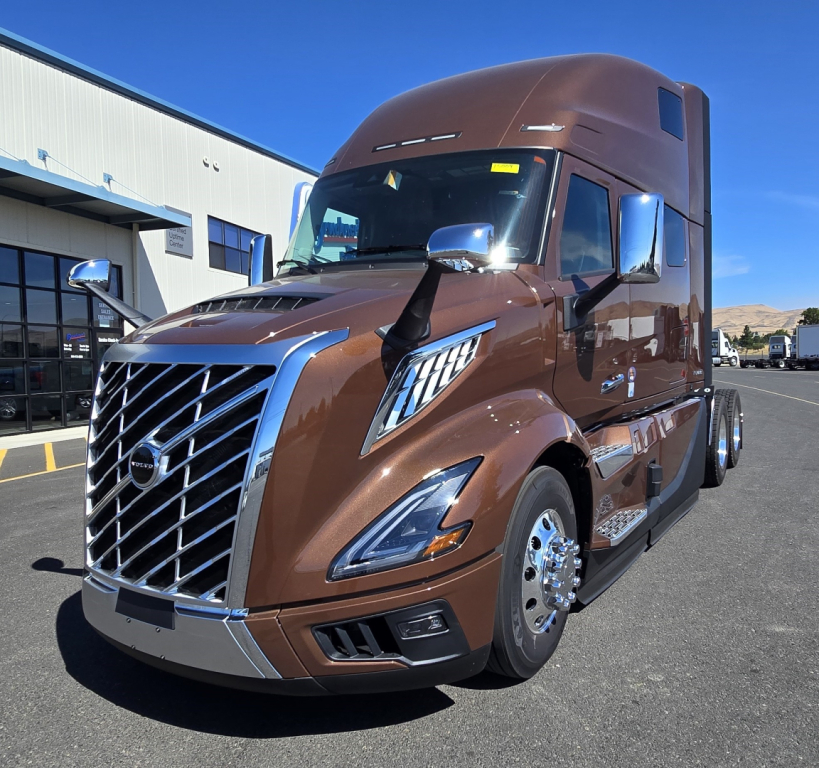
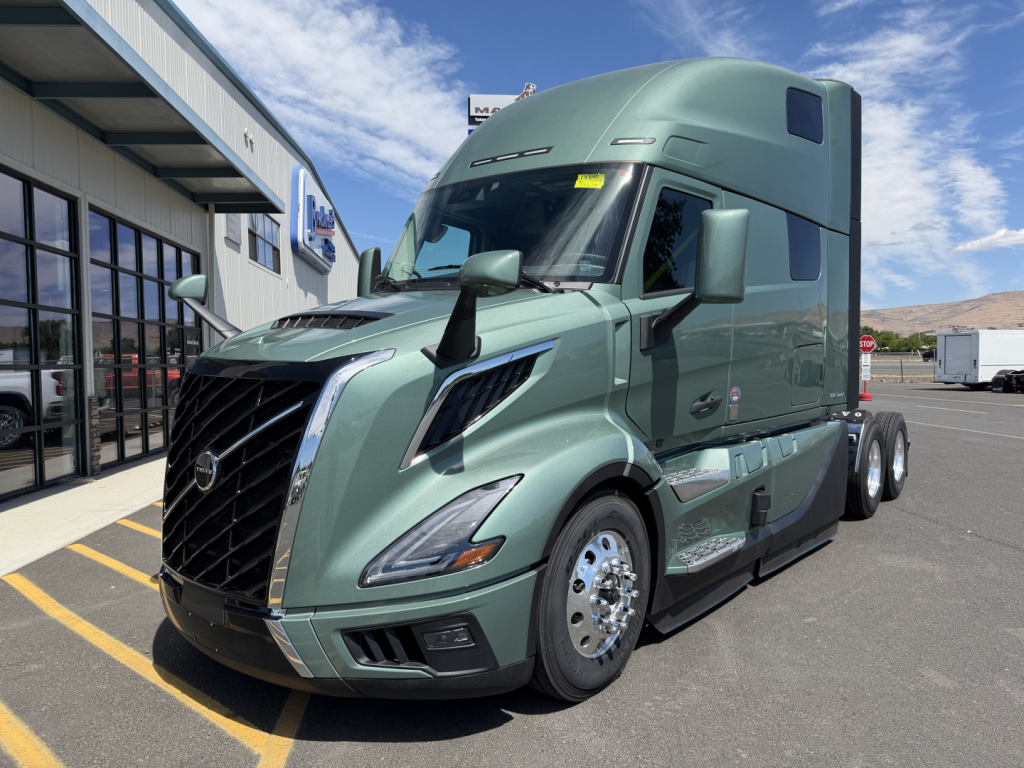
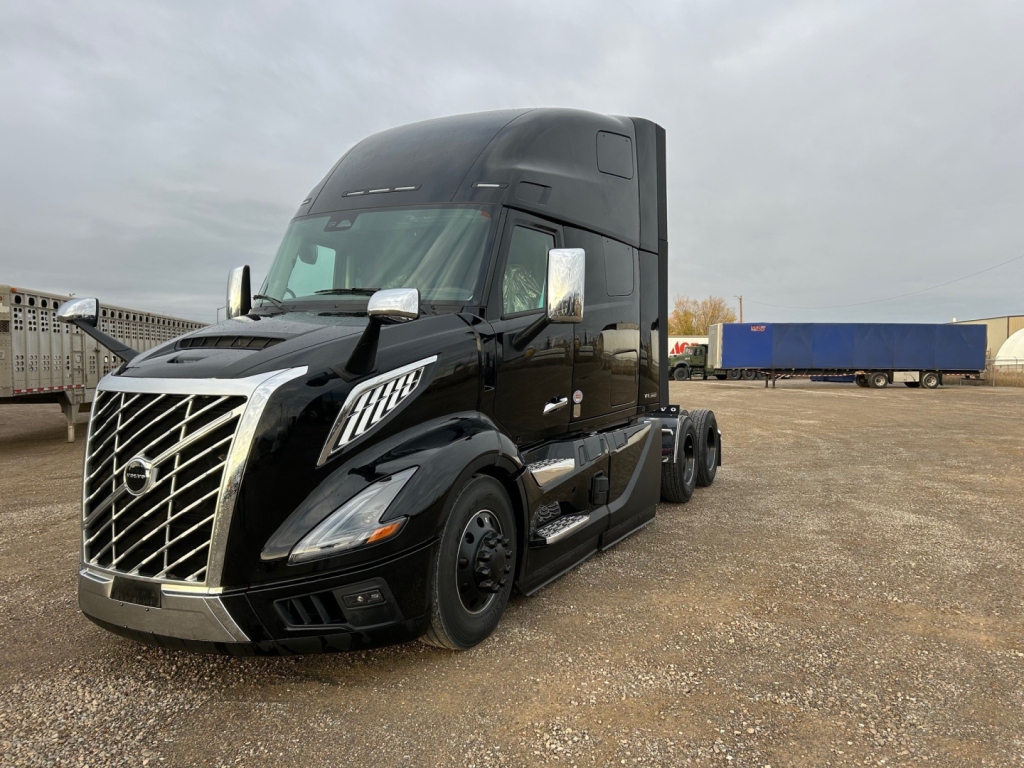
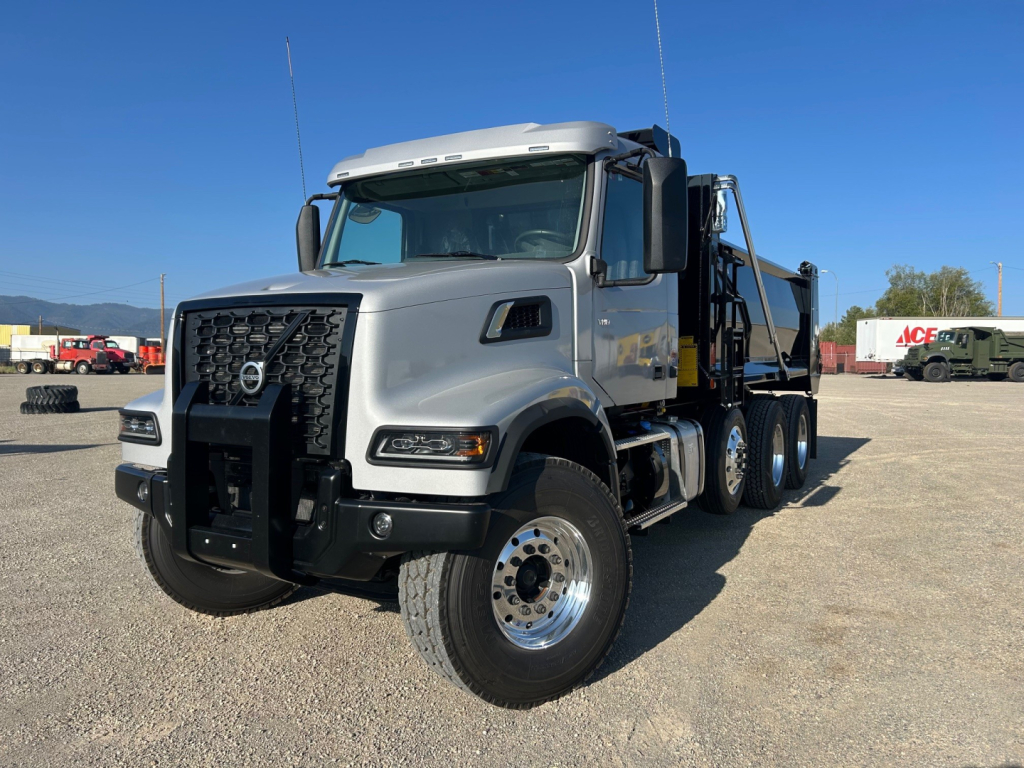
Shop new Volvo trucks for sale in Washington, including VNL day cabs and sleepers with D13 power, I-Shift transmissions, and modern safety tech.

Selling a new volvo truck? List your new volvo truck for sale and reach thousands of commercial buyers.
New Volvo Trucks in Washington
On the spec side, many new Volvo highway tractors are built around the Volvo D13 or D13TC engine matched to the Volvo I-Shift automated manual transmission. That combination is common for fleets looking to balance drivability, fuel economy, and lower driver fatigue. Horsepower in this class often lands in the mid-400 to 500 hp range, with rear axle ratios selected for the intended duty cycle. A 6x4 tandem axle day cab with a shorter wheelbase can be a practical fit for regional and urban work, while a tri-axle or pusher-equipped configuration may be better suited for heavier gross combination weights or Washington-specific bridge and axle requirements. For linehaul sleepers, high-roof VNL 660 and VNL 860 models are often spec'd with 62-inch or 77-inch sleepers, dual fuel tanks, air ride suspension, and aerodynamic packages to support long interstate runs.
Washington buyers often put extra weight on drivability in mountain grades, wet-weather traction, and cold-weather comfort. That makes features like engine brakes, interaxle and rear differential locks, hill start assist, traction control, disc brakes, and parking heaters especially relevant. New Volvo trucks also tend to carry a strong safety and connectivity profile, with systems such as collision mitigation, lane support, headway monitoring, traffic sign recognition, back-up cameras, and Volvo Connect remote telematics. For fleets, these systems can help with uptime planning, driver coaching, and maintenance visibility. For owner-operators, they add convenience and can improve the day-to-day experience on long runs.
Cab environment matters more than many first-time buyers expect. Volvo has built a strong reputation around interior ergonomics, seat comfort, sleeper insulation, and clean dash layout. On sleeper tractors, details like refrigerator space, inverter and shore power, bunk configuration, storage cabinets, and parking cooler setup can directly affect life on the road. On day cabs, turning radius, wheelbase, and cab access matter more for city work and drop-and-hook operations. When comparing new Volvo trucks, it makes sense to look beyond model name alone and evaluate wheelbase, front axle rating, suspension type, fuel capacity, and transmission spec against the lanes and trailer types the truck will actually pull.
Frequently Asked Questions about New Volvo Trucks in Washington
What are the main differences between a Volvo VNL day cab and a Volvo VNL sleeper?
A Volvo VNL day cab is built for local, regional, and dedicated routes where overnight accommodations are not needed. It usually has a shorter wheelbase, lower empty weight, and better maneuverability for tighter operating environments. A Volvo VNL sleeper adds living space for long-haul work, with common sleeper sizes such as 62-inch and 77-inch high-roof layouts that can include bunks, storage, refrigeration, shore power, and idle-comfort systems.
Is the Volvo D13 with I-Shift a good powertrain for fleet and owner-operator use?
The Volvo D13 paired with the I-Shift transmission is one of the most common specs in new Volvo trucks because it covers a wide range of applications well. It is known for smooth automated shifting, strong fuel economy potential, and reduced driver fatigue compared with manual transmissions. For fleets, it supports spec consistency and easier driver onboarding. For owner-operators, it offers a strong balance of performance, drivability, and highway efficiency.
What should Washington buyers pay attention to when spec'ing a new Volvo truck?
Washington buyers should pay close attention to axle setup, wheelbase, traction features, and grade performance. Mountain routes, wet pavement, and mixed freight conditions can make engine brake performance, differential locks, traction control, and suspension choice more important than they might be in flatter regions. Fuel tank capacity, bunk heater or cooler options, and front axle ratings also matter if the truck will run long distances or carry heavier legal loads through varying terrain.
Are new Volvo trucks typically available with advanced safety technology?
Yes. New Volvo trucks are commonly equipped with active safety and driver-assist systems such as collision mitigation, lane departure or lane support features, headway monitoring, traffic sign recognition, and back-up cameras. The exact package varies by build, but Volvo has been a strong player in integrated safety systems for highway tractors. Buyers should verify which systems are included and whether the truck has the telematics and uptime tools needed for their operation.
How do I choose the right Volvo VNL configuration for my application?
Start with the job, not the badge. A regional day cab for short hauls and frequent stops should be evaluated for wheelbase, turning radius, rear ratio, and axle count. A long-haul sleeper should be evaluated for sleeper size, fuel capacity, insulation, interior storage, and idle-comfort equipment. Then match horsepower, transmission, and suspension to the trailer type, gross combination weight, and terrain the truck will see most often.