
New Isuzu Trucks For Sale in Washington
Shop new Isuzu trucks in Washington, including low cab forward gas and diesel models for delivery, landscape, flatbed, and box truck work.
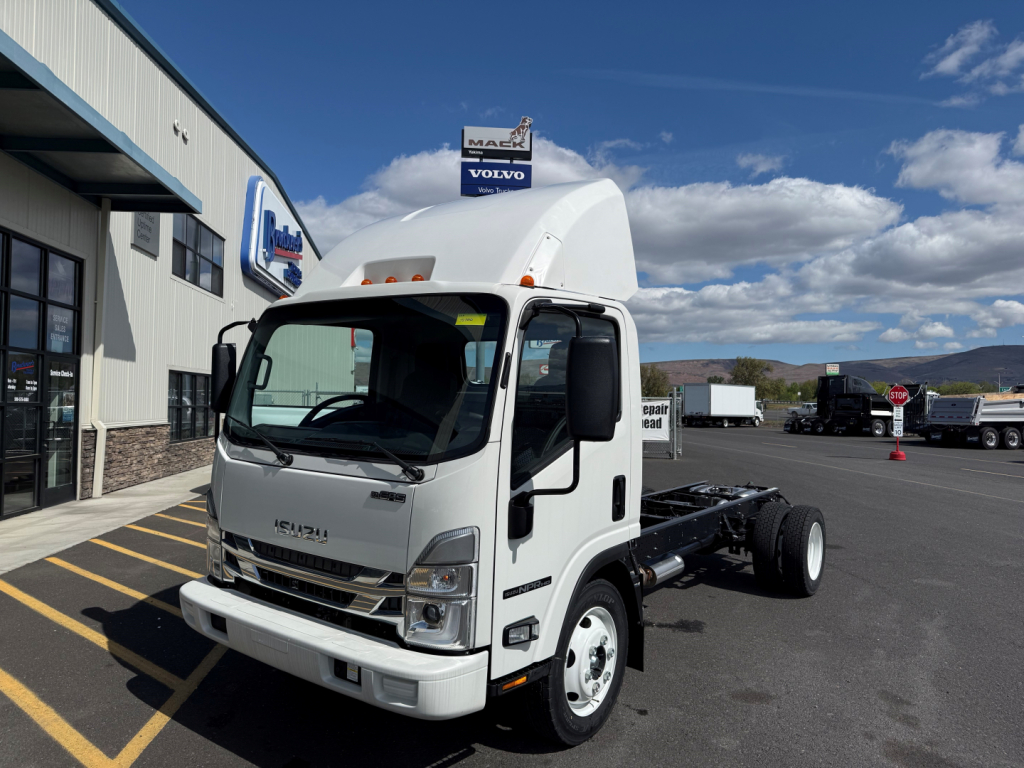
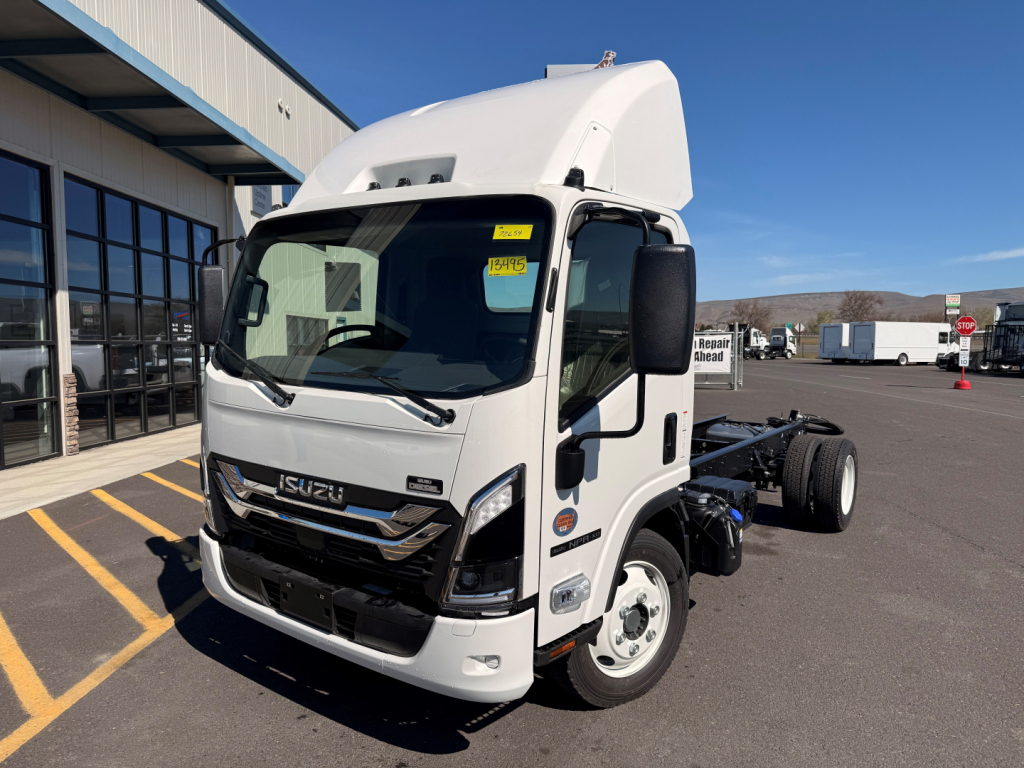
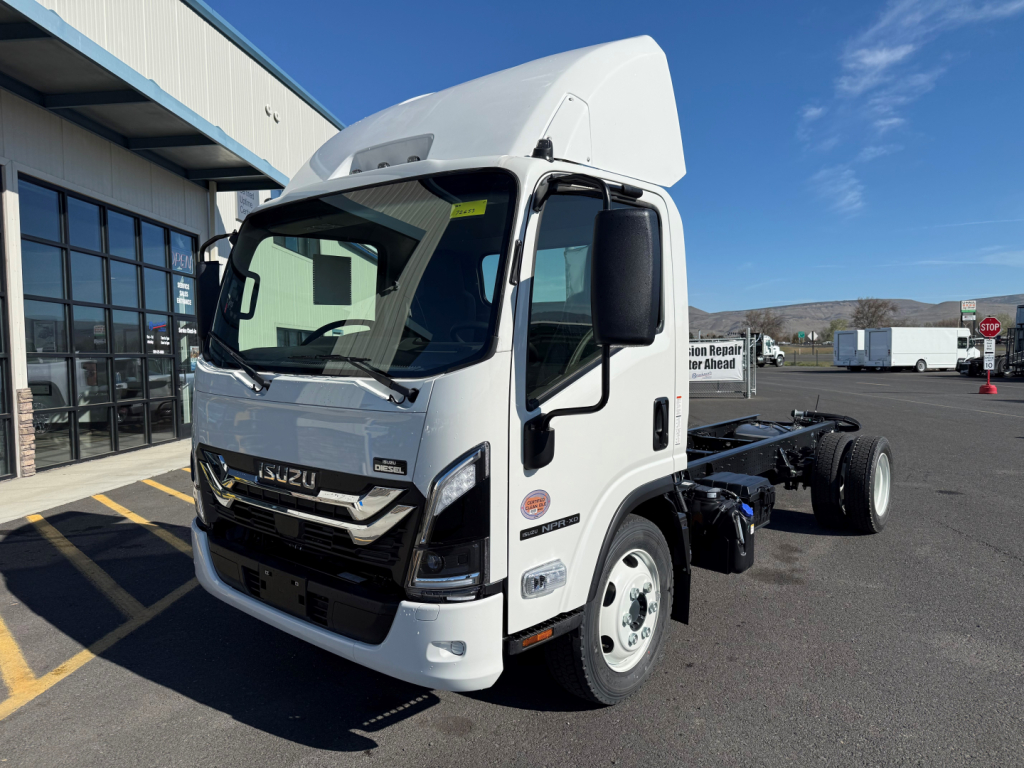
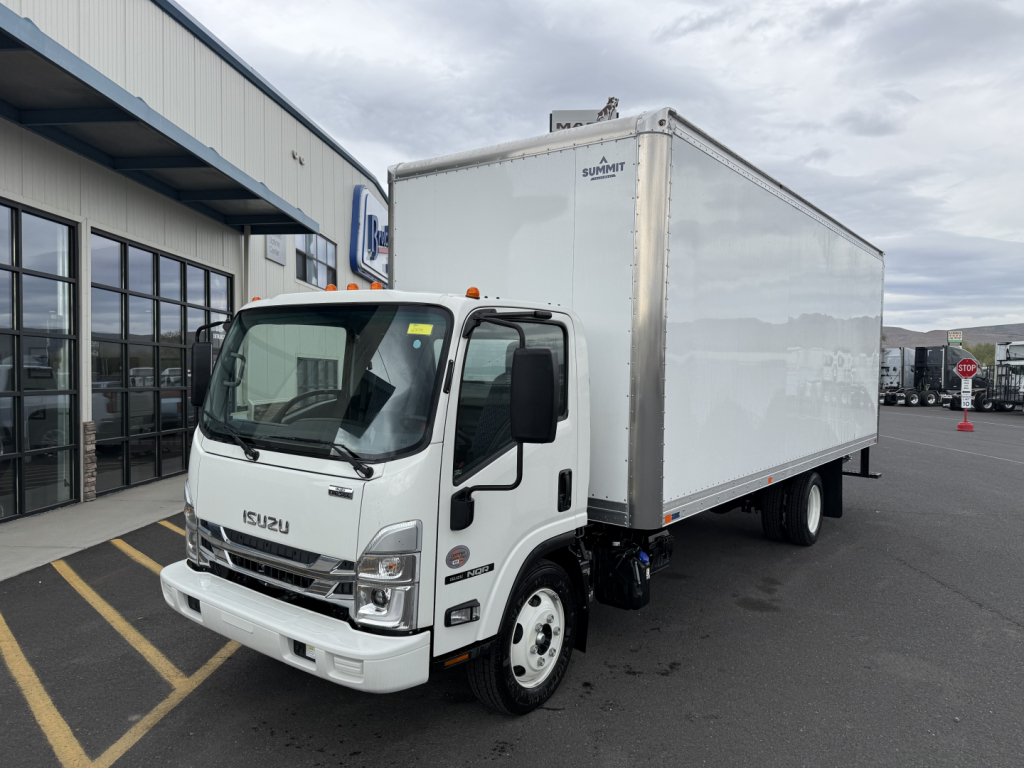
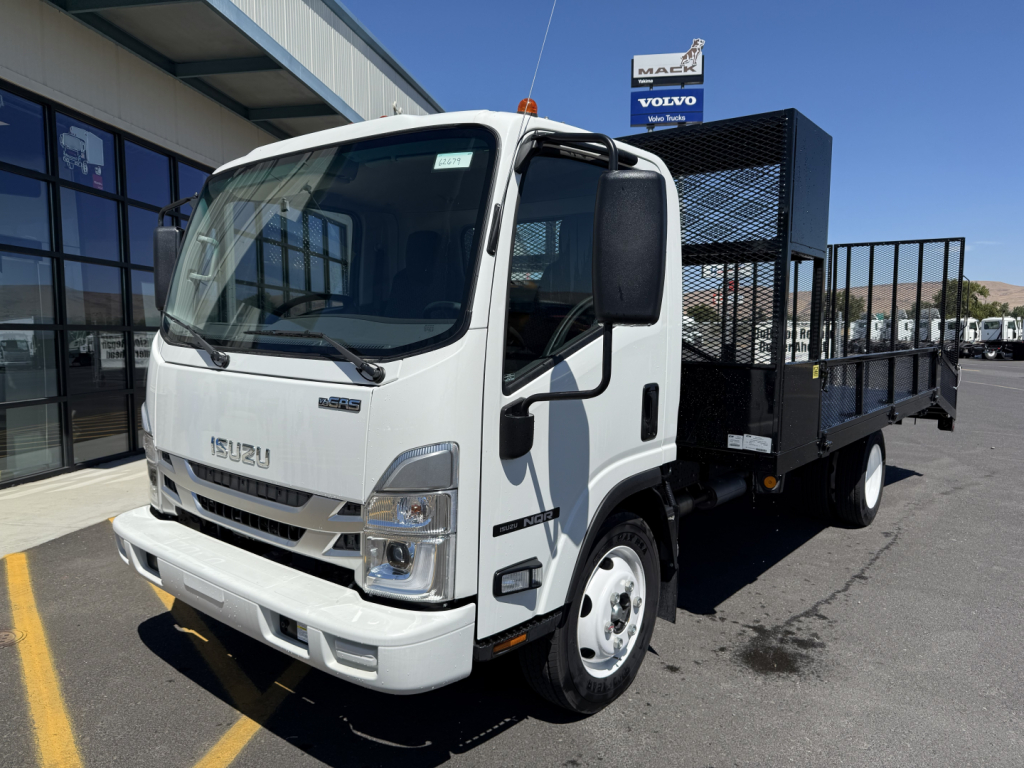
Selling a new isuzu truck? List your new isuzu truck for sale and reach thousands of commercial buyers.
New Isuzu Trucks in Washington
A lot of buying decisions in this category come down to chassis class, fuel type, and body length. Common new Isuzu truck configurations include cab and chassis units ready for upfit, dry vans, landscape bodies, and flatbeds. On current models, buyers will typically see diesel trucks with the 5.2L Isuzu 4HK1-TC engine around 215 horsepower paired with an Aisin 6-speed automatic, while gas models often use the 6.6L GM V8 with an Allison automatic and noticeably higher horsepower. Diesel is usually favored for torque, fuel economy, and steady route work under load. Gas can make sense for lower annual miles, simpler service access, and fleets that prefer gasoline powertrains. GVWR commonly falls in the medium-duty range around the 16,000 to 21,500 pound class, depending on model and setup.
Body planning is just as important as engine choice. Wheelbase, axle ratings, rear ratio, and suspension all affect what the truck can carry and how well it matches the intended upfit. A shorter wheelbase cab and chassis may suit a 14 to 18 foot platform, stake, dump, or service body, while longer wheelbase N-Series trucks are often ordered with 20 to 22 foot dry van bodies for route delivery. Buyers comparing box trucks should look closely at interior height, floor construction, logistic track placement, scuff liners, rear door style, and ramp or liftgate requirements. For flatbed and landscape applications, details like dovetail length, ramp rating, tie-down placement, and tool storage matter more than cosmetic features because they directly affect daily productivity.
For most buyers, the advantage of a new Isuzu truck is not just the badge but the specialization of the platform. These trucks are built for frequent stops, driver visibility, and efficient body packaging rather than long-hood highway operation. That makes them especially practical for businesses running local and regional lanes across Washington, from dense metro delivery routes to contractor work in growing suburban markets. When comparing listings, focus on usable payload after body installation, cab-to-axle measurement, transmission pairing, and the exact body spec already installed or planned. Those details will tell you more about day-to-day value than model name alone.
Frequently Asked Questions about New Isuzu Trucks in Washington
What are the main advantages of a new Isuzu truck for local delivery and vocational work?
A new Isuzu truck is best known for its low cab forward layout, which improves visibility and reduces overall vehicle length compared with a conventional cab truck carrying a similar body. That shorter footprint helps in city deliveries, loading docks, alleys, and crowded job sites. Buyers also like Isuzu for straightforward upfitting, medium-duty GVWR options, and configurations that work well for dry vans, flatbeds, landscape bodies, and service applications.
Should I choose a gas or diesel Isuzu truck?
The right choice depends on route profile, annual mileage, payload, and service preference. Diesel Isuzu models are typically chosen for better low-end torque, strong performance under load, and long-term efficiency on regular route work. Gas models are often attractive for fleets that want simpler engine service, lower initial acquisition cost in some cases, and a powertrain that fits lighter-duty or lower-mileage use. The best decision usually comes from matching the engine to body weight, stop frequency, and expected years in service.
What body sizes are common on new Isuzu trucks?
New Isuzu cab and chassis trucks are commonly upfitted with bodies ranging from about 14 feet on vocational and landscape applications to 20 or 22 feet on dry van and delivery builds, depending on wheelbase and chassis rating. The usable body length is tied to cab-to-axle measurement, wheelbase, and rear axle capacity. Buyers should confirm that the chassis dimensions match the intended body rather than assuming the same model can accept any upfit.
What should I check when comparing new Isuzu box trucks?
Start with GVWR, payload after body installation, wheelbase, and engine-transmission combination. Then review the body itself, including floor material, sidewall construction, roof type, scuff protection, E-track or logistic track, rear roll-up door dimensions, and whether the truck has a ramp or liftgate. Those specifications affect loading speed, cargo protection, and driver efficiency more than appearance. A well-matched box truck should balance cube, payload, and maneuverability for the route it will actually run.
Are new Isuzu trucks a good fit for Washington businesses?
Yes, especially for businesses operating in metro delivery, contractor service, landscaping, municipal support, and regional distribution. Washington buyers often need trucks that can handle dense urban traffic, frequent stops, and mixed suburban routes without giving up body capacity. Isuzu’s compact chassis layout, strong visibility, and medium-duty upfit flexibility make it a practical choice for those conditions. The key is selecting the right chassis and body combination for terrain, cargo type, and daily miles.