
New 2025 Commercial Trucks For Sale in Washington
Shop new 2025 trucks for sale in Washington, including day cabs, sleepers, box trucks, refuse trucks, and electric medium-duty models.
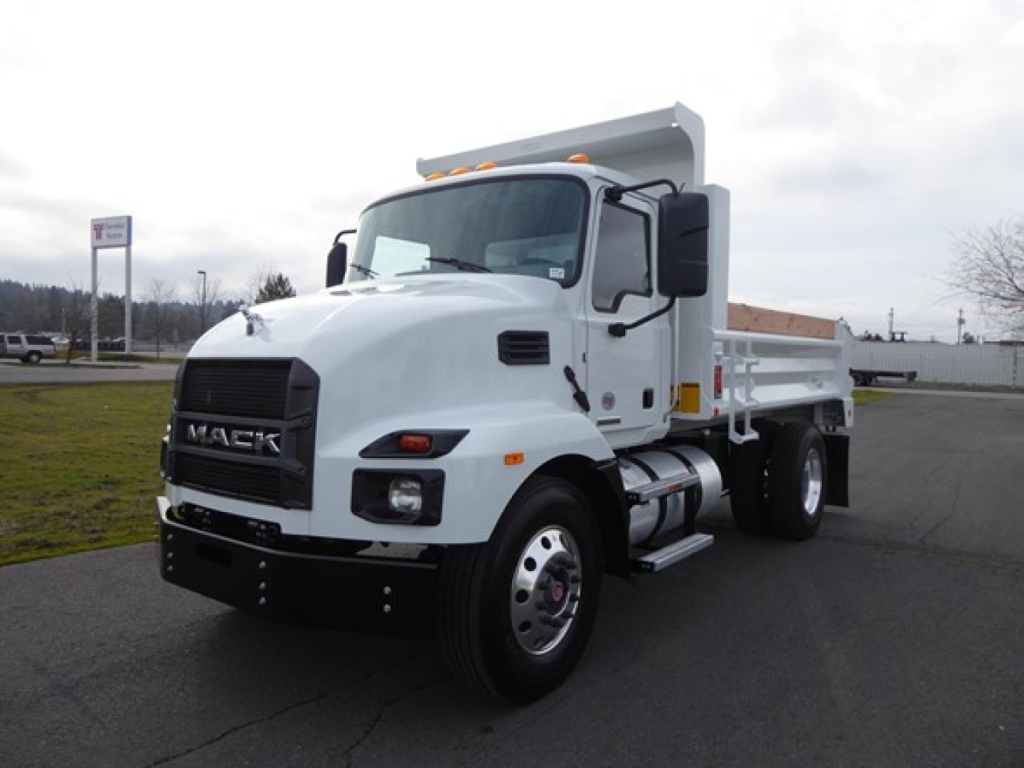
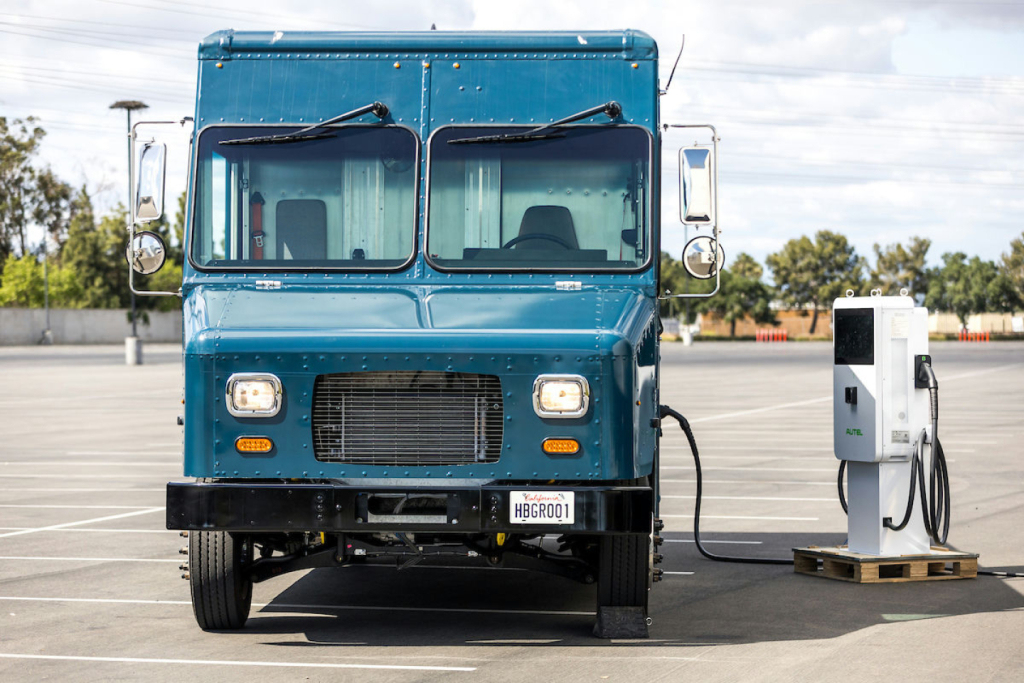
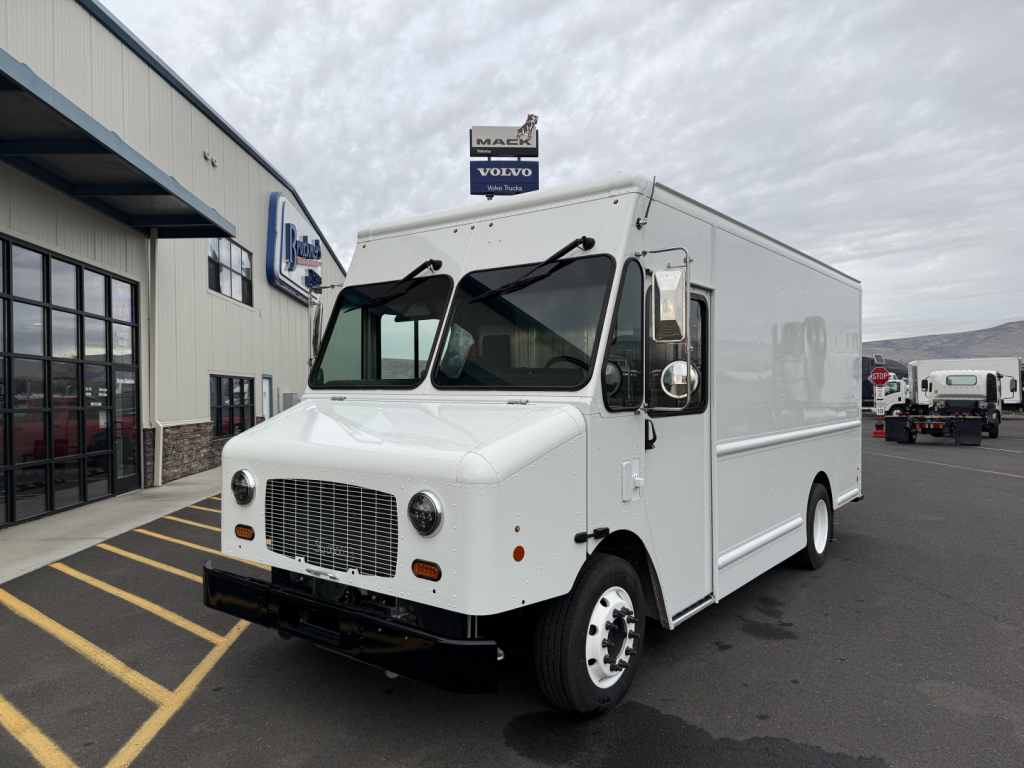
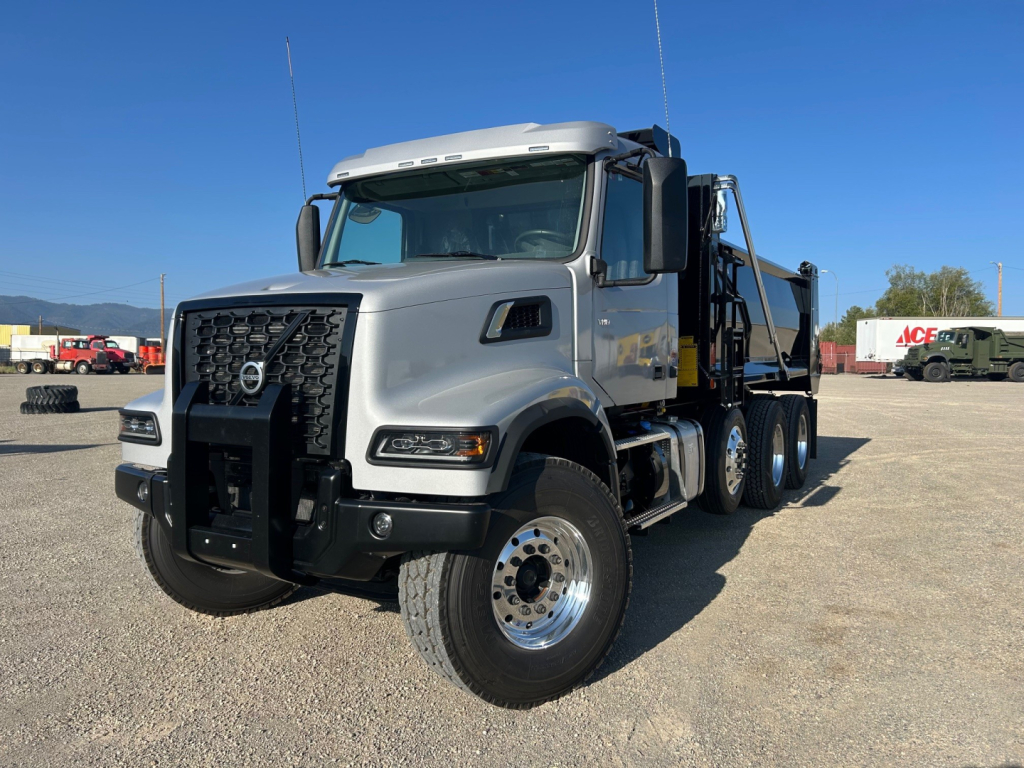
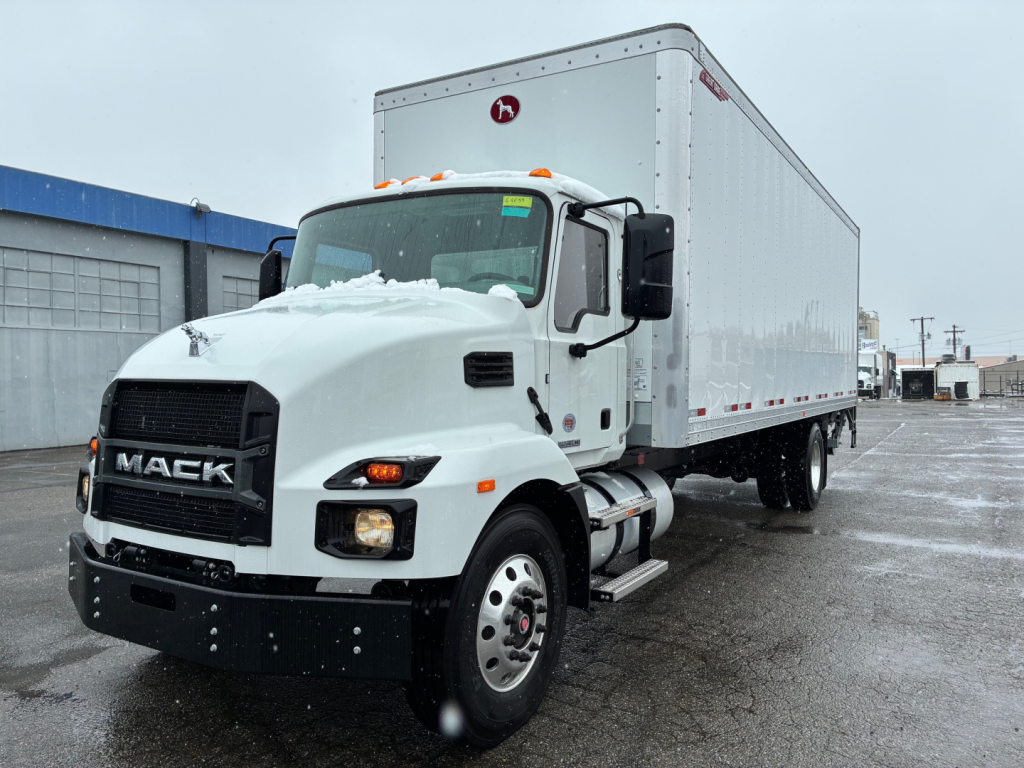
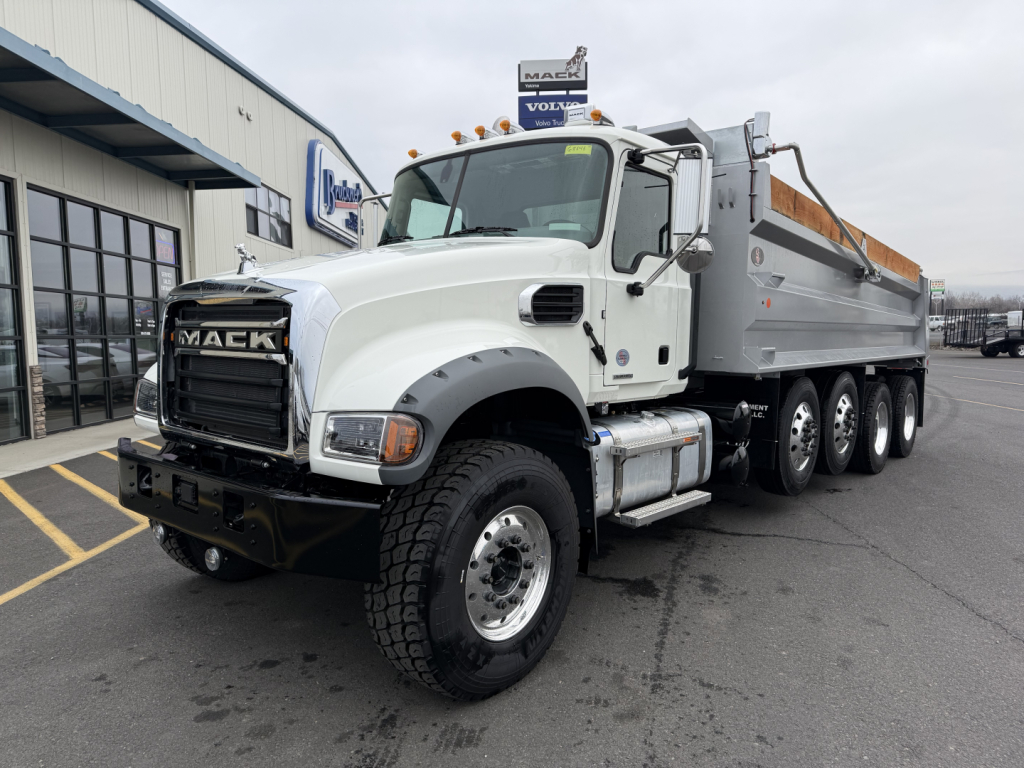
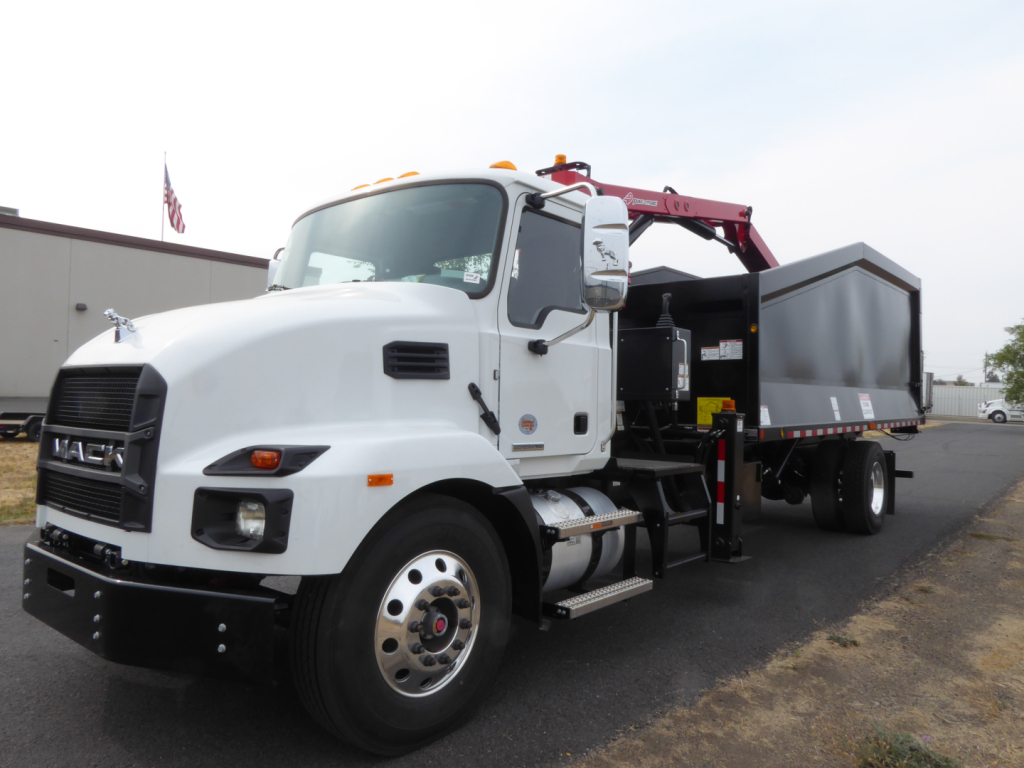
Selling a new 2025 commercial truck? List your new 2025 commercial truck for sale and reach thousands of commercial buyers.
New 2025 Commercial Trucks in Washington
Washington operating conditions make powertrain and chassis spec especially important. Fleets running the I-5 corridor, Seattle-Tacoma urban routes, or repeated mountain grades through the Cascades need to think about torque curve, rear ratio, brake type, and suspension. Diesel remains the standard for broad route flexibility and easy refueling, but electric and alternative-fuel trucks are gaining traction in medium-duty delivery and return-to-base service. A new 2025 truck may be equipped with a Cummins, Mack, or OEM electric drivetrain, paired with automatic or automated transmissions such as Allison automatics or 12-speed automated manuals. For urban pickup and delivery, buyers often prioritize tight wheelbases, liftgate-ready frames, and non-CDL GVWR ratings around 25,999 pounds. For linehaul or heavier vocational use, tandem rears, air suspension, differential locks, and higher-capacity front axles matter more.
Body and vocational compatibility are just as important as the cab and engine. New 2025 trucks in this market may be set up as box trucks, garbage trucks, step vans, conventional sleepers, or bare chassis for custom upfits. Box and delivery trucks are often spec'd with 24-foot to 26-foot bodies, roll-up doors, E-track, hardwood or laminated floors, and platform liftgates. Refuse and municipal chassis typically need stout rear suspensions, PTO provisions, favorable cab visibility, and the right frame layout for automated side loader, rear loader, or roll-off equipment. Sleeper tractors need a different checklist that includes wheelbase, fifth wheel position, fuel capacity, fairings, cab roof height, and drivetrain gearing for fuel economy at highway speed. On any new truck, buyers should also review brake package, tire size, wheel material, ADAS availability, body-builder interfaces, and warranty support.
A new truck brings the advantage of current emissions systems, newer driver-assist technology, and factory-order spec control. That matters if you need a precise wheelbase for a van body, a non-CDL delivery unit under the threshold, or a sleeper with the right kingpin setting and axle spread for your lanes. It also matters for electric trucks, where battery capacity, charging time, regenerative braking strategy, and daily route miles determine whether the truck fits the operation. The best 2025 truck is the one that matches payload, route length, upfit requirements, and service support in Washington, not just the highest horsepower number on the page.
Frequently Asked Questions about New 2025 Commercial Trucks in Washington
What types of new 2025 trucks are commonly available in Washington?
New 2025 trucks in Washington typically include medium-duty box trucks, step vans, day cab chassis, sleeper tractors, refuse trucks, and other vocational configurations. Buyers will see both single-axle and tandem-axle setups, along with diesel, natural gas, and battery-electric powertrains. The right category depends on the application first, then on payload, route length, body requirements, and local operating conditions.
What should I check first when comparing new 2025 trucks for sale?
Start with GVWR, axle ratings, wheelbase, and intended body or trailer use. Those core specs determine legal payload, CDL requirements, upfit compatibility, and how the truck will handle on the road. After that, compare engine output, transmission type, rear ratio, suspension, brake package, and any application-specific features such as PTO capability, liftgate prep, or sleeper dimensions.
Are electric 2025 trucks a good fit for Washington fleets?
Electric 2025 trucks can be an excellent fit for return-to-base delivery, municipal, and urban service routes with predictable daily mileage. They are less practical for operations with long distances, limited charging access, or highly variable route demands. Buyers should evaluate battery capacity, charging infrastructure, payload impact, regenerative braking performance, and dealer support before choosing an electric medium-duty truck.
Is a non-CDL new truck a better choice for local delivery?
A non-CDL truck can make sense for local delivery when the operation needs driver flexibility and frequent urban stops. Trucks spec'd at or under 25,999 pounds GVWR are popular for dry van, parcel, and route delivery work because they can reduce hiring constraints while still carrying useful payload. The tradeoff is lower capacity than a full Class 6 or Class 7 spec, so body size and cargo weight need to be matched carefully.
How do Washington terrain and weather affect truck spec decisions?
Washington routes can combine city congestion, wet conditions, and sustained mountain grades, so spec choices matter. Buyers often benefit from adequate horsepower and torque, appropriate rear axle ratios, reliable brake performance, traction-oriented tire selection, and suspensions suited to both pavement and vocational use. For fleets crossing the Cascades or hauling heavier loads, drivetrain gearing and cooling capacity deserve close attention.