
New 2025 Mack Trucks For Sale in Washington
Shop new 2025 Mack trucks for sale in Washington, including day cabs, sleepers, vocational and refuse models built for heavy-duty fleet work.
Selling a new 2025 mack truck? List your new 2025 mack truck for sale and reach thousands of commercial buyers.
New 2025 Mack Trucks in Washington
On highway models, buyers will commonly see Mack Anthem, Pinnacle, or newer platform configurations with MP-series diesel power, mDRIVE automated manual transmissions, and 6x4 tandem axle layouts. Key considerations include horsepower and torque ratings, rear axle ratio, GCWR, and how the truck is geared for mountain grades, regional freight, or linehaul lanes. In Washington, that matters. Spec choices that work well in flatter regions may not be ideal for Snoqualmie, Stevens, or logging and aggregate routes with sustained climbs. Sleeper trucks should be compared on roof height, bunk storage, heater and inverter packages, and driver-assist features. Day cabs should be evaluated for turning radius, fuel tank placement, visibility, and back-of-cab room for air and electrical connections.
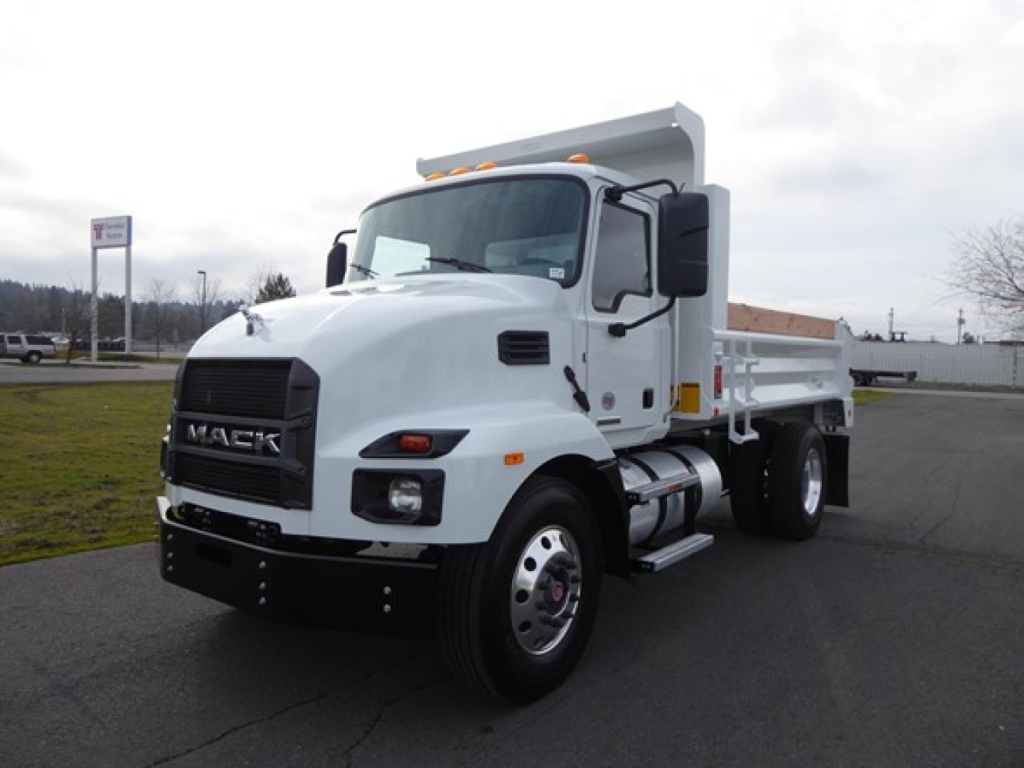
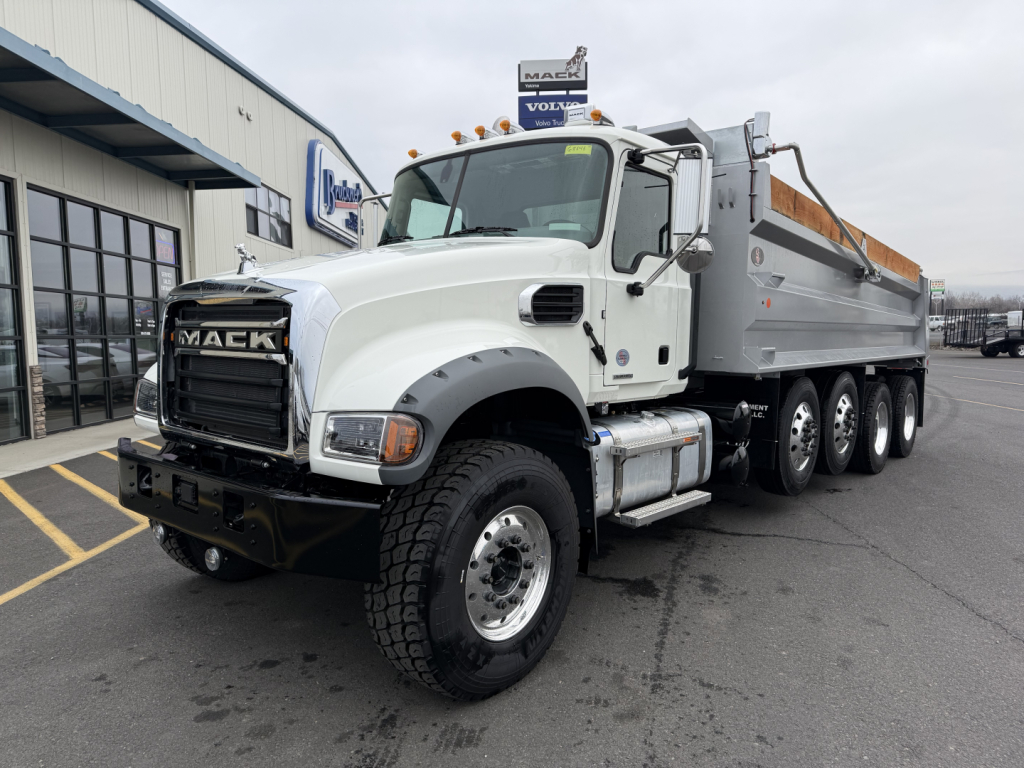
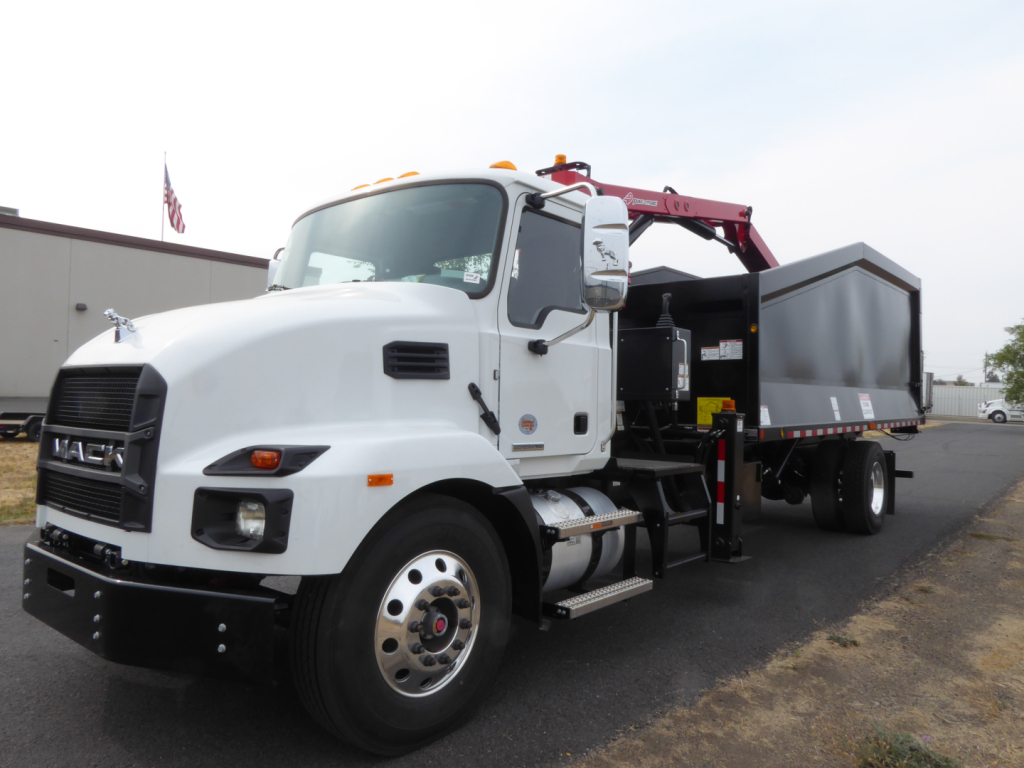
Vocational Mack trucks are often selected because the chassis can be ordered for refuse, roll-off, dump, mixer, or municipal service without compromising durability. Buyers should look closely at axle set-back or set-forward design, bridge law needs, suspension type, brake configuration, and frame reinforcement for hoists, compactors, or container systems. Refuse applications may also bring alternative fuel or low-emission powertrains into the conversation, including natural gas configurations in certain fleets. For urban or municipal work, cab entry height, sightlines, body control integration, and tight-route maneuverability can matter as much as engine output. If the truck will run year-round in wet western Washington conditions, corrosion protection, electrical routing, and ease of washout are practical details worth checking.
A new 2025 Mack truck also gives buyers access to current safety and uptime technology, including collision mitigation systems, telematics, automated transmissions, and more driver-friendly cab environments than older fleet units. The best listing is not just the newest truck with the biggest horsepower rating. It is the truck whose wheelbase, axle package, suspension, engine, transmission, and intended body spec line up with the work. Buyers who compare Mack trucks this way usually end up with better payload efficiency, lower maintenance surprises, and a chassis that stays productive longer in Washington fleet service.
Frequently Asked Questions about New 2025 Mack Trucks in Washington
What types of new 2025 Mack trucks are most common in Washington?
Common new Mack truck configurations in Washington include conventional day cabs, sleeper tractors, refuse trucks, roll-off trucks, and other vocational chassis. Highway buyers often focus on regional and long-haul tractors, while municipal, waste, and construction fleets tend to shop heavy-duty Mack models configured for body installation, higher front axle ratings, and severe-service use.
What should I compare first when shopping for a new Mack truck?
Start with the intended application, then match the chassis to the job. The most important comparisons are axle configuration, wheelbase, engine and transmission pairing, suspension type, brake setup, and any body-builder requirements. A sleeper tractor for interstate freight and a Mack refuse chassis may share the same brand, but they are built around very different duty cycles and spec priorities.
Are Mack trucks a good fit for Washington terrain and operating conditions?
Mack trucks are often a strong fit for Washington because many routes combine heavy payloads, mountain grades, stop-and-go traffic, and wet weather. Buyers should pay attention to horsepower, torque, rear axle ratio, cooling capacity, traction features such as differential locks, and corrosion-related details. Those factors can have a direct effect on drivability, uptime, and operating cost across the state.
What engines and transmissions are commonly found in new Mack trucks?
Many new Mack highway and vocational trucks are equipped with Mack MP-series diesel engines and the Mack mDRIVE automated manual transmission. Depending on the application, some vocational and refuse models may also be spec'd with alternative fuel powertrains such as natural gas. The right combination depends on load, terrain, PTO demands, start-stop frequency, and fuel economy goals.
Is a Mack day cab or sleeper better for my operation?
A Mack day cab is typically the better choice for local and regional runs where maneuverability, lower curb weight, and easier access matter most. A Mack sleeper is better suited to longer routes that require off-duty rest space, more onboard storage, and added driver amenities. The decision should be based on route length, home-time patterns, payload needs, and total operating cost rather than appearance alone.