
New 2027 Commercial Trucks For Sale in Washington
Shop new 2027 trucks for sale in Washington, including vocational, delivery, cab and chassis, and sleeper truck configurations.
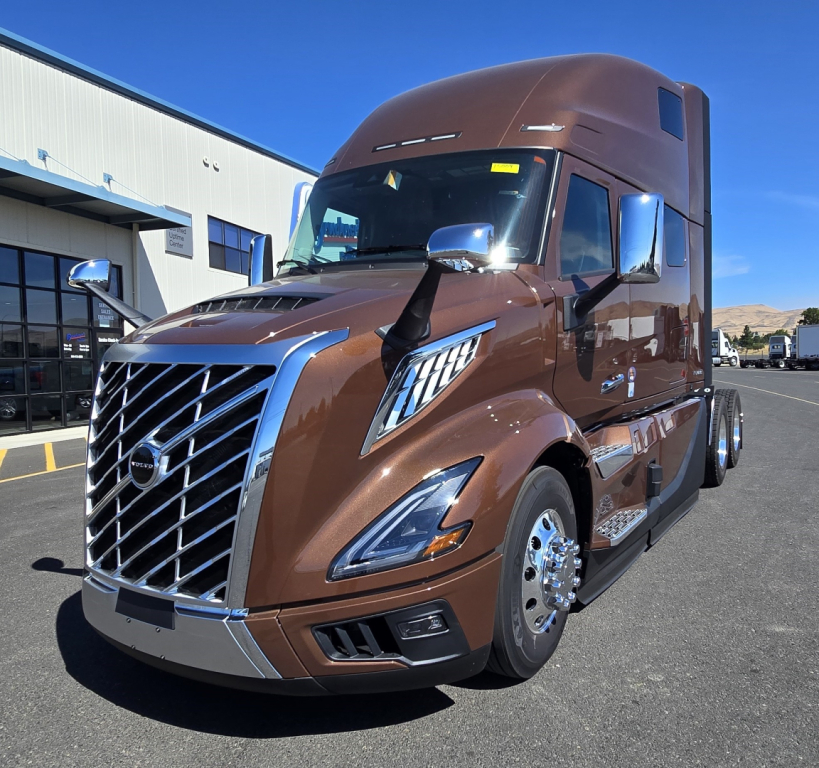
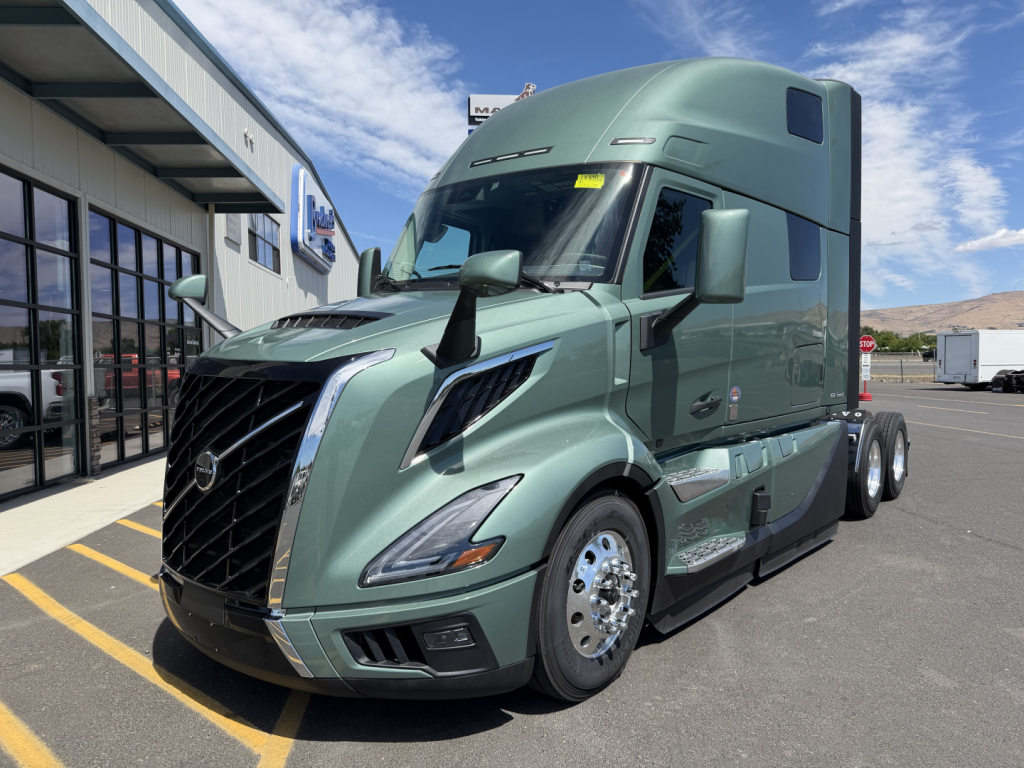
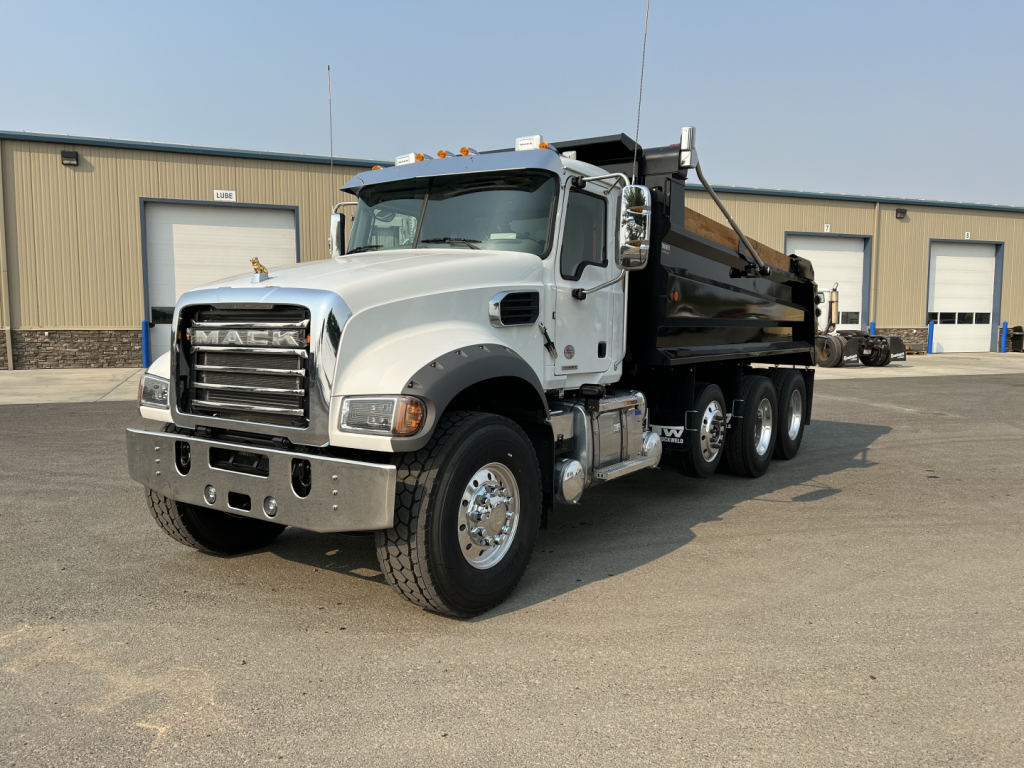
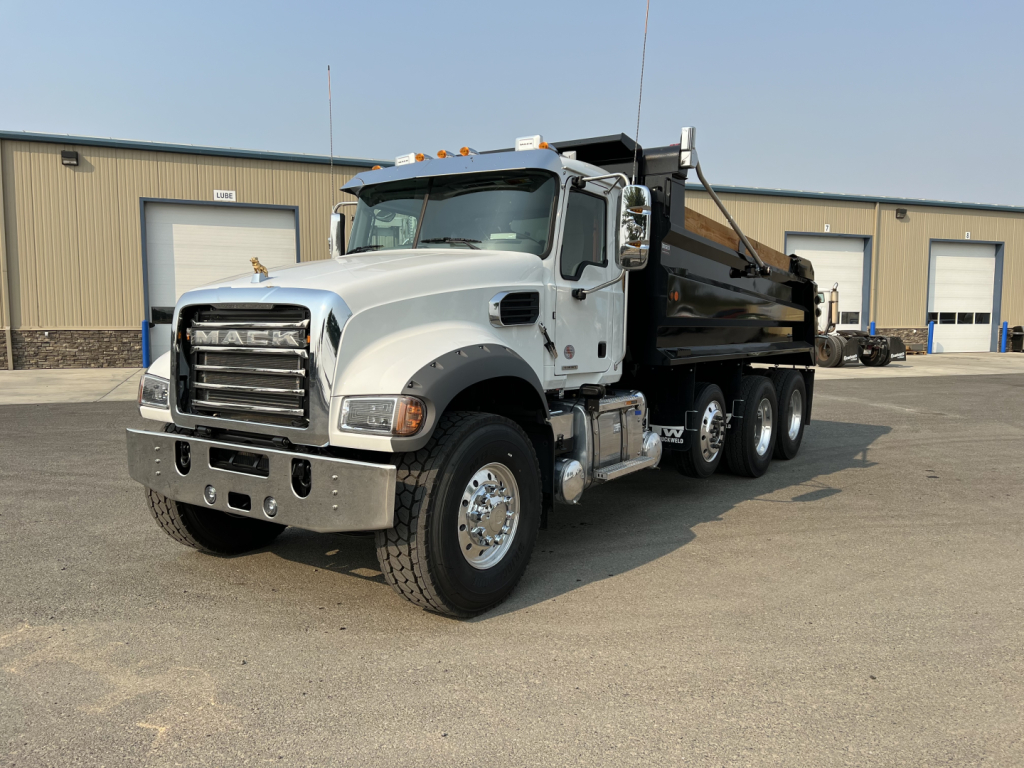
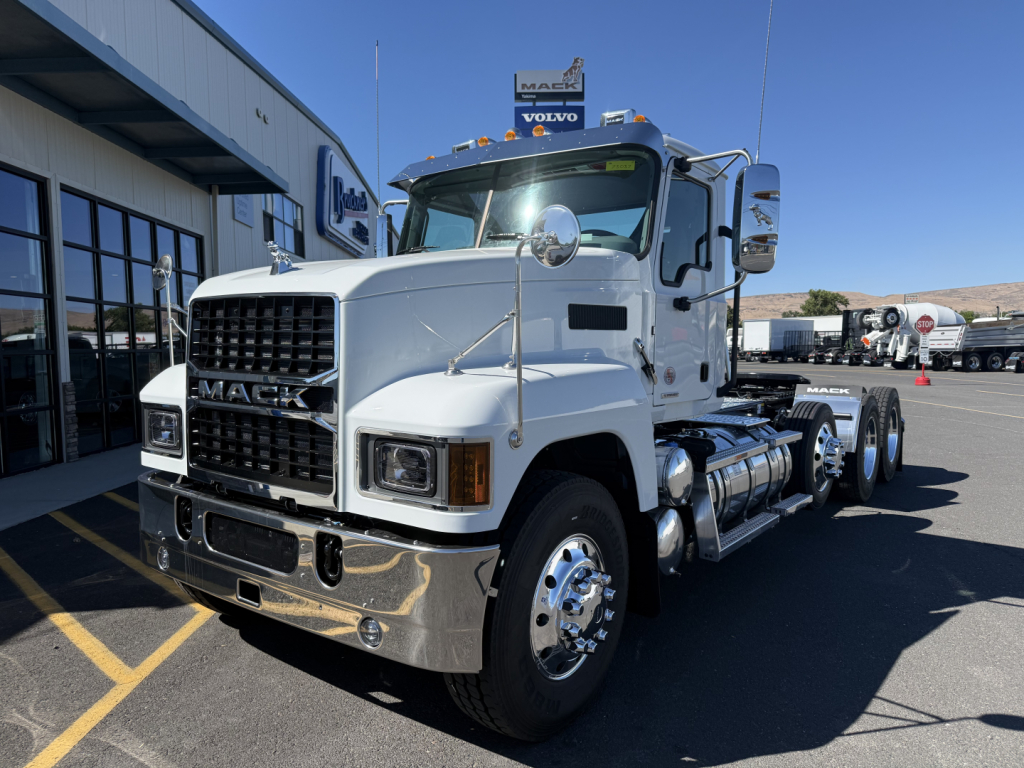
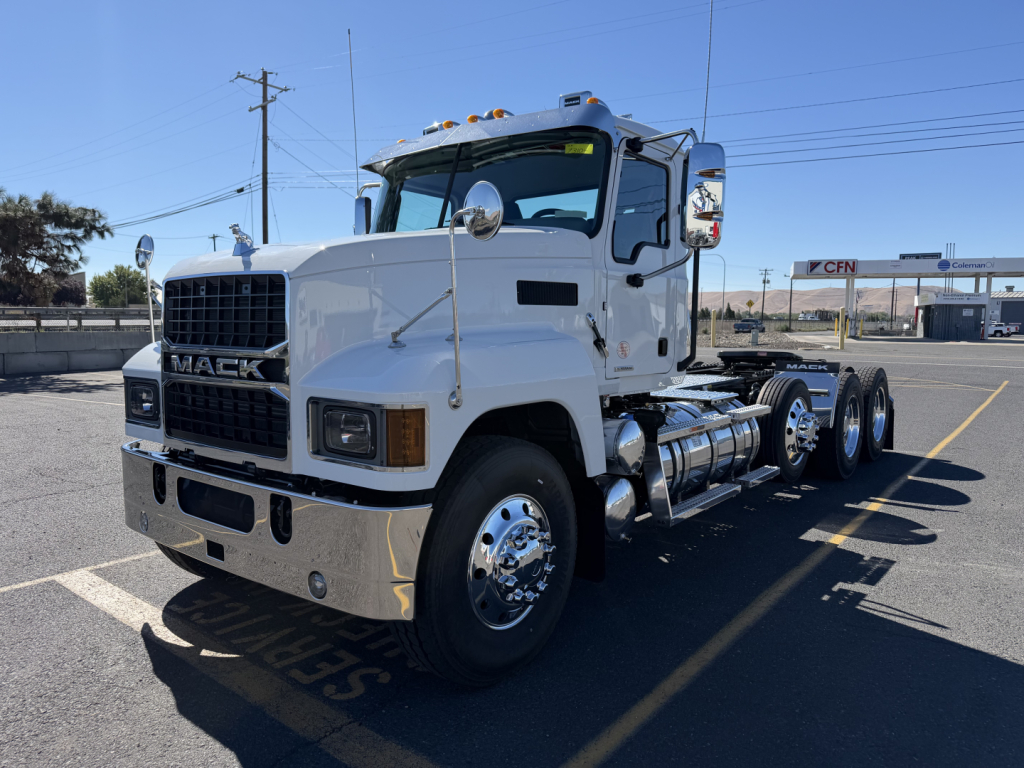
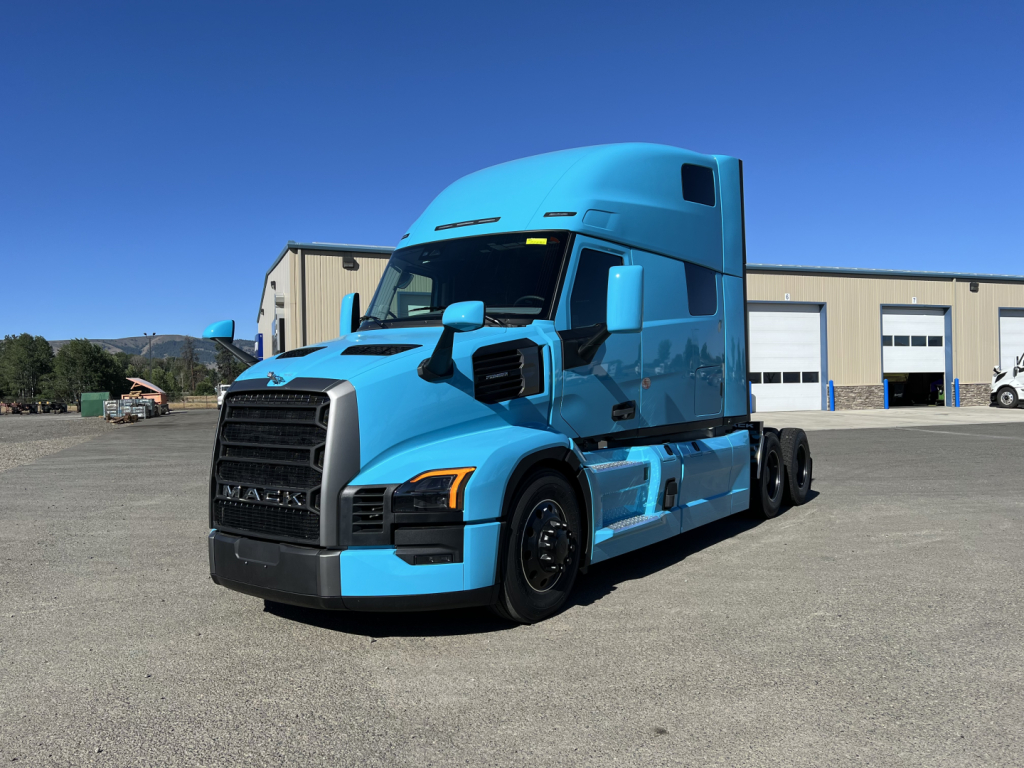
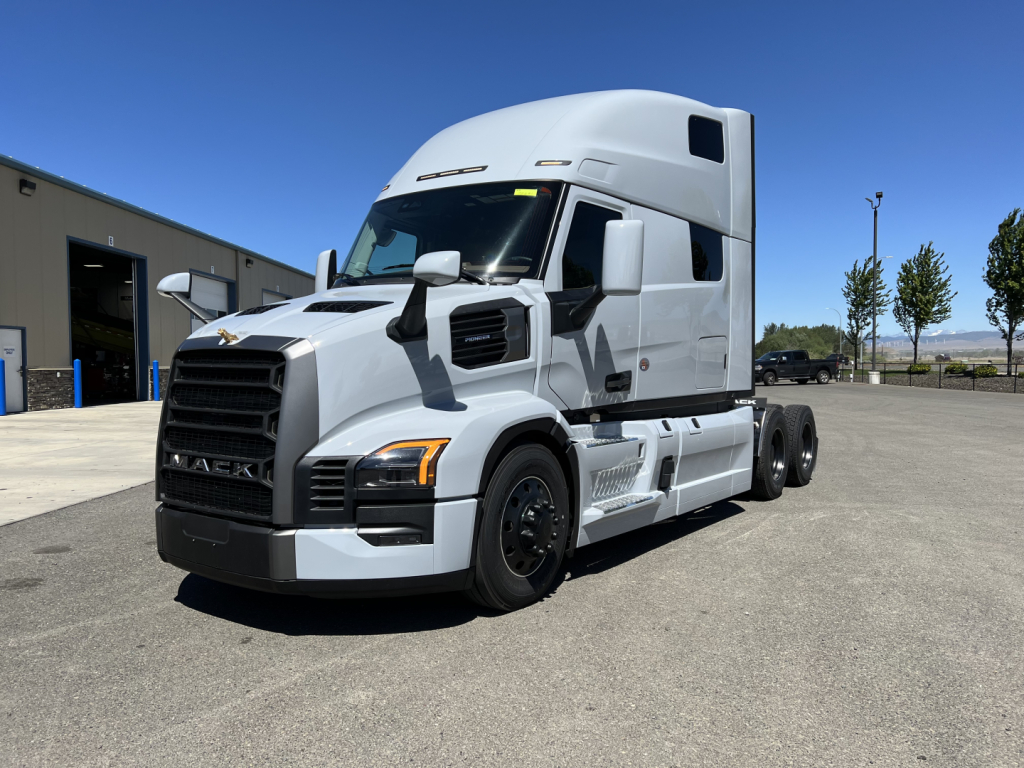
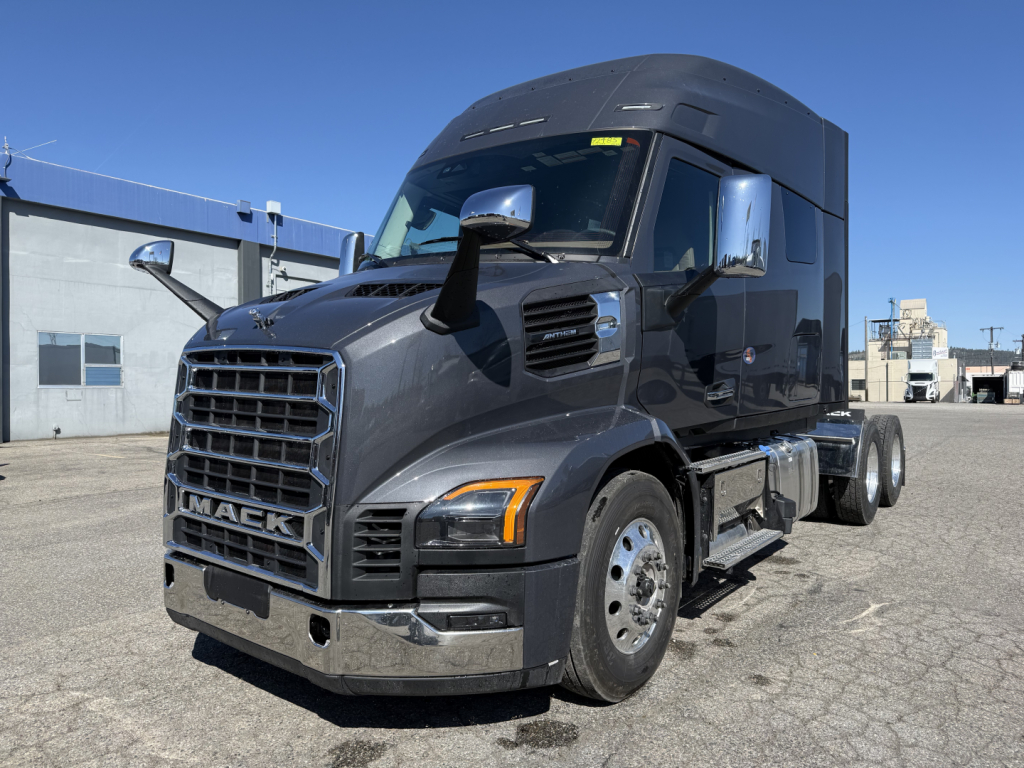
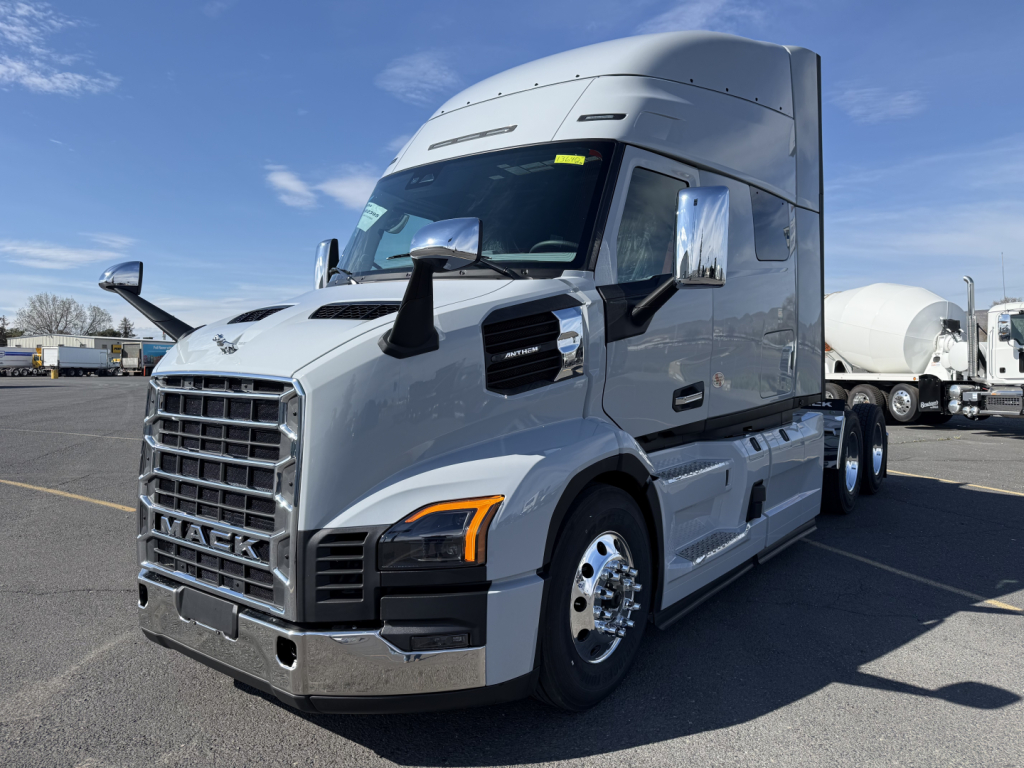

Selling a new 2027 commercial truck? List your new 2027 commercial truck for sale and reach thousands of commercial buyers.
New 2027 Commercial Trucks in Washington
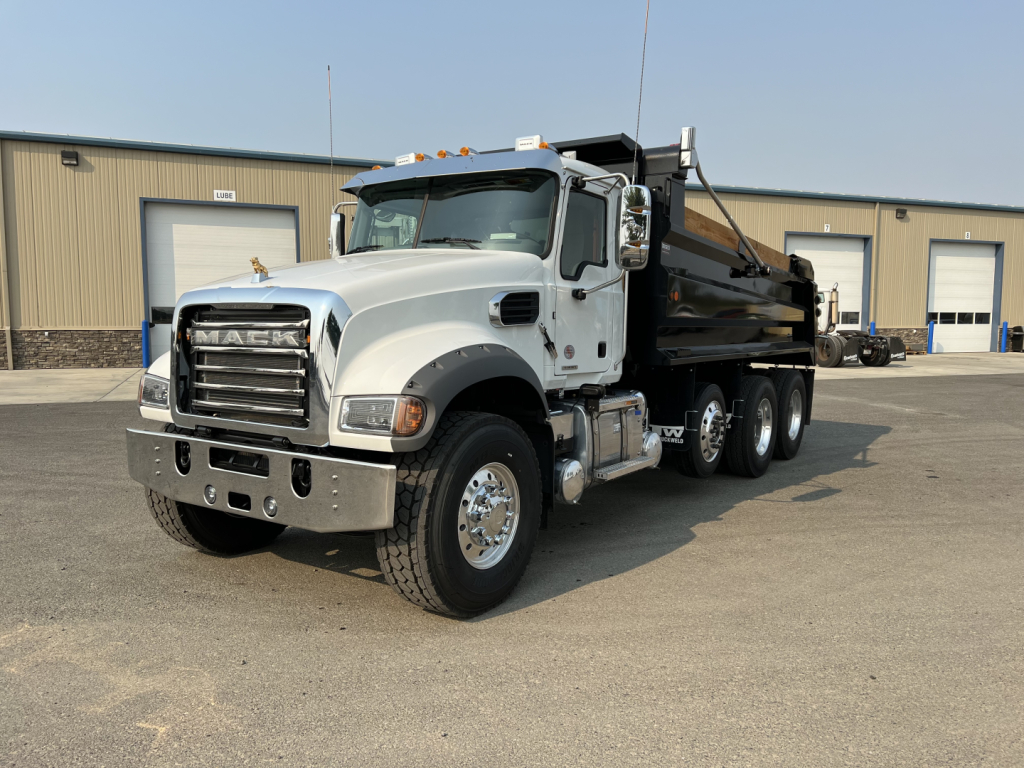
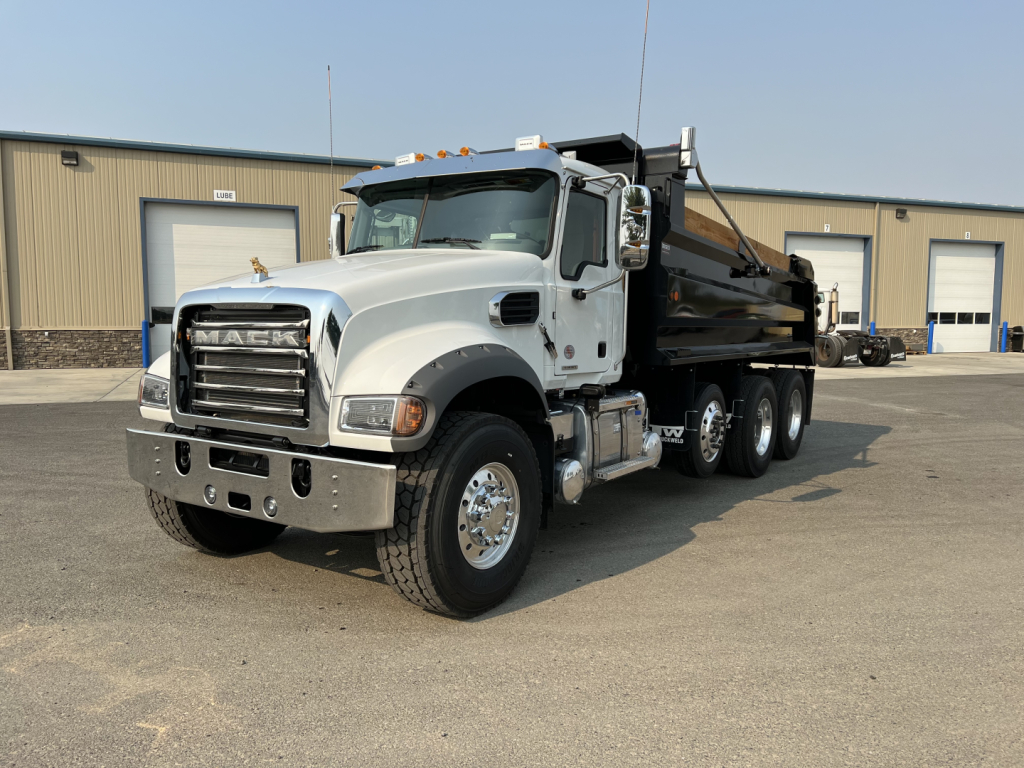
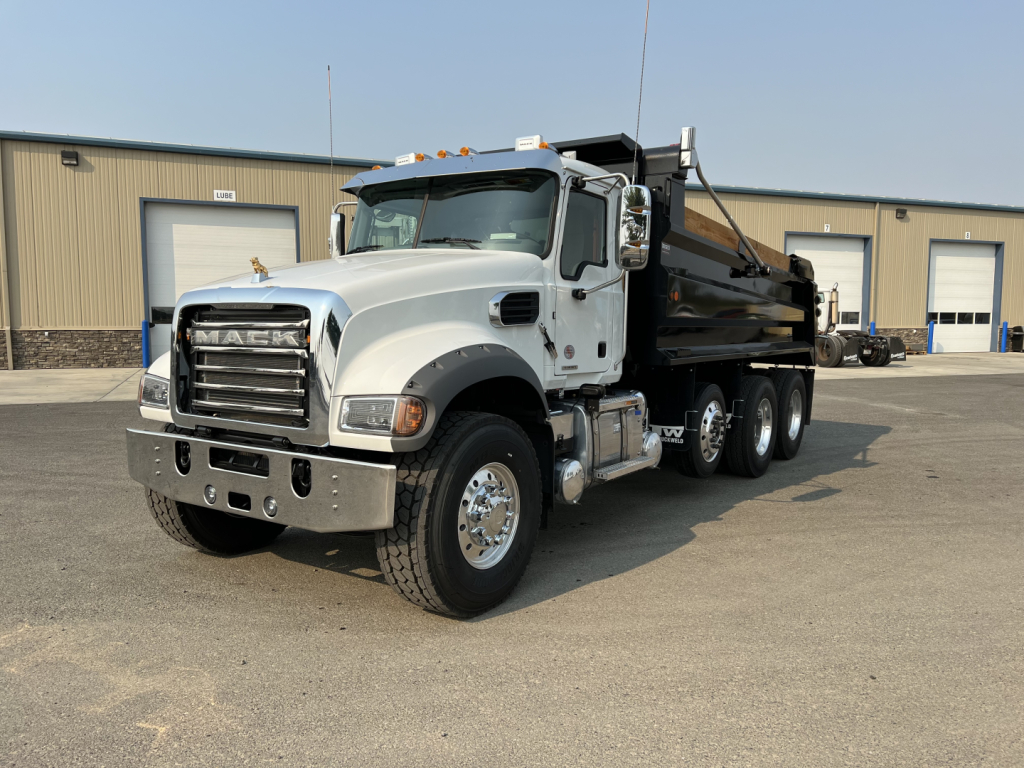
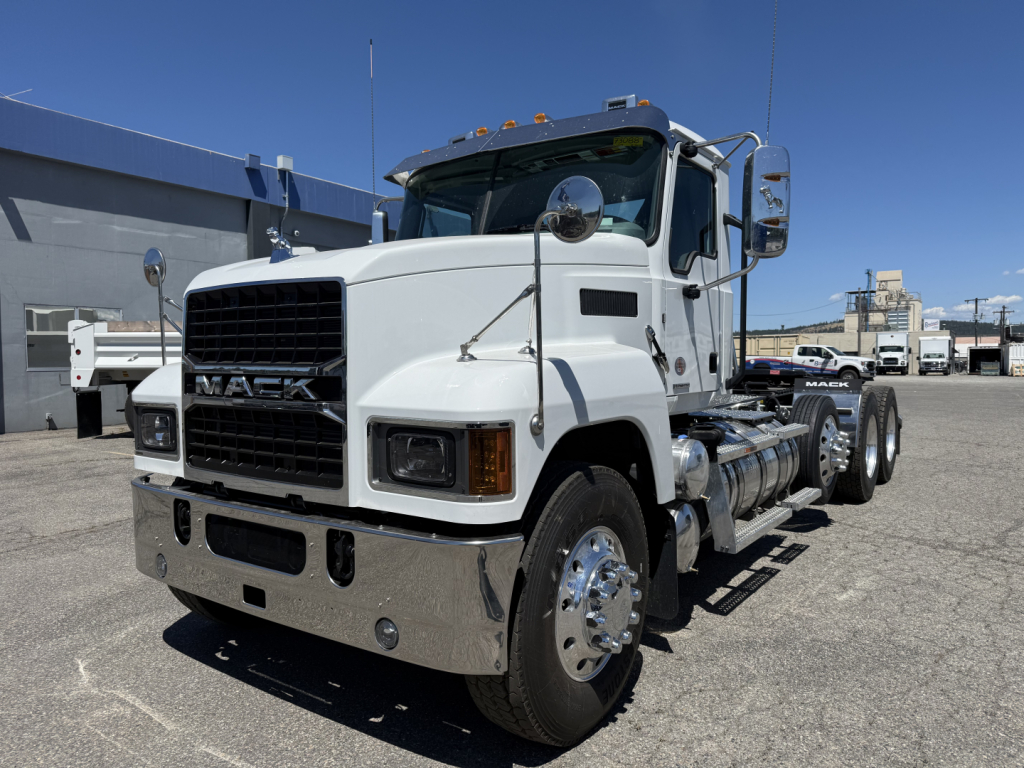
The biggest buying decision is usually the job the truck will do every day. Cab and chassis trucks give the most flexibility for flatbed, box, service, reefer, dump, or utility bodies. Low cab forward models are common for urban and last-mile work because they offer excellent sightlines, tighter turning radius, and efficient body length on a shorter overall footprint. Conventional day cabs and sleepers are better suited for highway miles, heavier GCWR requirements, and driver comfort. Vocational trucks such as dump trucks, garbage trucks, and severe-duty chassis often bring heavier front axles, multileaf or Camelback-style rear suspensions, locking differentials, PTO provisions, and body-builder friendly electrical architecture.
Powertrain choices in this segment usually range from medium-duty diesel engines around 200 to 260 horsepower up to heavy-duty diesel and alternative-fuel platforms in the 300 to 500 plus horsepower range. Common transmission options include 6-speed automatics for stop-and-go work, Allison automatic transmissions for refuse and vocational use, and 12-speed automated manuals for linehaul or regional applications. Buyers should compare GVWR, front and rear axle ratings, wheelbase, rear axle ratio, suspension type, and brake configuration before narrowing down listings. A truck with a 150-inch wheelbase and single rear axle serves a very different role than a tandem-axle chassis with 44,000 to 46,000 pound rears and a 58,000 to 66,000 pound GVWR.
For Washington buyers, it also makes sense to look closely at body and upfit details, corrosion resistance, cold-weather features, and fuel type. Aluminum dry van bodies, hardwood floors, logistic track, scuff liners, electric tarps, pintle hitches, and high-lift tailgates can change the truck's real-world productivity more than a headline horsepower number. Some fleets may also consider natural gas trucks for municipal or refuse work, while over-the-road buyers may prioritize sleeper insulation, shore power, driver-assist systems, and extended engine coverage. The right 2027 truck is the one whose chassis, cab layout, axle package, and body spec match the route, payload, and duty cycle without overbuying capacity you will not use.
Frequently Asked Questions about New 2027 Commercial Trucks in Washington
What should I compare first when shopping for a new 2027 truck in Washington?
Start with the truck's intended application, then match GVWR, axle ratings, wheelbase, suspension, and cab style to that job. A delivery truck for Seattle or Tacoma routes may need a short wheelbase, tight turning radius, and easy cab access, while a dump or refuse truck working construction sites or municipal routes may need tandem axles, heavier springs, locking differentials, and PTO capability. In Washington, terrain and seasonal weather also make brake type, rear axle ratio, and tire spec more important than buyers sometimes expect.
Are low cab forward trucks a good choice for Washington delivery operations?
Yes, low cab forward trucks are a strong fit for urban and regional delivery because they maximize visibility, shorten overall length, and improve maneuverability in tight streets, alleys, and loading areas. They are commonly used for dry van, reefer, landscape, and service body applications. Buyers should still confirm cab comfort, entry height, body length compatibility, and payload capacity, especially if the truck will spend part of its life on longer regional routes instead of dense city work.
What specs matter most on a vocational truck such as a dump or garbage truck?
The most important specs are front axle capacity, rear axle rating, suspension design, PTO compatibility, transmission type, and body integration. Dump and refuse trucks often need heavier steering axles, durable rear suspensions such as multileaf or Camelback setups, and axle ratios that support low-speed pulling power. Allison automatics are common in refuse and municipal service because they handle repetitive stop-and-go duty well. Buyers should also verify body material, tailgate design, tarp system, hitch setup, and hydraulic configuration.
How do I choose between a diesel, natural gas, or heavy-duty highway powertrain?
Choose the powertrain based on route structure, fueling access, payload demands, and maintenance planning. Diesel remains the standard for broad serviceability, strong torque, and resale across most truck classes. Natural gas can make sense for refuse or municipal fleets with central fueling and predictable routes. Highway tractors and sleepers usually require higher horsepower, optimized rear axle ratios, and automated manual transmissions that support fuel economy at speed. The best choice is the one that fits your operating cycle, not just the engine with the highest advertised output.
Why is wheelbase such an important spec on new trucks?
Wheelbase affects body length, turning radius, bridge law considerations, ride quality, and weight distribution. A shorter wheelbase improves maneuverability and is often preferred for city delivery or tighter jobsites, while a longer wheelbase may be needed for larger bodies, sleepers, or better load placement. On cab and chassis trucks, wheelbase also determines what body lengths can be installed correctly. Buyers should review wheelbase together with axle placement and expected payload so the finished truck performs properly after upfit.