
New 2027 Mack Trucks For Sale in Washington
Shop new 2027 Mack trucks in Washington, including highway, vocational, and day cab configurations built for durability and fleet uptime.

Selling a new 2027 mack truck? List your new 2027 mack truck for sale and reach thousands of commercial buyers.
New 2027 Mack Trucks in Washington
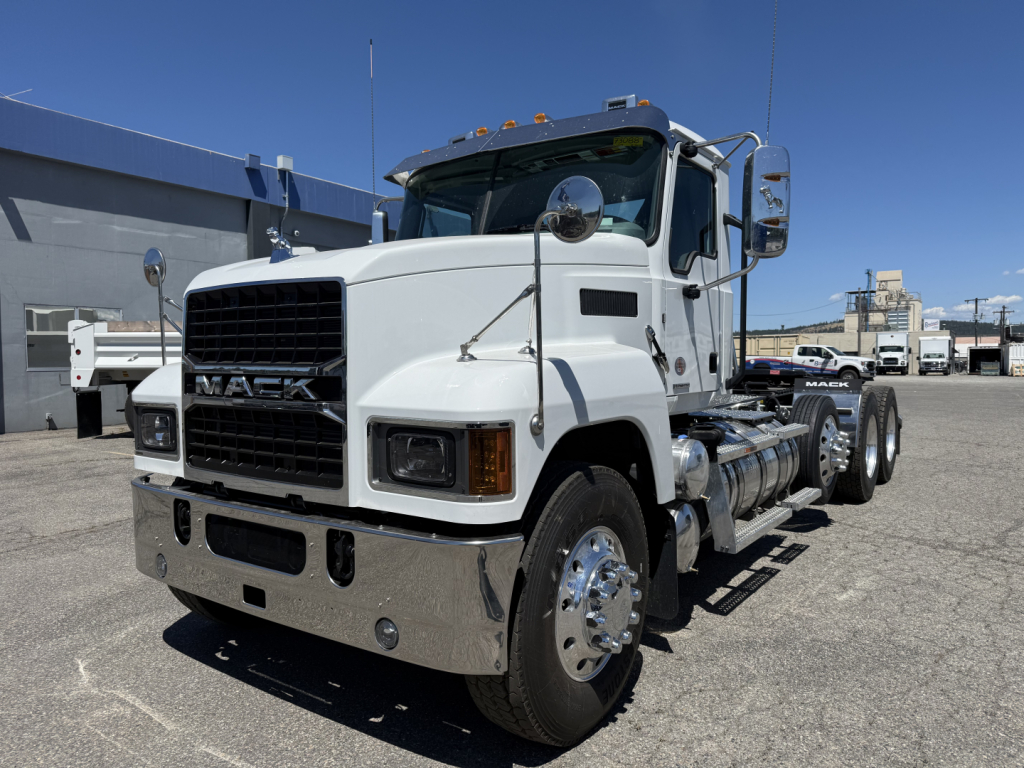
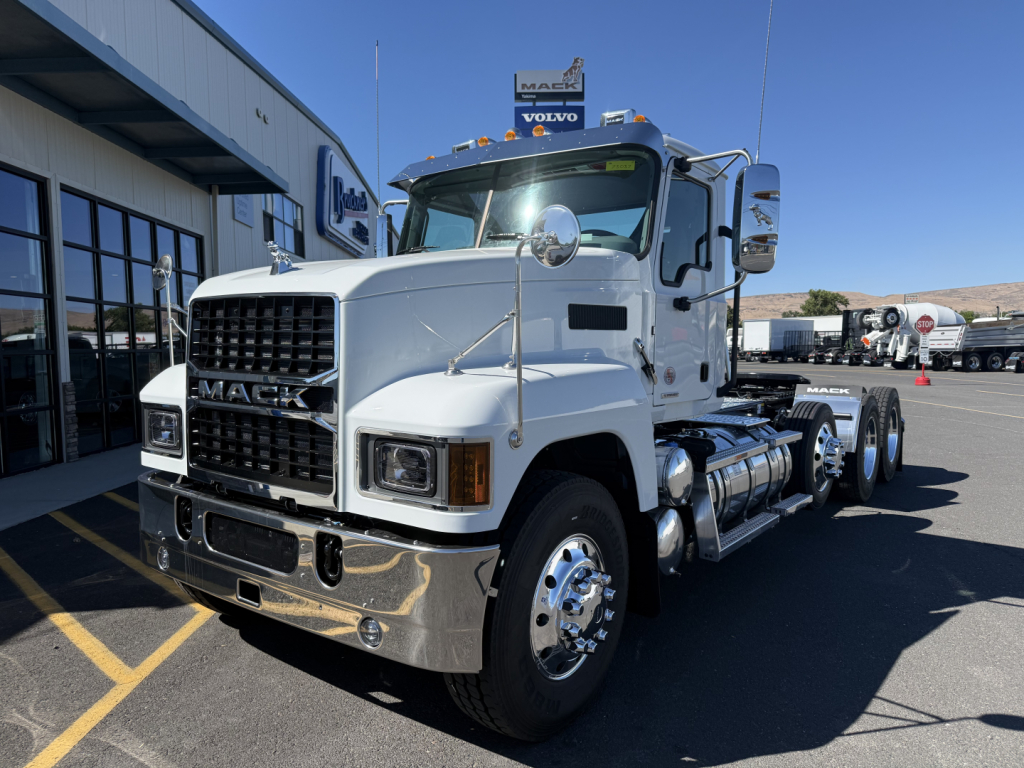
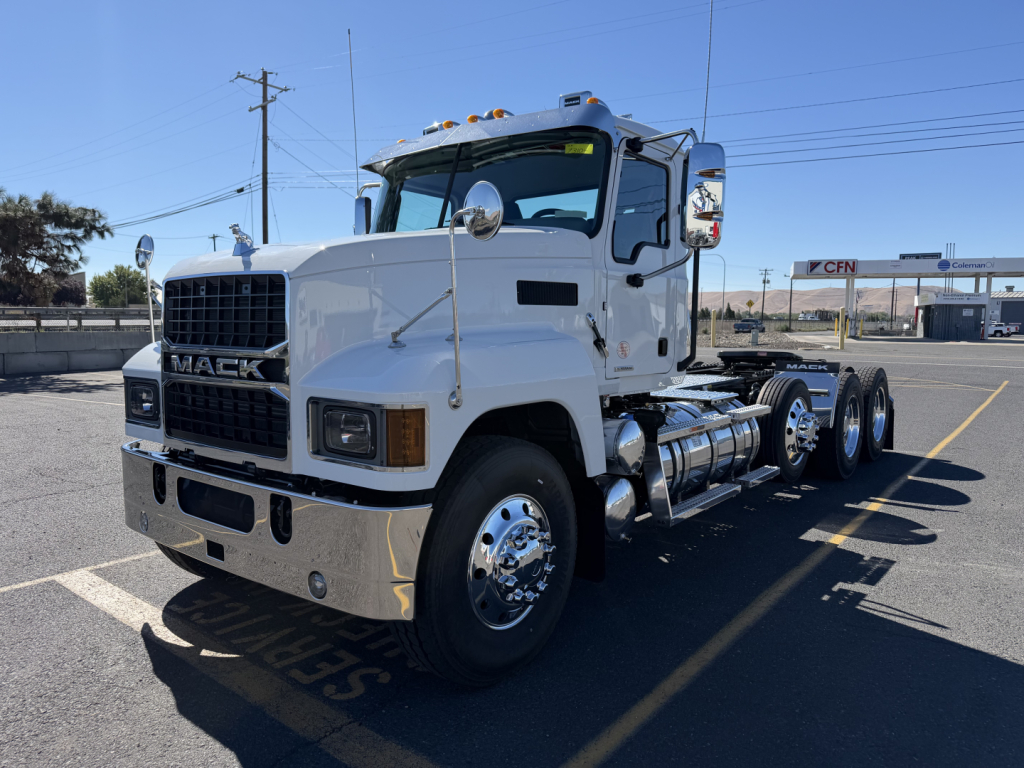
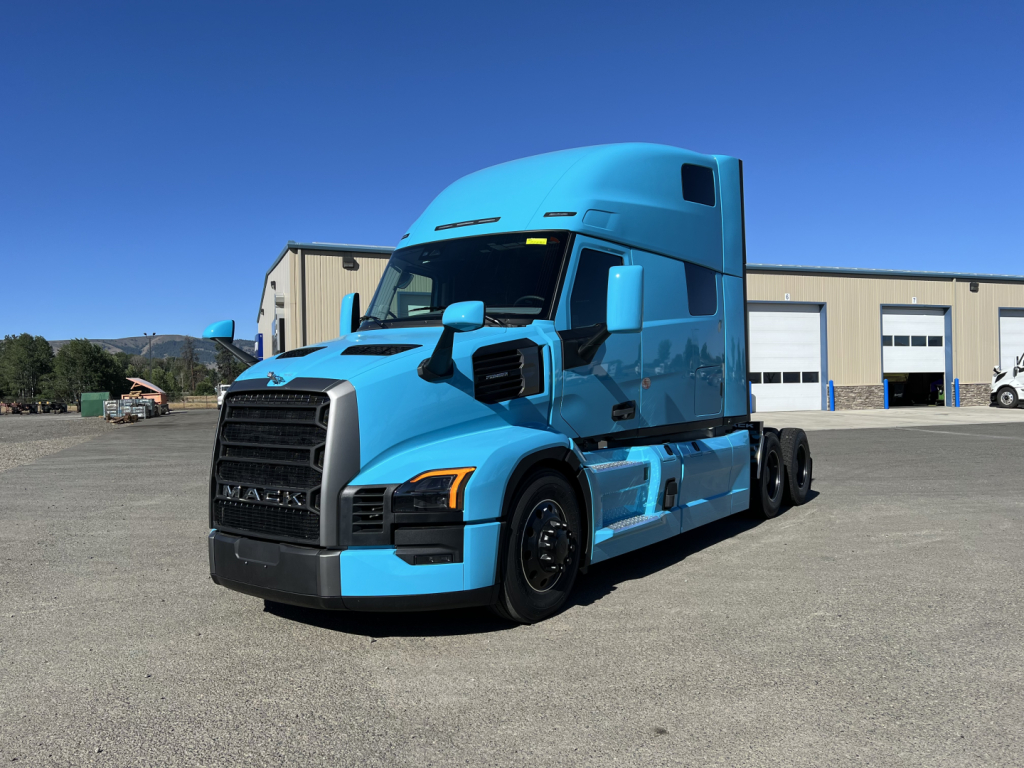
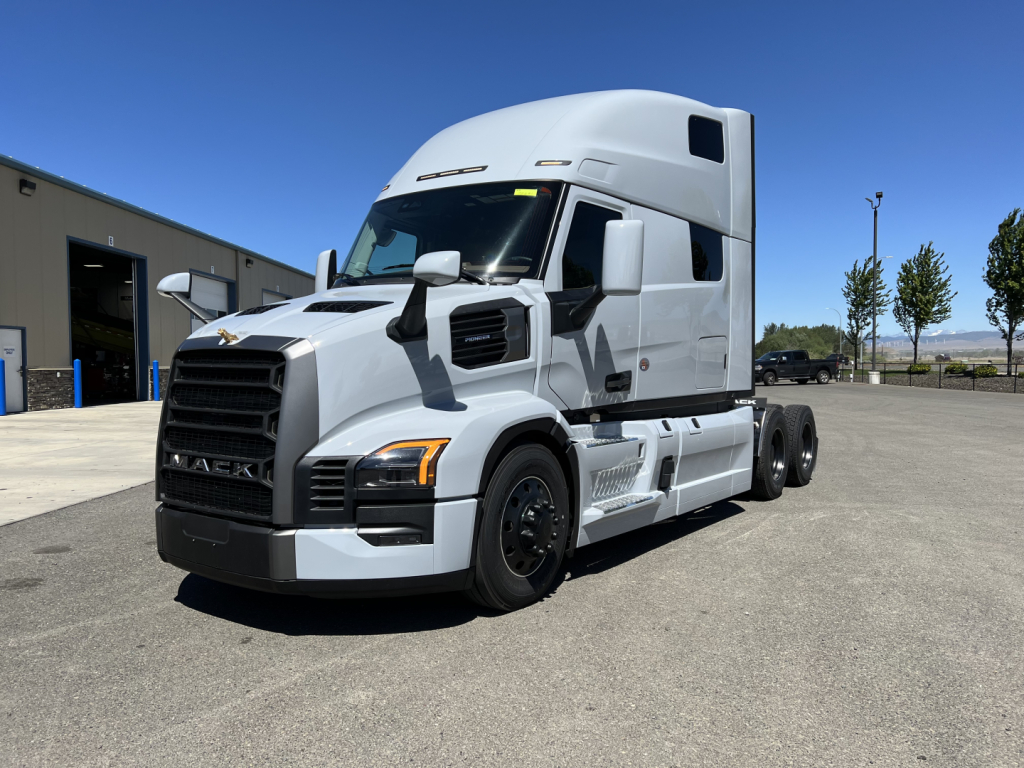
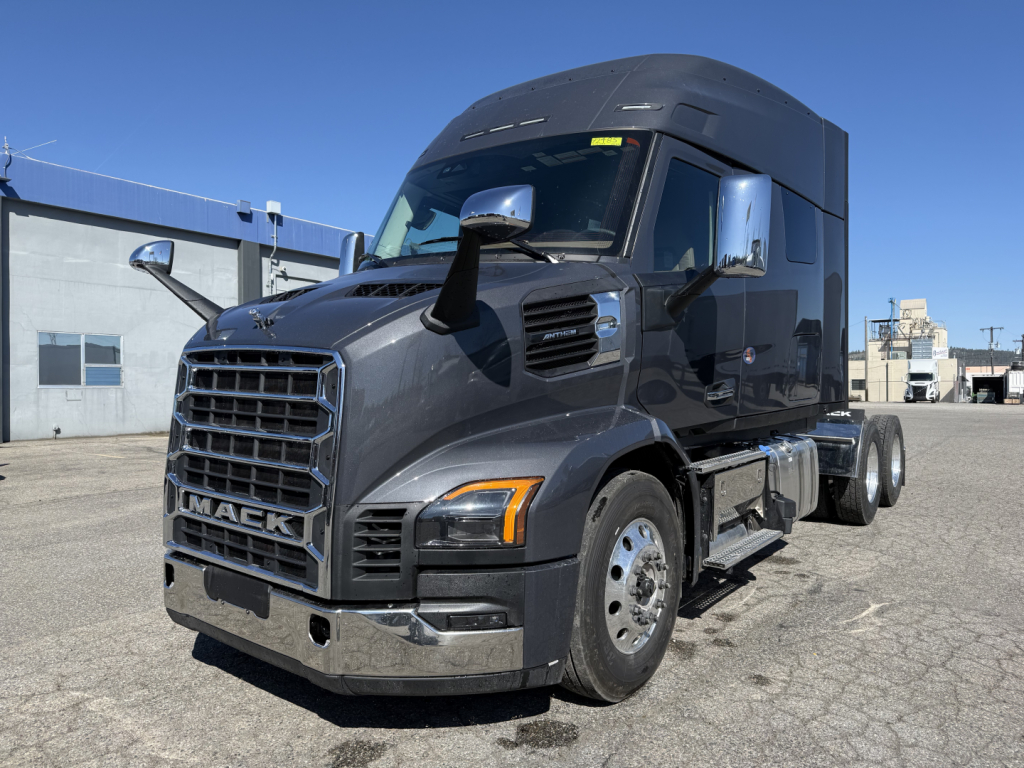
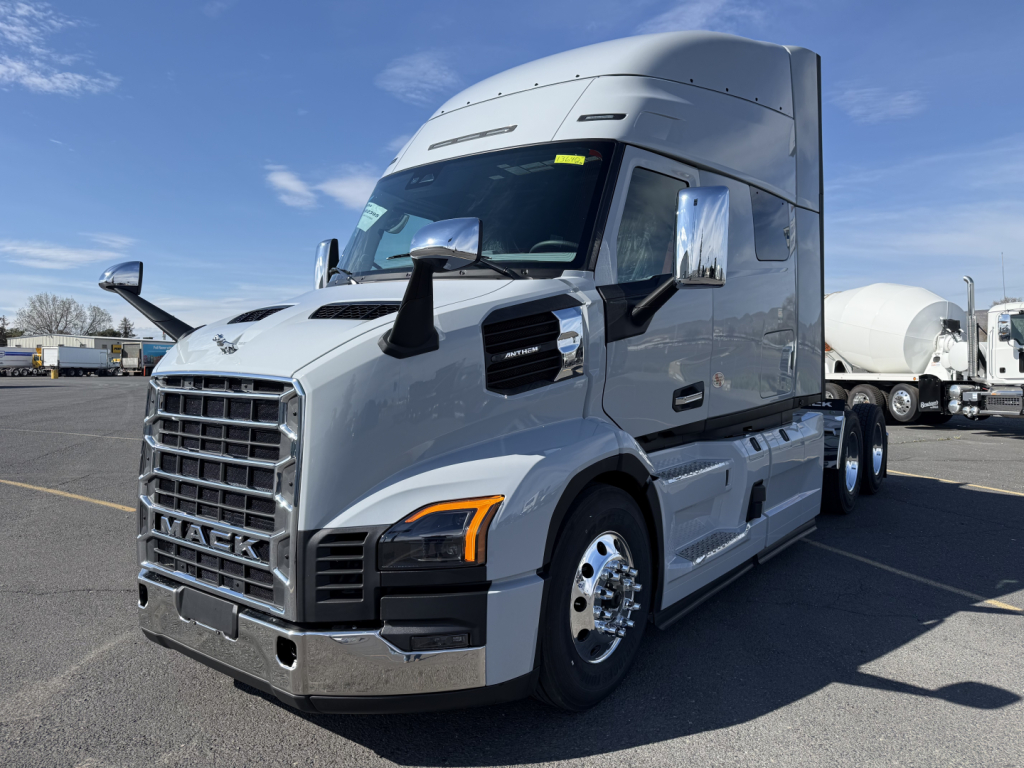
For highway use, Mack Anthem and Pioneer configurations are commonly spec’d as conventional day cabs or sleepers with aero packages, automated manual transmissions, and fuel-saving axle ratios aimed at linehaul or regional freight. Key decisions include sleeper size, fuel capacity, 6x4 versus lighter-weight setups where applicable, and driver amenity packages such as inverter prep, bunk refrigeration, parking heaters, premium seating, and camera systems. Buyers looking at Washington lanes should pay close attention to horsepower and torque ratings, rear axle gearing, and cab insulation, especially for mountain grades, mixed-weather operation, and long periods of regional run time. Mack’s integrated engine and transmission combinations are a major draw for fleets that want consistent drivability, simplified diagnostics, and predictable maintenance planning.
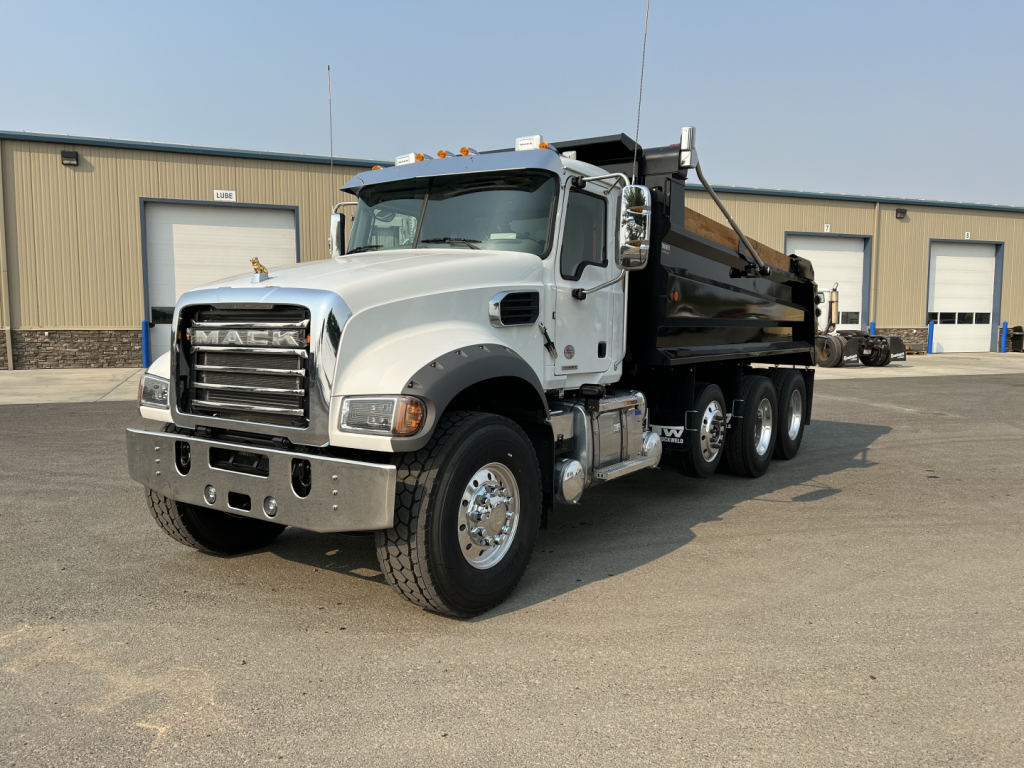
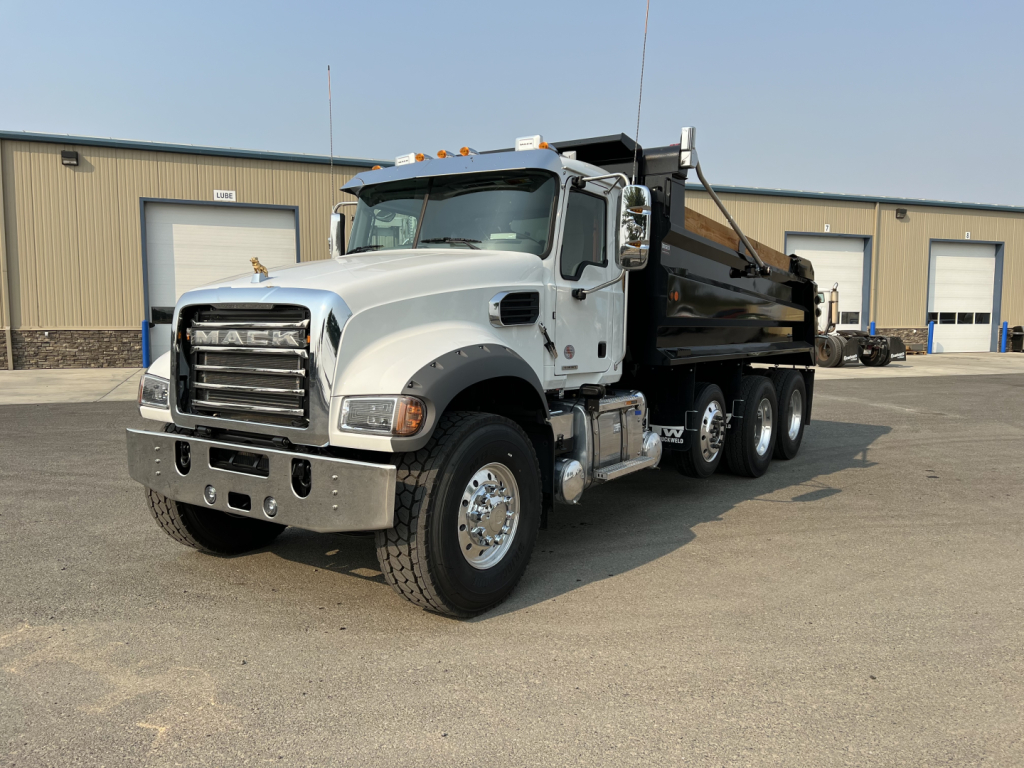
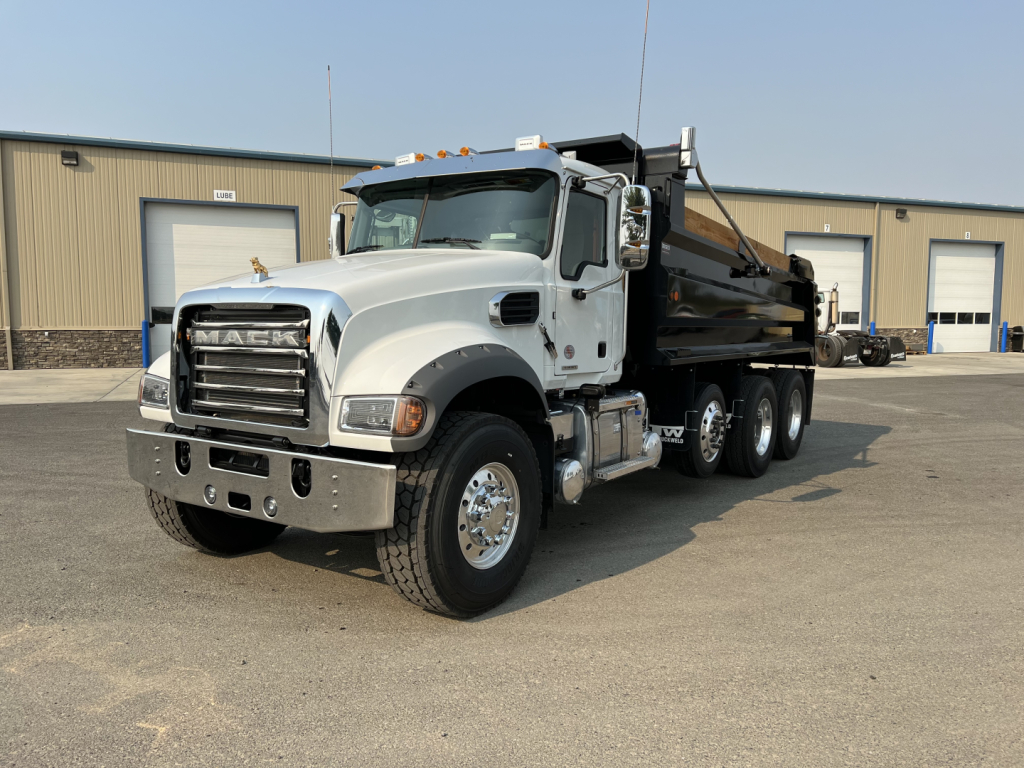
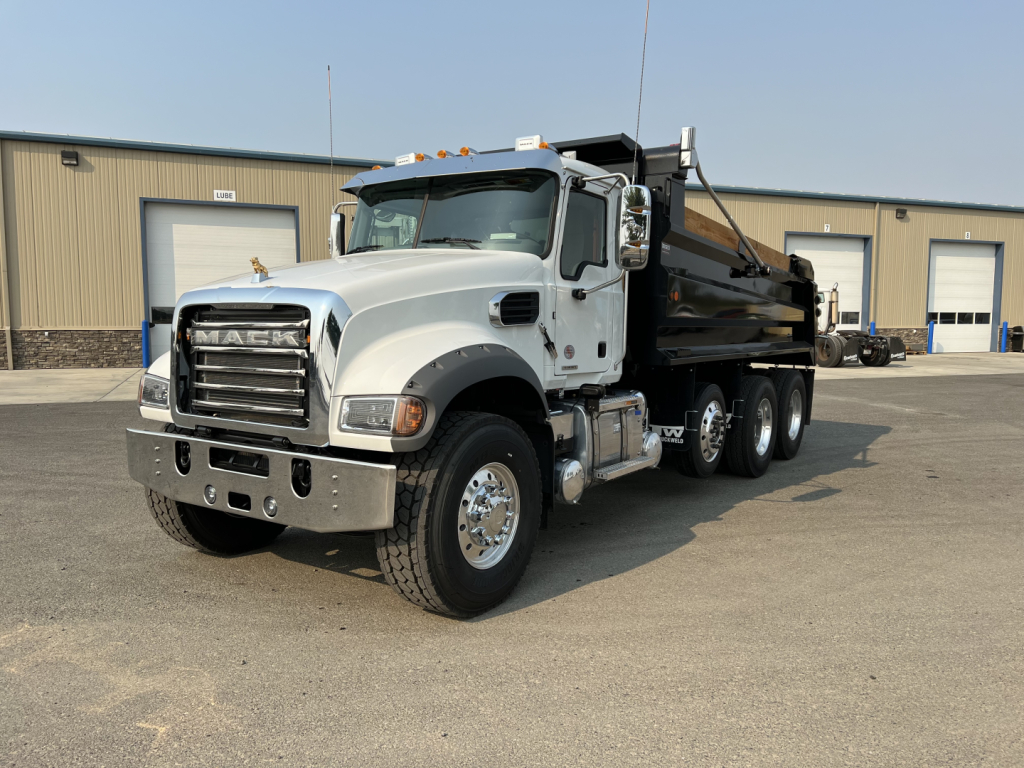
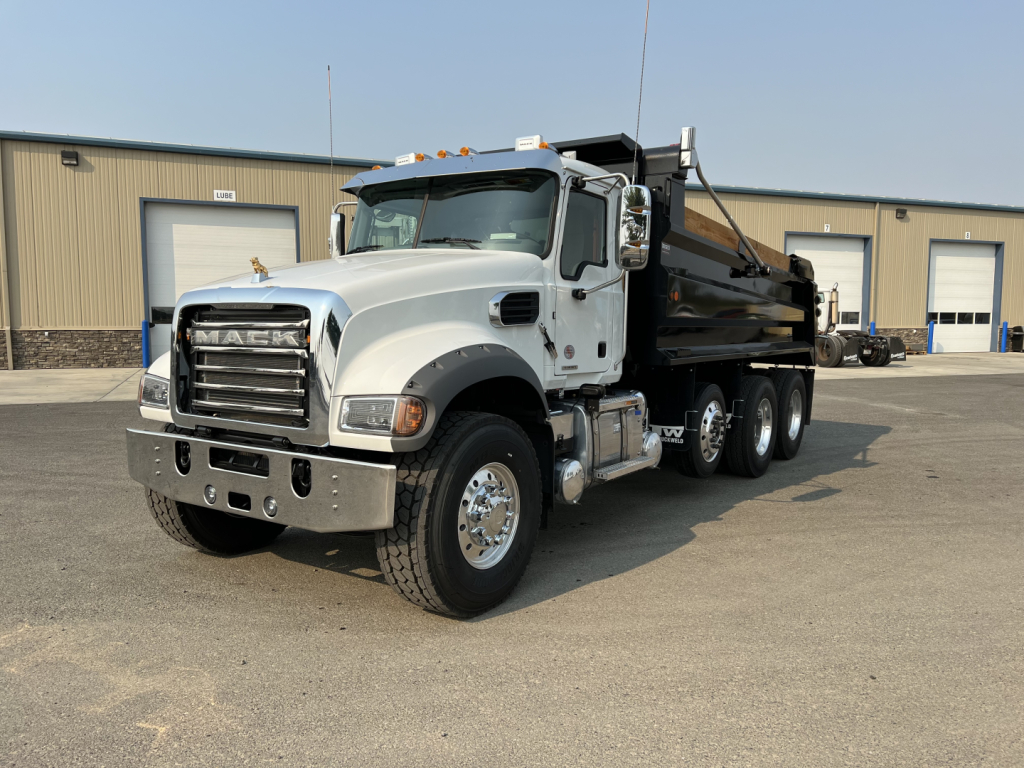
On the vocational side, Mack Granite remains a common choice for mixer, dump, and heavy construction work because it can be ordered with higher front axle ratings, heavy-duty rear suspensions, lift axles or pusher axles, locking differentials, and body-builder-friendly chassis layouts. Specs that matter here include frame reinforcement, PTO and hydraulic compatibility, bridge-law axle spacing, brake type, steering axle capacity, and suspension design from Mack or Hendrickson. A mixer chassis, for example, may be built around a set-back or set-forward axle layout, a high-capacity front end, and severe-duty transmission programming to handle repeated starts, jobsite maneuvering, and high gross weights. Buyers in Washington often look for corrosion resistance, traction equipment compatibility, and vocational tire and brake packages suited to both paved and off-road use.
A new 2027 Mack truck also gives buyers the advantage of current safety and electronics options, including collision mitigation, lane support features, improved visibility packages, and integrated camera systems depending on spec. When comparing listings, it is worth looking beyond the model name to the actual build data: GVWR and GCWR, wheelbase, axle ratio, suspension rating, cab configuration, fuel tank layout, and any installed body or vocational equipment. Mack trucks are often chosen by fleets and owner-operators who want a truck that balances driver acceptance with hard-use durability, especially in regional haul, municipal work, aggregates, concrete, and general freight applications.
Frequently Asked Questions about New 2027 Mack Trucks in Washington
What Mack truck models are most common in new 2027 listings?
The most common new 2027 Mack truck listings usually include highway tractors such as the Anthem and Pioneer, along with vocational models such as the Granite. Anthem and Pioneer models are often spec’d as conventional day cabs or sleepers for regional and long-haul freight, while Granite chassis are commonly used for mixers, dumps, and other severe-service applications. The model name tells you the general platform, but the actual axle ratings, wheelbase, suspension, and cab configuration determine how the truck is suited for the job.
What should buyers compare first on a new Mack truck?
The first comparison point should be the intended application and duty cycle. A day cab built for regional freight will be spec’d very differently from a sleeper tractor or a mixer chassis, even if both are Mack trucks from the same model year. After confirming the application, buyers should review engine rating, transmission type, axle configuration, suspension capacity, wheelbase, and any vocational equipment interfaces such as PTO provisions, lift axles, or body-builder prep. These specs have a bigger impact on productivity and operating cost than trim level alone.
Are Mack trucks a good fit for Washington operating conditions?
Mack trucks are commonly chosen for Washington operations because they can be spec’d for mountain grades, wet weather, mixed on-road and off-road use, and demanding vocational duty. Buyers running across the state often prioritize horsepower, torque, rear axle ratio, traction features, and brake performance for variable terrain and seasonal conditions. For construction and municipal work, front axle capacity, locking differentials, suspension choice, and tire spec become especially important. The right Washington-spec truck is less about the badge and more about matching the build to terrain, payload, and route profile.
What is the difference between a Mack day cab and a Mack sleeper?
A Mack day cab is designed for local or regional runs where the driver returns regularly and does not need a sleeper compartment. It typically offers lower weight, shorter wheelbase options, and easier maneuverability in urban or terminal environments. A Mack sleeper adds living space for over-the-road or extended regional work and may include bunk storage, HVAC support, inverter systems, and larger fuel capacity. The sleeper is better suited to long-haul routes, while the day cab is often the better fit for short-haul, port, regional distribution, or dedicated fleet work.
What matters most on a new Mack vocational truck like a mixer or dump chassis?
On a new Mack vocational truck, the most important factors are axle capacity, frame strength, suspension design, transmission programming, brake package, and body compatibility. A mixer or dump chassis often works at high gross weights and in low-speed, stop-start environments, so durability and correct weight distribution matter more than highway aerodynamics. Buyers should confirm pusher or lift axle specs, PTO setup, frame dimensions, differential locks, and front axle rating before evaluating the body itself. A well-matched vocational spec improves legal payload, jobsite mobility, and service life.