
New 2024 Commercial Trucks For Sale in Washington
Shop new 2024 trucks for sale in Washington, including medium-duty and vocational models with modern powertrains, body options, and fleet-ready specs.
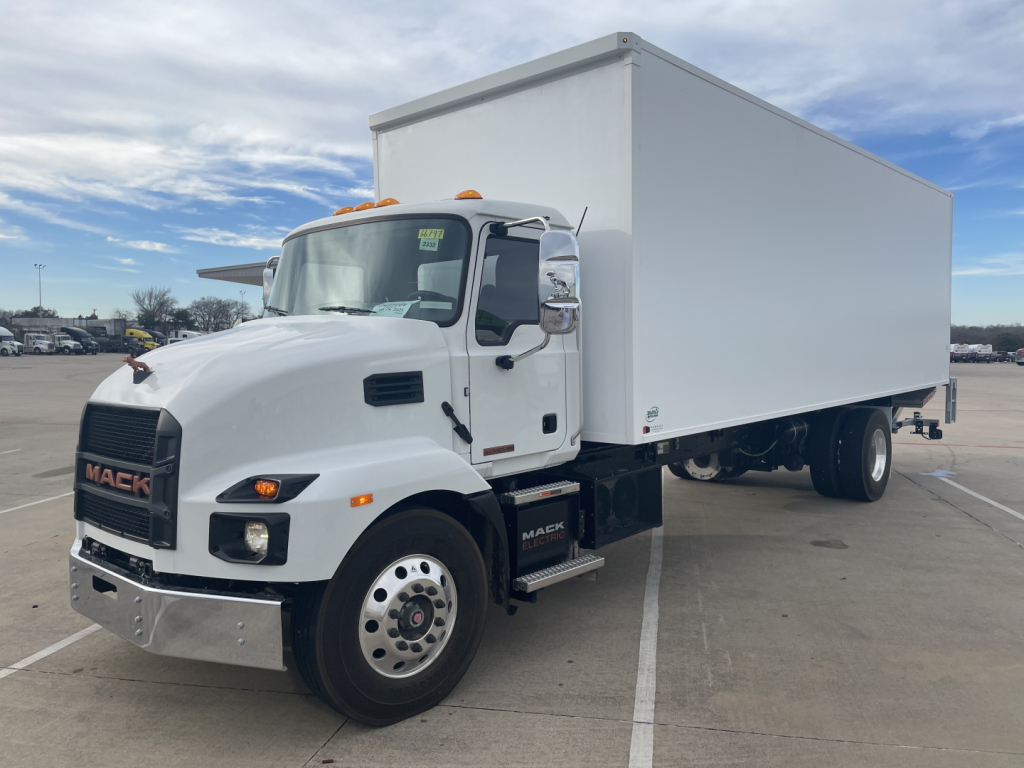
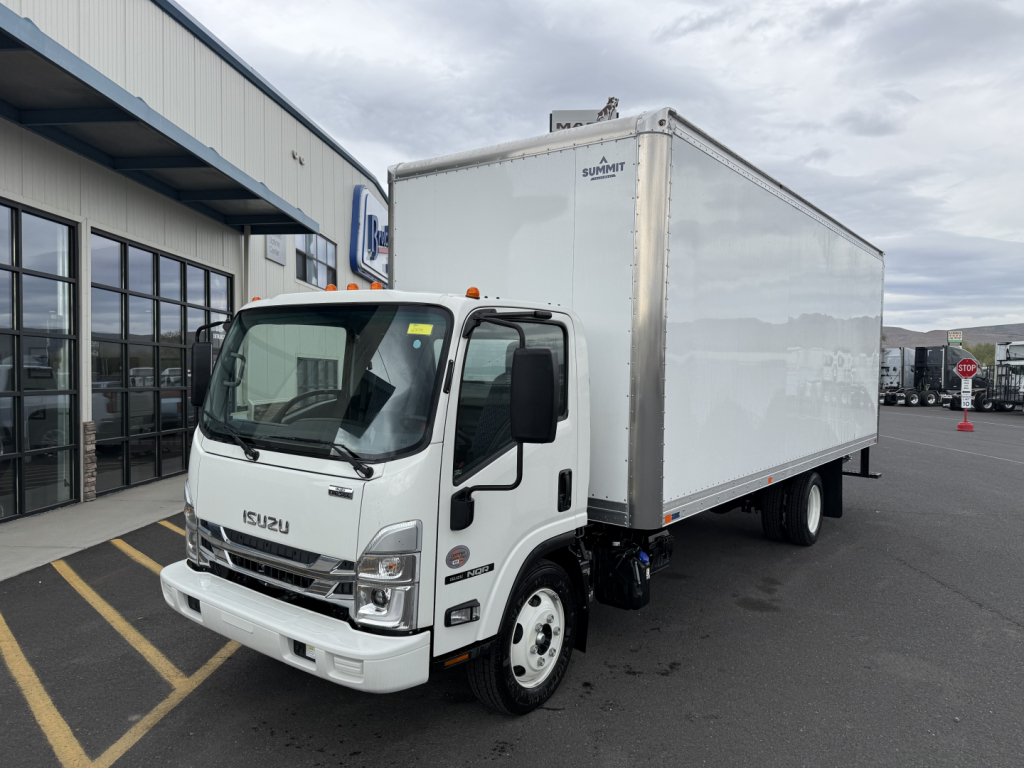
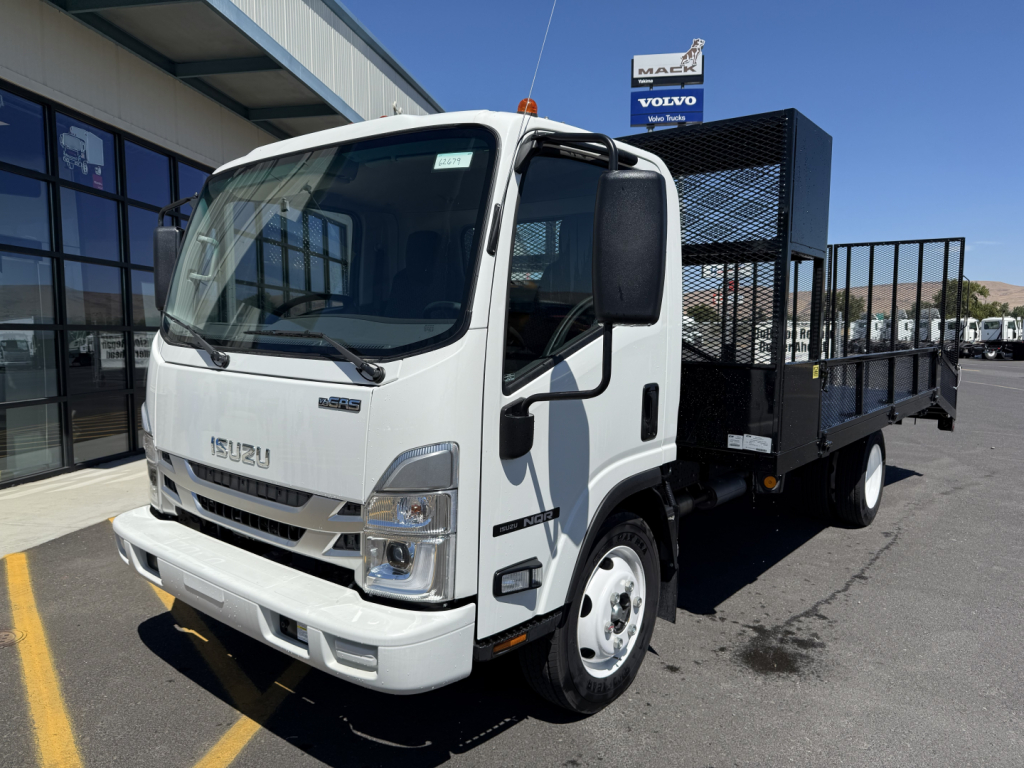
Selling a new 2024 commercial truck? List your new 2024 commercial truck for sale and reach thousands of commercial buyers.
New 2024 Commercial Trucks in Washington
Powertrain choices on new 2024 trucks typically center on proven diesel platforms from manufacturers such as Cummins, Mack, and Isuzu, often paired with Allison automatic or similar medium-duty vocational transmissions. Horsepower can range from roughly 200 hp in lighter low-cab-forward chassis to 300 hp and above in delivery and vocational configurations. Buyers should look beyond horsepower and pay close attention to torque, transmission programming, axle ratings, suspension type, and intended body weight. A truck that will carry a dry van body and liftgate has a very different operating profile than a front-loader refuse chassis or a water truck. Wheelbase, cab-to-axle dimension, and frame spec are especially important on new chassis because they determine which body lengths and upfits can be installed cleanly and without compromise.
Washington buyers also need to think about operating environment, not just payload. Corrosion resistance, sealed electrical connections, LED lighting, traction-oriented tire selection, and service access all matter in wet conditions and mixed terrain. For delivery and municipal work, common specifications include air or spring rear suspension, single or tandem axle layouts, drum brakes in many vocational applications, and body-ready chassis designed for PTO-driven equipment or hydraulic accessories. Non-CDL configurations remain popular where driver availability is a concern, especially in box trucks and specialty units that stay under the 26,000 lb threshold. Low-cab-forward trucks are also a strong fit for dense urban service because they improve maneuverability and curbside visibility.
A new 2024 truck also gives the buyer a cleaner starting point on emissions, warranty coverage, driver ergonomics, and technology. Depending on the class and application, that can mean better camera integration, telematics readiness, safety systems, improved HVAC performance, and more refined automatic shifting logic for stop-and-go routes. The best way to compare listings in this category is to match the truck to the job first, then compare GVWR, wheelbase, axle setup, engine-transmission pairing, and body compatibility. That approach usually leads to a better long-term fit than shopping by make or price alone.
Frequently Asked Questions about New 2024 Commercial Trucks in Washington
What should I look at first when comparing new 2024 trucks for sale in Washington?
Start with the intended application, then confirm GVWR, payload target, and whether the truck needs to stay in a non-CDL range. After that, compare wheelbase, cab-to-axle dimension, axle ratings, suspension, and powertrain. Those specifications determine body compatibility, legal operating weight, maneuverability, and how well the truck will perform on Washington routes that may include urban congestion, hills, and wet weather.
Are non-CDL new trucks a good choice for Washington fleets?
They can be a very strong choice when the operation fits the weight limits. Trucks built to stay under 26,000 lb GVWR are popular for dry van delivery, service bodies, landscaping, and certain municipal support roles because they widen the potential driver pool and simplify staffing. The tradeoff is reduced payload and upfit flexibility compared with heavier CDL-required chassis, so buyers need to account for body weight, liftgates, tools, liquids, and any seasonal load changes before deciding.
Which powertrain setup is best for stop-and-go delivery or vocational work?
For most medium-duty and vocational applications, a diesel engine paired with an Allison automatic transmission is a common and proven setup. Automatic transmissions improve launch consistency, reduce driver fatigue, and handle repetitive stop-and-go duty well. The right spec depends on load, terrain, and PTO needs, so torque output, rear axle ratio, and transmission programming are often more important than peak horsepower alone.
Why do wheelbase and cab-to-axle measurements matter on a new truck?
These dimensions control what body can be installed and how the finished truck will balance, turn, and carry load. A chassis set up for a 16 to 18 foot body is very different from one intended for a 26 foot van body, a water tank, or a refuse packer. If the wheelbase or cab-to-axle measurement is wrong, the truck may require compromises in body length, axle loading, or equipment placement, which can affect both performance and compliance.
What features matter most for trucks operating year-round in Washington?
Buyers should pay close attention to wet-weather durability and route conditions. Corrosion-resistant components, good lighting, traction-focused tires, reliable defrost and HVAC performance, and easy service access are all important. For trucks that run in mountain or mixed-elevation areas, cooling performance, axle ratio, and braking strategy also deserve close review because grade changes and seasonal conditions can put extra stress on the chassis and driveline.