
Freightliner Conventional Daycab Trucks For Sale
Compare Freightliner conventional daycab trucks by powertrain, weight, frame strength, suspension, and corrosion protection to match route and payload.
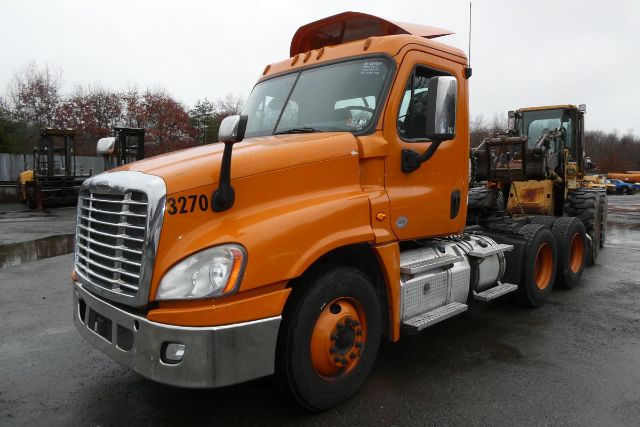
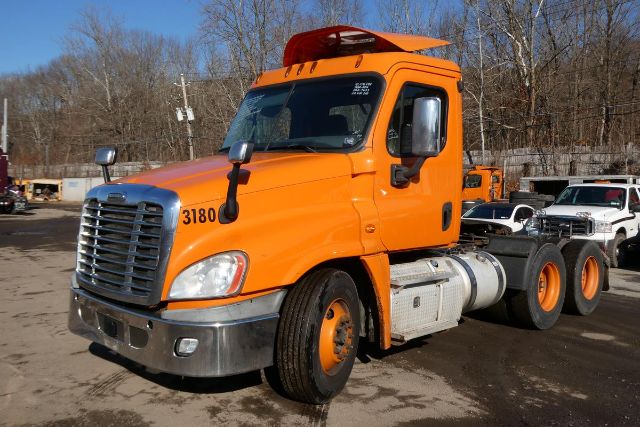
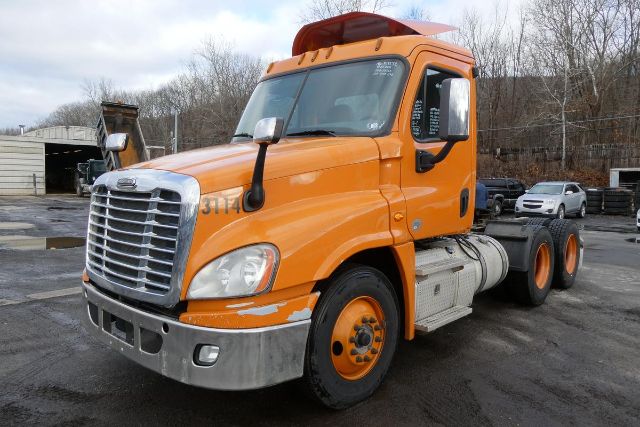
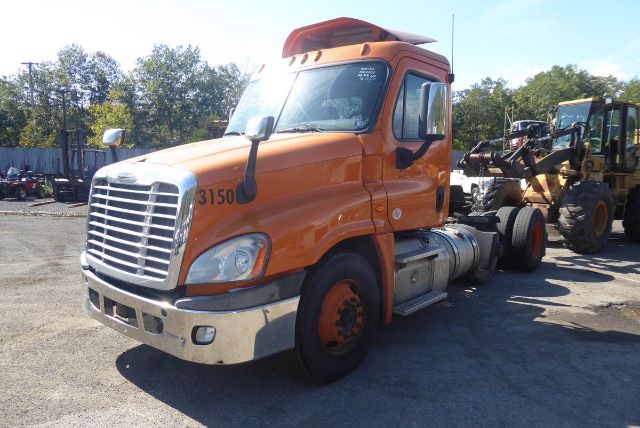
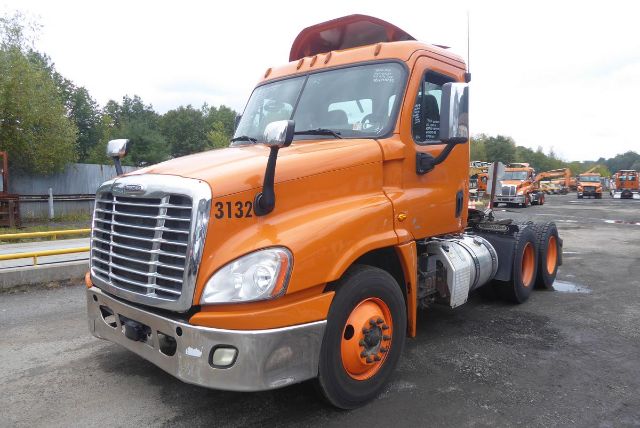
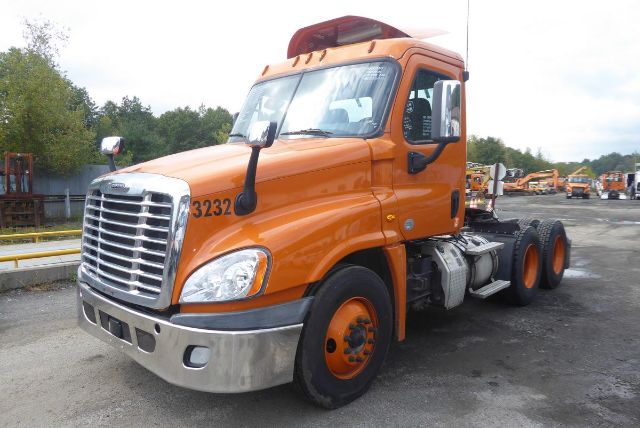
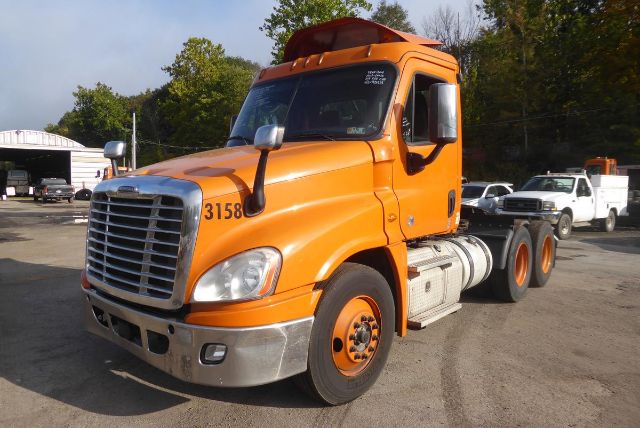
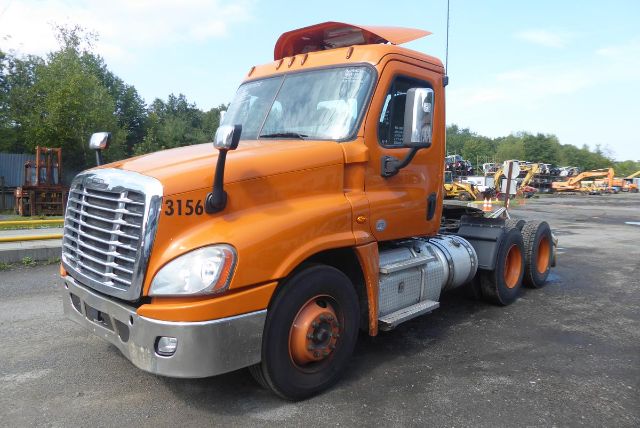
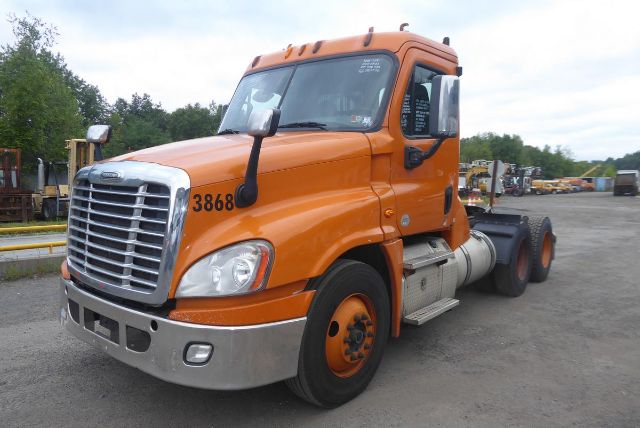
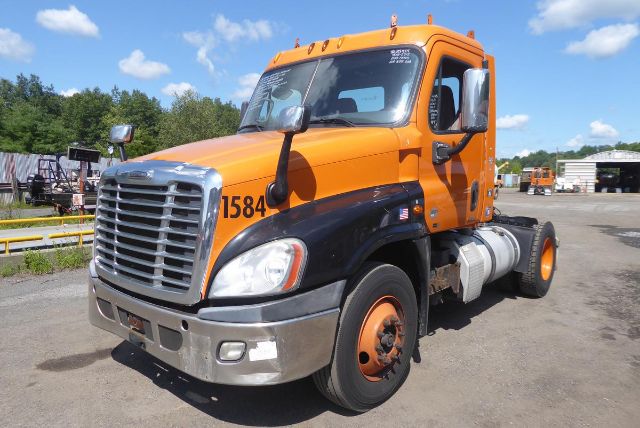
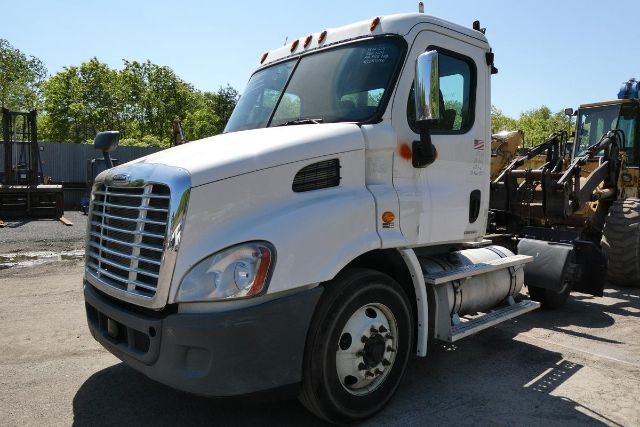
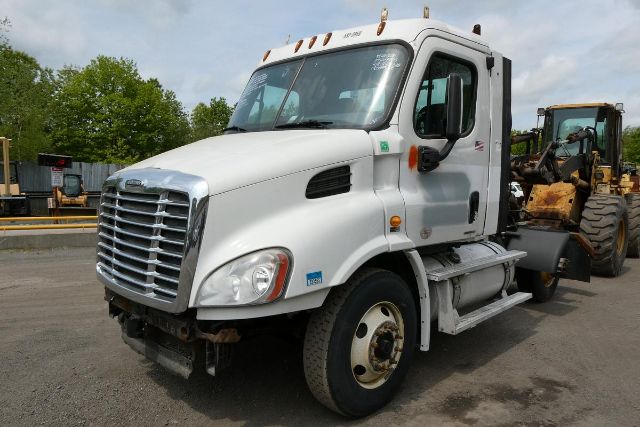
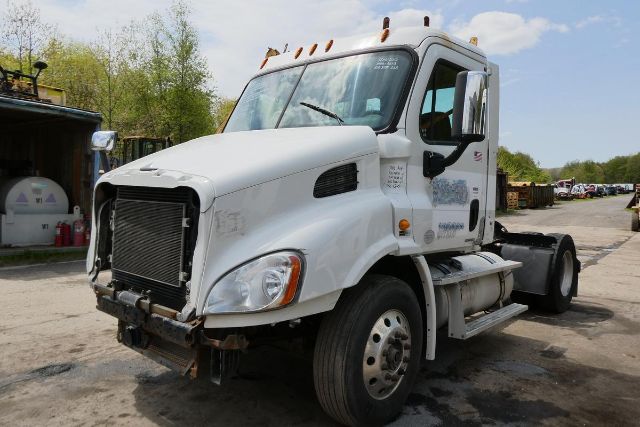
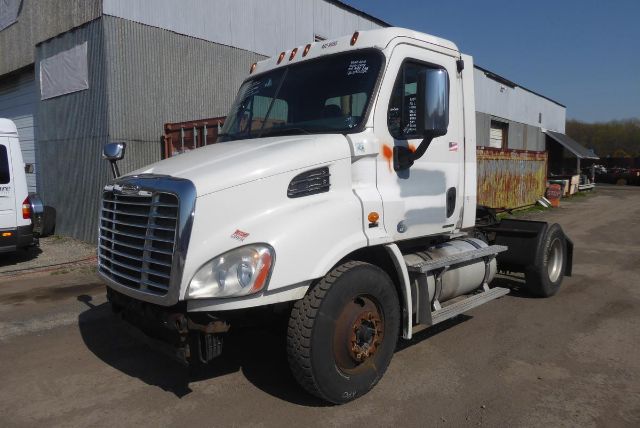
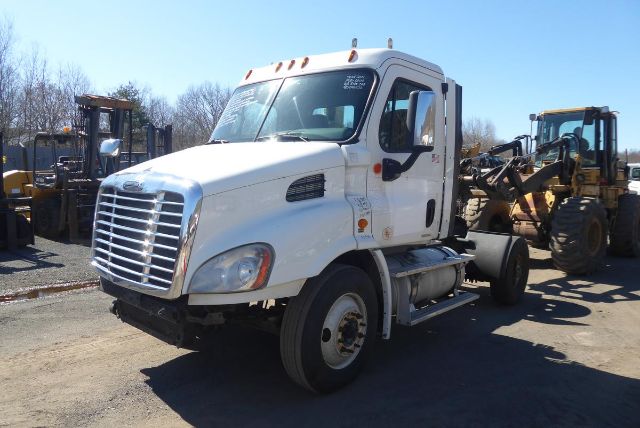
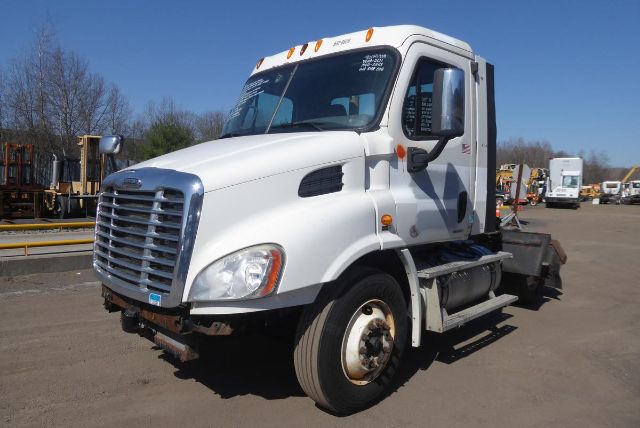
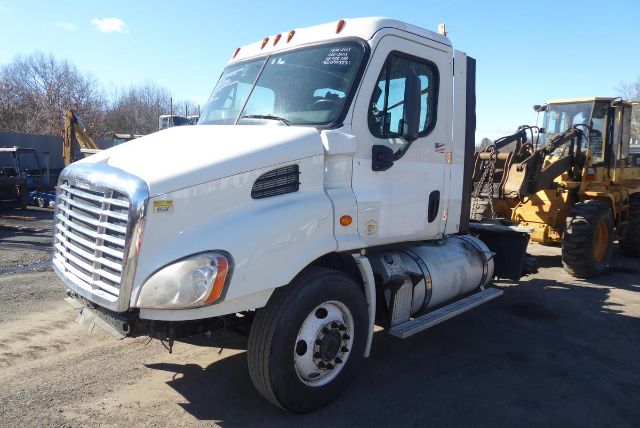
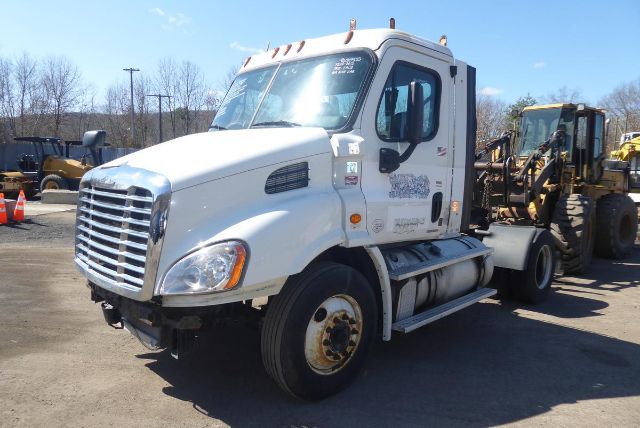
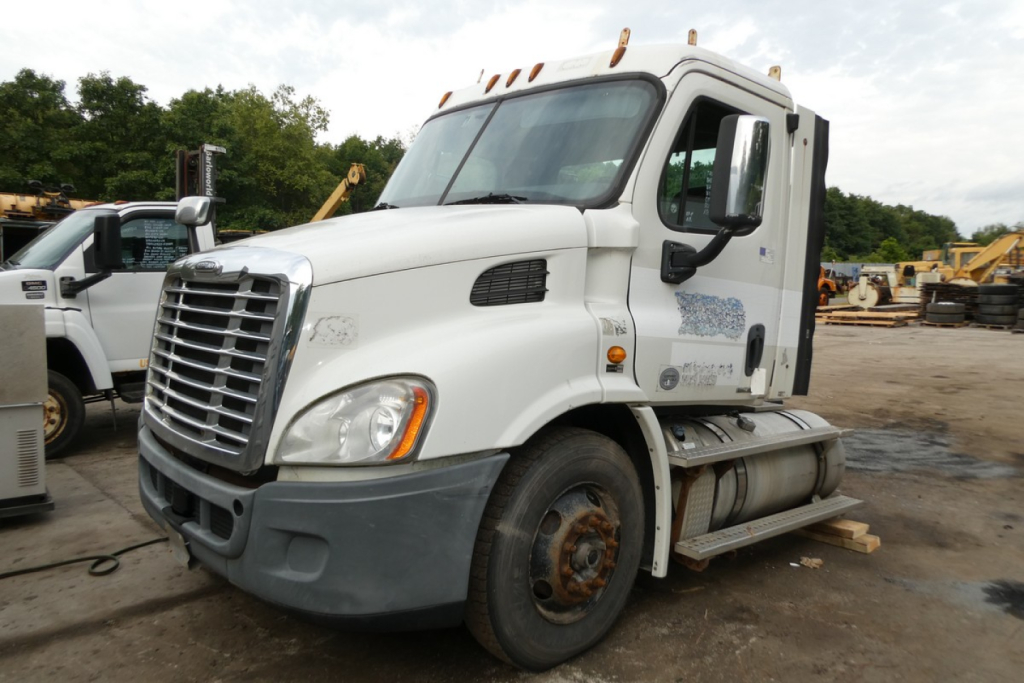
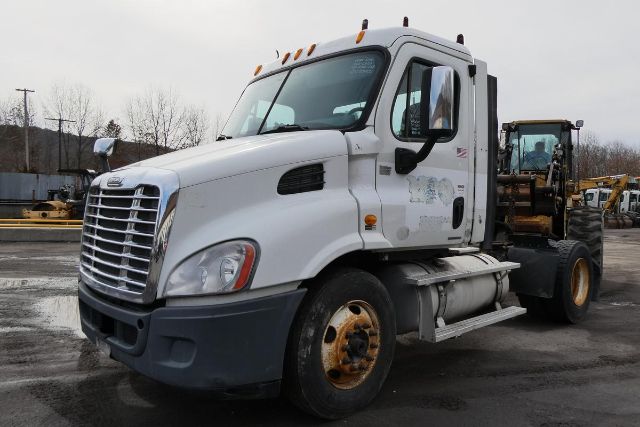
Showing 113 to 140 of 161 results
Have freightliner conventional daycab truck to sell? List it here to reach thousands of buyers.
Freightliner Conventional Daycab Trucks
Powertrain selection drives both operating cost and tare weight. Detroit DD13 and DD15 engines are common in Cascadia daycabs for linehaul and heavy regional work, while Cummins L9 and X12 suit lighter regional or vocational tasks, and X15 covers heavier GCWs. Pair them with Detroit DT12 automated manuals, Eaton UltraShift Plus, Eaton manual 10 to 18 speeds, or Allison automatics for stop and go duty. A 6x2 axle spec with load shift saves weight and fuel on highway routes, although a 6x4 offers better traction on uneven yards. Spec the rear axle ratio for cruise speed and gradeability, then verify cooling package and fan drive capacity for hot climates or frequent PTO operation. Air disc brakes reduce fade and often trim weight compared to S cam drums, but drum brakes can be more economical to service in some fleets.
Chassis durability and what is effectively the truck’s floor strength come from frame rail section modulus and RBM, crossmember spacing, and suspension choice. Regional tractors may run RBM near the lower end of the range for weight savings, while severe duty frames on 108SD, 114SD, and 122SD can exceed 3.5 million lb in and accept double channel or full length liners. AirLiner air ride improves ride quality and protects freight and driveline components, Hendrickson or TufTrac style vocational suspensions improve stability off road but add weight. Aluminum wheels, hubs, and tanks, compact aftertreatment packaging, and smaller displacement engines reduce tare weight and increase legal payload. Verify fifth wheel height and slider travel for trailer clearance, then match wheelbase to bridge requirements without compromising turning radius.
Thermal integrity and corrosion resistance affect lifecycle costs in daycab service where doors open often and trucks see road spray. Freightliner cabs use insulation packages that improve HVAC performance and reduce driver fatigue, tight door and floor seals limit dust and water intrusion, and quick warm up or cool down is valuable for short run cycles. Look for e coated frame rails, powder coated or galvanized crossmembers, aluminum cabs and fuel tanks, composite fenders, stainless or treated fasteners, and sealed electrical connectors to resist salt. Attention to harness routing, drain paths under the cab floor, and periodic chassis washing extends the life of paint and coatings. Options like tire inflation systems, polished aluminum components, and disc brakes can lower maintenance and weight, but evaluate them against route demands, parts availability, and technician familiarity to keep uptime high.
Frequently Asked Questions about Freightliner Conventional Daycab Trucks
Which Freightliner daycab models fit regional haul versus vocational work?
Cascadia day cab tractors dominate regional and linehaul thanks to aerodynamic design, Detroit power, and DT12 automated transmissions. The M2 106 suits lighter regional or straight truck roles, while 108SD, 114SD, and 122SD offer heavier frames, higher RBM, and vocational suspensions for dumps, mixers, lowboy tractors, and severe service. Choose based on GCW, required frame RBM, turning space, and PTO needs.
How does tare weight vary with powertrain and axle configuration?
Tare weight drops with smaller displacement engines, aluminum wheels and tanks, air disc brakes, and 6x2 configurations with load shift. A 6x4 with lockers adds traction and durability for uneven yards and off road work, but it increases weight and parasitic losses. Automated manuals can be lighter than comparable torque rated automatics, though Allison automatics excel in stop and go duty cycles.
What frame strength should I look for in a Freightliner daycab?
Match frame rail RBM and section modulus to your payload and route. Regional tractors typically use single channel rails optimized for weight, while heavy haul and vocational builds may require higher RBM, double channel, or liners. Verify crossmember spacing, front axle rating, and suspension capacity to ensure the chassis handles kingpin loads, vertical shock, and PTO or body stresses without premature fatigue.
What corrosion protection features matter for long service life?
An aluminum cab and composite hood help resist rust, and e coated or painted steel frame rails with powder coated crossmembers slow corrosion from road salt. Stainless or treated fasteners, sealed Deutsch style electrical connectors, protected harness routing, and proper drain paths under the cab floor reduce moisture traps. Regular chassis washing and touch up of chips preserves coatings and resale value.
How does thermal integrity impact daycab productivity and driver comfort?
Good cab insulation, tight door and floor seals, and a well sized HVAC system shorten warm up and cool down times on short routes, which keeps the driver comfortable and reduces idling. In hot or cold regions, consider insulation upgrades, sun load glass, and auxiliary cab heaters. Better thermal control also lowers blower workload and can limit fogging and condensation inside the cab.