
Freightliner Conventional Daycab Trucks For Sale in Nevada
Shop Freightliner conventional daycab trucks with specs for regional haul, local delivery, port work, and vocational tractor applications.
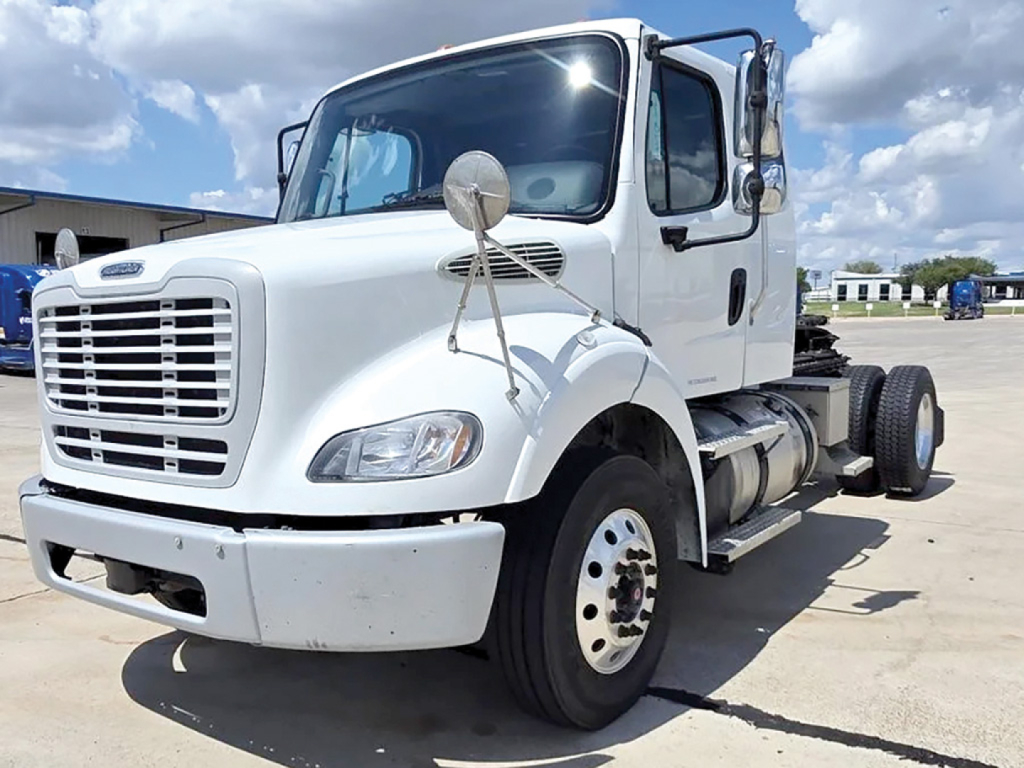
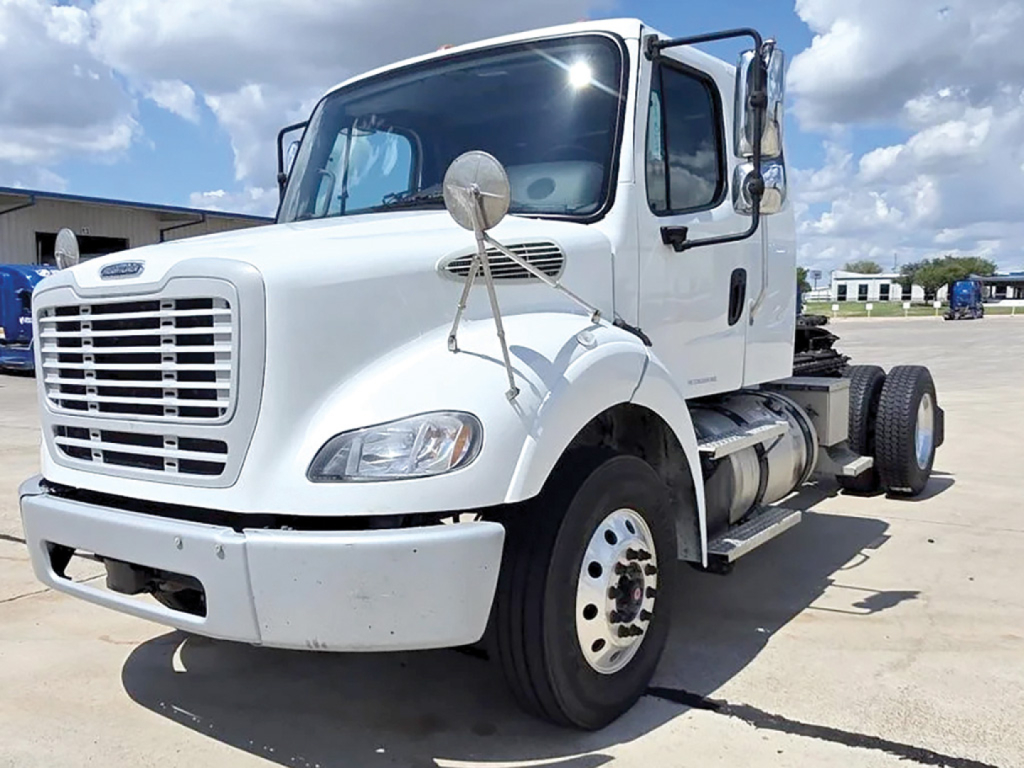
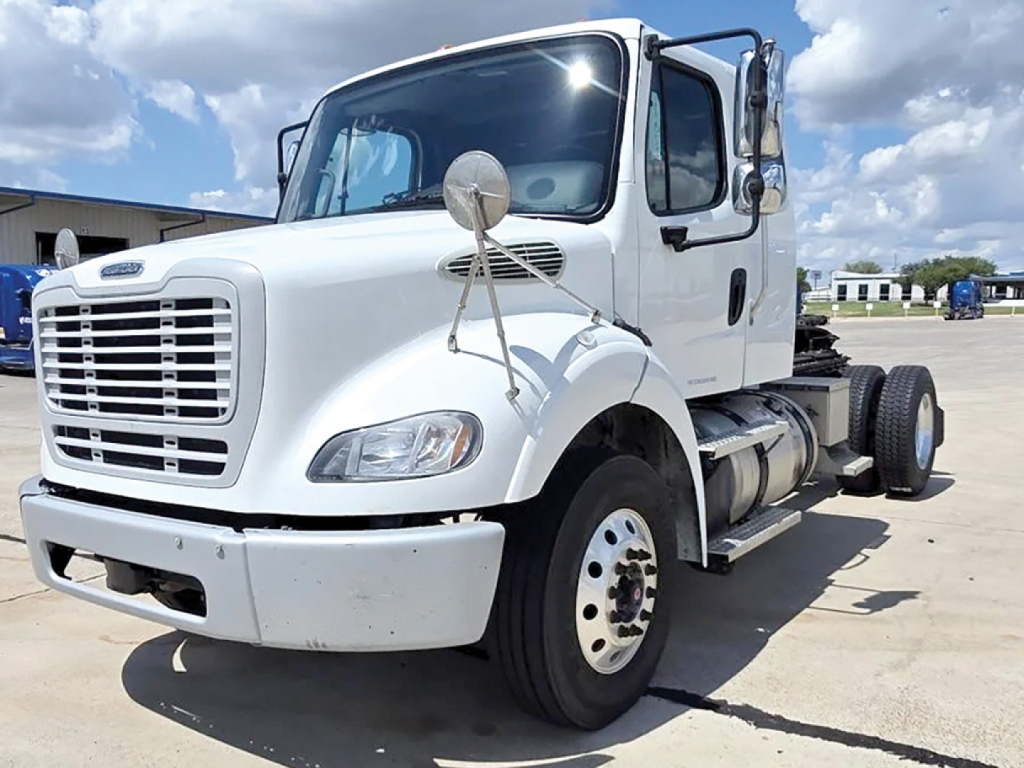
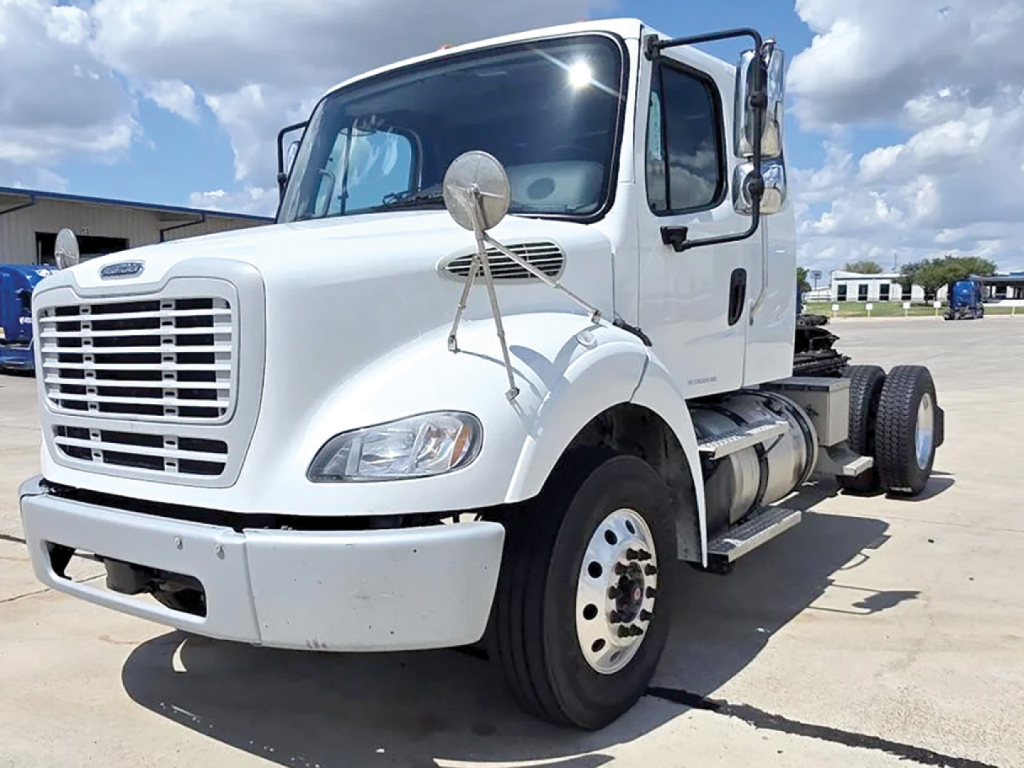
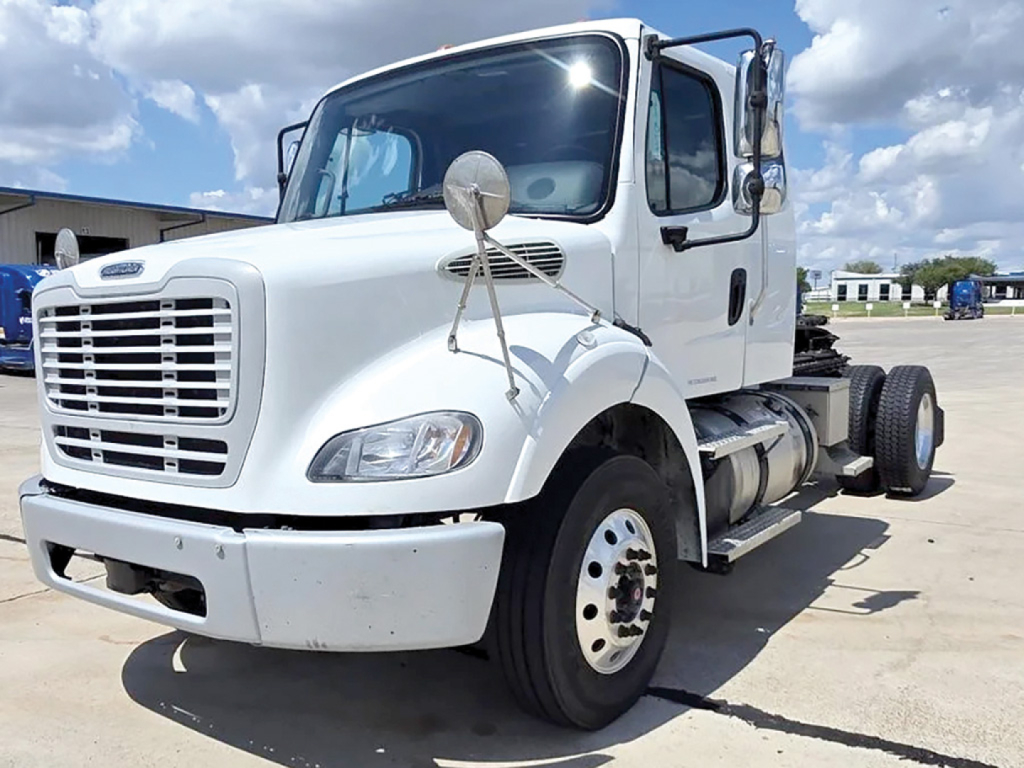
Have freightliner conventional daycab truck to sell? List it here to reach thousands of buyers.
Freightliner Conventional Daycab Trucks in Nevada
The biggest buying decision is matching the chassis to the job. A tandem-axle daycab with a 40,000 lb rear axle setup, air ride suspension, and a manual or automated transmission is a different tool than a single-axle regional tractor with a 23,000 lb rear and an air slide fifth wheel. Engines in this category often include Detroit DD13 power, typically in the 350 to 410 horsepower range, which is a practical band for fuel economy, durability, and legal-weight hauling. Rear axle ratios such as 2.79 or 3.07 tell you a lot about intended use. A taller ratio generally favors highway speed and fuel economy, while gearing, wheelbase, and fifth wheel setup together determine how well the truck fits city work, trailer interchange, or heavier stop-and-go service.
Cab configuration and spec details matter more on a daycab because the truck is in and out of traffic, docks, and customer locations all day. Look closely at wheelbase, fuel capacity, steering feel, visibility, and suspension type. A 162 to 168 inch wheelbase is common in this class, but the right length depends on trailer swing clearance, bridge law considerations, and turning radius requirements. Features like collision mitigation, engine brakes, tilt and telescoping steering, power windows, disc brakes, roof fairings, and cab extenders can make a noticeable difference in operating cost and driver acceptance. If the truck will spend most of its time with van or reefer trailers, aero equipment and an automated transmission can help. If it will be used in construction, dump transfer, or heavy local work, simplicity and axle capacity may take priority.
A good Freightliner daycab should be evaluated as a complete operating package, not just by year and mileage. Buyers should check emission system history, transmission calibration, brake type, fifth wheel condition, suspension wear, and tire size compatibility with current trailers. It also helps to confirm whether the truck has a stationary or sliding fifth wheel, single or dual fuel tanks, and the exact front and rear axle ratings. Freightliner conventional daycab trucks remain a practical choice for fleets and owner-operators who need a non-sleeper tractor that can handle frequent stops, tight urban access, and dependable regional freight work without giving up heavy-truck components.
Frequently Asked Questions about Freightliner Conventional Daycab Trucks in Nevada
What is the difference between a Freightliner M2 112 daycab and a Freightliner Cascadia daycab?
The Freightliner M2 112 daycab is commonly spec'd for vocational, municipal, and heavier local applications where durability, axle capacity, and upfit flexibility are important. The Freightliner Cascadia daycab is generally aimed more at regional and highway service, with stronger aerodynamic efficiency, modern driver-assist options, and a cab layout that suits linehaul-style operation. The right choice depends on whether the truck will spend more time in construction yards and urban job sites or pulling trailers on paved regional lanes.
What engine and horsepower range is common in Freightliner conventional daycab trucks?
Detroit DD13 engines are very common in Freightliner daycab trucks, especially in heavy-duty regional tractor configurations. A typical horsepower range is about 350 to 410 horsepower, which covers most legal-weight freight, local hauling, and short regional work without moving into unnecessary fuel burn. Buyers should match horsepower and torque to gross combination weight, terrain, and duty cycle instead of choosing by horsepower alone.
Is a single-axle or tandem-axle Freightliner daycab better for my operation?
A single-axle daycab usually works well for lighter regional freight, city delivery, and applications where lower empty weight, tighter turning, and reduced operating cost matter most. A tandem-axle daycab is better suited for heavier trailers, higher gross weights, and work that demands more traction and rear axle capacity. The decision should be based on loaded trailer weights, state bridge laws, surface conditions, and whether the truck needs to handle drop-and-hook freight or more specialized local hauling.
What should I check first on a used Freightliner daycab?
Start with the drivetrain spec and maintenance history. Confirm the engine model, horsepower, transmission type, rear axle ratio, axle ratings, wheelbase, and fifth wheel configuration. Then review emissions system service records, clutch or automated transmission performance, suspension condition, brake wear, and tire size. On a daycab, cab condition also matters because driver entry, exit, and seat time are constant in local service, so steering components, seat wear, HVAC function, and visibility should not be overlooked.
Are Freightliner daycabs a good fit for Nevada routes and operating conditions?
Freightliner daycabs are generally a strong fit for Nevada because they can be spec'd for both urban and open-road service. Regional tractors with aerodynamic equipment and taller axle ratios work well on long, dry highway stretches, while heavier M2 112 setups are useful for construction, aggregate, and local support work around fast-growing metro areas. Buyers should still consider cooling system condition, A/C performance, brake spec, and gearing for desert heat, grade changes, and heavy stop-and-go operation in city corridors.