
Freightliner Conventional Daycab Trucks For Sale in Illinois
Shop Freightliner conventional daycab trucks for sale in Illinois. Compare Cascadia and M2 specs, axle setups, horsepower, and regional haul fit.
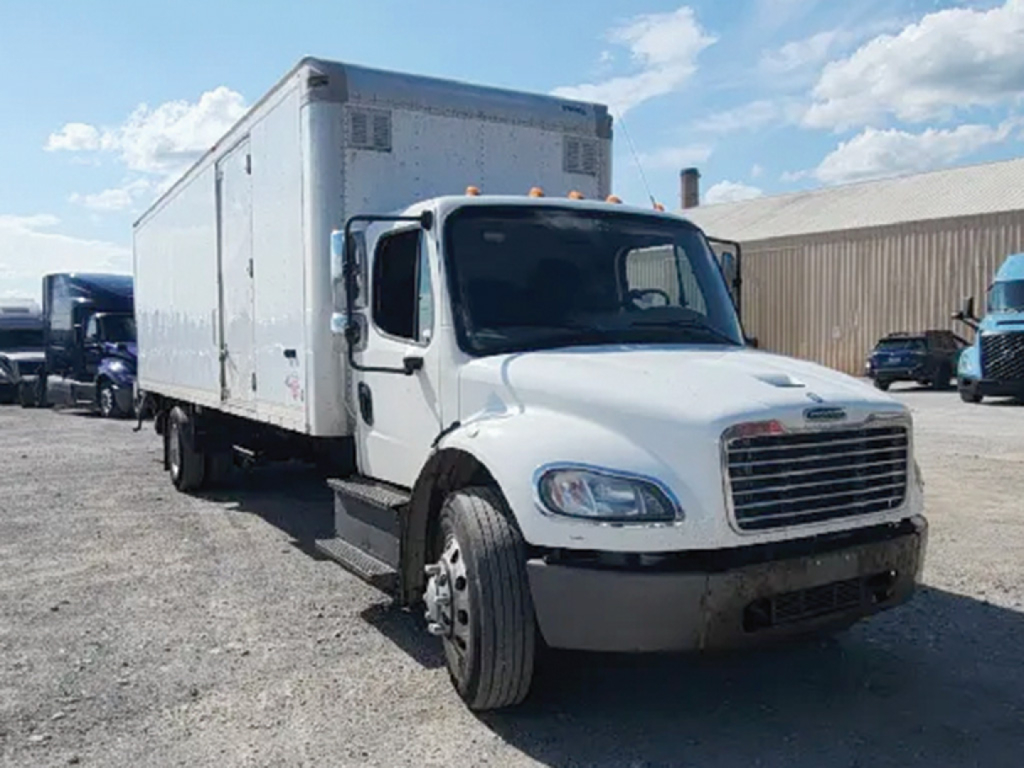
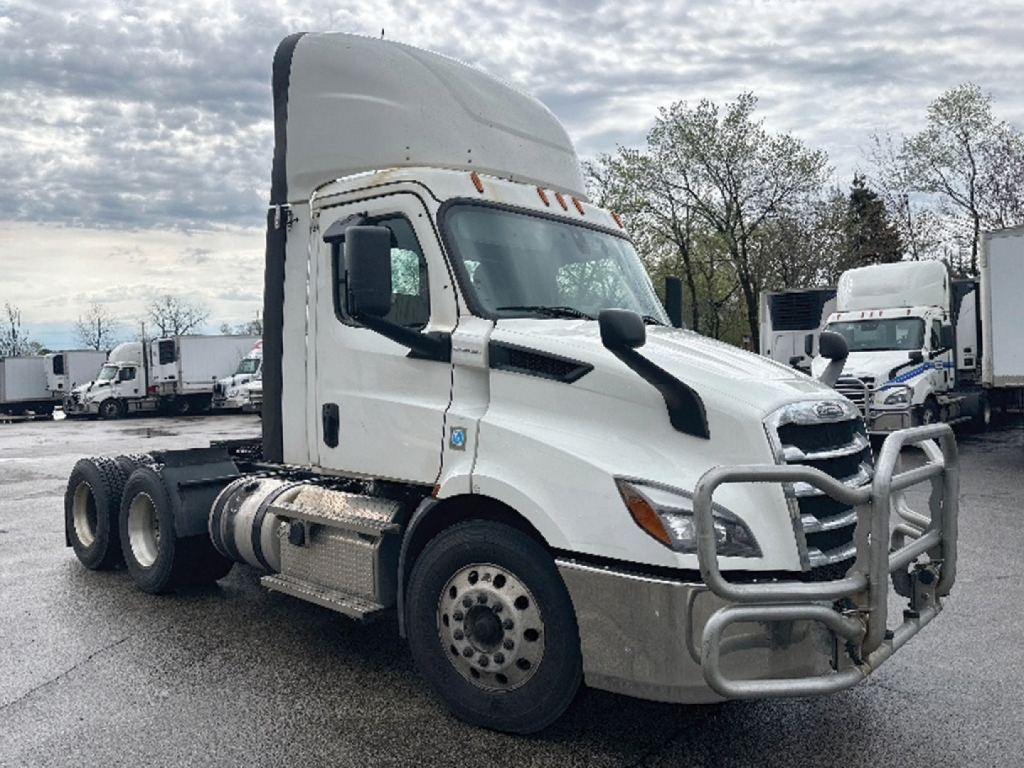
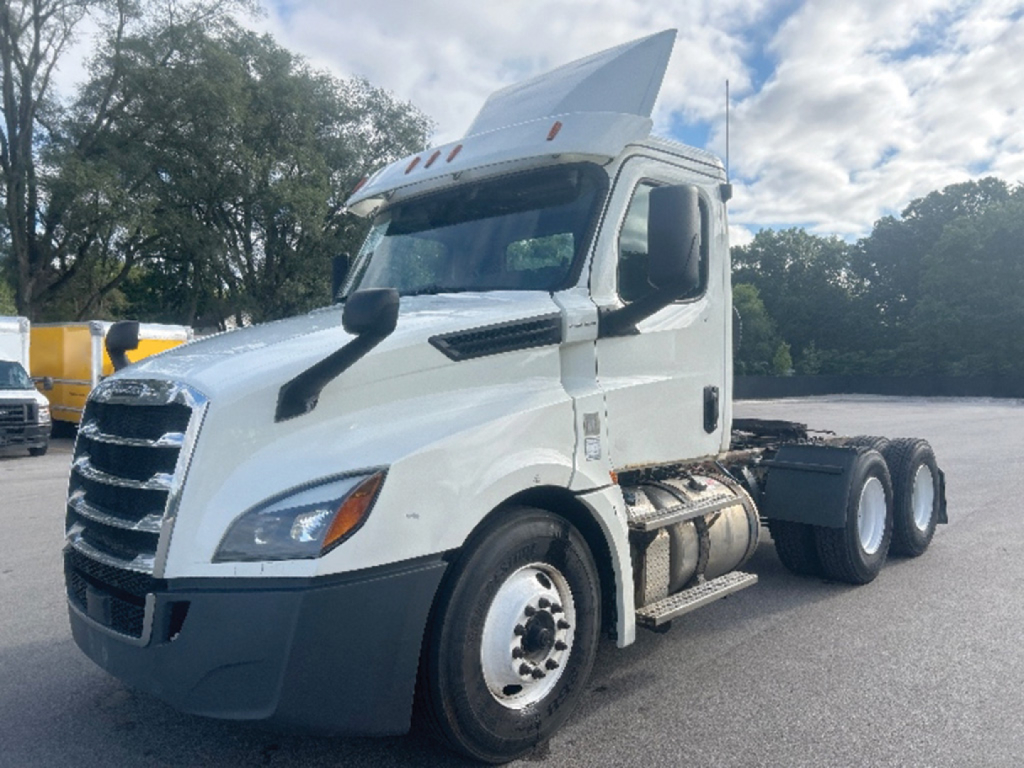
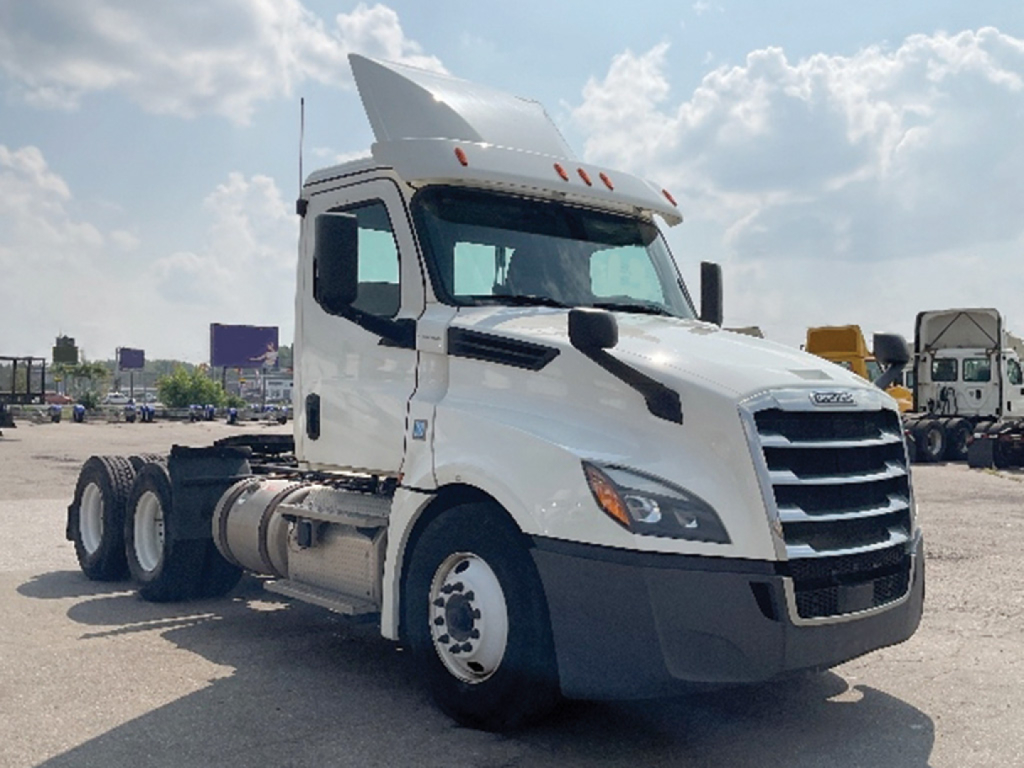
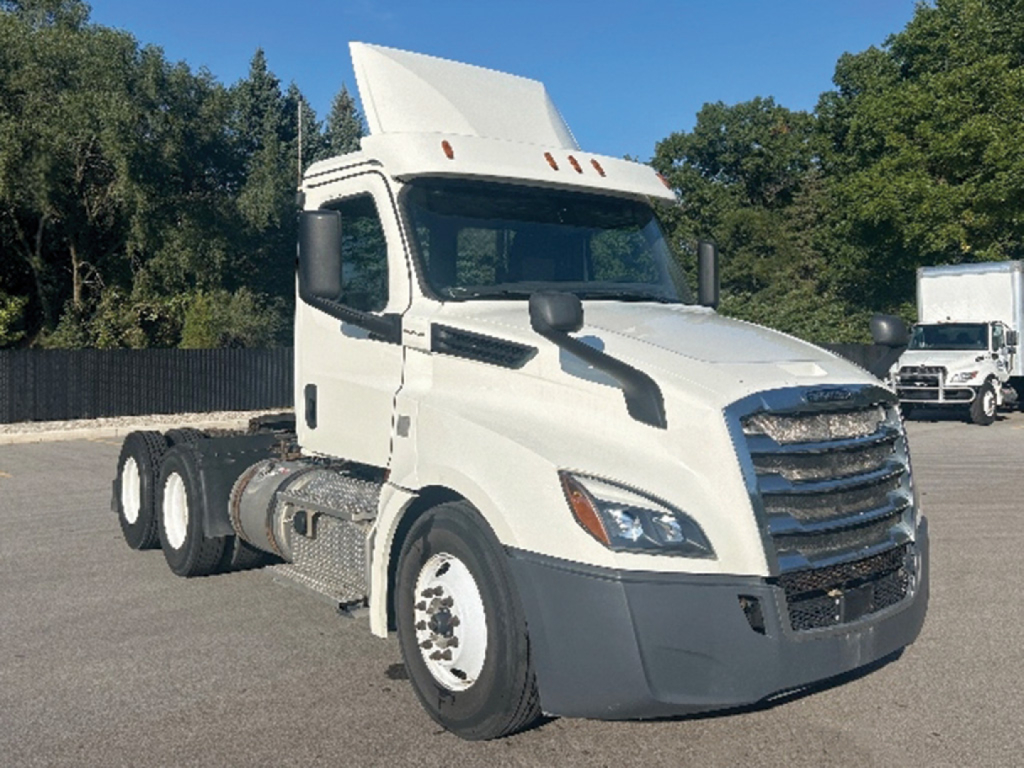
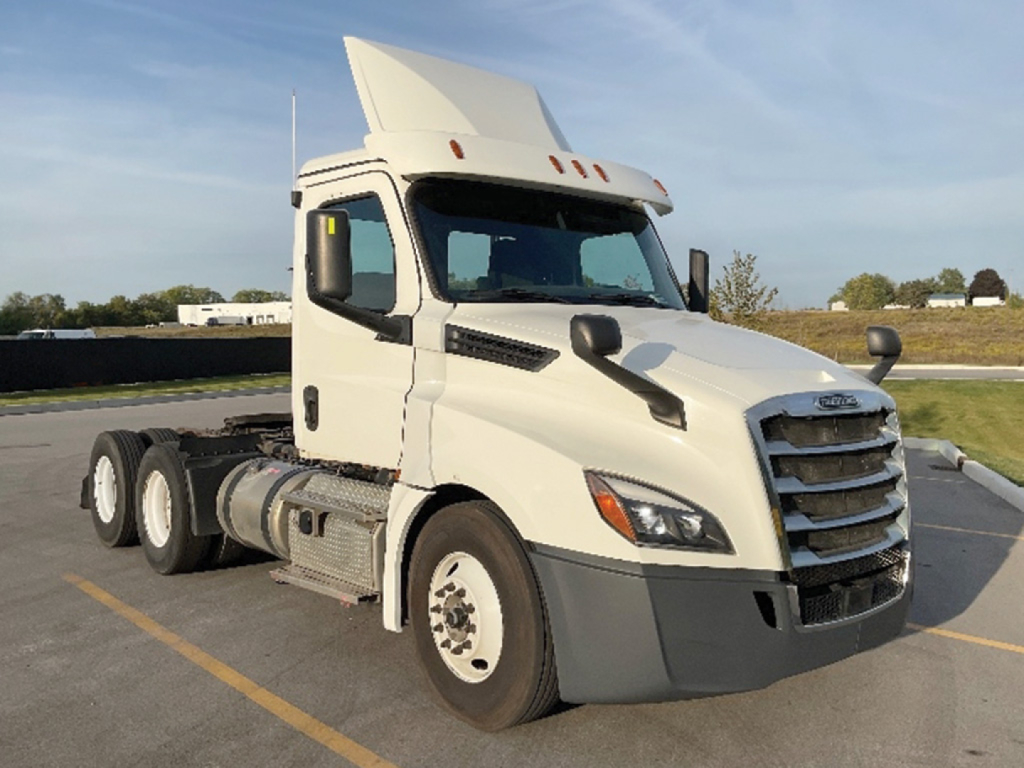
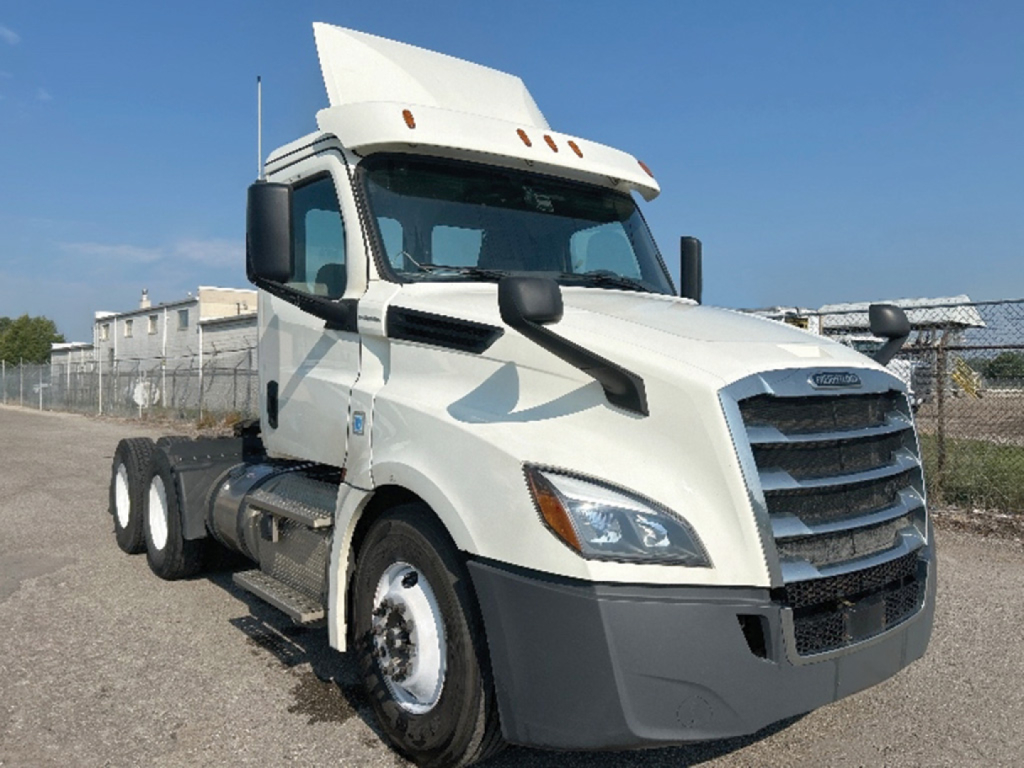
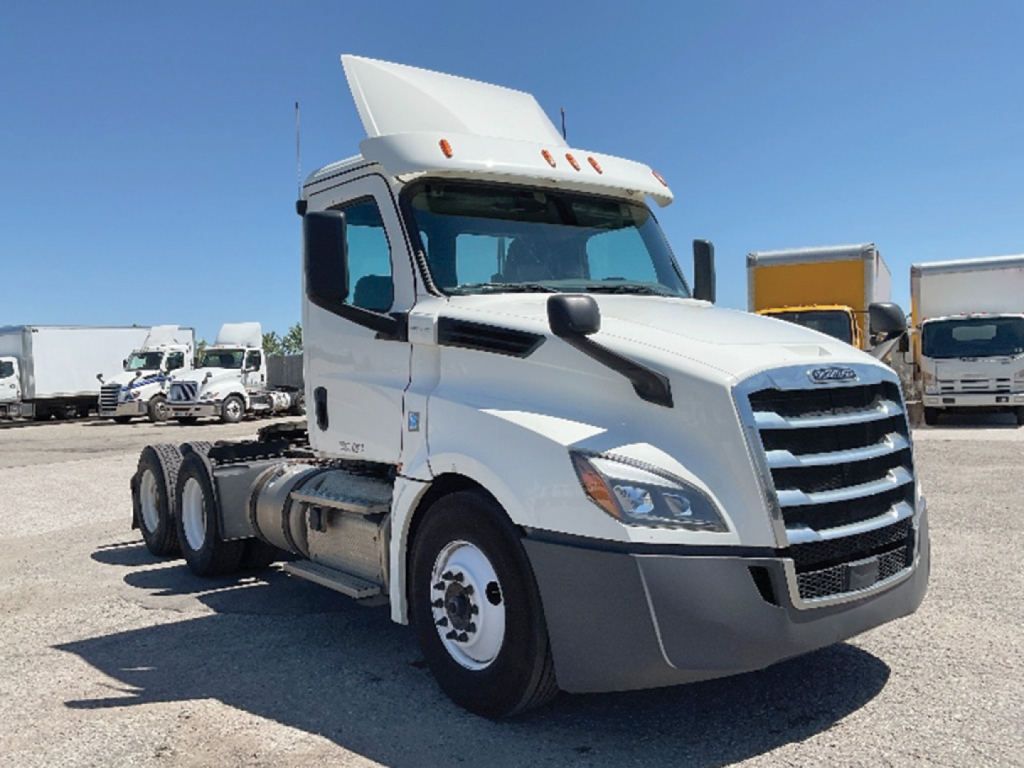
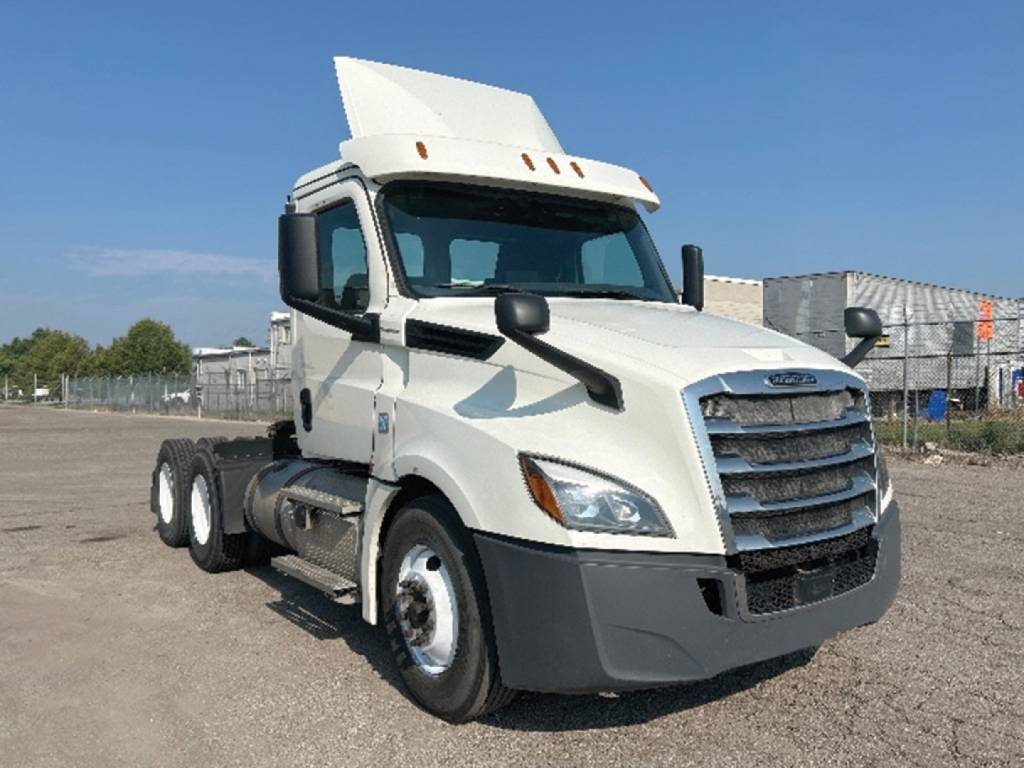
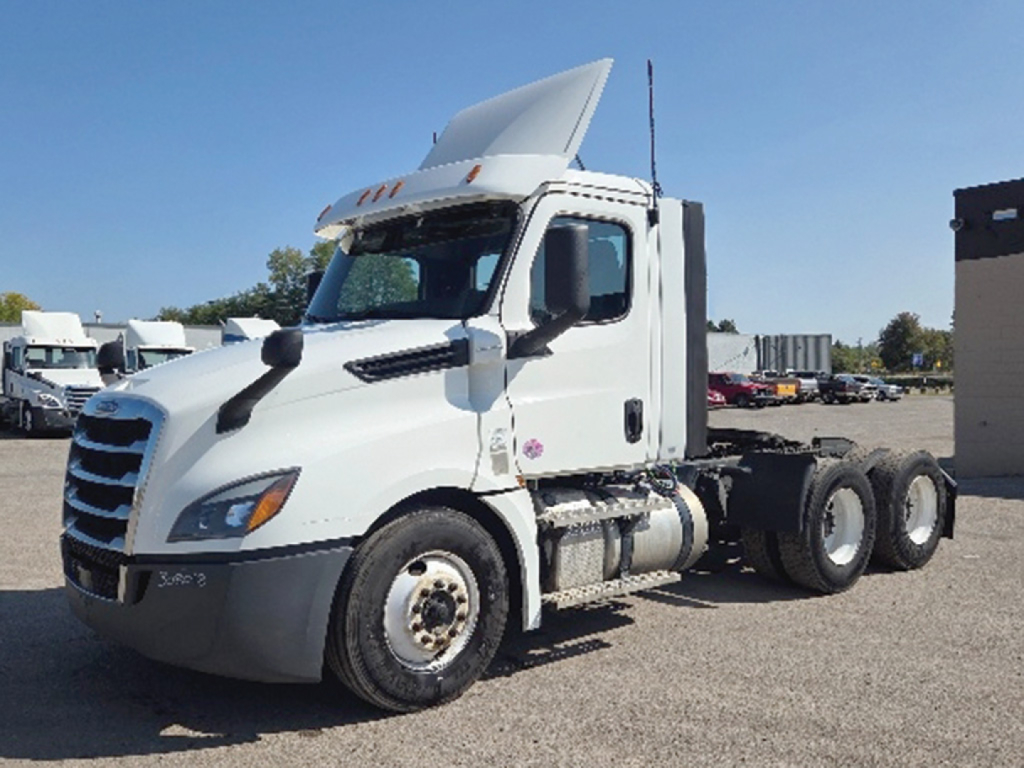
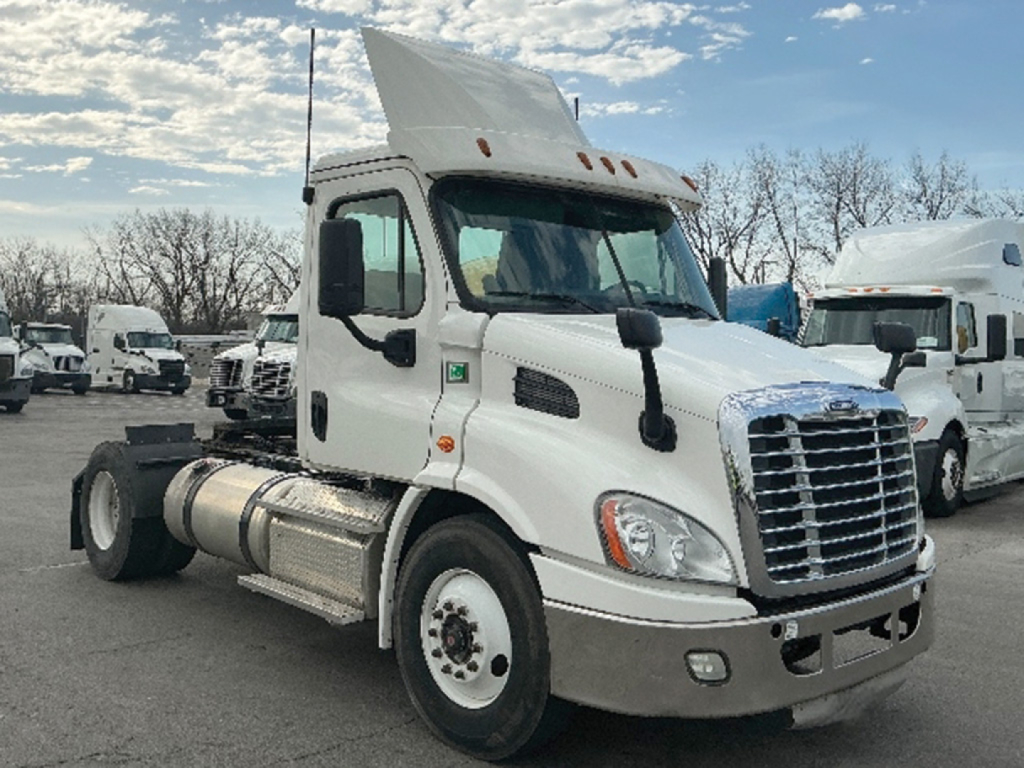
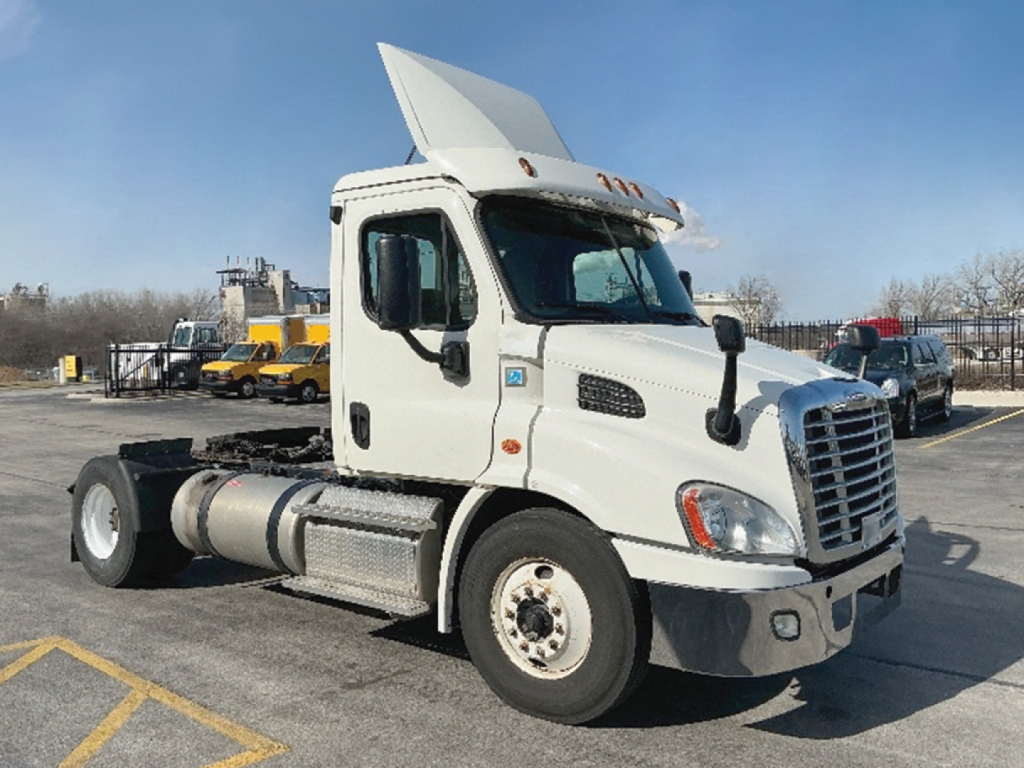
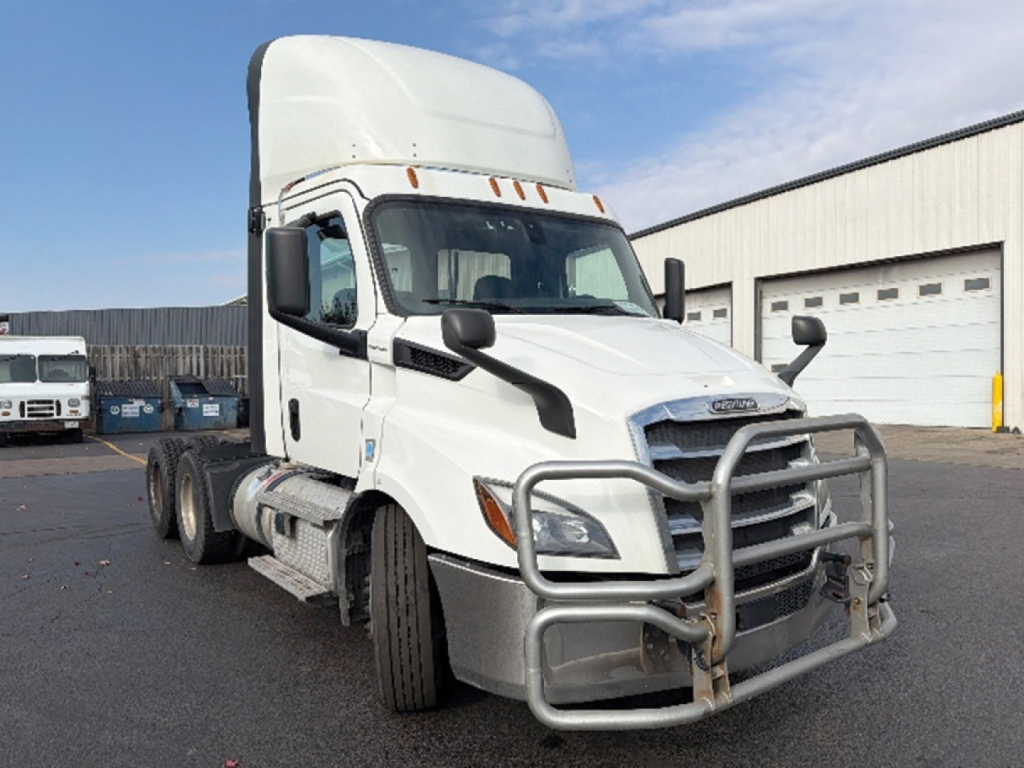
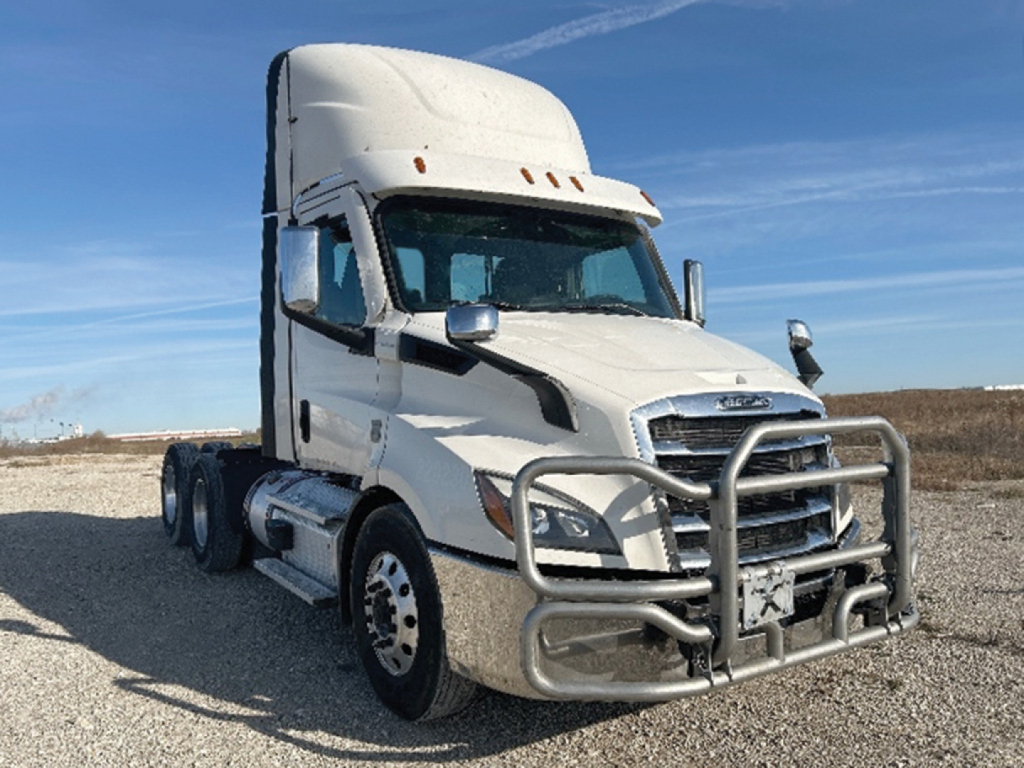
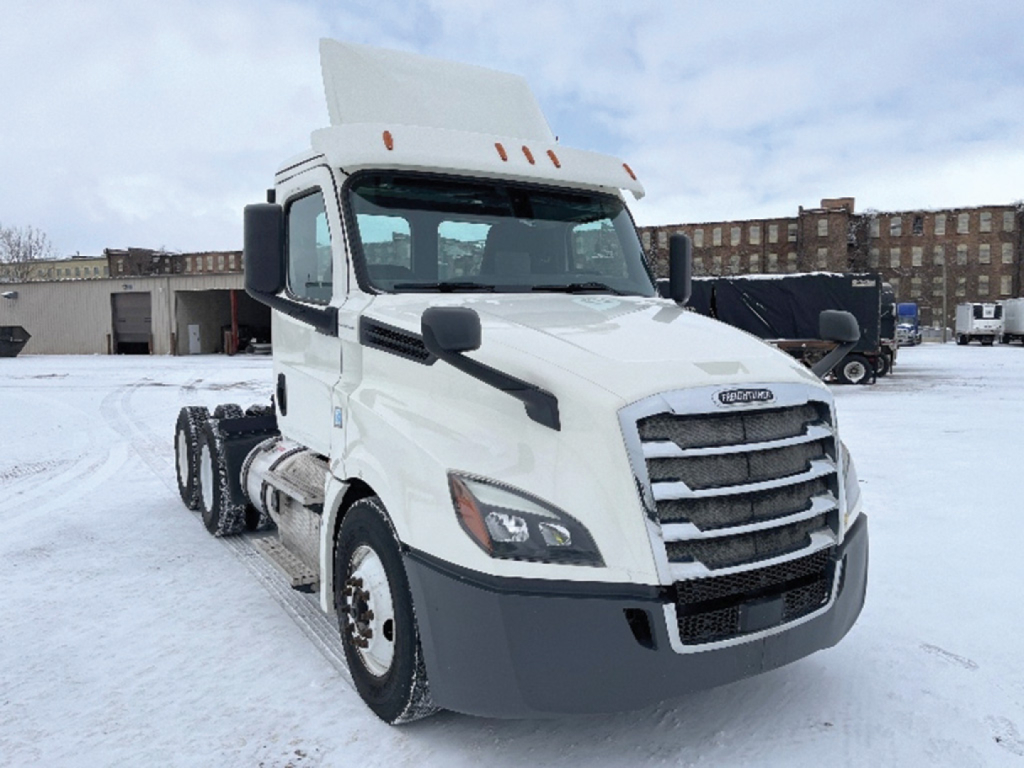
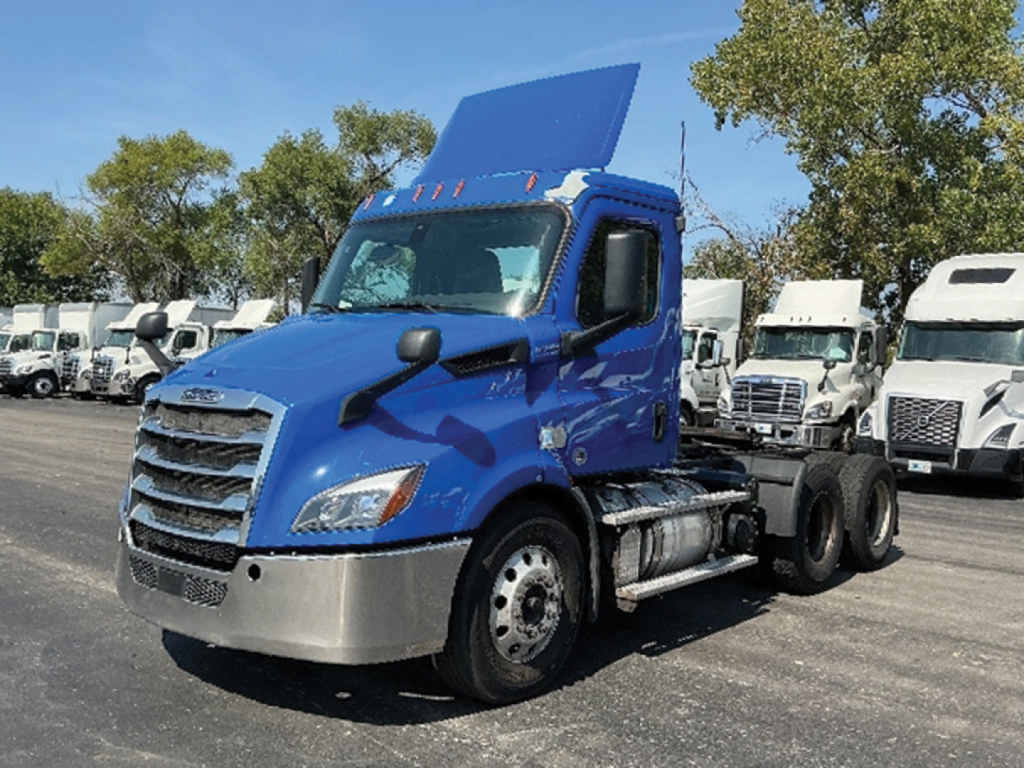
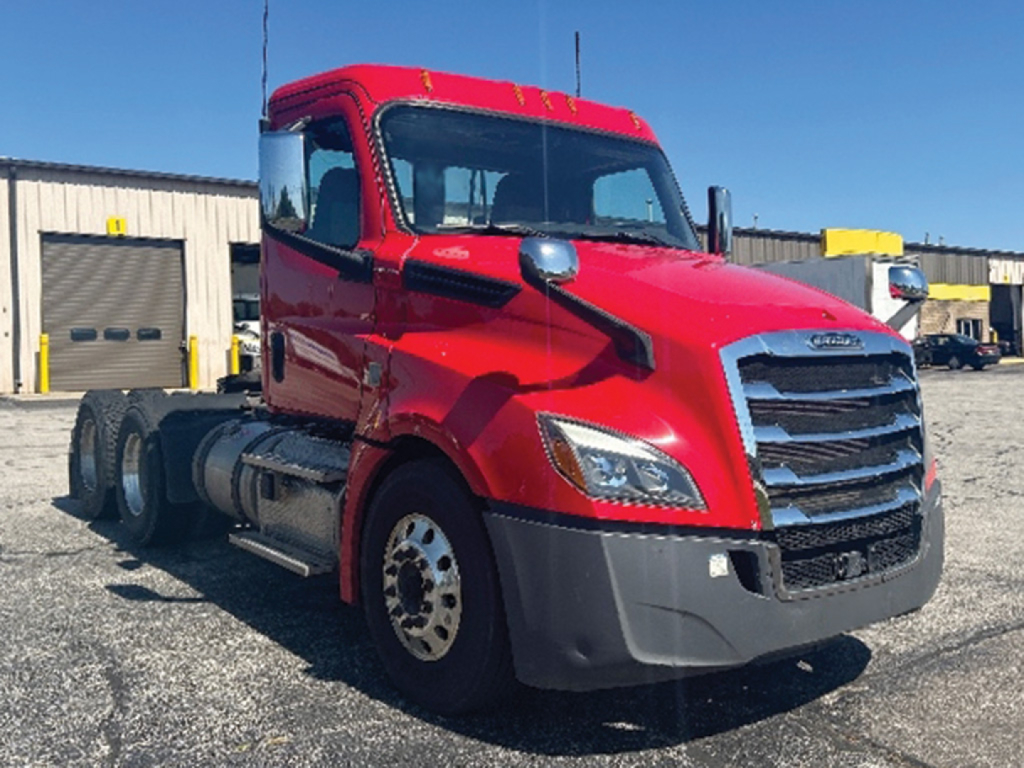
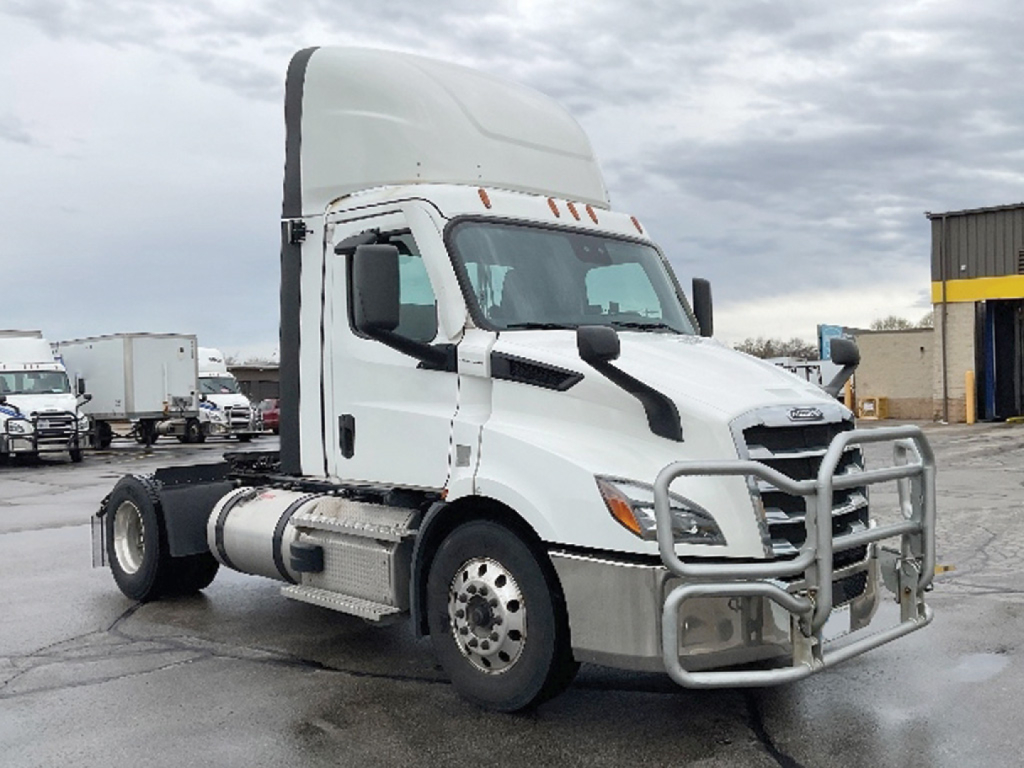
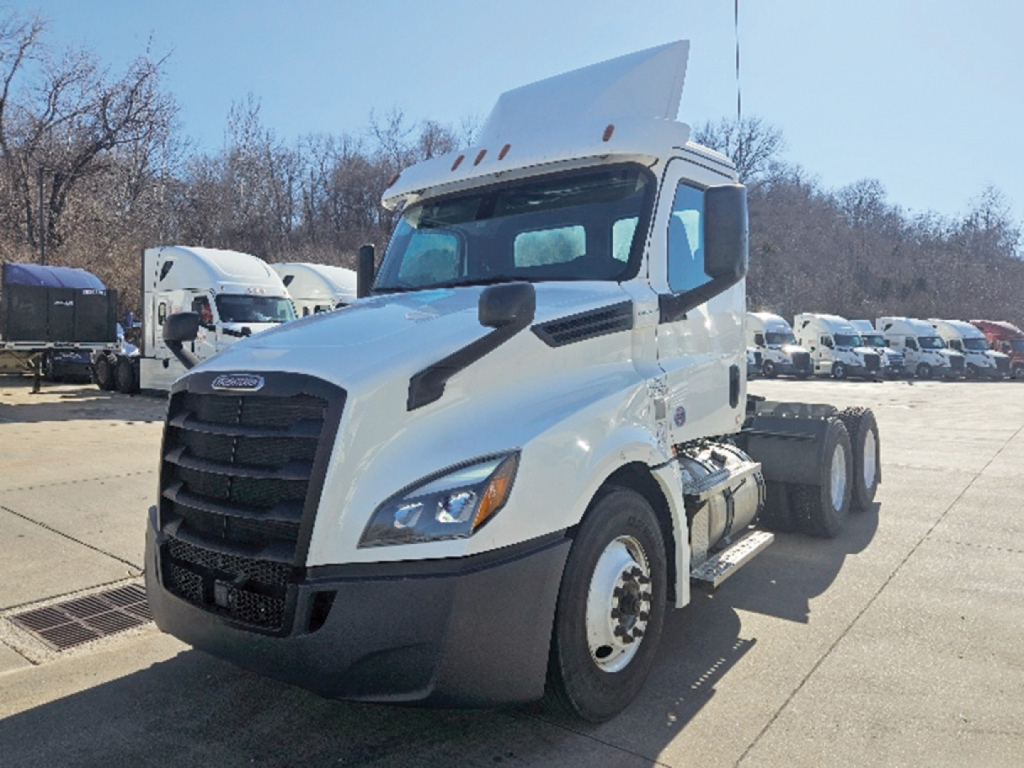
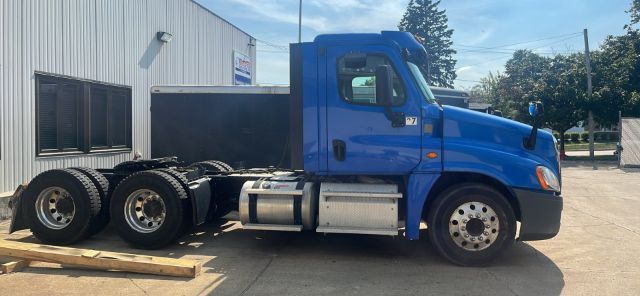

2020 Freightliner Cascadia126
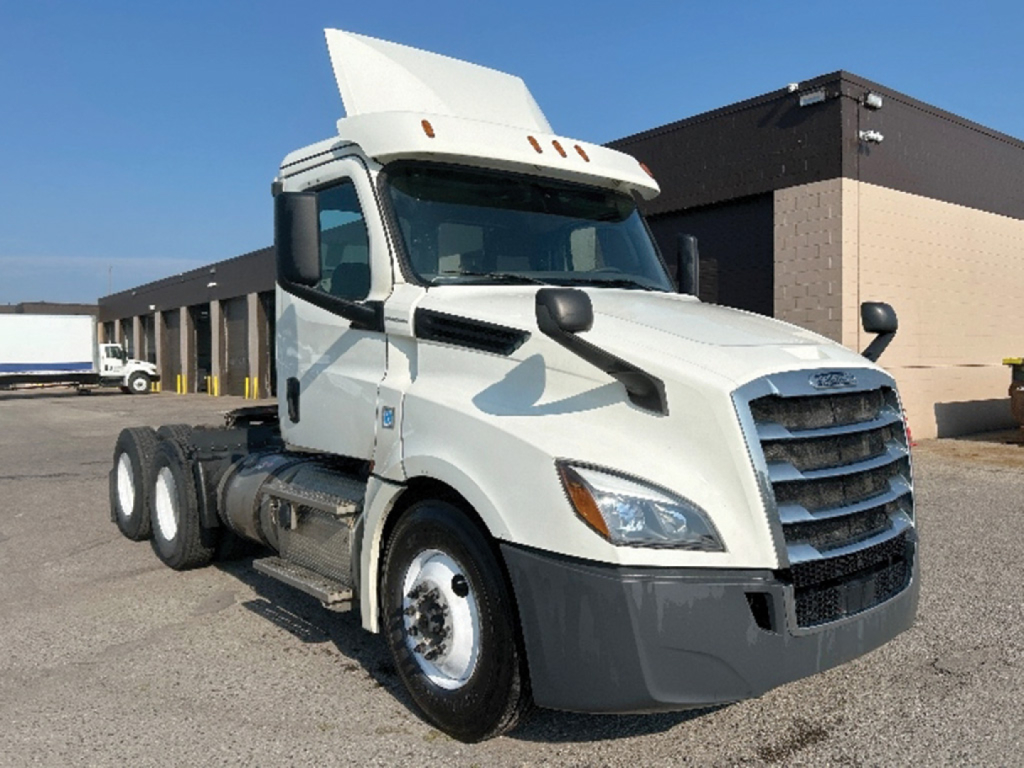
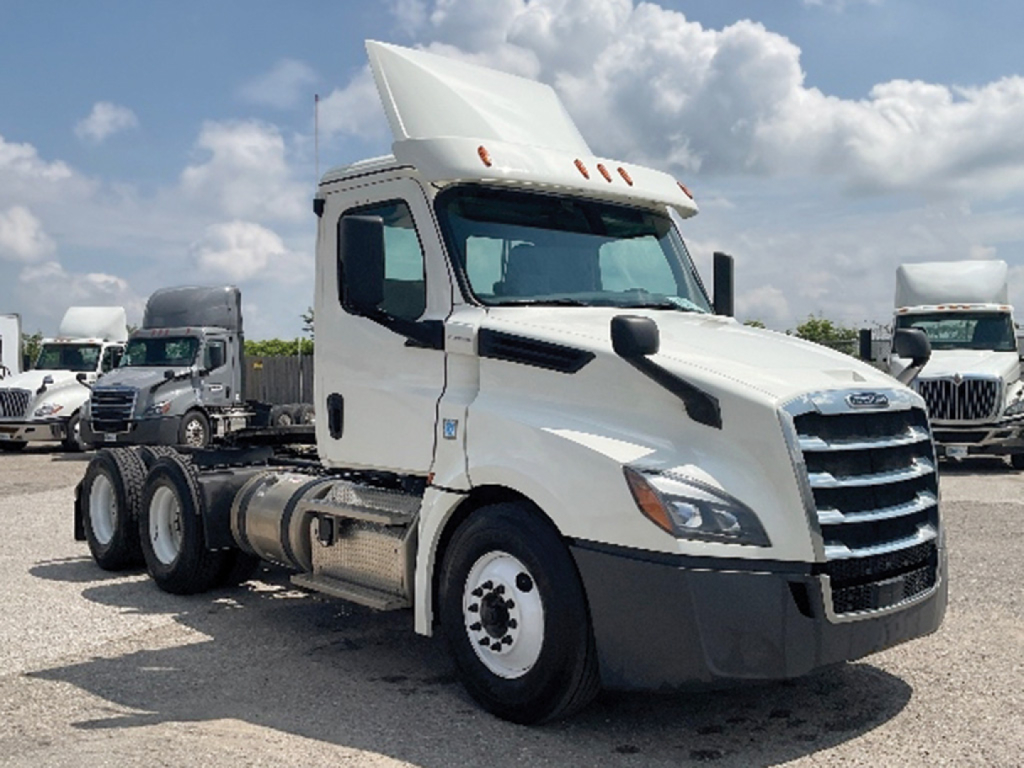
2021 Freightliner Cascadia126
Have freightliner conventional daycab truck to sell? List it here to reach thousands of buyers.
Freightliner Conventional Daycab Trucks in Illinois
The first buying decision is usually axle setup and intended duty cycle. A single-axle Freightliner daycab, often with a 23,000 lb rear axle and faster rear ratio such as 2.41, fits lighter regional freight, dedicated van work, and operations where payload and bridge law requirements do not demand a tandem. Tandem-axle Cascadia daycabs with 40,000 lb rears are more common for heavier trailer work, higher GCWR requirements, and broader fleet flexibility. Wheelbase, fifth wheel type, and suspension spec should be matched to trailer mix and dock environment. A shorter wheelbase improves maneuverability in tight yards and city turns, while a longer wheelbase can help ride quality and frame space for tanks, fairings, and other equipment. Buyers comparing stationary versus air-slide fifth wheels should think about kingpin settings across the trailers they actually pull.
Freightliner daycabs are frequently spec'd with Detroit power, especially the DD13 paired with the DT12 automated manual transmission in late-model Cascadia units. That combination is popular because it delivers strong fuel economy, good drivability in stop-and-go regional service, and a broad service network. Horsepower in the low- to mid-400 range is common for tandem daycabs, while lighter-duty applications may run lower horsepower with different gearing to favor startability or city work. Features such as engine brakes, air ride suspension, disc brakes, collision mitigation systems, roof fairings, cab extenders, and aluminum wheels are worth noting because they directly affect driver acceptance, safety, maintenance cost, and fuel burn. On M2 daycab and straight truck variants, buyers should pay close attention to body length, rear axle ratio, and transmission setup, since those trucks are often built for pickup and delivery, box truck, or vocational roles rather than pure tractor duty.
Condition and spec alignment matter more than model year alone. On a used Freightliner conventional daycab, buyers should review idle hours, maintenance history, aftertreatment service records, tire and brake life, suspension wear, and any signs of fifth wheel or frame stress from heavy trailer use. In Illinois, corrosion exposure from winter road treatment can make undercarriage inspection especially important. A well-matched Freightliner daycab can be a very efficient asset for regional freight, intermodal support, LTL, foodservice support, or local tractor work, but the best value comes from choosing the right rear ratio, axle capacity, wheelbase, and cab equipment for the exact route structure and trailer set it will handle.
Frequently Asked Questions about Freightliner Conventional Daycab Trucks in Illinois
What is the difference between a Freightliner daycab and a sleeper truck?
A Freightliner daycab is a conventional truck built without a sleeper compartment, so it is intended for local and regional operations where the driver returns daily or does not need overnight accommodations. Removing the sleeper reduces overall weight, shortens the truck, and can improve maneuverability and payload efficiency. A sleeper truck is better suited for long-haul work where rest space is required between loads.
Which Freightliner daycab is more common for highway tractor work, the Cascadia or the M2?
The Freightliner Cascadia daycab is generally the more common choice for highway tractor applications, including regional van, reefer, flatbed, and dedicated trailer work. It is typically spec'd with heavier driveline components, aerodynamic features, and highway-oriented engines such as the Detroit DD13. The Freightliner M2 is more often used in medium-duty, straight truck, pickup and delivery, or vocational applications, although some configurations are set up for local tractor duty.
Is a single-axle or tandem-axle Freightliner daycab better for Illinois operations?
It depends on trailer weight, route density, and the freight you intend to haul. A single-axle daycab can be a cost-effective option for lighter regional routes, lower maintenance cost, and improved maneuverability. A tandem-axle daycab offers more versatility for heavier loads, broader trailer compatibility, and higher gross combination requirements, which can be important for many Illinois regional and interstate applications.
What engine and transmission are common in late-model Freightliner Cascadia daycabs?
Late-model Freightliner Cascadia daycabs are commonly equipped with Detroit DD13 engines and DT12 automated manual transmissions. This pairing is widely used because it supports fuel-efficient regional operation, consistent shift quality, and access to a broad Freightliner and Detroit service network. Buyers should still verify horsepower rating, engine brake spec, rear axle ratio, and software or maintenance history because those details affect real-world performance.
What should I inspect first on a used Freightliner conventional daycab?
Start with the maintenance records, engine hours, and evidence of regular service on the aftertreatment system, transmission, brakes, and suspension. Then inspect the frame rails, fifth wheel area, tires, wheel ends, and undercarriage for wear, corrosion, or signs of overloading. On Illinois trucks, winter road salt exposure makes rust inspection especially important, and any mismatch between axle ratio, wheelbase, and intended trailer use should be treated as a practical operating issue, not just a spec sheet detail.