
2020 Freightliner Conventional Daycab Trucks For Sale in Illinois
Shop 2020 Freightliner conventional daycab trucks in Illinois. Compare Cascadia specs, DD13 and DD15 engines, wheelbases, ratios, and fleet features.
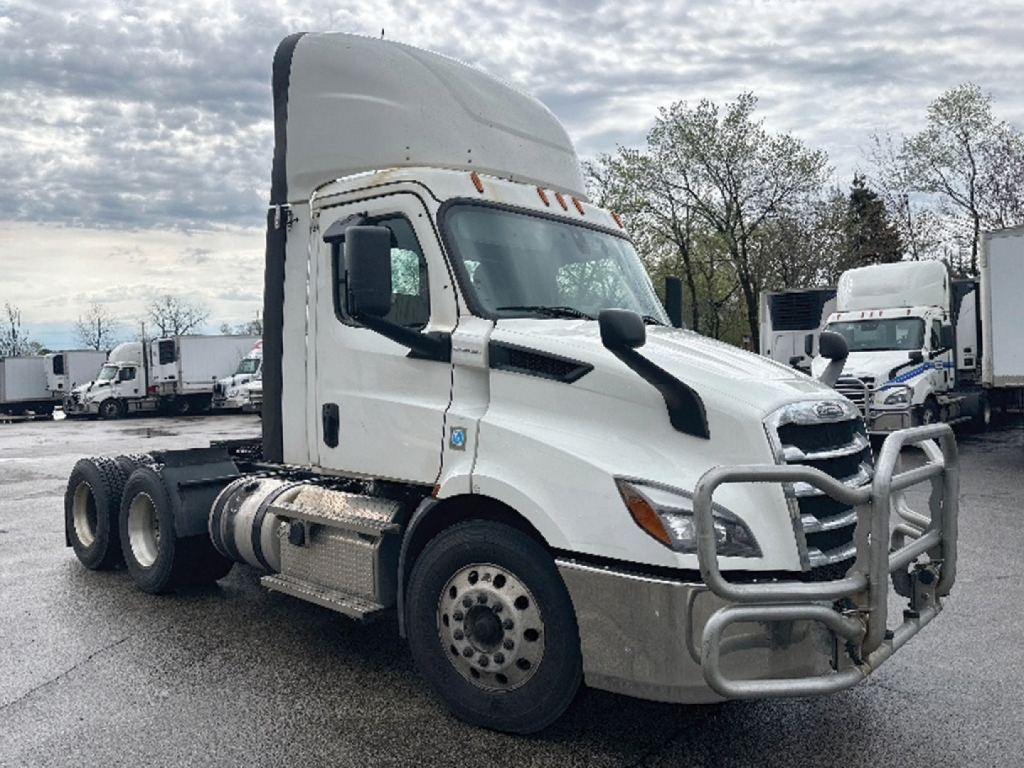
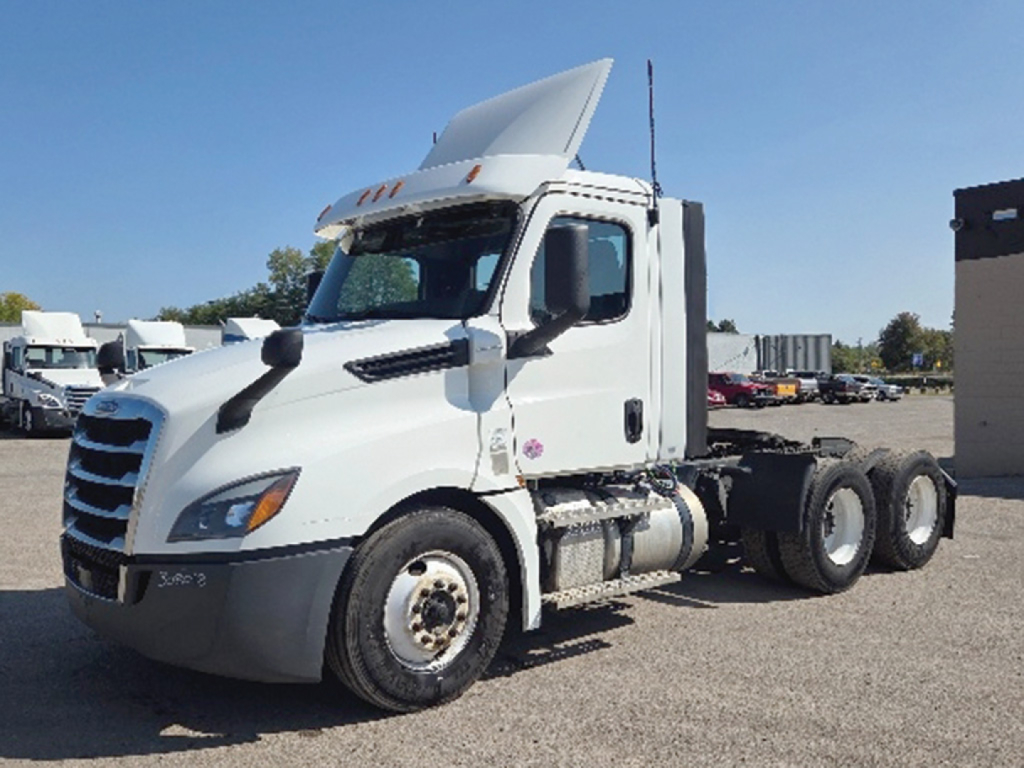
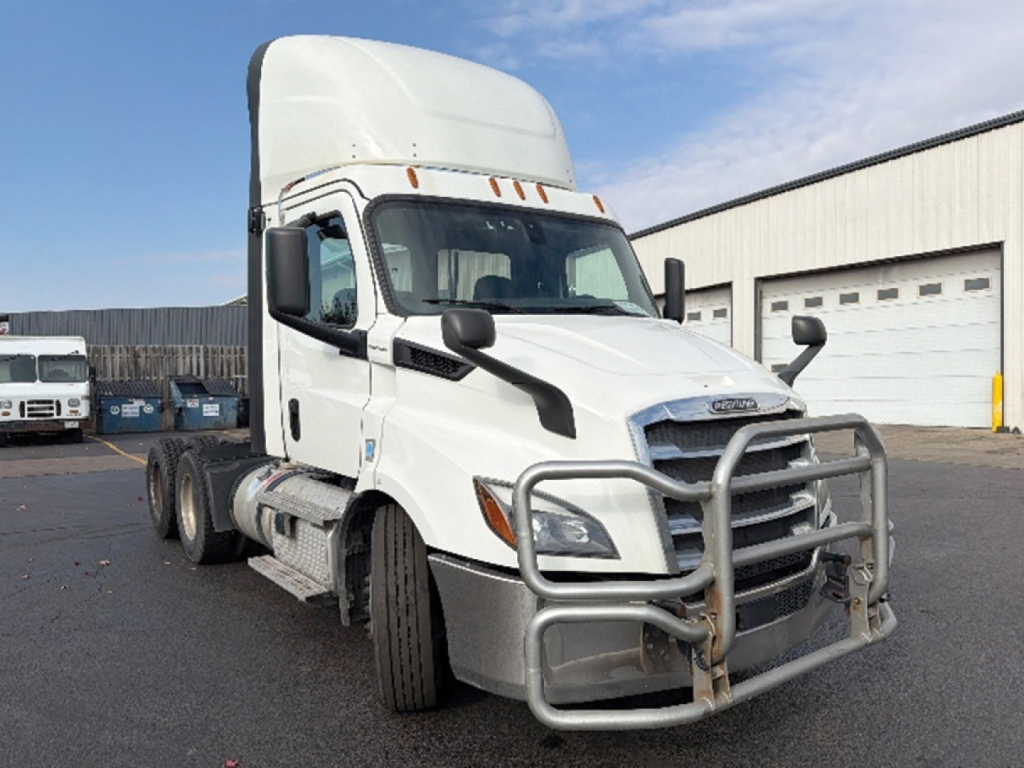
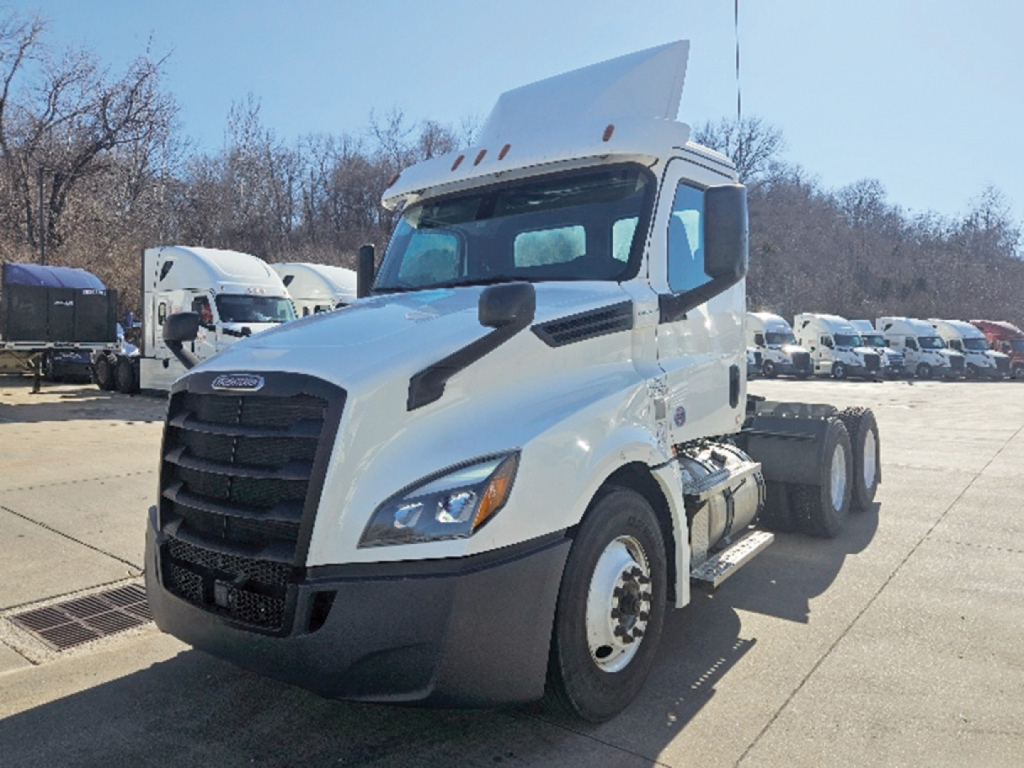

Have 2020 freightliner conventional daycab truck to sell? List it here to reach thousands of buyers.
2020 Freightliner Conventional Daycab Trucks in Illinois
The most important buying decision is usually the powertrain match. A 2020 Freightliner daycab often carries a Detroit engine in the 400 to 455 horsepower range, paired with a DT12 automated manual or, less commonly, a manual transmission depending on the application. Rear axle ratios can vary widely, and that matters more than many buyers expect. A tall ratio such as 2.28 generally favors fuel mileage on highway-oriented regional work, while a deeper ratio like 3.08 or 3.42 is better suited to heavier starts, tighter routing, or operations that need stronger low-speed performance. Wheelbase, fifth wheel travel, and axle ratings should be checked against trailer mix, bridge-law requirements, and turning radius needs, especially for dense urban lanes and drop-and-hook work.
Freightliner daycabs from this era are also known for driver-focused features that affect retention and daily usability. Common specs include air ride suspension, air slide fifth wheel, tilt and telescoping steering, cruise control, power windows, and horizontal exhaust. Many 2020 trucks also include collision mitigation and other safety systems that can be valuable for fleet compliance and insurance discussions. Aerodynamic options such as roof fairings and quarter fenders help on fuel-sensitive routes, while aluminum wheels and fuel tanks can trim weight and improve corrosion resistance. Buyers comparing units should look closely at engine brake spec, maintenance history, aftertreatment condition, tire size, and the balance between lightweight fuel-economy spec and heavier-duty vocational capability.
A conventional daycab, also called a non-sleeper tractor, makes the most sense when the truck returns to base regularly or operates within a defined regional footprint. The 2020 Freightliner platform is generally attractive because it combines modern emissions-era efficiency with a broad service network and strong parts availability. The best truck in this category is not just the newest or lowest-mile example. It is the one with the right axle ratio, horsepower, wheelbase, and cab configuration for the freight it will actually pull in Illinois and surrounding states.
Frequently Asked Questions about 2020 Freightliner Conventional Daycab Trucks in Illinois
What is a 2020 Freightliner conventional daycab best used for?
A 2020 Freightliner conventional daycab is best suited for regional haul, local delivery, drayage, dedicated contract freight, and terminal-to-terminal work. It is designed for operations that do not require overnight sleeper space, which helps reduce weight and keeps the truck easier to maneuver in urban and industrial settings. In Illinois, that often means distribution routes, intermodal moves, agricultural freight, and manufacturing support across short and medium distances.
What engines are common in a 2020 Freightliner daycab?
The most common engines in a 2020 Freightliner daycab are the Detroit DD13 and Detroit DD15. The DD13 is often chosen for lighter regional applications where fuel economy and lower curb weight matter, while the DD15 is a stronger fit for heavier gross weights, more demanding duty cycles, or buyers who want additional horsepower and torque margin. The right choice depends on trailer weight, terrain, average trip length, and expected cruise speed.
Why does rear axle ratio matter on a Freightliner daycab?
Rear axle ratio directly affects launch performance, cruise RPM, gradeability, and fuel consumption. A numerically lower ratio such as 2.28 usually supports lower engine RPM at highway speed and can improve fuel economy on steady regional lanes. A higher numerical ratio such as 3.08 or 3.42 provides stronger pulling power from a stop and can be better for heavier loads, frequent starts, and mixed-route work. Buyers should match the ratio to actual load profile and road conditions, not just headline horsepower.
Is the DT12 transmission a good fit in a 2020 Freightliner conventional daycab?
The DT12 automated manual is a common and practical choice in this category because it helps standardize driver operation, supports fuel-efficient shifting, and reduces clutch wear compared with many manual-use environments. It is especially useful in regional and urban work where traffic and frequent shifting can increase driver fatigue. Buyers should still confirm software calibration, maintenance records, and how the transmission was spec'd with the engine and axle ratio, because those details affect drivability.
What should buyers inspect first on a used 2020 Freightliner daycab?
Start with the engine, transmission, and emissions system history, including fault codes, service records, and any major repairs. Then verify axle ratings, wheelbase, fifth wheel setup, tire condition, suspension type, and brake wear to make sure the truck matches the trailers and loads it will handle. On a 2020 model, electronic safety features, aftertreatment health, and signs of fleet maintenance discipline can be just as important as mileage when judging long-term value.