
2020 Freightliner Conventional Daycab Trucks For Sale
Shop 2020 Freightliner conventional daycab trucks with Cascadia-class specs, DD13 power, daycab maneuverability, and fleet-friendly efficiency.
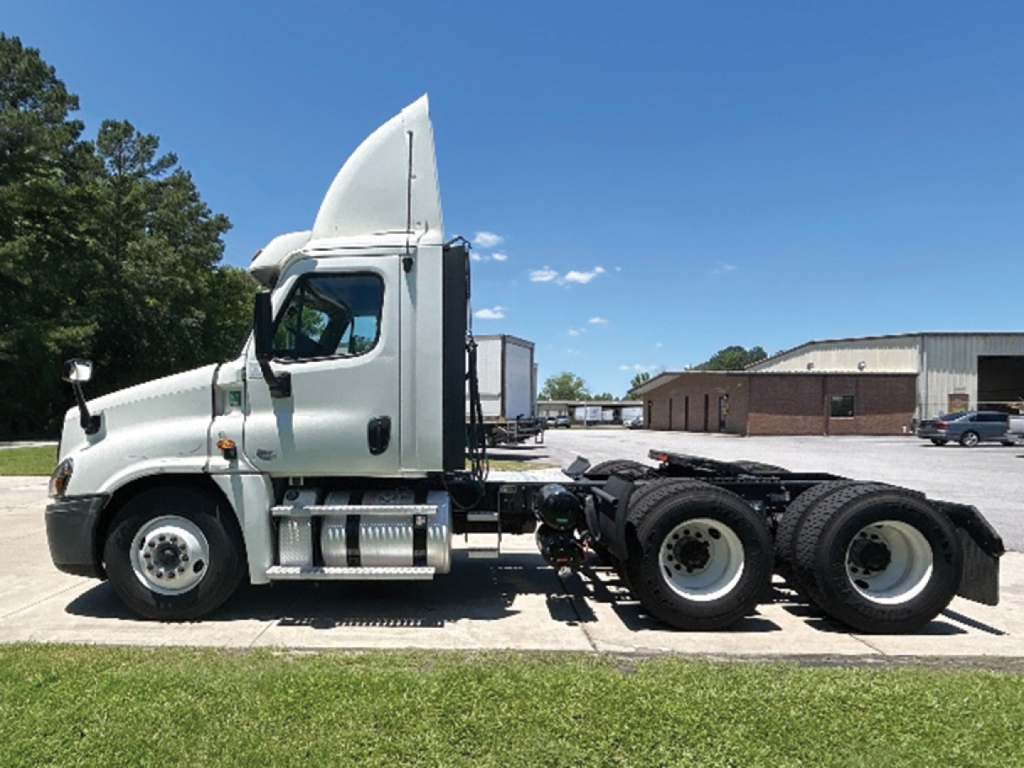
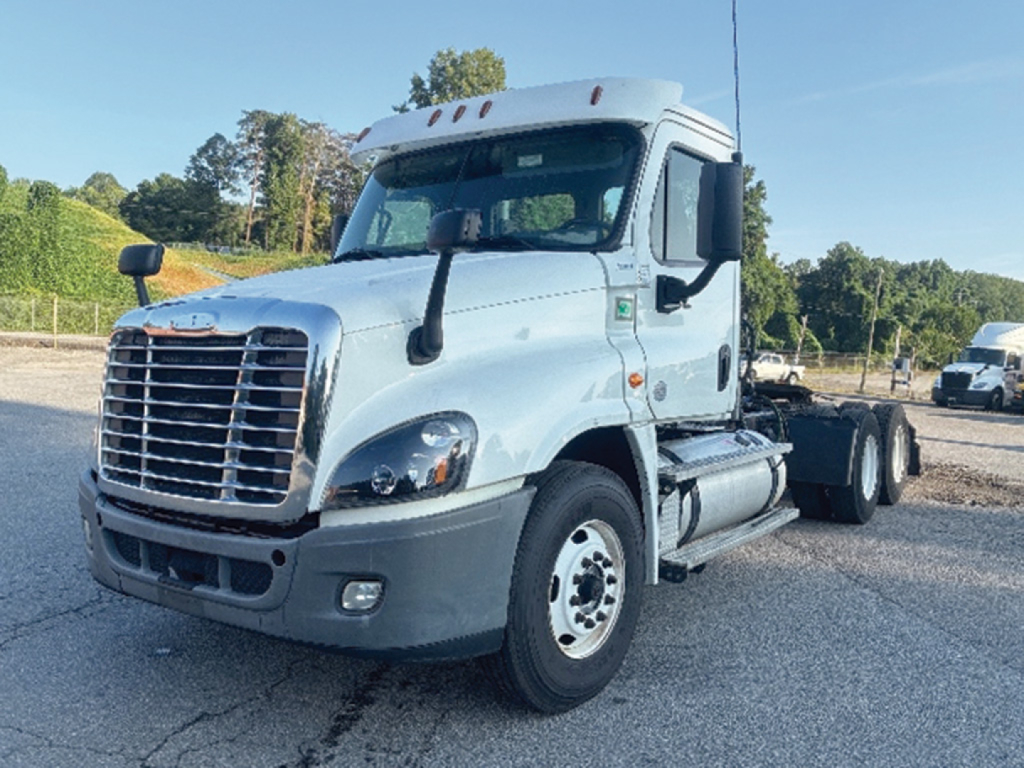
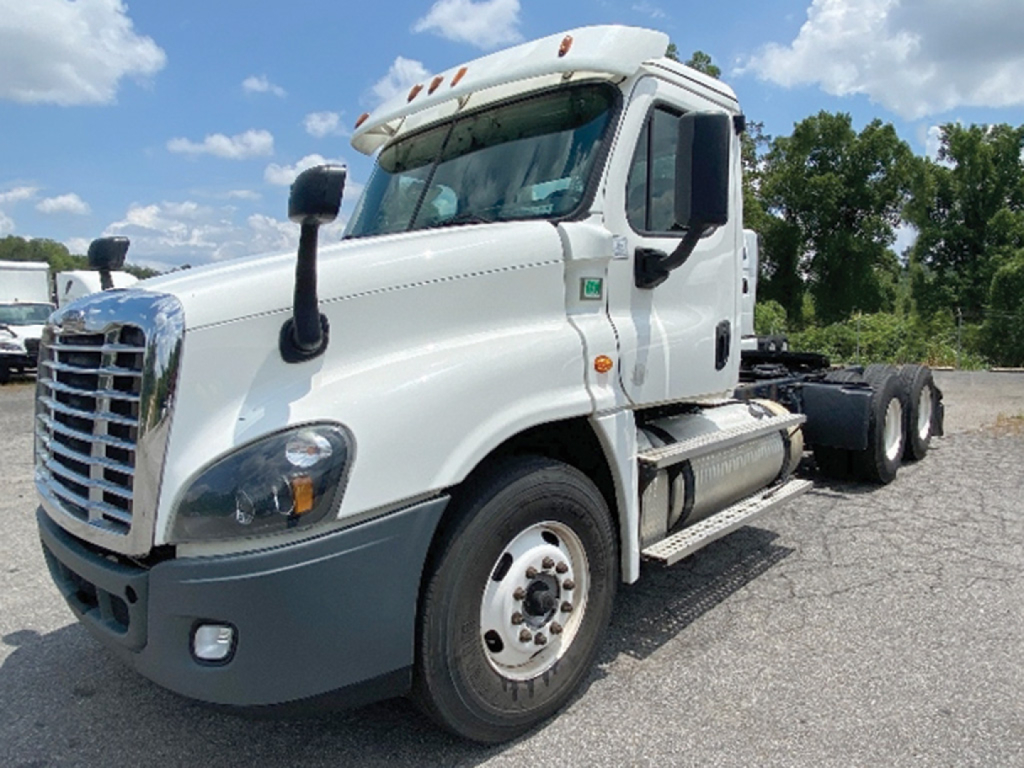
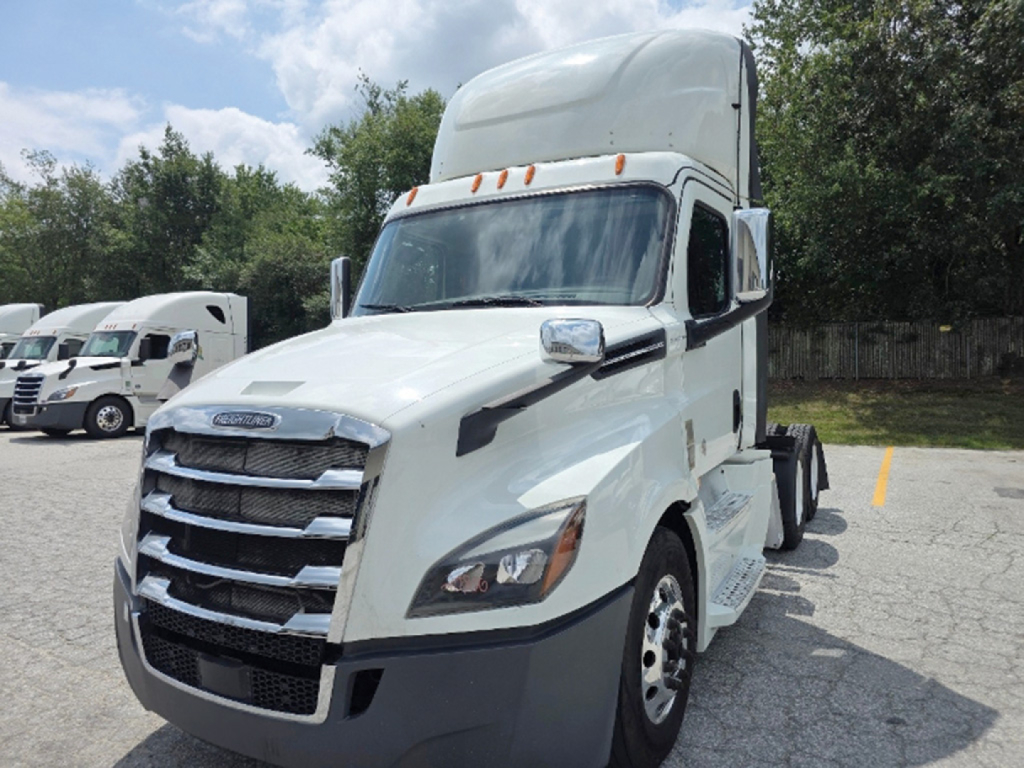
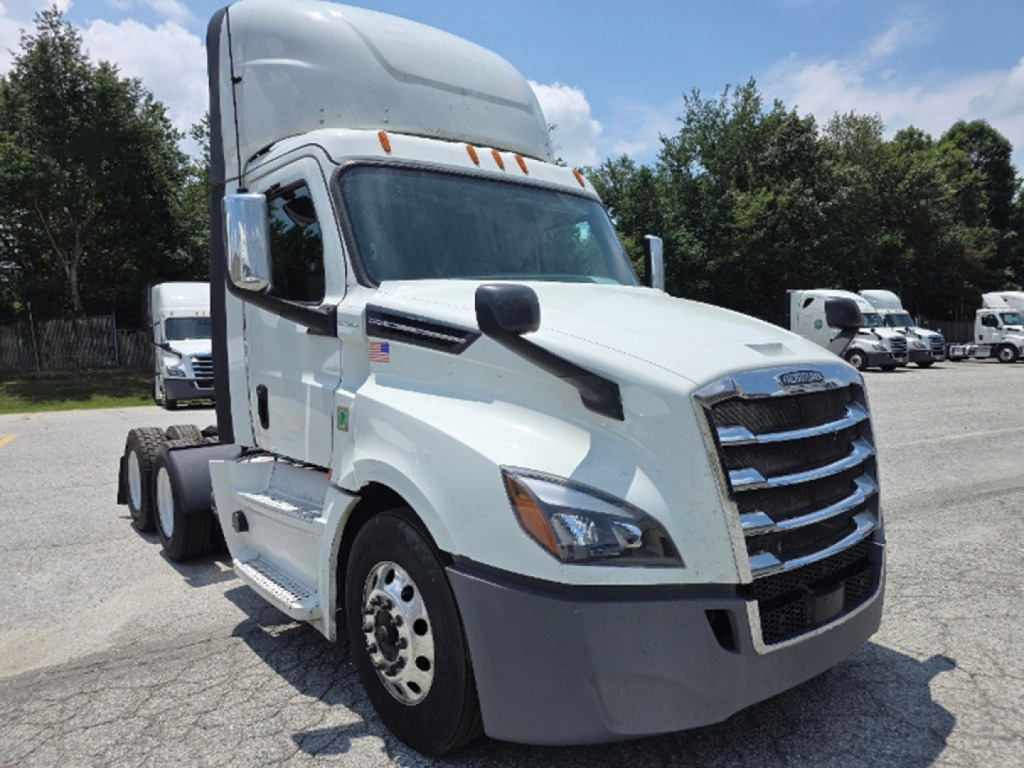
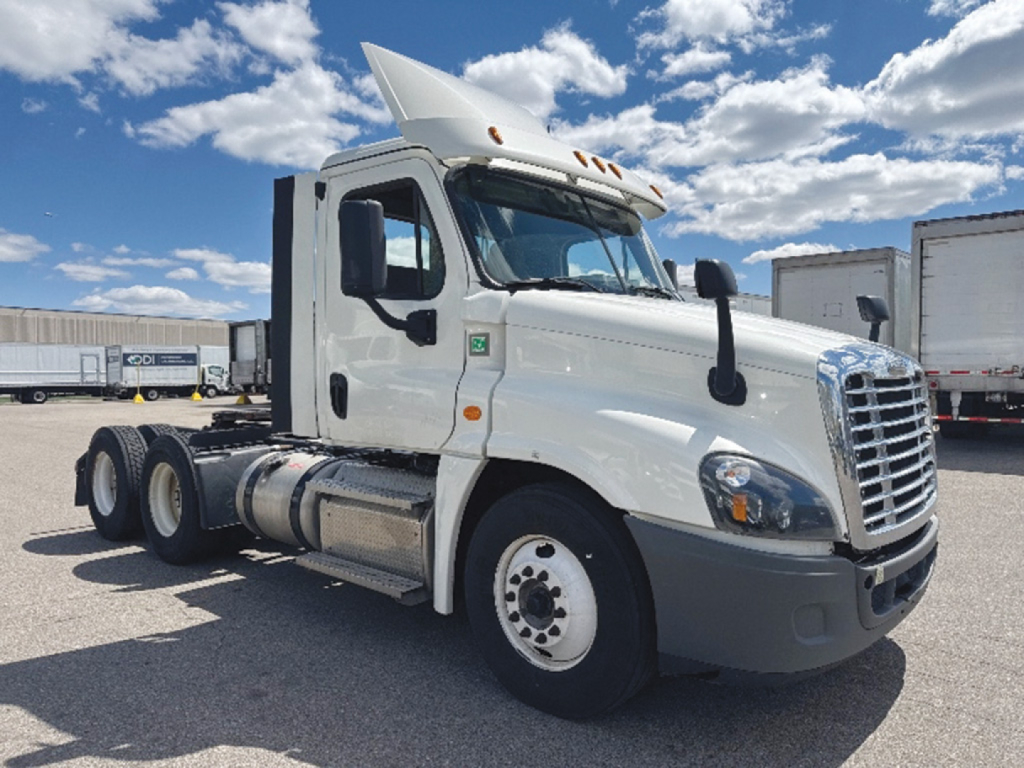
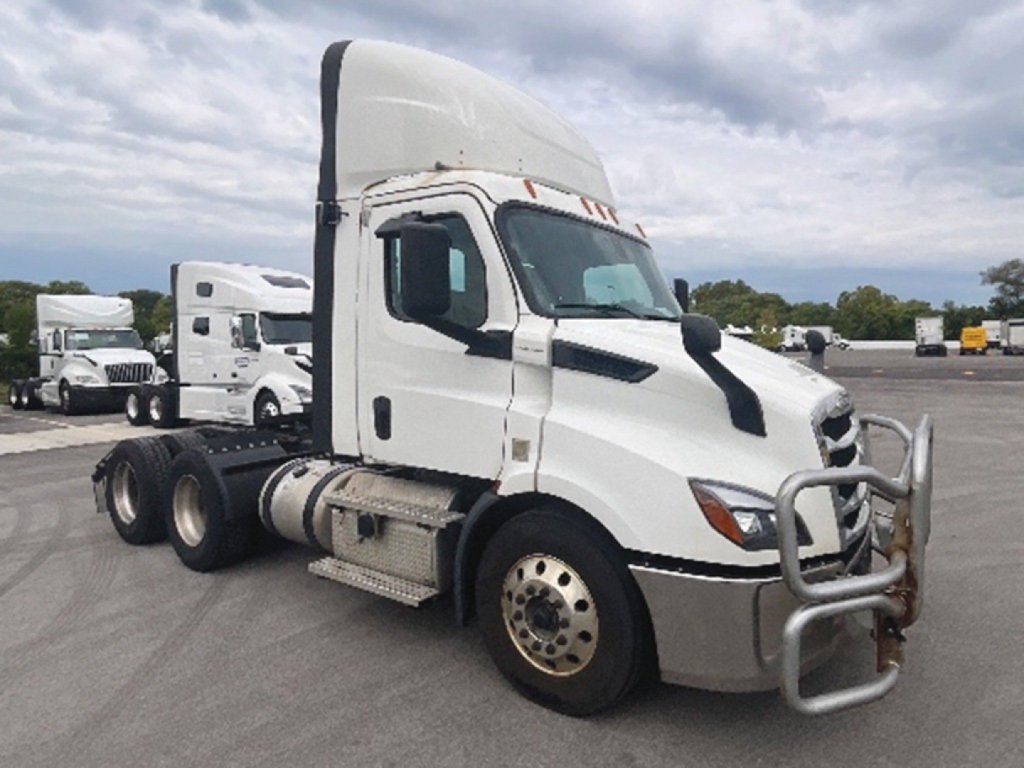
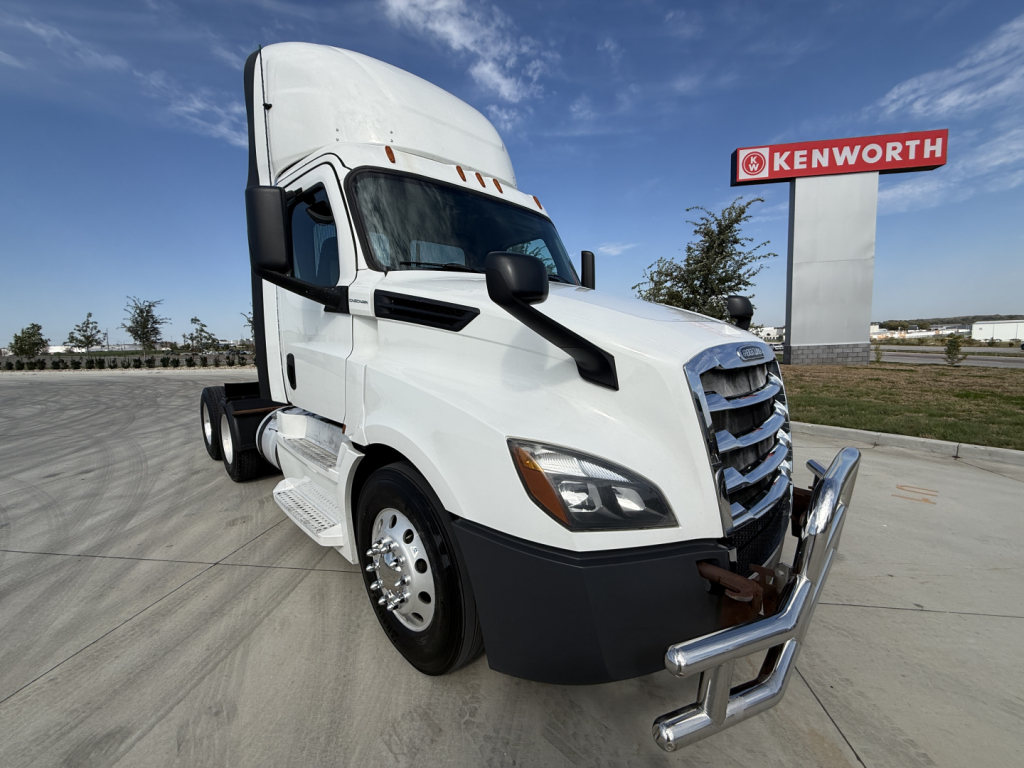
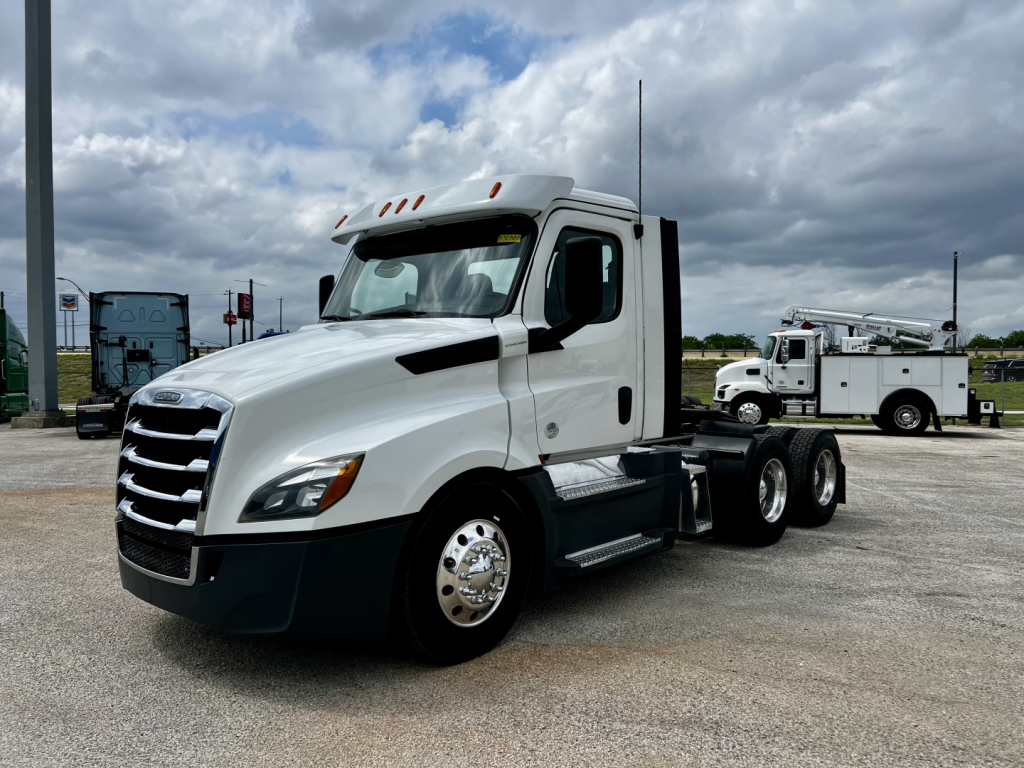
Selling a 2020 freightliner conventional daycab truck? List your 2020 freightliner conventional daycab truck for sale and reach thousands of commercial buyers.
2020 Freightliner Conventional Daycab Trucks
Most 2020 Freightliner daycabs are spec'd with Detroit power, commonly the DD13, paired with either a Detroit DT12 automated manual or a traditional Eaton-Fuller manual. Horsepower ratings often fall in the 400 to 505 hp range, with torque and rear axle ratio selected around the truck's actual job. A 2.85 or 3.08 ratio leans toward fuel-efficient highway and regional duty, while a 3.42 setup can make more sense for heavier starts, vocational pulls, or tighter route work. Front axles are commonly 12,000 lb, with rear axle ratings ranging from lighter single-axle specs up to 40,000 lb tandem rears on tractors built for heavier trailer work. Air ride suspensions such as Freightliner's AirLiner remain common because they balance ride quality, traction, and maintenance familiarity.
A serious buyer should pay close attention to wheelbase, cab-to-axle measurement, and whether the truck carries a stationary or air-slide fifth wheel. A daycab in the 160-inch to 175-inch wheelbase range is common, but the right number depends on trailer swing clearance, kingpin setting, and how much room is needed behind the cab for hoses, deck plate, headache rack, or PTO equipment. Brake spec matters too. Many later-model Freightliner daycabs are equipped with air disc brakes, which can improve stopping consistency and reduce fade in regional service, though parts cost and shop preference still factor into the decision. Tire size, wheel material, fuel tank capacity, and fairing package also affect operating cost, tare weight, and route suitability.
On a 2020 model, emissions and electronic systems deserve as much attention as the drivetrain. DEF system health, aftertreatment history, active fault codes, idle hours, and ECM versus odometer consistency can tell you more than cosmetic appearance. Freightliner daycabs from this era often include collision mitigation, cruise control, power accessories, and improved interior ergonomics that matter in multi-driver fleets. For buyers comparing several listings, the best truck is usually the one with the cleanest maintenance story, the right axle and ratio combination for the intended trailer set, and a chassis layout that fits the work without forcing compromise.
Frequently Asked Questions about 2020 Freightliner Conventional Daycab Trucks
What is the most common engine in a 2020 Freightliner conventional daycab?
The Detroit DD13 is one of the most common engines found in a 2020 Freightliner conventional daycab, especially in Cascadia-based fleet specs. It is popular because it offers a strong balance of fuel economy, service network support, and power for regional and local tractor work. Depending on configuration, buyers will usually see horsepower ratings in the low-to-mid 400s up to around 500 hp, making it suitable for everything from dry van and reefer lanes to heavier tandem-axle applications.
Is a 2020 Freightliner daycab better with a DT12 automated transmission or a manual?
That depends on the operation and the shop's preferences. The DT12 automated manual is common in late-model Freightliner fleets because it improves driver consistency, reduces shift-related wear, and can support better fuel economy in regional service. A manual transmission may still appeal to buyers who want simpler driver-controlled operation or who run in specialized applications where gear selection matters more. For many mainstream fleet buyers, the DT12 is now the standard choice as long as service records and calibration history are solid.
What wheelbase should I look for in a Freightliner daycab?
A common wheelbase for a Freightliner daycab is roughly 160 to 175 inches, but the correct choice depends on the trailer, kingpin setting, and route conditions. A shorter wheelbase generally improves maneuverability in tight yards and urban delivery work. A longer wheelbase can provide better ride quality, more back-of-cab space, and improved trailer clearance for certain setups. Cab-to-axle and cab-to-end dimensions are just as important as overall wheelbase when matching the tractor to the trailers you plan to pull.
Are tandem-axle Freightliner daycabs practical for regional hauling?
Yes. Tandem-axle Freightliner daycabs are widely used in regional hauling because they can handle higher gross combinations, offer better traction under load, and fit a broad range of trailer work. A typical tandem spec may include a 12,000 lb front axle and 40,000 lb rears with air ride suspension. That setup works well for carriers pulling loaded vans, reefers, containers, and flatbeds on short-to-medium routes where the truck returns home regularly and does not need sleeper accommodations.
What should I inspect first on a used 2020 Freightliner conventional daycab?
Start with emissions system health, fault codes, engine hours, and maintenance records. On a 2020 truck, aftertreatment condition, DEF performance, and idle time can have a major effect on future repair cost. After that, check transmission operation, axle ratio, brake type, suspension wear, and fifth wheel condition. It is also smart to compare ECM mileage to dash mileage, review any collision mitigation or electronic safety system warnings, and confirm that the chassis dimensions match your trailers and operating lanes.