
2020 Freightliner Conventional Daycab Trucks For Sale in New York
Shop 2020 Freightliner conventional daycab trucks in New York. Compare Cascadia specs, DD13 power, wheelbase, axle ratings, and 5th wheel setups.
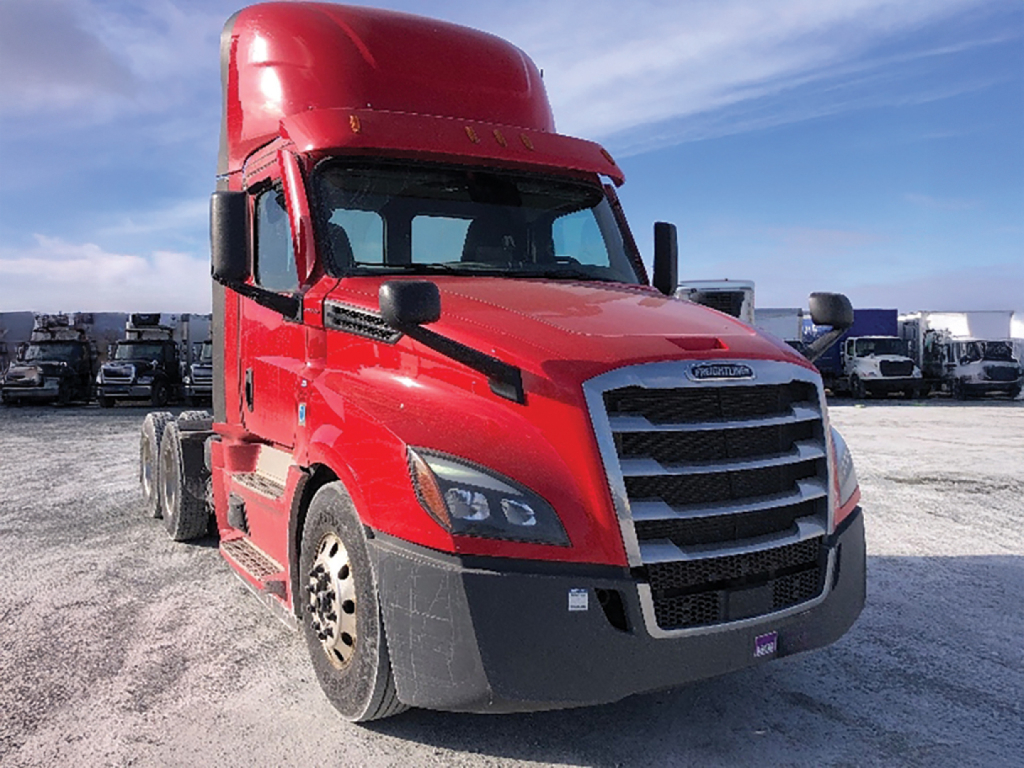
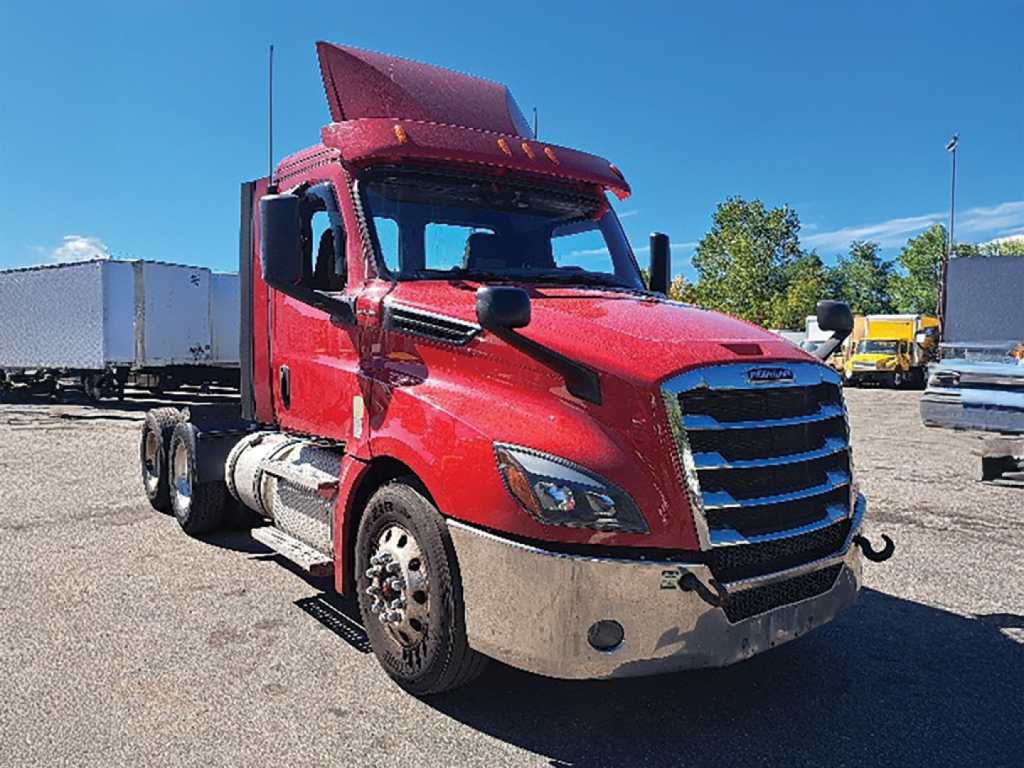
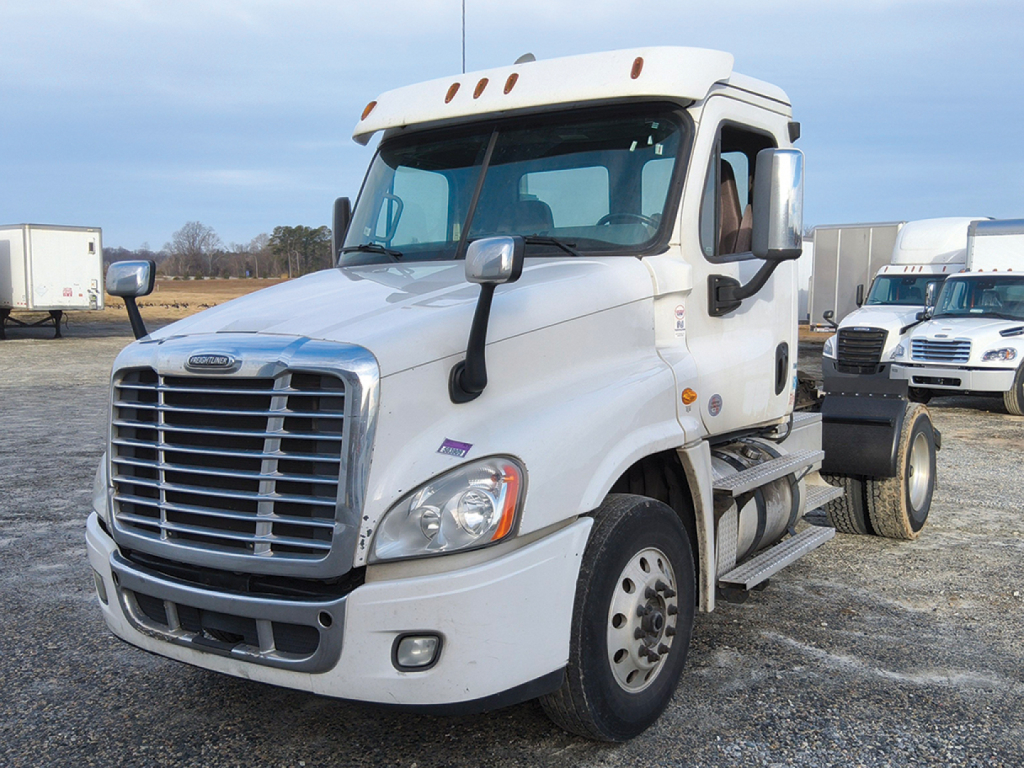

Have 2020 freightliner conventional daycab truck to sell? List it here to reach thousands of buyers.
2020 Freightliner Conventional Daycab Trucks in New York
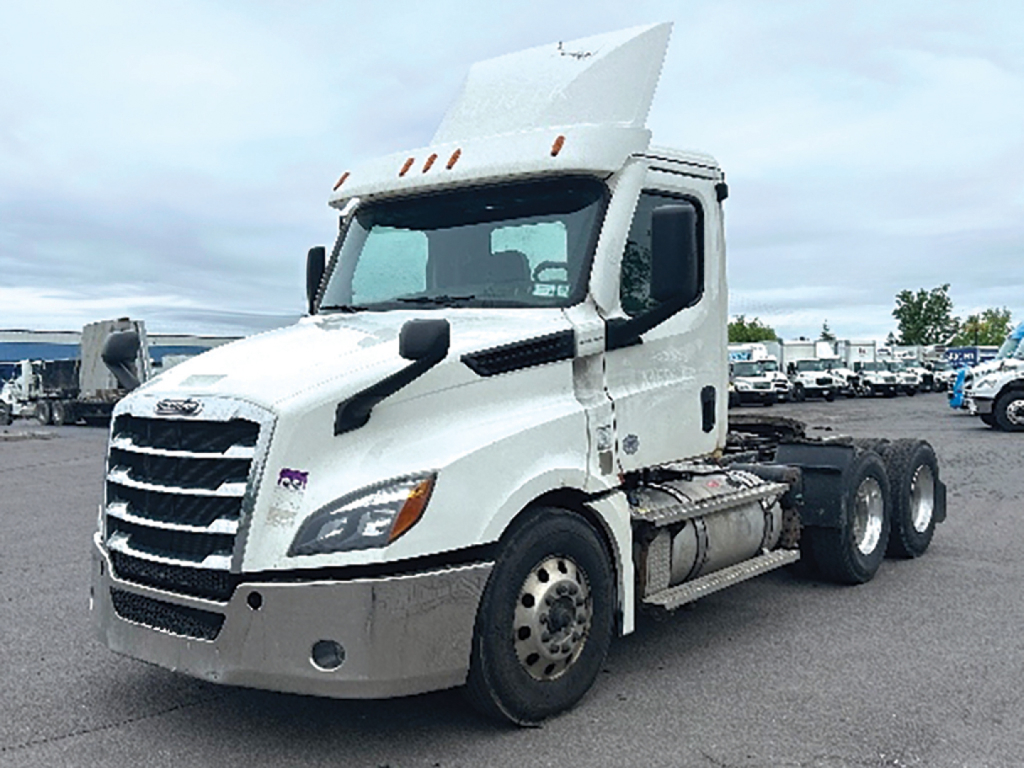
For New York buyers, maneuverability and bridge-law practicality matter as much as horsepower. A daycab with a shorter wheelbase can be easier to place in tight yards, city docks, food distribution lanes, and intermodal terminals, while a longer tandem-axle tractor may better suit regional van and reefer lanes. Common rear axle ratios such as 3.08 or 3.21 are frequently chosen to balance fuel economy with acceptable launch performance, especially when paired with the DD13 and DT12 combination. Air slide fifth wheels, air disc brakes, collision mitigation, and roof fairings are all features worth paying close attention to because they affect driver acceptance, safety, and operating cost.
A 2020 model year also puts these Freightliner conventional daycab trucks in a useful spot for fleets that want newer emissions technology and modern driver-assist features without stepping into the price range of brand-new equipment. Key inspection points include aftertreatment service history, fault codes, transmission calibration, kingpin and fifth wheel wear, front axle loading, suspension bushing condition, and brake type. Buyers should also confirm cab-to-axle measurement, frame configuration, and fuel tank layout against the intended trailer mix, because those details directly affect trailer swing clearance, weight distribution, and usable turning radius.
Freightliner daycabs are popular because parts support is strong, drivers are familiar with the platform, and the Cascadia has a long track record in fuel-conscious fleet service. When comparing listings, the important differences are often not cosmetic. Engine rating, rear axle capacity, wheelbase, tire size, suspension type, and whether the truck is a single-axle or tandem-axle setup will determine where the truck fits best. For buyers moving dry van, reefer, container, or flatbed freight around New York and the Northeast, a properly spec'd 2020 Freightliner conventional daycab can be a practical tractor with good uptime potential and predictable operating costs.
Frequently Asked Questions about 2020 Freightliner Conventional Daycab Trucks in New York
What engine and transmission are common in a 2020 Freightliner conventional daycab?
Many 2020 Freightliner conventional daycab trucks are equipped with a Detroit DD13 diesel engine and a Detroit DT12 automated manual transmission. That combination is common in regional and local fleet service because it offers a good balance of fuel economy, driver familiarity, and service support. Horsepower ratings often fall in the low-to-mid 400 hp range, which is enough for most van, reefer, and general freight applications without adding unnecessary fuel burn.
Is a tandem-axle or single-axle Freightliner daycab better for New York operations?
It depends on the freight, trailer type, and route density. A single-axle daycab can work well for lighter local service, short hauls, and operations where maneuverability and lower empty weight matter most. A tandem-axle truck is usually the better fit for heavier regional loads, interstate work, and operations that need broader trailer compatibility and stronger resale demand. In New York, tight urban access may favor a shorter chassis, but axle capacity and bridge-law needs still have to match the freight.
What specs matter most when comparing 2020 Freightliner daycab listings?
Wheelbase, rear axle rating, rear axle ratio, engine rating, transmission type, suspension, and fifth wheel setup are the main comparison points. Buyers should also check whether the truck has air disc brakes, collision mitigation, dual fuel tanks, and an air slide fifth wheel. Cab-to-axle measurement is especially important because it affects trailer clearance and weight placement. These details have more impact on job fit than cosmetic condition alone.
Are 2020 Freightliner conventional daycabs good for regional freight?
Yes. This category is commonly used for regional haul, dedicated contract freight, port drayage, and local-to-regional distribution. The daycab layout reduces weight and simplifies the truck compared with a sleeper tractor, which can help on routes where the driver returns regularly. A 2020 Freightliner Cascadia day cab is especially well suited to fleets that want a modern aerodynamic tractor with current emissions equipment and strong parts availability.
What should a buyer inspect on a used 2020 Freightliner daycab?
The most important checks are engine fault history, aftertreatment condition, transmission operation, brake wear, suspension condition, and fifth wheel wear. Buyers should also review maintenance records for DEF and DPF service, confirm there are no active emissions issues, and inspect the frame for prior modifications or damage. Tire condition, wheel seals, steer axle wear, and electronic safety system function should also be verified before the truck is assigned to revenue work.